




by Redazione 04/12/2025



Categories: News / Disclaimer
The professional and university world of archaeologists challenges the amendment to the Budget Law, later declared inadmissible, that would have amended Article 28 of the Cultural Heritage Code, effectively eliminating preventive archaeology. Nine associations call for an immediate table with Minister Giuli.


The defense of preventive archaeology becomes the ground for a compact mobilization uniting professionals, researchers and academics. Nine of Italy’s leading associations in the field have decided to take public action with an open letter addressed to Culture Minister Alessandro Giuli, calling for the immediate opening of a political and technical confrontation after the controversy stirred up by amendment 108.0.11 Matera-Gelmetti to Budget Law 2026. The amendment, which was later declared inadmissible, would, according to the signatories, have entailed a substantial modification of Article 28, paragraph 4 of the Code of Cultural Heritage and Landscape, resulting in the cancellation of preventive archaeology procedures, considered an indispensable safeguard for the protection of heritage and the orderly management of public works.


The document, signed by ANA-Associazione Nazionale Archeologi, Api-Mibact-Archeologi del Pubblico Impiego, Associazione Ranuccio Bianchi Bandinelli, Archeoimprese, Assotecnici, CIA-Confederazione Italiana Archeologi, Consulta di Topografia Antica, FCDA-Federazione delle Consulte Universitarie di Archeologia and Legacoop produzione e servizi, speaks explicitly of “strong concern” about a proposed legislation that, if approved, would affect a pillar of Italian legislation on archaeological protection. The associations recall how the preventive procedure was introduced to prevent accidental finds during public works from producing unplanned disruptions, additional costs and risks to the integrity of archaeological sites, including submerged ones, which can often only be identified through specialized surveys.


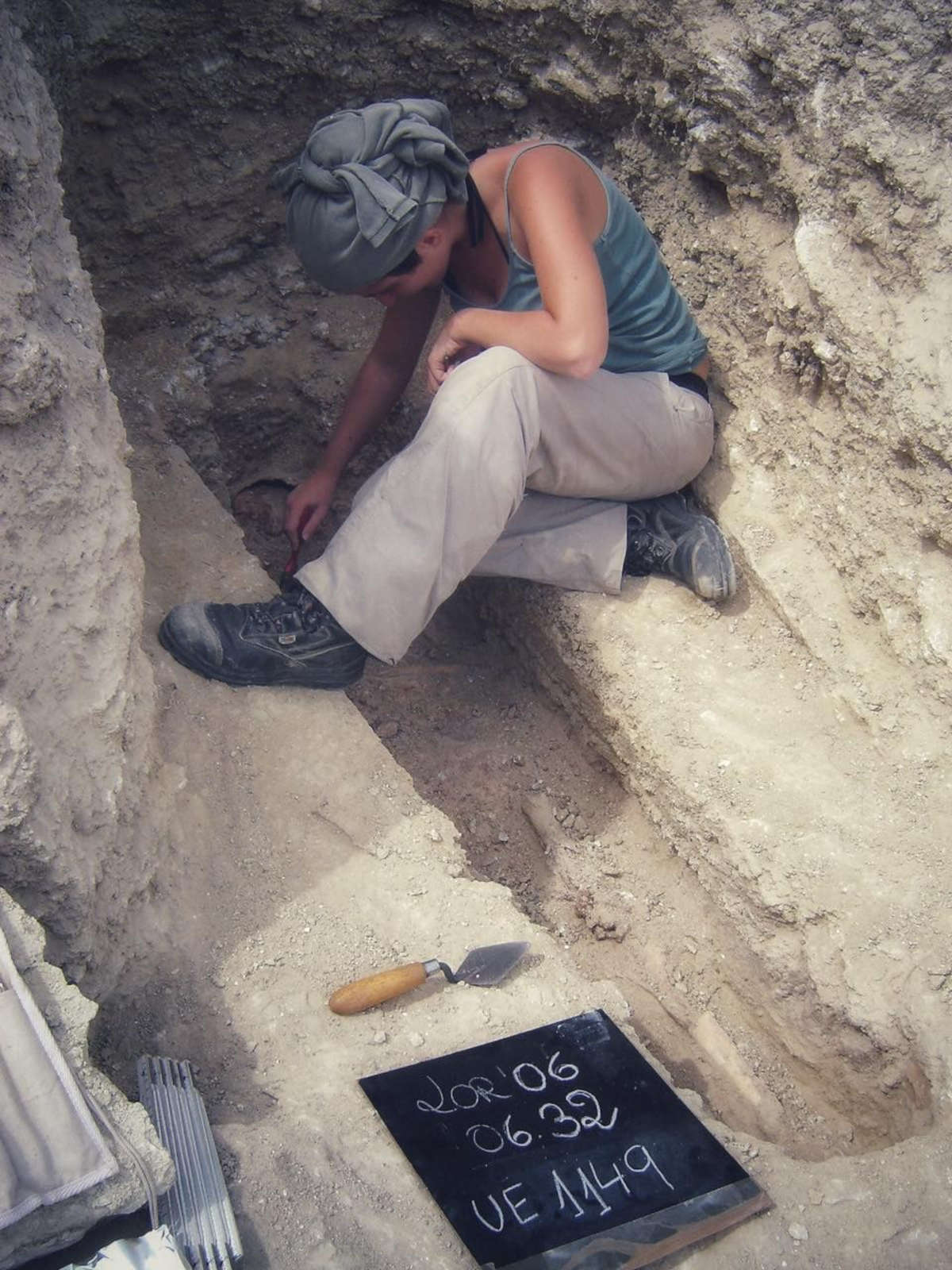
The cancellation of preliminary verifications, industry associations argue, would have exposed construction sites to a range of consequences that are difficult to manage. In the absence of a preliminary assessment, in fact, any accidental discovery of archaeological finds or structures would result in the immediate halt of work, with a significant impact on the time and cost of the works. This mechanism, which is already well known to those working in the field, is one of the reasons why archaeological control protocols were established: to prevent emergency management from becoming an uncontrollable variable, ensuring instead a conscious planning of the design and operational phases.


The associations also recall Italy’s international obligations. The ratification of the European Convention of Valletta in 2015, the signatories recall, commits the state to strengthen tools for the protection of archaeological heritage and to consider preventive archaeology a structural element of public policies. The appeal contained in the letter therefore goes beyond simply challenging the amendment, proposing that preventive procedures be extended not only to interventions carried out with public funds, but also to private ones, as already provided for in several European legal systems. This extension, in the associations’ intentions, would allow national standards to be aligned with the best practices adopted in other countries and improve the overall effectiveness of the protection system.
Another central point raised concerns the need to update the entire structure of the Cultural Heritage Code, whose structure still suffers from the regulatory approach that goes back, in substance, to the 1939 law. The associations believe that the current complexity of archaeological heritage management requires different tools capable of integrating protection, research, training, enhancement and spatial planning. This organic revision, they argue, is indispensable to place archaeology within contemporary development and public governance policies, overcoming a vision that sometimes considers archaeological heritage as an obstacle rather than a resource.
The request addressed to Minister Giuli is therefore clear: to immediately open a concertation table that allows for discussion between institutions and the professional community, with the aim of defining shared regulatory interventions and preventing hasty decisions from jeopardizing a strategic sector for the protection of heritage and for the very realization of infrastructure. The associations say they are willing to contribute targeted technical proposals and collaborate in building a more modern and effective system.
The letter also recalls the very function of preventive archaeology, which is often perceived in a distorted way in public opinion and sometimes in the administration itself. It is on this point that Marcella Giorgio, national president of the National Association of Archaeologists, intervenes: “Archaeology,” she says, “is not a hindrance in the construction of national territorial development policies, but rather is the most effective tool for enabling their design and execution and reconciling them with the protection of the historical memory of territories and communities.”
The unity shown by the associations in their initiative is also meant to emphasize that the issue is not only about defending professional interests, but involves a broader issue of public responsibility toward archaeological assets, which belong to the entire community. Abolishing preventive inspections, the petitioners warn, would risk accelerating the degradation or irreversible loss of evidence that helps define the country’s cultural identity. The same principle is reiterated in the concluding passages of the letter, where they point out the need for coordinated action to avoid an impoverishment of the national heritage at a time when major infrastructure works, also financed through European funds, are set to multiply.
The association front argues that only rigorous planning can avoid incidents that would affect both the public coffers and Italy’s image as a country that protects and enhances its heritage. For this reason, the petitioners’ hope is that Minister Giuli will grant the request to open a structured dialogue, capable of turning a contingent controversy into an opportunity to improve the system.
While waiting for a signal from the ministry, the associations reiterate that preventive archaeology is a necessary condition for the modernization of the public apparatus, a method that makes it possible to plan interventions, limit risks and at the same time ensure the protection of cultural property. The challenge, they say, is not to choose between development and protection, but to recognize that the two dimensions can coexist and reinforce each other, as long as they are embedded in a clear and up-to-date regulatory framework.
 |
| Preventive archaeology, associations call for urgent confrontation with the Ministry |
Warning: the translation into English of the original Italian article was created using automatic tools. We undertake to review all articles, but we do not guarantee the total absence of inaccuracies in the translation due to the program. You can find the original by clicking on the ITA button. If you find any mistake,please contact us.