





South Africa’s Minister of Arts and Culture, Gayton McKenzie, is questioning South Africa ’s participation in the 61st Venice Biennale, scheduled to take place this spring, justifying the choice by the content of Gabrielle Goliath ’s work selected to represent the country, which addresses the deaths of women and children in the Gaza Strip. The decision, as the Daily Maverick newspaper writes, officially announced Jan. 2, abruptly interrupts a two-month selection and curatorial process and jeopardizes South Africa’s presence at the prestigious international exhibition, whose deadline for submitting plans was Jan. 10.
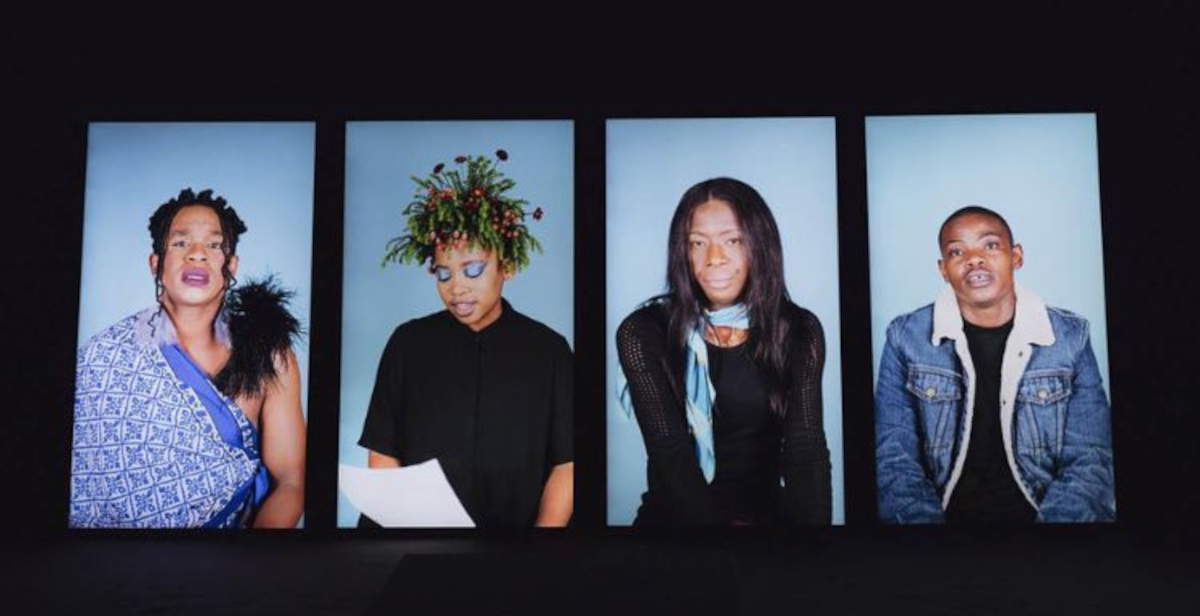
The work in question, titled Elegy, had been proposed by artist Goliath, who was unanimously chosen as the sole South African representative for the national pavilion. The artist, a 2019 winner of the Standard Bank Young Artist award, is recognized both locally and internationally. The project for the Biennale represents a continuation of her decades-long engagement with issues related to feminicide and violence against LGBTQI+ people in South Africa, women killed by German colonial forces in Namibia during the Ovaherero and Nama genocide in the early 20th century, and, finally, Palestinian civilian victims in Gaza affected by Israeli Defense Forces (IDF) operations as of October 2023. Included in this section of the work is a memorial poem dedicated to Palestinian poet Hiba Abu Nada, who was killed during the bombings in the Gaza Strip. As the newspaper reports, according to letters sent by the minister to Art Periodic, the nonprofit organization tasked by the Department of Sport, Arts and Culture with coordinating and presenting the South African pavilion, the main reason for the cancellation was precisely the section of the work that addresses the deaths in Gaza. McKenzie expressed concerns, calling the theme highly divisive and linked to an ongoing, widely polarizing international conflict, while avoiding characterizing the events as genocide.
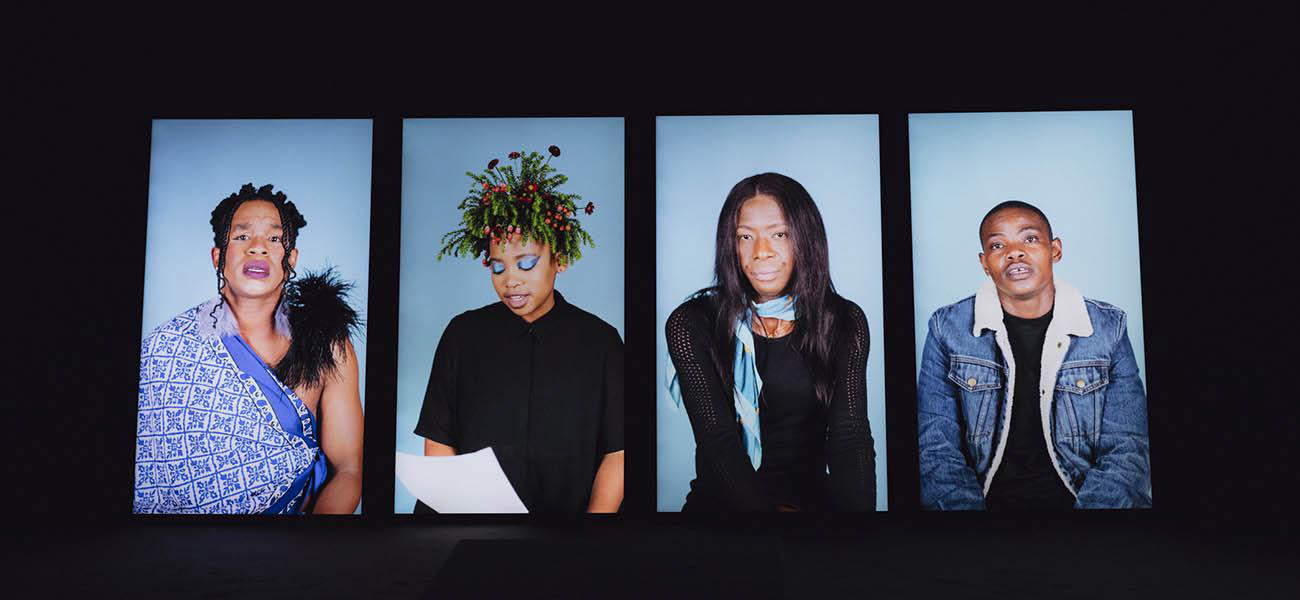
On Dec. 22, the minister had sent a letter to Art Periodic requesting changes to the curatorial and artistic path envisioned by Goliath, curator Ingrid Masondo and collaborator James Macdonald, threatening in case of refusal to withdraw government support or cancel South Africa’s participation in the Biennale altogether. The art team’s response, dated Jan. 4, disputed the minister’s demands, calling them an abuse of power and a violation of due process, contradicting the right to freedom of expression. Despite the rebuttal, two days earlier McKenzie had already ended the department’s collaboration with Art Periodic with a second official communication.
The decision drew immediate criticism from the South African political party Democratic Alliance, which denounced the intervention as an act of retroactive political interference capable of undermining the credibility of South African cultural institutions. According to the party, once an independent selection process is concluded, a minister has no authority to intervene on grounds of content or reputational risk, and posthumous interference undermines the stability of art platforms and the autonomy of curatorial processes. The party also pointed out that this decision puts South Africa’s already vulnerable creative sector at risk, undermining the country’s international reputation and discouraging possible future collaborations. In democratic contexts, artistic expression is protected as independent and free from political interference. Art, reads the Democratic Alliance memo, serves to give voice to individual and collective realities that may be uncomfortable to those in power, but its function is not conformist, but expressive of social and political facts through creative language. The Democratic Alliance announced its intention to report the minister’s actions to the Public Protector for overstepping its legal authority and violating due process. The party called on McKenzie to immediately reverse the decision and respect the independence of South Africa’s constitutional values and cultural institutions.
 |
| South Africa out of the Venice Biennale? For minister, work on Gaza too "divisive" |

Warning: the translation into English of the original Italian article was created using automatic tools. We undertake to review all articles, but we do not guarantee the total absence of inaccuracies in the translation due to the program. You can find the original by clicking on the ITA button. If you find any mistake,please contact us.























 IT
IT FR
FR DE
DE ES
ES CN
CN


