




by Redazione 23/01/2026



Categories: News / Disclaimer
An unprecedented five-year, £1.5 billion plan aims to save more than 1,000 museums, libraries and cultural spaces in England, addressing years of underfunding and reaffirming the role of culture as an engine of social cohesion. For Minister Lisa Nandy, "In an age when forces seek to divide us, art, culture and heritage are


The U.K. government has announced a total investment of 1.5 billion pounds (about 1.7 billion euros) earmarked for culture over the next five years, outlining what is being presented as a step change from more than a decade of underfunding. The package of measures, outlined by Culture Secretary Lisa Nandy, aims to save more than 1,000 museums, libraries, art spaces and historic buildings across the country, many of which were at risk of closure due to serious structural and resource shortfalls.

The intervention comes against a backdrop marked by the continuing cost-of-living crisis, which continues to affect British families. Against this backdrop, strengthening cultural infrastructure is presented by the UK government as a way to ensure accessible, welcoming and low-cost spaces that can provide opportunities for local communities to meet and enjoy themselves. According to the government, investing in culture also means supporting families by ensuring free or affordable alternatives for leisure and participation in collective life.
The plan includes targeted investments in areas and institutions that have suffered the most from funding shortages in recent years. A significant portion of the resources will be allocated to maintenance and securing of historic buildings and museum venues, many of which have significant backlogs in terms of structural work. In particular, more than £100 million (about €114 million) has been earmarked specifically for local museums grappling with increasingly high operating and maintenance costs, with a direct impact expected on about 200 sites across the country.


The stated goal is to restore centrality to culture as a founding element of national identity and as a tool capable of strengthening the sense of belonging to territories. The government stresses that cultural institutions are not simply buildings, but symbolic places that tell the collective story, encourage the meeting of generations, and offer educational and creative opportunities, especially for the youngest.
In presenting the plan, Lisa Nandy highlighted the role of culture as a unifying force at a time in history marked by social and political divisions. “At a time when forces seek to divide us, art, culture and heritage are what unites us,” she said. “Our local cultural institutions are not just buildings: they are part of who we are as a nation, they help tell our national story, and they offer unique opportunities for young people to realize their dreams. This funding will keep the doors open and the lights on in thousands of arts organizations, museums, libraries and historic buildings that would otherwise have been at risk of closure. It will unlock opportunities for millions of people who have remained excluded for too long. This is the Britain we are rebuilding.”
The £1.5 billion package will cover the entirety of the legislature and is part of the government’s broader “Plan for Change,” which aims to strengthen access to world-class arts and culture in every city and town in England. The intent is to foster greater knowledge of the local history, heritage and identities of different areas, while contributing to the growth of cultural and creative industries.
From an employment perspective, the cultural sector in the UK currently supports about 700,000 jobs. According to government estimates, the new investment package will help safeguard and create thousands of jobs in the coming years, strengthening the economic sustainability of a sector considered strategic.
The distribution of funds includes 760 million pounds (about 870 million euros) earmarked for museums. Of this, 600 million (about 690 million euros) will be used for infrastructure interventions for national museums and cultural bodies managed by the Department for Culture, Media and Sport, the counterpart of our Ministry of Culture. The resources will be used to address critical structural issues and enable institutions to share collections and expertise nationwide, with the aim of attracting visitors from abroad as well. An additional 160 million (about €185 million) will be allocated to local and regional museums through the Museum Estates and Development Fund, flanked by a new £13.6 million (about €15.6 million) museum transformation program designed to foster more sustainable management models.
Another major chapter concerns the Creative Foundations Fund, which with £425 million (about €488 million) will support some 300 investment projects in dedicated arts spaces across the country. Historic heritage will be allocated £230 million (about €246 million) for the protection and preservation of valuable buildings, including places of worship and listed structures. Included within this are 75 million (about €86 million) for heritage at risk, 46 million (about €52 million) for the Heritage Revival Fund, aimed at supporting communities in the management of local historic assets, and a new £92 million (about €105 million) Places of Worship Renewal Fund, which will replace the previous Places of Worship grant scheme, putting them on an equal footing with other cultural assets in terms of access to public funding.
The plan also provides £27.5 million (about €31.5 million) for the Libraries Improvement Fund, designed to improve buildings and technological equipment in public libraries, and £80 million (about €91 million) in capital funding, spread over four years, for National Portfolio organizations regularly supported by Arts Council England. This intervention is part of an overall 5 percent increase in funding for these bodies, with the aim of securing arts and cultural activities in each local authority.
A central role will also be played by the Arts Everywhere Fund, already announced last year with an investment of £270 million (about 310 million euros). The new financial commitment will bring the total to 1.5 billion between 2025 and 2030, reinforcing the use of culture as a catalyst for local growth and as a means of supporting the most disadvantaged areas.
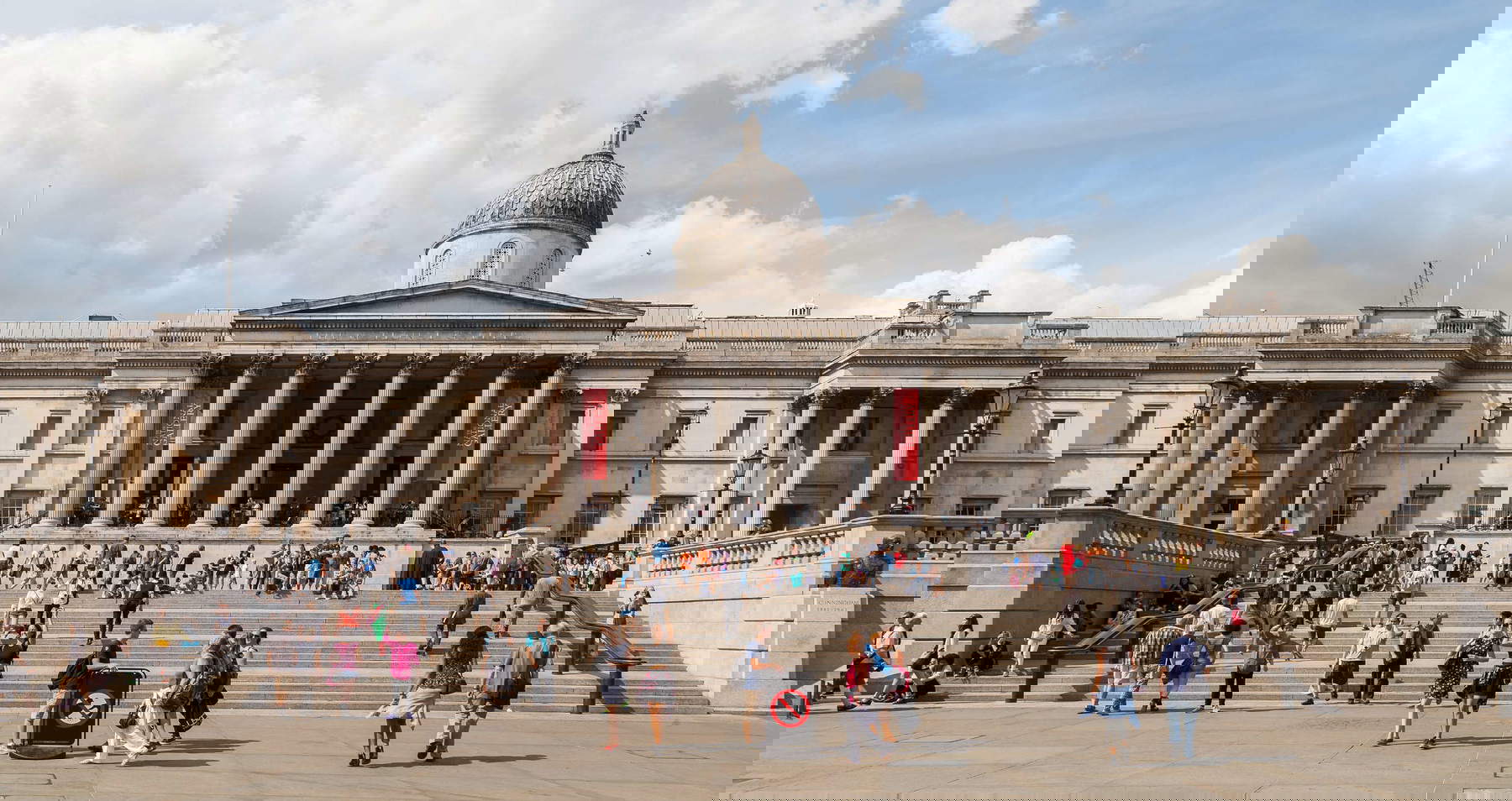
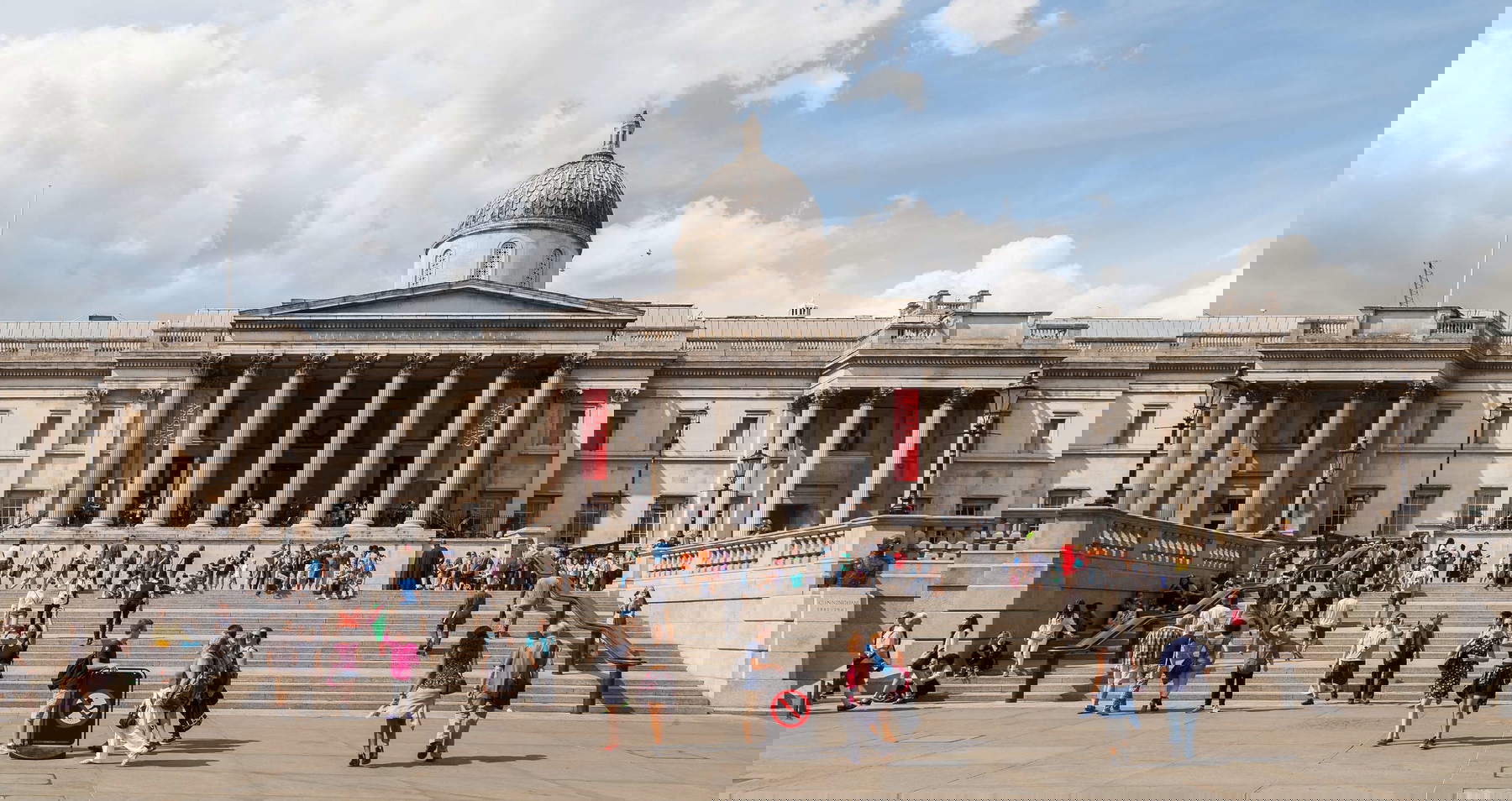
The Department for Culture, Media and Sport currently sponsors 15 museum groups that operate more than 45 venues in England, visited by more than 40 million people in the past year. Six national museums are among the ten most visited sites in the UK in 2024, including the British Museum, Tate Modern, National Gallery, Natural History Museum, Victoria and Albert Museum, and Science Museum. Institutions that could benefit from the infrastructure funds also include the British Library, the BFI, and several other nationally significant institutions.
The operational details of the individual funding programs, including how they will be accessed and the criteria for allocation, will be announced in the coming months. Meanwhile, the government claims the intervention as a decisive step in putting culture back at the center of public life, restoring value to symbolic places and strengthening the link between heritage, community and future.
Many cultural figures spoke to comment on the measure. “I am delighted to hear that our government is helping to support the arts through this important increase in funding,” says Antony Gormley, one of Britain’s greatest living sculptors. He is echoed by another artist, Grayson Perry: “This is good news and will ensure that many more people across the country can access and enjoy the arts, culture and heritage.” Andrew Lewson, director of the Royal Shakspeare Company, says, “The RSC welcomes the integration of capital investment into the funding model for arts organizations announced today. Addressing the urgent need for capital in arts infrastructure will support the growth of the creative industries, helping to create high-quality local jobs and enabling the sector to continue to excite and entertain audiences for generations to come.” For Darren Henley, ad of Arts Council England, “This is a great boost for arts organizations, museums and libraries, which are the beating heart of cities across England. The government’s new investment will help grow our creative and cultural economy, enabling our dedicated and talented cultural workforce to make more inspiring work for more people in more places. By continuing to fund our cultural infrastructure, the government is investing in our collective future, ensuring creative opportunities for future generations.” According to Anu Giri, ad of the English National Ballet, “This investment will make a tangible difference, enabling us to secure essential infrastructure and equipment that, in turn, will support larger tours and help us reach new audiences, including young people, in cities and towns across the country. The announcement is an important step for organizations like English National Ballet and for the cultural sector as a whole; a step that helps ensure that our world-class arts ecosystem can continue to deliver exceptional creativity and cultural experiences to audiences and communities across the country.”
“This increase in investment,” says David Burke, ad of the London Philharmonic Orchestra, “comes at a crucial time for the UK’s world-class arts ecosystem. The government’s impetus is pouring in generous donations and sponsorship, while encouraging the entrepreneurship and innovation that are hallmarks of our cultural life.” And again Jeremy Silver, ad of the British Library, comments, “We are delighted to see this additional support, which enables public libraries across England to invest in their buildings and digital offerings, meeting the needs of a diverse audience and providing essential services to the public as an integral part of our cultural and shared knowledge ecosystem. We hope this funding will help strengthen resilience and innovation in the sector.” Finally, Paddy Rodgers, director of the Royal Museums Greenwich, says, “This is a serious commitment to a key growth area for the UK. Its impact will be felt globally and in future generations.”
 |
| UK government invests 1.5 billion in culture: its social importance recognized |
Warning: the translation into English of the original Italian article was created using automatic tools. We undertake to review all articles, but we do not guarantee the total absence of inaccuracies in the translation due to the program. You can find the original by clicking on the ITA button. If you find any mistake,please contact us.