



by Redazione 28/02/2026



Categories: Photography / Disclaimer
More than 300 applications for the 13th edition of Young Italian Photography | Luigi Ghirri Prize 2026, promoted by the Municipality of Reggio Emilia. The seven artists under 35 selected will exhibit at the Palazzo dei Musei during Fotografia Europea, competing for the 4,000-euro prize.
The seven finalists of the 13th edition of Giovane Fotografia Italiana | Premio Luigi Ghirri 2026, entitled Voci / Voices, have been announced. The open call, promoted by the Municipality of Reggio Emilia, registered a wide participation again this year, with over 300 applications from artists and collectives active on the national and international scene. The figure confirms the initiative’s role as a reference platform for the promotion of Italian photography under 35 and as an observatory on the state of emerging research in the country. The selected projects will be presented in a group exhibition set up at the Palazzo dei Musei in Reggio Emilia from April 30 to June 14, 2026, as part of the Fotografia Europea festival. There, the artists will compete for the Luigi Ghirri Prize, worth 4,000 euros, as well as a series of opportunities for international visibility and circulation.
The jury for the 13th edition is composed of Danit Ariel (Photoworks Festival); Ilaria Campioli and Daniele De Luigi, curators of Giovane Fotografia Italiana; Krzysztof Candrowicz, linked to Fotofestiwal Łódź; and Femke Rotteveel of Fotodok. Alongside the main prize, there is a special mention “New Trajectories,” awarded by the Italian Cultural Institute in Stockholm, which will offer an artist a period of study and research in Sweden aimed at producing a project to be presented in a solo exhibition at the Institute’s headquarters. Participation in the Photo-Match portfolio reading program of the Fotofestiwal Łódź in Poland, among the leading European events dedicated to photography, is also planned.


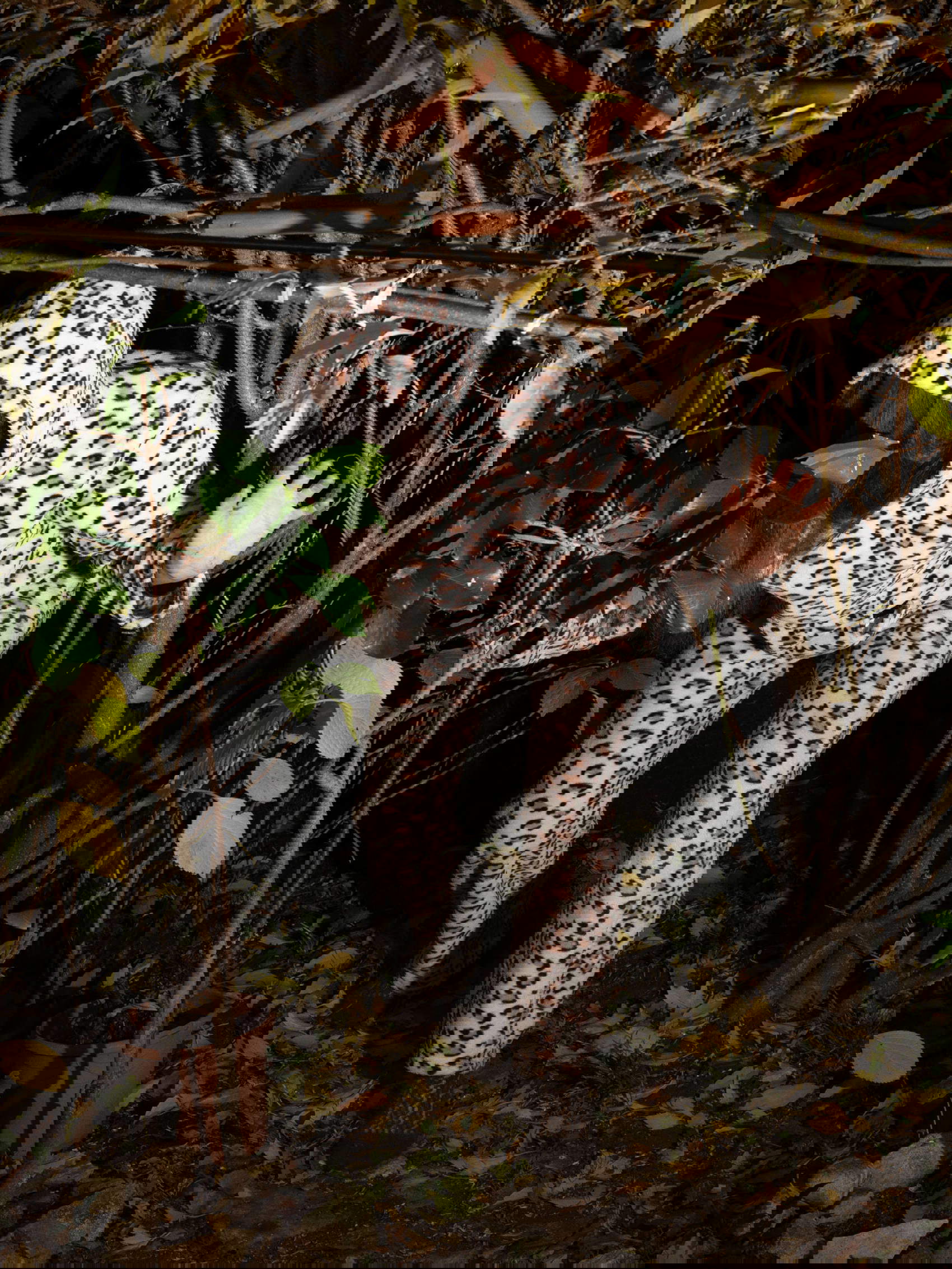
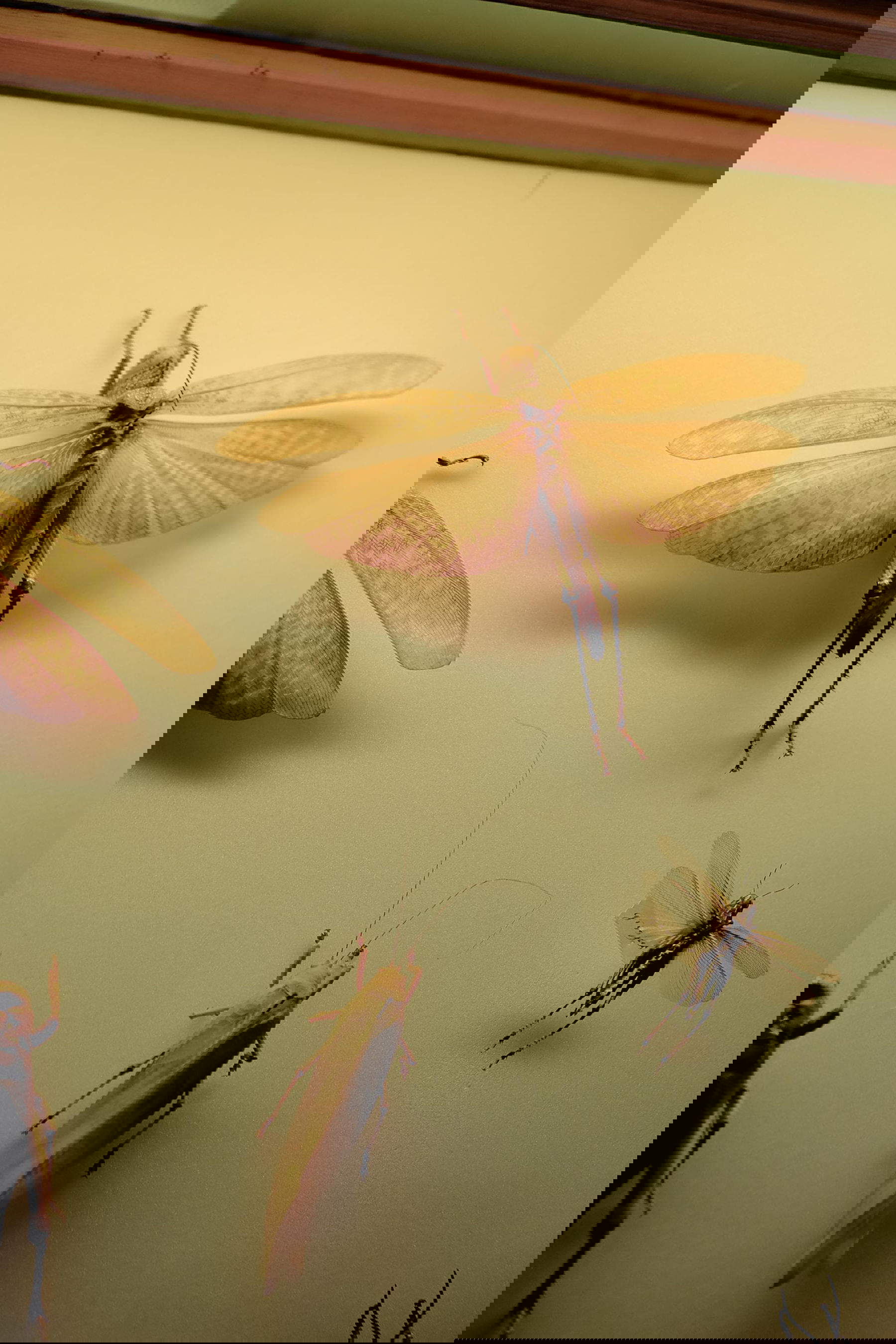
The seven artists selected are Susanna De Vido with Quando torneremo a guardare le stelle, Karim El Maktafi with Archivio del mare, Alice Jankovic with Green Paradox, Cinzia Laliscia with Finalmente posso andare, Anie Maki with Milk, Weight, Gravity, Eva Rivas Bao with Una storia italiana, and Federica Torrenti with La fortezza.


The theme Voci / Voices, proposed by curators Ilaria Campioli and Daniele De Luigi, draws inspiration from the novel Io canto e la montagna balla (I sing and the mountain dances ) by Irene Solà, a choral tale that gives word to human and non-human presences, making visible marginal dimensions and submerged memories. The literary reference directs a reflection on photography as a language capable of confronting what escapes the gaze, suspended between appearance and subtraction, between document and evocation. In a context marked by an overproduction of images, the exhibition proposes itself as a space for listening and questioning about the possibilities of representing existences devoid of visibility and articulating new forms of presence.
The artists and the finalist works
In the project of Susanna De Vido, born in Conegliano, Italy in 1993, the representation of the living is placed at the center of an investigation that begins with the disappearance of animals from their habitats and their permanence in museums, scientific archives and family albums. When We Return to Look at the Stars questions the imaginary constructed around nature in patriarchal Western societies of the Anthropocene, founded on separation, control and extraction. The work opens a reflection on the ways in which human and nonhuman coexist.
Karim El Maktafi, born in Desenzano del Garda in 1992, with Archive of the Sea addresses the memory of contemporary migrations in the Mediterranean through objects recovered after shipwrecks. Personal belongings belonging to men, women and children become fragments of interrupted lives. Photography takes on the function of archive and testimony, restoring identity to vanished presences and questioning the collective ability to recognize the submerged voices of contemporaneity.
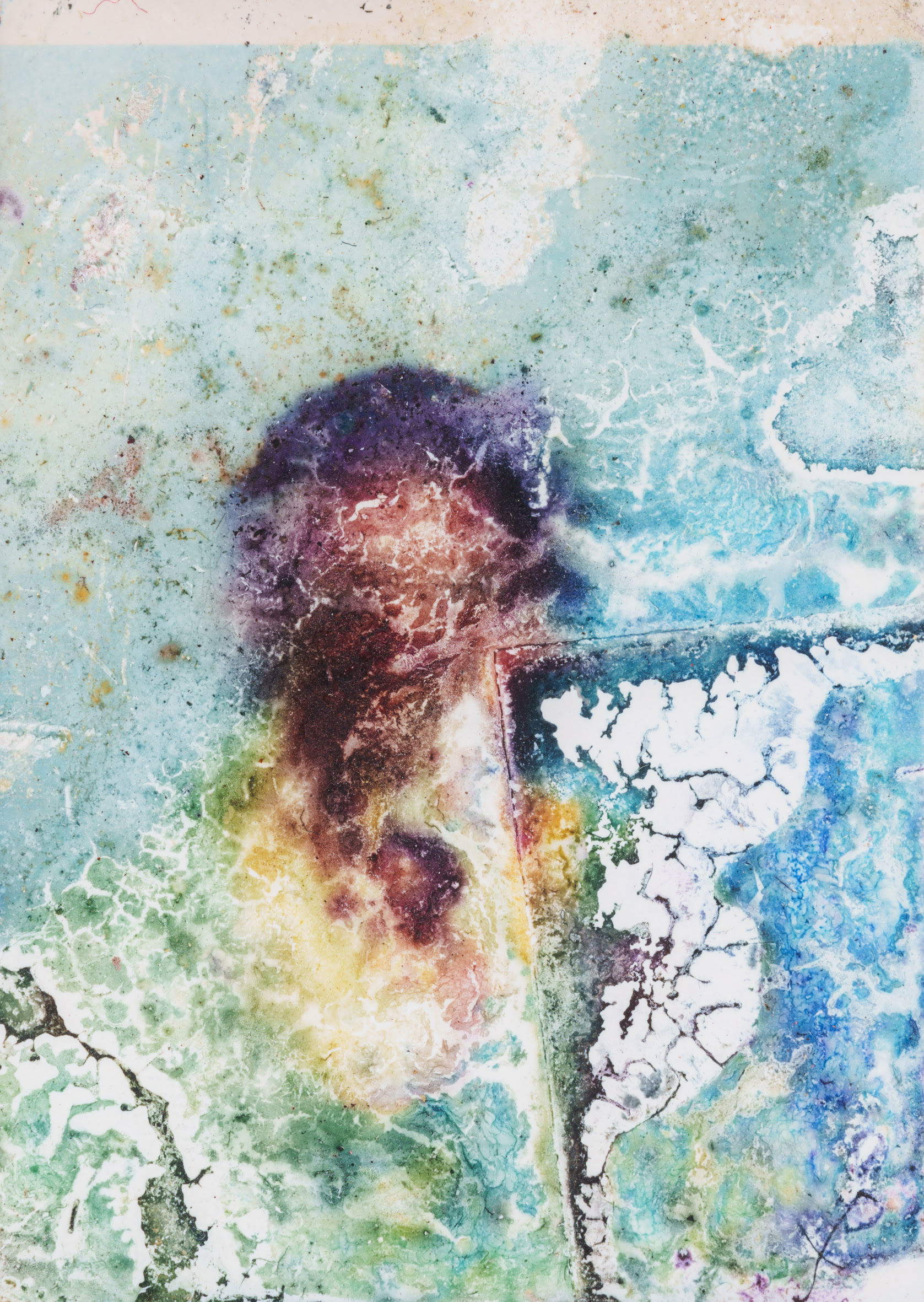
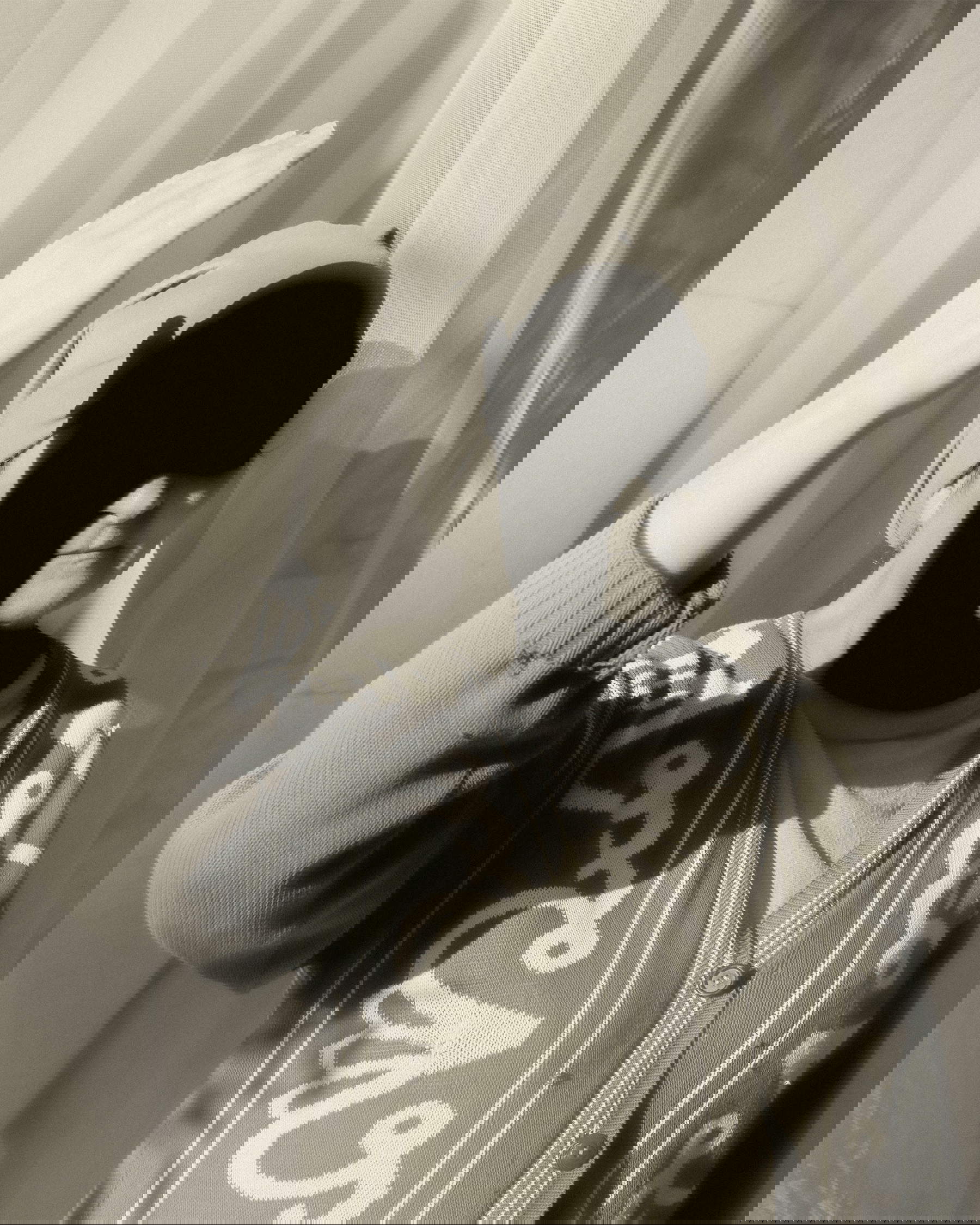
Alice Jankovic, born in Genoa in 1996, dedicates Green Paradox to Scheele’s Green, a brilliant but toxic eighteenth-century pigment. The project develops an investigation that interweaves science, myth and ecology, highlighting the paradox between aesthetic attraction and invisible danger. The focus is on the hidden impact of human action on the environment and the persistence of a fragile nature that endures beyond the reassuring narratives associated with the color green.
Cinzia Laliscia, born in Terni in 1999, presents Finally I Can Go, a work marked by the experience of two family bereavements that occurred in 2020 during the pandemic. The impossibility of the last goodbye leads the artist to return to the landscapes of childhood to construct a visual diary of memory. The project articulates a dialogue with absence and addresses the theme of mourning through an intimate dimension in which memory and consolation coexist.
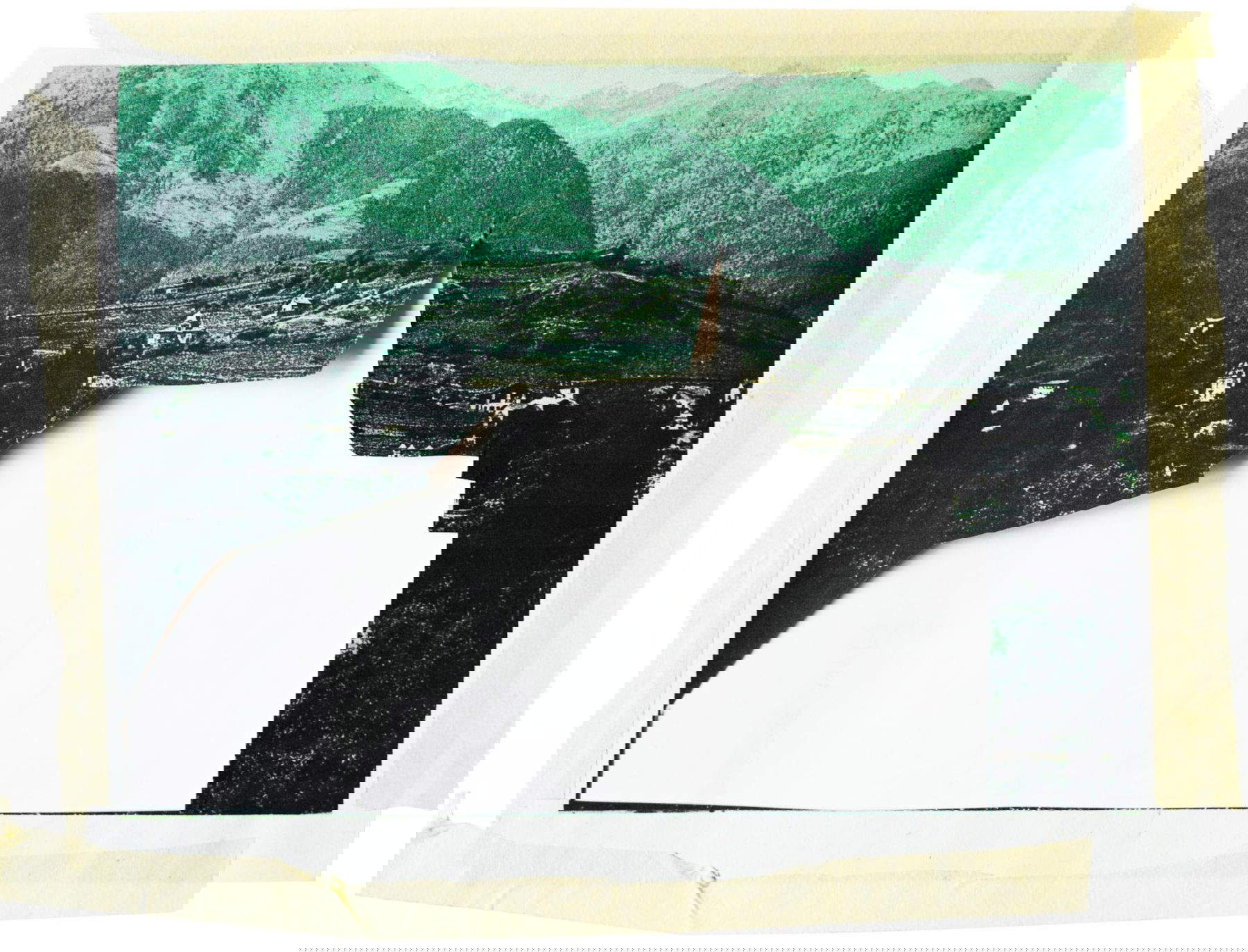
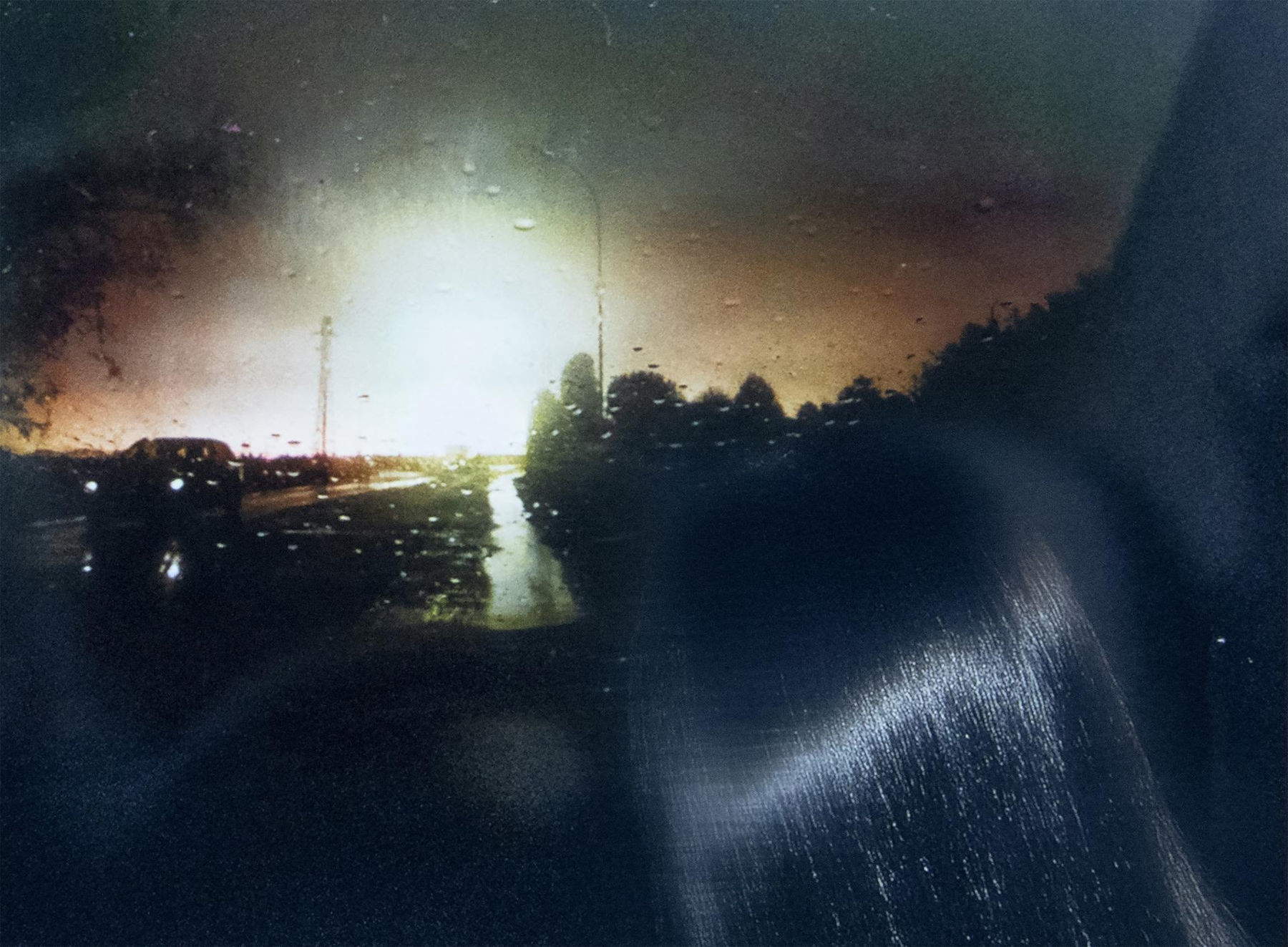
Anie Maki, born in Sterzing in 1998, with Milk, Weight, Gravity reconstructs a family genealogy traversed by silences and traumas. The narrative focuses on the legend of a genetic depression that resurfaced in the artist’s life. Photo albums and archival materials become tools for reworking a fragmented history, in a process that takes on the value of an act of retroactive healing.
Eva Rivas Bao, born in Milan in 2001, addresses in Una storia italiana the political and media dimension of voice, interrogating the missing images of the Berlusconi era. The project reworks the trial involving Silvio Berlusconi from the figure of the model Imane Fadil, who died prematurely. Through personal archives, documentary materials and the use of artificial intelligence, the artist constructs a counter-narrative that reflects on power, representation and public memory.
Federica Torrenti, born in Bologna in 1999, closes the selection with La fortezza, a project that investigates consciousness as a relational territory. The juxtaposition of scientific, anatomical and natural images challenges the idea of an isolated mind and proposes a vision in which human and non-human co-generate. Photography becomes a tool to make perceptible a web of invisible connections.
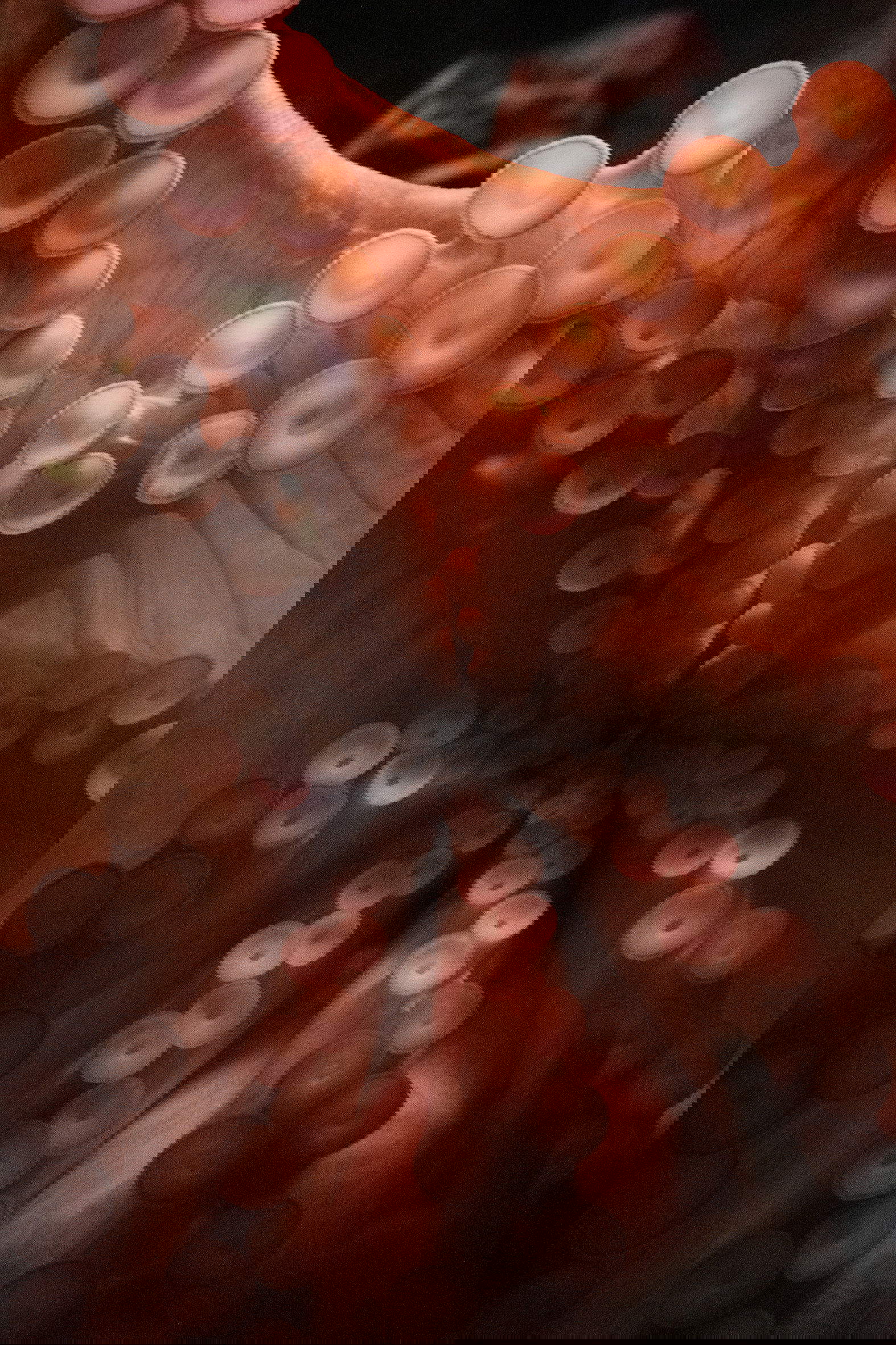
The exhibition takes the form of a critical device that addresses the disappearance of the living, the material traces of interrupted lives, invisible toxicities, family traumas and media manipulations. In each project, photography takes on the function of making sensitive what does not find dominant representation. Young Italian Photography #13 | Luigi Ghirri Prize 2026 - Voices / Voices is realized thanks to the European Funds of the Emilia-Romagna Region. The initiative is promoted by the Municipality of Reggio Emilia in partnership with the Luigi Ghirri Foundation and the Italian Cultural Institute of Stockholm, in collaboration with GAI - Association for the Circuit of Young Italian Artists, Fotografia Europea, Fotodok, Utrecht, Fotofestiwal Łódź in Poland and Photoworks Brighton. Reire srl and Unindustria Reggio Emilia Young Entrepreneurs Group contribute; technical sponsor Pirru.
 |
| Young Italian Photography 2026: seven finalists under 35 selected for Luigi Ghirri Prize |
Warning: the translation into English of the original Italian article was created using automatic tools. We undertake to review all articles, but we do not guarantee the total absence of inaccuracies in the translation due to the program. You can find the original by clicking on the ITA button. If you find any mistake,please contact us.