





The most expensive antique print in history was sold at Christie’s in London last December 3: the extraordinary sale was recorded in the third session of the auction The Sam Josefowitz Collection: Graphic Masterpieces by Rembrandt van Rijn, which beyond the exceptional sale scored extraordinary results that reinforce the centrality of Rembrandt van Rijn (Leiden, 1606 - Amsterdam, 1669) in the international market for antique prints. The round totaled £8,621,579, or €9,785,492, with sales percentages touching the total: 99 percent of the value and 98 percent of the lots found buyers, testifying to collectors’ exceptional interest in Rembrandt’s graphic works.
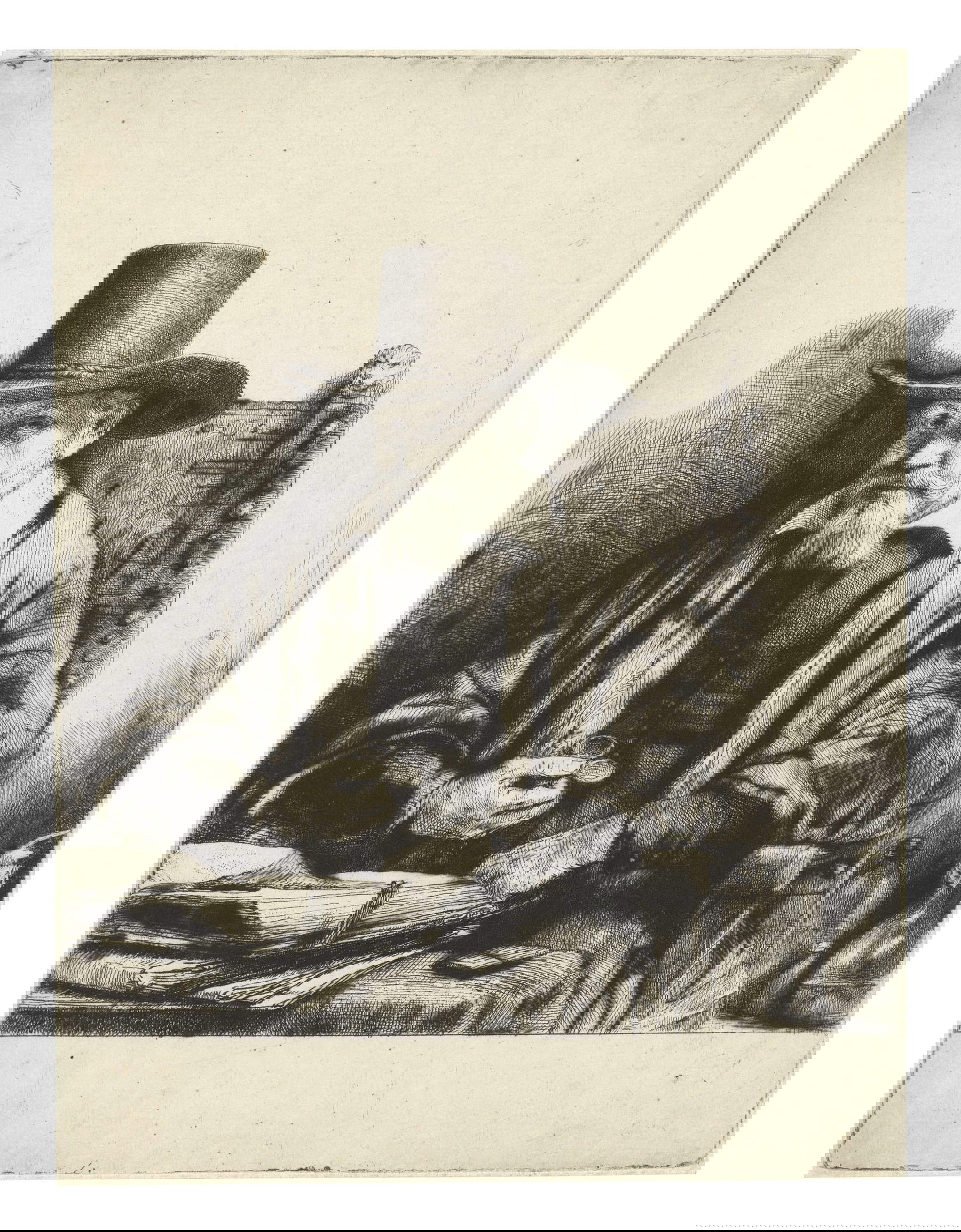
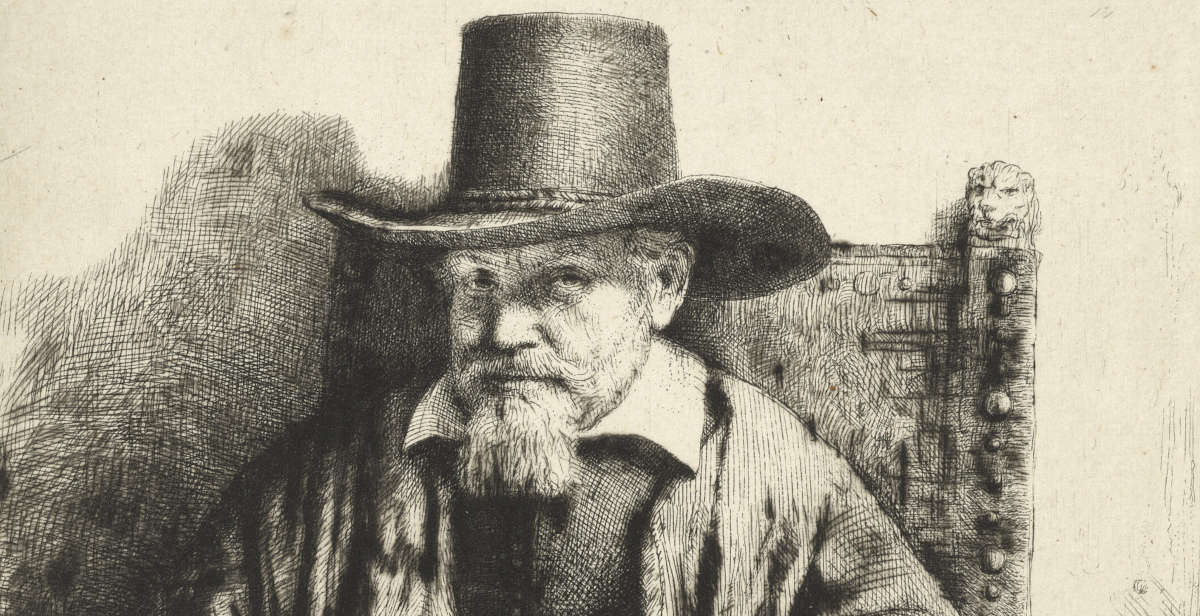
The absolute star of the evening was the print depicting Inspector Arnout Tholinx, circa 1656: it was she who fetched a record £3.1 million (€3.54 million), making it the most expensive antique print ever sold at auction and marking a new world record for a graphic work by Rembrandt. The exceptional price is due to the rarity of this sheet, considered among the most intriguing and seductive printed portraits of the 1750s, a rarity such that it has become little known outside a small circle of collectors and scholars. The specimen sold by Christie’s, probably the most brilliant of all those known, is the last one left in private hands: the others are all held in major international museums.
The sale of the Arnout Tholinx portrait also takes on historical significance: the last transaction of the work took place exactly one hundred and one years ago in the London halls of Christie’s. On that occasion, the print was part of an extraordinary collection belonging to Edward Rudge, an English botanist and antiquarian, who had arranged for his collection to be preserved for two generations and opened only when his great-grandson John Edward Rudge reached adulthood. In 1924, when the young heir came of age, Christie’s received the precious lots stored in two sturdy crates, including the Tholinx portrait. The December 1924 sale marked the print’s first appearance as a rare “unicorn” of Rembrandtian graphic art, and it sold then for £3,760, a record figure for a print at the time.
Tim Schmelcher, prints and multiples specialist at Christie’s London, commented, "We are thrilled with the outstanding results achieved in this and the other two sales devoted to Rembrandt’s graphic masterpieces from the Sam Josefowitz Collection. The world record achieved by Arnout Tholinx, Inspector is a landmark achievement for Christie’s and a testament to both the timeless appeal of Rembrandt graphics and the extraordinary expertise of the late Sam Josefowitz."
The portrait of Arnout Tholinx, extremely rare among Rembrandt’s large prints of the 1750s, depicts a figure who was part of a small group of the artist’s friends, acquaintances and patrons, many of them from wealthy, but not aristocratic, professional and intellectual circles. Tholinx himself, an inspector of the Amsterdam Medical Colleges, was a brother-in-law of Jan Six and had close ties to the Tulp family, particularly Nicolaes Tulp, the celebrated surgeon immortalized in The Anatomy Lesson of Dr. Tulp of 1632. The portrait was probably executed shortly after the 1656 painting of the same name preserved at the Musée Jacquemart-André in Paris, and it comes at a time when Rembrandt was facing financial difficulties but continued to vigorously explore the possibilities of engraving and human representation.
The work shows Tholinx in a three-quarter position, seated in an armchair and immersed in a scientific context: a large book in front of him and small medical bottles to the side. Rembrandt brings to life a vibrant image full of depth. The print run was probably limited to a few “presentation” copies that the artist personally delivered to the subject along with the plate. The print is never pulled in a second series, which increased its rarity.
Scholars agree in praising the print’s extraordinary quality: Stephanie Dickey calls it “the decisive product of an engraver at the pinnacle of his art,” Christopher White considers it “one of Rembrandt’s most painterly and penetrating prints,” and Ger Luijten judges it “an incomparable work.” The viewer perceives the subject’s presence as a personal encounter: the man seems to have just removed his glasses from the book, and he looks at the viewer with a lively, slightly irritated gaze, in a kind of direct dialogue with the viewer.
In this print, Rembrandt reaches the pinnacle of his graphic experimentation: the fusion of form, light, texture, and character produces an emotional effect similar to that of his large canvases, albeit within the scale and limitations of the print. The delicate modulations of drypoint do not imitate reality, but guide the eye, animate space, and suggest the texture of fabrics, books, and objects around the subject. The print thus stands at the level of the artist’s highest pictorial achievements, confirming his absolute mastery in portraying the essence of the person through etching.
 |
| A Rembrandt print sold for over 3 million at auction: it is the most expensive ever |

Warning: the translation into English of the original Italian article was created using automatic tools. We undertake to review all articles, but we do not guarantee the total absence of inaccuracies in the translation due to the program. You can find the original by clicking on the ITA button. If you find any mistake,please contact us.



















 IT
IT FR
FR DE
DE ES
ES CN
CN


