





A return that stitches up a fragment of Italian collecting history. In fact, theAllegory of Good Hope by Giovan Francesco Penni (Florence, 1488 - Naples, 1528) has returned to Rome in the collection of the Galleria Borghese after more than two centuries, thanks to an acquisition that took place in May 2025, but only announced in these days, at auction at Pandolfini. The painting is now featured in the dossier exhibition Return to the Borghese Gallery. Giovan Francesco Penni and Raphael’s Workshop, curated by Lucia Calzone, which delves into the artist’s role within Raphael Sanzio’s circle and the context in which the work was created.
The operation represents a major acquisition for the Italian public heritage and is part of a broader strategy of cultural institutions to reconstruct the original fabric of historical collections. In this case, the return of the work takes on a particularly strong symbolic value, bringing back into the Borghese collection a painting that was already part of it in the seventeenth century. The work’s recovery also testifies to the importance of the work done by auction houses and the role of collaborations between scholars, curators, and the antiquarian market. Indeed, the acquisition was welcomed by Pandolfini, who emphasizes how the result contributes to enriching one of the most prestigious public collections with a work that is small in size but of great historical and artistic significance.
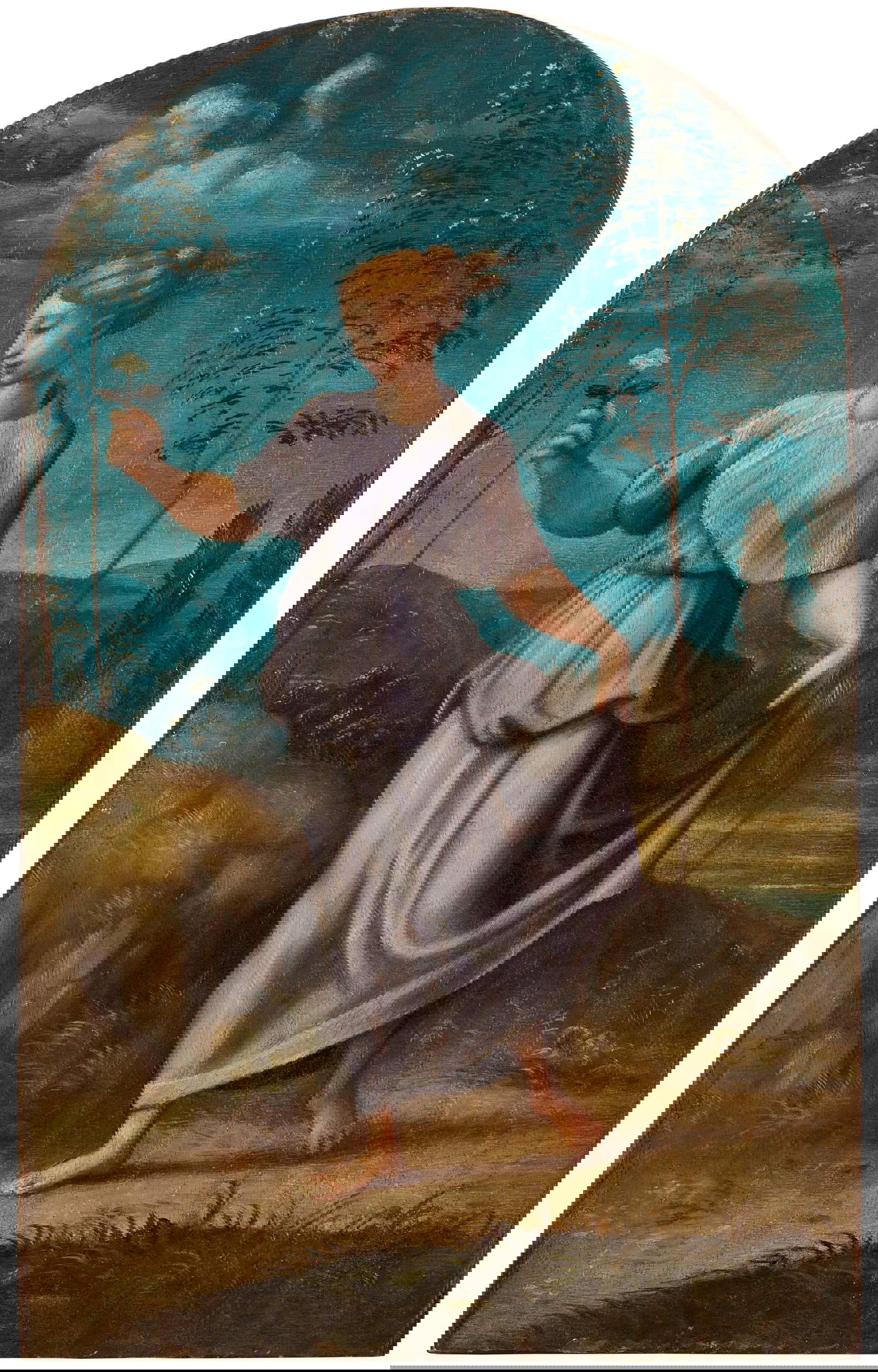
The history of the work is complex and well documented. The small centered panel was originally part of Cardinal Scipione Borghese’s collection, where it is recorded as early as the inventories of the third decade of the 17th century. In the Palazzo Borghese in Ripetta it was described as a portrait of a standing female figure with a flower in her hand, attributed to Raphael, and was paired with another painting of identical size and format.
The two works were displayed together with other masterpieces of Raphael’s early production, such as the Dream of the Knight and the Three Graces, testifying to their value within the collection. In 1650 they were also, according to the description of the time provided by Giacomo Manilli, placed in the Villa Borghese, in reserved rooms intended for the prince’s rest, characterized by the presence of small-format but valuable paintings.
Over time, the attribution and interpretation of the subject underwent several variations. While the painting was initially believed to be the work of Raphael, already between the 18th and 19th centuries it began to be associated with the figure of Penni, also known as “il Fattore,” one of the Urbino master’s most faithful collaborators. It was only in the catalog of a Christie’s auction in 1810 that the work was first identified as a personification of Hope.
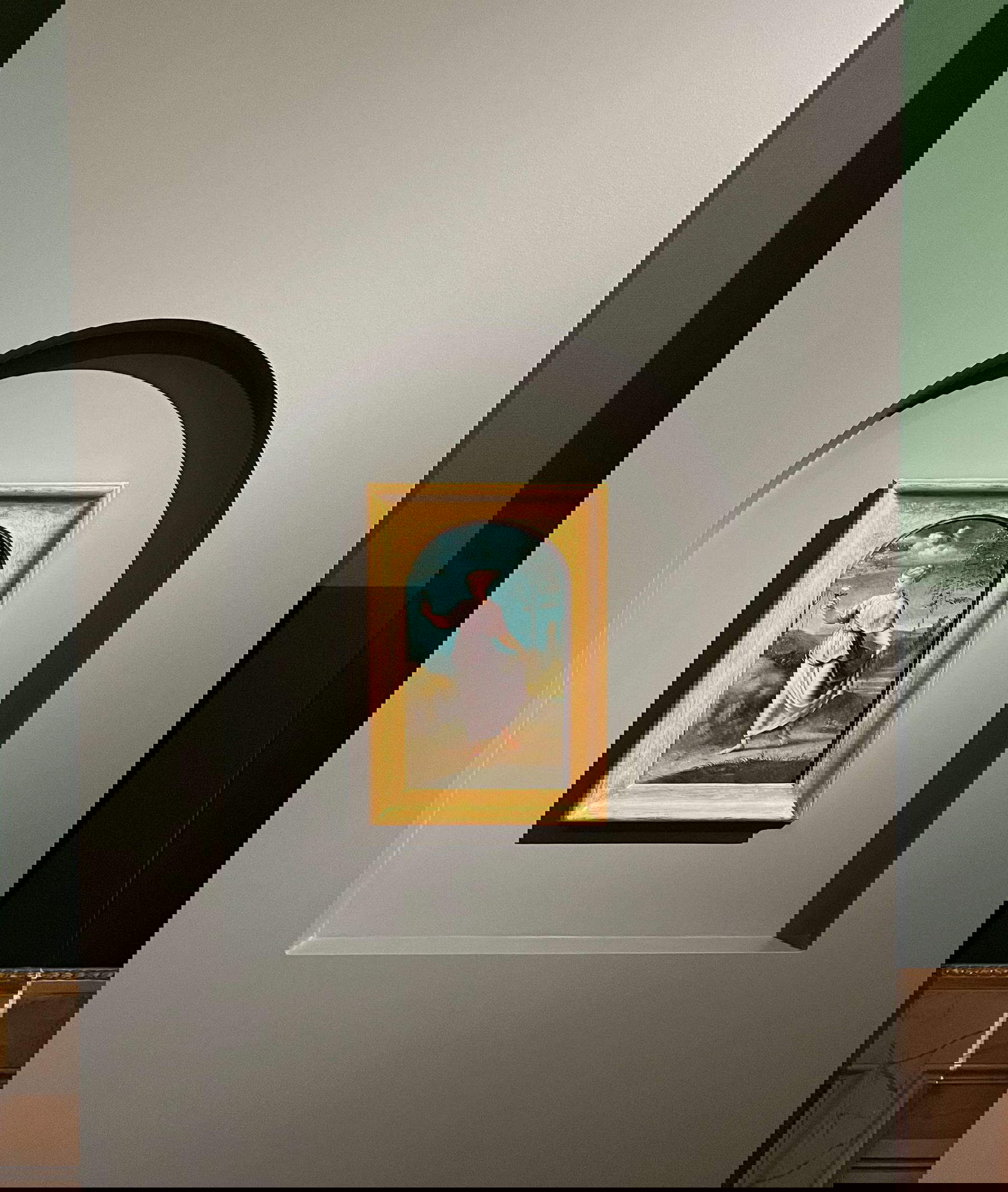
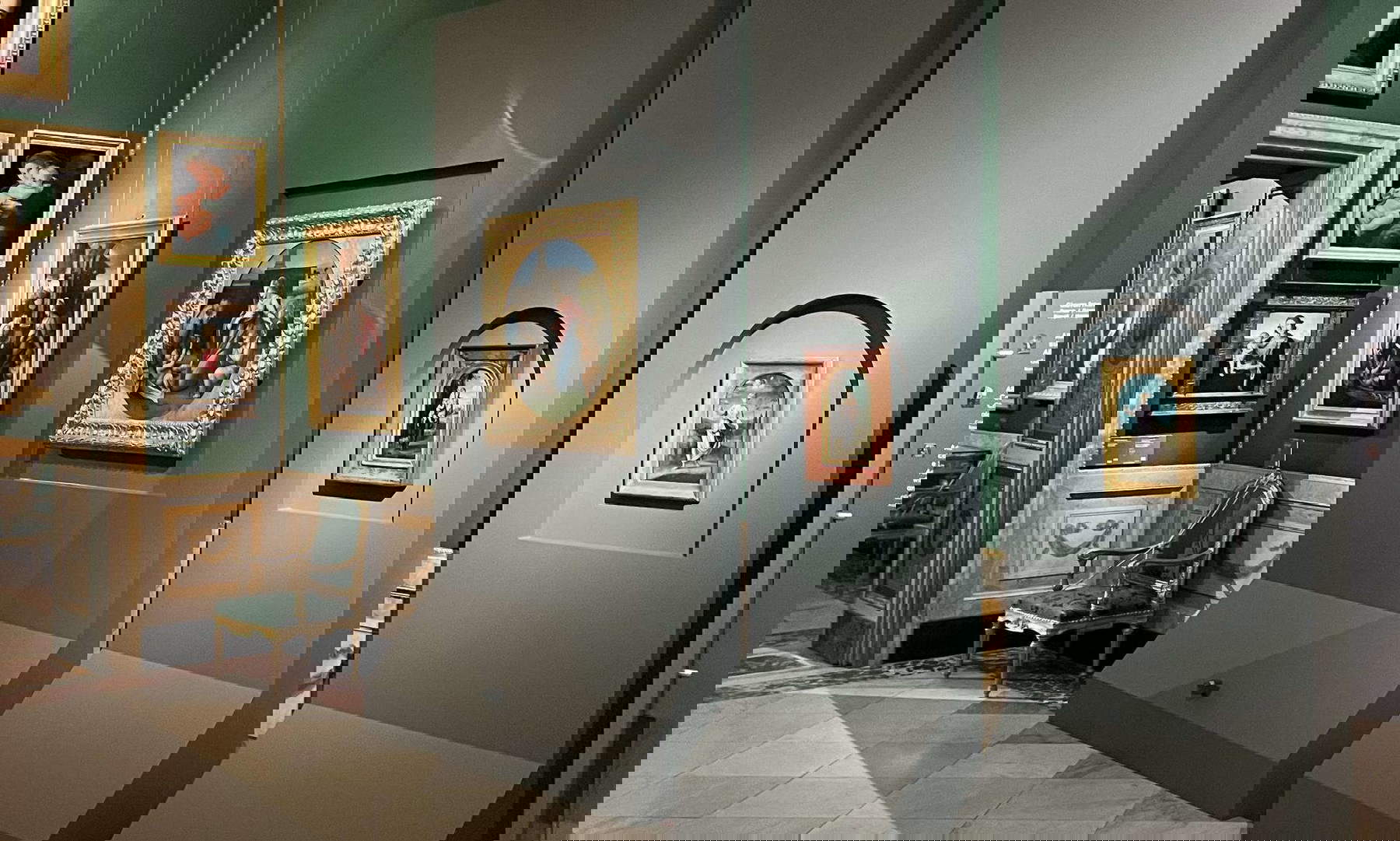
The painting’s collecting history is closely linked to the historical turmoil of the late 18th century. Between 1797 and 1798, under the pressure of Napoleon’s campaigns in Italy, many works in the Borghese collection were alienated. In this context, the panel was purchased in Rome by English collector William Young Ottley and transferred to London, where it was resold the following year. From that time, the work passed through important British private collections, including those of William Beckford, Walsh Porter, and Thomas Hope, remaining in the United Kingdom for over a century. After further passages, including a 1917 auction, the painting re-emerged on the antiques market in 2005, marking a new phase in its history.
Its return to the Borghese Gallery in 2025 thus represents the culmination of a long journey, returning the work to the original context in which it was conceived and valued. From an art-historical point of view, the Allegory of Good Hope is also significant because of its relationship with other studies and drawings attributed to Penni, including one on brown paper with squaring and another preserved in the Royal Collections at Windsor.
The current exhibition initiative allows for an in-depth look not only at the history of the painting, but also at the workings of Raphael’s workshop, highlighting the contribution of collaborators to Renaissance artistic production. In this context, the figure of Penni emerges as fundamental in the dissemination and interpretation of Raphael’s language.
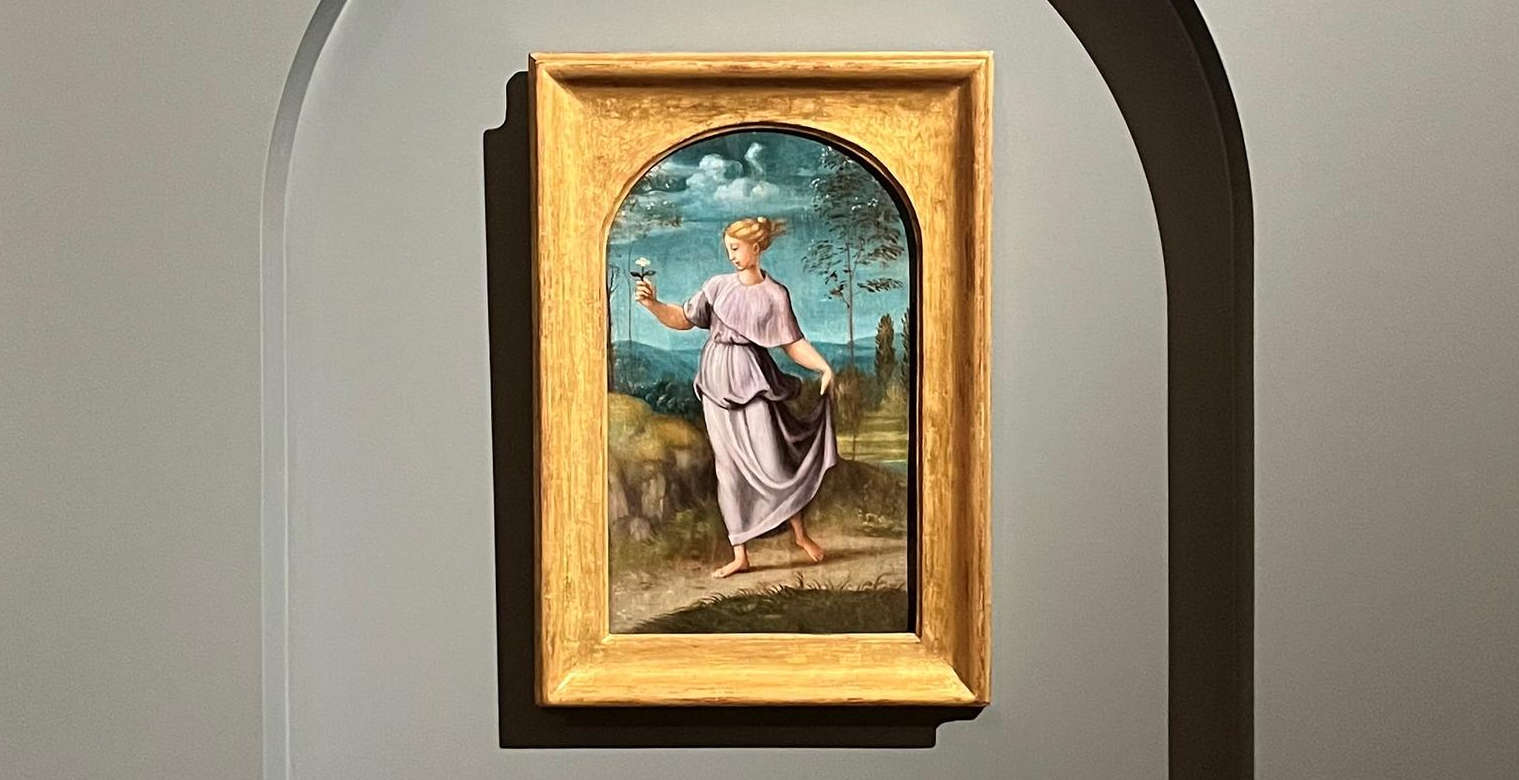 |
| Important work by Giovan Francesco Penni returns to Borghese Gallery after two centuries |

Warning: the translation into English of the original Italian article was created using automatic tools. We undertake to review all articles, but we do not guarantee the total absence of inaccuracies in the translation due to the program. You can find the original by clicking on the ITA button. If you find any mistake,please contact us.













 IT
IT FR
FR DE
DE ES
ES CN
CN


