





In the heart of the central Alps, in an area that will be the focus of international attention in the coming years for the holding of the Milan-Cortina Winter Olympics, scientific research is confronted with a discovery of exceptional magnitude. In Val di Fraele, between Livigno and Bormio, within the Stelvio National Park, thousands of dinosaur footprints dating back some 210 million years have been identified. This is one of the largest and richest deposits of Triassic trace fossils known so far worldwide, as well as the first such find ever documented in Lombardy.
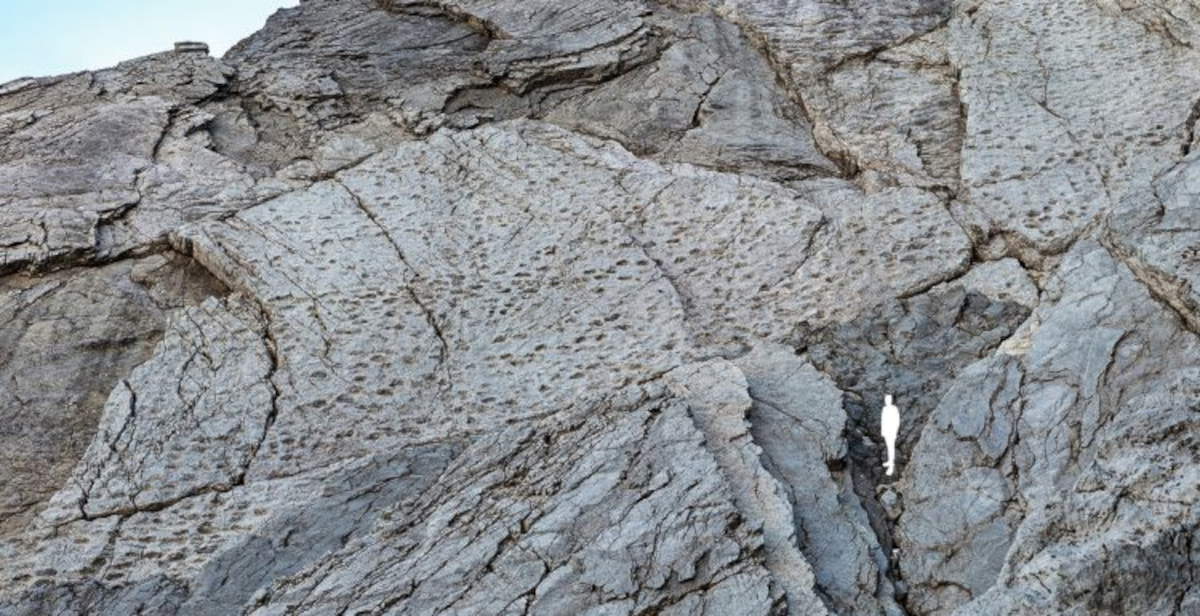
The discovery occurred in September 2025 and has remained unpublished until now. The first traces were spotted by Elio Della Ferrera, a nature photographer who was on an excursion in the valley to document the alpine fauna. Observing with binoculars a rocky slope characterized by nearly vertical dolomitic layers, Della Ferrera noticed a dense succession of depressions distributed along the rock surfaces. Some were of considerable size, with diameters of up to forty centimeters; others were aligned in regular sequences, suggesting a non-random origin. Reaching the outcrop after a strenuous ascent, the photographer was confronted with hundreds of fossil footprints, some of which retained sharply the traces of fingers and claws. The hypothesis that he was in front of footprints left by large prehistoric animals was confirmed the next day, when Della Ferrera contacted paleontologist Cristiano Dal Sasso of the Museum of Natural History in Milan, with whom he had collaborated in the past. The images sent allowed for initial recognition: these were dinosaur footprints that had never been reported before.
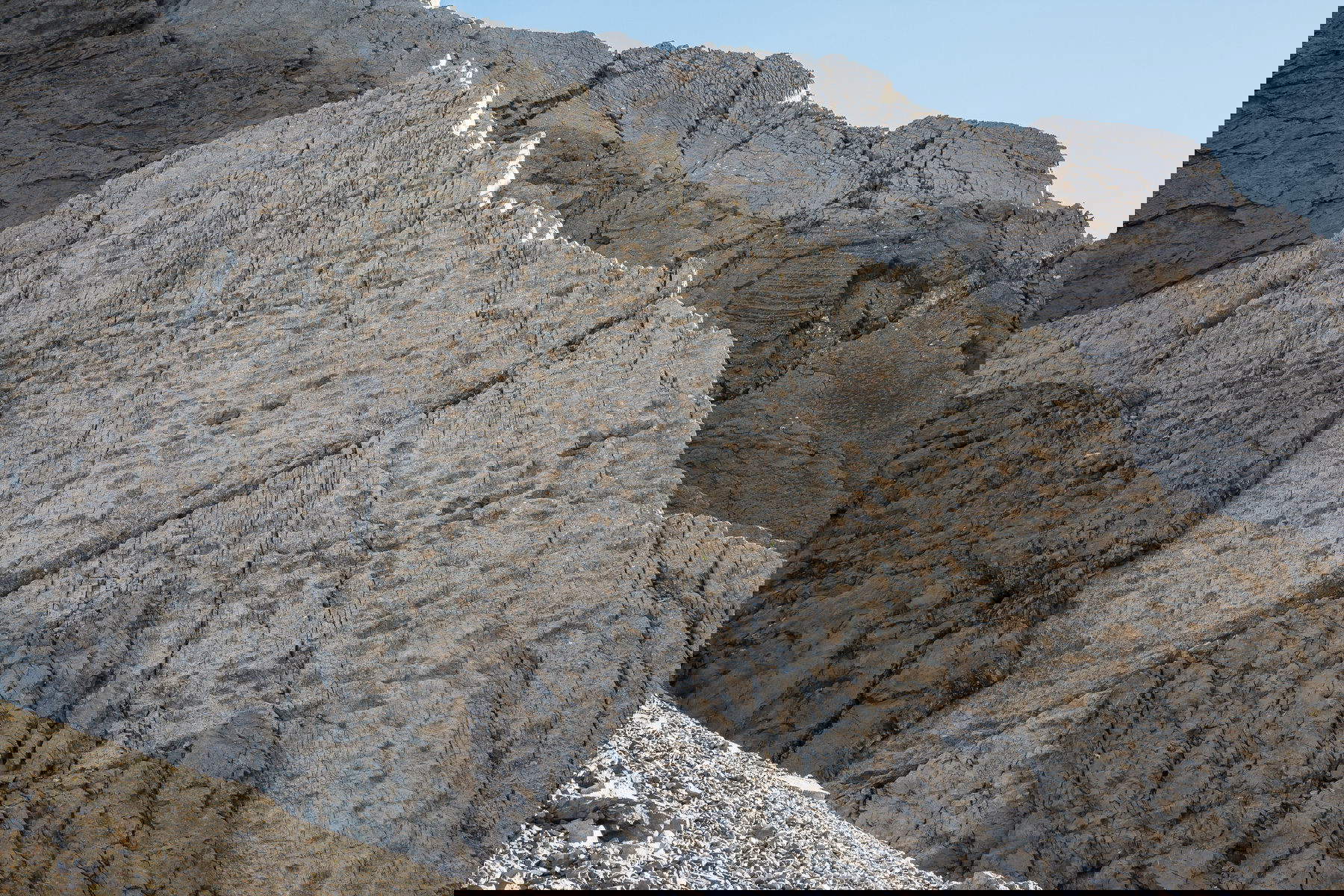
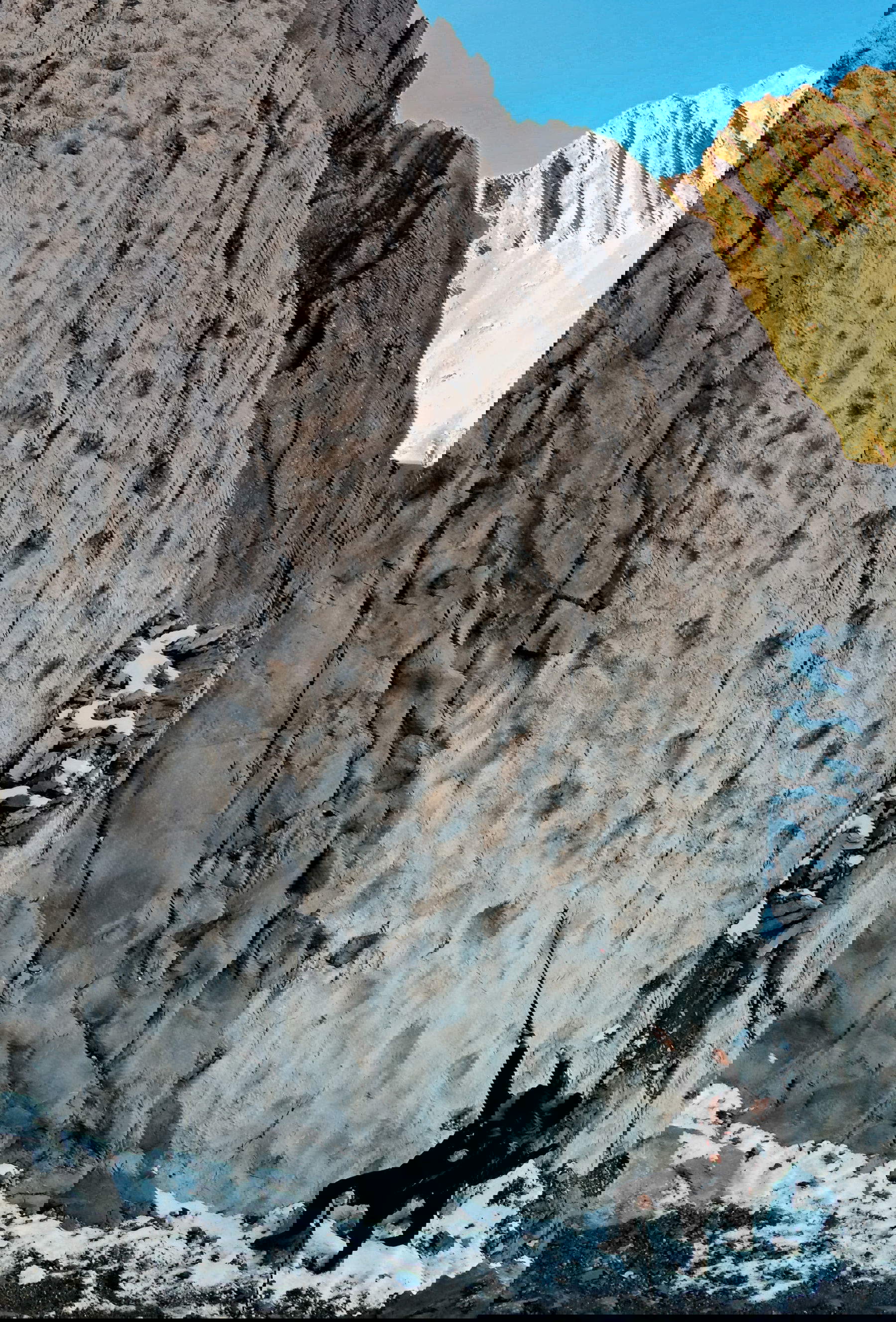
On the same day, the news was forwarded to the Soprintendenza Archeologia, belle arti e paesaggio for the provinces of Como, Lecco, Sondrio and Varese, which is responsible for the protection of paleontological heritage, and which informed the Stelvio National Park management. A working group was then formed, with the involvement of the Natural History Museum of Milan and the Park, to demarcate the area and collect the first scientific information before the snowfall arrived. An initial field survey was carried out by Dal Sasso together with the Carabinieri Park Unit of Valdidentro, the Park’s scientific staff and Della Ferrera himself. Subsequently, ichnologist Fabio Massimo Petti, from MUSE in Trento and the Italian Geological Society, a specialist in the study of fossil footprints, and geologist Fabrizio Berra, from the “Ardito Desio” Department of Earth Sciences at the University of Milan, a profound connoisseur of local geology, were involved.
Preliminary analyses, conducted by the Museum of Natural History in Milan in collaboration with MUSE in Trento and the University of Milan, on behalf of the Superintendence and in agreement with the Stelvio National Park, indicate that the footprints are preserved in Upper Triassic dolomitic rocks, which can be dated to about 210 million years ago. Other coeval sites are known in the Eastern Alps and the Dolomites, but that of Val di Fraele represents the first discovery of dinosaur footprints in Lombardy and the only one, in Italy, located north of the Insubric Line, one of the main Alpine tectonic structures. Morphologically, most of the footprints have an elongated shape and can be attributed to animals with bipedal gaits. In the best preserved cases, at least four toes are clearly distinguishable. In some portions of the site the footprints appear overlapping and partially confused, a sign of the repeated passage of numerous individuals, while more isolated tracks allow a more precise reading of individual walks. In some places, smaller, wider tracks also appear in front of the footprints, interpreted as handprints, probably left when the animals stopped by resting their forelimbs.
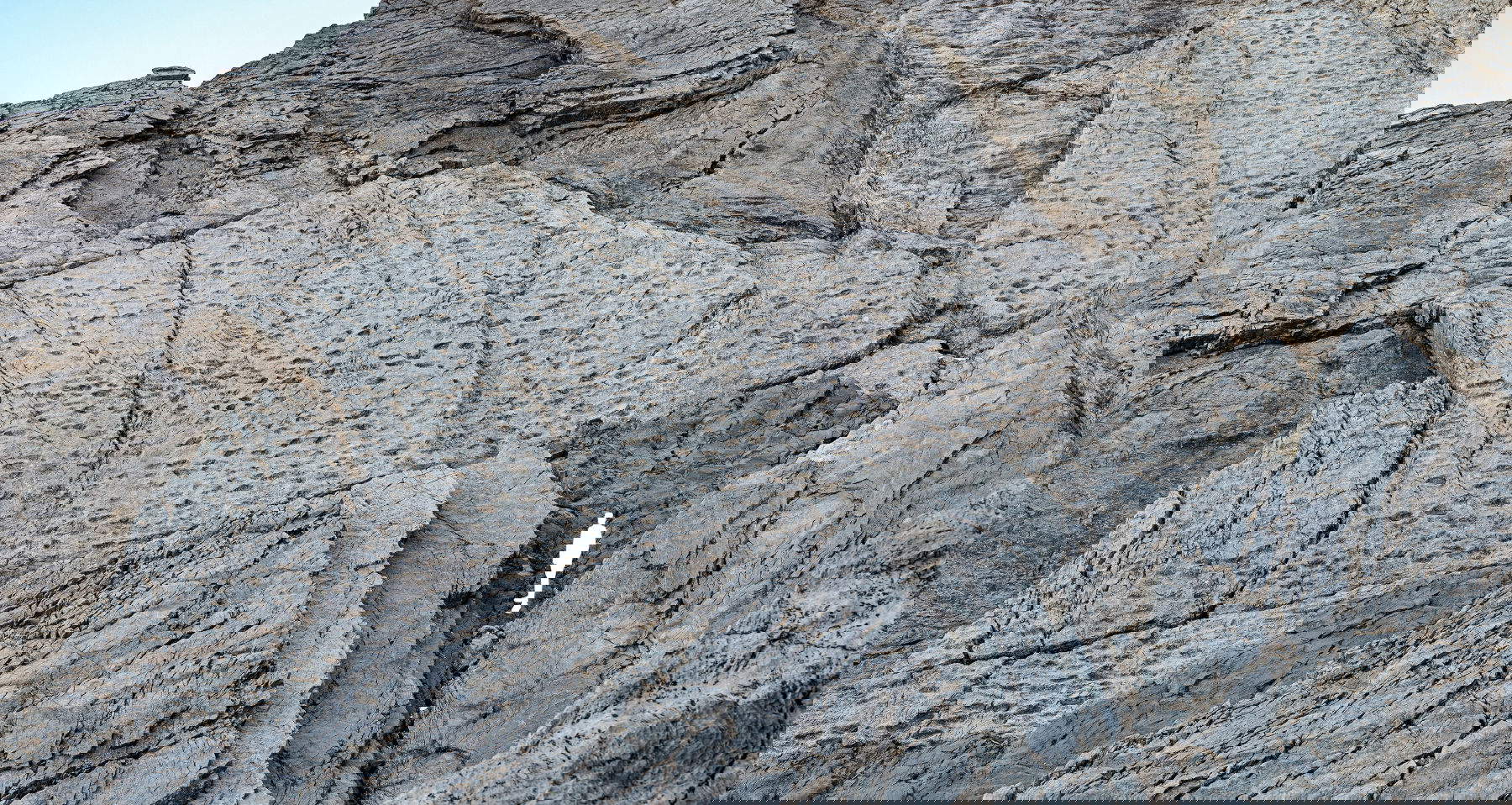
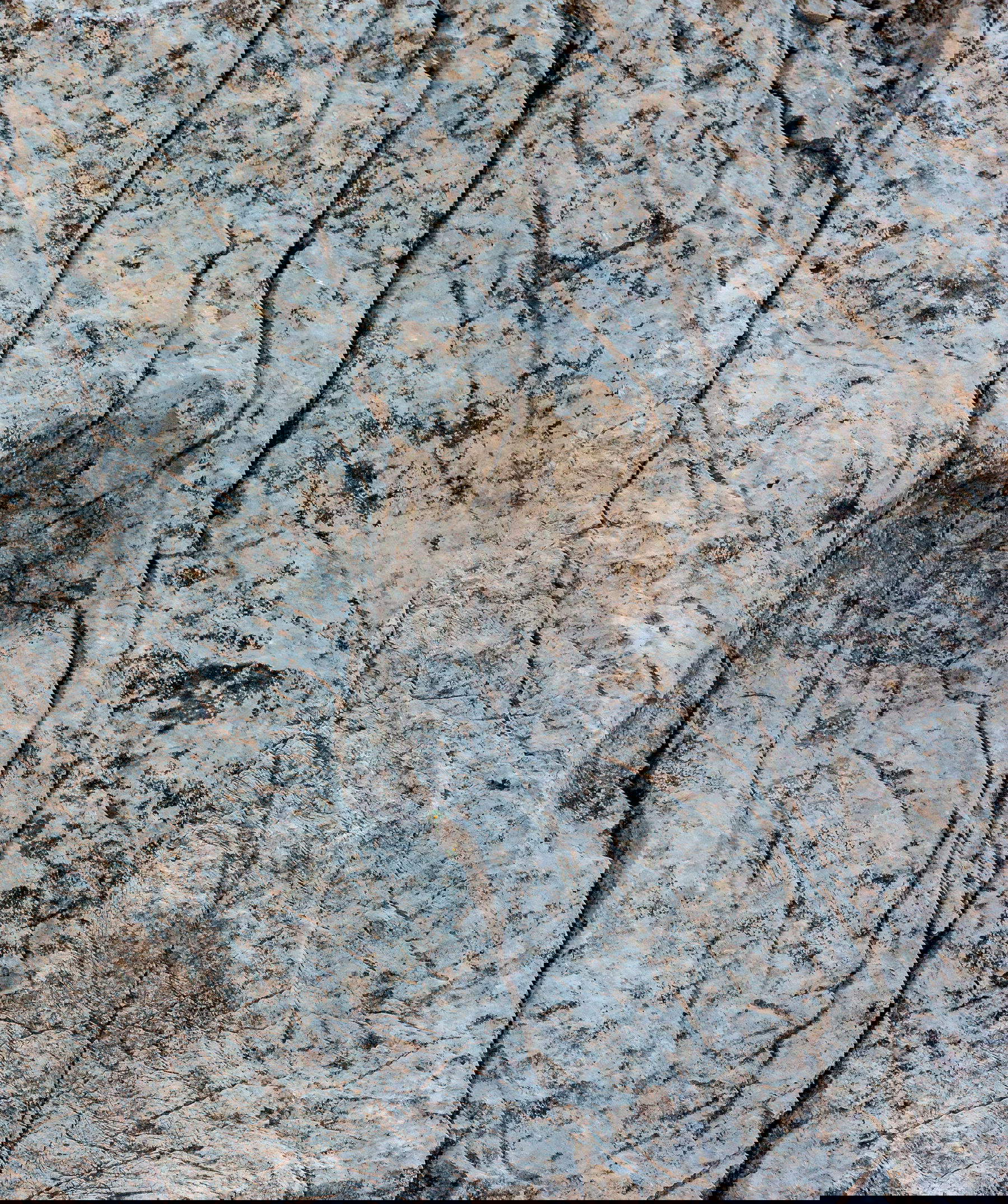
The characteristics of the footprints indicate that they were produced by prosauropod dinosaurs, large herbivores with long necks and relatively small heads, considered the ancestors of Jurassic sauropods. They were robustly built animals with sharp claws on both hands and feet. Some species, such as Plateosaurus engelhardti, could reach ten meters in length. Numerous skeletons of plateosaurus have been found in Switzerland and Germany, which is the most likely candidate as the author of the tracks identified in Fraele Valley. In ichnological circles, however, footprints are classified by different designations than fossil skeletons, since direct identification of the so-called perpetrator (trackmaker) often remains uncertain. Prosauropod footprints are generally attributed to ichnogenera such as Tetrasauropus, Pseudotetrasauropus, Pentasauropus, and Evazoum, based on specific anatomical details. The Stelvio footprints appear to be particularly close to Pseudotetrasauropus, although it is not ruled out that they may belong to a hitherto unknown ichnospecies, which will require formal renaming after detailed studies.
Alongside the tracks of large herbivores, future investigations may lead to the identification of footprints left by other Triassic reptiles, such as quadrupedal archosaurs similar to crocodiles or primitive predatory dinosaurs, potentially akin to the ancestors of Saltriovenator, the only carnivorous dinosaur from Lombardy known so far through bone remains. The footprints are now found on nearly vertical rock surfaces, but this arrangement does not correspond to the original sediment position. Between 227 and 205 million years ago, the rocks outcropping in Fraele Valley were formed in shallow sea environments within extensive carbonate platforms characterized by tidal flats similar to those in present-day tropical regions. On these muddy bottoms, lapped by the waters of the Tethys Ocean, dinosaurs walked, leaving their footprints, later buried and protected by new sediments. Uplift of the Alpine range and erosion eventually brought these tracks back to the surface, but exposed them to weathering.
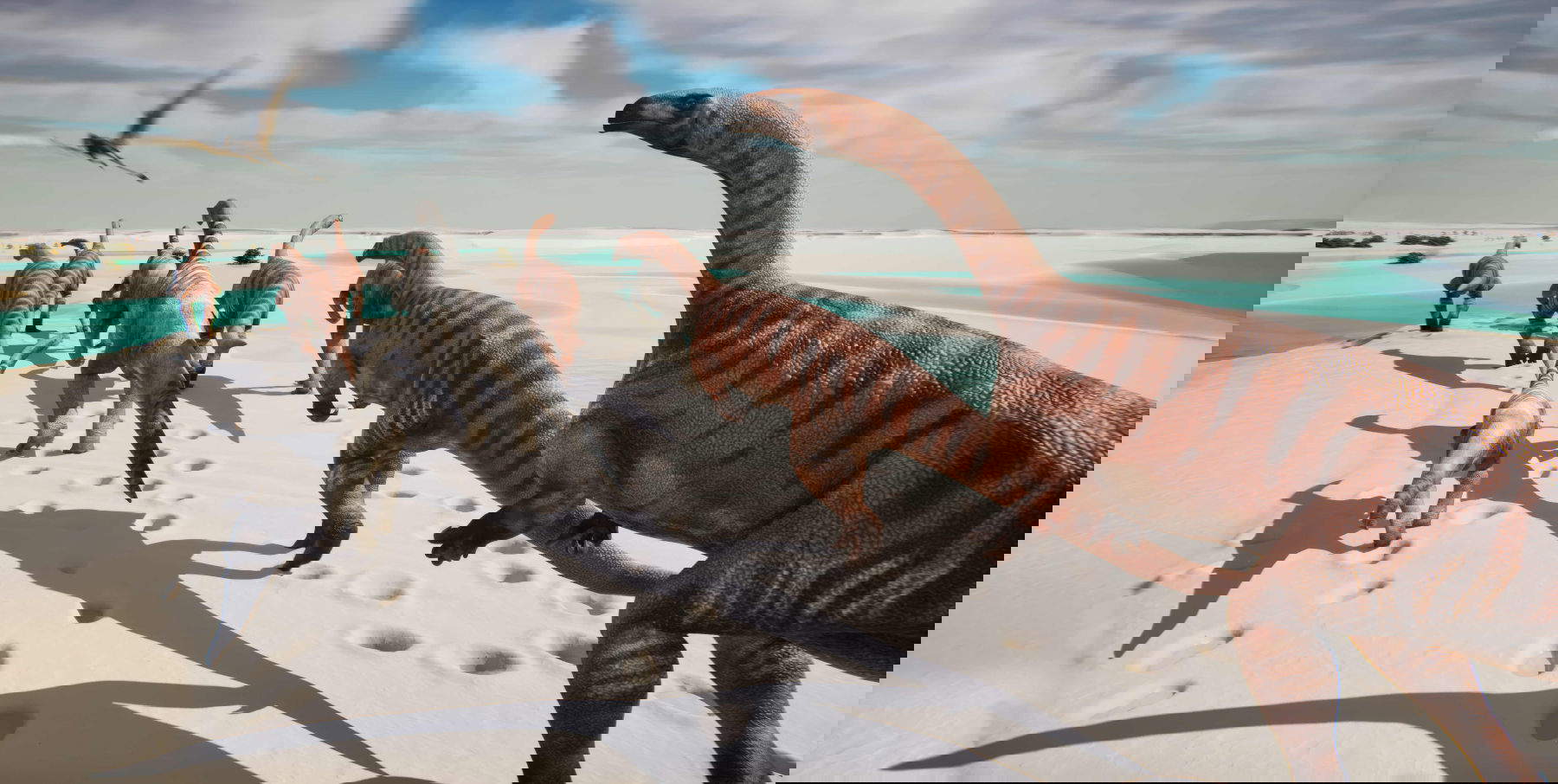
Quantitatively and spatially, the site has outstanding features. Preliminary estimates, based on photographic surveys, indicate the presence of several thousand footprints, with a density of up to four to six footprints per square meter. The tracks show considerable size variety, suggesting the coexistence of individuals of different sizes and the movement of numerous herds. Affected areas outcrop on at least seven ridges, with dozens of overlapping layers extending for nearly five kilometers along the southern shore of the Cancano Lakes, between Plator and Doscopa Peaks. Currently, about thirty outcrop points have been surveyed. The Plator-Doscopa complex thus stands as one of the most extensive and richest dinosaur footprint sites in the world for the Triassic period. Its scientific importance implies the need for a long-term commitment to both study and protection and preservation of the tracks, which are difficult to access and cannot be reached via trails. Future research will require the use of drones, remote sensing technologies and advanced digitization tools, as well as adequate economic resources.
“This place was full of dinosaurs; it is an immense scientific heritage. Parallel walks are clear evidence of herds in synchronized movement, and there are also traces of more complex behaviors, such as groups of animals gathered in a circle, perhaps for defense,” says Cristiano Dal Sasso, paleontologist at the Museum of Natural History in Milan. “After thirty-five years of activity, I would never have imagined to be faced with such a spectacular discovery, in the region where I live. Incredibly, even in Lombardy there are still unexplored places, remote in time and space.”
“The footprints were imprinted when the sediments were still soft and saturated with water, on the broad tidal flats that surrounded the Tethys Ocean,” explains Fabio Massimo Petti, icnologist at MUSE in Trento and Editorial Manager of the Italian Geological Society. “The plasticity of those very fine limestone muds, now turned to rock, has sometimes made it possible to preserve truly remarkable anatomical details of the legs, such as impressions of fingers and even claws.”
“On the slopes of the Cime di Plator peaks facing the Cancano Lakes outcrop dolomitic sedimentary rocks of the Upper Triassic, known as Dolomia Principale, also called Dolomia del Cristallo in the Alta Valtellina sector,” points out Fabrizio Berra, a geologist at the Department of Earth Sciences “Ardito Desio” of the University of Milan. “They date back to the Noricum, an epoch that lasted more than twenty million years, from 227 to 205 million years ago, and because the layers with the footprints are different and overlapping, we have a unique opportunity to study the evolution over time of animals and their environment, reading the pages of a stone book.”
“On the eve of the Winter Olympics,” comments President Attilio Fontana, “Lombardy is receiving an extraordinary gift from history: the discovery of thousands of dinosaur footprints in the Fraele valley, in Valdidentro, between Bormio and Livigno, locations that will host the Olympic Games. This site, which we have named Triassic Park, stands out for the quantity and sharpness of the footprints, placing our region at the top of the world for traces of the Triassic period. Lombardy is a land rich in incredible stories, capable of linking the present of the Olympic and Paralympic appointment with the most remote past. This discovery represents an ideal bridge between the ancient history of the territory and the future that the Olympics symbolize. Our region thus confirms itself as a place of excellence, capable of uniting sports, science and tradition in one great event.”
“The discovery of the ’valley of the dinosaurs’ in the Lombard territory is undoubtedly an exceptional discovery for geology and paleontology,” comments Milan Mayor Giuseppe Sala, “the studies that will continue from the discovery of these footprints will allow us to learn more about the history of our Planet and the territory in which we live. I am proud to know that to the recognition of the first dinosaur footprints and therefore of the extraordinary scope of what the photographer Della Ferrera has immortalized, the Museum of Natural History of Milan has also contributed with great expertise, thanks to the attentive and expert gaze of paleontologist Dal Sasso. Just weeks before the opening of the Milan Cortina 2026 Winter Olympics and Paralympics, this discovery shines an unexpected as well as fascinating light on the mountains of Lombardy.”
“Obviously, I do not possess great notions of paleontology, but the extraordinary discovery of this Triassic site in the heart of the territory where the Olympic competitions will take place sincerely excites me,” says Milan-Cortina 2026 Foundation President Giovanni Malagò. “Where alpine skiing and snowboarding athletes will compete, 200 million years ago dinosaurs lived. It seems to me a sign that reminds us of the depth and richness of the heritage not only cultural but also geological and paleontological of our Alps and Valtellina in particular. In short, the natural sciences deliver to the Milan Cortina 2026 Games an unexpected and precious gift that comes from remote eras: scientists will know how to deepen its enormous relevance, so that it lives on in the present and future of the Valtellina community and of those who love knowledge.”
“The discovery of this exceptional outcrop,” adds Beatrice Maria Bentivoglio - Ravasio, Superintendent of Archaeology, Fine Arts and Landscape for the provinces of Como, Lecco, Sondrio and Varese, “which adds to the UNESCO site of Monte SanGiorgio and the recent discovery in the Val d’Ambria, underscores the key role of the territory of northern Lombardy for the protection, study and enhancement of the paleontological heritage, a sphere that falls within the competence of the Ministry of Culture on a par with other types of heritage such as archaeological, monumental, historical-artistic and landscape heritage. I would like to point out that the many ongoing projects with the Museum of Natural History in Milan and the Stelvio National Park, which I thank, have made it possible to give a very rapid response to Elio Della Ferrera’s report in a very complex environmental context. The results of these initial investigations will form the basis for the issuance of a protective measure that will guarantee the necessary protection for the site and, we hope, also its future enhancement.”
“An exceptional discovery in an exceptional place. For some years now, the Fraele Valley has been reserving historical and archaeological discoveries and rediscoveries that are allowing us to revive the historical past, from the Middle Ages to recent history, of the valley. ”This sensational new discovery," says Franco Claretti, director of the Lombardy area of the Stelvio National Park, “adds even more fascination to a place of great beauty. It opens up time horizons of hundreds of millions of years and lets us know what incredible animals lived here, when our mountains did not yet exist and there were vast marine beaches here. This adds a new element for the knowledge of the area and its enhancement. Our task, in the coming years, will be to contribute to scientific research and, above all, to include this new element of knowledge and fascination in the enhancement actions of the Fraele Valley.”
“The Stelvio National Park,” comments Massimo Sertori, regional councillor in charge of Local Authorities and Mountains, “is one of the world’s treasure chests where time has hidden part of the history of our planet. It preserves animal species, biodiversity, flora, fauna and, recently, has returned to us historical relics related to World War I. The latest discovery represents and testifies to the presence, millions of years ago, of dinosaurs. Today, visiting the Stelvio National Park gives us extraordinary emotions, not only because of the incredible landscapes it offers, but because it allows us to consult and directly experience a history book as if we were protagonist actors in the book itself.”
“This is an exceptional discovery that also holds very important cultural aspects for our region,” says Regional Councillor for Culture Francesca Caruso. “The fact, then, that all of this takes place at a historical moment and in the air seat of the Olympic Games takes on an even stronger value. The ’Olympics and Paralympics of Culture,’ scores another very important piece to enhance the history and narrative of Lombardy.”
“This extraordinary discovery represents a source of pride not only for the scientific community, but for the whole of Milan and Lombardy,” stresses Tommaso Sacchi, Councillor for Culture of the City of Milan. “The work carried out by the Museum of Natural History of Milan, thanks to the expertise of its researchers and the collaboration with territorial institutions, demonstrates once again the value of our city as a center of excellence in research and scientific dissemination. Findings of such significance are extremely rare and open new scenarios for the knowledge of the history of our territory. We will strongly support the work of study, protection and enhancement of this site, so that it can become a virtuous example of collaboration between institutions, research and the territory, and a cultural legacy for future generations.”
“The hope is that a discovery of such significance can stimulate reflection in all of us, highlighting how little we know about the places where we live: our home, our Planet,” adds site discoverer Elio Della Ferrera, a professional nature photographer. “The exceptional discovery can also be a stimulus in adequately supporting research and dissemination on these issues, contributing to cultural promotion in mountainous places and consequently promoting the presence of stable populations.”
 |
| Stelvio Park: thousands of 210 million-year-old dinosaur footprints emerge in the Alps |

Warning: the translation into English of the original Italian article was created using automatic tools. We undertake to review all articles, but we do not guarantee the total absence of inaccuracies in the translation due to the program. You can find the original by clicking on the ITA button. If you find any mistake,please contact us.



























 IT
IT FR
FR DE
DE ES
ES CN
CN


