





The figure of Jeff Wall (Vancouver, 1946) represents a decisive juncture in the history of contemporary photography: the artist, beginning in the late 1970s, was among the first to problematize the status of the topical photographic image, moving it from the territory of instantaneousness, with which the genre of reportage was usually associated, to that of conceptual elaboration and installation construction. Wall, strengthened by his art-historical training (since the 1960s, while still a student at the University of British Columbia, he has been making conceptual pictorial works), has in fact chosen to interpret photography not as a document but as a critical device capable of restoring the complexity of reality through strategies, such as staging, citation and material and luminous layering, borrowed from other fields. Operating at the convergence of literature, film, painting and sculpture, the artist conceives of his practice as a laboratory of perceptual possibilities in which the photographic tableau (often of environmental dimensions) takes on a tactile consistency comparable to that of art forms traditionally considered more material. While coeval reportage photography tended toward the iconic recording of the “real” moment, its new version extends in pictorial meaning to this genre the experimental spirit of conceptualism then in vogue.
Over the years, Wall has worked on conceptualizing scenarios and phenomena of everyday life by applying canons and procedures typical of other forms of expression to photography, elaborating a syncretic mode of image production, which he calls “cinematographie” (“cinematography”), articulated in two key strands. The first, which the artist calls the “blatant artifice” (“blatant artifice”) includes images that emphasize the theatrical dimension of their subject and their very production, while the second, the “near documentary” (“near documentary”), includes shots that, while resembling investigative or news photographs in style and subject matter, are made in collaboration with the people who appear in them. In both types, Wall works with an approach reminiscent of the Italian cinematic neorealism of the 1950s and 1960s, inviting nonprofessional models to pose in front of his lens in scenarios and situations akin to those of their everyday lives, which in staging are charged with complex allusions and meanings. His distinctive style was made precise in the late 1970s when, during a trip to Europe, he was inspired by the sight in the urban environment of the first billboards with illuminated signs. The intuition that made him immediately famous was to mount his glossy print photographs on backlit lightboxes, subtracting them from the objective pretension proper to documentary canons to claim a constructed, theatrical and pictorial dimension. At that moment in history dominated by the hegemony of conceptual and minimalist art, where photography was predominantly used as a neutral recording tool in the service of conceptual operations or as a document of the ephemeral nature of performance, Wall took a completely countercultural path, choosing to fill the luminous frame with elaborate urban or domestic scenery, dense with details and references to art history. In this way, the artist, to whose credit are ascribed not only the youthful pictorial experiments already mentioned but also in-depth studies of 19th-century European painting and culture (his stated references range from Manet to Delacroix, Velázquez, to the literature of Franz Kafka and Ralph Ellison, to name a few), he comes to synthesize the characteristic feature of his enigmatic tableaux, namely their suspension in an undecidable temporality and plane of reality.
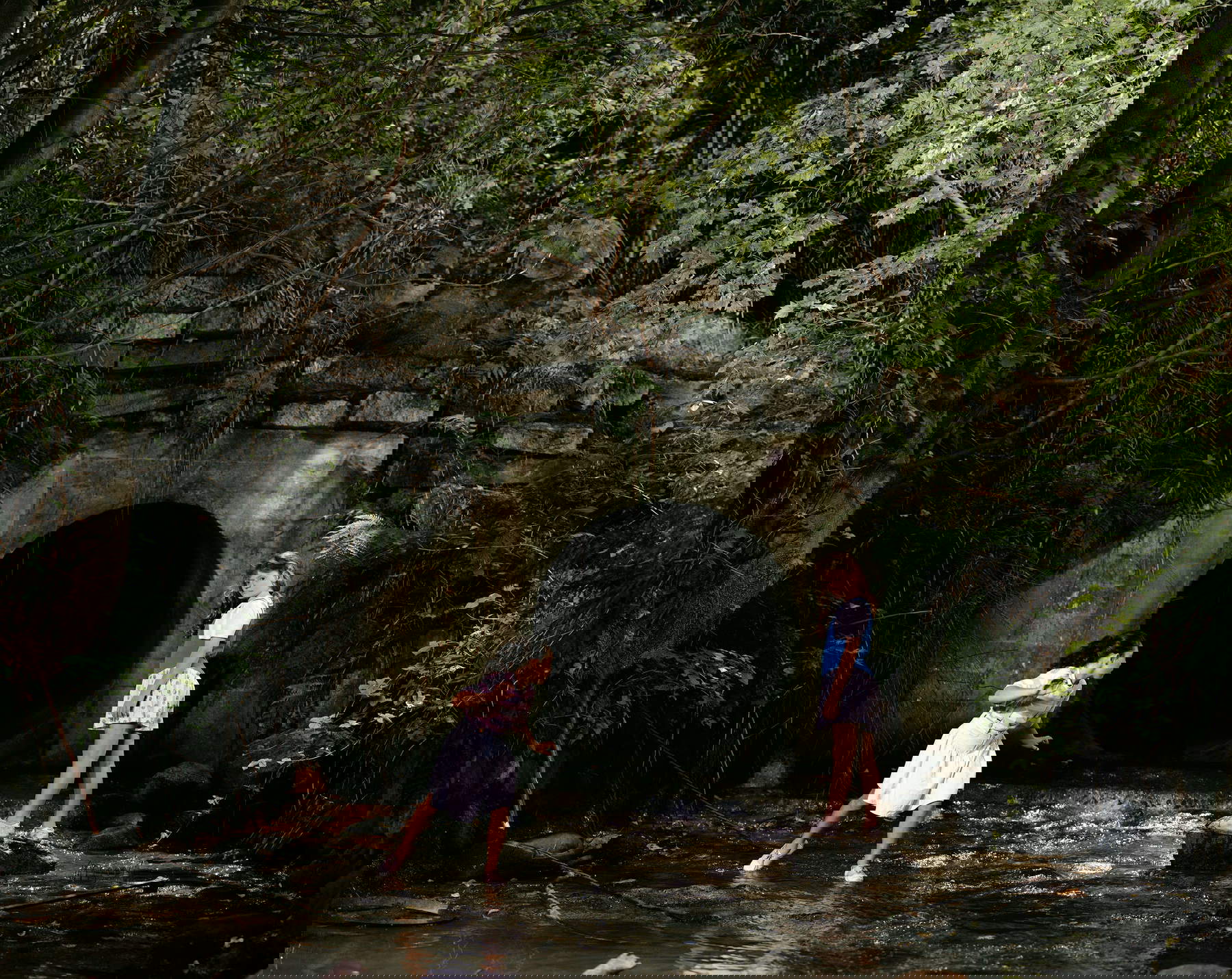
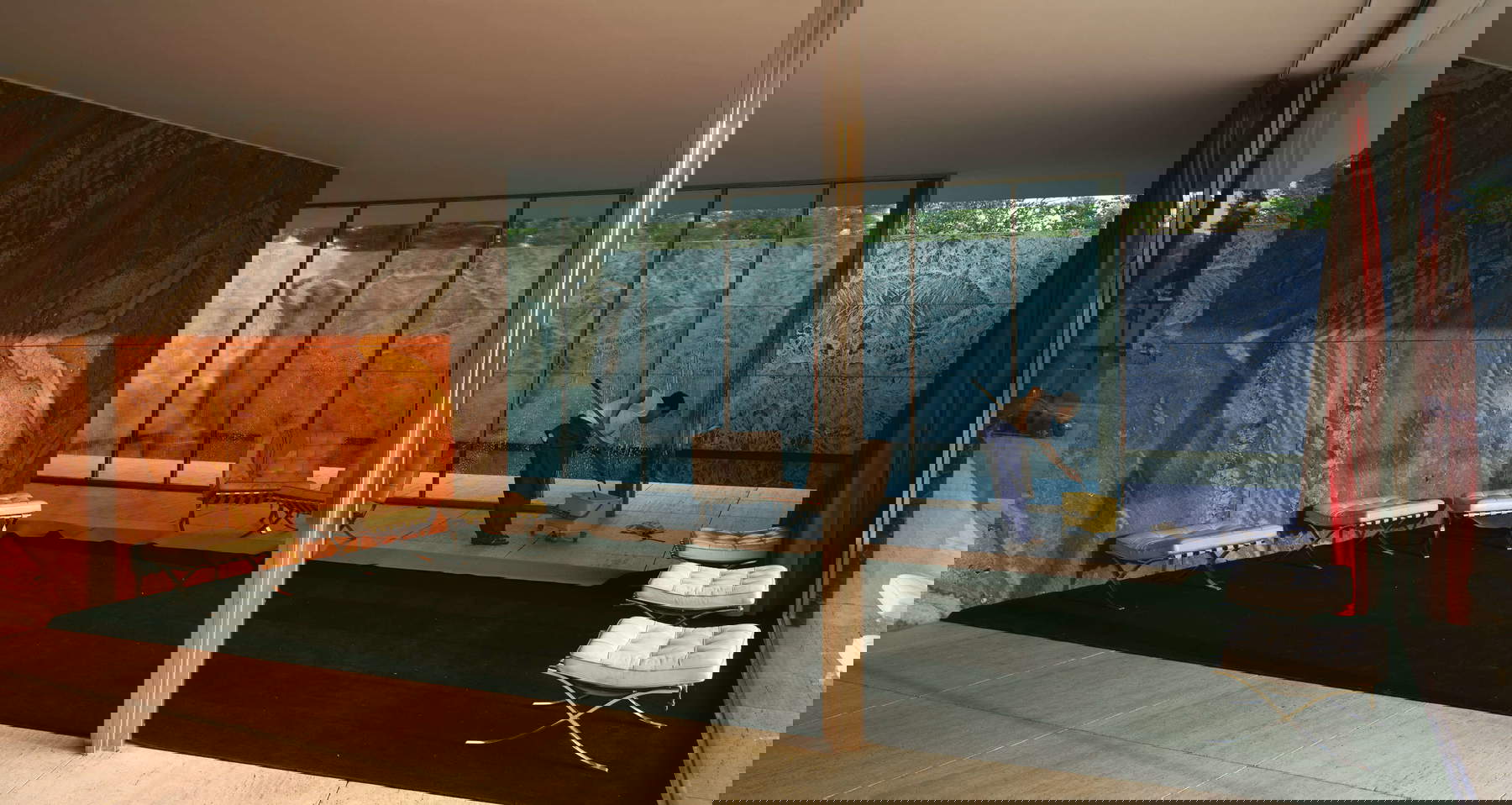
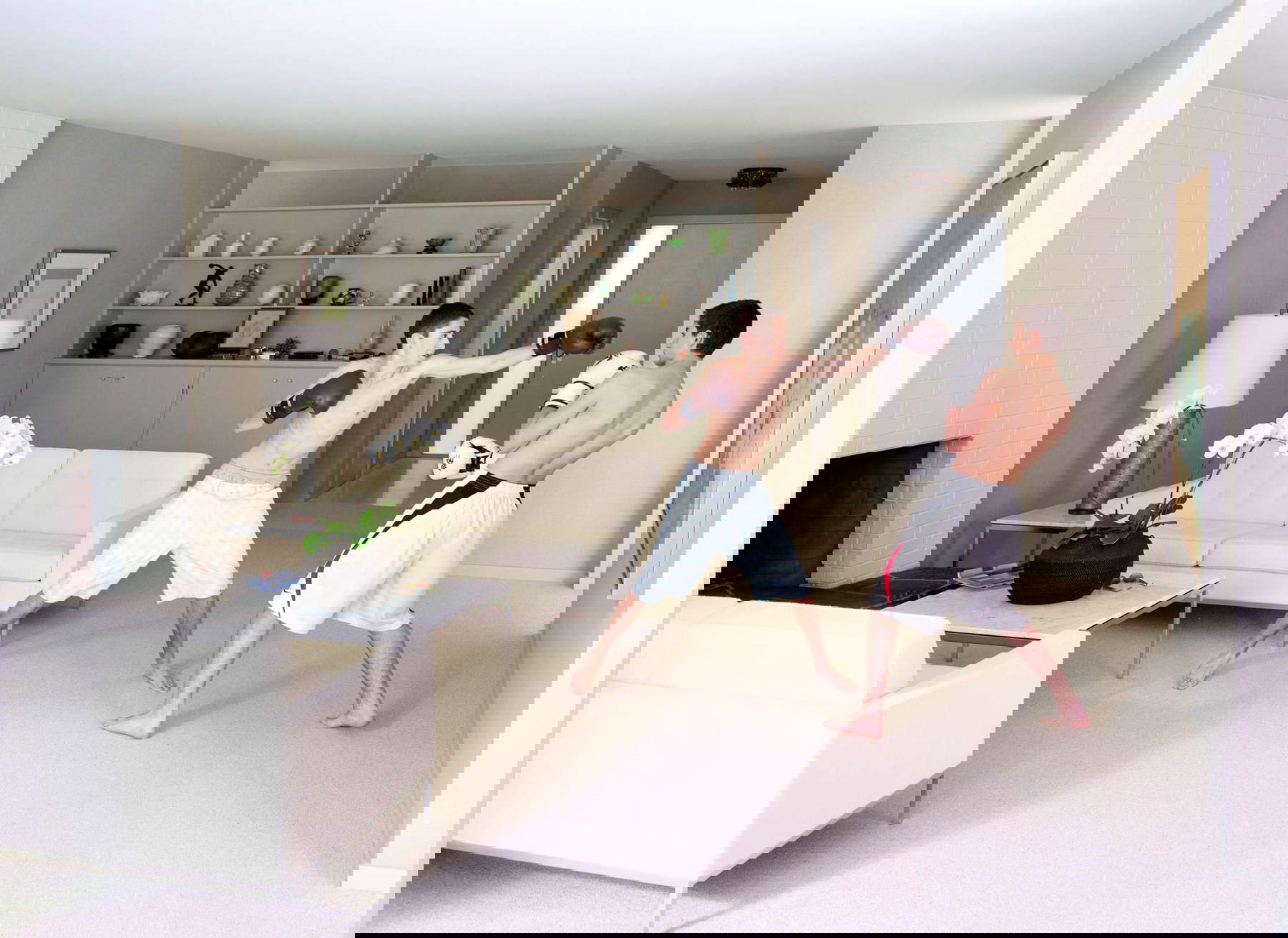
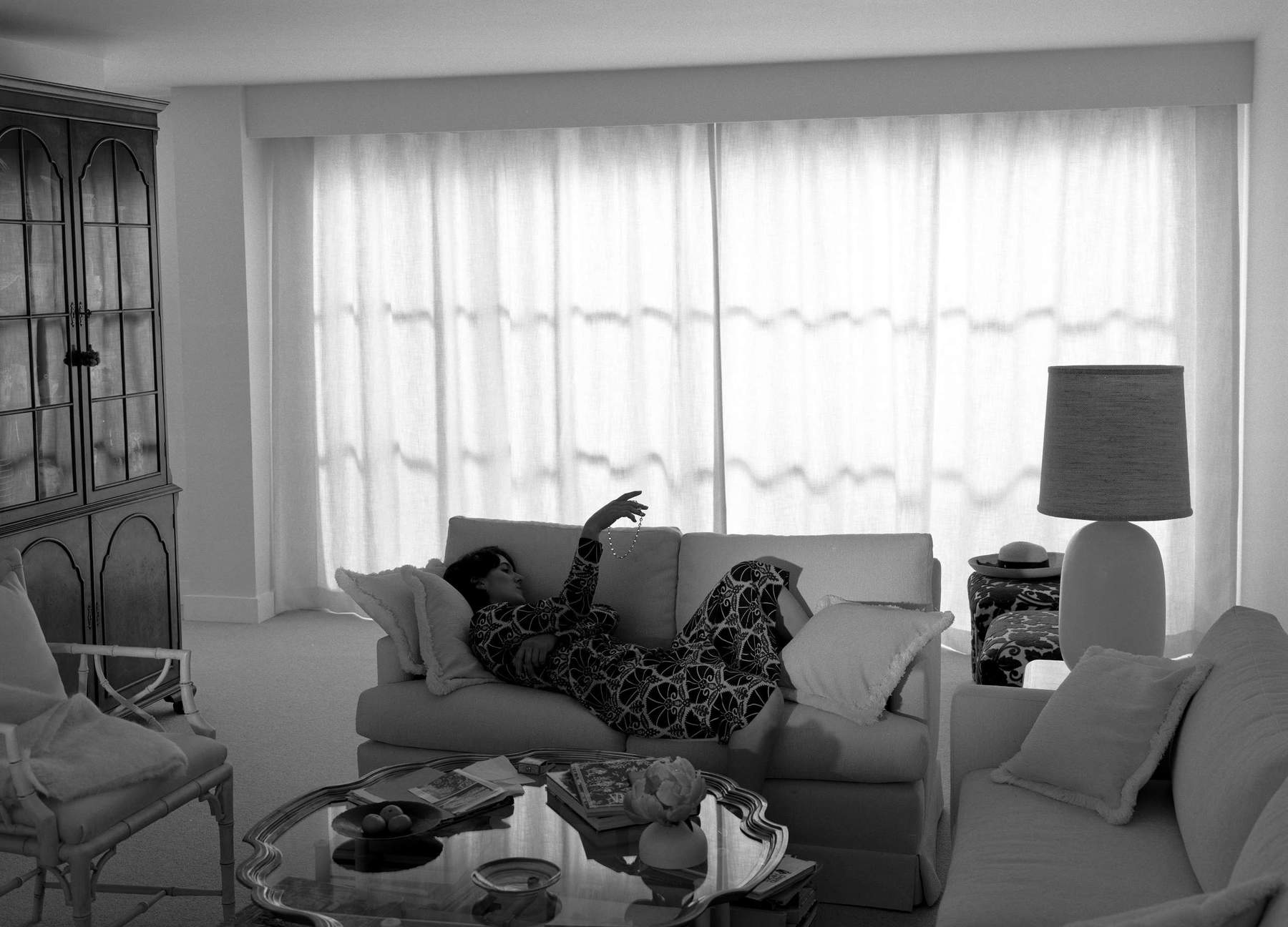
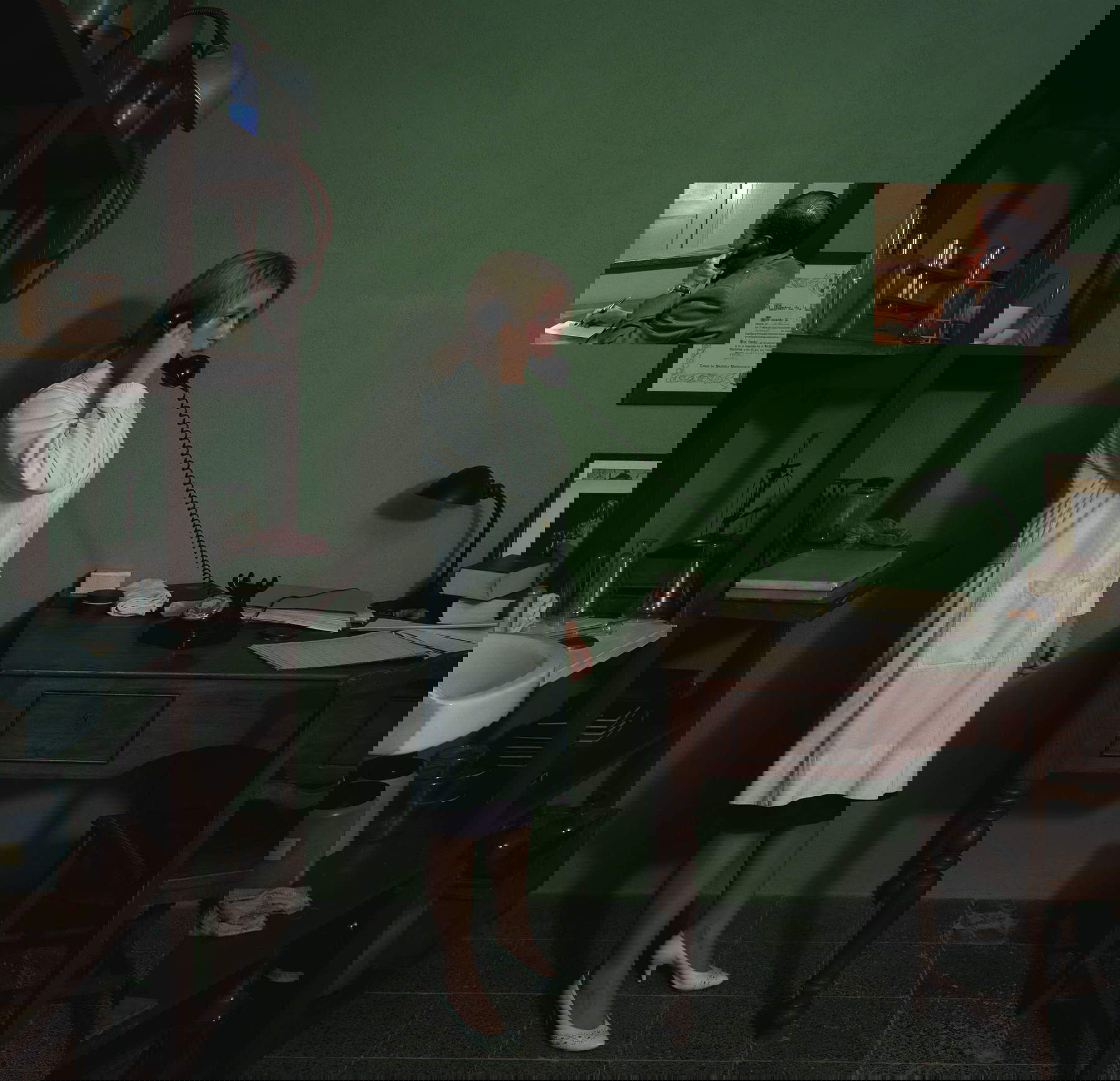
Where street photographers roam the metropolis waiting for reality to offer them a meaningful visual configuration to capture in a split second, Wall proceeds in the opposite direction: he studies in detail the scenes of ordinary reality that strike him, stores them in his memory and then reconstructs them with methodical artificiality, asking people from the social and environmental contexts he intends to return to reiterate actions familiar to them until that particular formal and emotional conformation apt to represent them emerges. In this sense, his practice appears paradoxically more similar to that of a nineteenth-century painter like Courbet, who constructed his realistic compositions in the studio from patient planning, than to that of a documentary photographer à la Cartier-Bresson focused on capturing the decisive instant to be raised to immediate testimony of the real. Wall’s meditative, process-oriented approach, which can take weeks or months to realize a single shot, opens up unprecedented formal and dramatic possibilities for images that, in his words, “contemplate the effects and meanings of documentary photographs.” This effect is amplified by the large format, which, at the time Wall began to adopt it systematically, was by no means taken for granted in the field of art photography, for much of the 20th century still intrinsically tied to pocket size, suitable for album storage or postal circulation.
Wall’s environmental aspiration, shared by other contemporary artists such as Andreas Gursky, Thomas Struth or Candida Höfer, claims for photography the possibility of occupying entire museum walls, transforming it from an object to be viewed at close range into a traversable environment, thus bringing it closer to the experience of wall painting or environmental installation. The installation dimension constitutes a crucial element in situating Wall’s practice in its contemporary context and in detecting its specificities. On the one hand, the perceptual solicitations activated by his photographic installations can be traced back to other types of works founded on the bodily involvement of the viewer, such as Dan Flavin’s light boxes, Donald Judd’s geometric structures, and James Turrell’s environments, all artists who in the same years were beginning to investigate the relationship between light, space, architecture, and perception. On the other hand, where these practices emptied the artistic object of all representational content to focus on pure phenomenological experience, Wall fills images with undercurrent narratives, overlapping semantic layers, and interpretive enigmas, experimenting with an unprecedented synthesis between minimalist materiality and the iconographic density of the pictorial tradition. The interpretive complexity of Wall’s images derives largely from what he calls the “open” dimension of his photographs, their constitutive resistance to offering unambiguous solutions, to closing the hermeneutic process in a definitive reading: each image presents scenarios that are possible but never fully decipherable, situations frozen in the climax of an action whose origin and outcome we know neither, characters whose looks, gestures and postures suggest multiple narratives without ever definitively confirming any of them.
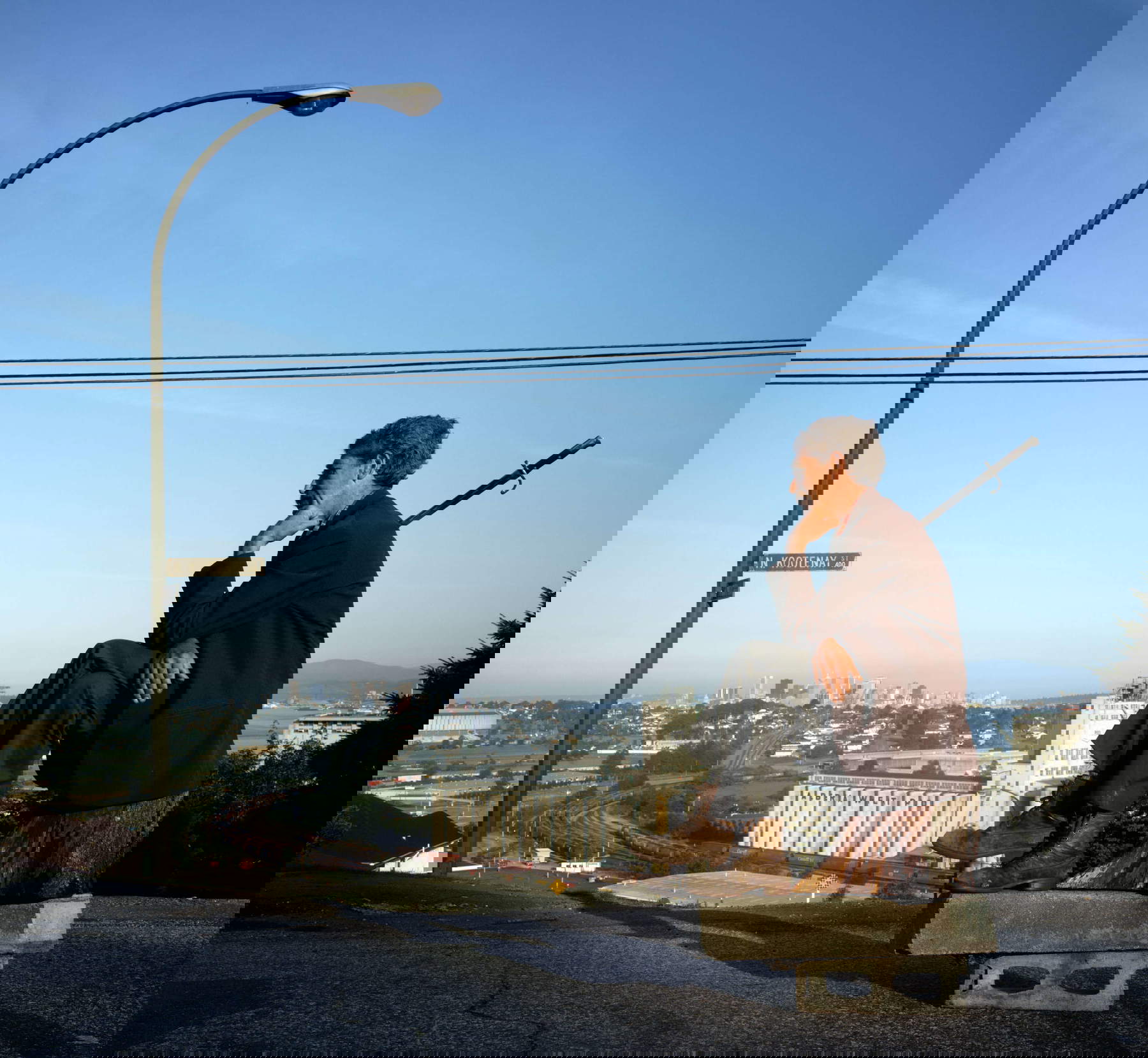
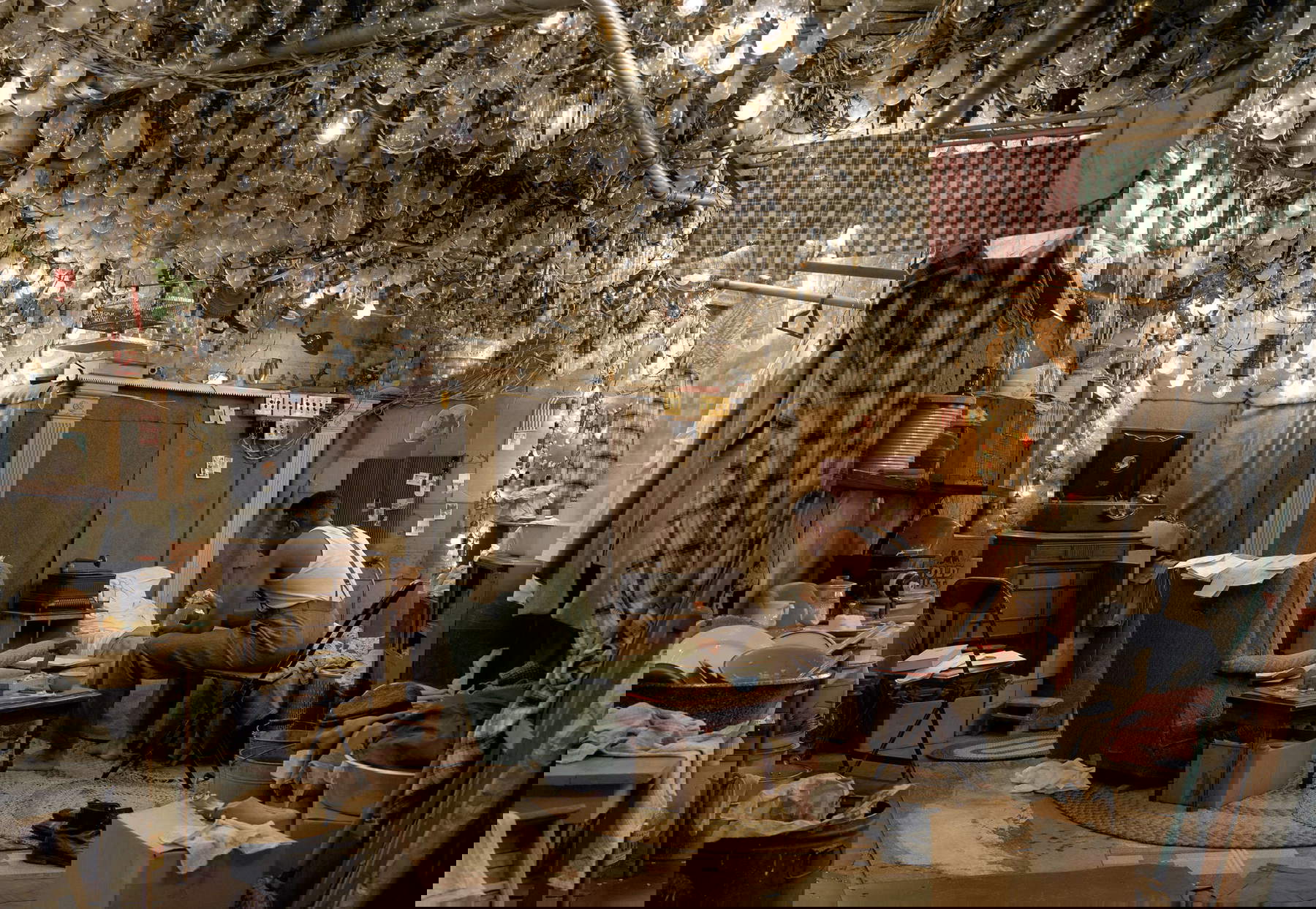
The coming months offer an interesting double opportunity to engage with the work of this master of international caliber due to the co-presence of two parallel exhibitions that, while sharing the basic approach, both being retrospectives of a decades-long research, offer different curatorships and perspectives in productive dialogue. In Turin, at the Gallerie d’Italia, the exhibition Jeff Wall. Photographs curated by David Campany presents a survey of twenty-seven works from the 1980s to 2023, focusing on the evolution of lightboxes and the ways in which they transform the relationship between image and viewer. Here, the large format emerges as a scenic apparatus that amplifies the narrative potential of photography: everyday scenes become almost dreamlike appearances, suspended in a temporal ambiguity that, as is often the case in Wall’s production, instigates questions about what precedes and what follows the moment represented. Pictorial and literary references are placed in the foreground-think of the declension of Rodin’sThe Thinker (The Thinker , 1986) or the transposition of the incipit of Ralph Ellisonn’s InvisibleMan (After “Invisible Man” by Ralph Ellison, the Prologue, 1999-2001)- and the installation accentuates this dialectic between imagination and documentation, showing how photography for Wall takes the form of an articulated symbolic system rooted in the history of images. In Bologna, at MAST, the exhibition Living, Working, Surviving, curated by Urs Stahel as part of the seventh edition of the Biennale Foto/Industria, deals instead with a thematic core related to work, the everyday, the minimal gestures that define the domestic and professional lives of a plurality of subjects. Here, too, we find lightboxes and large-format prints, but the selection privileges works in which the social dimension-always treated by Wall with a nonjudgmental gaze, attentive more to the complexity of situations than to their symbolic exemplarity-gains priority. Marginal figures, industrial interiors, transit spaces and suburban scenarios compose a human landscape at once ruthless and moving, traversed by micro-stories that probe the thresholds and tension zones of contemporaneity.
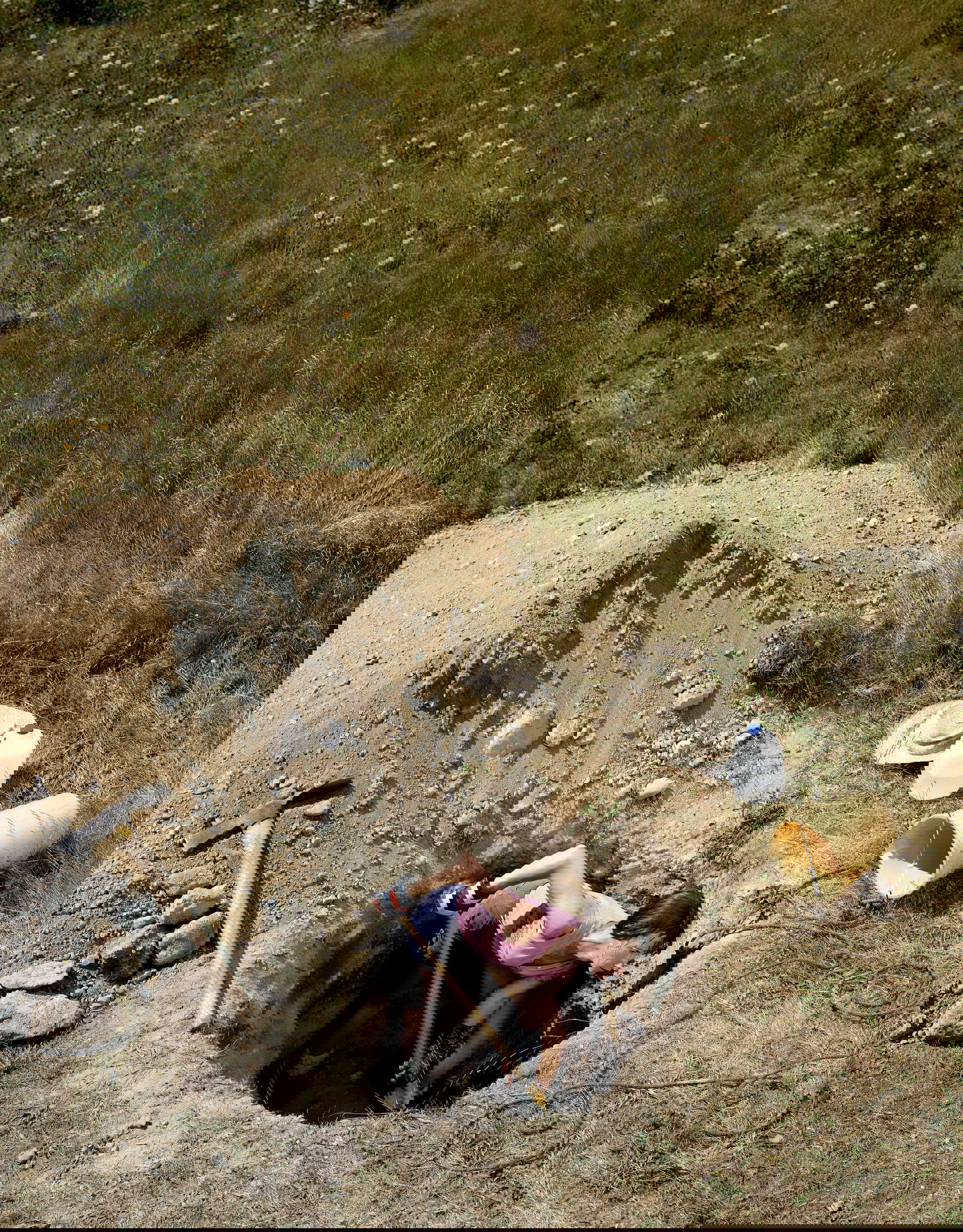
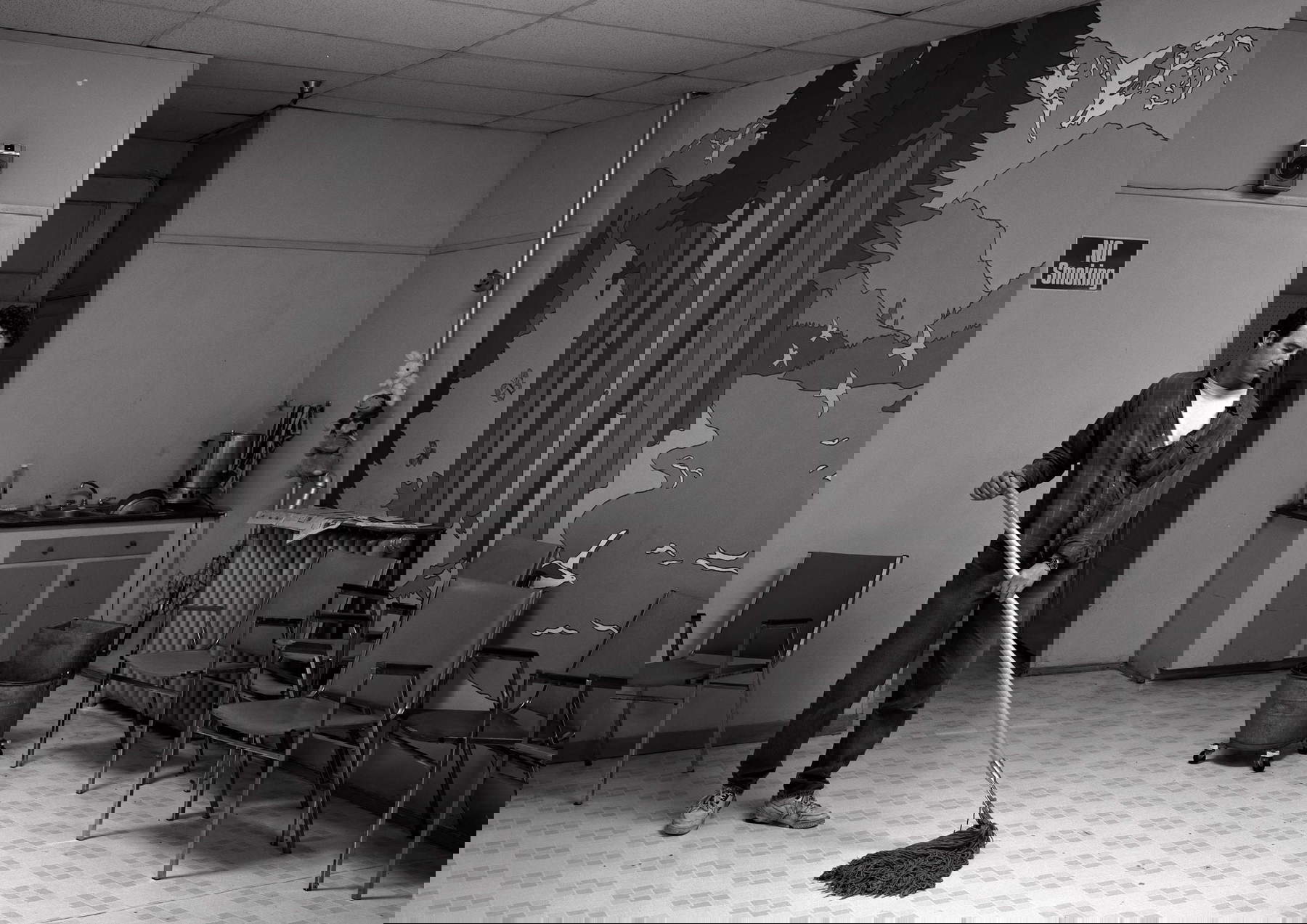
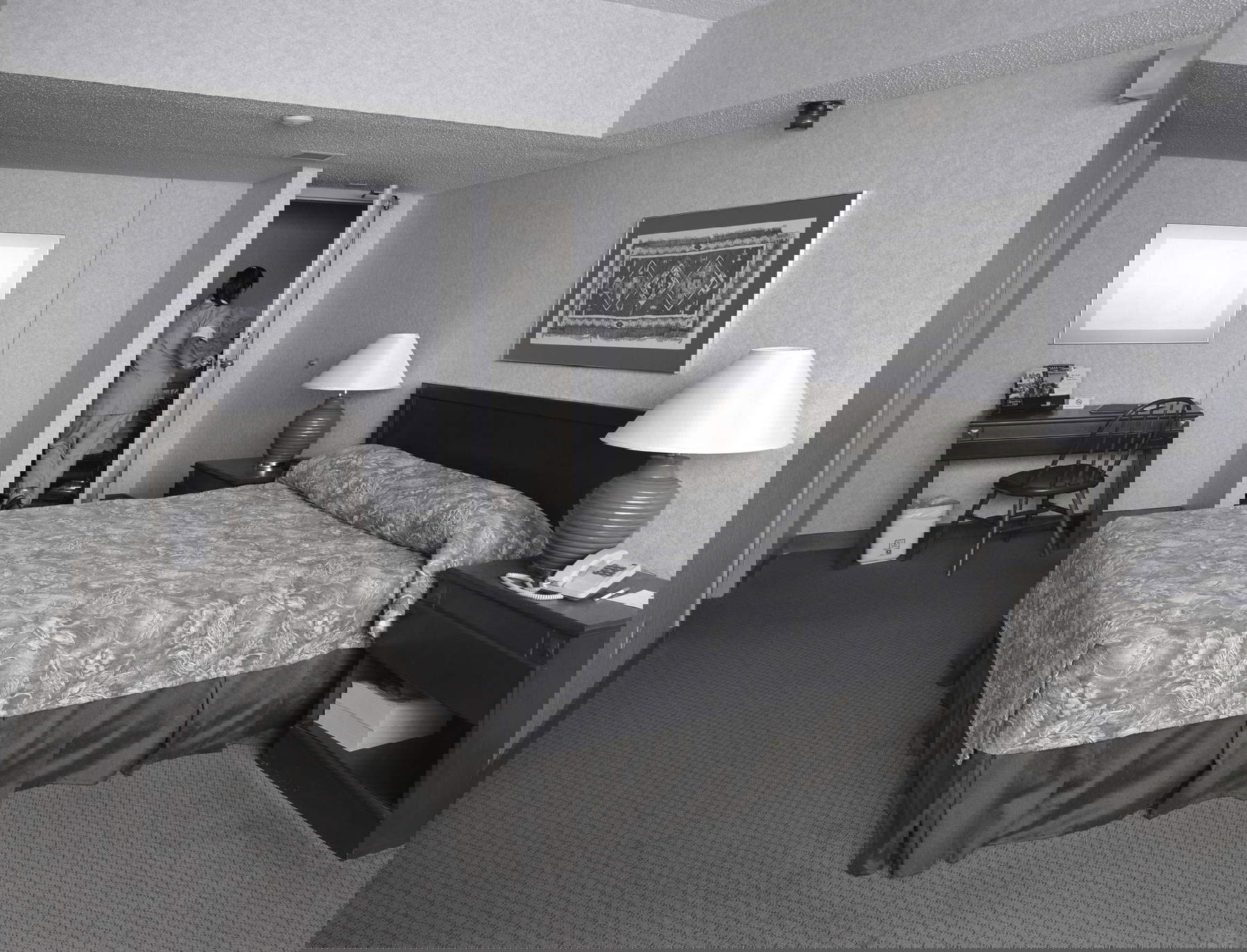
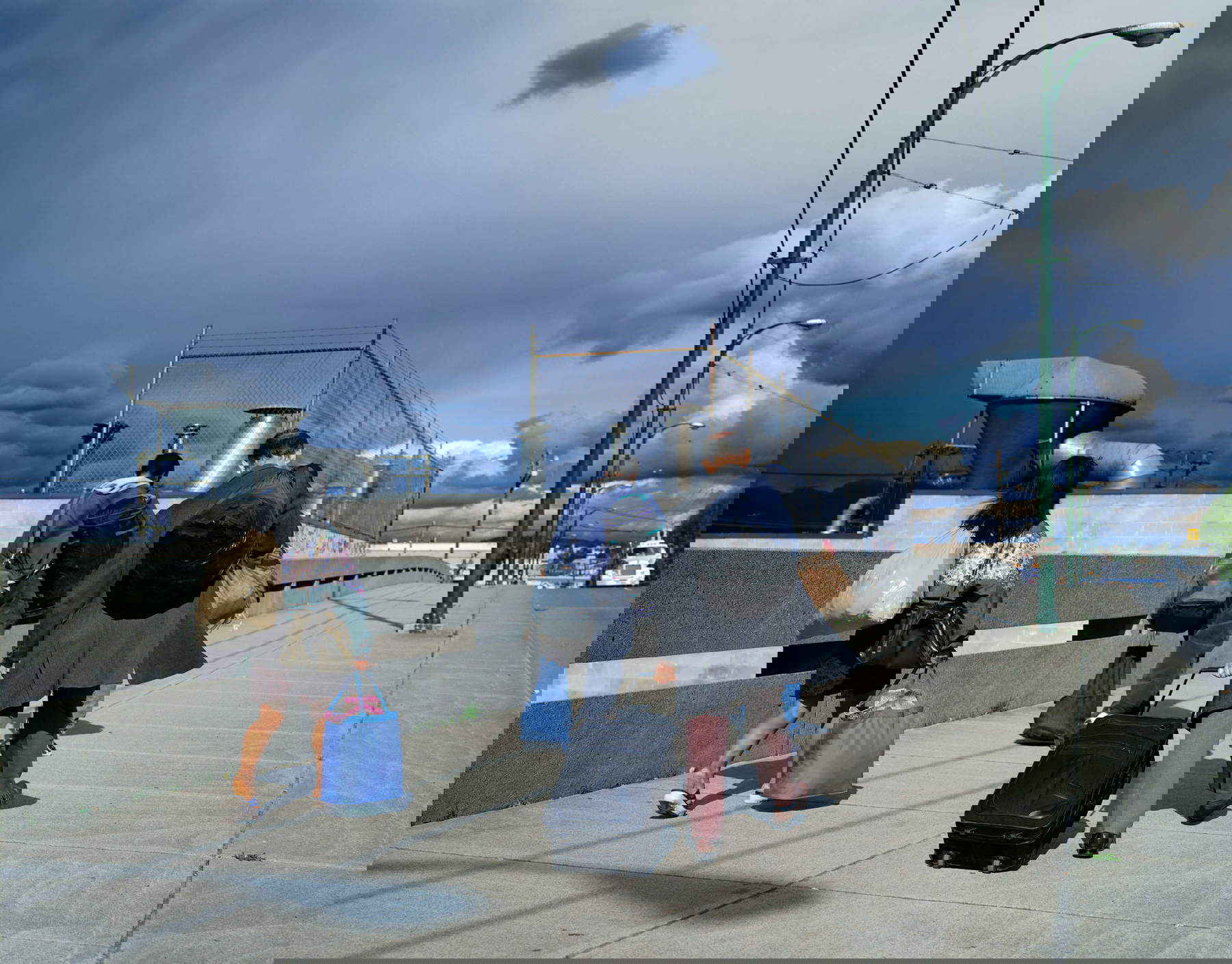
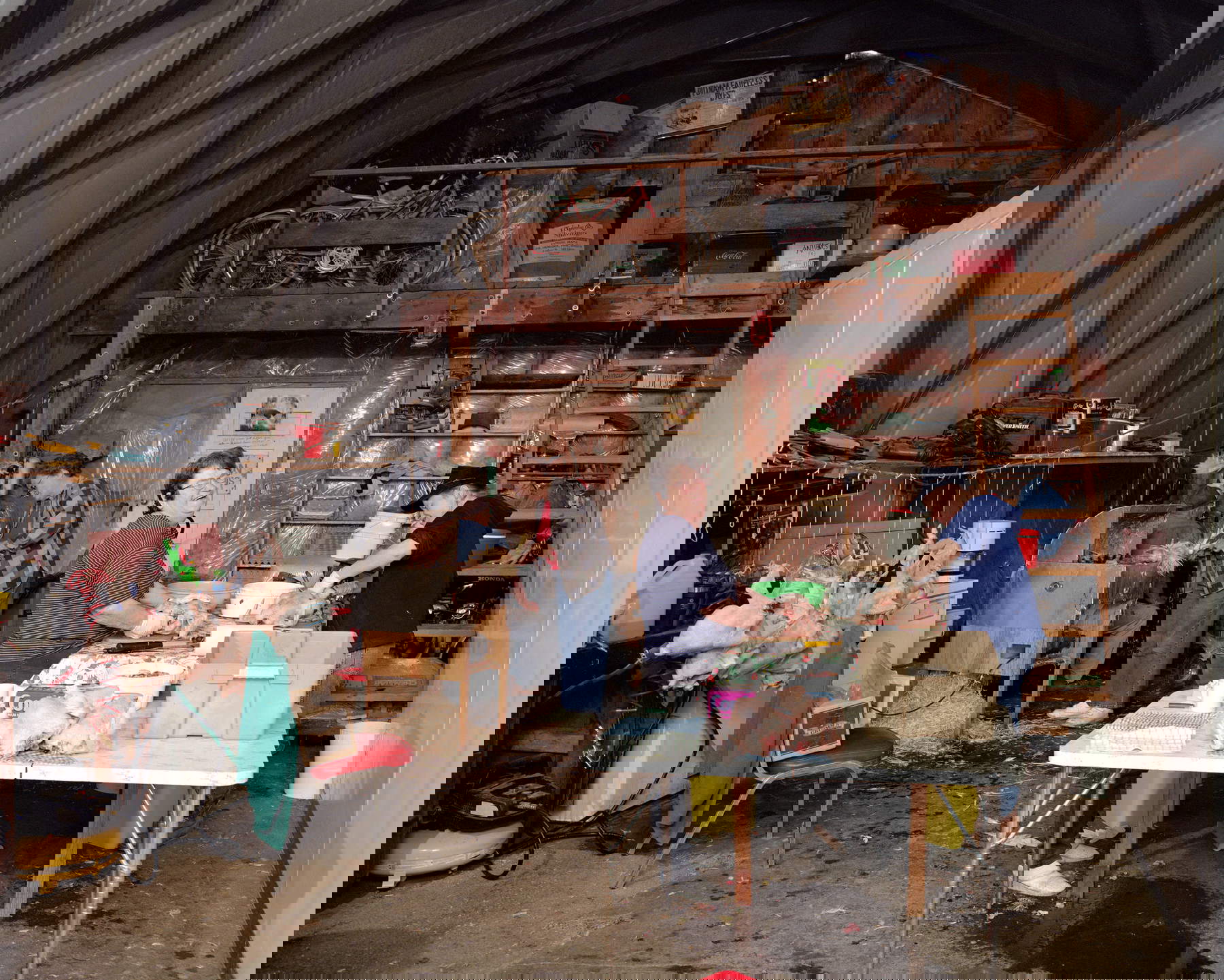
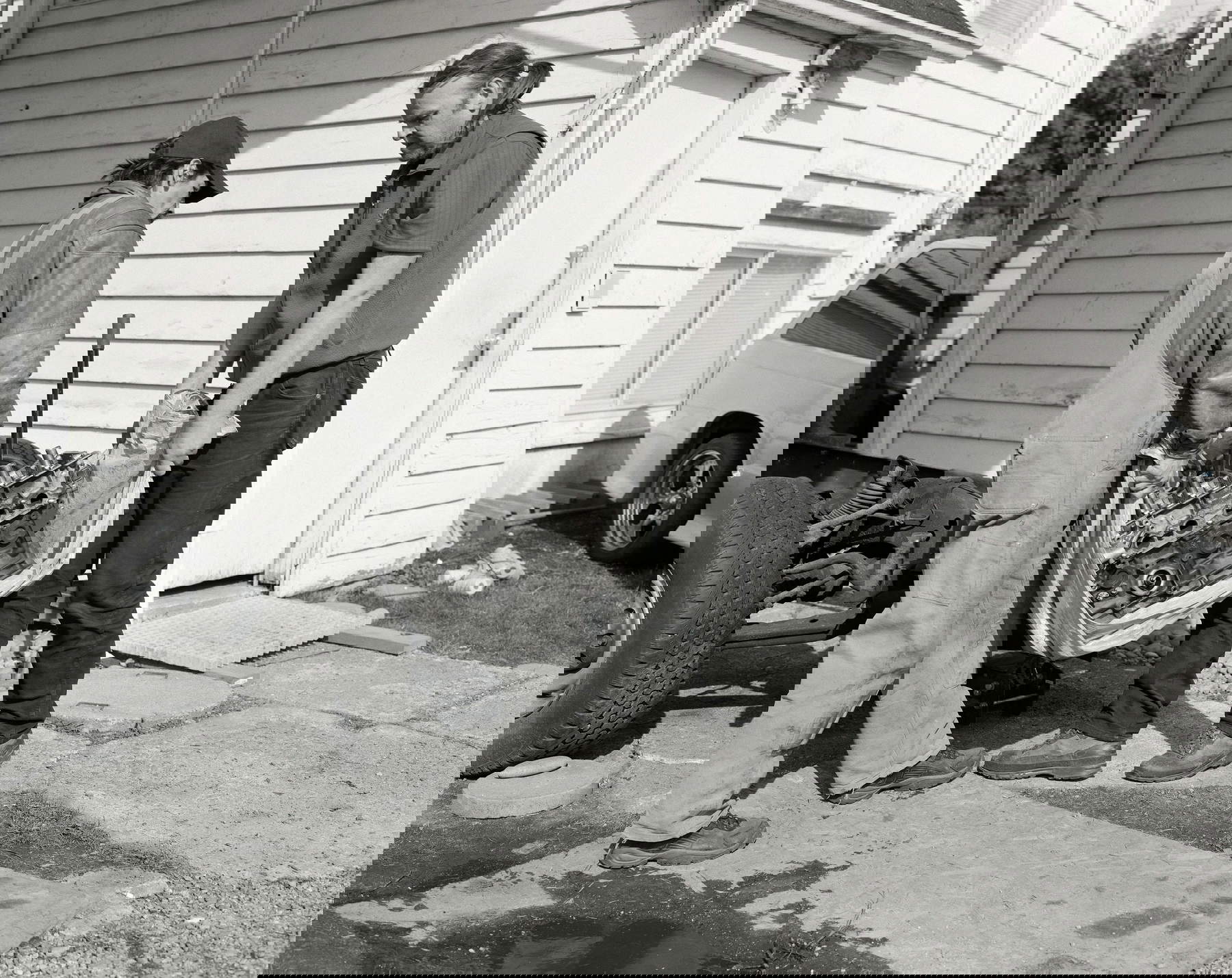
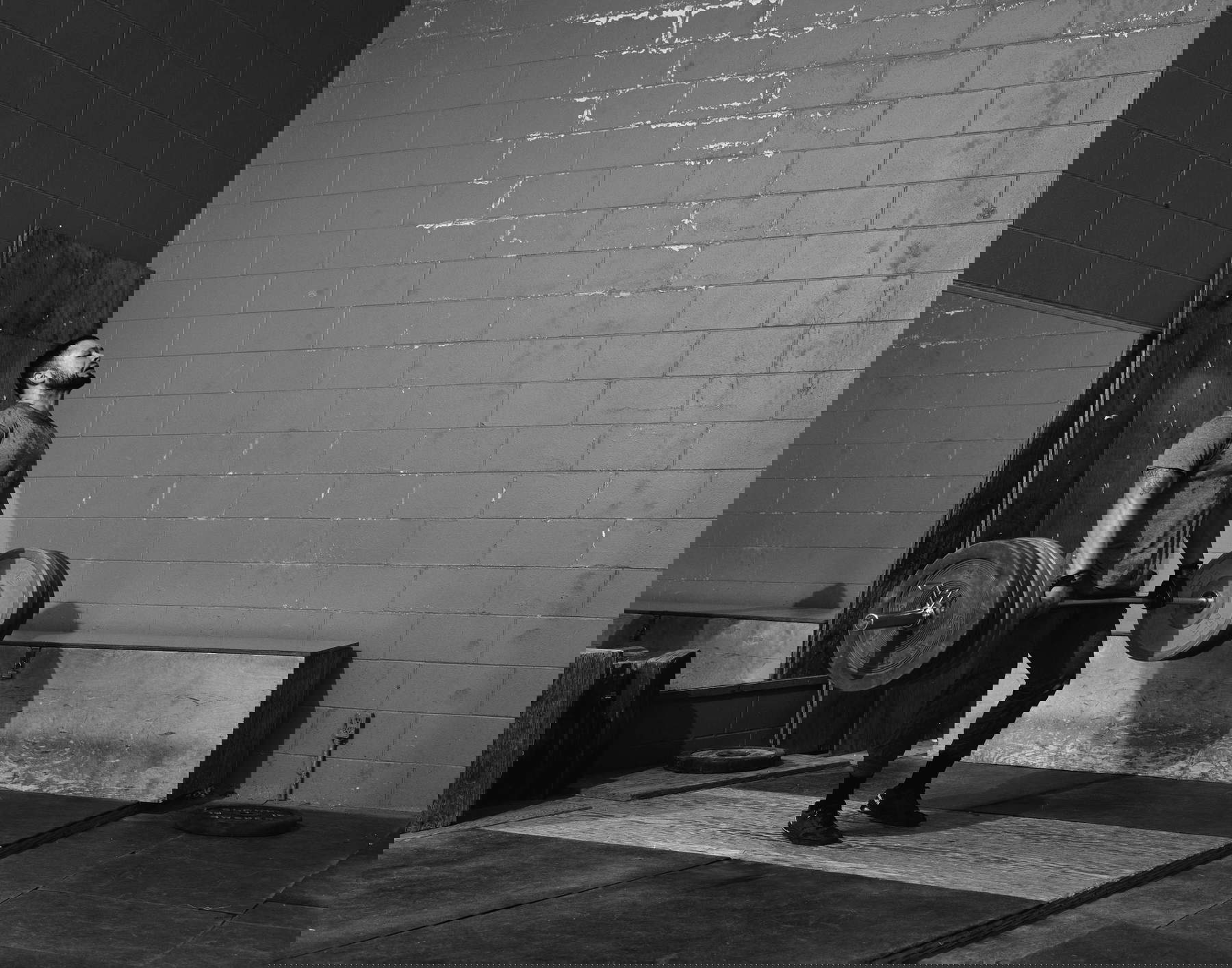
The comparison between the two exhibitions effectively restores the coherence and “structural” solidity of an artist who for forty years has never stopped questioning the status of the image: if Turin privileges the formal and citational dimension of his work, Bologna emphasizes his attention to the themes of the fragility of the human condition, the relationship between individual and place, and the cognitive stratification deposited in the visible. What emerges in both selections is his ability to construct images that never close off meaning, conceived as windows open not on an aprioristic cone of perspective of Albertian memory, the expression of a measurable, knowable and controllable world, but on a universe of concomitant possibilities, all equally plausible and unverifiable.
In confronting them, the visitor is called upon to participate in a process of active interpretation, to measure his or her own presence in the space of the work, to recognize the continuity between what appears and what remains off-screen, and ultimately to rethink the relationship between photography and reality, image and construction, perception and imagination. Jeff Wall’s work thus confirms itself as a practice that is still very effective in problematizing our relationship with the visible and capable of inducing a slow, attentive, critical perceptual posture: an exercise of looking and thinking that, today more than ever, seems necessary.

The author of this article: Emanuela Zanon
Laureata in Discipline dell’Arte, della Musica e dello Spettacolo all’Università di Bologna, città dove ha continuato a vivere, si è specializzata in Beni Storico Artistici all’Università di Siena. Curiosa e attenta al divenire della contemporaneità, crede nel potere dell’arte di rendere più interessante la vita. È direttrice editoriale di Juliet Art Magazine online.Warning: the translation into English of the original Italian article was created using automatic tools. We undertake to review all articles, but we do not guarantee the total absence of inaccuracies in the translation due to the program. You can find the original by clicking on the ITA button. If you find any mistake,please contact us.


























 IT
IT FR
FR DE
DE ES
ES CN
CN


