





Big data, chatbots, artificial intelligence, virtual reality, predictive modeling, Internet of Things (IoT): the list could go on with a long list of neologisms coined in recent decades to designate the technological applications by which our collective existences are increasingly shaped, with capillary insinuations even into the intimacy of the individual sphere. Although this theme is currently one of the most overblown, especially since the end of 2022, when OpenAI made ChatGPT accessible to the general public, not many reflections go beyond a redundant observation of the pervasiveness of these new systems, with approaches usually oscillating between easy enthusiasms, discounted premonitions of machinic overpowering of the human and anxieties about job devaluation, identity and authorial crisis, algorithmic propaganda, mass surveillance and profiling, racial polarization, technological dependence and loss of human agency. That the future of humanity is uncertain has been clear to artists for quite some time, and many, it goes without saying, have incorporated into their works suggestions related to the technological constellation in which our lives expand and disperse, plumbing its fascinating nooks and crannies despite the risk of losing full mastery of the means of expression. An example of one who has most successfully maintained speculative and aesthetic control of experimentation with new media is Hito Steyerl (Munich, 1966), a Berlin-based artist, writer and filmmaker known for the radical critical interventions with which she has been able to re-examine the way we think about images, politics, technology and the infrastructures of power that frame our perception of reality.
Steyerl gained international prominence beginning with November (2004), a video centered on the story of activist Andrea Wolf, who was killed in Turkey in 1998 while fighting in the ranks of the PKK, composed by weaving together documentary footage from Kurdish television, scenes from an old home movie made by two friends, and clips from Bruce Lee films and autographed narration. From there originated a systematic experimentation that channels the artist’s production into the genre of the essaydocumentary, to which the lecture performances he gives around the world also pertain. The artist is a keen observer, of herself as well as of the world, and her work investigates from a globalized perspective how the circulation of images in the age of their digital dissemination through new technologies impacts from the ground up the constitution of our subjectivity. His practice challenges the conditions of art’s existence, contextually raising serious social and political tensions unseen in previous human history, in light of which to re-imagine how art can sabotage dominant systems, rewrite visual codes and stage possibilities of resistance in a world saturated with data and doubt. His are the definitions of circulationalism, to denote the contemporary condition in which circulation itself (as a consequence of the neoliberal policies of the 2000s) has become content, form of production and value system, and poor images, a much-debated topic in thelast decade, alluding to the status of an image that, impoverished by the transition between different devices, files and formats, seems to be reduced to a barely decipherable abstraction, an infinitesimal aphasic portion of our now fully digitized imaginative universe. Steyerl, therefore, works with new technologies to try to understand what they mean from an operational, infrastructural, political and epistemological point of view, in a (partly utopian) attempt to use the oblique and open logics of art to react to the paradox whereby the exponential increase of digital communication has ended up generating a multiplicity of isolated geopolitical, technological and nationalist bubbles.
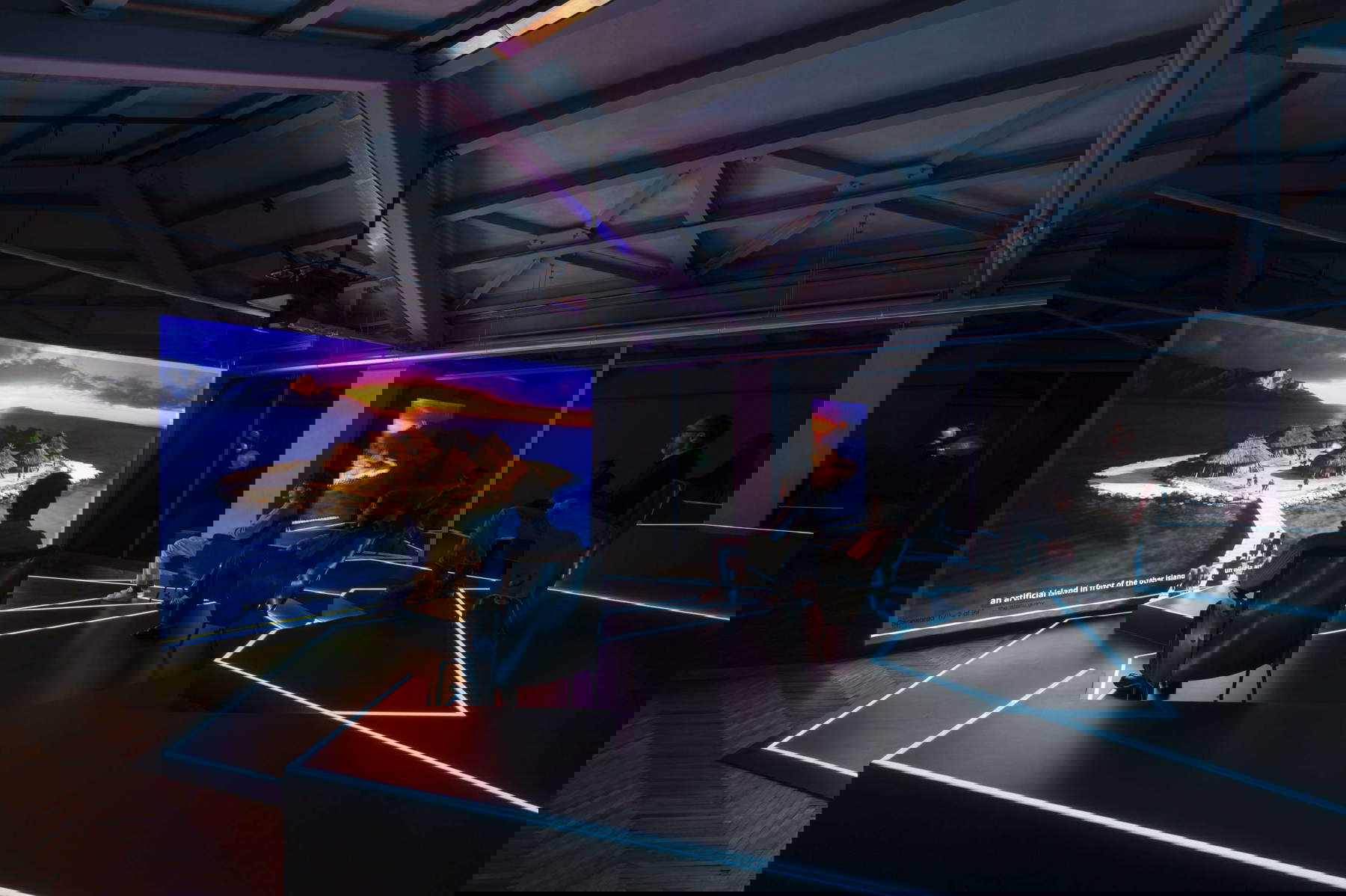
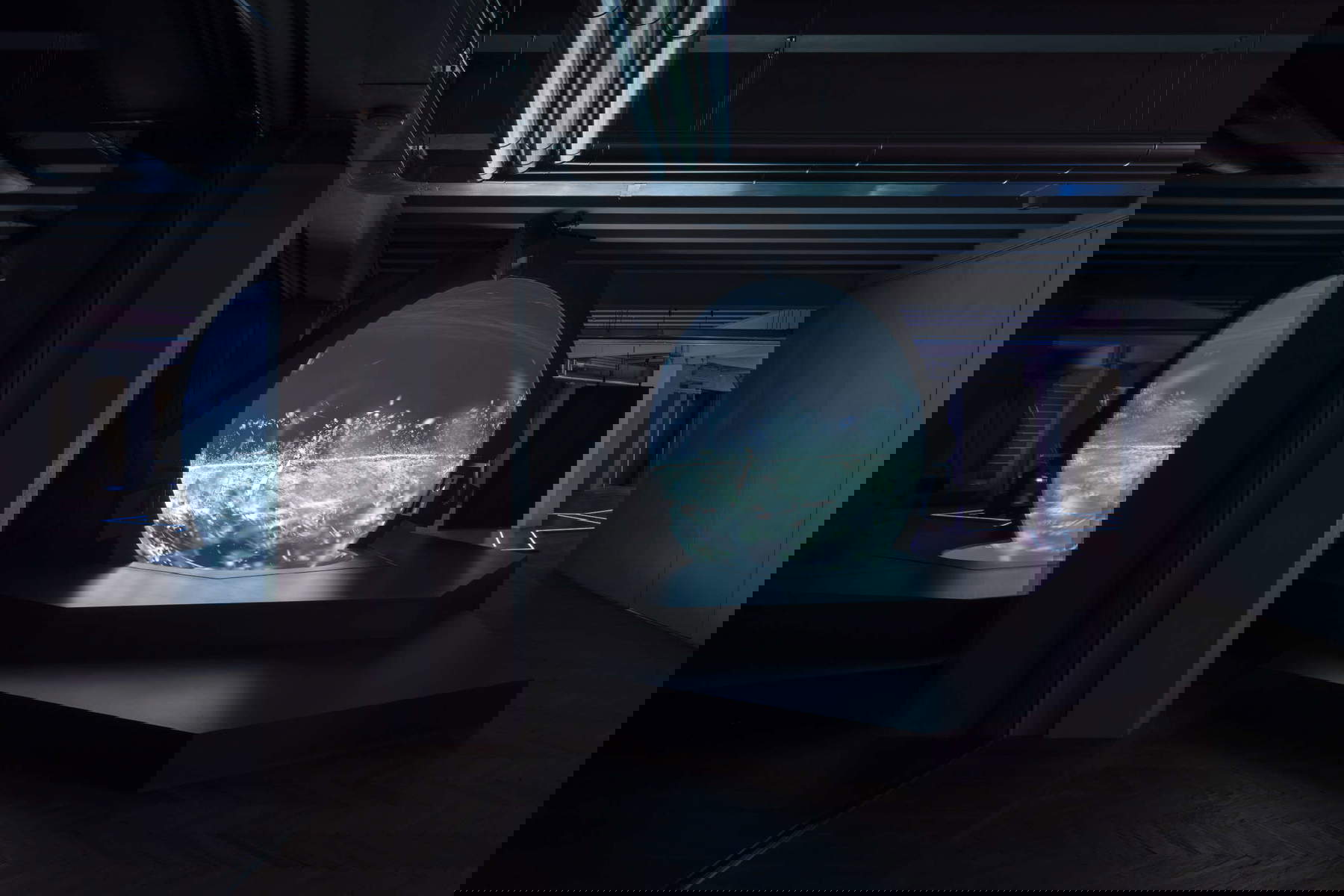
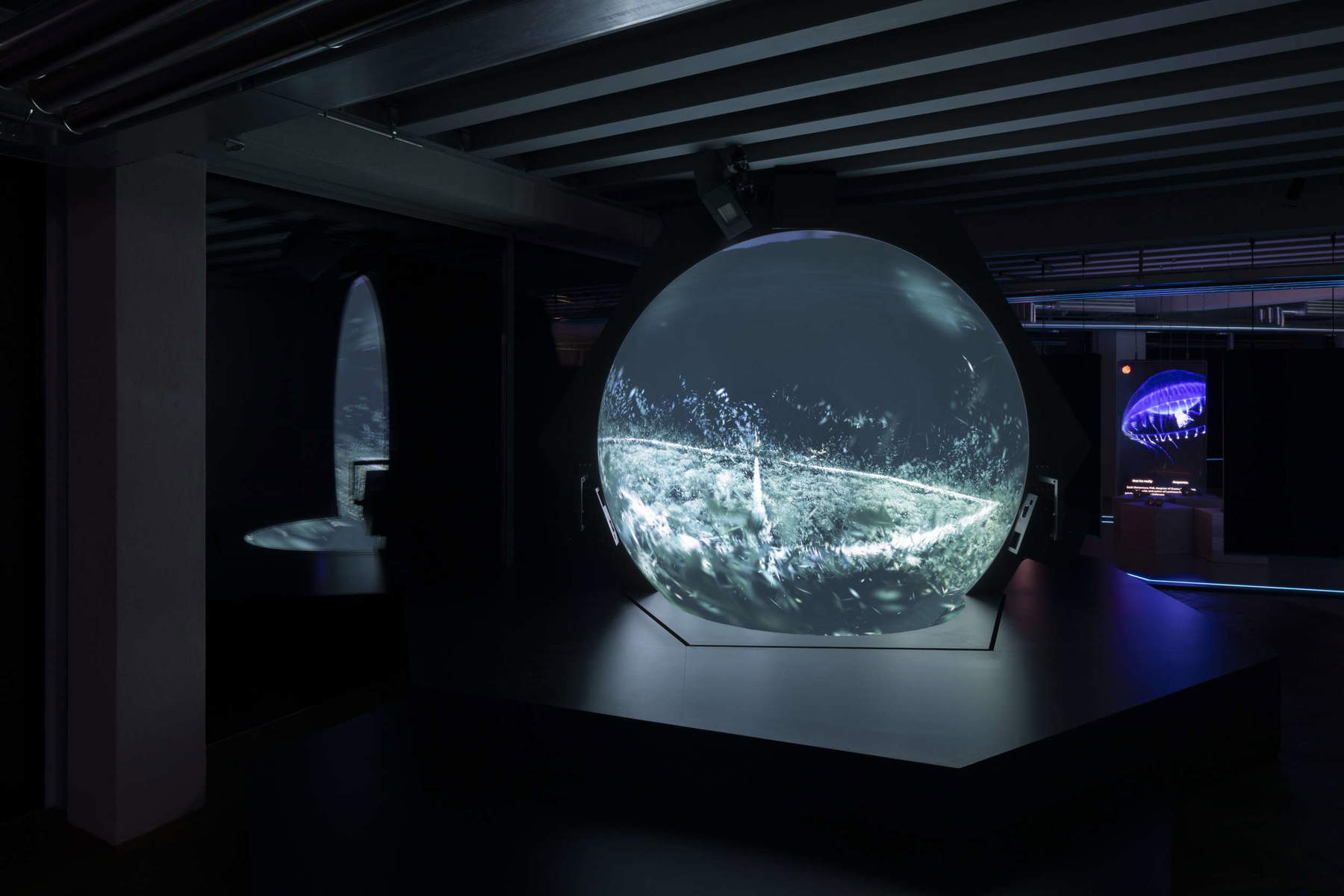
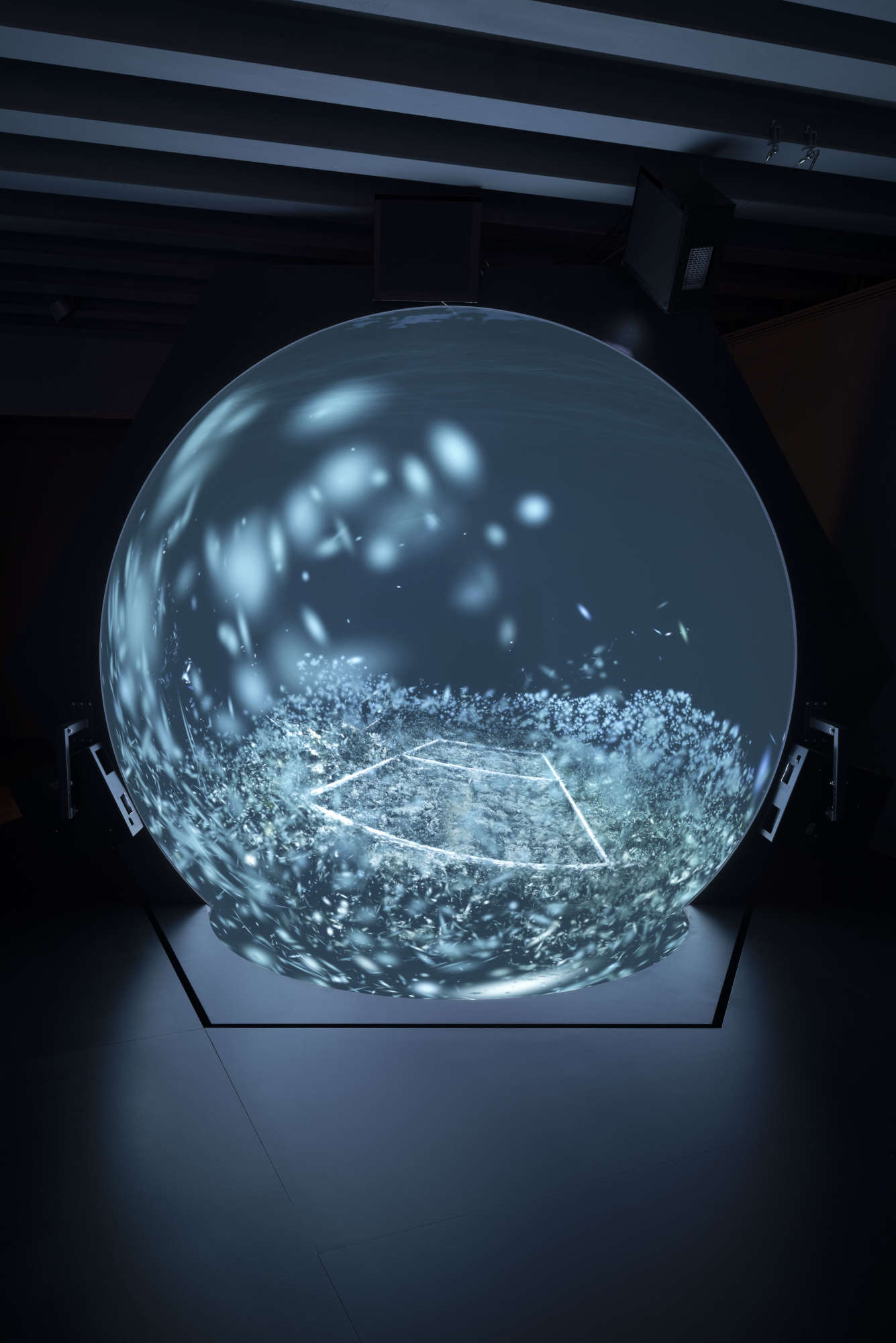
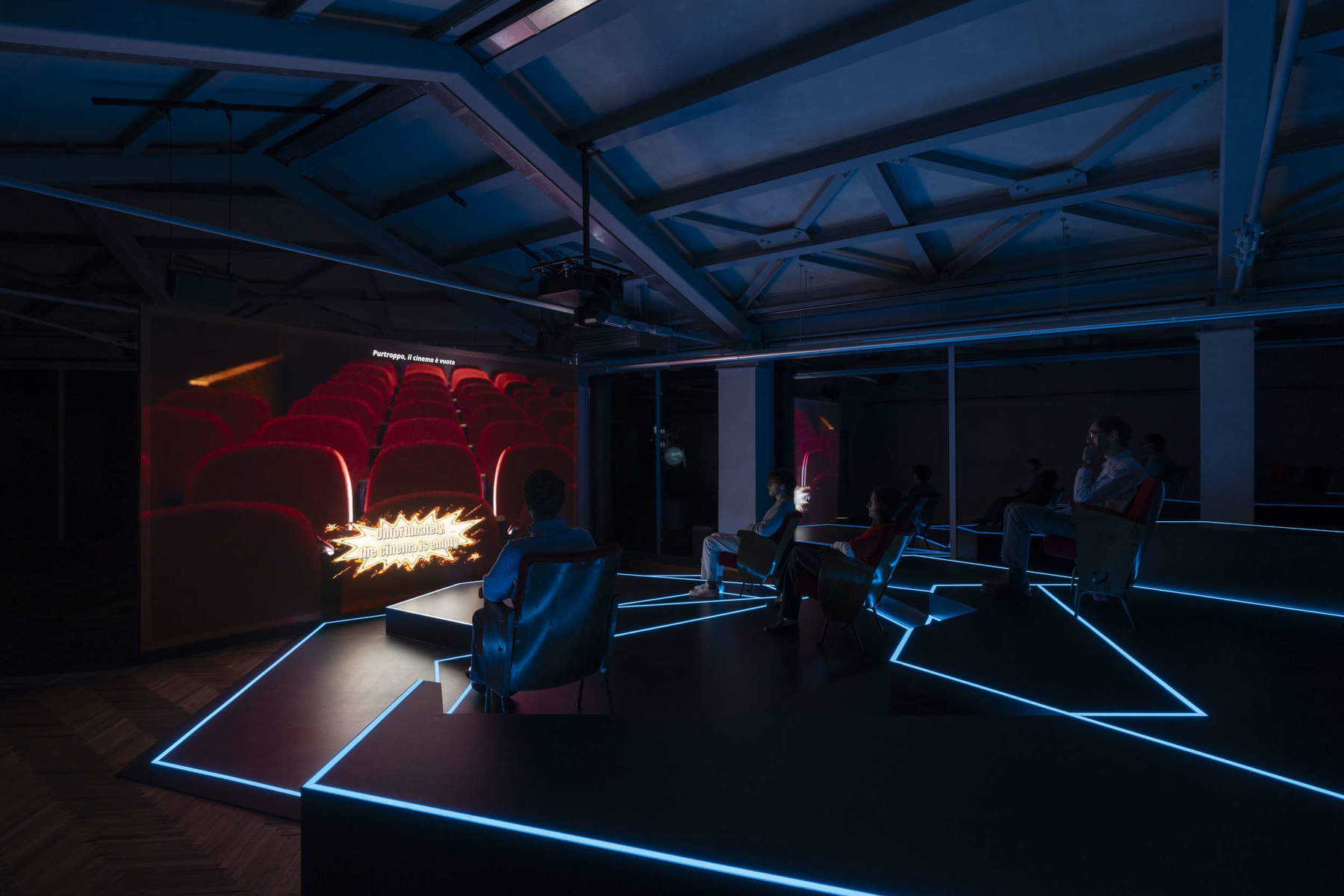
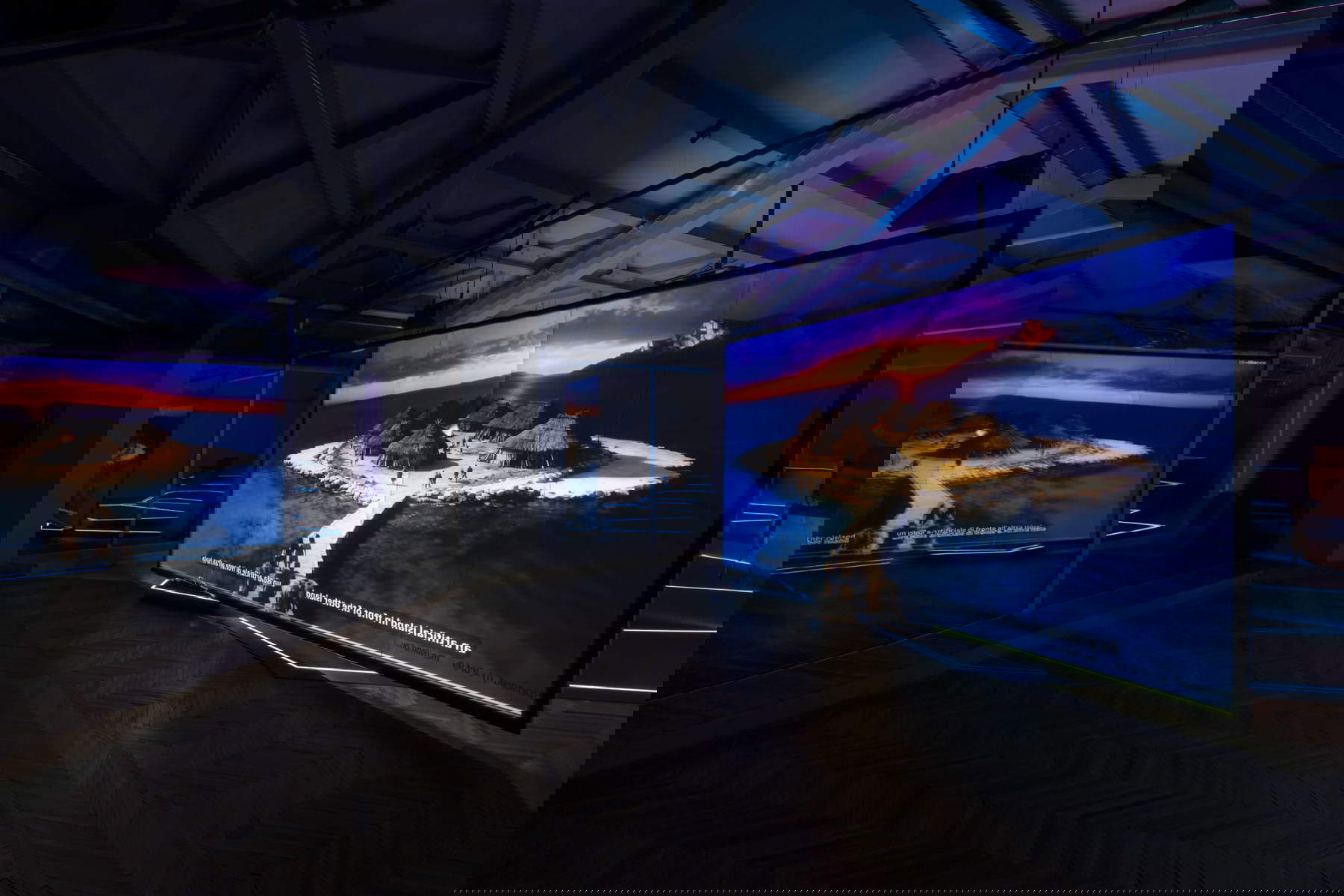
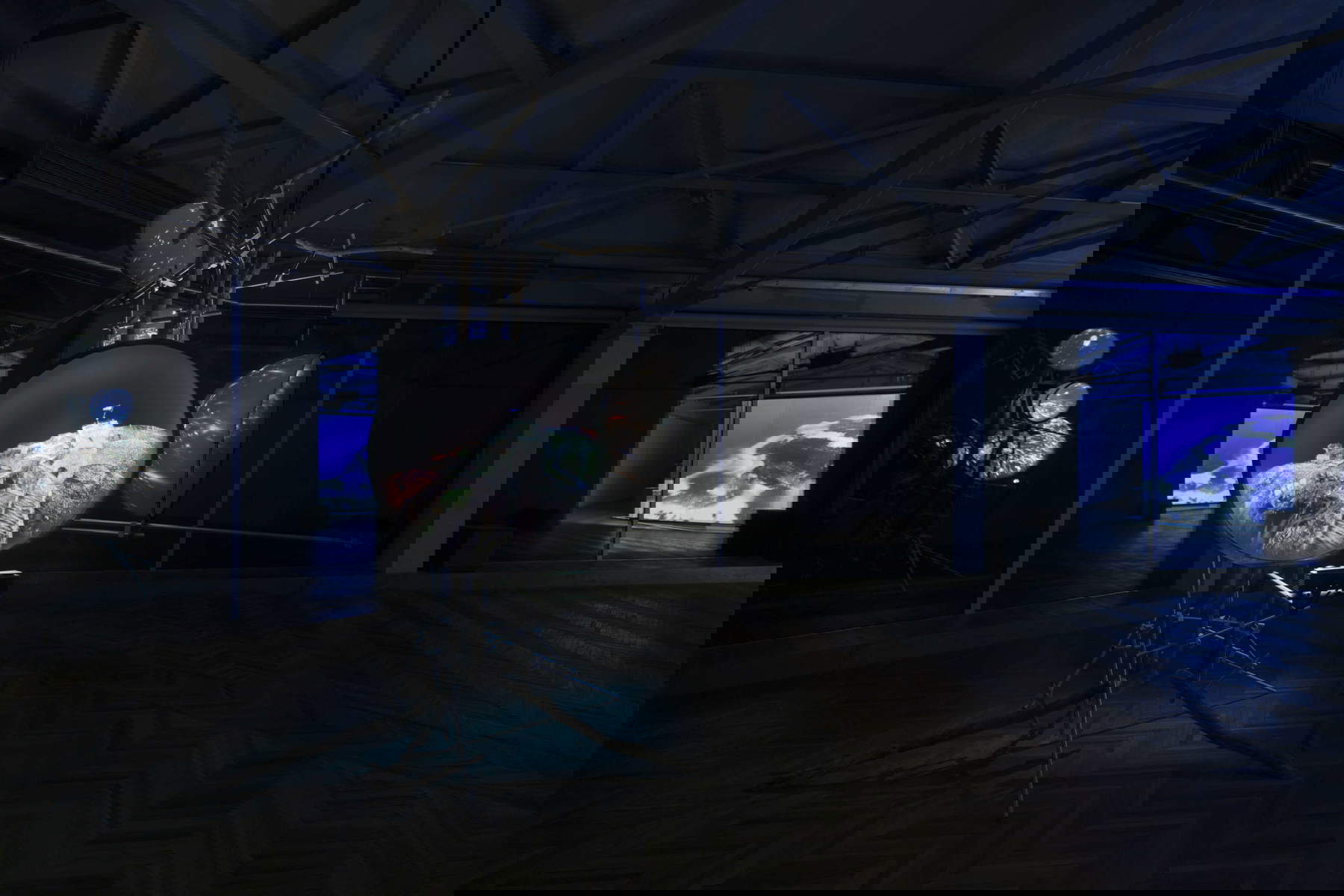
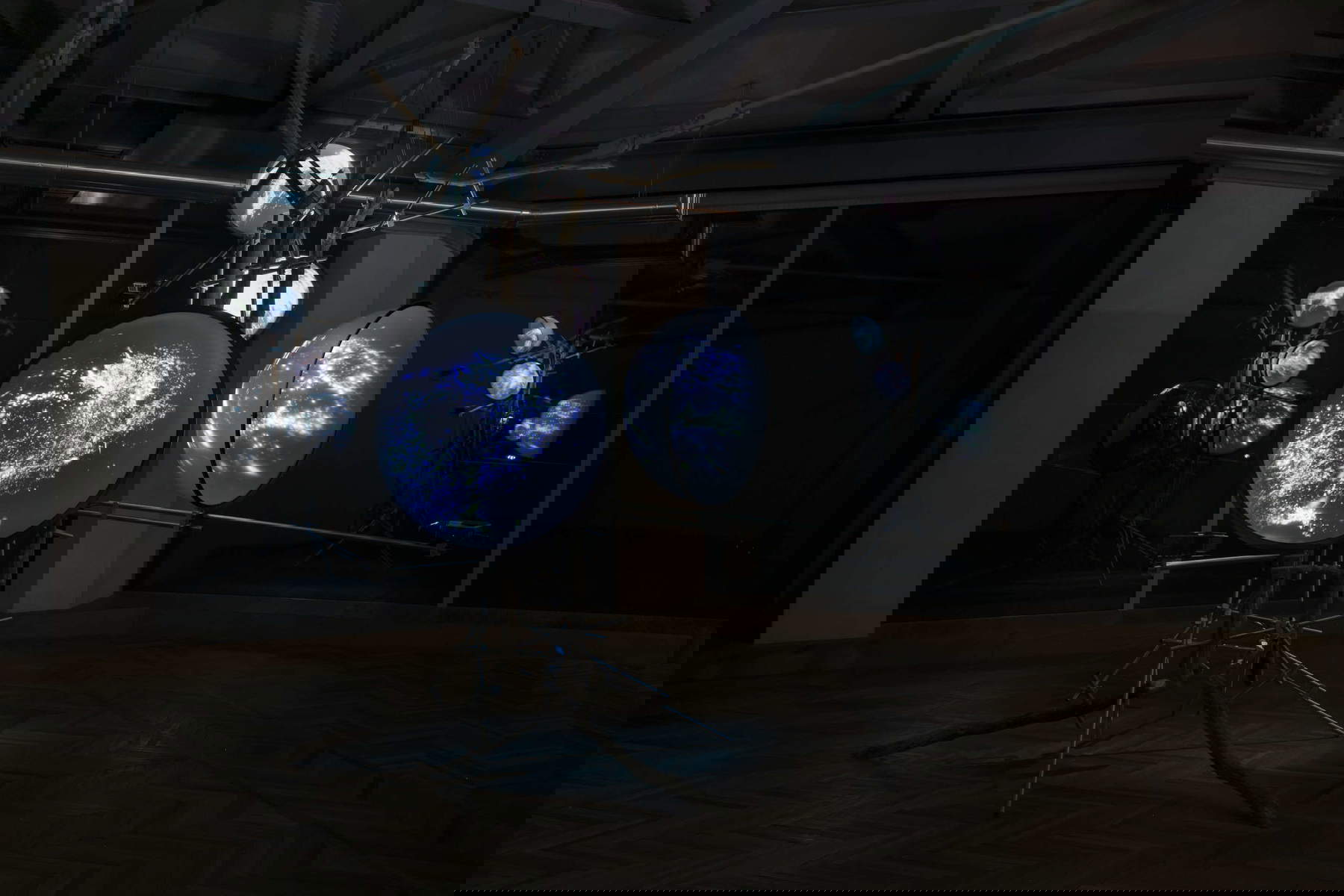
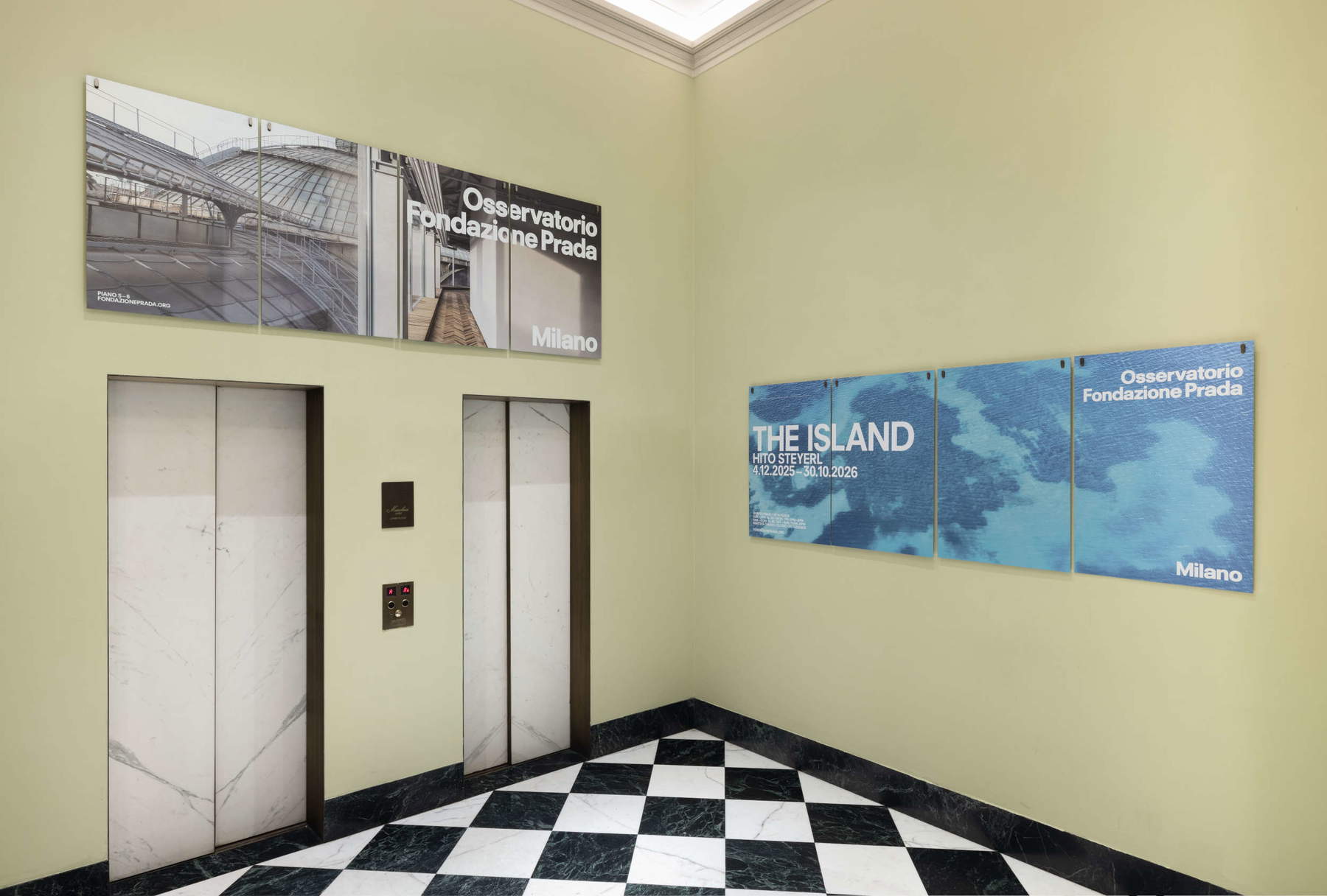
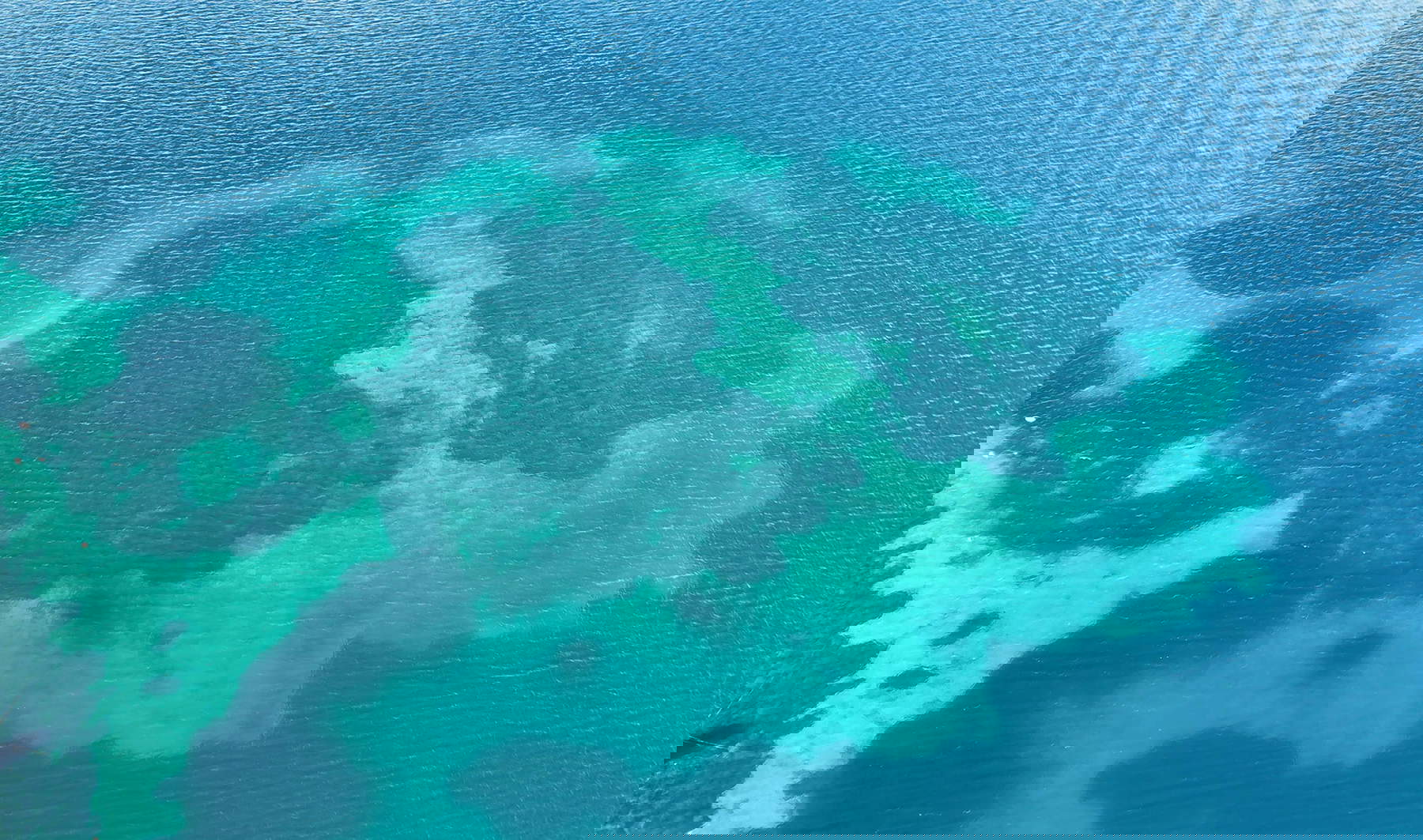
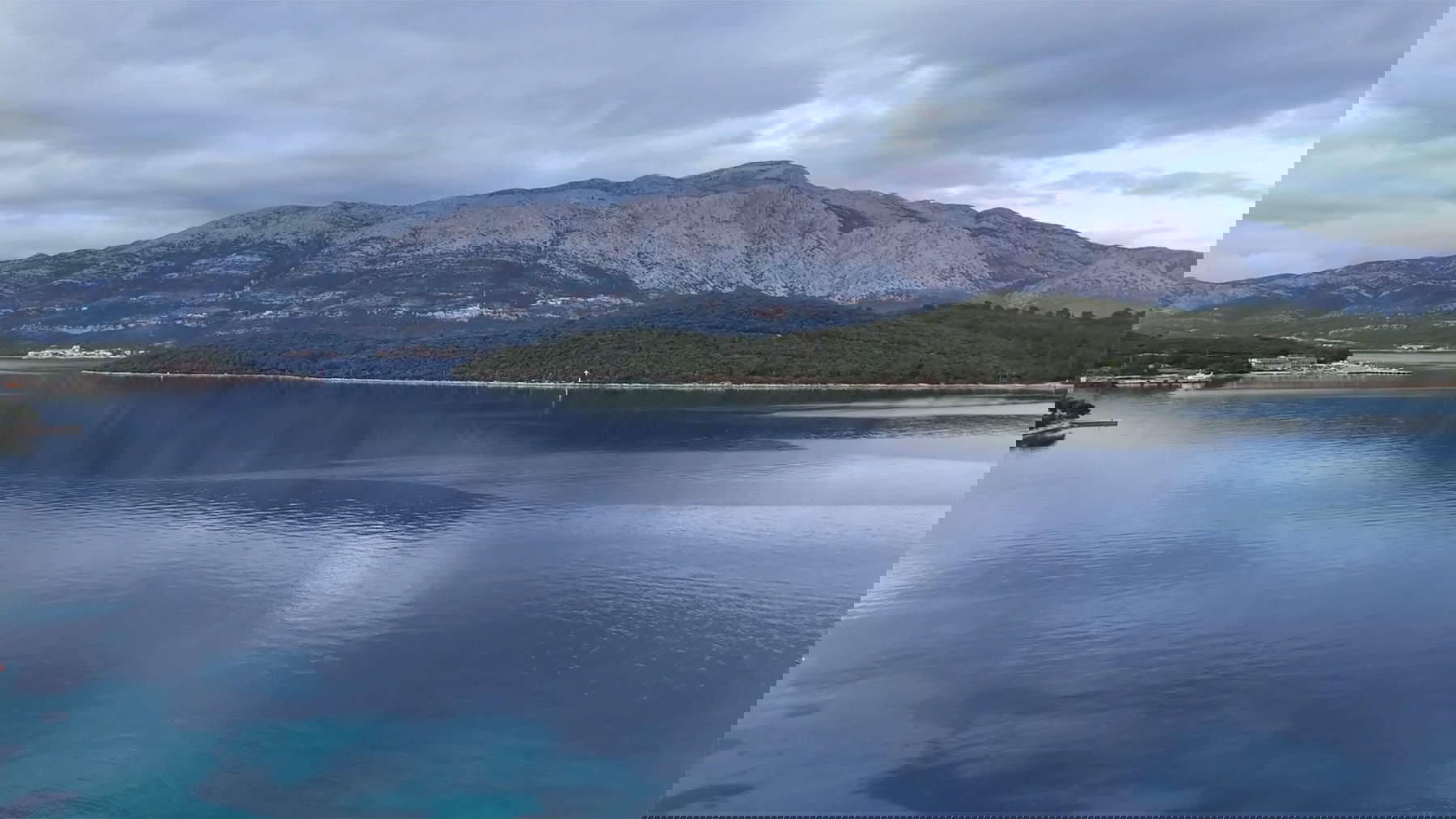
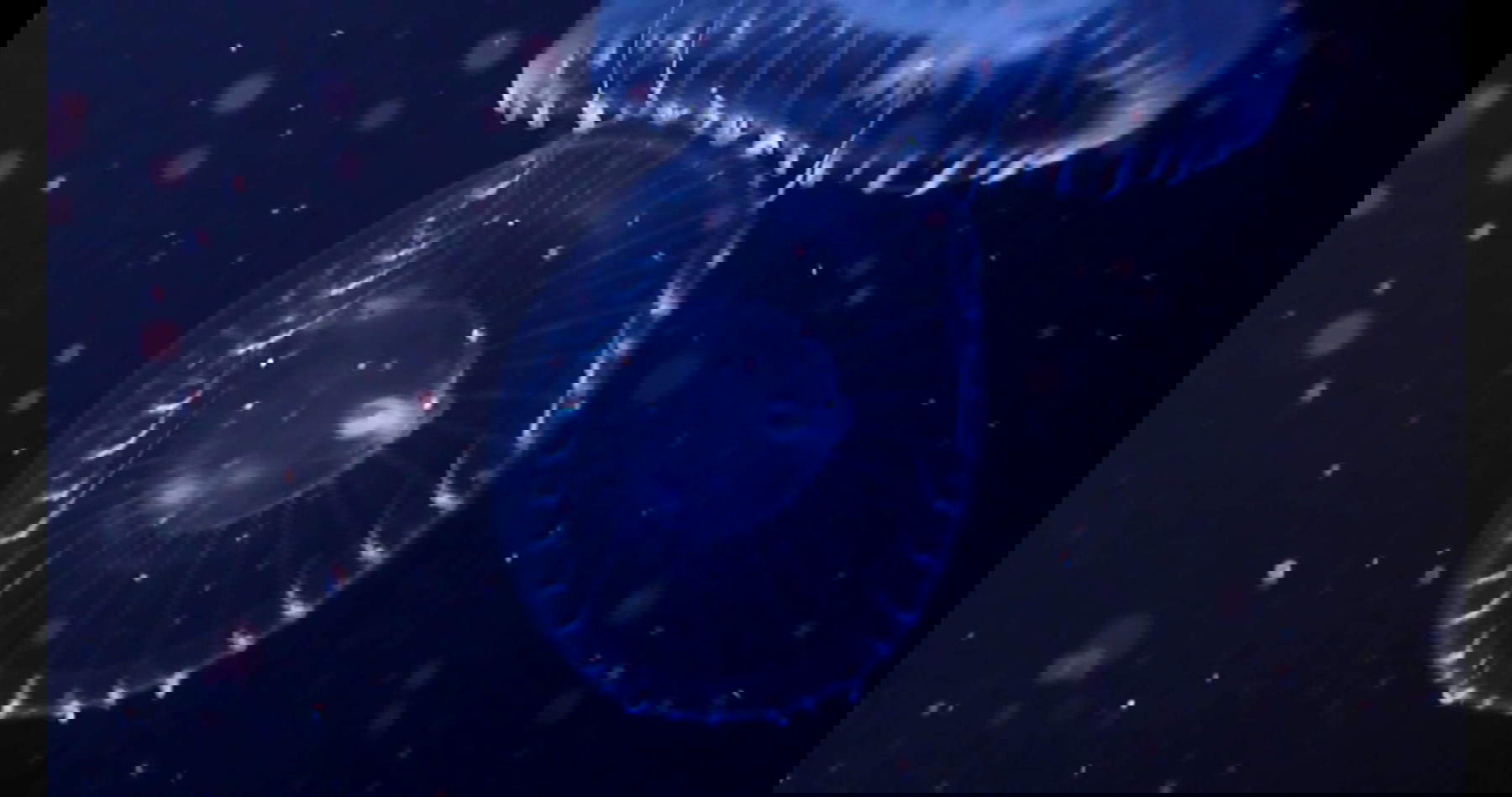
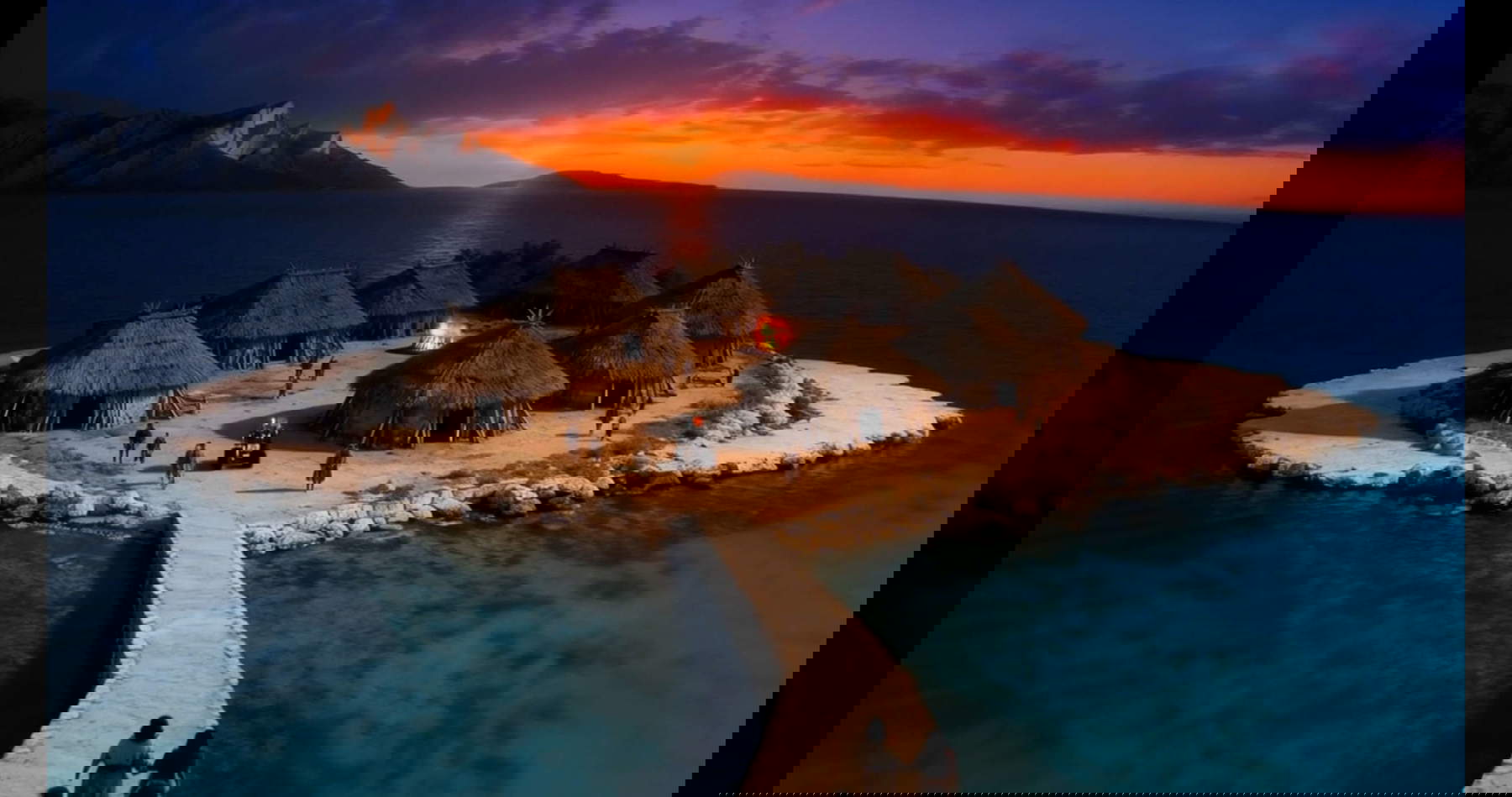
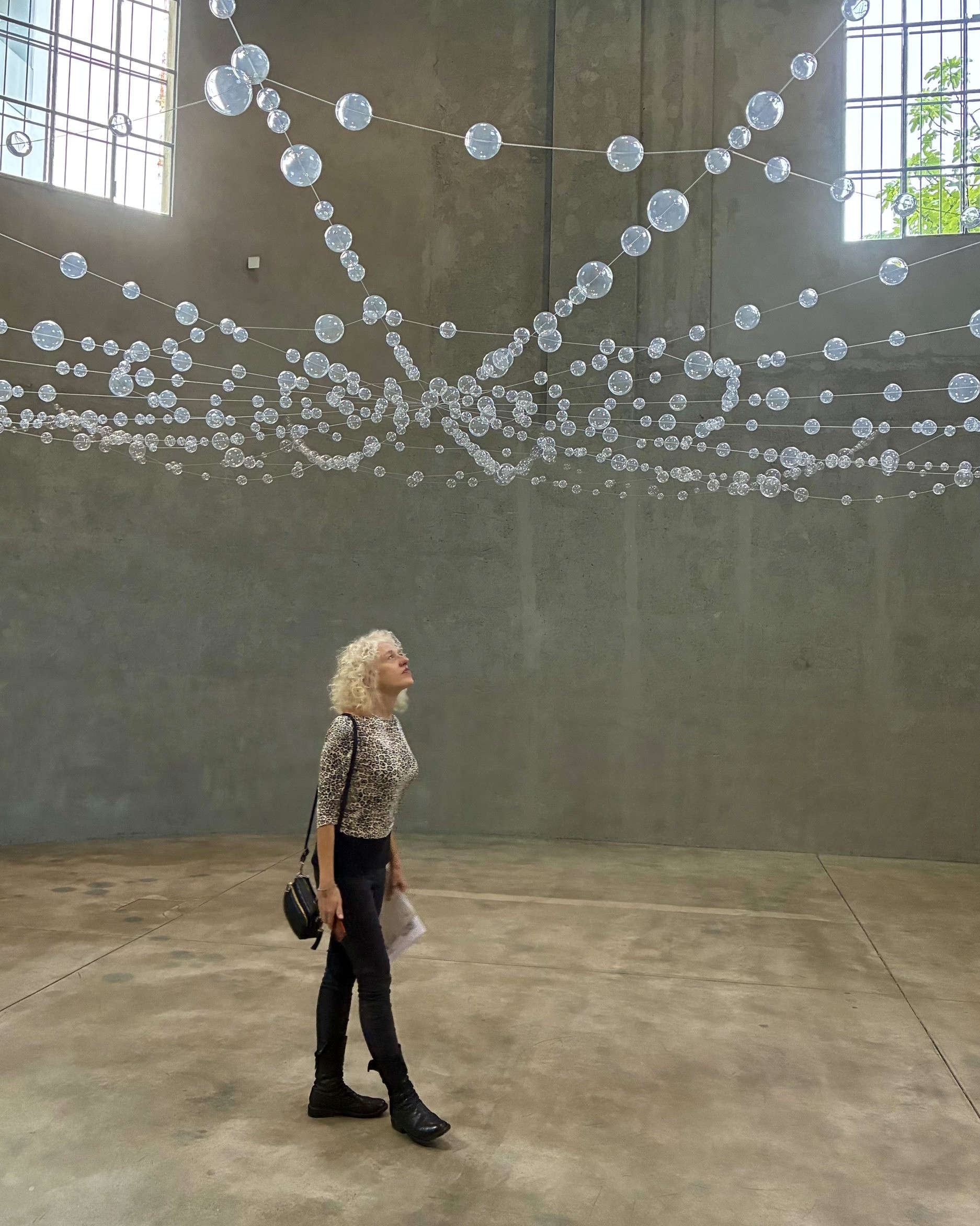
An important opportunity to delve into the modus operandi of this personality so influential to contemporary artists, philosophers, sociologists, writers and filmmakers is represented by the exhibition The Island currently underway at theFondazione Prada Observatory, a detached cell of the prestigious private institution in Milan. Welcoming visitors is a dark space that recreates in a habitable version the indefinite spatiality of gaming, where photometric hyperrealism and stylized abstraction coexist without conflict. A blue luminescent track on the ground suggests the connection between the works and the visitor’s path, which begins with an illusionistic sphere (actually, the back is a solid heptagonal) resembling an enlarged snowball, within which sways a mysterious underwater ecosystem man-made from building remains. The moving images reproduce a 3D documentary scan of the coastal wall (also seven-edged) of an artificial submerged island dating from the Neolithic period, discovered in 2021 off the coast of Korčula, now located between 4 and 5 meters below the level of the Adriatic Sea, but originally connected by a road to the Croatian island.
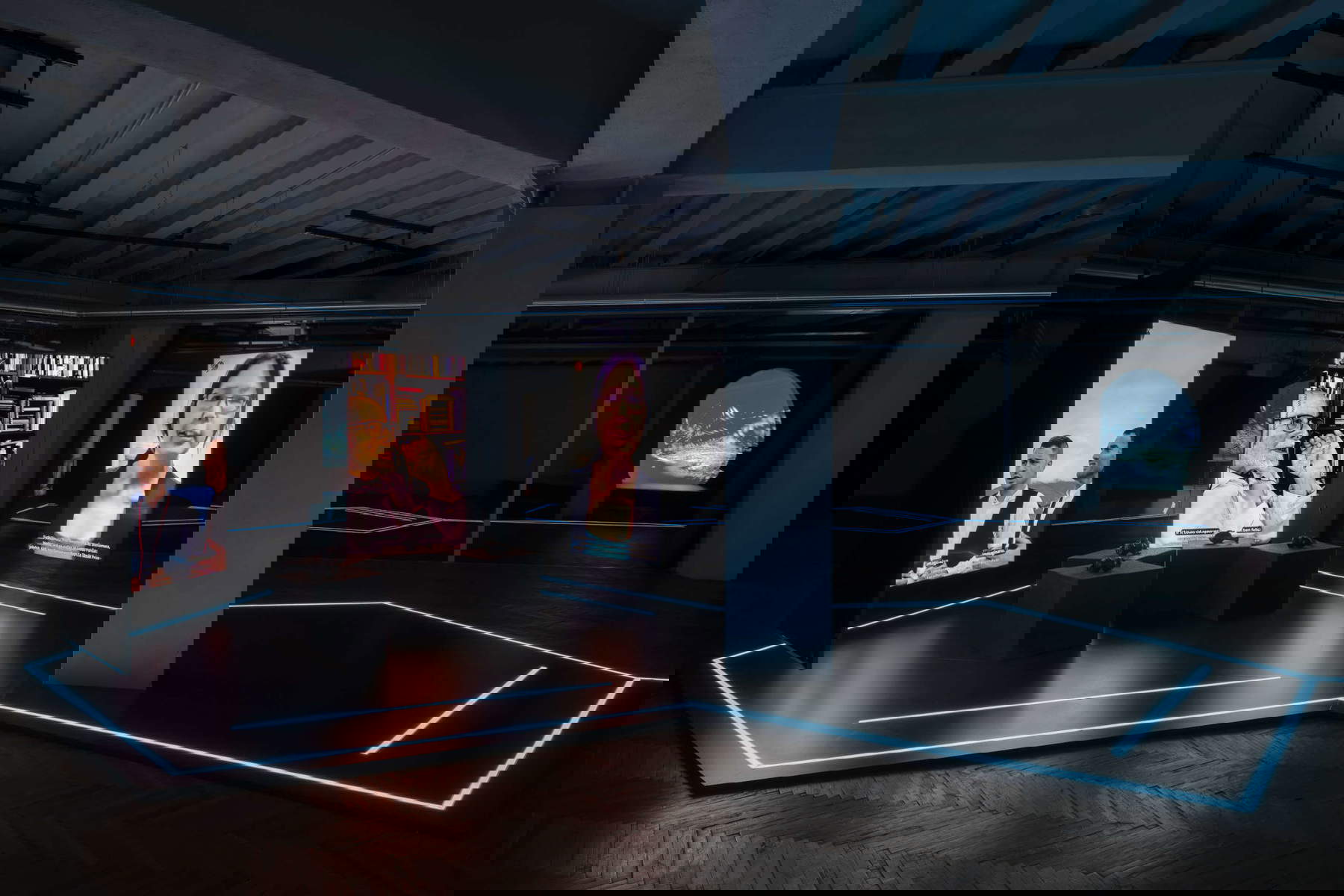
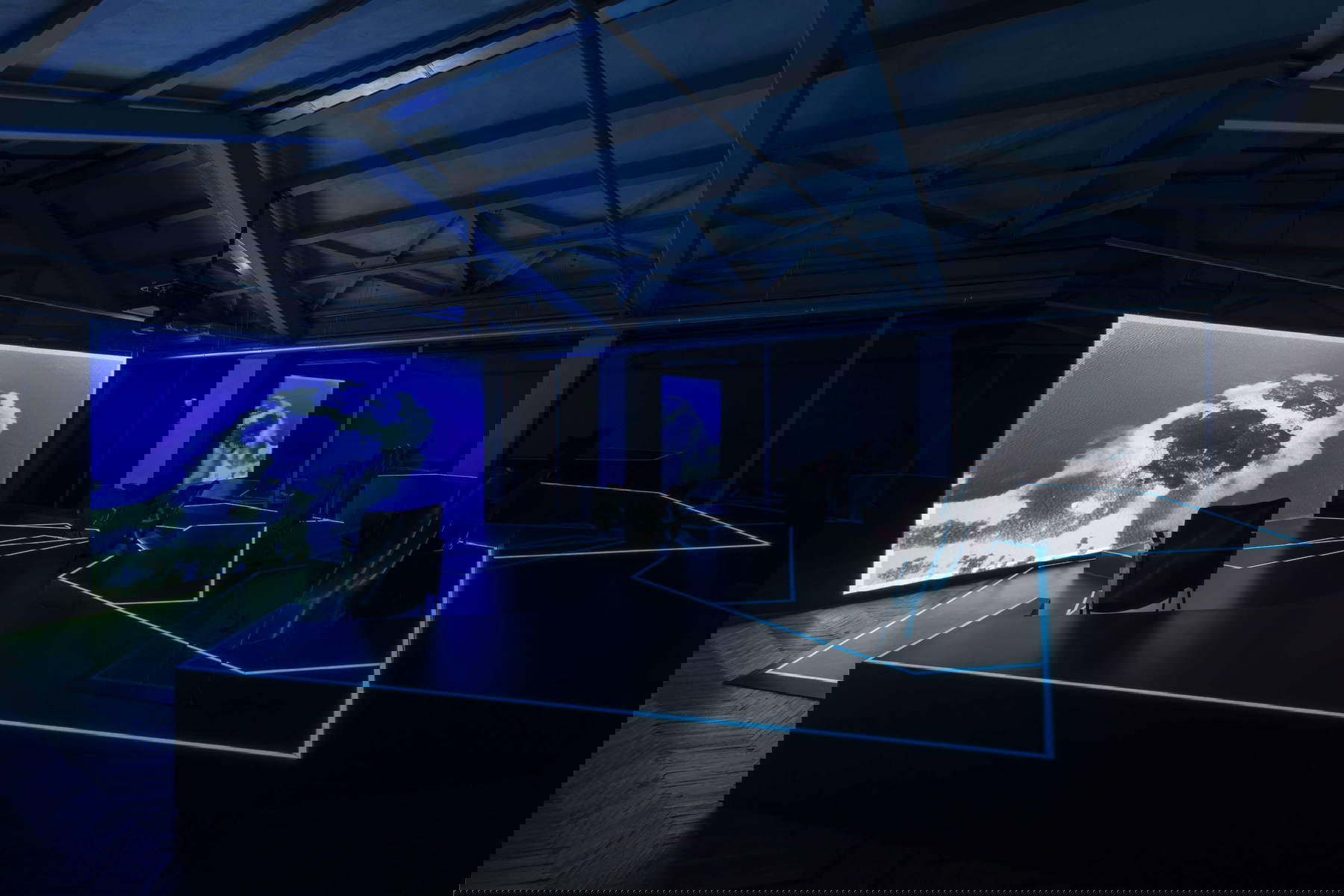
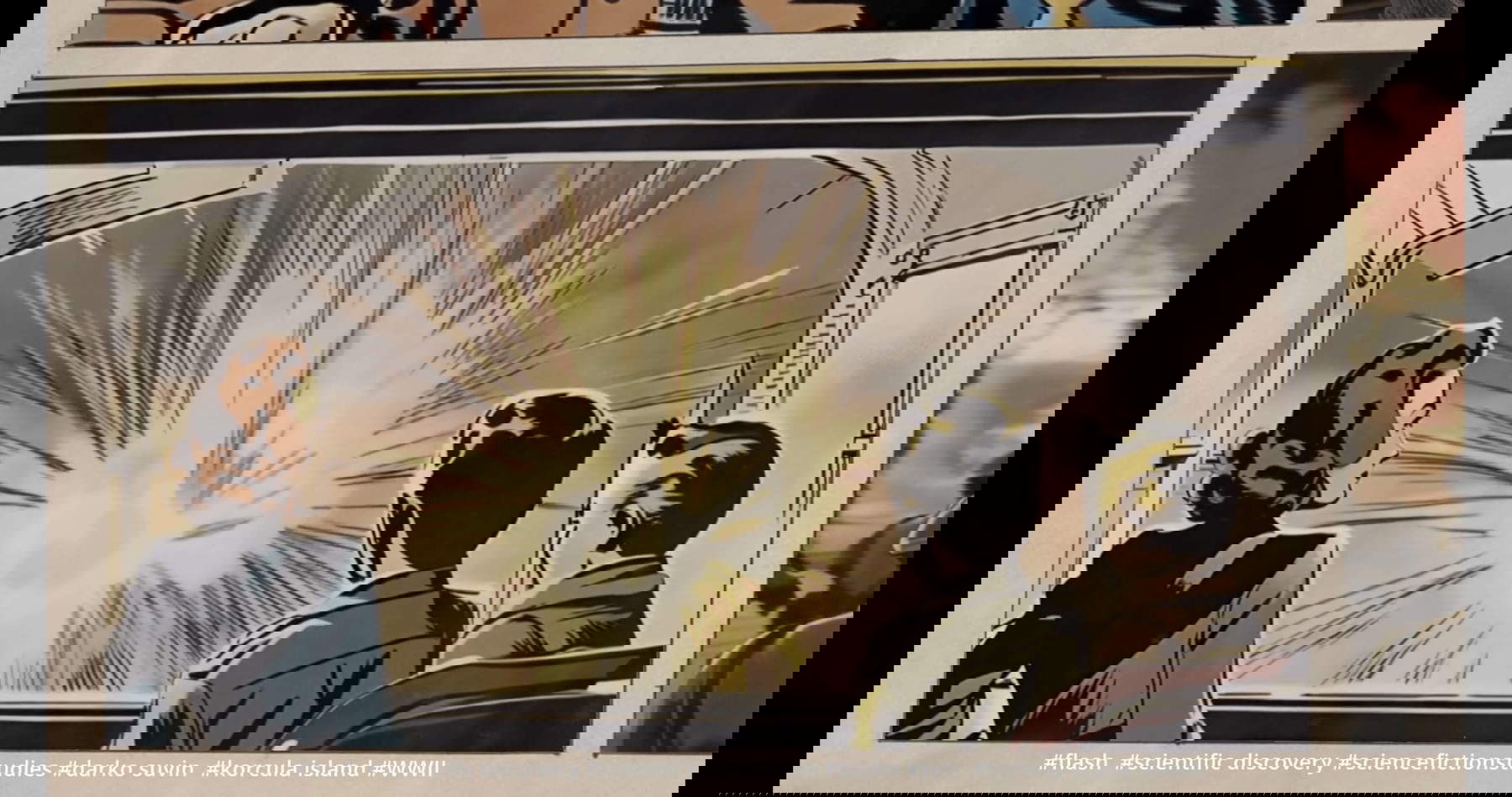
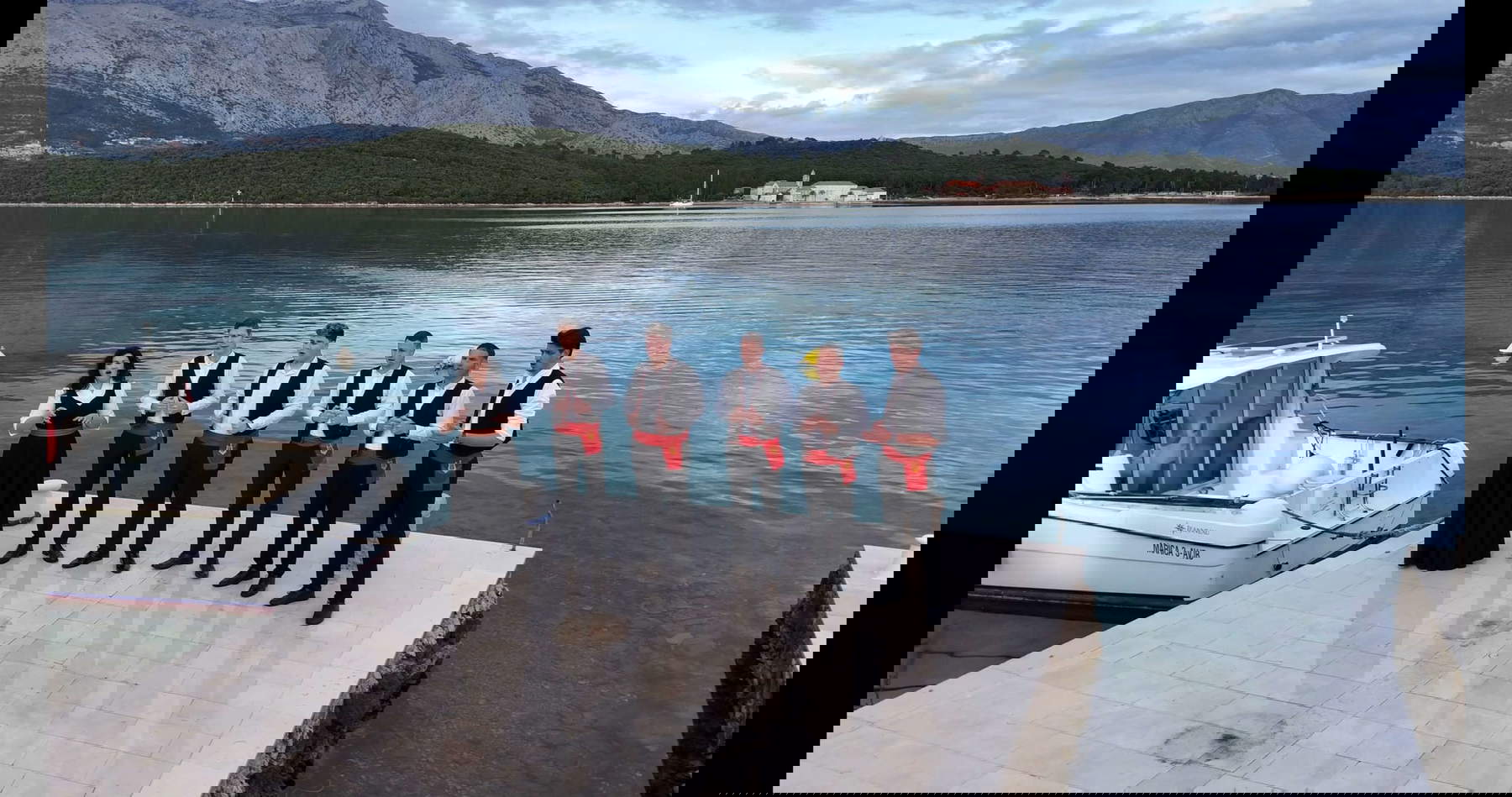
The silence one would expect to muffle such a setting is contradicted by a buzz of voices, superimposed until the sound fabric is babelic, coming from the next multimedia installation, a sort of screen composed of four vertical screens. In the center is a workstation that allows the viewer to simultaneously view as many video interviews interspersed with context images, the audio of which can be selectively heard by wearing the headphones provided. The videos present four narrative lines, seemingly unrelated, of which the development of the project reveals the surprising interconnectedness: Fireflies tells the story of the discovery of luciferin, an organic molecule responsible for the bioluminescence of plankton studied by Nobel Prize-winning scientist Osamu Shimomura, now used as a detector of wave motions and as a marker of cellular biological processes; The Birth of Science Fiction evokes the deportation of academic and writer Darko Suvin to the island of Korcula during World War II, tracing his philosophical and political approach to science fiction to thebomb explosion in Zagreb, when in response to the panic he imagined being transported to Mars like Flash Gordon, the hero of the film series he had seen a few years earlier in theaters; The Artificial Island, finally, intersects the account of the discovery of the Neolithic island and a conversation with researcher Tommaso Calarco on the quantum manipulation of atoms. These stories, themselves innervated with further plots and subplots, have the island of Korčula as their nerve center and make explicit the themes addressed by the exhibition, namely archaeology, fascism and the anthropized marine ecosystem. Their narrative correlation (of a structuralist kind, one would say, despite the not immediately intelligible logic by which they make system) is entrusted, as will become clear later, to the rules of quantum physics. Often treated as something magical, this branch of science responds to stringent rules, from which the artist has extrapolated the method for the elaboration of the project. Among the fundamental concepts:entanglement, or the fact that a stronger correlation can exist between things located at enormous distances than between any tangible body. And then that of superposition, whereby a quantum bit can be both zero and one at the same time, as occurs in a choir (e.g., the traditional Croatian Klapa Ivo Lozica choir seen singing by the sea in the video) where notes corresponding to different physical realizations exist simultaneously, integrating. The underlying idea is that reality as we see it does not exist because things are not as local as they seem, but cohesive and interconnected in a coherent whole, so something that happens here and now can instantly affect what happens in a parallel space-time elsewhere.
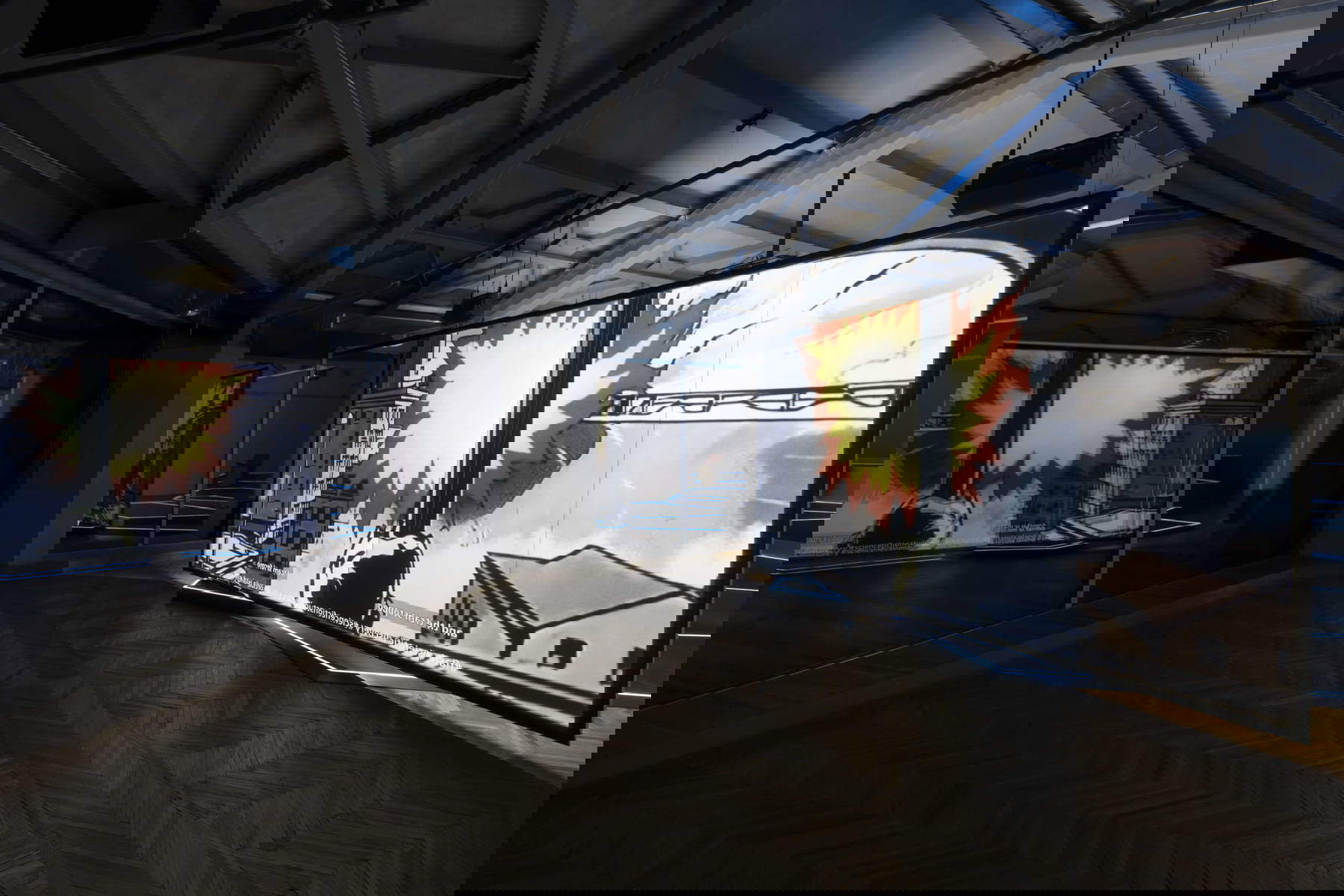
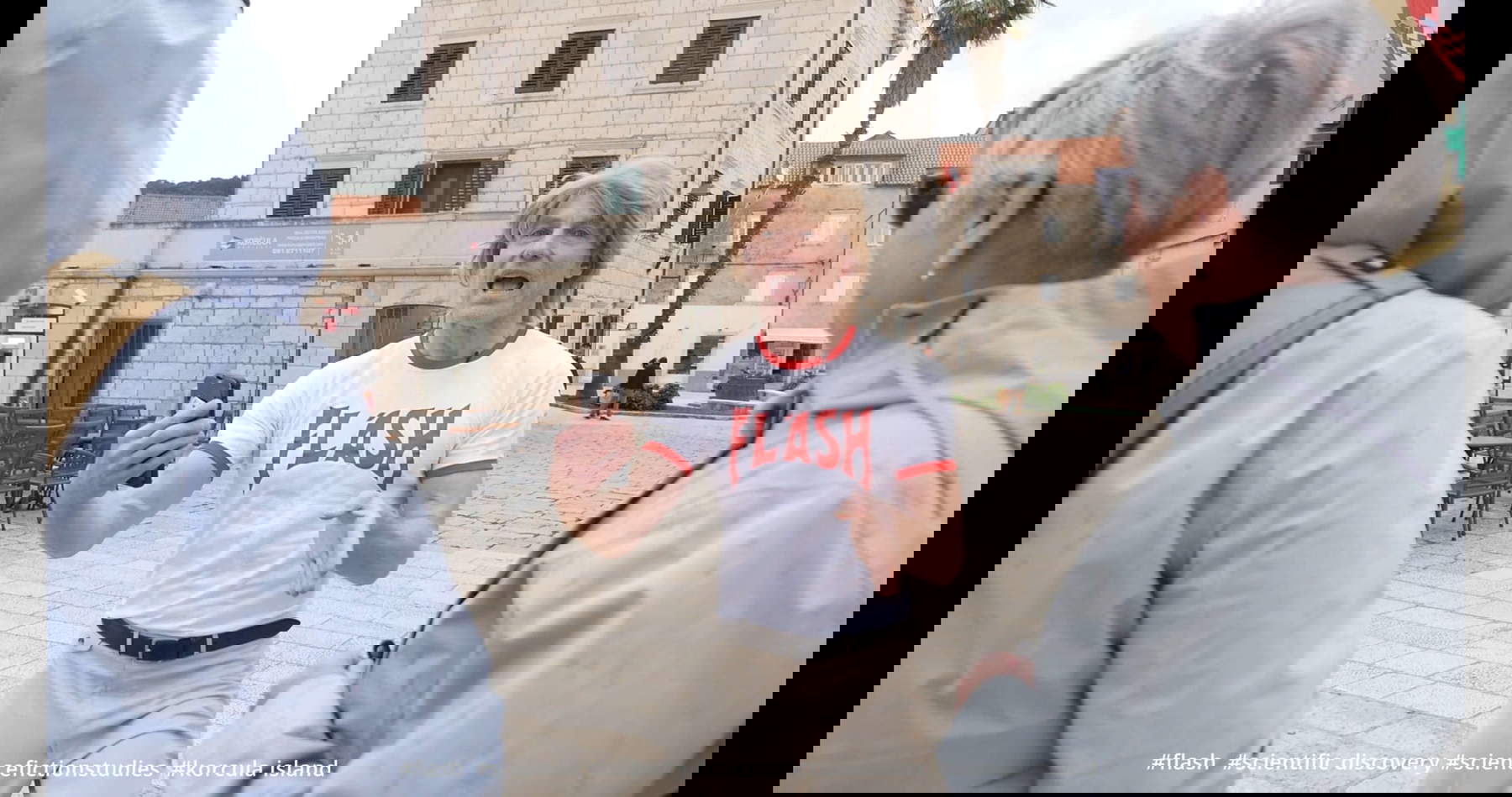
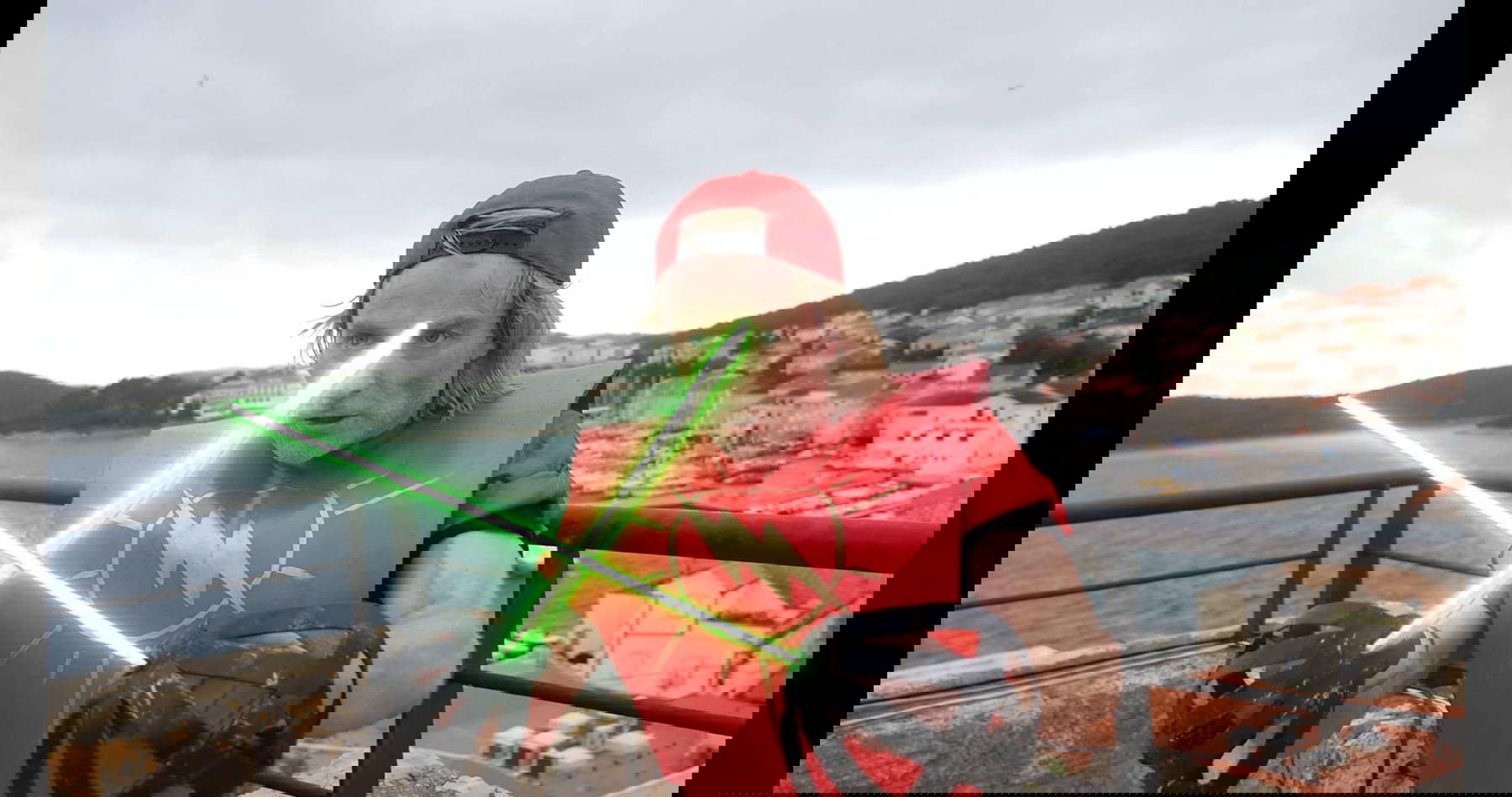
Such reflections and the dilated, multilinear conception of space-time that they presuppose constitute the preparatory antechamber to the heart of the exhibition, the film The Island, which can be seen on the second level of the Observatory. Inside a room set up to resemble the cinema in which Suvin saw Flash Gordon conquering Mars in the 1940s, viewers’ seats are placed on a raised platform whose perimeter resembles the shape of the submerged island. In the film, all the narrative and conceptual strands identified so far converge in a fragmented narrative, in which remixed clips from previous videos are interspersed with content created with artificial intelligence. Here we alternate between clips from the Italian brainrot (popular memes animated by generative AI) and sequences with video-game-like graphics from a fiction set in a virtual Curzola threatened by a repulsive wave of digital garbage, whose kinship with the 1941 Brown Flood mentioned in Suvin’s beloved sci-fi historical film is evoked. Among the streets of the small town crowded with tourists, an unlikely Flash Gordon wanders around armed with a bioluminescent sword to battle against his AI-generated copy (later finding himself clashing with himself), while simultaneously a huddle of virtual people bet on his fate before being swamped by a putrid tidal wave. Flash, invested with the canonical mission to save the world (but which world? Or rather: which of its levels?), realizes that he cannot defeat garbage with more garbage, and the solution, suggested by his friend Tommaso Calarco, is to insert his videos within other videos that already existing, so as to place them in a stream that, with a very fast scroll of the viewers (since, it seems obvious now, the cruise to Curzola is a digital media content) will bypass the junk content by reconstructing the consequentiality and linearity of the images. “The system consists only of illusions and images, behind which its true function is hidden. Destroy the images and you will destroy the system!” admonishes, finally, the AI avatar of the Italian physicist.
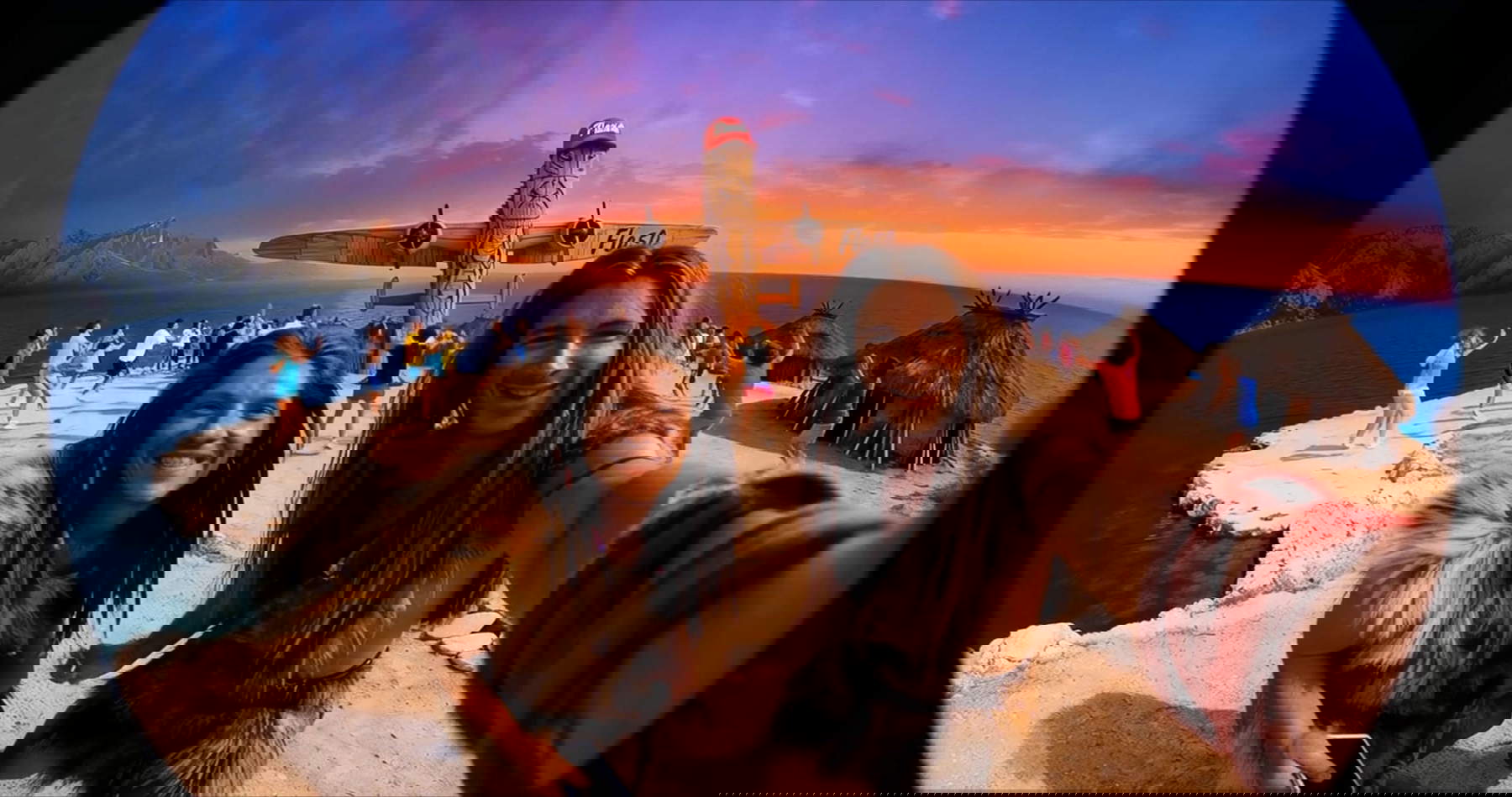
Steyerl’s operation in The Island could be described, in conclusion, as a tightrope walkabout attempt to dissect the fabric of reality (virtual and physical, understood as one) to reveal the macrostructures hidden beneath the surface of the visible (and the official, if we are talking about information). The speculative method on which this process is based is conceived by the artist as an application, as rigorous as possible despite the shift from the plane of science to that of art, of the dizzying possibilities of interconnection suggested by quantum physics. The exhibition makes perceptible a dimension of procedural infinity, borrowed from gaming, which here becomes a gateway through which to access expanded space and deep time, such as that of nature, archaeology and geological eras. In this new space-time dimension, the exhortation “Onward to the Neolithic!” acquires the sense of a provocative invitation to imagine concomitant futures from the interweaving of seemingly irreconcilable temporalities. The images the artist deploys function as operational entities, circulating in digital space to give clues to the mechanisms that govern the production of meaning in the contemporary world wide web, the field of inquiry to which all of Steyerl’s projects ultimately pertain.
In an age in which even art has been largely subjugated to criteria of quantification, efficiency and measurability of results, artificial intelligence models have become increasingly effective at imitating “reasoning,” but have simultaneously developed a schizophrenic tendency toward instrumental irrationality, generating increasingly massive hallucinations. In a world split between incommunicable geopolitical bubbles at the mercy of incomprehensible and unpredictable automatisms, working out global systemic alternatives seems a daunting, if not impossible challenge. Will it be up to art, Steyerl seems to ask, to untangle the threads of this interconnected complexity without unraveling its ties to imagine a structural variant? The Island documents this condition without offering solutions. It shows, however, how art can still hack dominant systems with re-combining strategies that convert information overload into narratives capable of proposing hypotheses of legibility to structures with branches inaccessible to linear understanding.

The author of this article: Emanuela Zanon
Laureata in Discipline dell’Arte, della Musica e dello Spettacolo all’Università di Bologna, città dove ha continuato a vivere, si è specializzata in Beni Storico Artistici all’Università di Siena. Curiosa e attenta al divenire della contemporaneità, crede nel potere dell’arte di rendere più interessante la vita. È direttrice editoriale di Juliet Art Magazine online.Warning: the translation into English of the original Italian article was created using automatic tools. We undertake to review all articles, but we do not guarantee the total absence of inaccuracies in the translation due to the program. You can find the original by clicking on the ITA button. If you find any mistake,please contact us.




















 IT
IT FR
FR DE
DE ES
ES CN
CN


