





The National Gallery of Modern and Contemporary Art in Rome presents from February 10 to May 3, 2026 the retrospective Bice Lazzari. The Languages of Her Time, curated by Renato Miracco and in collaboration with theBice Lazzari Archive in Rome. The exhibition offers a comprehensive overview of the career of Venetian artist Bice Lazzari (Venice, 1900 - Rome, 1981), through more than 200 works covering more than 40 years of experimentation and research, testifying to her role in the Italian art scene of the 20th century. The exhibition, already experienced in the first Milanese stage at Grande Brera, has been expanded for the Roman stage with more than eighty additional works.
The exhibition itinerary is developed according to chronological and thematic criteria, offering an organic reading of the evolution of Lazzari’s language, characterized by a solitary and authentic approach. The works on display range from early experiments in applied art in the 1930s and 1940s to the architectural construction of complex pictorial narratives, to informal and minimalist works made with simple rods. The most important pieces include for the first time the work chosen by Palma Bucarelli for her own personal collection. The section devoted to applied arts, curated by Mariastella Margozzi, occupies the mezzanine floor and brings together about one hundred sketches and artifacts made by the artist for cushions, jewelry, wall decorations and textiles, including in collaboration with Giò Ponti, as well as decorative interventions in public and private spaces. The exhibition also includes the two tapestries designed for the turbo ship Raffaello, while a large wall painting of about four meters documents Lazzari’s pictorial experimentation. The drawings on display testify to a turning point in contemporary design thinking, moving beyond Art Nouveau and Deco decorations.
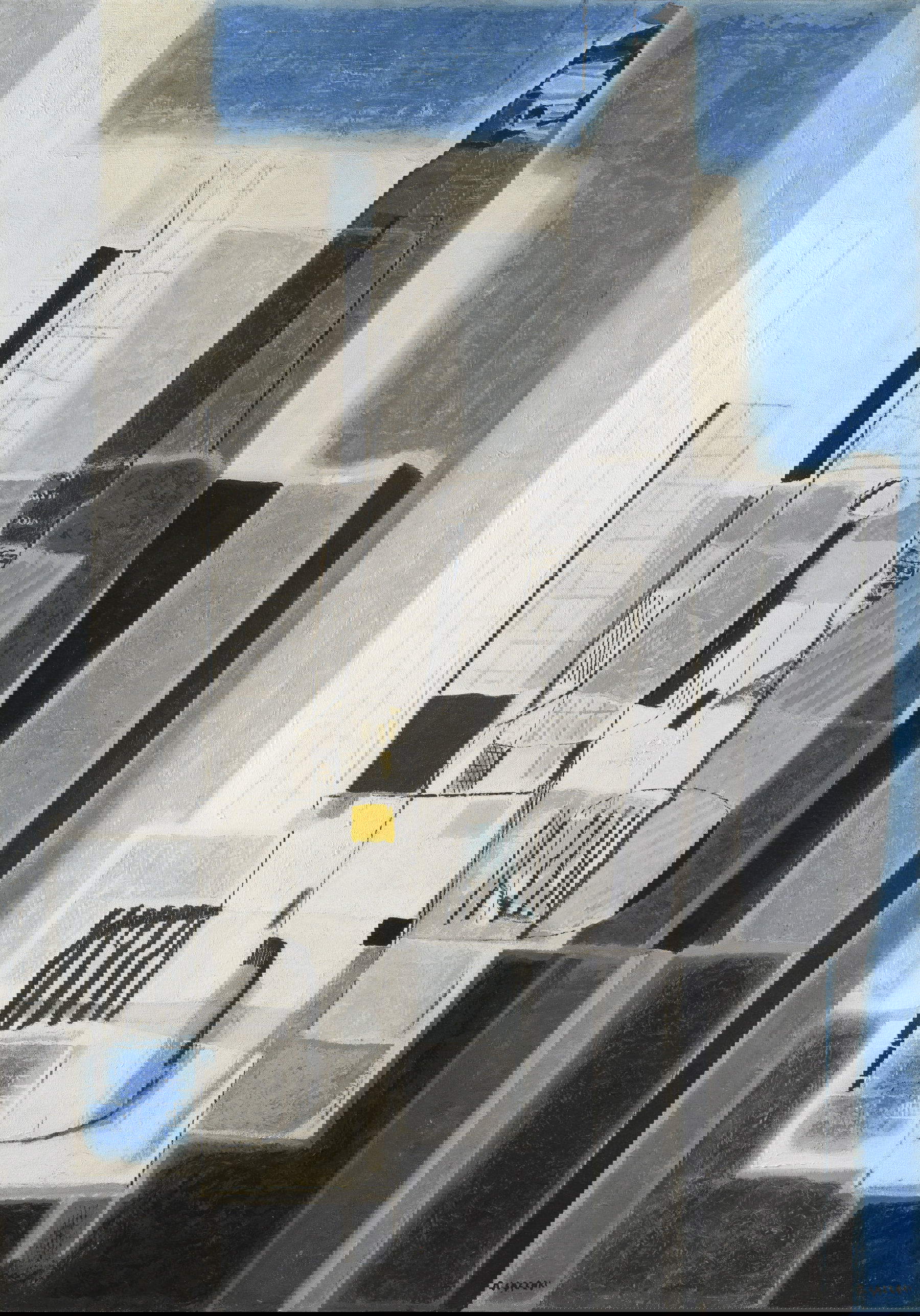
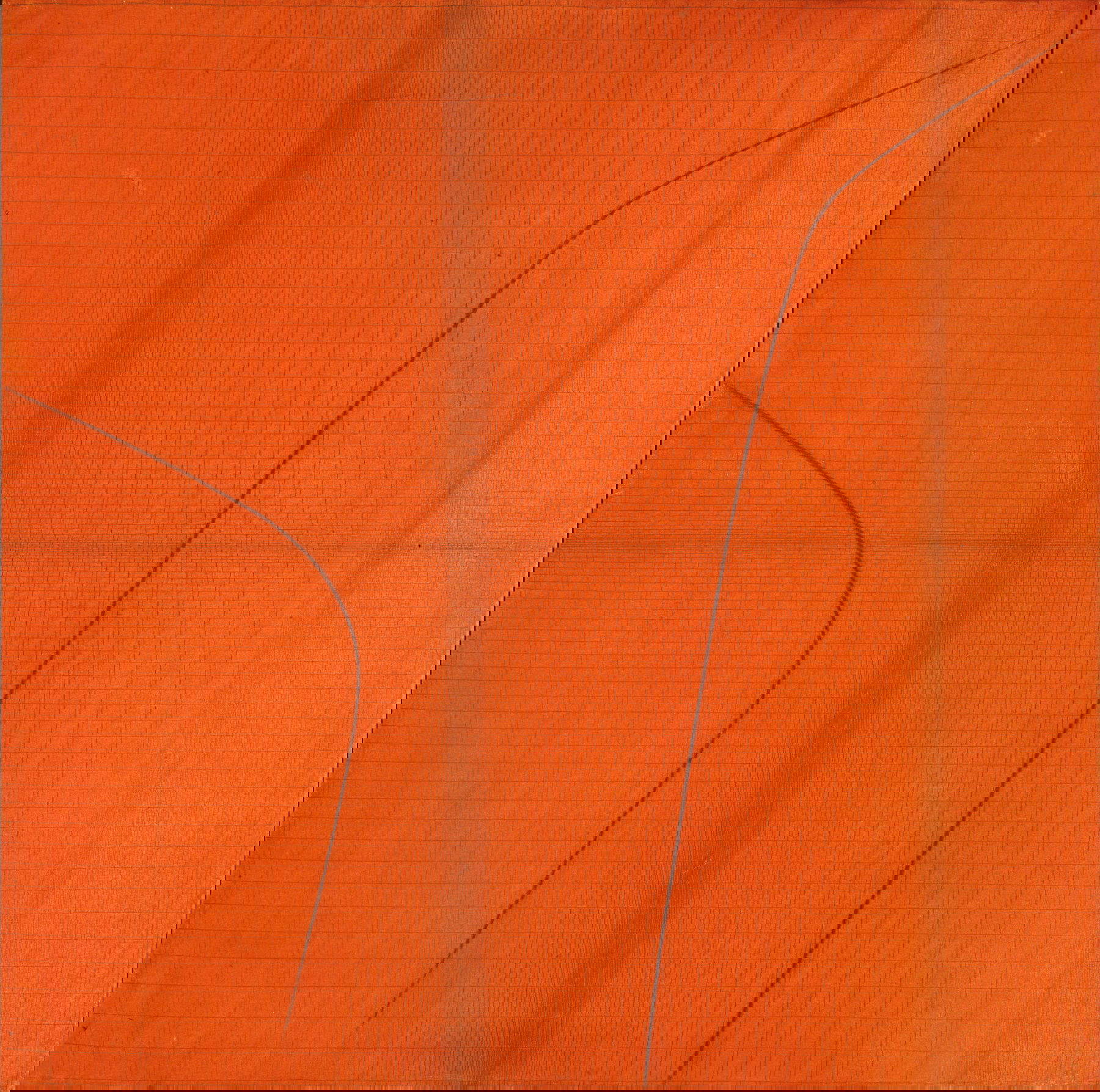
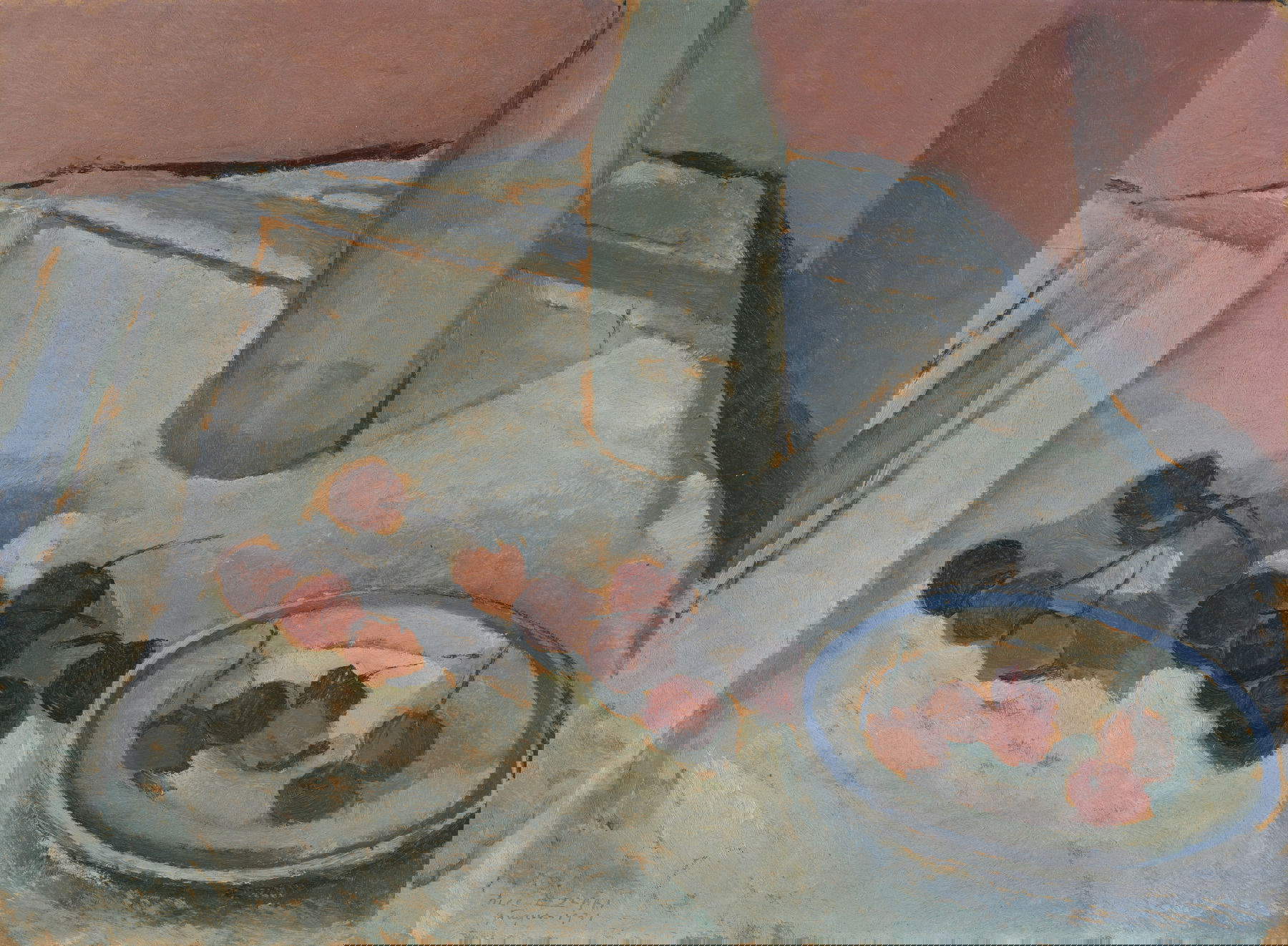
The exhibition is accompanied by a catalog published by Allemandi, with texts by Dorothy Kosinsky and Christine Macel, members of the scientific committee, and audio guides recorded by the curator, which supplement the scientific analysis with excerpts from the artist’s autobiography. The exhibition is supported by Gucci as main sponsor, with contributions from PwC Italia and technical sponsor MAG, and brings together works from major Italian and international institutions, including Ca’ Pesaro in Venice, the Salomon R. Guggenheim Museum in New York and the National Museum Women in the Arts in Washington, D.C.
Bice Lazzari has played a major role in Italian and international art history. Her output has been recognized with numerous exhibition events, including a solo show at the Phillips Collection in Washington D.C. in 2021, an anthological exhibition at the Estorick Collection in London in 2022, and participation in Women in Abstraction at the Centre Pompidou in Paris. The artist was the only woman included in the 2003 exhibition Kandinsky and the Abstract Adventure at the Peggy Guggenheim Collection in Venice, highlighting the value of her research in the direction of abstractionism.
The Roman retrospective allows us to observe the evolution of a coherent and personal stylistic figure, capable of dialoguing with Italian and European research between 1940 and 1980. The use of color and the construction of a recognizable visual alphabet testify to Lazzari’s ability to develop a visual system that links image and narrative structure of the painting, rejecting crystallized and socially accepted forms. His painting practice represents a continuous germination of forms intended to evoke an intimate and parallel world, where color becomes a means of expression and the sign generates an open and distended vision. The reading of Lazzari’s production also makes it possible to highlight movements and trends in 20th-century Italian and European art, including Venetian Spatialism, and the relationship between painting and music, investigated by Mirella Bentivoglio, in dialogue with critics and scholars such as Emilio Villa, Giulio Carlo Argan, Enrico Crispolti, Filiberto Menna, Lea Vergine and Guido Montana. The role of the artist as a woman, though hidden in appearance, assumes important relevance in everyday practice and research, as highlighted by Simona Weller and Lea Vergine, giving Lazzari a central position in the recognition of Italian women artists of the 1969-1980 period.
“Gnamc pays tribute to an artist of extraordinary relevance, who courageously experimented with the different languages of the postwar period, making a contribution as a woman and as a protagonist to the development of Italian art,” says Renata Cristina Mazzantini, director of the National Gallery of Modern and Contemporary Art.
“It is an honor as a historian and critic to present today at GNAMC, Bice Lazzari, one of the most interesting personalities in the art scene in the second part of the 20th century,” says curator Renato Miracco. "I have been dealing with her for more than 20 years and for me studying her is a continuous discovery especially when compared to the various artistic languages of her time: hence the title Bice Lazzari. The languages of her time. Her pictorial identity coincides, in fact, with that of research: a continuous germination of forms that are not direct, but destined to evoke a world of their own, intimate and parallel, where color becomes a means of expression and the creation of the sign generates a relaxed, open, unhesitating vision. Measure, poetry, harmony are the elements that characterize her compositional alphabet, totally innovative, which arrives at a true, emotional, musical score."
“The Bice Lazzari Archive, founded in 1981, has catalogued more than 3,000 works by the Artist, carrying out over the years an assiduous work of preservation, restoration and enhancement of her heritage,” says Maria Isabella Barone, director of the Bice Lazzari Archive. “The Archive was established with the aim of systematically collecting and ordering not only her paintings, but also her poems, letters, critical essays and youthful works of applied art, offering a complete documentation of Bice Lazzari’s human and artistic journey. In recent years, the Bice Lazzari Archive Association has been working continuously to promote and disseminate knowledge of the Artist’s work in Italy and abroad, welcoming museum directors, art critics, students and researchers, to whom it offers the possibility of access to extensive and scientifically accurate documentation.”
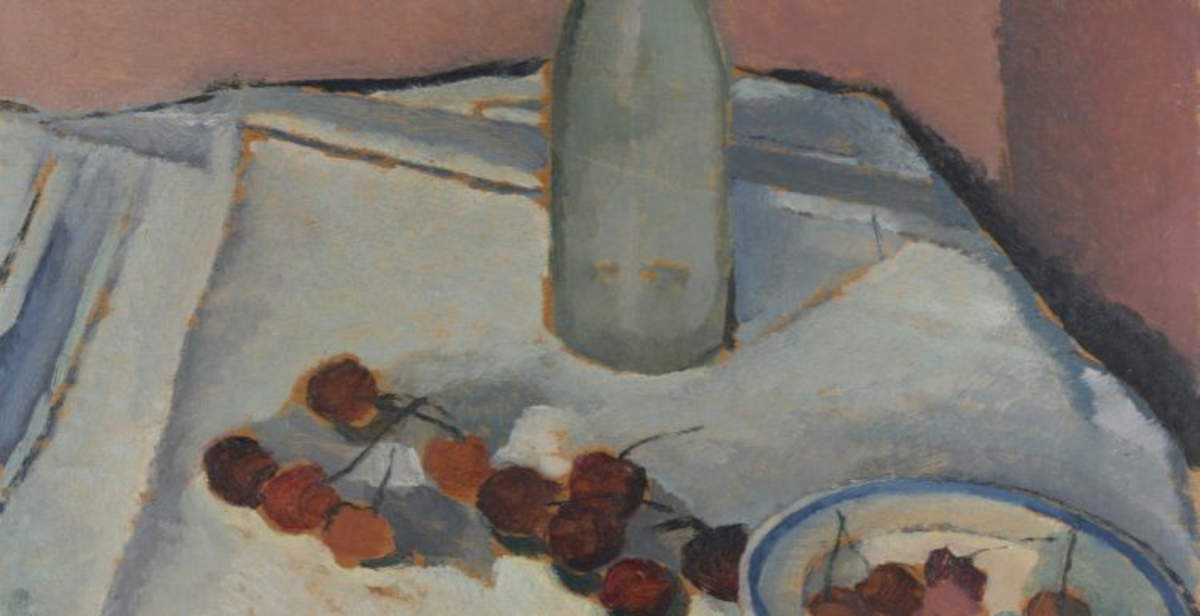 |
| Bice Lazzari in Rome: 200 works to recount more than four decades of experimentation |

Warning: the translation into English of the original Italian article was created using automatic tools. We undertake to review all articles, but we do not guarantee the total absence of inaccuracies in the translation due to the program. You can find the original by clicking on the ITA button. If you find any mistake,please contact us.
























 IT
IT FR
FR DE
DE ES
ES CN
CN


