



by Redazione 15/12/2025



Categories: Exhibitions / Disclaimer
In Cortina d'Ampezzo, an exhibition juxtaposes twentieth-century and contemporary works by placing figuration and abstraction in dialogue through eight pairs of works that highlight formal and poetic affinities between seemingly distant languages.
From December 20, 2025 to January 11, 2026, Farsettiarte in Cortina d’Ampezzo is hosting Correspondences, an exhibition that compares two central areas of modern and contemporary art history: figuration andabstraction. The exhibition project proposes an itinerary built on the juxtaposition of figurative works and abstract paintings, inviting the public to observe visual resonances, formal affinities and poetic convergences between languages that, when considered separately, often appear to be opposed.
The exhibition is developed through a selection of works covering a time span from the 20th century to the present day. The intent is not to provide a linear or chronological reading, but to suggest transversal connections based on artistic research, perception and the relationship with gesture and matter. In this way, Correspondences proposes new keys to interpreting art history, showing how artists who are distant in terms of training, epoch or poetics have sometimes shared similar tensions, although expressing them through different formal outcomes. Eight pairs of works are presented within the exhibition itinerary, each conceived as a visual dialogue. One of the most relevant juxtapositions is that between Renato Guttuso’s Edicola, dated 1965, and Enrico Castellani ’s 1998 White Surface. On one side is the intense and narrative figuration of Guttuso, characterized by a strong bodily presence; on the other is the essentiality of Castellani’s everted surfaces, where painting becomes vibration and rhythm. Two opposite approaches to representation that nevertheless share a direct and almost tactile relationship with matter.


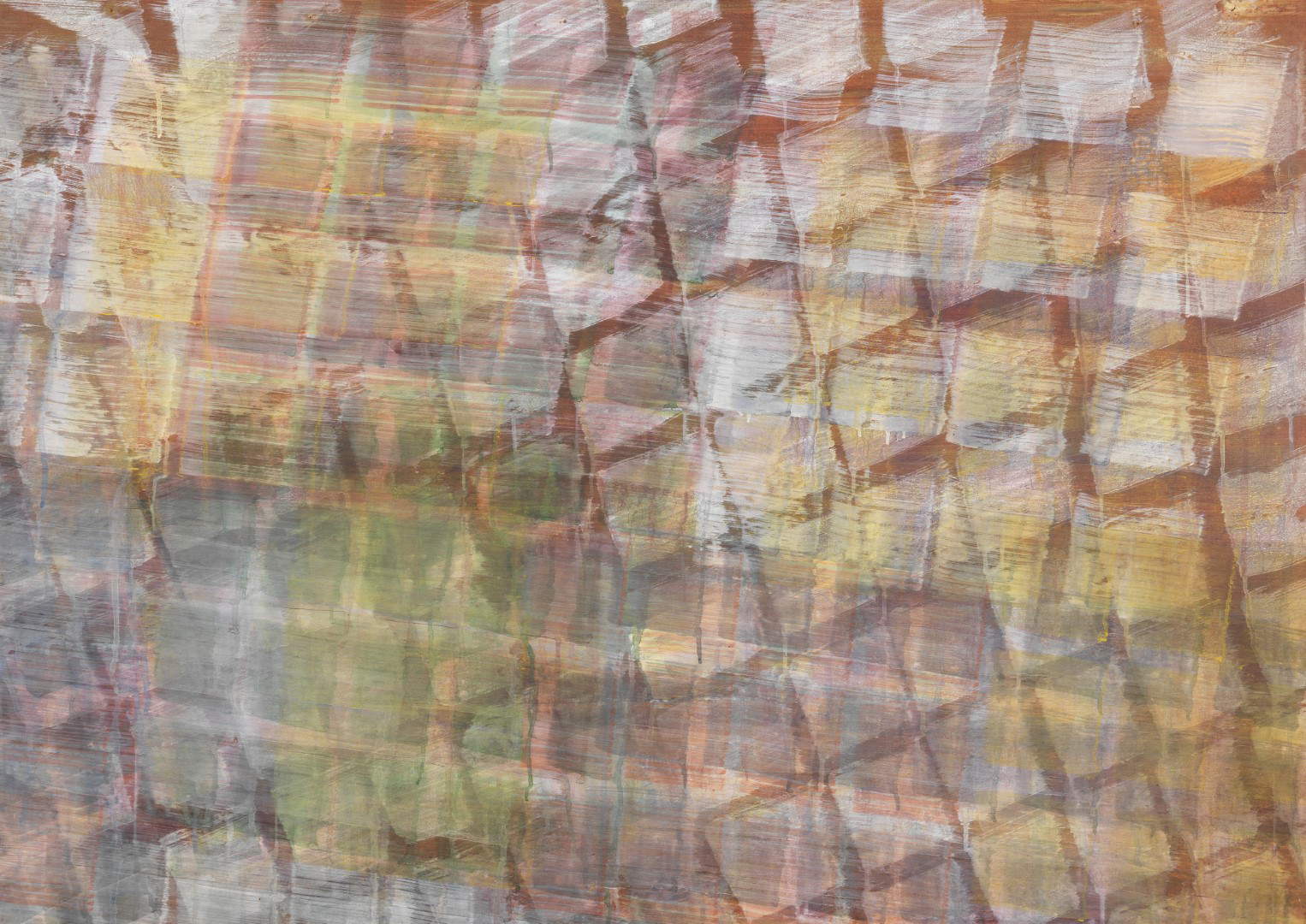
Another comparison relates Gino Severini’s Rhythme de danse à l’Opera, made in 1950, to Piero Dorazio ’s Rosa-rosae-rose of 1967. The juxtaposition highlights the transition from the rhythmic geometry of Severini’s Futurism to the luminous and chromatic texture of Dorazio’s abstraction. In both works, form takes on a musical and structural dimension, creating an ideal continuity between early research on dynamism and later explorations of color as a constructive element. The exhibition also proposes a dialogue between Giorgio de Chirico and Tancredi, focusing on two different visions of Venice. de Chirico’sRialto Bridge, dating from the mid-1950s, returns an image suspended between memory and metaphysics, in which the city appears motionless and symbolic.Tancredi’s Luci di Venezia, from 1959, on the other hand, offers a fragmented and luminous perception, constructed through glares, reflections and a rapid gesture. The comparison highlights two opposite ways of interpreting the same subject, one linked to the mental dimension and the other to the energetic pulsation of vision.
Other juxtapositions in the exhibition include that between Filippo de Pisis and Mario Ceroli. Natura morta con maschera by de Pisis, dated 1926, is characterized by a delicate and intimist painting, based on light perceptions and suspended atmospheres. This is joined by an Untitled by Ceroli from 2010, composed of metal channels with colored earths, which introduces a volumetric and iconic dimension. The confrontation opens a reflection on the relationship between fragility and presence, between pictorial gesture and sculptural construction, as well as on the theme of matter and memory. Overall, Correspondences aims to create spaces for observation and comparison. Through purposeful juxtapositions, the exhibition invites us to recognize unexpected links and to consider art history as a territory traversed by resonances and continuities, capable of emerging even between seemingly distant languages.
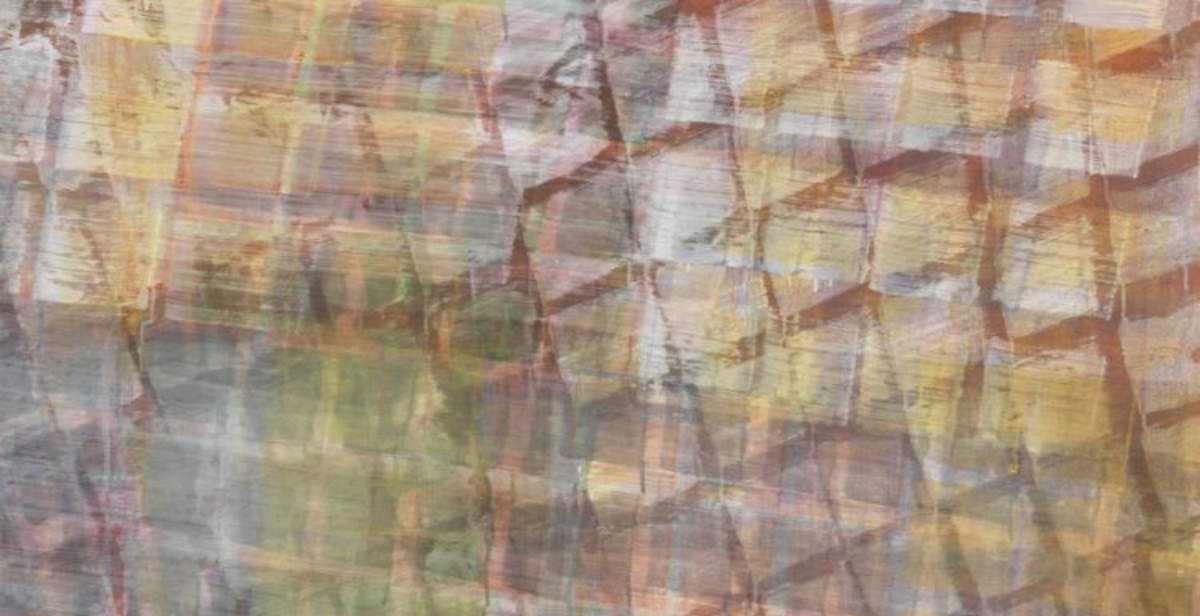 |
| Correspondences: figuration and abstraction compared at Farsettiarte in Cortina d'Ampezzo |
Warning: the translation into English of the original Italian article was created using automatic tools. We undertake to review all articles, but we do not guarantee the total absence of inaccuracies in the translation due to the program. You can find the original by clicking on the ITA button. If you find any mistake,please contact us.