




by Redazione 22/02/2026



Categories: Exhibitions / Disclaimer
At Farsettiarte Milan until March 25, 2026, the exhibition "White Peaks and Colored Ice" relates previously unseen works by Vittorio Corsini with five paintings by Filippo de Pisis, made between 1933 and 1940, in a confrontation on memory, light and matter.

In Milan, in the spaces of Farsettiarte, the exhibition White Peaks and Colored Ice | Vittorio Corsini talks to Filippo de Pisis is on view until March 25, 2026, an exhibition project that relates previously unpublished works by Vittorio Corsini (Cecina, 1956) with five paintings by Filippo de Pisis (Luigi Filippo Tibertelli de Pisis; Ferrara, 1896 - Milan, 1956) made between 1933 and 1940. The path builds a close confrontation between painting and sculpture, memory and perception, light and matter, juxtaposing languages and sensibilities distant in time but placed in direct dialogue within the same space.
The project establishes an ideal relationship between the two artists that Arianna Baldoni, in the critical text accompanying the exhibition, defines as “a harmonious dance, where the silence of one becomes the score of the other; an encounter that spans time and is based on a common sensibility for landscape, still life and living as lived and mental space.” The exhibition begins with Corsini’s avowed interest in the Ferrara artist, which matured from his academic training years, when he was struck by the atmosphere of melancholy that runs through de Pisis’ landscapes and still lifes. It is precisely on these two genres, central to the painter’s production between the 1930s and 1940s, that the exhibition focuses. The comparison opens with Landscape in the Gers, painted in 1935 during his stay in Gascony. Corsini responds to the canvas with Yellow House in Gers 2, a small, open, deconstructed ceramic architecture that accentuates the isolation and suspension suggested by the pictorial image. Baldoni observes how the architectural miniature takes on the value of an ideal space, collected in an impractical volume, in reaction to the idea of building construction and closer to a sense of belonging and protection.


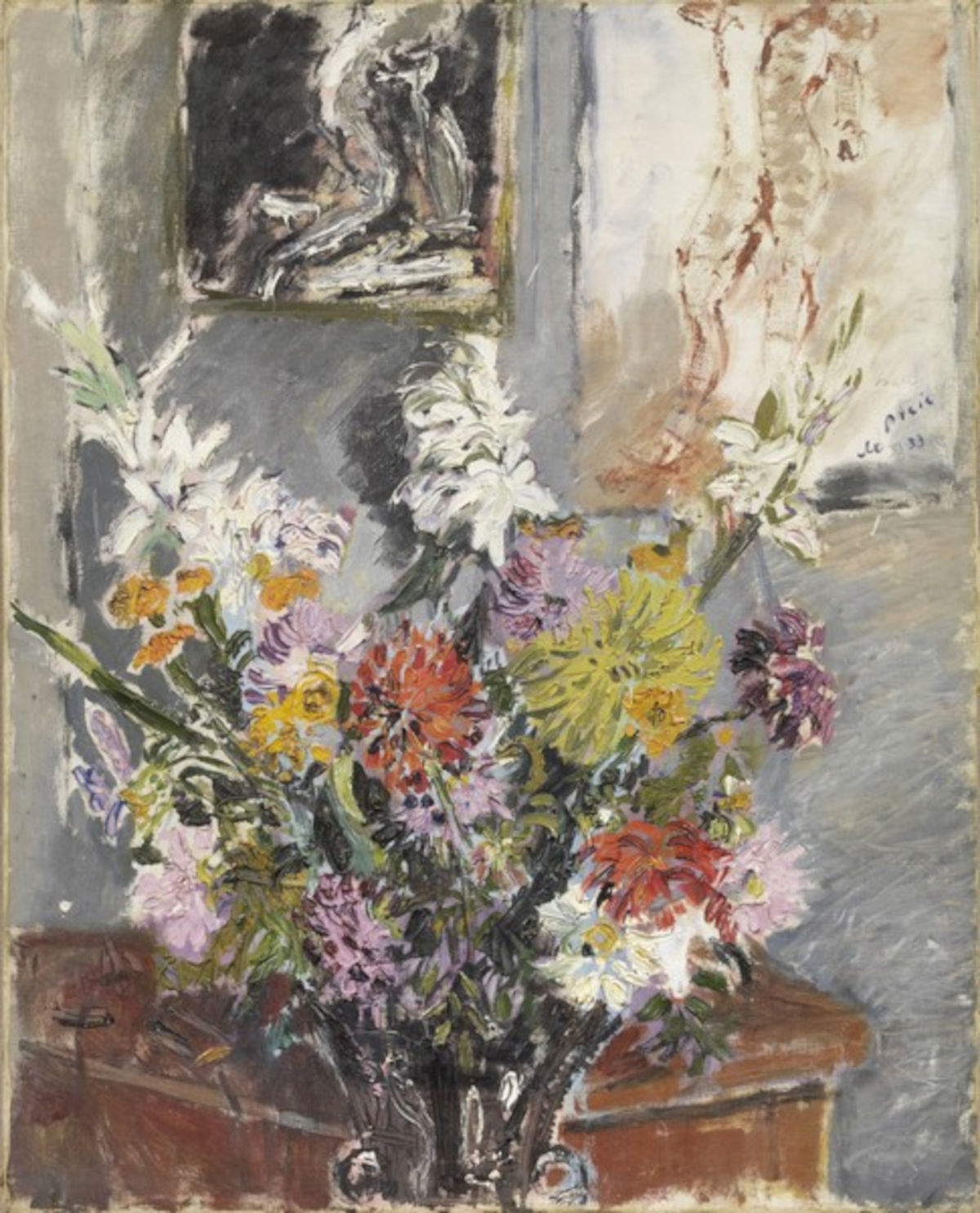
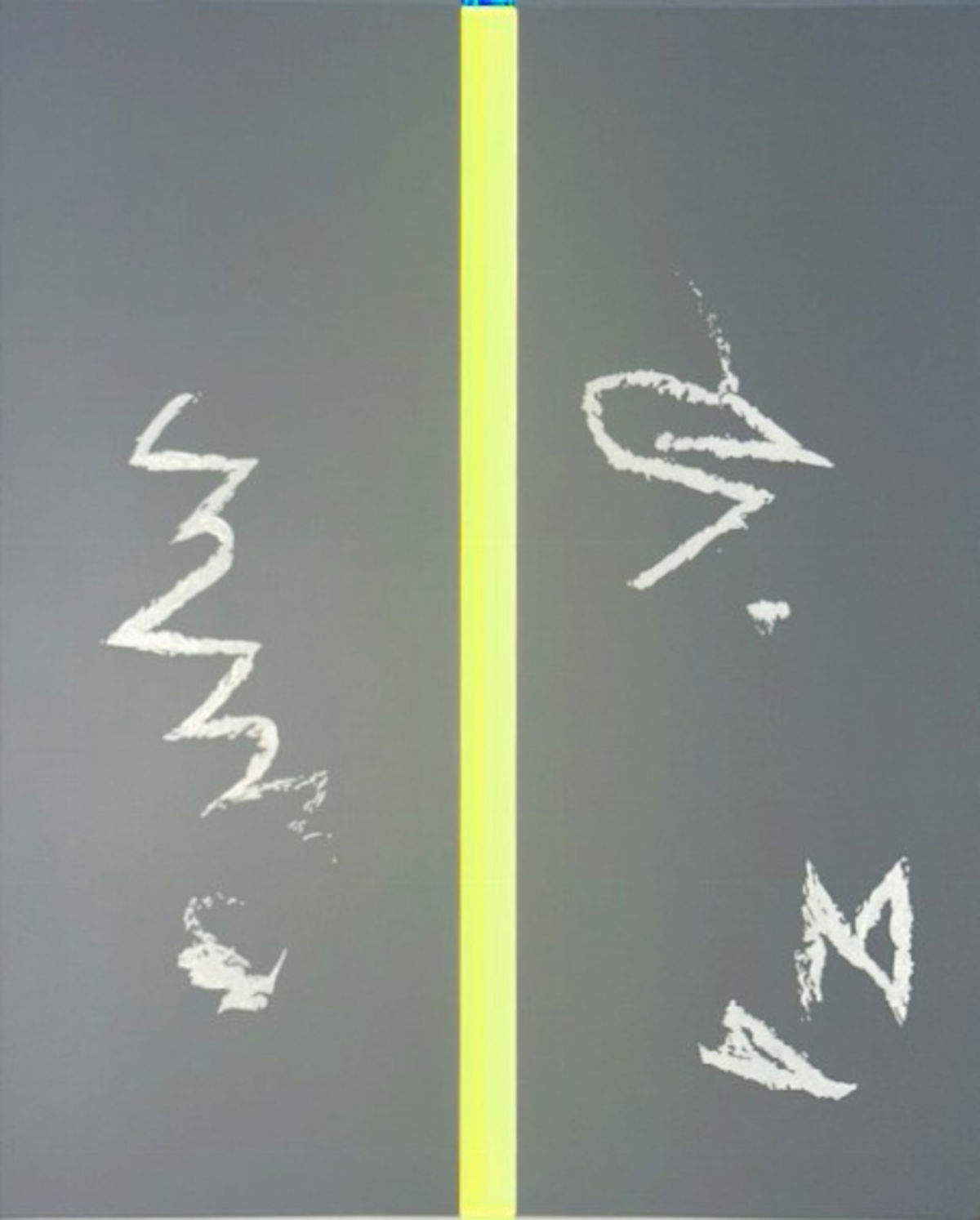
The dialogue continues with Paese di Casalecchio (Homage to Morandi) from 1940, in which de Pisis reduces the landscape to an essential synthesis. Corsini proposes a reinterpretation by placing a small crystal house in front of the image that acts as an optical lens, altering the perception of the painting and transforming it into an amnestic and indistinct place. The transparency of the volume introduces a reflection on lived time, suggesting a blurred image liquefied in brilliant hues. Still life constitutes a further area of comparison. On display are two works from the 1930s, Still Life with Shells and Beans, belonging to de Pisis’ period of full expressive maturity. In the paintings the objects, suspended in an atmosphere of melancholy, become deposits of memory and signs of transience. Corsini juxtaposes these images with his own crystal vegetables, arranged inside a metal container equipped with a light source. The forms, similar to contemporary archaeological finds, take on the quality of a treasure brought back to light, in which the transparent material and the light component redefine the relationship with the represented object. The tour is completed with Dalie and Gladioli from 1933, considered one of the pinnacles of de Pisis’ floral painting. Vibrant touches of color stand out in space as residual traces of a presence. Corsini responds with monochrome paintings traversed by LED devices, in which the pictorial gesture is slowed down, analyzed and reconstructed as matter.
“The speed, the impulsive gesture, the confident brushstroke and intentionality have become distinct elements for me...the yellow light makes the dispersion, the appearance of the brushstroke, evident, as if it were a quantum leap,” the artist explains.
The relationship between word and image, central to Corsini’s research, strengthens the link with de Pisis, who wrote in 1951, “I wanted to spiritualize objects familiar to my painting.” In both cases, the image is configured as a form of silent writing, a space in which reality is transfigured into memory, emotion and thought.
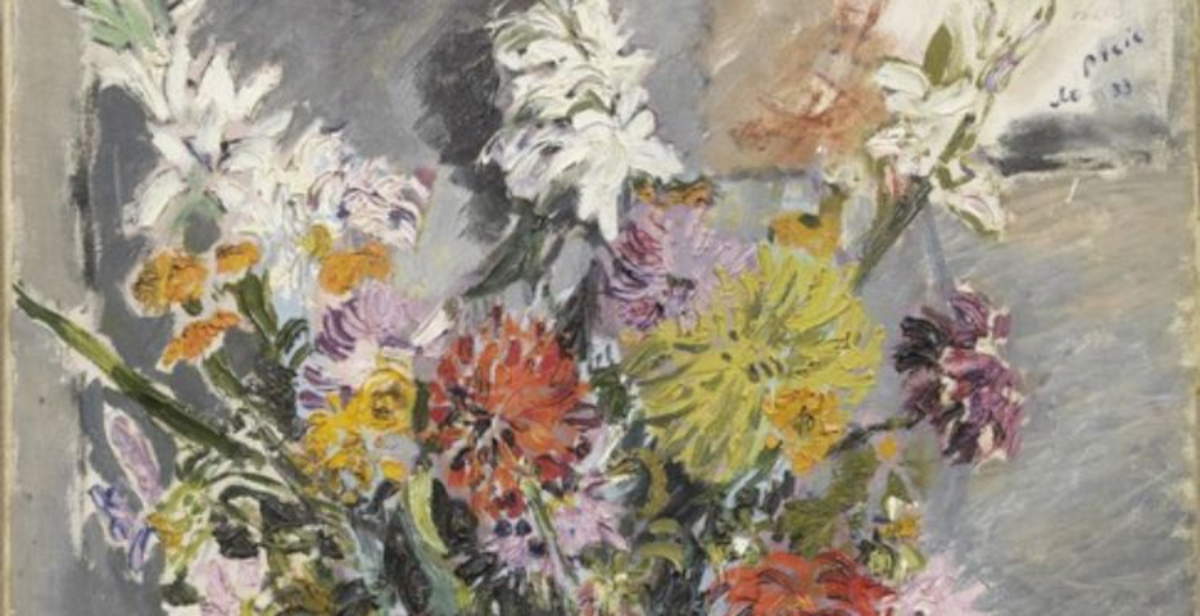 |
| Corsini dialogues with de Pisis: confrontation between painting and sculpture in the spaces of Farsettiarte in Milan |
Warning: the translation into English of the original Italian article was created using automatic tools. We undertake to review all articles, but we do not guarantee the total absence of inaccuracies in the translation due to the program. You can find the original by clicking on the ITA button. If you find any mistake,please contact us.