





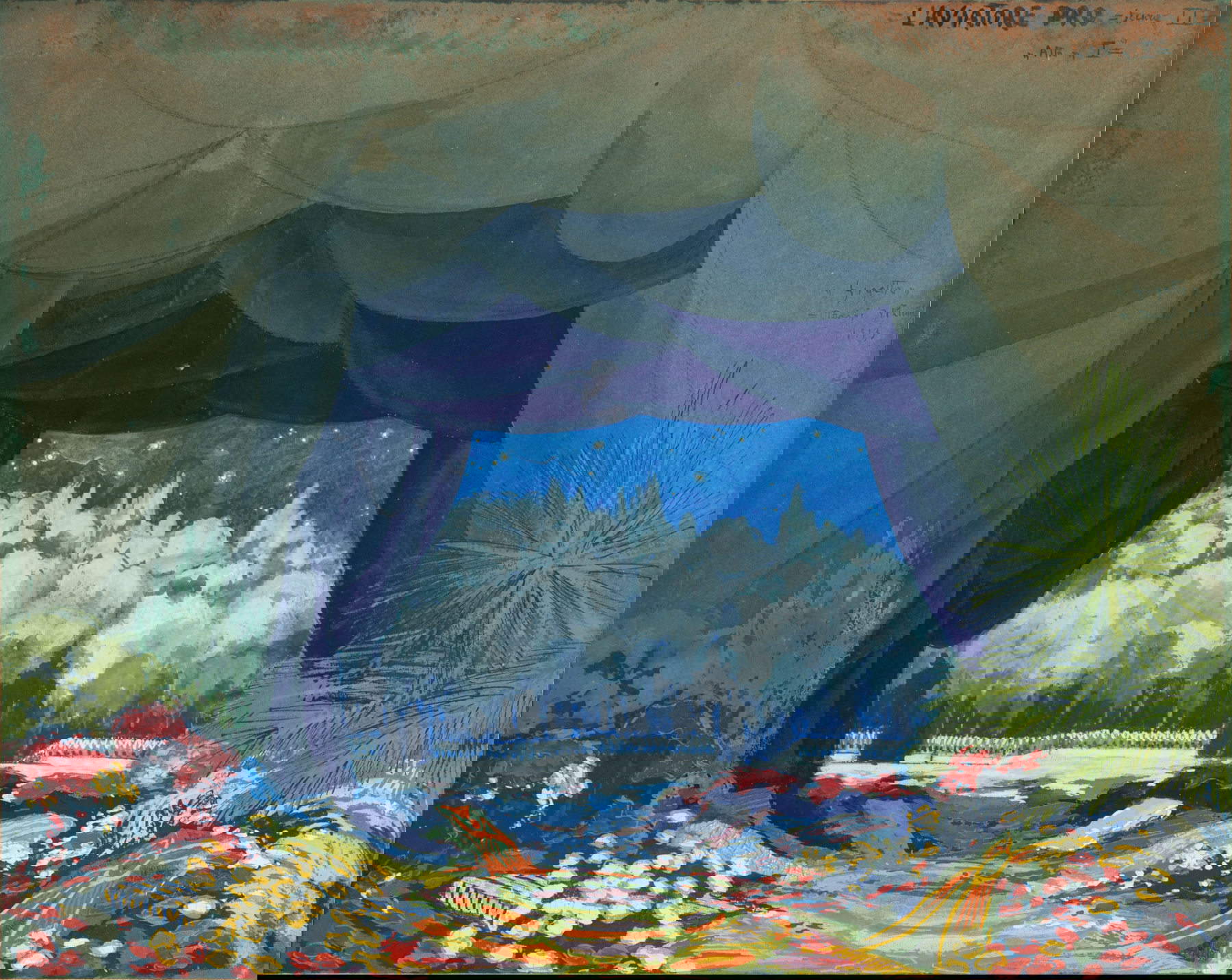
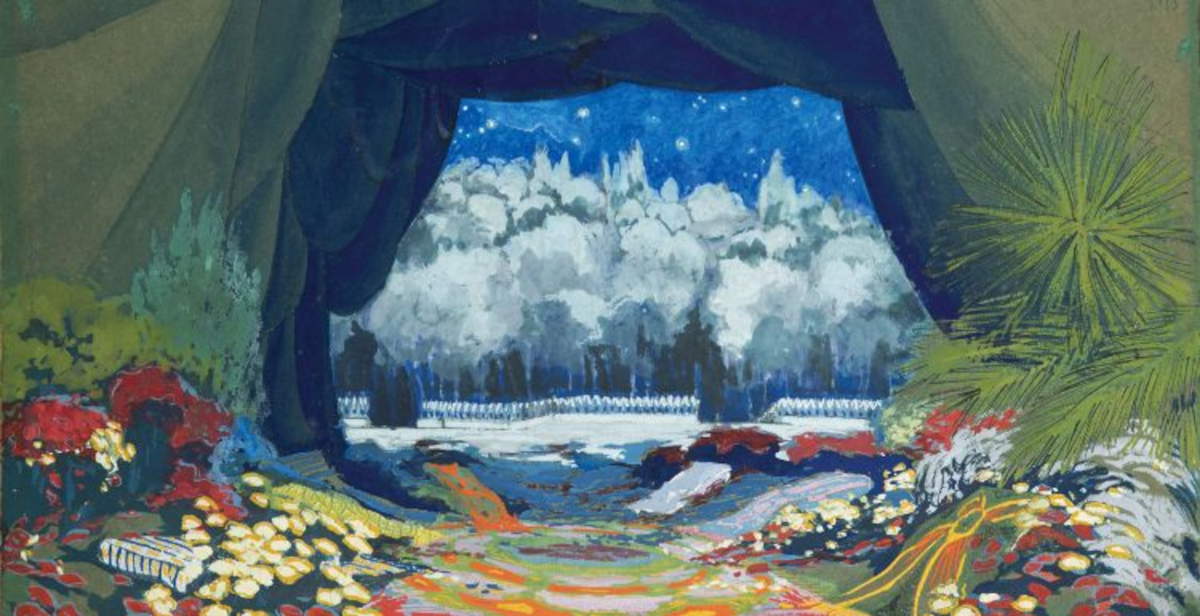
From December 7, 2025 to January 25, 2026, the Pescherie della Rocca di Lugo (Ravenna) will host the exhibition Esodo Pratelli. A Return Home. Paintings, ceramics and drawings from Futurism to the “Novecento” to a surprising last season, curated by Elena Pontiggia and Massimiliano Fabbri, with the collaboration of Rita Romeo and Marco Pratelli. The opening will be held on Saturday, December 6, at 6 p.m. The exhibition features about sixty works including paintings, ceramics and drawings, representing an entire synthesis of the career of Lugo artist Esodo Pratelli (Lugo, 1892 - Rome, 1983). The exhibition follows a chronological course, while also articulating itself by themes and genres, highlighting the continuity and transformations of the artist’s production. From his Symbolist beginnings to the youthful self-portraits of 1910 and 1913, the exhibition traces Pratelli’s brief but important Futurist season, including the sketches for L’Aviatore Dro made for his musician cousin Francesco Balilla Pratella, which were appreciated by Marinetti. The 1920s marked his adherence to the Italian Novecento, with works such as Estate of 1930, while the next phase, beginning in the 1950s, highlights domestic still lifes and landscapes of the mid-1960s, between realism and unfinished style, indicating a continuity between tradition and updating with respect to postwar contemporary painting.
The exhibition highlights Pratelli’s relationship with major Italian and international art movements. From the avant-garde to the return to order and postwar elaborations, the works document a dialogue between figurative painting and informal trends, with a balance between tradition and innovation. In the still lifes of the 1950s, such as the 1956 Cobs, liberating gestures, intense palettes and expressive pictorial materials emerge, indicative of a personal reading of international art experiences, from abstract art to informal art to the naturalism of the Po Valley matrix theorized by Francesco Arcangeli. The exhibition itinerary also analyzes the traditional genres of painting: portrait, figure, landscape and still life. Landscape, present since the Lugo rooftops of 1914 until thefirst snow of 1965, represents one of the most recurrent themes, subject to continuous stylistic changes. Pratelli experiments with and assimilates the lessons of Carrà, Campigli and De Pisis, integrating poetic elements and modern pictorial solutions, up to compositions that recall informalism and late naturalism. The figure and familiar affections alternate with themes of monumental twentieth-century solidity, with bodies and faces that maintain a recognizability combined with stylistic variations.
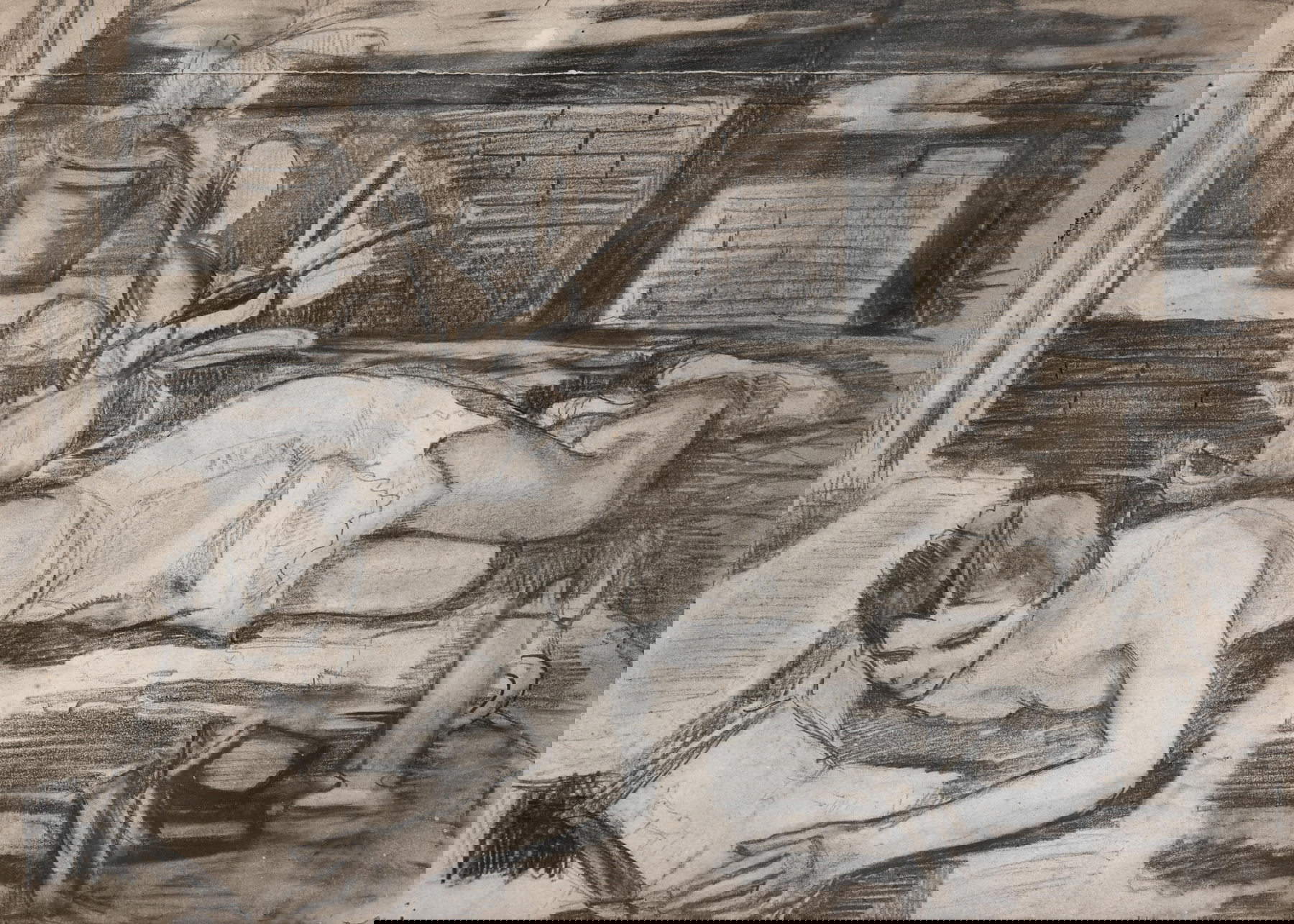
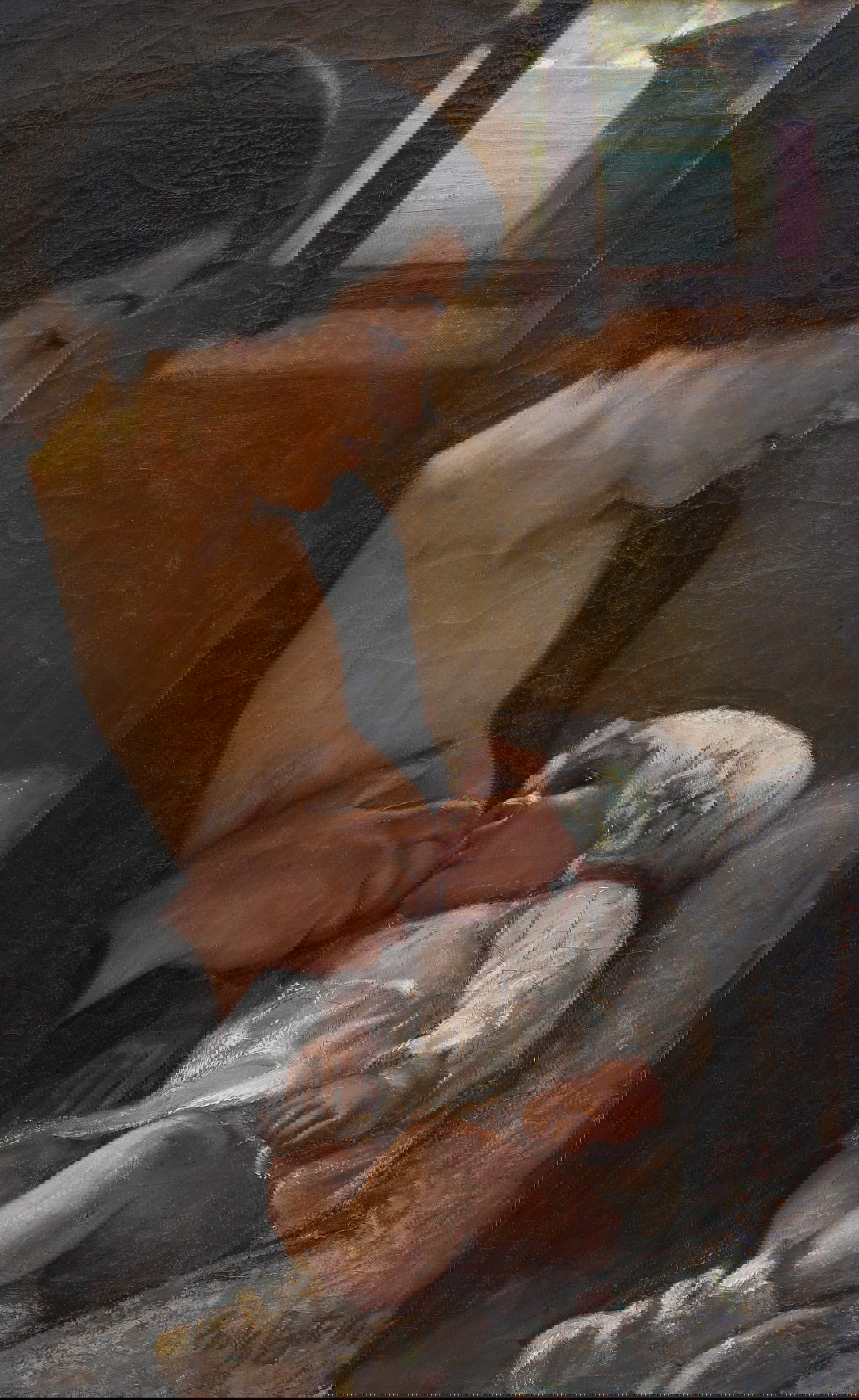
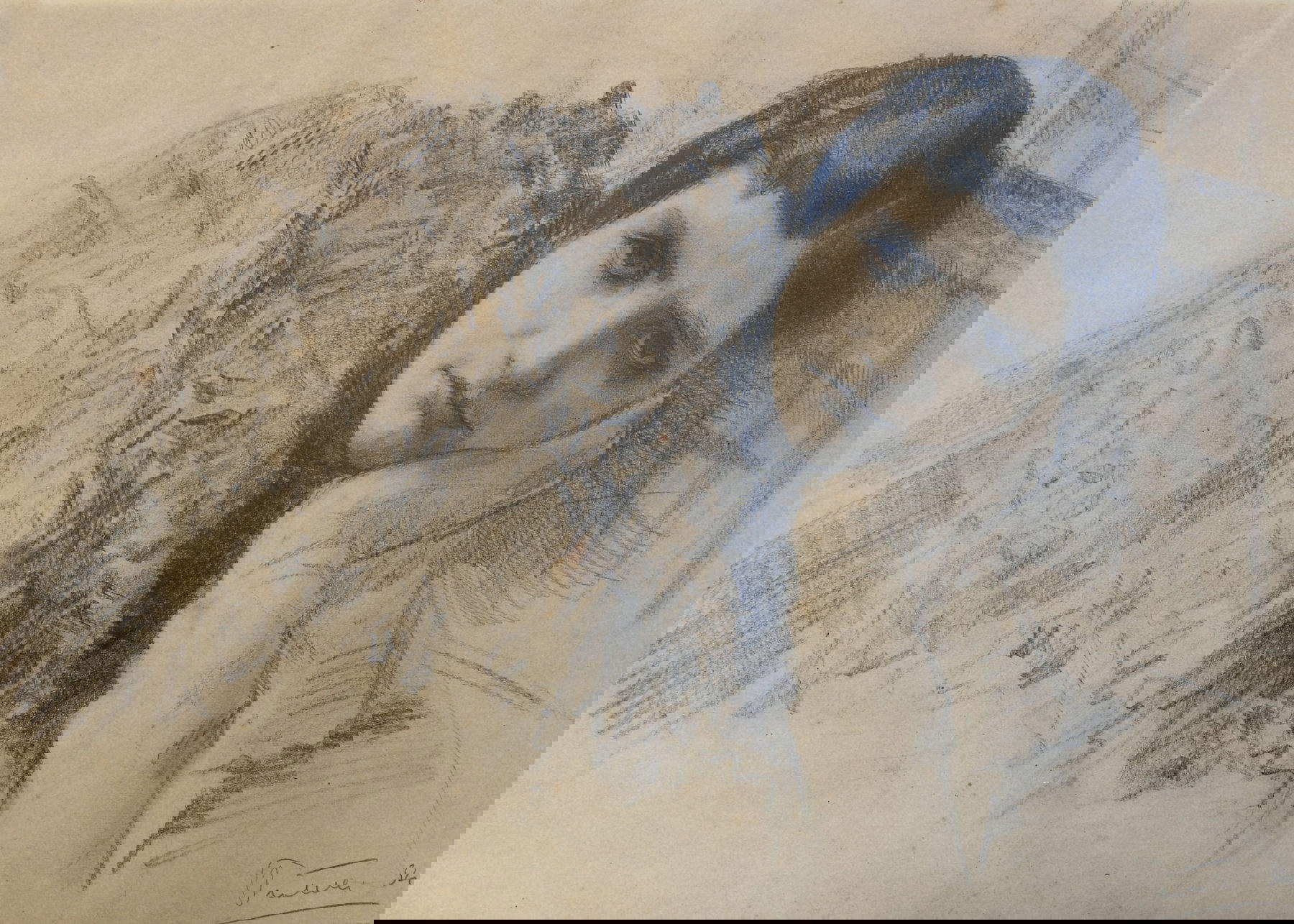
The section devoted to ceramics displays plates and vases decorated with Art Nouveau taste, signaling Pratelli’s constant research in experimenting with materials and techniques. The exhibition concludes in the Torre del Soccorso, where a picture gallery collects drawings and preparatory studies, showing the artist’s ability to alternate decorative and rhythmic lines, monumentality of bodies and intimacy of portraits. The restorations, entrusted to Angela Cerreta and Marco Pratelli for the paintings, and to Chiara Fornaciari da Passano for the works on paper, have made it possible to restore optimal quality and legibility to the works, allowing a complete reading of the different phases of production. The exhibition highlights the constants of Pratelli’s research, changes of direction and participation in the main artistic debates of his time, returning a complex, articulated and coherent picture of the career of an artist who knew how to interweave tradition, innovation and experimentation.
Exodus Pratelli. A Homecoming thus offers an organic vision of the Lugo artist’s production, highlighting the variety of genres, techniques and themes tackled throughout his entire career. From the first Symbolist experiments to Futurist interventions, passing through the Italian Novecento and postwar elaborations, the exhibition allows us to observe the continuity of Pratelli’s pictorial language and his openings to new formal and chromatic solutions. The result is an exhibition that documents the career of an artist inserted in his own historical context, attentive to new developments and artistic currents, without losing touch with his own territory and his initial training. Pratelli emerges as a figure of synthesis between experimentation and continuity, offering the public an exhibition itinerary that is articulated, coherent and capable of illustrating the complexity of his production between Symbolism, Futurism, the twentieth century and postwar painting.
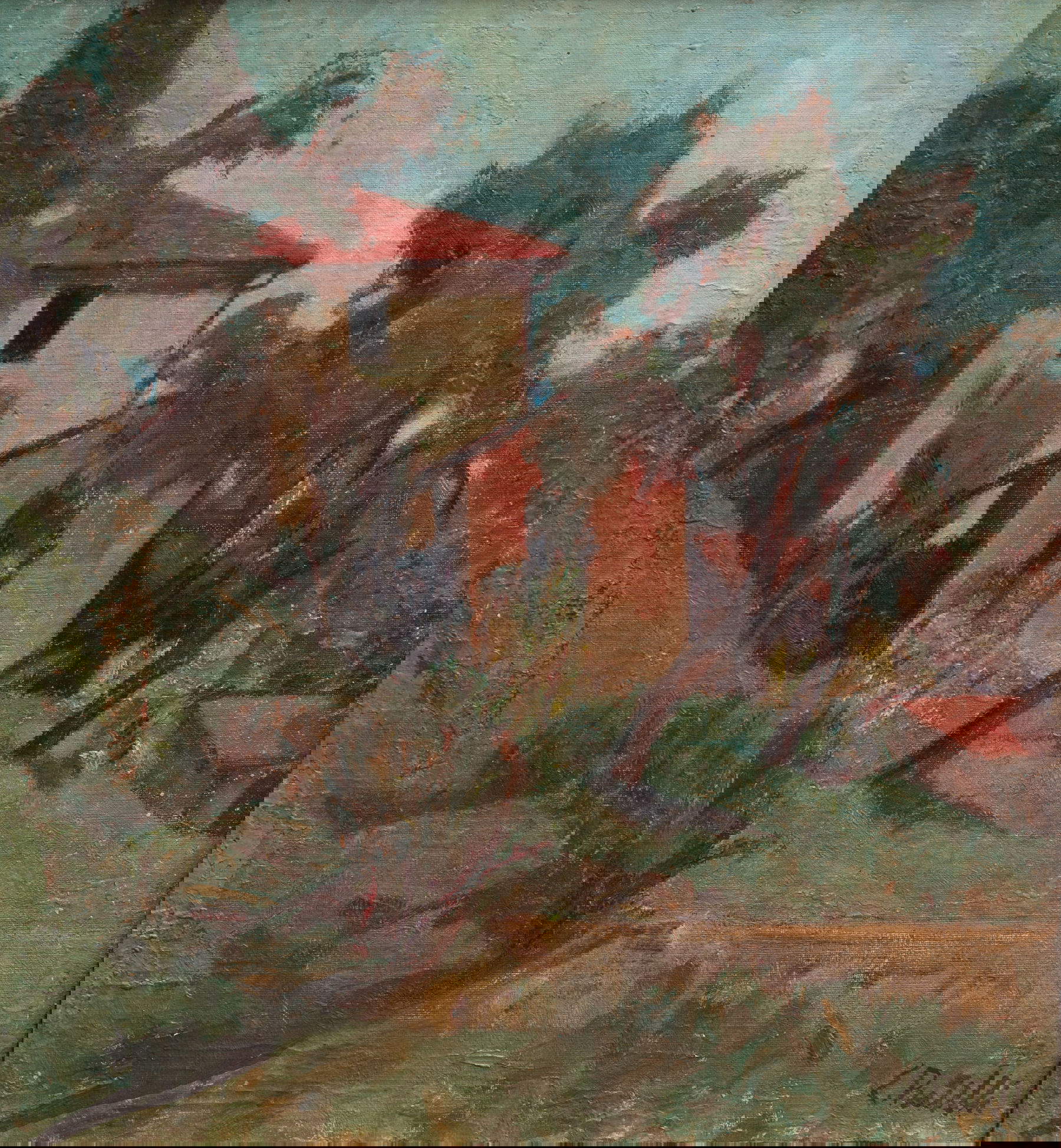
Esodo Pratelli was a relevant figure in Italian painting of the first half of the 20th century, also active as a theater set designer, film director and screenwriter. After attending high school and the Municipal School of Drawing and Plastics in Lugo, founded by Domenico Visani, he obtained a three-year scholarship through the Compagnoni competition that enabled him to enroll at the School of Art in Via Ripetta in Rome, where he graduated in 1912. He completed his training at the French Academy at the Villa Medici. As a young man, he was attracted to the Symbolist suggestions of Klimt and Beardsley, and then approached Futurism between 1913 and 1914, during a long stay in Paris where he frequented Severini, met Gris and Delaunay and attended the solo exhibition of Boccioni, with whom he became friends. During this period he made sets and costumes for the musical opera L’Aviatore DrodiFrancesco Balilla Pratella, which debuted in Lugo in 1920, and his sketches received the appreciation of Marinetti. Although at the front in 1917, he participated in the Lugo Interregional Art Exhibition. Moving to Milan in 1919, he joined the Novecento Italiano in the 1920s, particularly close to Sironi and Funi, maintaining relations with Rambelli and participating in the founding of the Corporazione delle Arti Plastiche together with Carrà and Soffici. In 1926 he was appointed lecturer and later director of the School of Applied Art at Castello Sforzesco; the following year he became secretary of the Fascist Fine Arts Union of Milan. He participated in national and international exhibitions, including Biennali di Venezia (1928-1934) and Quadriennale di Roma (1931), and signed in 1934, along with Sironi, Martini and Campigli, a manifesto against the exhibition and mercantile system of art.
In 1935 he moved to Rome, devoting himself to cinema. He joined the Direzione Generale della Cinematografia in 1936 and directed such films as Pia de’ Tolomei, Se non son matti non li vogliamo and A che servono questi quattrini? with Eduardo and Peppino De Filippo. Some projects were interrupted, such as the film later completed by Vittorio De Sica under the title La porta del cielo. Despite the temporary detachment from painting, he returned to it regularly after the war, also making documentaries on the figurative arts. In 1978 the City of Lugo dedicated an anthological exhibition to him at Palazzo Trisi. Works by Pratelli can be found in national and international museums, as well as in public and private collections. In 2025, a major anthological exhibition at the Milan Cultural Center accompanied the publication of the monograph Esodo Pratelli. From Futurism to the “Novecento” and Beyond by Elena Pontiggia (Silvana Editoriale), the most comprehensive on the artist, with unpublished correspondence and in-depth analysis. Pontiggia highlights the refinement of Pratelli’s research, the attention to intimate tones and nature, present in all his works, from landscapes to the most reserved compositions.
"His confidential themes, his urban landscapes and landscapes without adjectives, have too much value to be relegated to the Box of Forgotten Things, the title of a painting from 1967, which is also a transparent metaphor for his expressive story," the author points out.
 |
| Esodo Pratelli in Lugo, an exhibition between Futurism, the twentieth century and experimentation |

Warning: the translation into English of the original Italian article was created using automatic tools. We undertake to review all articles, but we do not guarantee the total absence of inaccuracies in the translation due to the program. You can find the original by clicking on the ITA button. If you find any mistake,please contact us.













 IT
IT FR
FR DE
DE ES
ES CN
CN


