








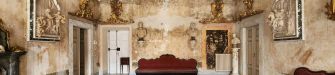
Until April 12, 2026, the Bishop’s Palace in Portogruaro (Venice), Via del Seminario 19, is hosting the exhibition Artists at the Biennales 1900-1960. Dialogues and Silences in Painting between the Nineteenth and Twentieth Centuries. The initiative is part of the exhibition program promoted by the Eastern Venice Tourist District, which in 2025 renews the appointment with major exhibitions in the Portogruaro venue. Curated by Stefano Cecchetto, with the collaboration of the Scientific Committee composed of chairman Giorgio Baldo, Virginia Baradel, Stefano Demarco and Pierpaola Mayer, the exhibition aims to retrace the first fifty years of the Venice Biennale through a selection of about one hundred works. The chronological span examined covers a period from the early years of the twentieth century to the post-World War II period, a phase in which some of the main currents of Italian artistic renewal were established and consolidated.
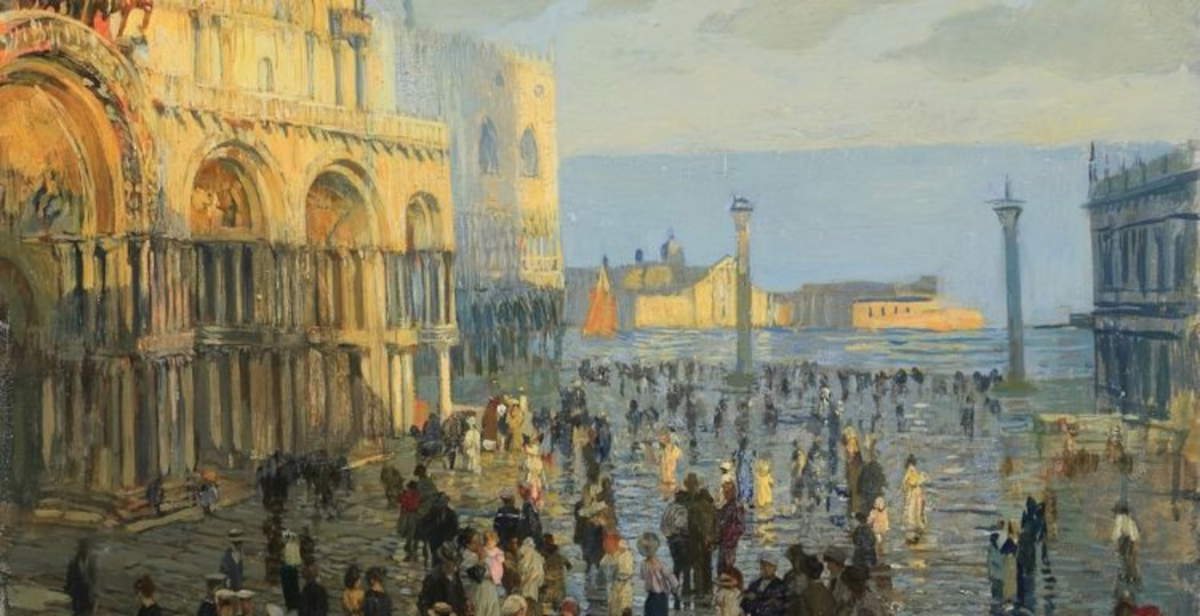
Founded in 1895 on the model of the great French Salons of the nineteenth century, the Venice Biennale gradually established itself as one of the main international events dedicated to contemporary art. A relevant step in the history of the institution coincides with the activity of Nino Barbantini as director of the Ca’ Pesaro Museum, which contributes to strengthening the role of Venice as a center of experimentation and confrontation between different languages, with repercussions on the Venetian context as well. The display at the Palazzo Vescovile is divided into thematic rooms that highlight affinities and differences between the pictorial research that developed between the late 19th century and the mid-20th century. The itinerary is divided into three sections. The first, entitled Emblems from the New Vedutism (Venice and the School of Burano 1900-1920), examines the renewal of the Venetian landscape after the legacy of Canaletto and Guardi. Between the nineteenth and twentieth centuries Vedutism confronts new sensibilities through figures such as Ciardi, Tito, Nono, Milesi, and Fragiacomo. The experience of Ca’ Pesaro and the action of Barbantini then paved the way for the Burano School, with artists such as Rossi, Moggioli and Semeghini, marking a phase of transformation of figurative language.
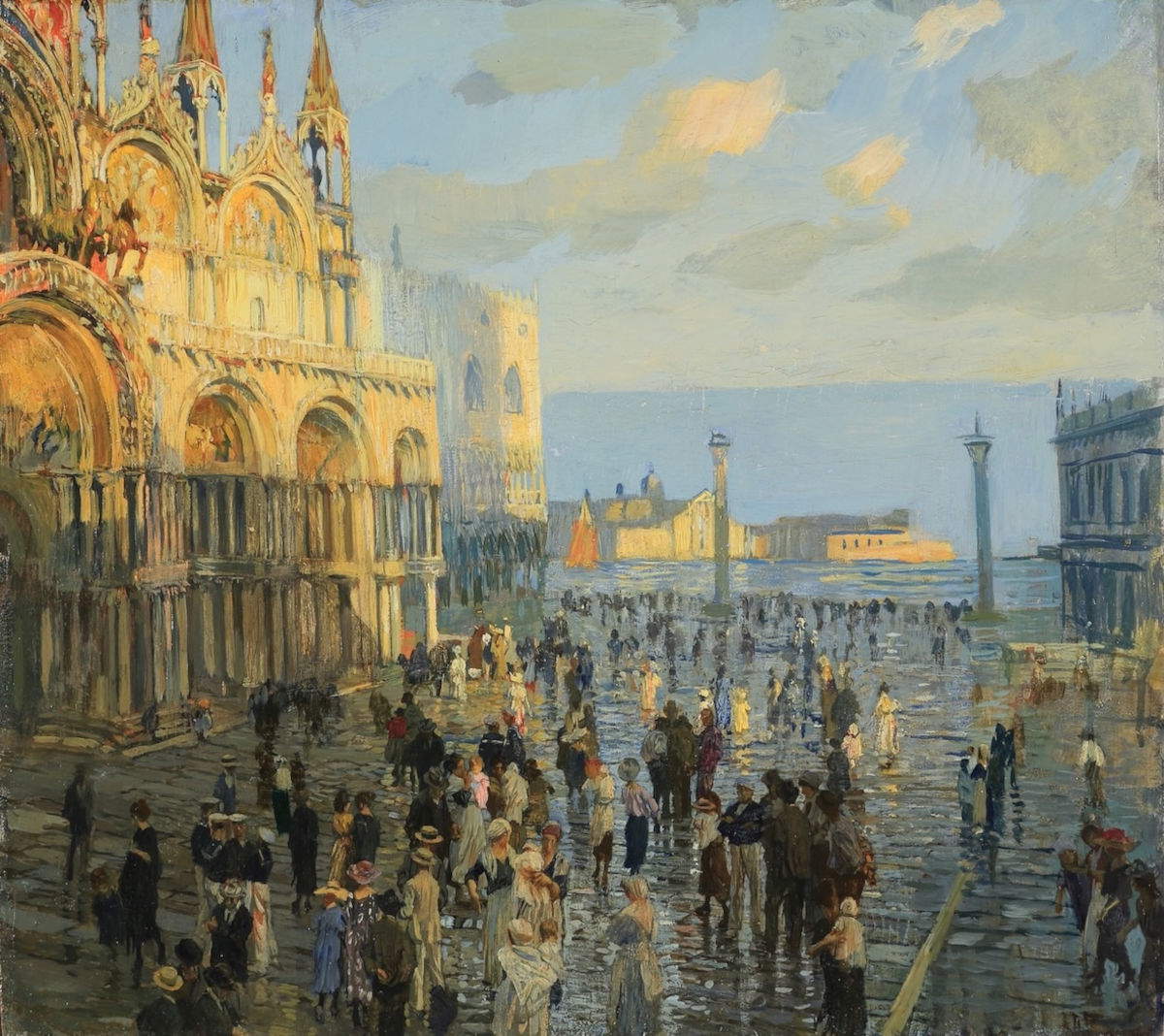
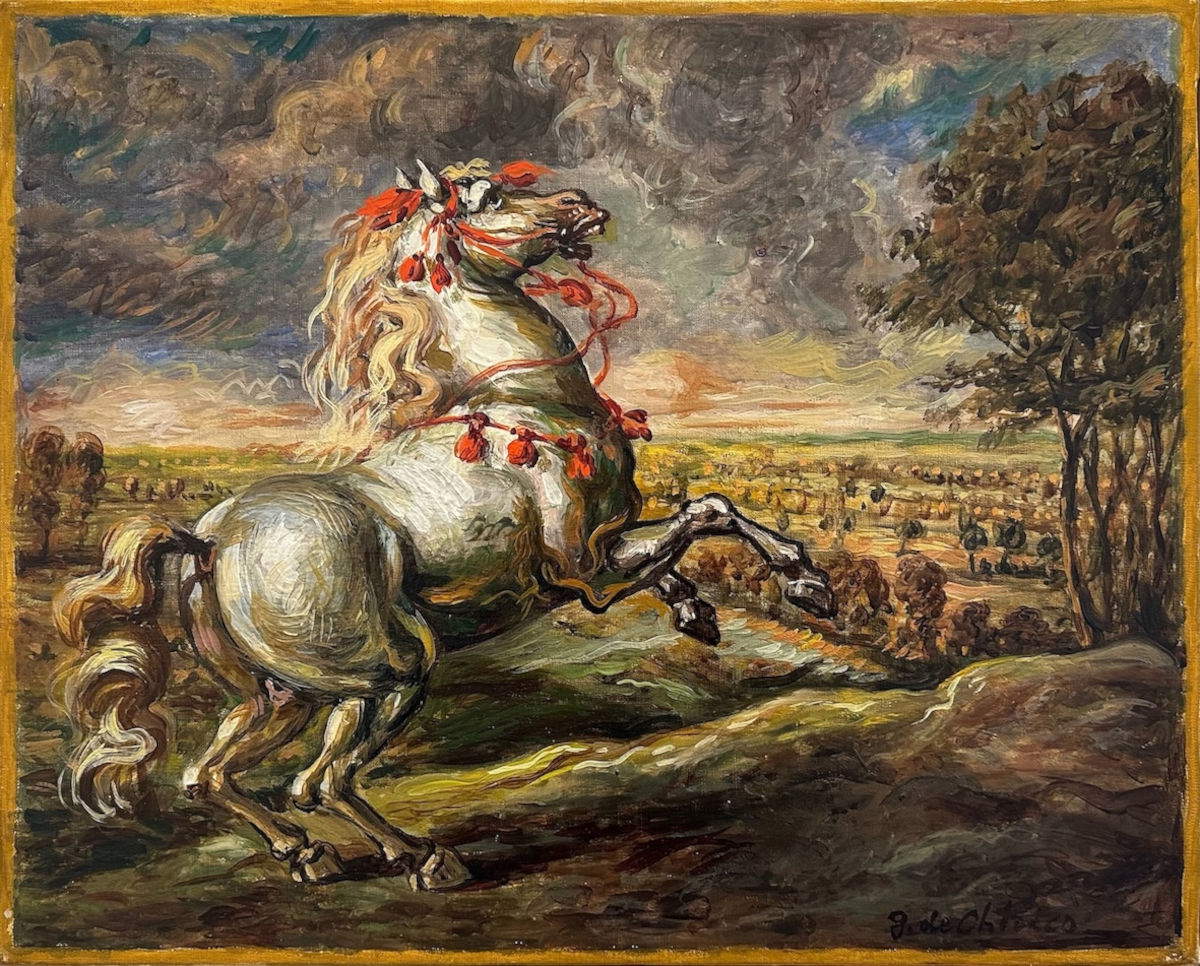
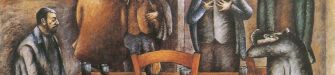
The second section, The Biennales from the 1920s to the 1940s-The Great Turning Point, addresses the interwar period, when Italian artists measured themselves against the international avant-garde and a rapidly changing cultural climate. In this context, the critical role of Margherita Sarfatti, around whom a group of painters and sculptors oriented toward a renewal of figurative language, assumes prominence. Among the names featured are Emma Ciardi and Beppe Ciardi, Felice Casorati, Filippo de Pisis, Guido Cadorin, Zoran Music, Mario Sironi and Felice Carena. The third section, All’insegna delle avanguardie, 1940-1950, focuses on the years after World War II, when the Italian art scene opened up to new experimentation among abstractionism, informalism and spatialism. Movements such as the Fronte Nuovo delle Arti and Spatialism were born in this phase, while the 1948 Biennale, after the interruption due to World War II, represented a turning point and a revival of the event. Artists included in the itinerary include Afro, Tancredi, Armando Pizzinato, Guidi, Emilio Vedova, Massimo Campigli, Giorgio de Chirico and Giuseppe Santomaso.
The exhibition is made possible thanks to the contribution of the Veneto Region, the Chamber of Commerce of Venice and Rovigo and Banca Prealpi SanBiagio, with the support of numerous companies in the area, some already involved in previous editions and others at their first intervention in the cultural project. These are joined by the cultural partnership of Pordenone Verso Capitale Italiana della Cultura 2027, the collaboration of the Fondazione Musicale Santa Cecilia di Portogruaro and the MUPA Museo del Paesaggio, as well as the participation of Italo s.r.l. as a technical sponsor.
 |
| In Portogruaro (Venice), an exhibition traces the first 50 years of the Venice Biennale |

Warning: the translation into English of the original Italian article was created using automatic tools. We undertake to review all articles, but we do not guarantee the total absence of inaccuracies in the translation due to the program. You can find the original by clicking on the ITA button. If you find any mistake,please contact us.



















 IT
IT FR
FR DE
DE ES
ES CN
CN