





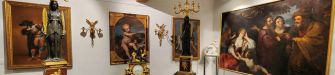
From January 15 to April 12, 2026, the rooms of the Pinacoteca of the Capitoline Museums will host the exhibition project The Unfinished: between poetics and executive technique, dedicated to the analysis of some unfinished paintings preserved in the Capitoline collections. The initiative proposes a reading path that combines direct observation of the works with a set of scientific investigations conducted with non-invasive methodologies, offering the public an opportunity to get to the heart of the creative process and the technical choices made by the artists.
The project is curated by Costanza Barbieri, coordinator of Work Package 2 of EAR - Enacting Artistic Research and professor at the Academy of Fine Arts in Rome, together with Claudio Seccaroni ofENEA. The exhibition is promoted by Roma Capitale, Assessorato alla Cultura e al Coordinamento delle iniziative ricondibili alla Giornata della Memoria di Roma Capitale, and the Sovrintendenza Capitolina ai Beni Culturali. It is organized by the Academy of Fine Arts of Rome as part of the EAR - Enacting Artistic Research project, funded by the European Union through the NextGenerationEU program with PNRR funds. Museum services are curated by Zètema Progetto Cultura, while the catalog is published by Artemide Edizioni.
At the center of the exhibition is the theme of the unfinished understood as a category capable of returning fundamental information about the artists’ modes of operation and image construction. By means of imaging tools for scientific purposes, reflectography and spectroscopy, the selected works are subjected to an analysis that makes it possible to visualize normally invisible elements, such as preparatory drawings, pentimenti, compositional variations and stratifications of the pictorial material. The investigations, conducted by the EAR WP2 project team at the Academy of Fine Arts in Rome, aim to “show the work in progress, as if the artist were still at work.”
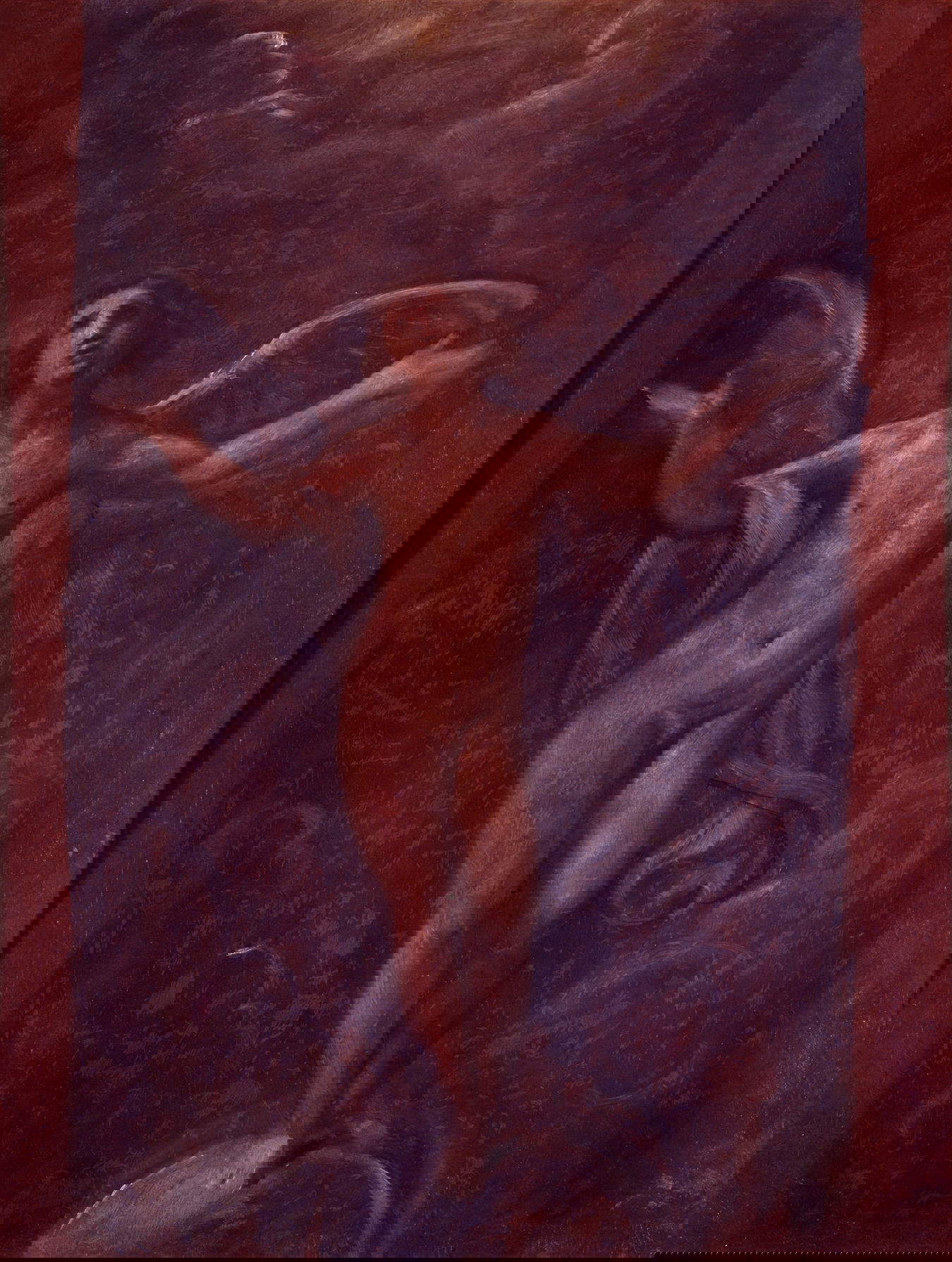
The exhibition route begins at the entrance to the Pinacoteca, where multimedia installations introduce visitors to the preliminary study phases and scientific methodologies adopted. This section has a contextual and didactic function, providing the necessary tools to understand the results of the analyses applied to the paintings displayed in the following rooms. Room II displays the unfinished Benvenuto Tisi known as the Garofalo, flanked by a similar work from the Cantore Gallery in Modena. The comparison between the two paintings is accompanied by digital frames that allow the visitor to virtually browse through images of the preparatory drawing, obtained through non-invasive diagnostic techniques. This mode of presentation makes it possible to reconstruct the different phases of the works’ realization and to hypothesize a distinction of interventions between master and workshop.
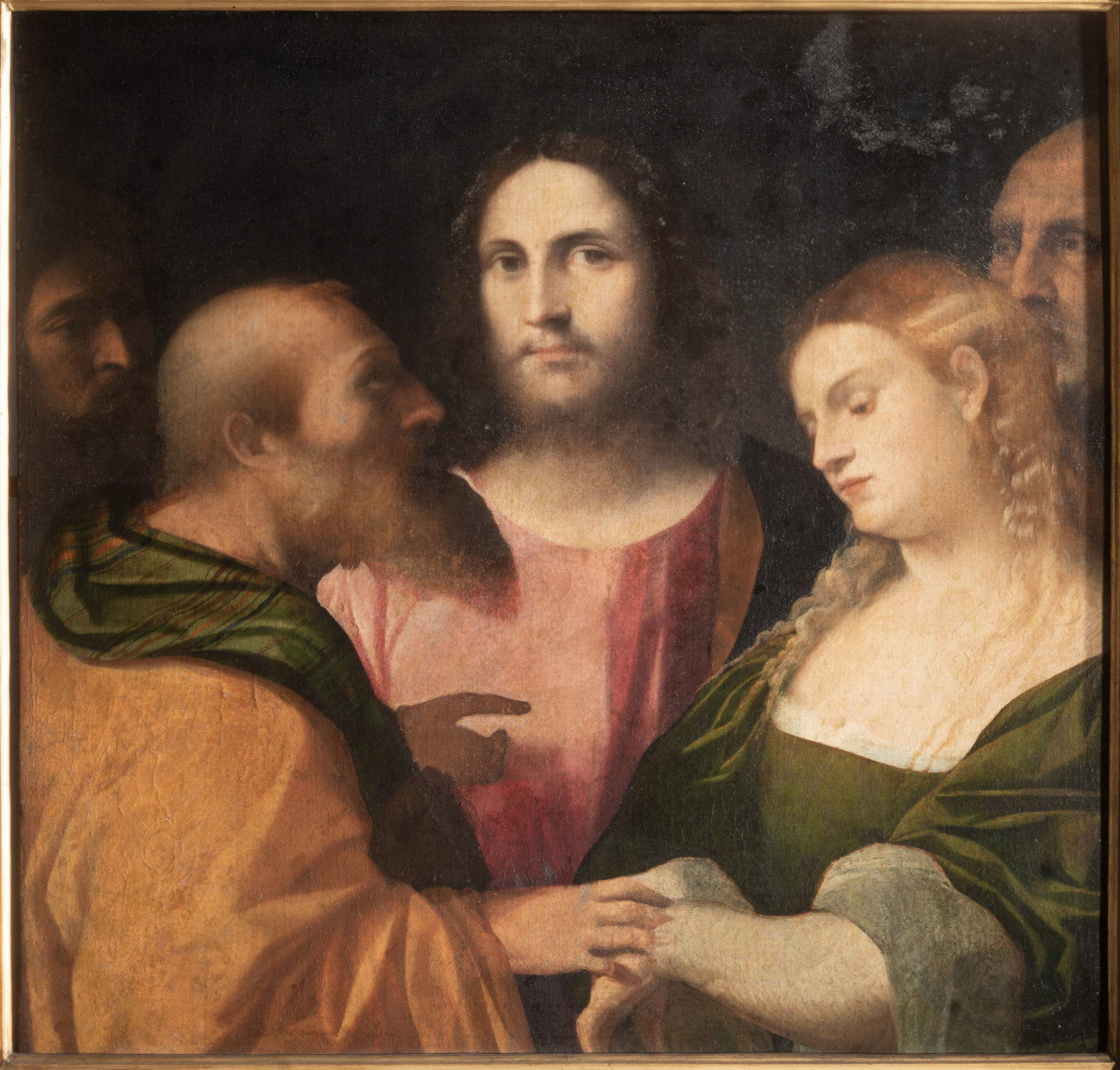
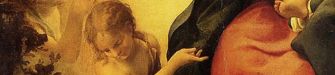
Room III houses Jacopo Palma the Elder’s Christ and the Adulteress, datable between 1525 and 1528. The work represents a special case study, as it takes the form of a painting left unfinished at the artist’s death and subsequently partially repainted to alter its original meaning. Some parts were left unresolved, making evident the complexity of its execution story. Investigations conducted by digital radiography, infrared reflectography, UV fluorescence and MA-XRF make it possible to identify the changes made over time, including changes in the adulteress’s gaze, the figure’s hair and the position of Christ’s hand.
Room VI is entirely dedicated to Guido Reni and brings together the most substantial group of unfinished works in the Pinacoteca Capitolina. The first digital frame analyzes the early painting Silvio, Dorinda e Linco, also known as Allegoria dell’amore rifiutato. Infrared reflectography reveals a sketch traced with a liquid brush medium to define the contours of the figures, while radiography highlights a rich white lead paint material. Through progressive fades between reflectographic, radiographic, and visible-light images, the visitor can follow the different stages of the work’s processing.
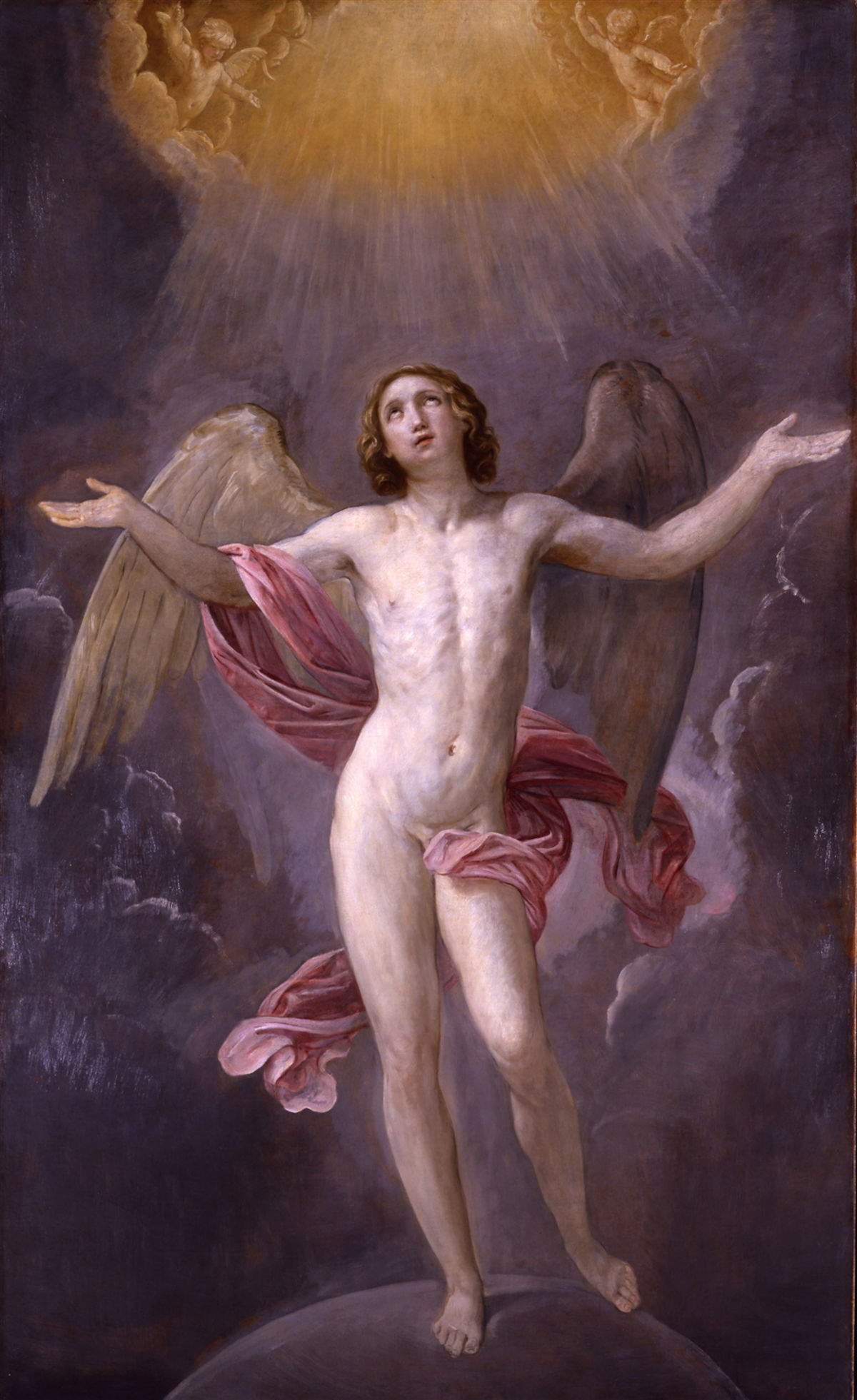
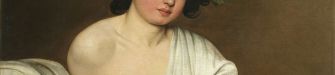
The second digital frame is dedicated to theAnima beata, for which the Pinacoteca also conserves, in an exceptional case for Guido Reni, the sketch. Analyses conducted on both works show a complex executive process characterized by numerous pentimenti that continue without interruption on the large canvas. The variations affect the entire figure, from the posture of the body to the position of the legs, arms and wings, to the treatment of the drapery. Particularly significant is the comparison between the reflectographs of the final painting and a preparatory drawing for a Crucifix, also by Guido Reni. The close correspondence between the figures and the changes made suggests that the artist may have used that drawing as a basis for developing the final design of theAnima beata. Also presented alongside the work is a three-dimensional model of the painting, created with the aim of making the work accessible to people with visual impairments and the visually impaired. The itinerary dedicated to Guido Reni also includes a close comparison with other works in the Pinacoteca through macrophotographs of paintings such as Lucretia, Cleopatra, Baby Jesus, and Saint John. These images allow for a close look at the textural brushstrokes quickly laid down by the artist, characterized by a shaping progression that restores a painterly manner defined as almost impressionistic.
Overall, the project The Unfinished: between poetics and execution technique proposes a reading of the unfinished as a privileged tool to investigate the artist’s work in its becoming. The use of scientific technologies and methodologies applied to historical works makes it possible to overcome a purely formal view of the unfinished, returning instead a dynamic image of the artistic process. The initiative is based on the idea that diagnostics can offer relevant contributions to the study of creative processes.
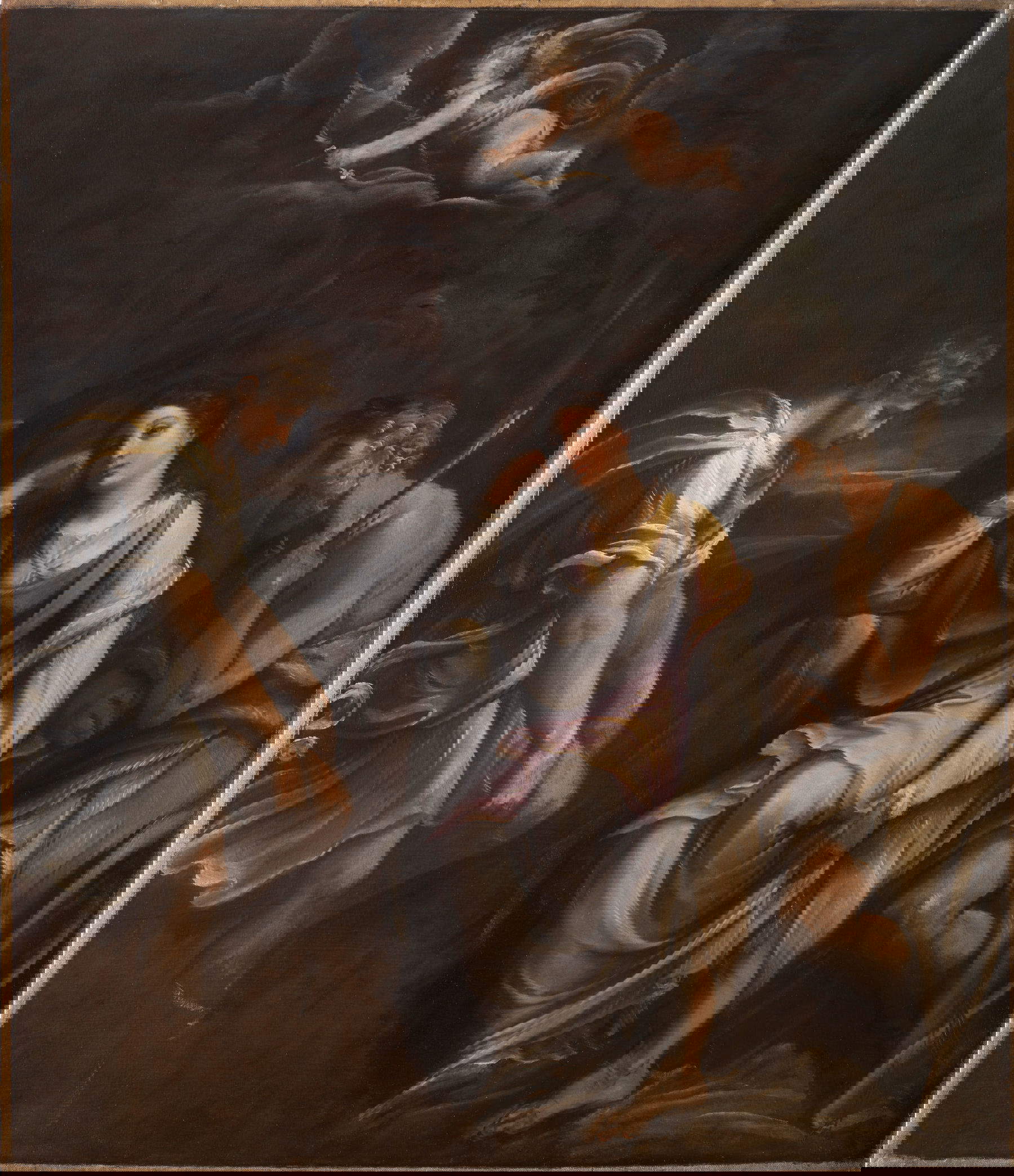
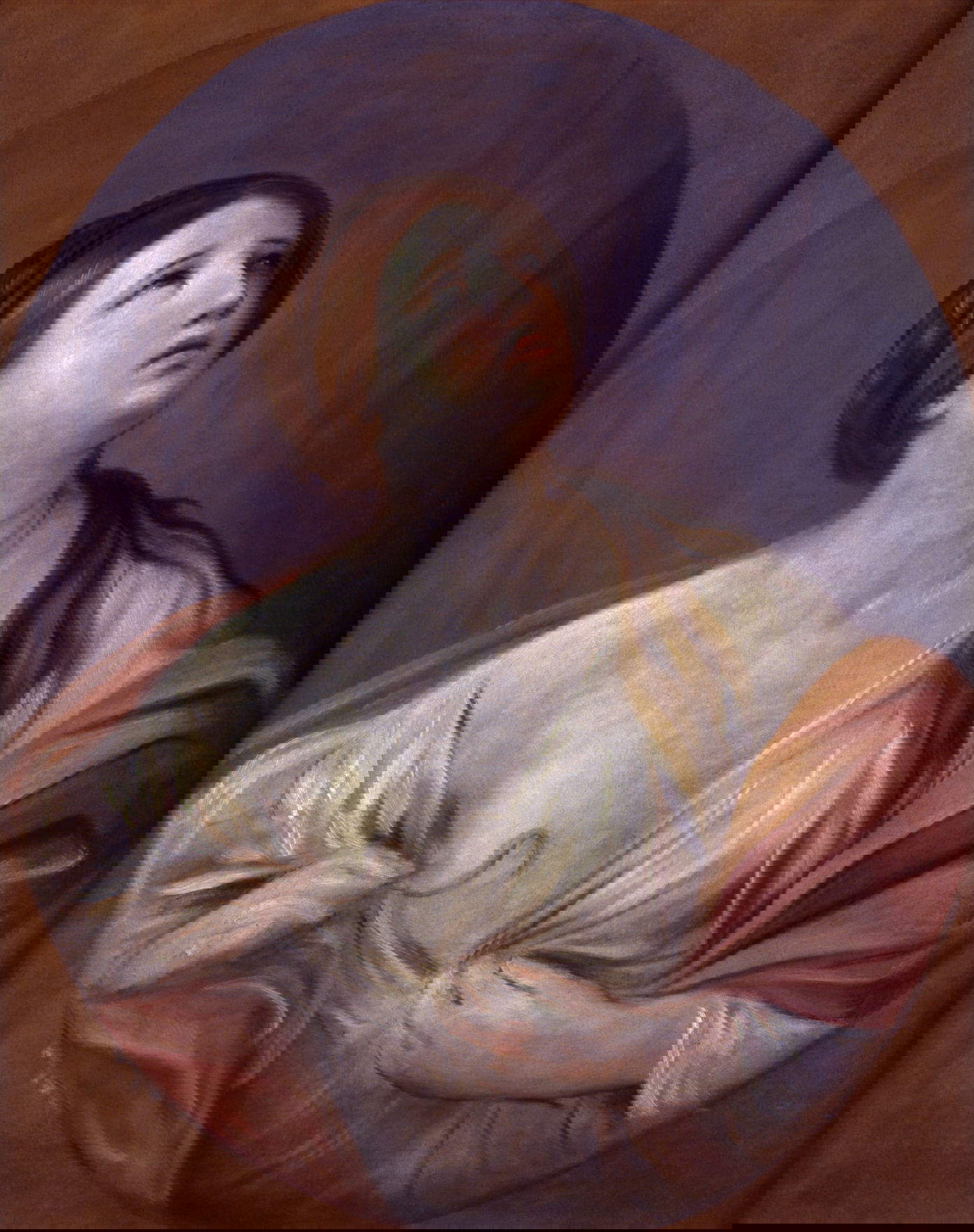
The theme of the unfinished runs through the entire history of art, from classicism to the contemporary age. Pliny the Elder recalled how Apelles’ Venus of Cos, left unfinished, was considered superior in expression and intensity to many finished works, so much so that none of the pupils dared to intervene to complete it. This conception was taken up by artists such as Leonardo, Michelangelo, Titian, and Guido Reni, for whom the unfinished implied an active participation of the viewer. When faced with an unfinished work, the viewer is stimulated to mentally fill in the gaps, virtually sharing in the artist’s creative gesture, a mechanism that also finds parallels at the neurological level and reaches all the way to contemporary art experiences via the Impressionists.
The exhibition project represents one of the main results of the EAR - Enacting Artistic Research project, specifically Work Package 2 directed by Costanza Barbieri. The program is funded by the Ministry of University and Research through PNRR funds earmarked for strategic partnerships and the promotion of the internationalization of research in the system of Higher Education in Art and Music. EAR brings together the Academies of Fine Arts of Rome, Florence and Brera, the Conservatories of L’Aquila and Rome, in partnership with the INFN section of the University of Roma Tre and the Università Politecnica delle Marche, with the aim of promoting interaction between artistic and scientific research. Rounding out the initiative is the catalog, published by Artemide Edizioni, which collects a series of essays dedicated to the theme of the unfinished and noninvasive diagnostic methodologies. Authors include Carmen Bambach, Costanza Barbieri, Roberto Bellucci, Marco Cardinali, Maria Beatrice De Ruggieri, Cecilia Frosinini, Augusto Gentili, Sergio Guarino, Claudio Seccaroni and Luca Tortora.
Hours: Daily 9:30 a.m.-7:30 p.m. Last admission one hour before closing
Fees:
- € 15.00 full ticket nonresidents
- € 9.00 reduced ticket non-residents
- € 10.00 full ticket residents of Roma Capitale and metropolitan area (by showing valid document proving residence)
 |
| Inside unfinished paintings: the Capitoline Museums unveil the creative process with an exhibition |

Warning: the translation into English of the original Italian article was created using automatic tools. We undertake to review all articles, but we do not guarantee the total absence of inaccuracies in the translation due to the program. You can find the original by clicking on the ITA button. If you find any mistake,please contact us.


















 IT
IT FR
FR DE
DE ES
ES CN
CN


