





From February 12 to June 14, 2026, in Rome , the Gallerie Nazionali di Arte Antica is hosting the exhibition Bernini e i Barberini, curated by Andrea Bacchi and Maurizia Cicconi, at Palazzo Barberini. The exhibition, held to coincide with the 400th anniversary of the consecration of the new St. Peter’s Basilica (1626), offers an in-depth investigation of the relationship between Gian Lorenzo Bernini and Maffeo Barberini, the future Pope Urban VIII, highlighting how the collaboration between artist and patron helped define one of the most important periods in European art history: the Baroque.
Before his election to the papal throne in 1623, Barberini sensed the revolutionary potential of technical prodigy, fostering his emancipation from his father’s workshop and accompanying his transformation into a universal artist. The exhibition argues that the establishment of the Baroque was the concrete outcome of a privileged relationship, capable of directing formal, iconographic and political choices. In a still open debate on the origins of the Baroque, between those who pinpoint its beginning around 1600 with Carracci and Caravaggio and those who place it in the 1730s, Bernini and the Barberinis proposes a reading centered on the historical responsibility of Urban VIII as the true architect of the turning point. The initiative is in perfect continuity with the recent exhibition Caravaggio 2025, dedicated to the other protagonist of the National Galleries’ collections, which had already explored Maffeo’s decisive role in the figurative culture of seventeenth-century Rome.
Thanks to the contributions of leading Italian and foreign scholars and to works on loan from museums and private collections, many of them exhibited for the first time in Italy, the exhibition restores the complexity of this major art-historical junction. The project, realized with the support of Intesa Sanpaolo and the patronage of the Fabbrica di San Pietro in the Vatican, brings together exceptional loans from museums and private collections, many of which are on display for the first time in Italy. The exhibition is divided into six sections, following Bernini’s creative parabola from his beginnings in his father’s workshop to his full maturity, highlighting Maffeo Barberini’s decisive role in defining a new artistic language, destined to become a paradigm of the European Baroque.
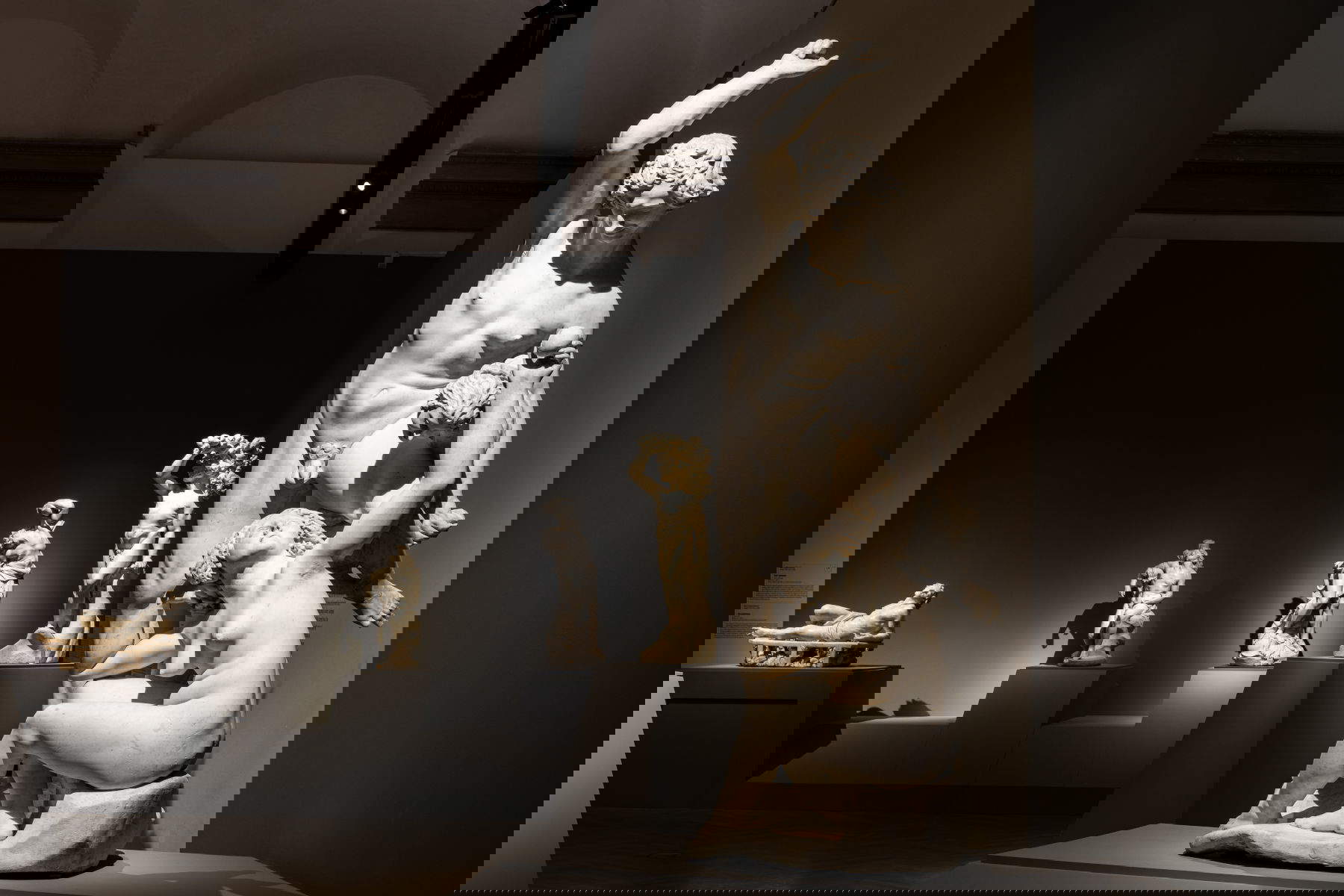
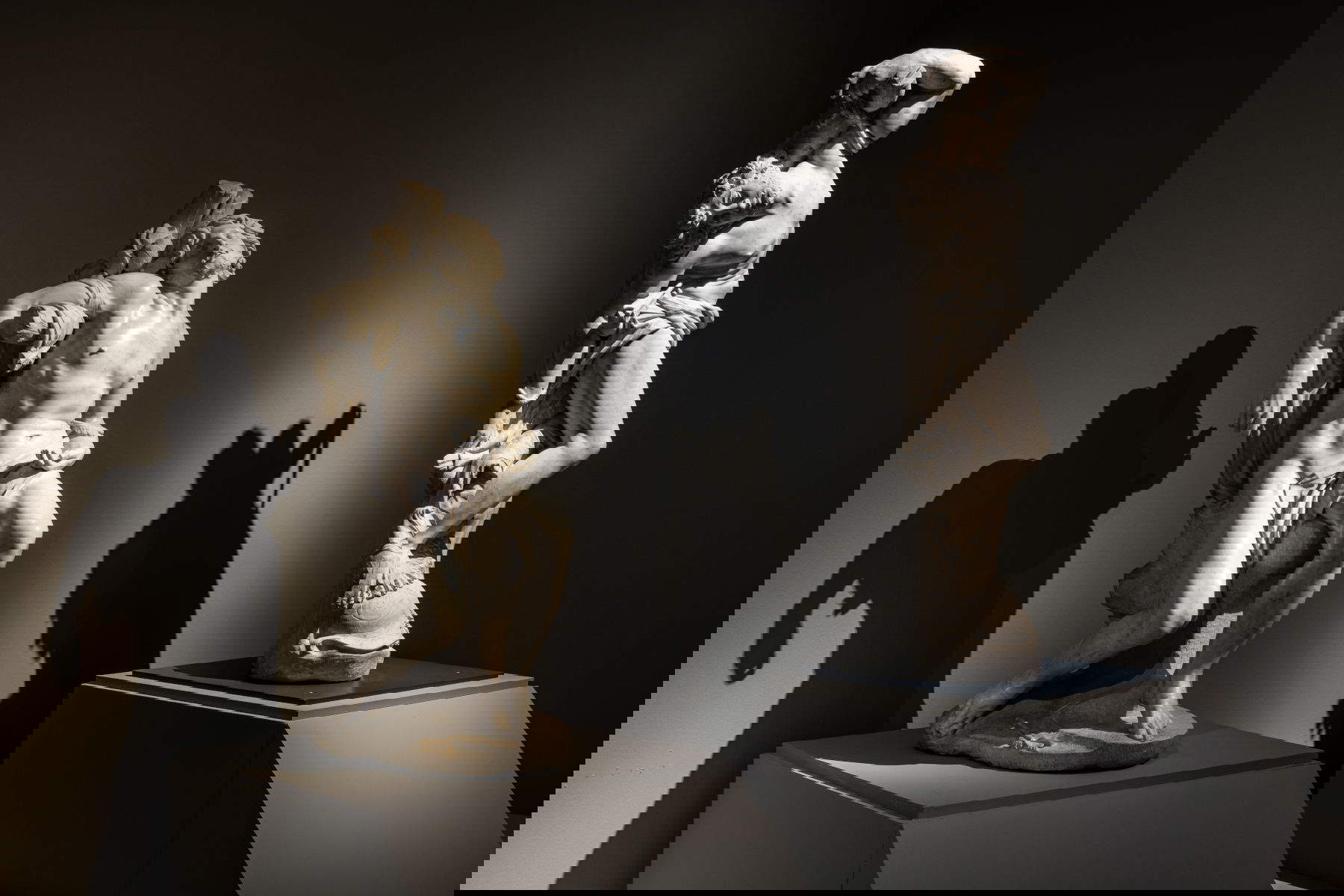
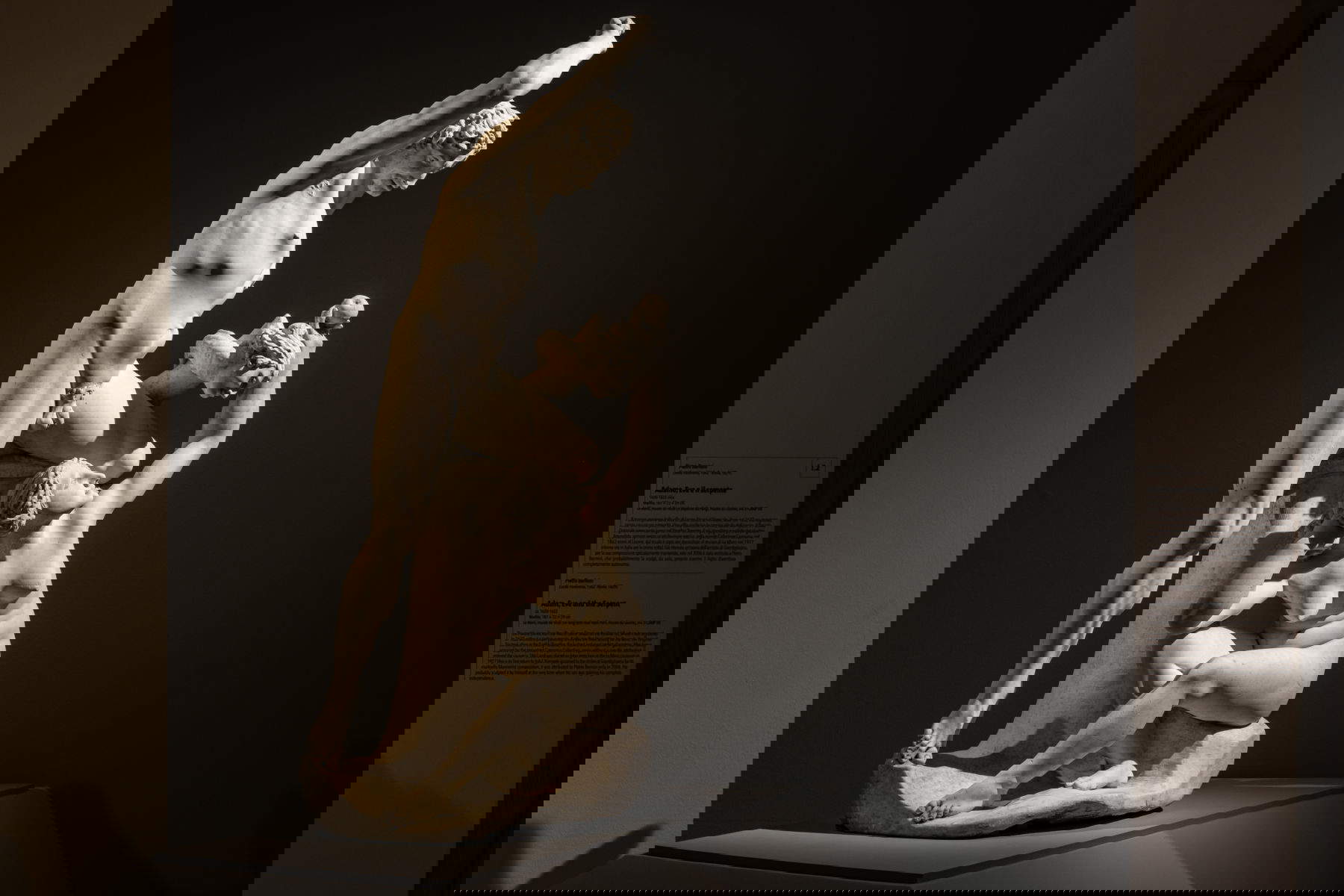
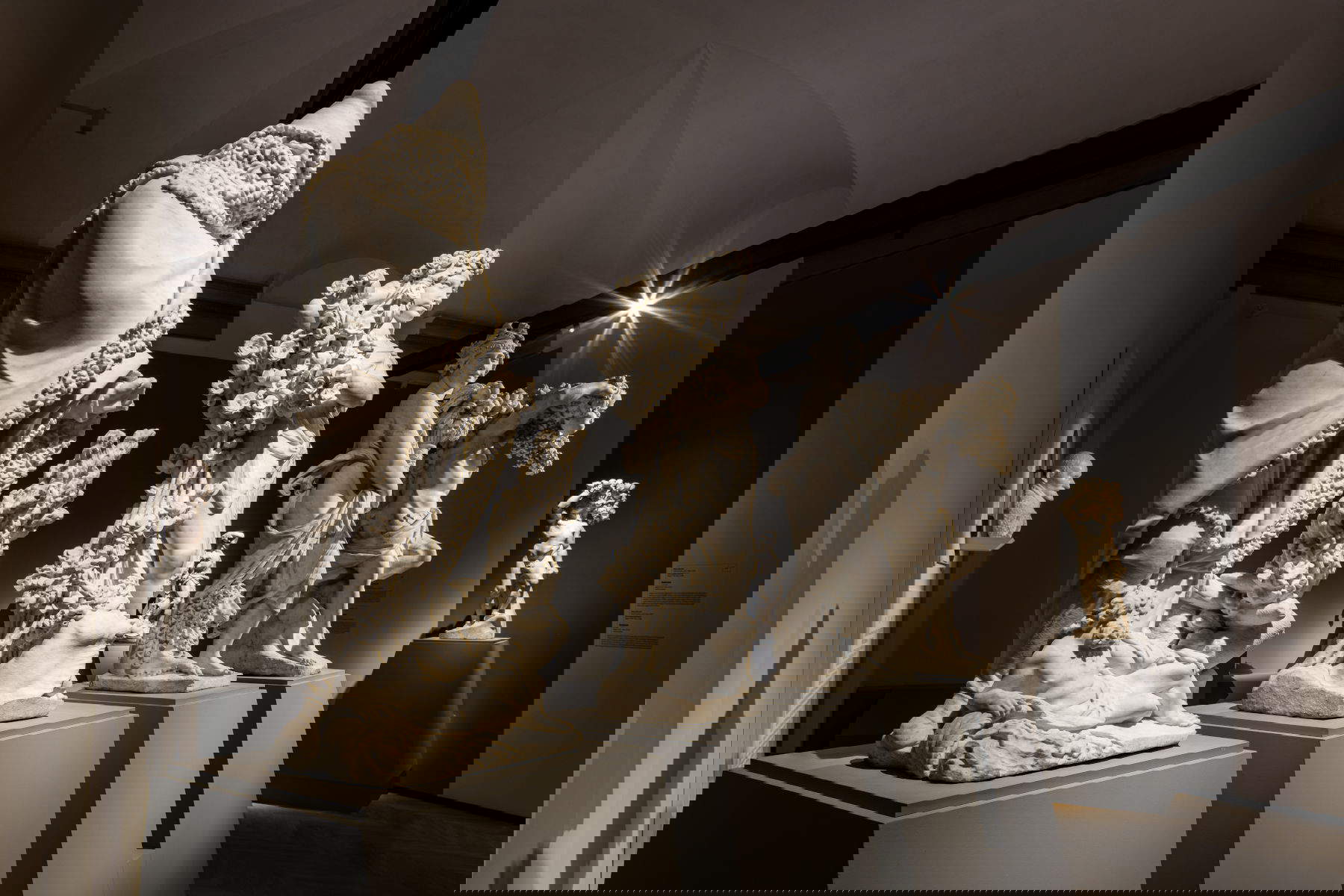
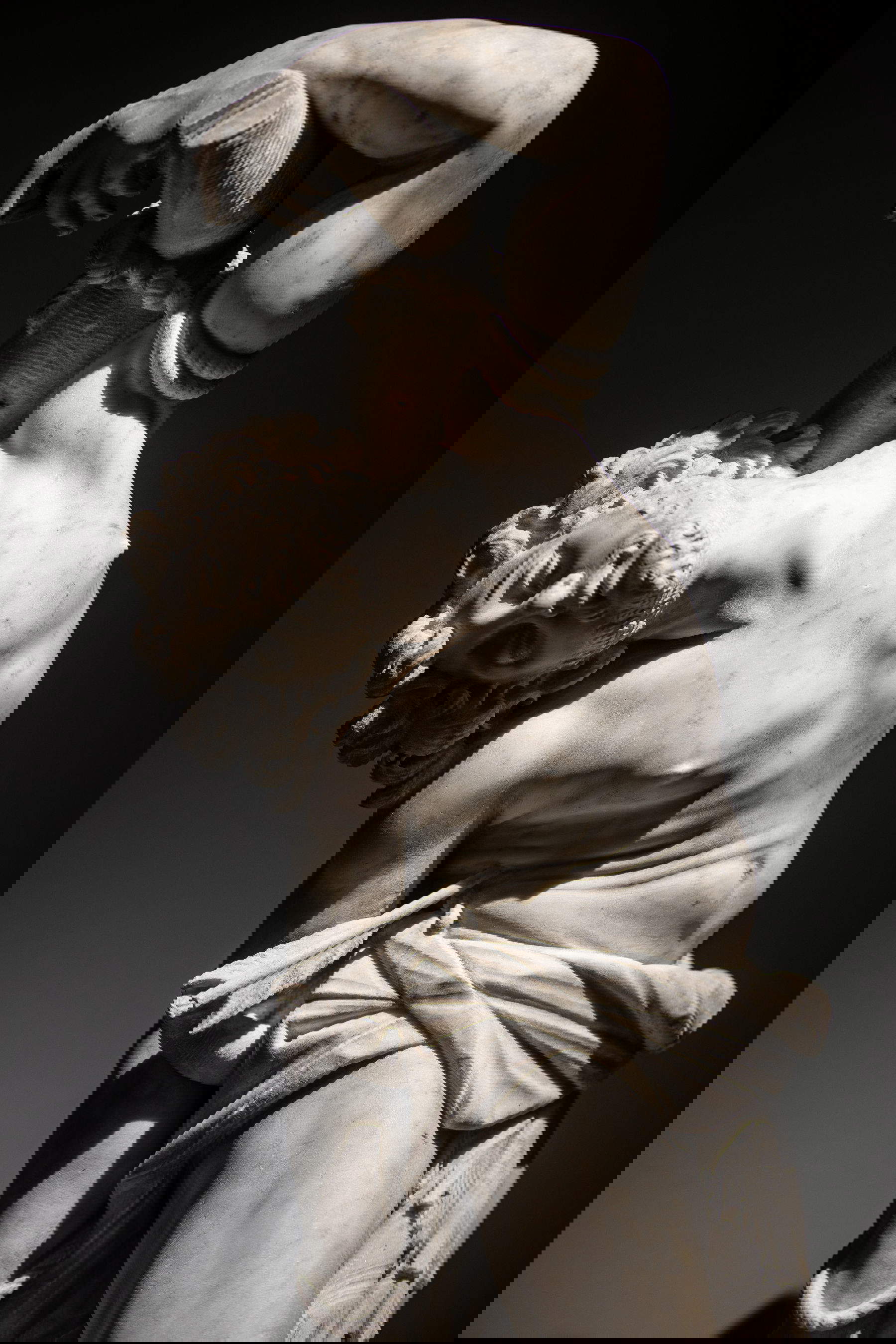
The first section, titled “Appropriòsselo tutto come suo”: Maffeo ’discoverer’ ofBernini, reconstructs the initial moment of the collaboration between Barberini and the young artist. On display are works by Pietro Bernini, such as Adam, Eve and the Serpent from the Musée de Tessé in Le Mans, and works created in collaboration between father and son, including the Four Seasons from the Aldobrandini collection and the Putto with Dragon from the J. Paul Getty Museum in Los Angeles. These works dialogue with autograph masterpieces by Gian Lorenzo, such as the St. Lorenzo (Uffizi Galleries, Florence) and the monumental St. Sebastian (Church of St. Martin, Jouy-en-Josas, Yvelines), presented in exceptional comparison with the St. Sebastian Barberini from a private collection. The latter work, purchased by Maffeo Barberini in 1617, marks a turning point in sculpture, anticipating the sensual rendering of marble, the natural pose and the emotional involvement of the viewer, anticipating the Baroque language even before that in architecture and painting.
The second section, “Non plus ultra”: the new St. Peter’s, delves into the building site of the Basilica, where the alliance between Urban VIII and Bernini is most evident. At the center of the exhibition is the Baldachin of St. Peter’s, commissioned from Bernini when he was little more than 25 years old, an innovative work that blends architecture, sculpture and decoration. Drawings, models and engravings document the genesis of the work, along with studies for the San Longino, sculpted directly by Bernini for one of the pillars of the cross. The section illustrates how the artist transformed sacred space into a unified narrative, a “bel composto” capable of emotionally engaging the faithful and celebrating the universality of the Church and the power of the Barberini papacy.
The third section examines Bernini’s activity as a papal portraitist, beginning with busts of Paul V Borghese and Gregory XV Ludovisi, flanked by bronze portraits of the same pontiffs, showing how Bernini assimilated models from ancient portraiture. Special attention is devoted to the series of busts of Urban VIII, an exceptional nucleus from international museums and collections, never previously exhibited together. The portraits reveal the transformation of the pontiff’s face into an image of spiritual and temporal power, with a psychological rendering of extraordinary intensity.
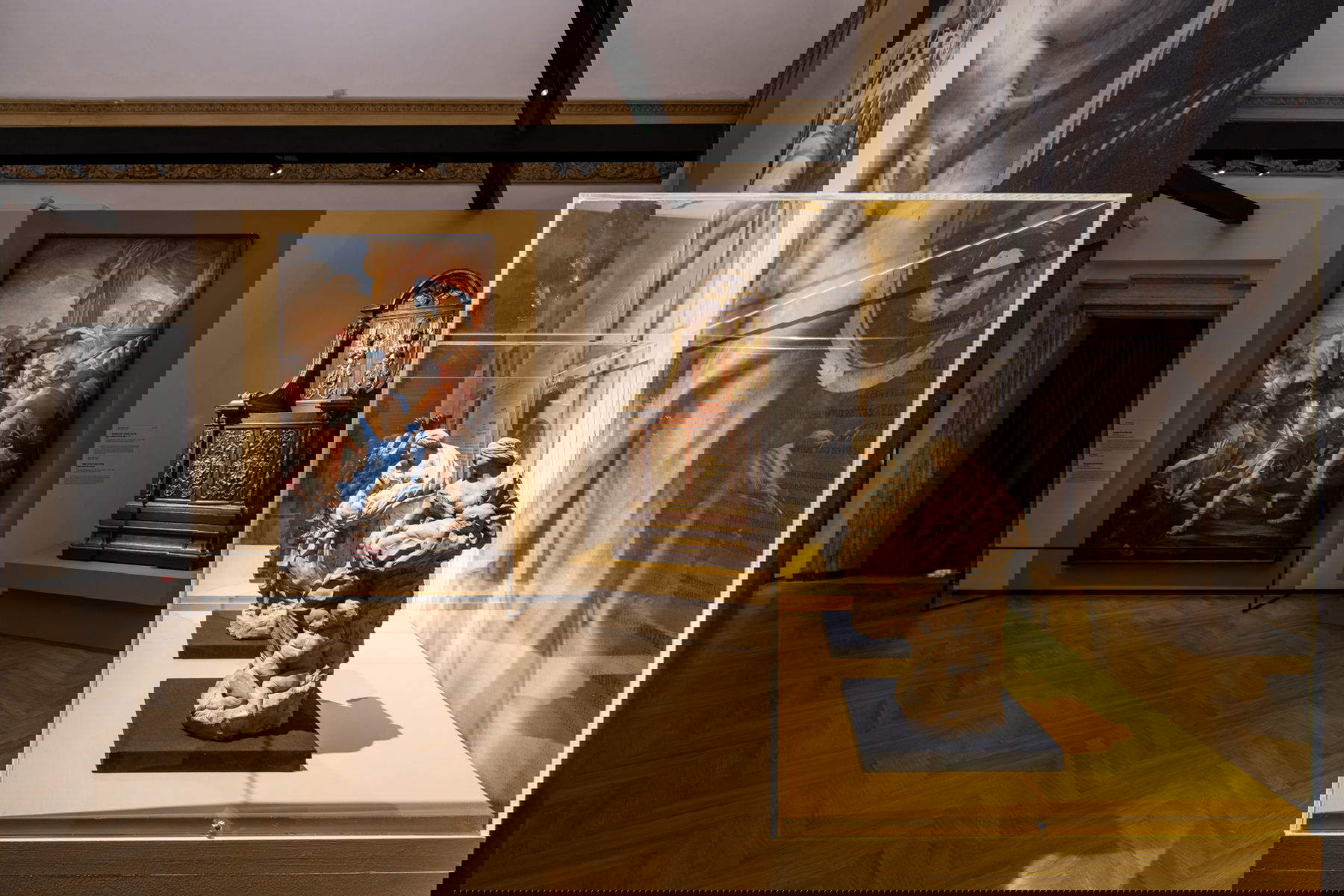
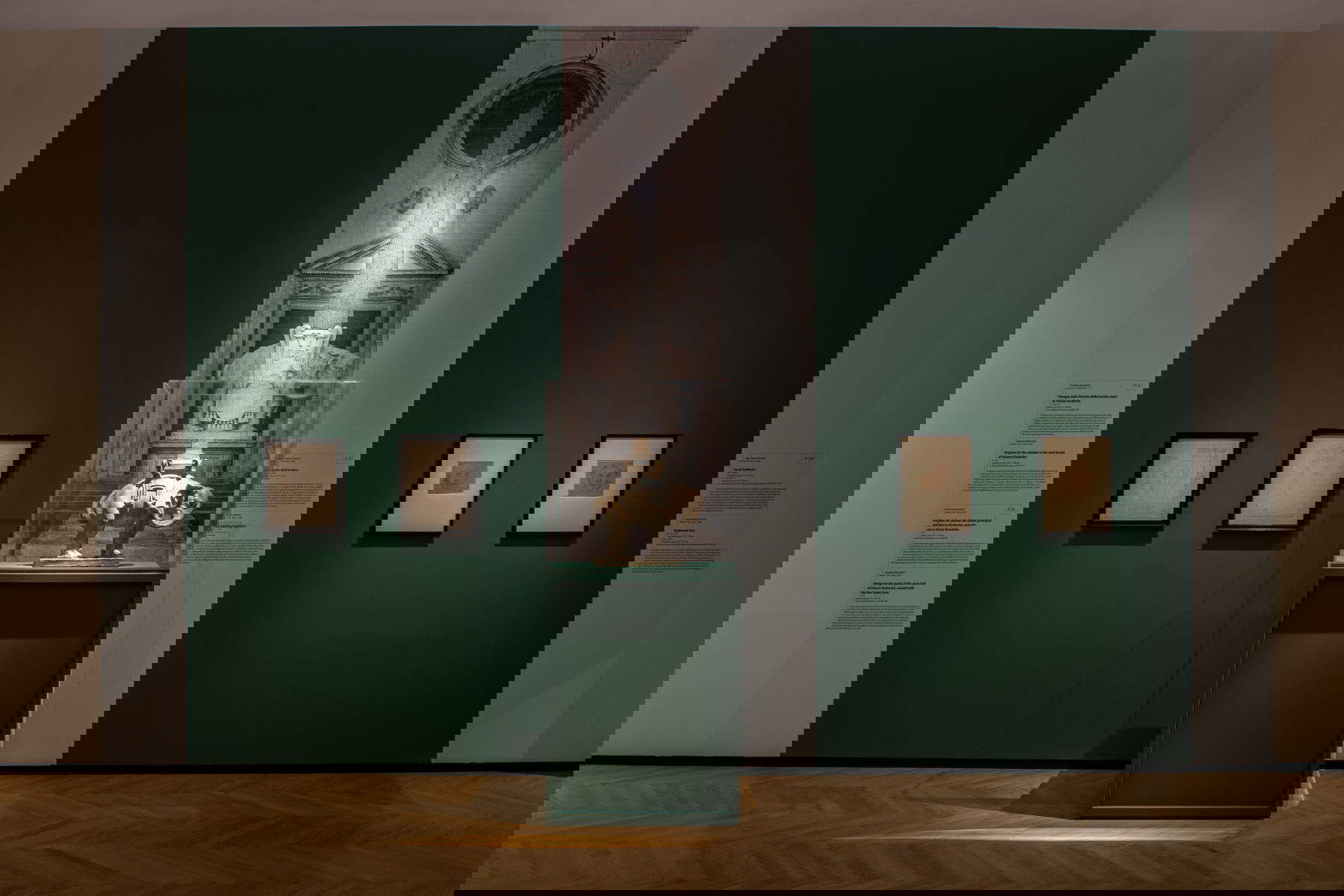
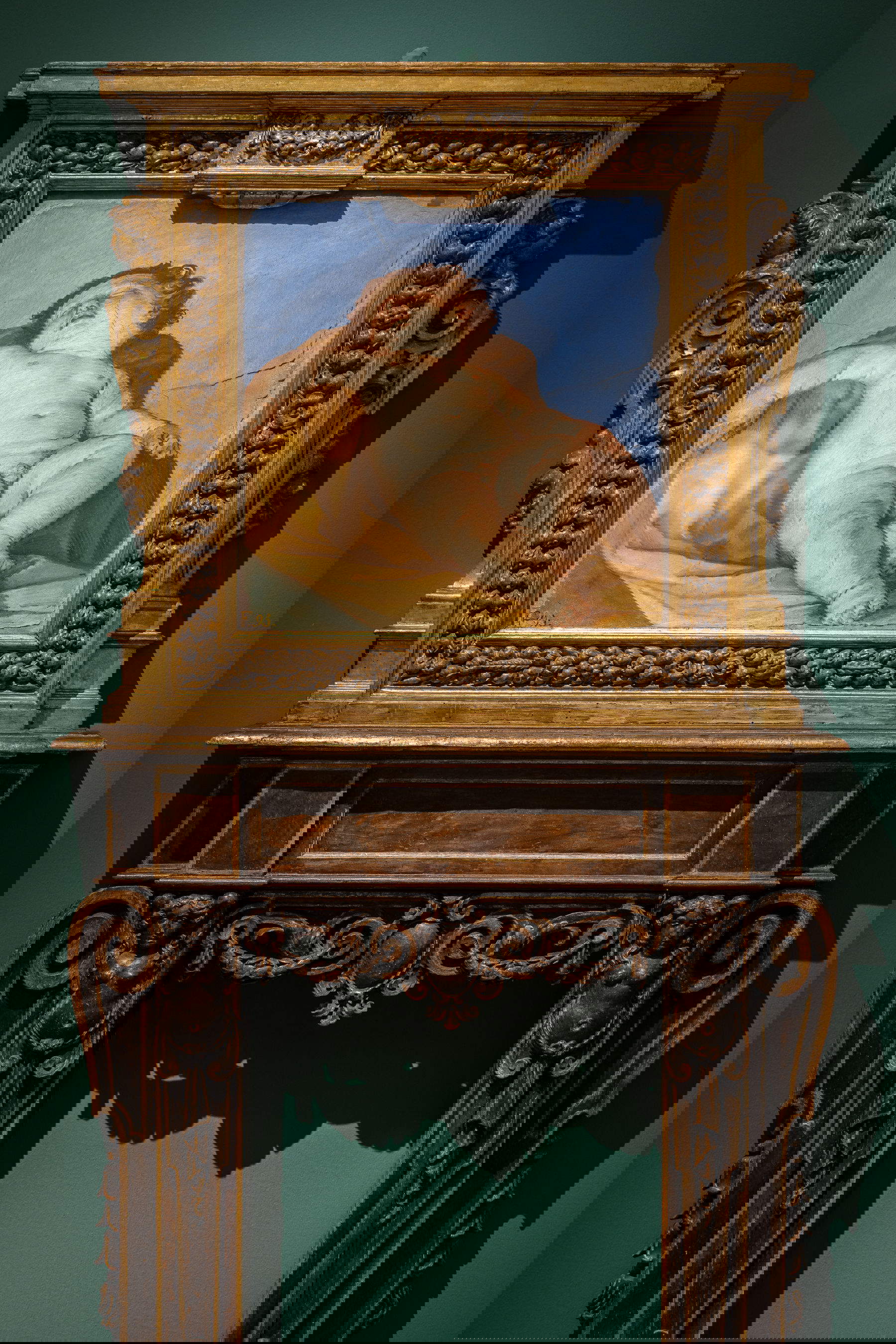
The fourth section, dedicated to the Barberini Palace, documents the genesis of one of the earliest examples of choral Baroque architecture, where Bernini, Borromini and Pietro da Cortona collaborated and, at the same time, competed in defining a space that merged the urban palace with the suburban villa. The section also includes paintings from the ancient Barberini collection, including works by Guido Reni.
The fifth section, “Apes Urbanae”:faces of Barberini’s Rome, offers an anthology of busts of cardinals, intellectuals, courtiers and eccentric figures from the court of Urban VIII. Alongside works by Bernini, works by Alessandro Algardi, François Duquesnoy and Giuliano Finelli are exhibited, including Finelli’s Bust of Michelangelo Buonarroti the Younger and Duquesnoy’s Bust of Michel Magnan, dwarf de duke of Crequy, exemplifying the social and human complexity of seventeenth-century Rome.
The last section, Bernini’s Freedom, Urban VIII’s Power, investigates the relationship between the artist’s creative freedom and the pontiff’s control. Rarely exhibited busts, such as that of Thomas Baker (Victoria and Albert Museum, London), and paintings attributed to Bernini, made for pleasure and experimentation, outside the official commission, are presented. The centerpiece of the section is the famous bust of Costanza Bonarelli (Museo Nazionale del Bargello, Florence), the only sculptural portrait without a commissioner, a symbol of the intensity of personal relationships. Closing the section is a pictorial portrait of Urban VIII attributed to Bernini, which testifies to the complicity, control and protection that characterized the relationship between artist and pontiff.
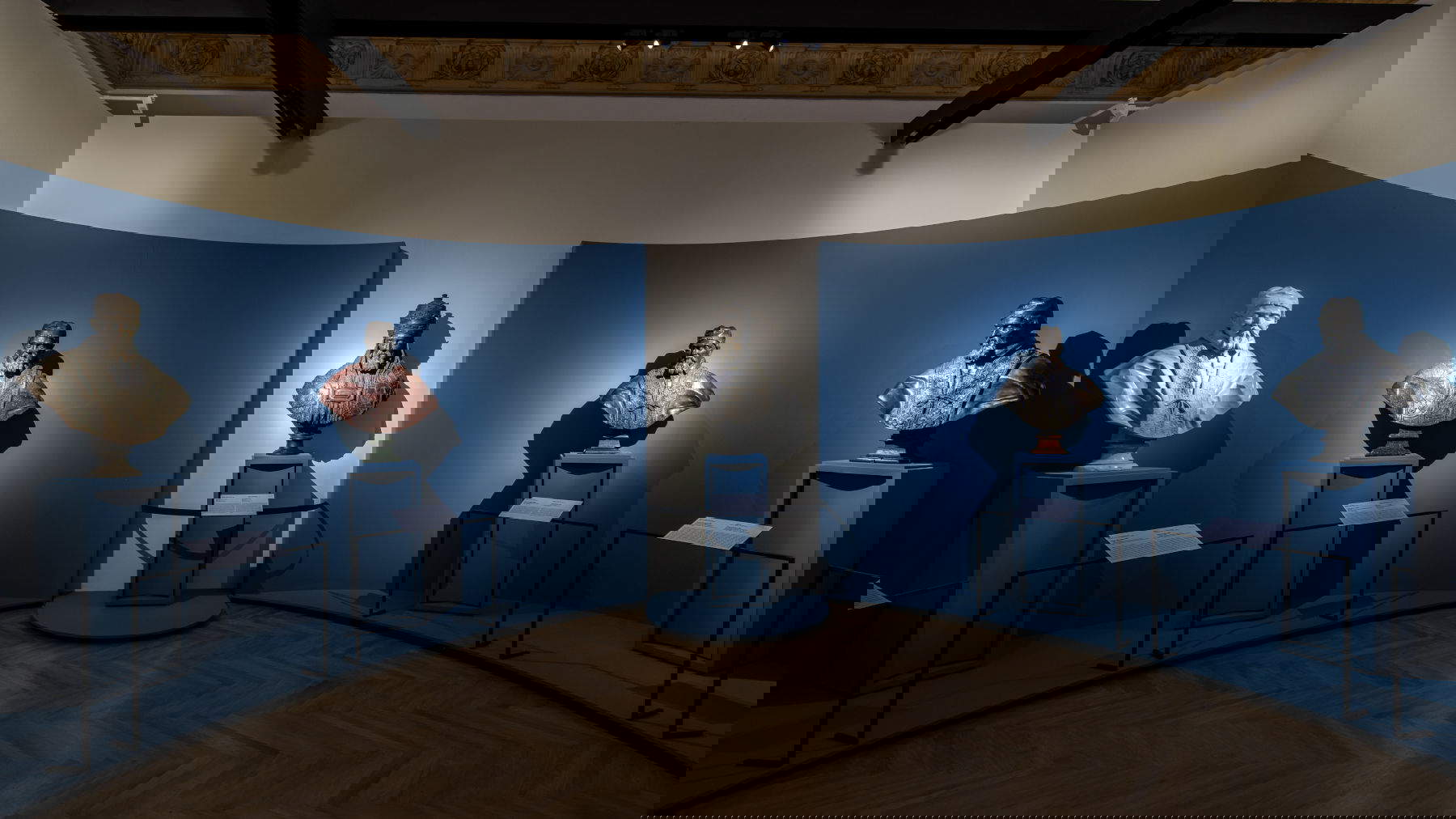
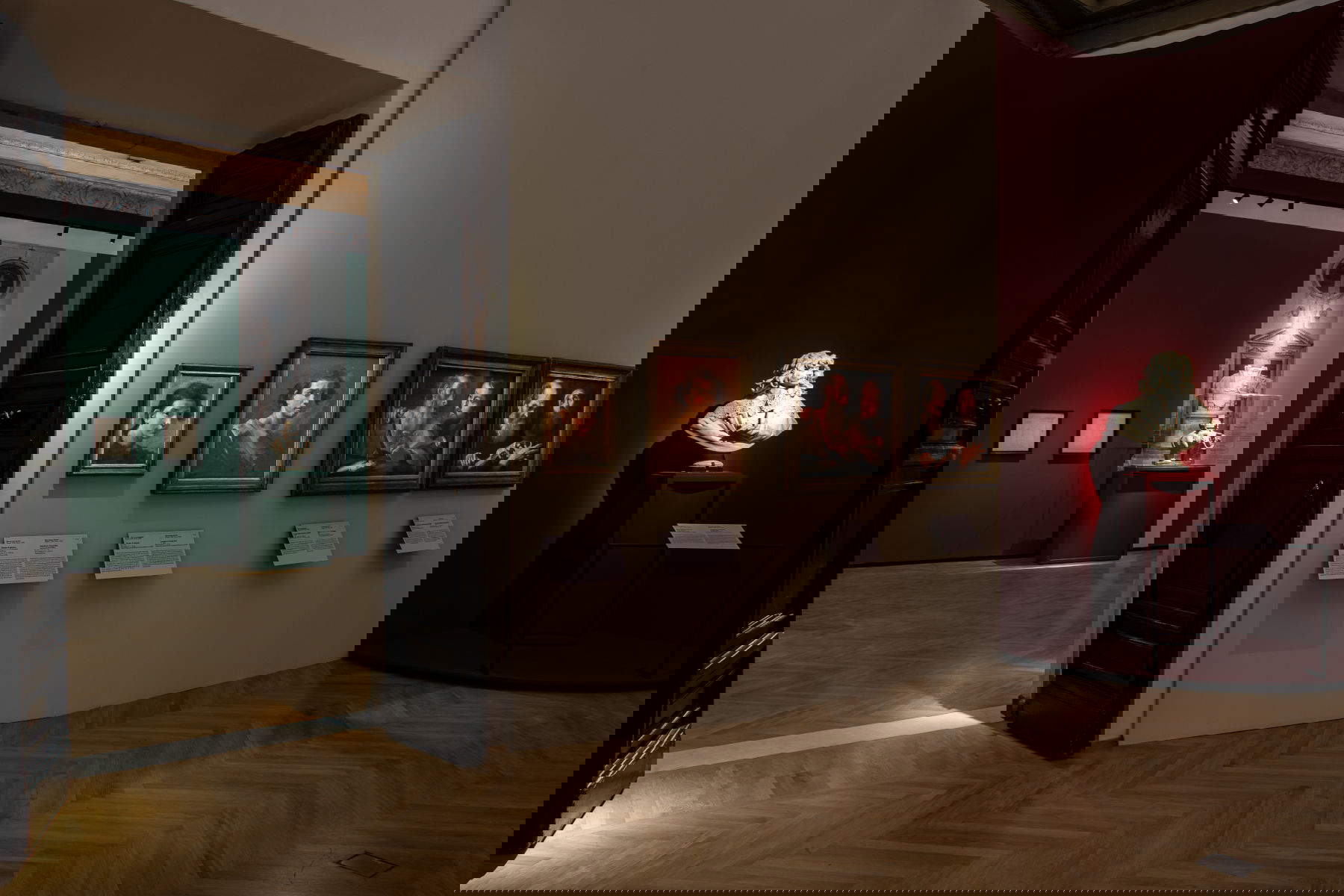
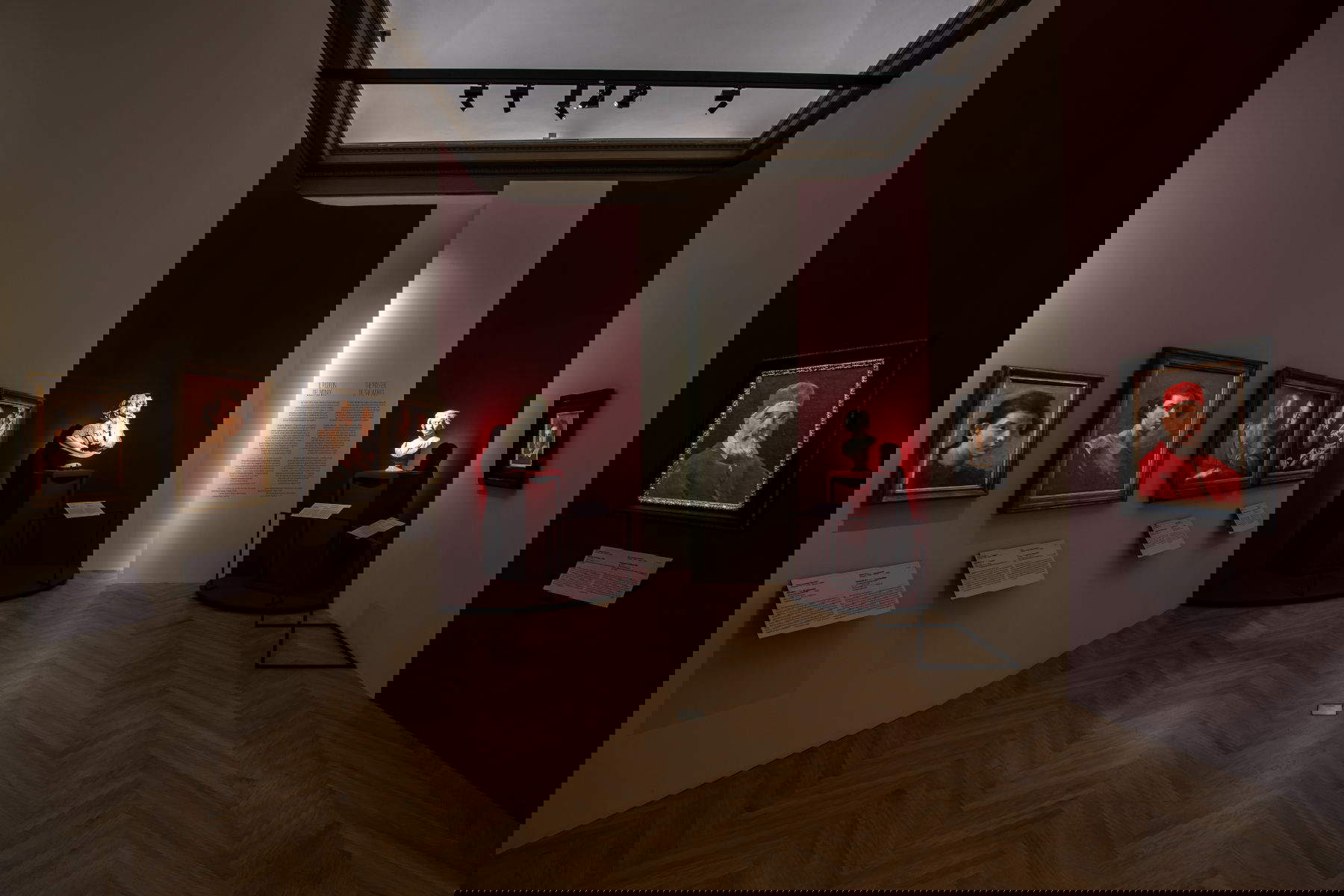
The exhibition is accompanied by a catalog published by Allemandi with essays by the curators and Italian and international scholars, including Tomaso Montanari, Karen Lloyd, Joseph Connors and Evonne Levy. The project, produced with the support of the General Directorate for Museums of the Ministry of Culture and with the collaboration of numerous institutions, including Basilica di Santa Maria Maggiore and Coopculture, offers an updated reading of a crucial phase in the birth of the Baroque. Lenders of the works include Accademia Carrara (Bergamo), Albertina Museum (Vienna), Fabbrica di San Pietro in Vaticano (Vatican City), Gallerie degli Uffizi (Florence), J. Paul Getty Museum (Los Angeles), Musée du Louvre (Paris), Musée Jacquemart-André (Paris), Museo Diocesano (Spoleto), Museo Nazionale del Bargello (Florence), Museo Thyssen-Bornemisza (Madrid), Musée de Tessé (Le Mans), Vatican Museums (Vatican City), National Gallery (London), National Gallery (Washington), Statens Museum for Kunst (Copenhagen), The Morgan Library (New York), Victoria and Albert Museum (London).
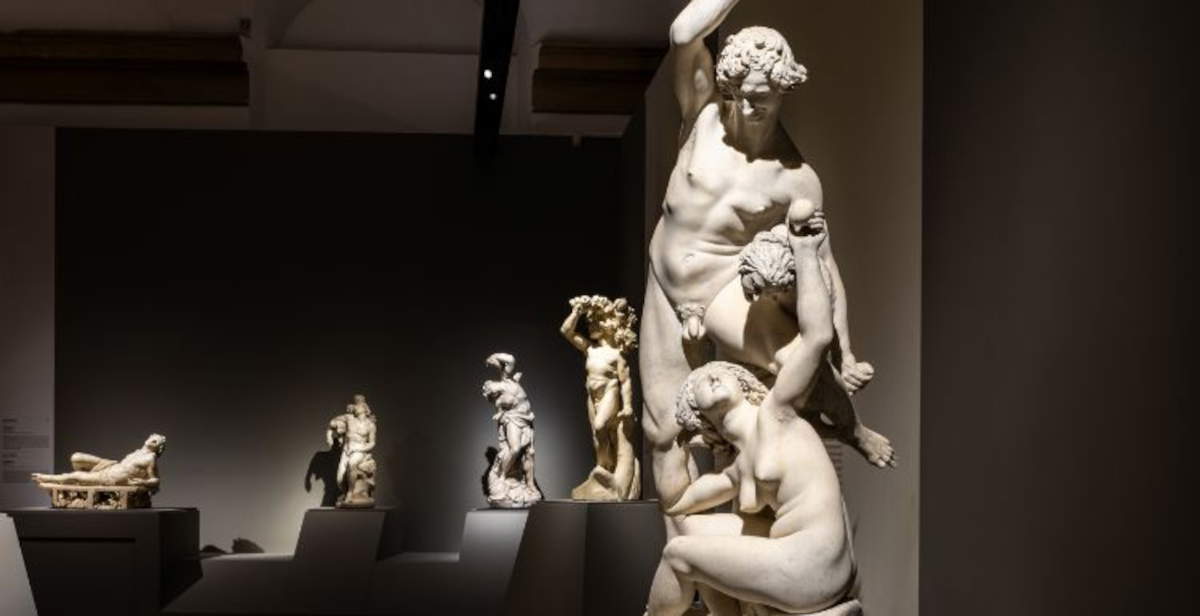 |
| Rome, major exhibition at Palazzo Barberini on the link between Bernini and Maffeo Barberini |

Warning: the translation into English of the original Italian article was created using automatic tools. We undertake to review all articles, but we do not guarantee the total absence of inaccuracies in the translation due to the program. You can find the original by clicking on the ITA button. If you find any mistake,please contact us.























 IT
IT FR
FR DE
DE ES
ES CN
CN


