





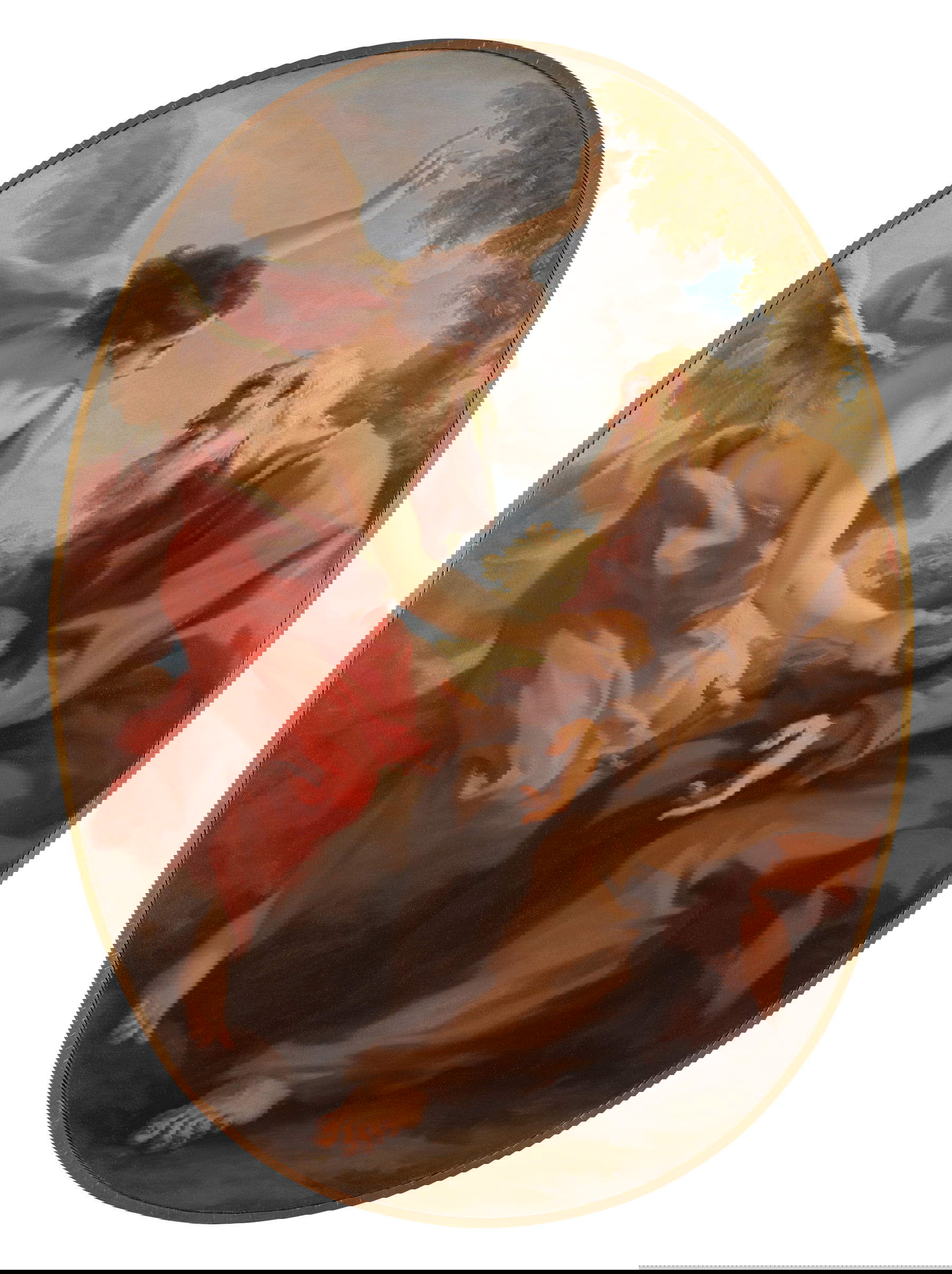
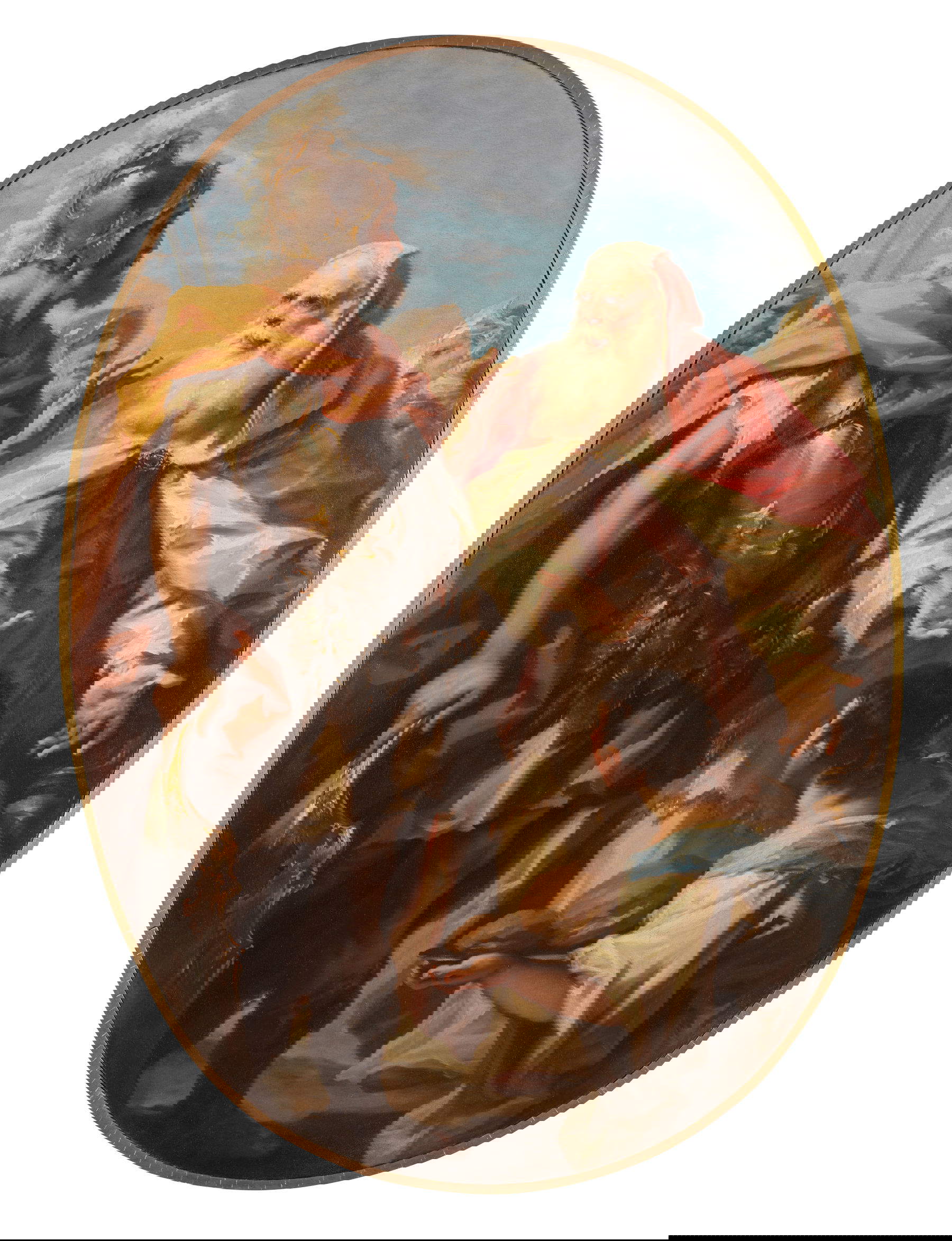
Casa Museo Zani in Brescia opens its doors from December 12, 2025 to April 6, 2026 for an exhibition that focuses on the role of light in eighteenth-century Venetian painting through comparisons between Giovanni Antonio Pellegrini (Venice, 1675 - 1741) and Giambattista Tiepolo (Venice, 1696 - Madrid, 1770). The exhibition, Tiepolo and Pellegrini. Light in 18th-century Venetian Painting, set up as a dossier, brings together three large canvases by both artists from public and private collections and presented after careful restoration. From the Chapel of the Blessed Sacrament in the church of Sant’Agata in Brescia come to Casa Museo Zani Pellegrini’s two ovals, Elijah and the Angel and David Receives the Loaves from Achimelech, dating from around 1724. Also on display The Last Judgment made by Tiepolo in the 1740s comes from the Intesa Sanpaolo collection. For the first time after restoration supported by the Paolo and Carolina Zani Foundation, the works show the intensity of their composition and original color brilliance. The painting of Pellegrini, trained between the Venice of Sebastiano Ricci and the Rome of Baciccia and Luca Giordano, is characterized by light brushstrokes, vibrant with luminous and sometimes impalpable effects. Such characteristics influenced not only his sister-in-law Rosalba Carriera, but also numerous English and French painters of the 18th century.
The two canvases, the only commissions ascertained in the Brescia area, stand in stark contrast to Antonio Balestra’s Altarpiece of the Chapel of the Blessed Sacrament, marked by a more severe classicism. Prior to restoration, both showed chromatic alterations due to yellowed Dammar varnish and deposits of impurities, which made the subjects barely legible. The Casella studio in Brescia carried out a maintenance operation aimed at restoring the brilliance of the original colors, with cleaning of the pictorial surface, canvas grafts for gaps, plastering and texturing temperaments to recreate the pictorial texture and proceed to color integration while respecting the originality of the paintings. The themes chosen by Pellegrini are from the Old Testament and represent prefigurations of the Christological Eucharistic sacrifice. In the oval Elijah and the Angel, the narrative episode shows the prophet being fed in the desert by an angel, while in the other oval, often confused with the encounter between Abraham and Melchizedek, it is King David who receives two loaves consecrated by Achimelech.
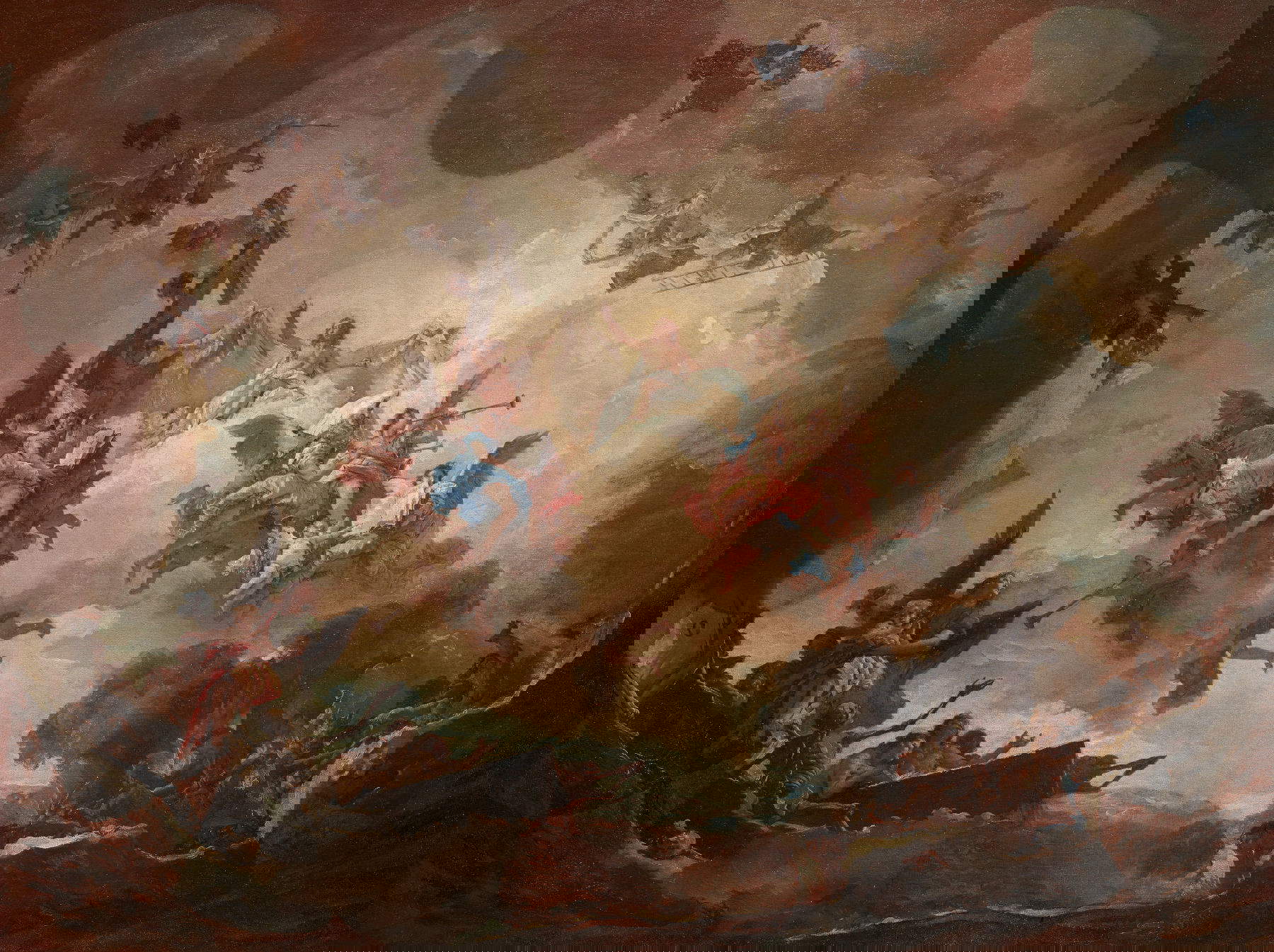
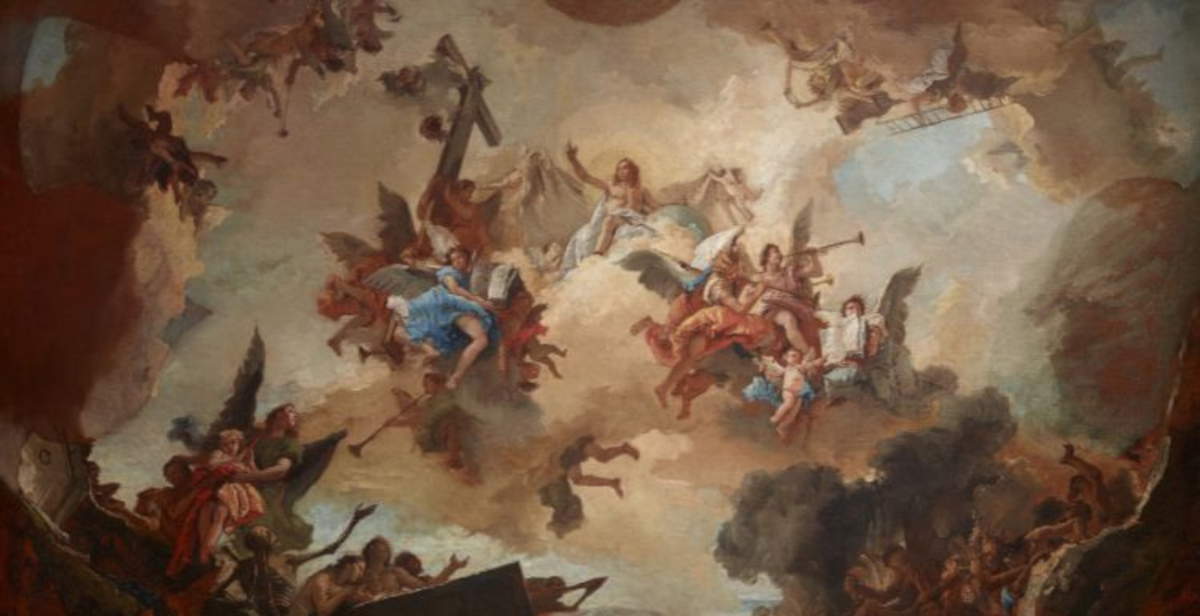
The exhibition continues with Giambattista Tiepolo, the last great interpreter of European monumental decoration, whose work is part of a nucleus of eighteenth-century Venetian painting present at Casa Museo Zani, comprising twenty-three canvases including Canaletto, Marieschi, Bellotto, Guardi and Longhi. On display are The Last Judgment, from the Intesa Sanpaolo collection, and Bacchus and Ariadne from the Zani Collection. Both works constitute preparatory sketches for fresco cycles now lost or never completed, and illustrate Tiepolo’s methodology in conceiving large ceiling compositions for palaces in Venice, Milan, Würzburg, and Madrid. The Last Judgment, datable to the mid-1840s, represents a ceiling decoration project that was never completed. The scene unfolds in a double sphere, divine and human, where light plays a key role: bright tones characterize the upper part of the sky, while blacks and darks delineate hell, populated by demons, serpents and mangled human figures, amid skeletons and tombs that recall the hope of eternal life. The canvas was first published as a sketch by Tiepolo in 1933 by Ettore Modigliani, who documented its presence in the collection of Alessandro Poss of Intra.
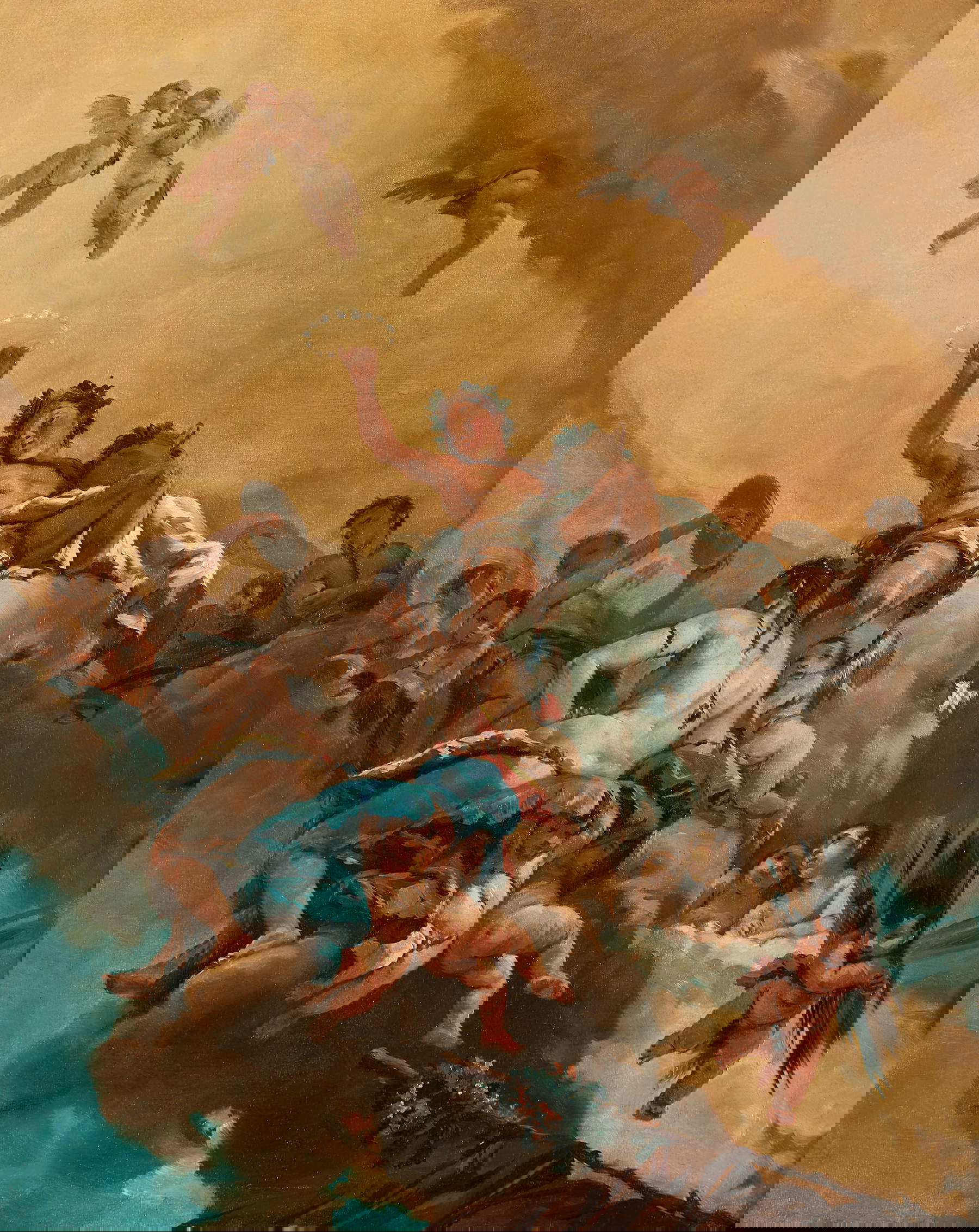
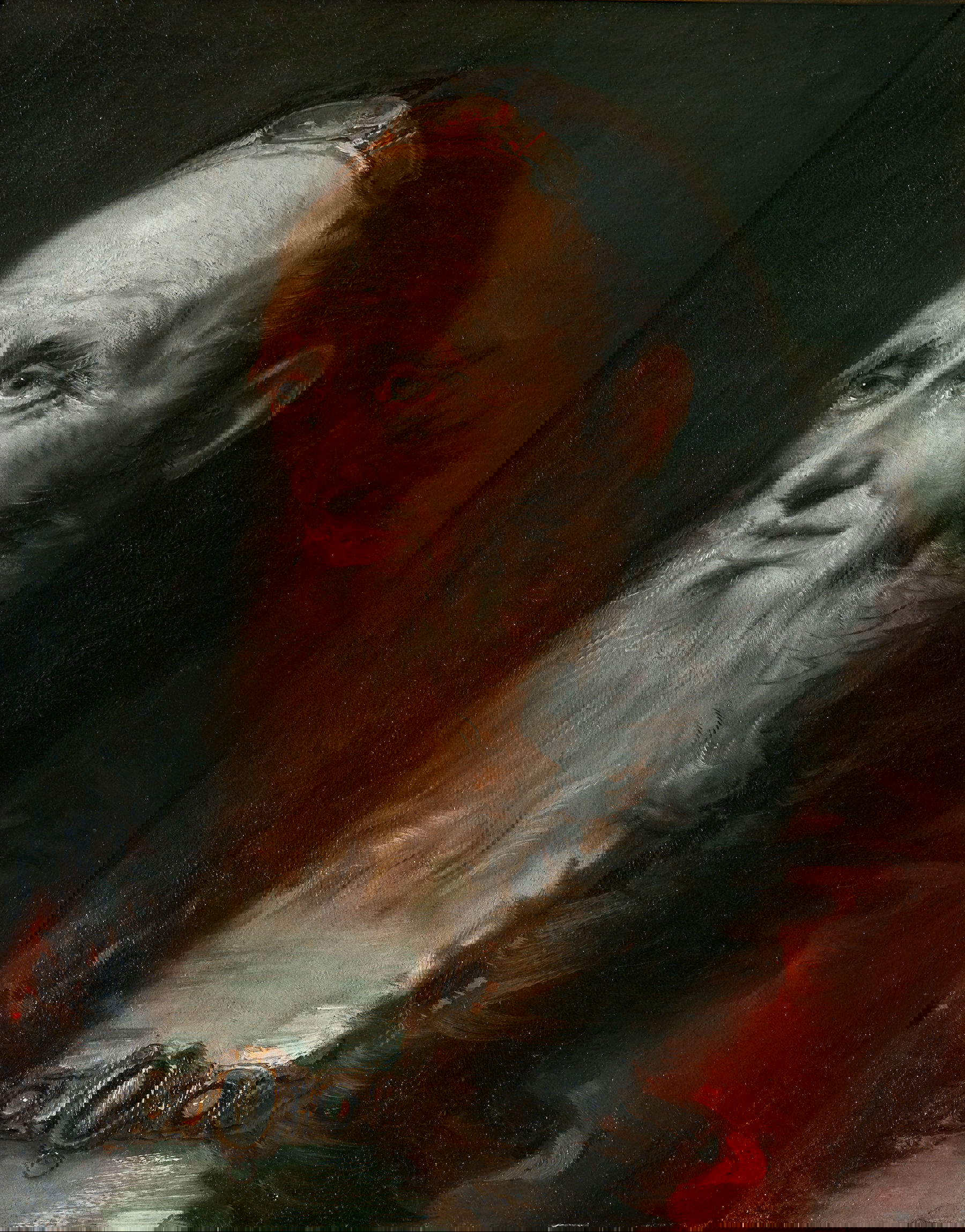
Bacchus and Ariadne, displayed in the Salone dell’Ottagono, is framed in an 18th-century Venetian frame and depicts the myth narrated by Ovid: Bacchus offers Ariadne a golden crown, later transformed into a constellation. The work, attributed to Tiepolo by Eduard Sack in 1910 and confirmed by subsequent studies by Morassi, Pallucchini and Pedrocco, dates from the early third decade of the 18th century, just after the frescoes in Palazzo Archinto and Palazzo Casati-Dugnani. The canvas, characterized by bold perspective foreshortening and rapid execution, is considered a preparatory sketch for an unidentified ceiling. Also in the Salone dell’Ottagono, the Portrait of an Elderly Man (1743-45), belonging to the series of Philosophers by Giambattista and his sons, also documented by sixty engravings by Giandomenico Tiepolo, is re-exhibited. The work, which passed through collections in Paris, South America, and Wildenstein, was studied by Antonio Morassi, who emphasized its neo-Rembrandtian character and its connection with the figure of an elderly man present in the Banquet of Antony and Cleopatra at the National Gallery of Victoria in Melbourne (1743-44).
 |
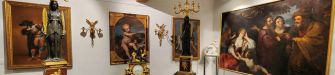
| Tiepolo and Pellegrini: Venetian light on display at Brescia's Casa Museo Zani |

Warning: the translation into English of the original Italian article was created using automatic tools. We undertake to review all articles, but we do not guarantee the total absence of inaccuracies in the translation due to the program. You can find the original by clicking on the ITA button. If you find any mistake,please contact us.


























 IT
IT FR
FR DE
DE ES
ES CN
CN


