



by Gabriele Landi 29/01/2026



Categories: Interviews / Disclaimer
South Tyrolean artist Esther Stocker investigates the fragility of perfect systems through geometries that challenge the gaze and perception, transforming order into emotional and social experience. In this conversation with Gabriele Landi, she tells us about her art.
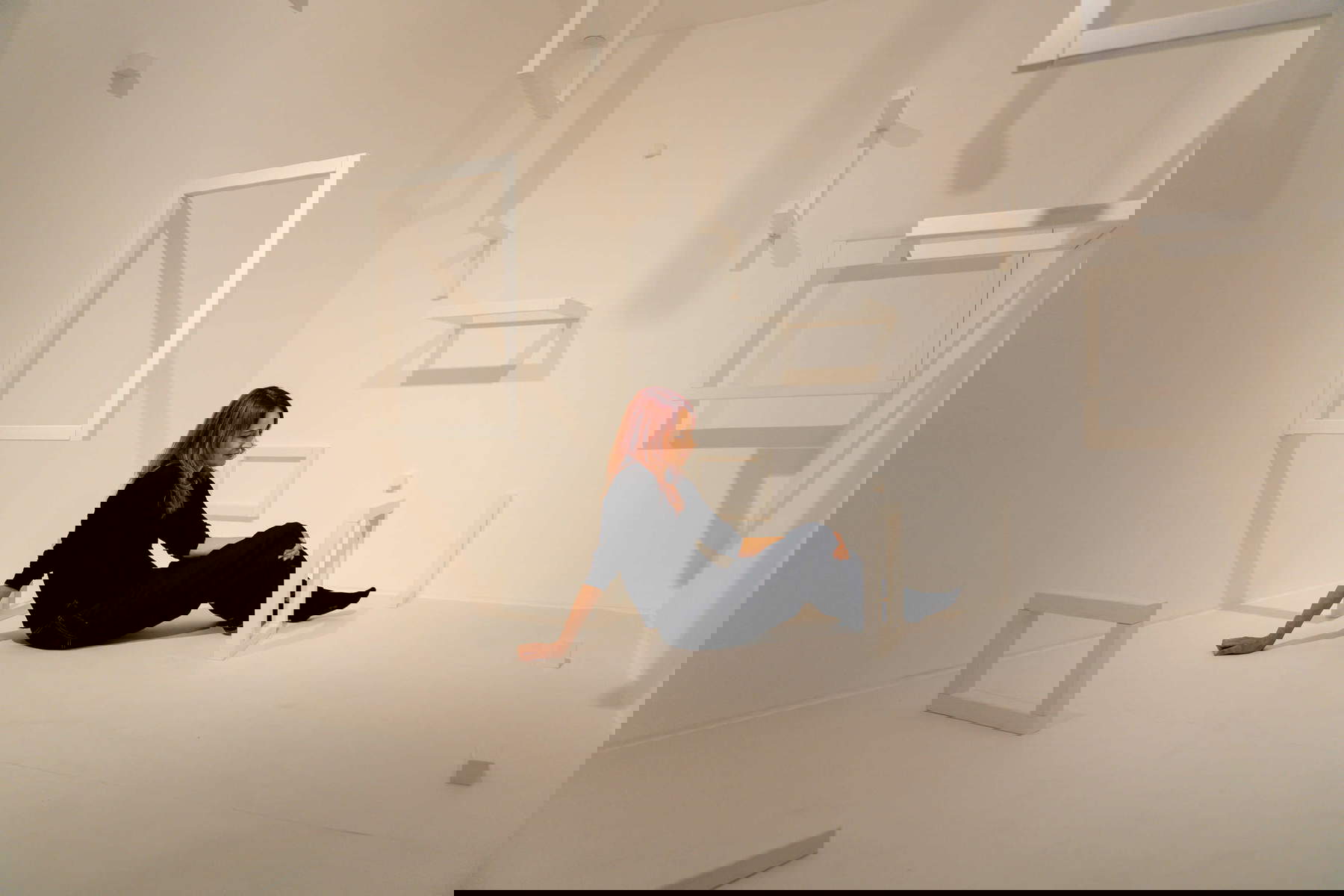
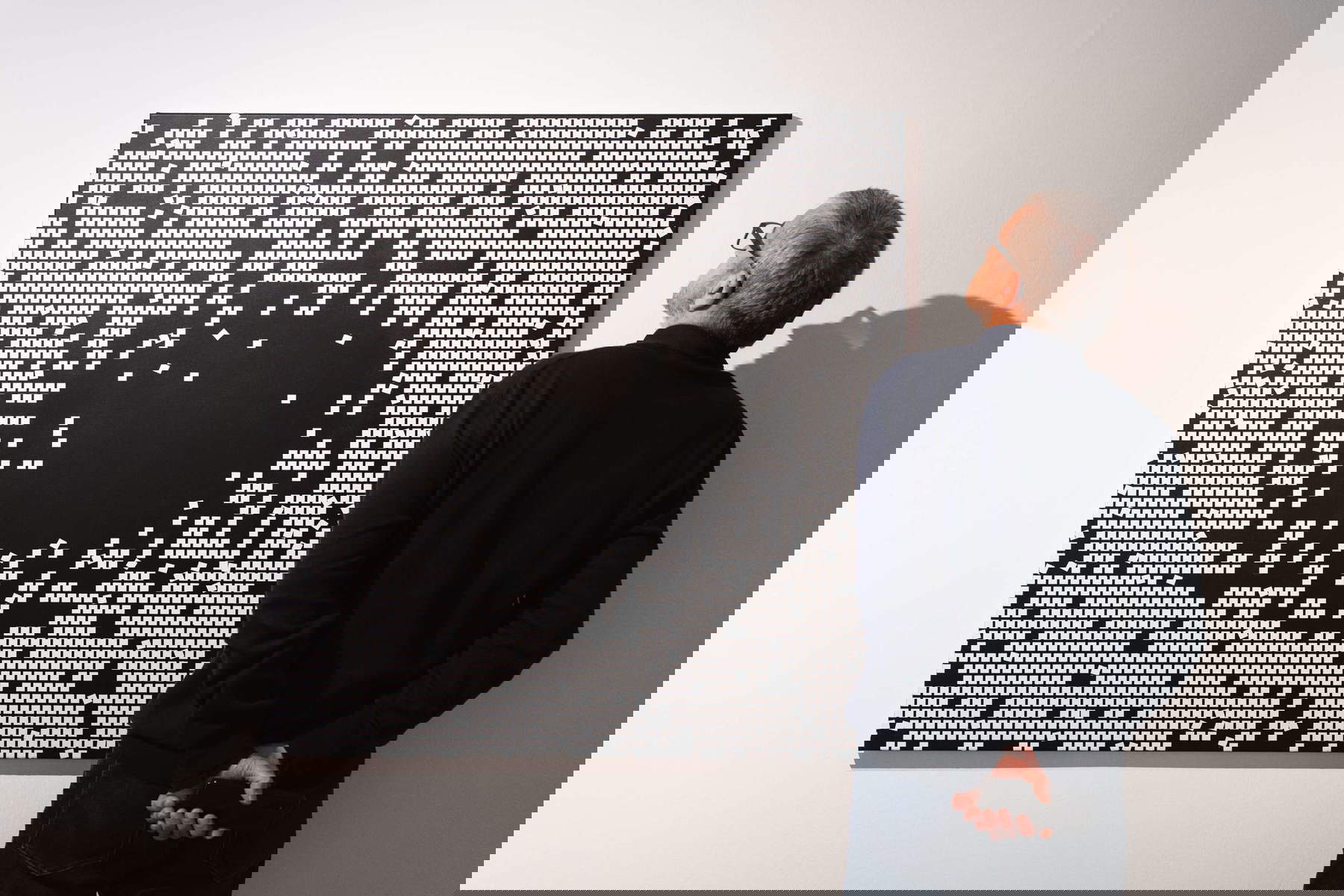
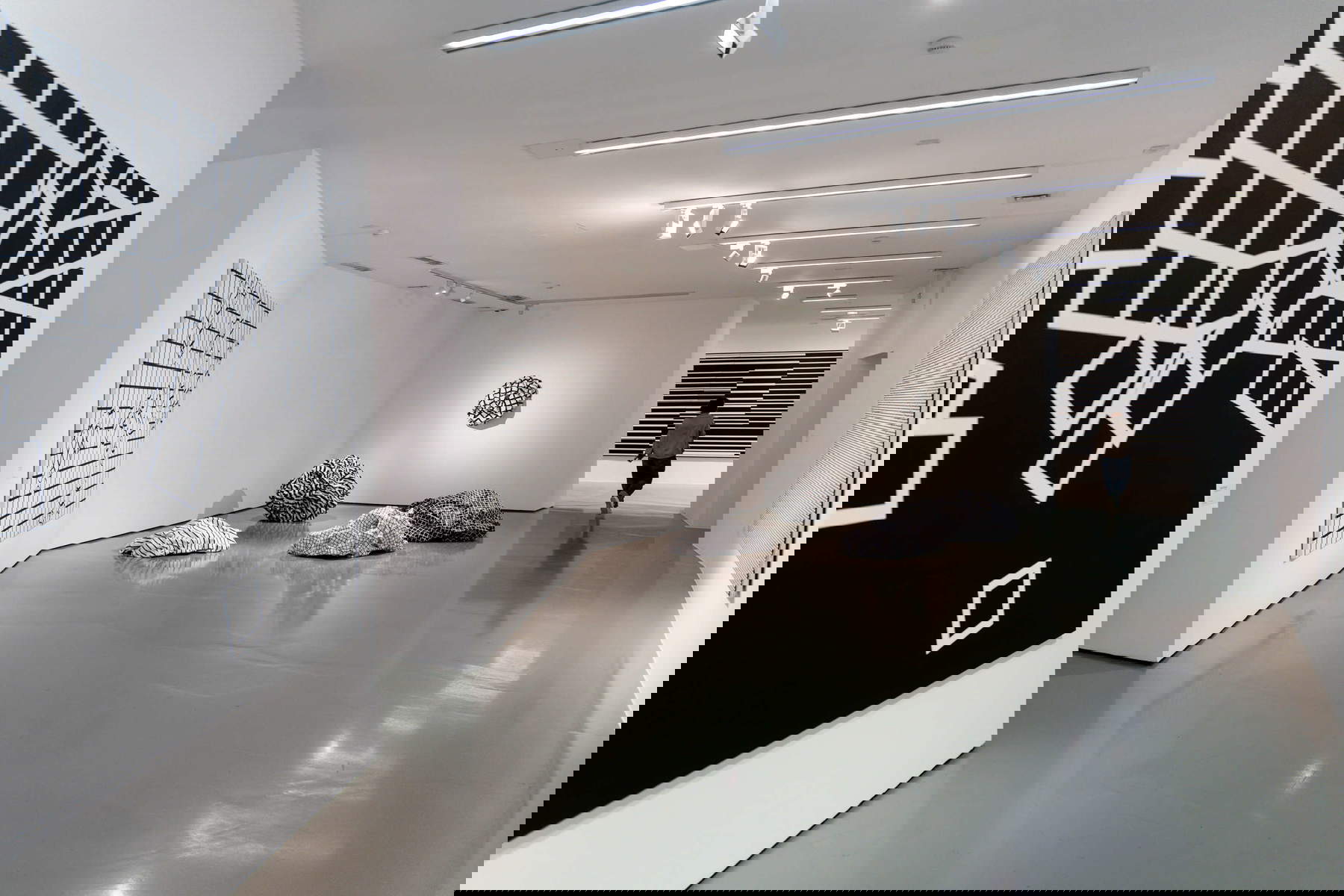
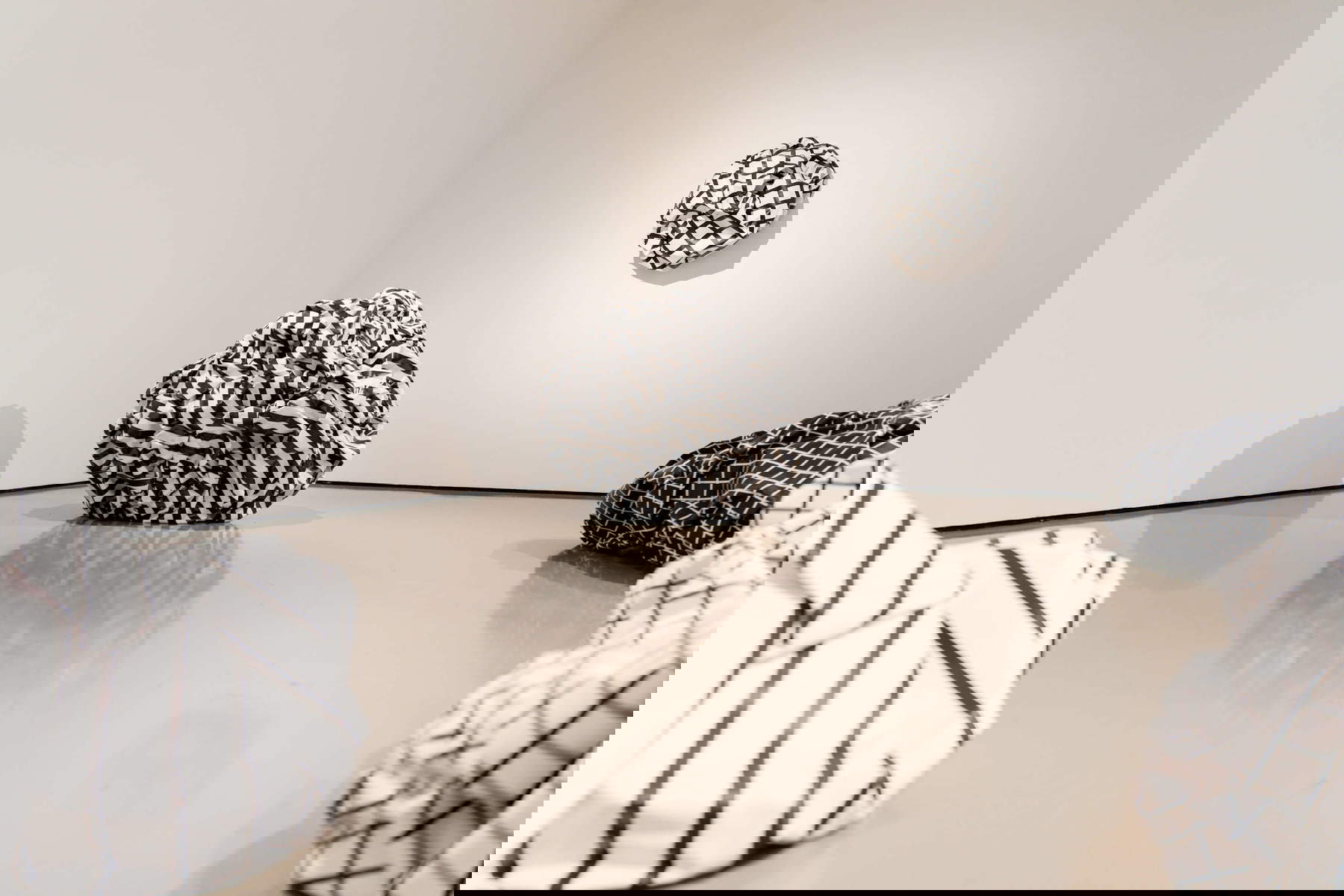
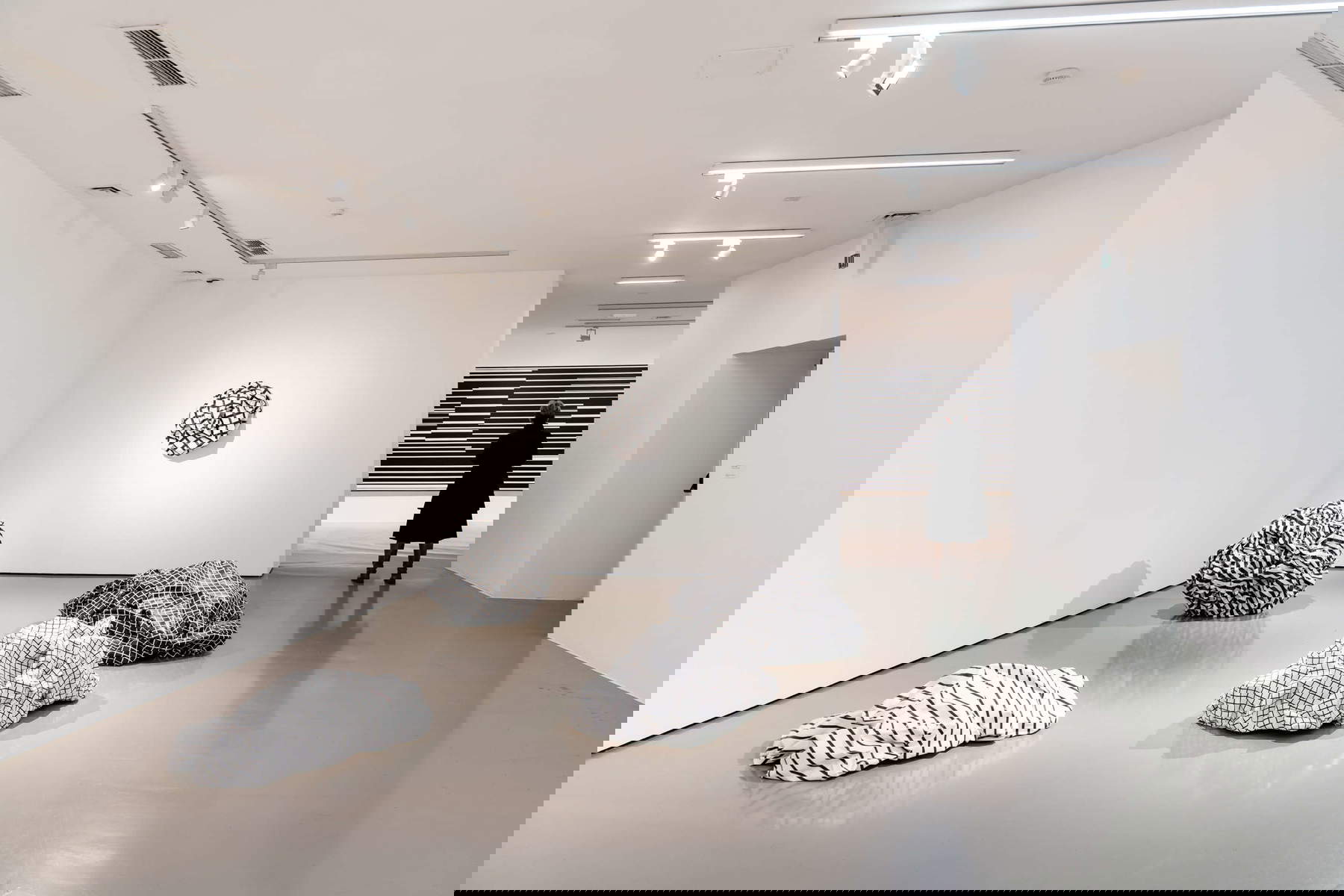
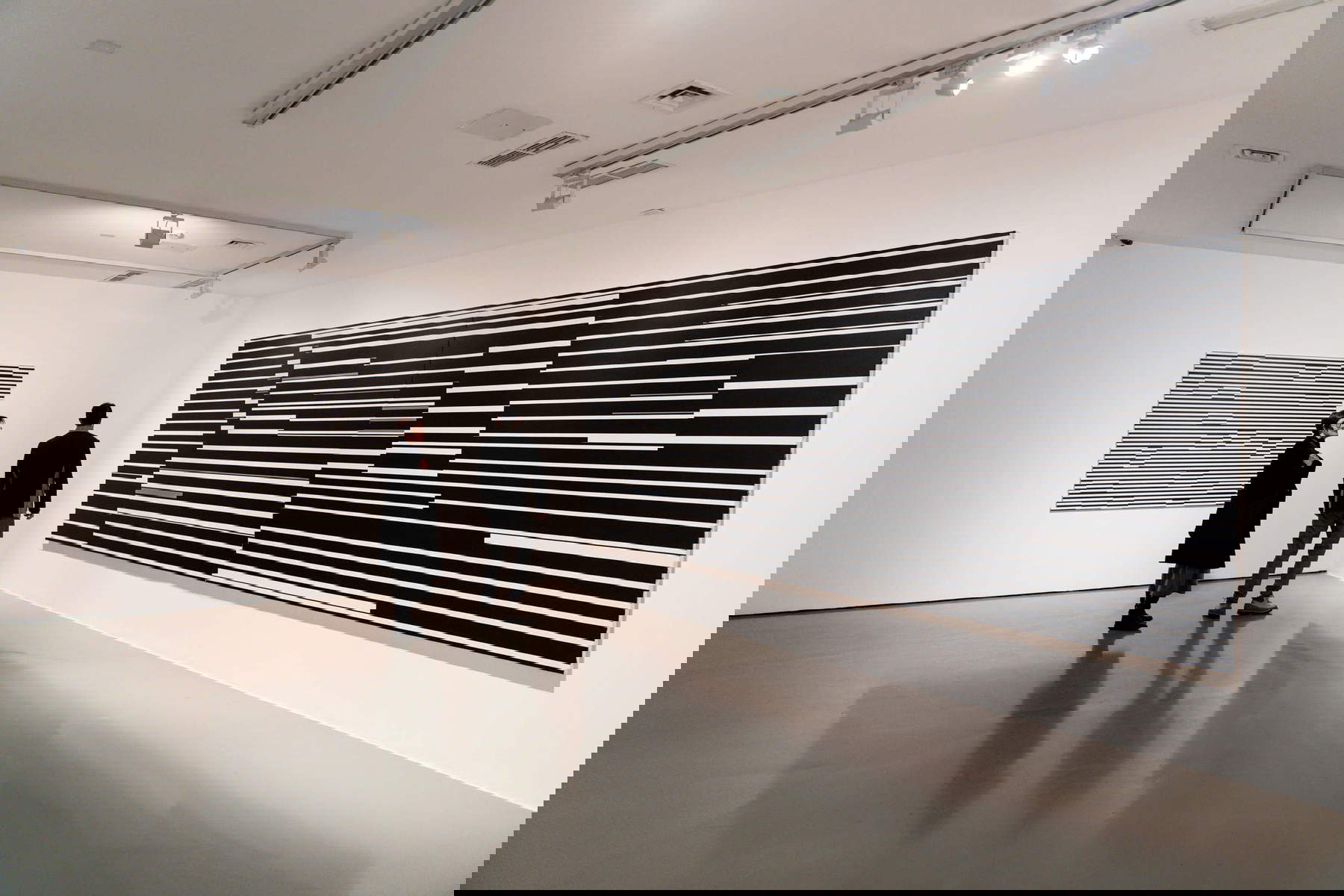
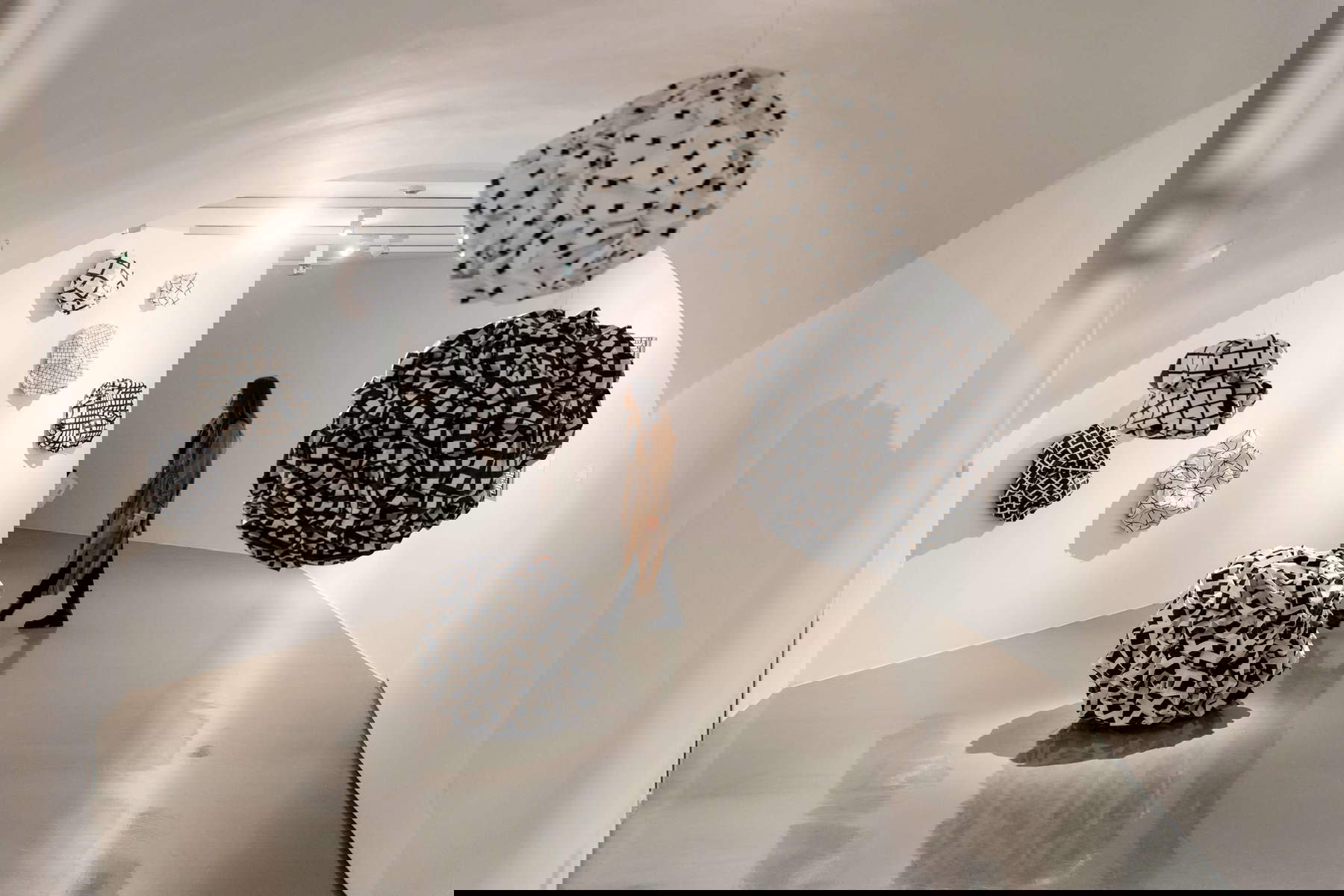
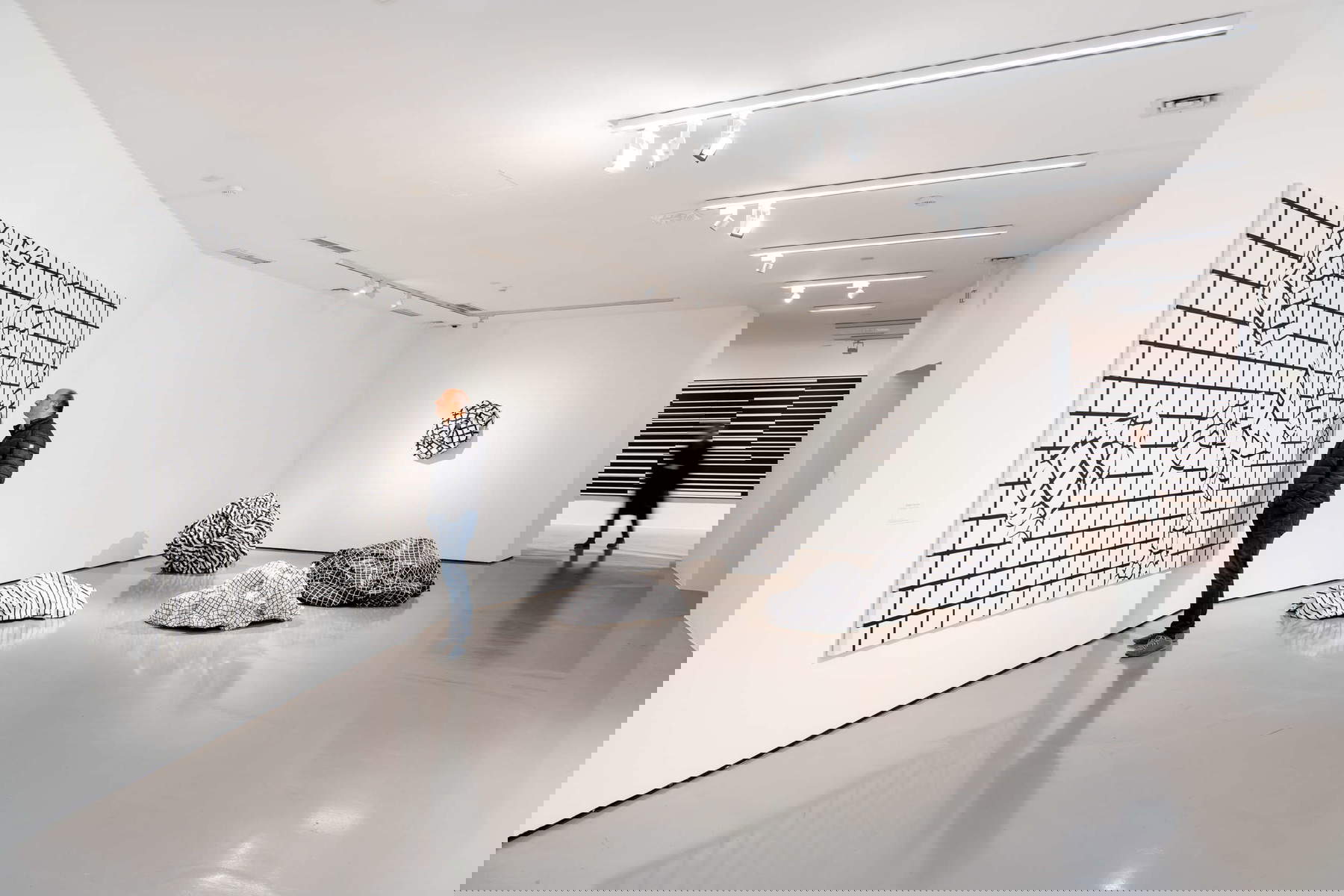
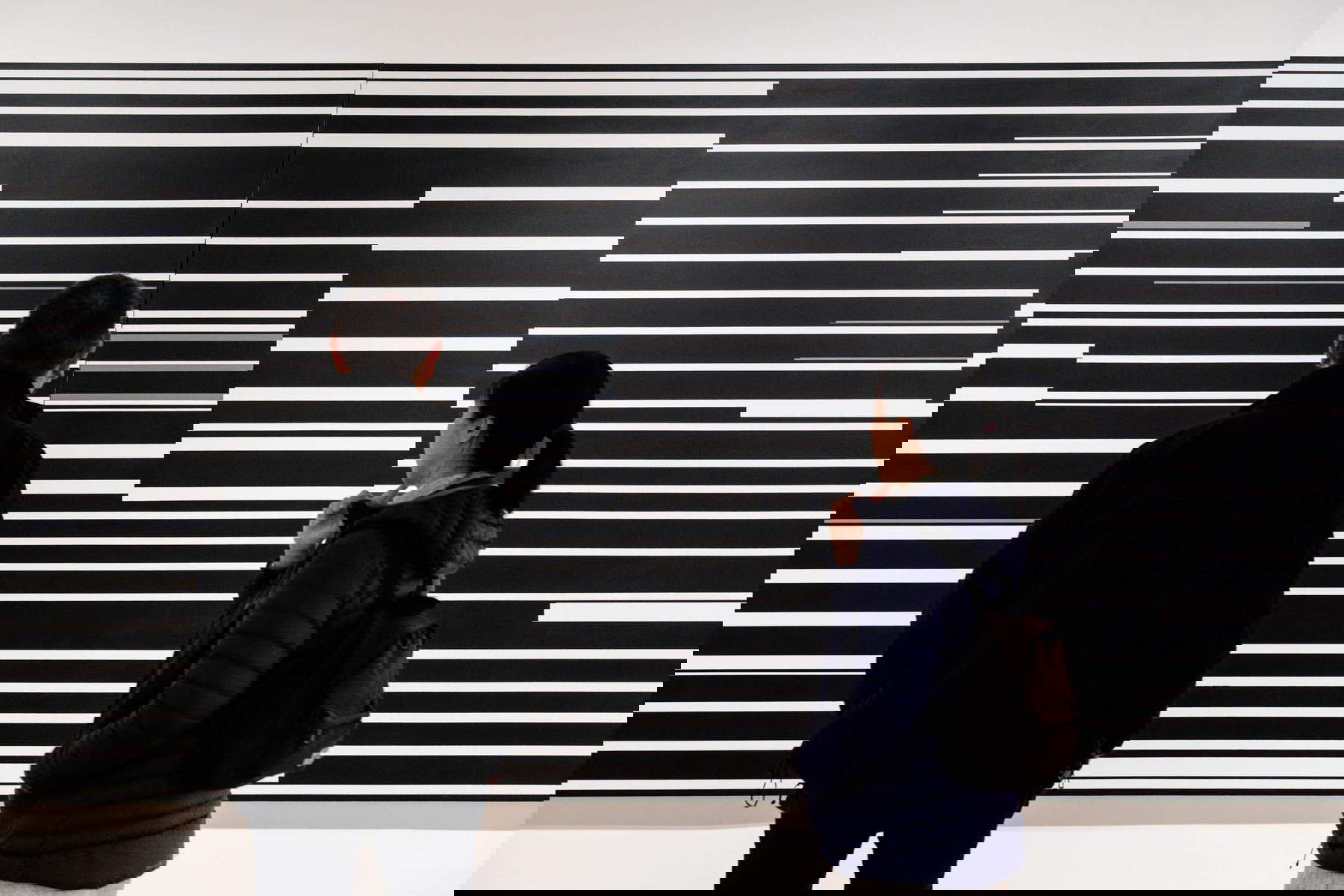
Raised between rigor and imagination, Esther Stocker (Silandro, 1974) has constructed an artistic research that puts order and instability, system and deviation in tension. Active for years in Vienna, the South Tyrolean artist moves between painting, installation and intervention in public space, using an abstract and geometric language reduced to the essential: white, black and gray. Her works transform painting into environment and space into perceptual experience, questioning the gaze and its automatisms. Through repeated modules and subtle aberrations, Stocker reveals the imperfection inherent in every seemingly perfect system. In this interview, Gabriele Landi traces with the artist the roots of his training, the role of drawing and geometry, the relationship between art and society, to a broader reflection on beauty, understood as a shared space of truth, vulnerability and freedom.
GL. For many artists, childhood corresponds to the golden age, the one in which images and processes begin to settle that somehow become valuable for later developments. Was that the case for you as well?


ES. Yes of course! Playing, experimenting and discovering are definitely the coordinates that starting from the magical experience of childhood led me to the desire to build a life for myself by founding it on these precious actions. Combining artistic practice directly with the honesty of childhood, or at least toward the desire to try to go down this road. I also consider the ability to imagine, one of our most important qualities, which certainly finds its foundation in childhood. Sometimes as a child we wake up with an important mission to accomplish during the day: for example, building a giant paper boat, digging a hole that goes across the earth, or drinking all the water in a lake. What else is the day for? It is basically no different from what an artist does, failure included. I think we should all try to cope with life without losing childlike curiosity, imagination and confidence in a quick and easy turn for the better. Thinking about these current times, I also long for childlike disobedience to stupid and destructive authorities, to tell the truth.
What studies have you done?
I studied Painting and Graphics at the Academy of Fine Arts in Vienna. I also spent time studying at the Brera Academy in Milan and at the Art Center in Pasadena, California.
Were there any important encounters during your formative years?
In high school I was fortunate to have Jakob De Chirico as a professor, and in Vienna, on the other hand, there was Eva Schlegel who was an inspiration both as an artist and as a teacher.
How come you work exclusively with white, black and gray?
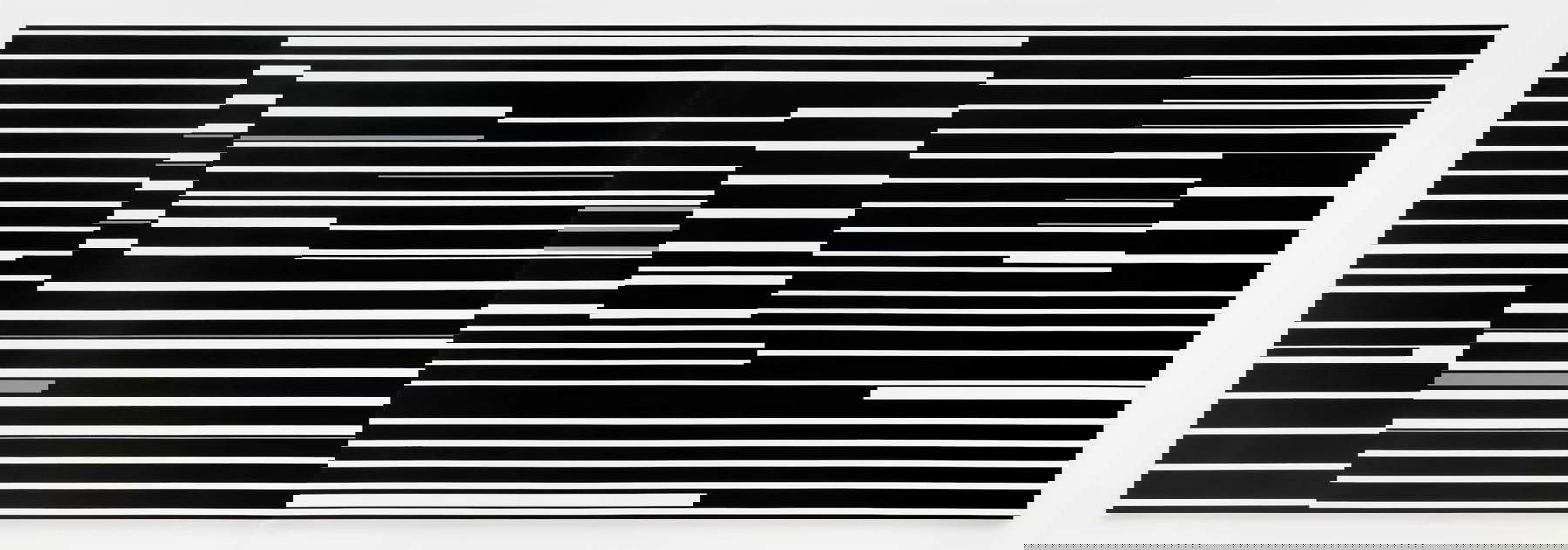
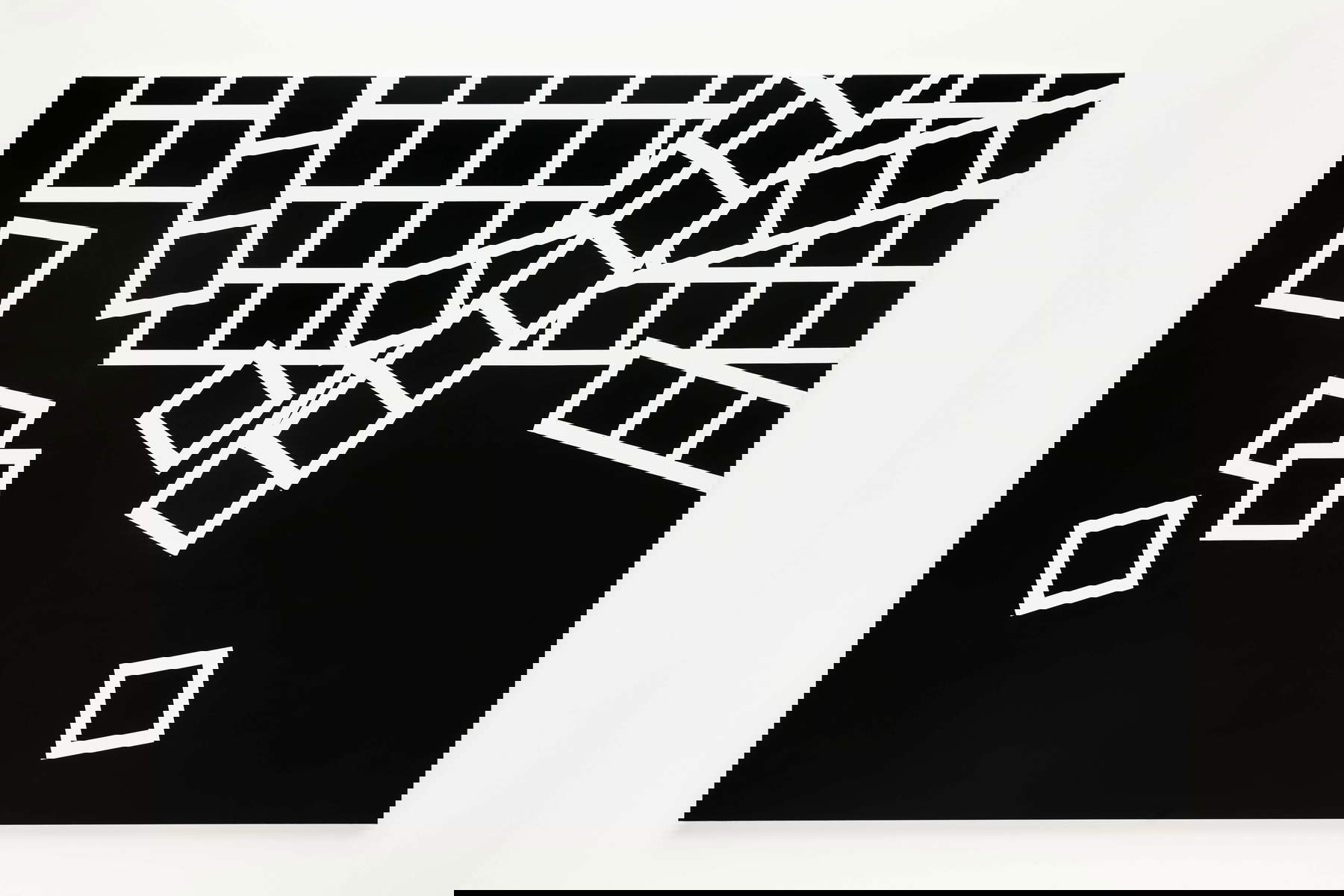
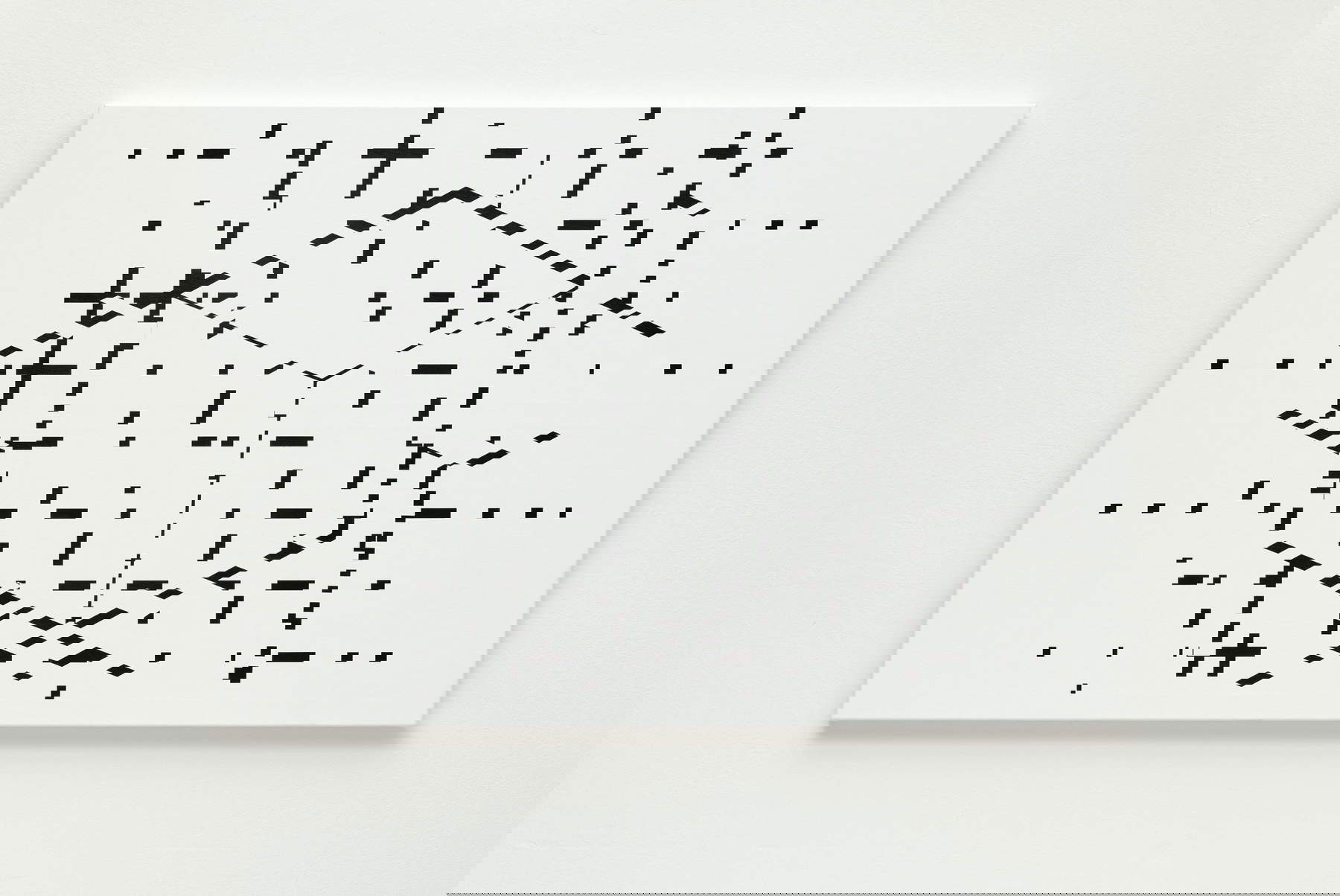
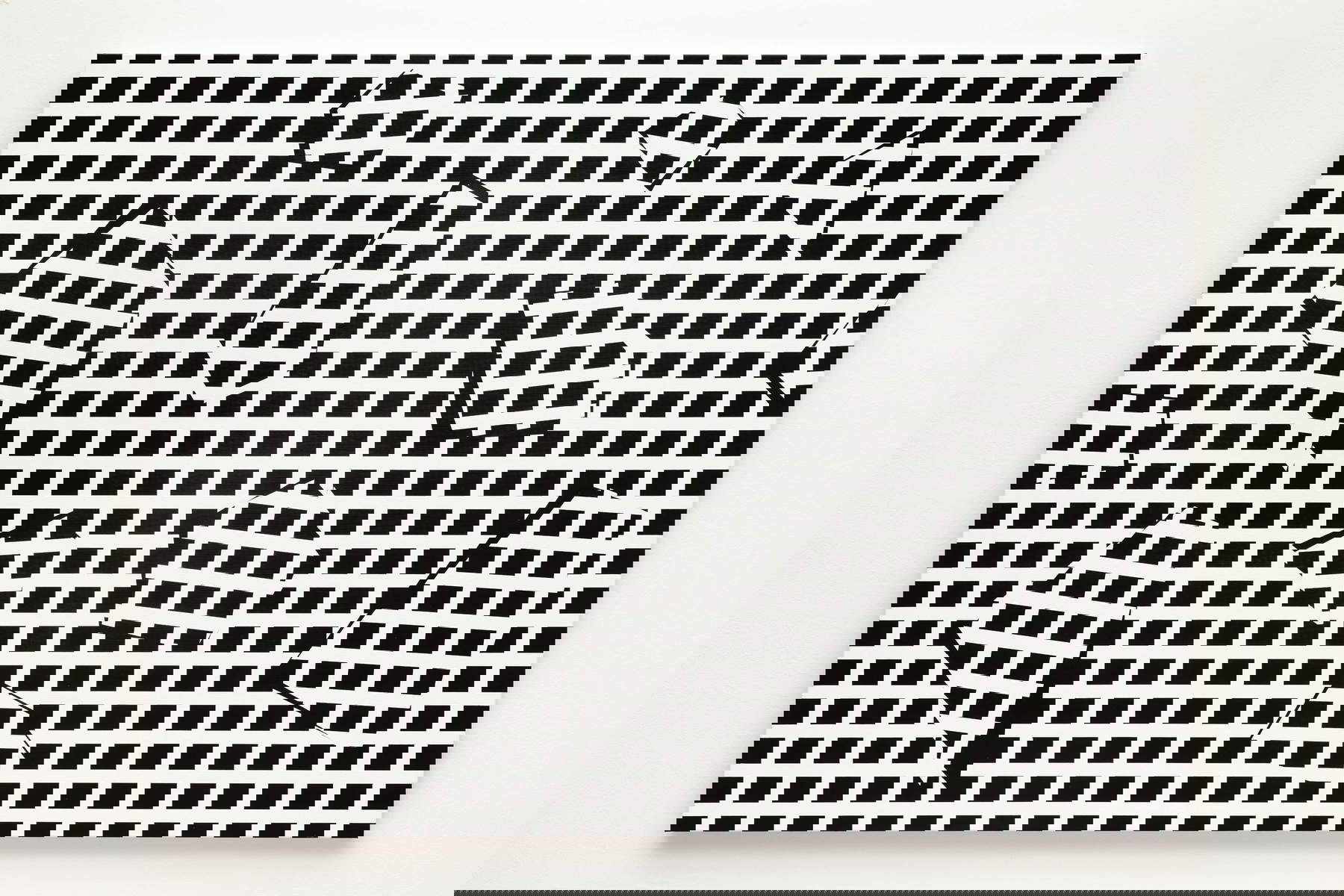
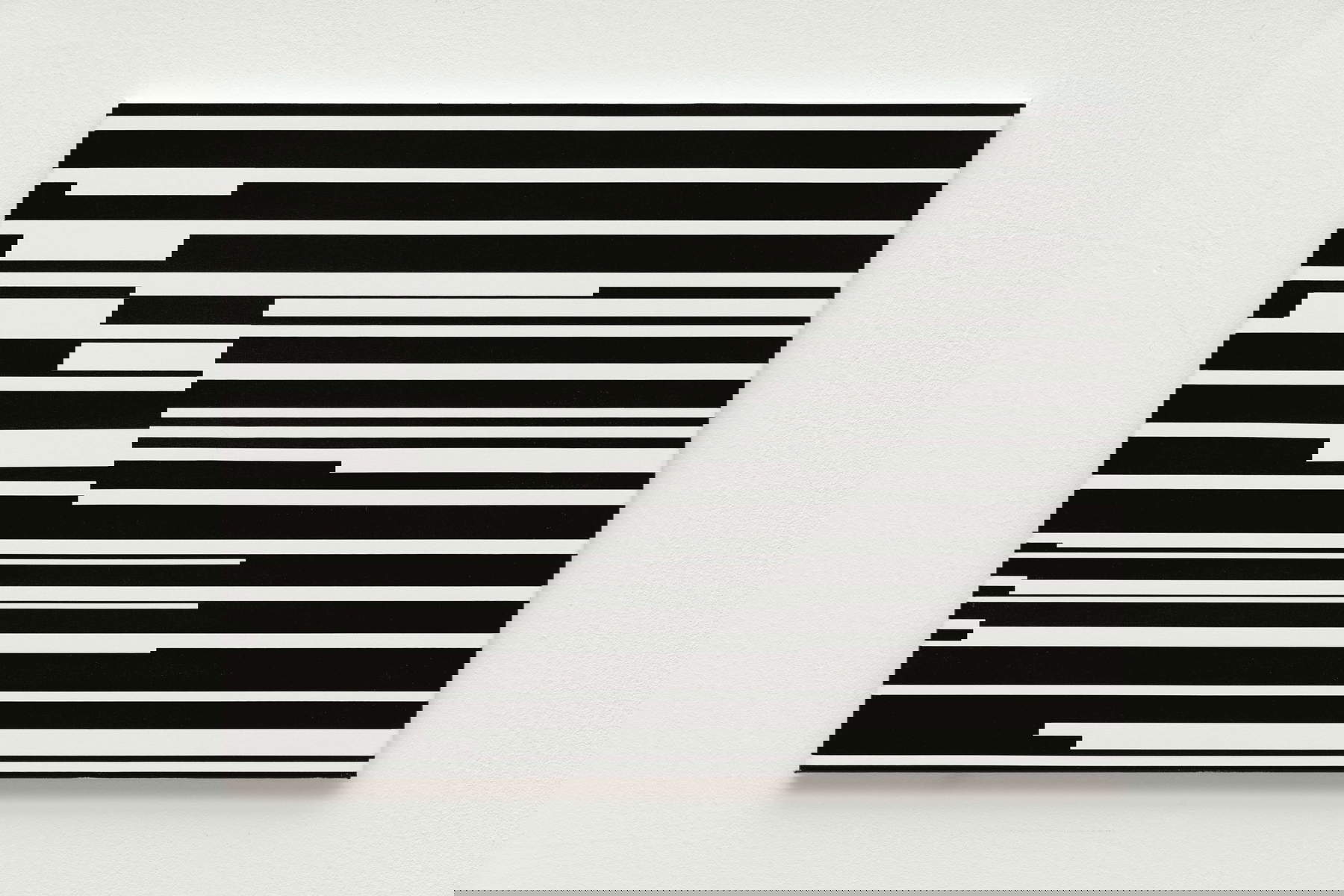
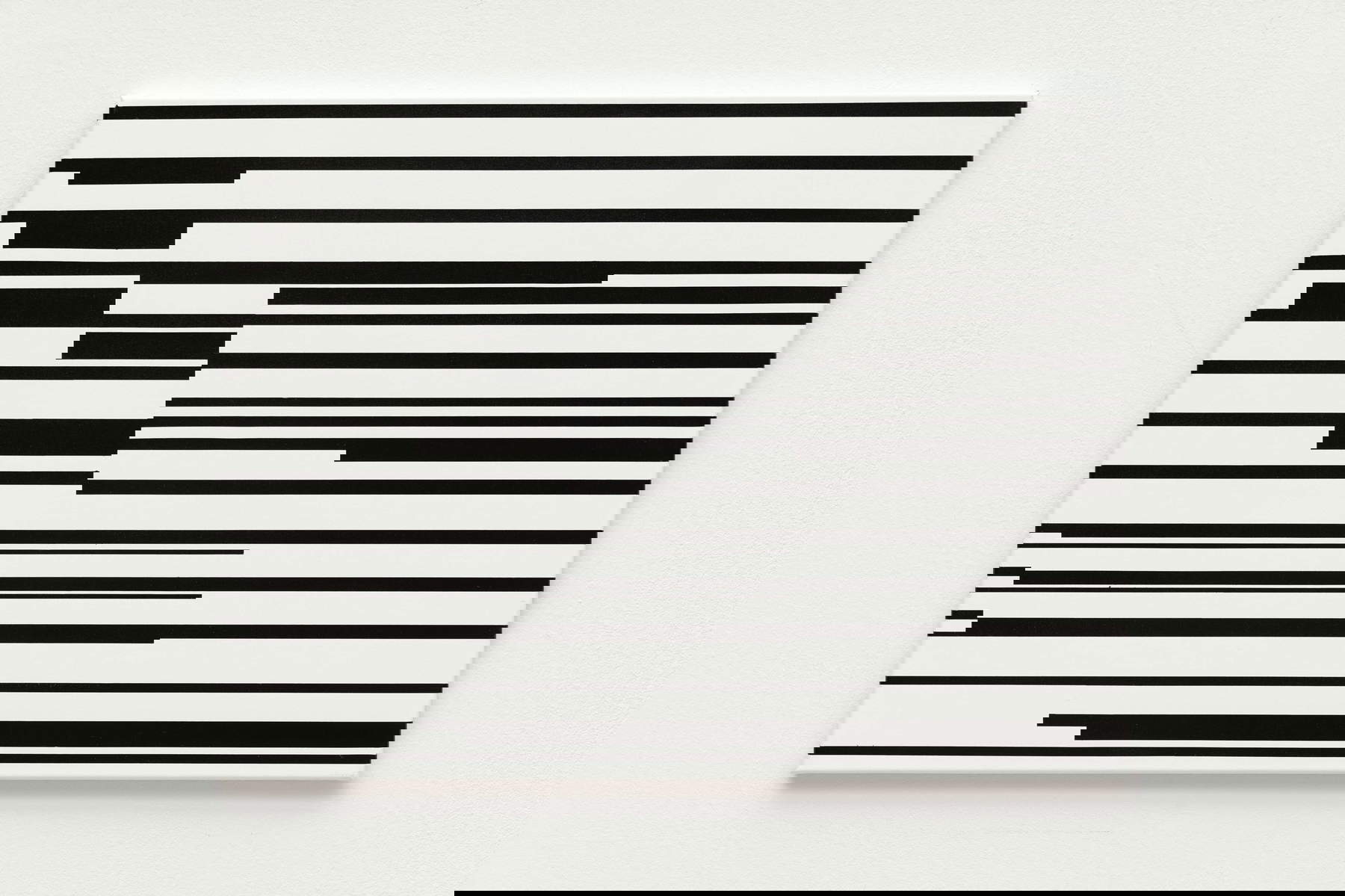
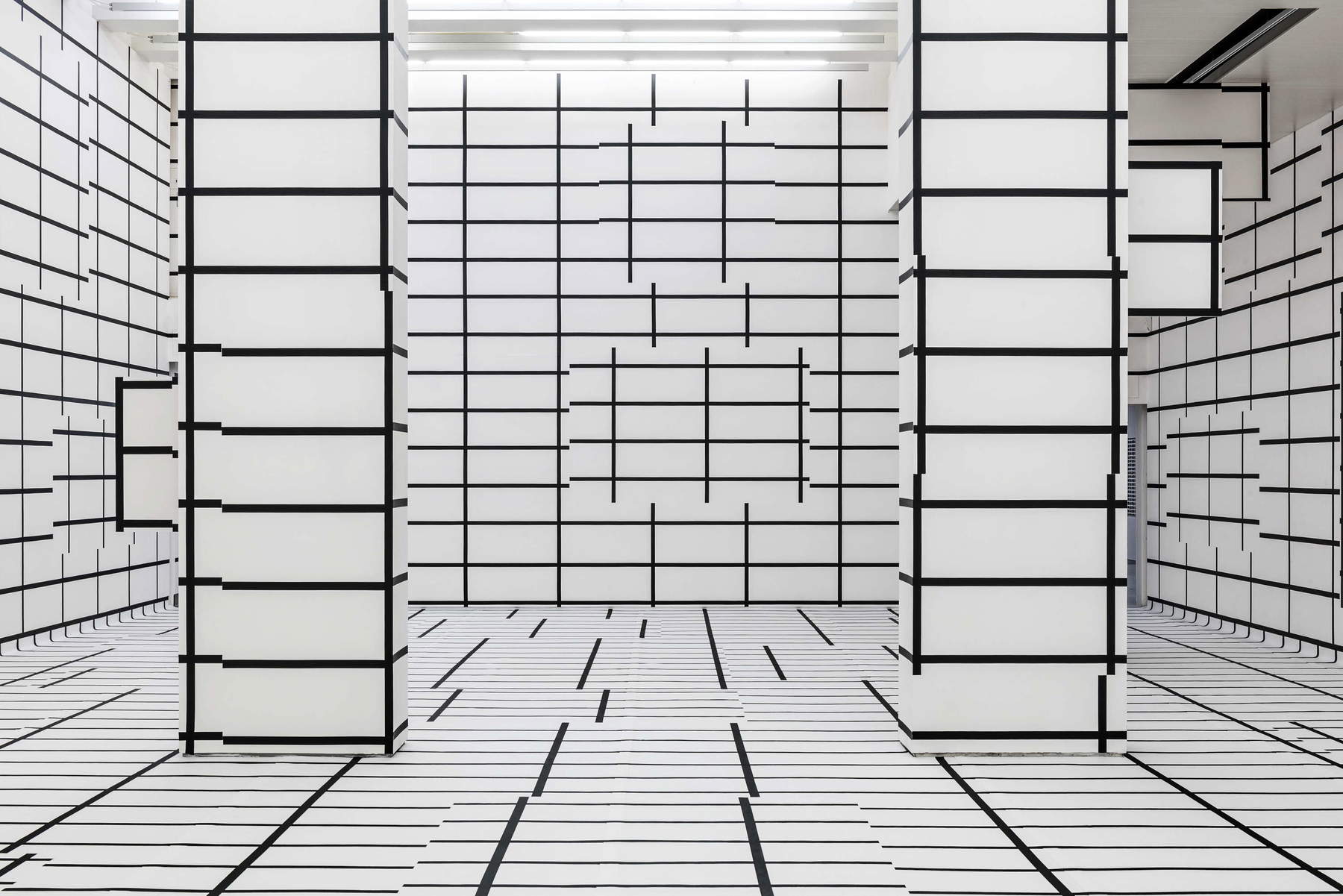
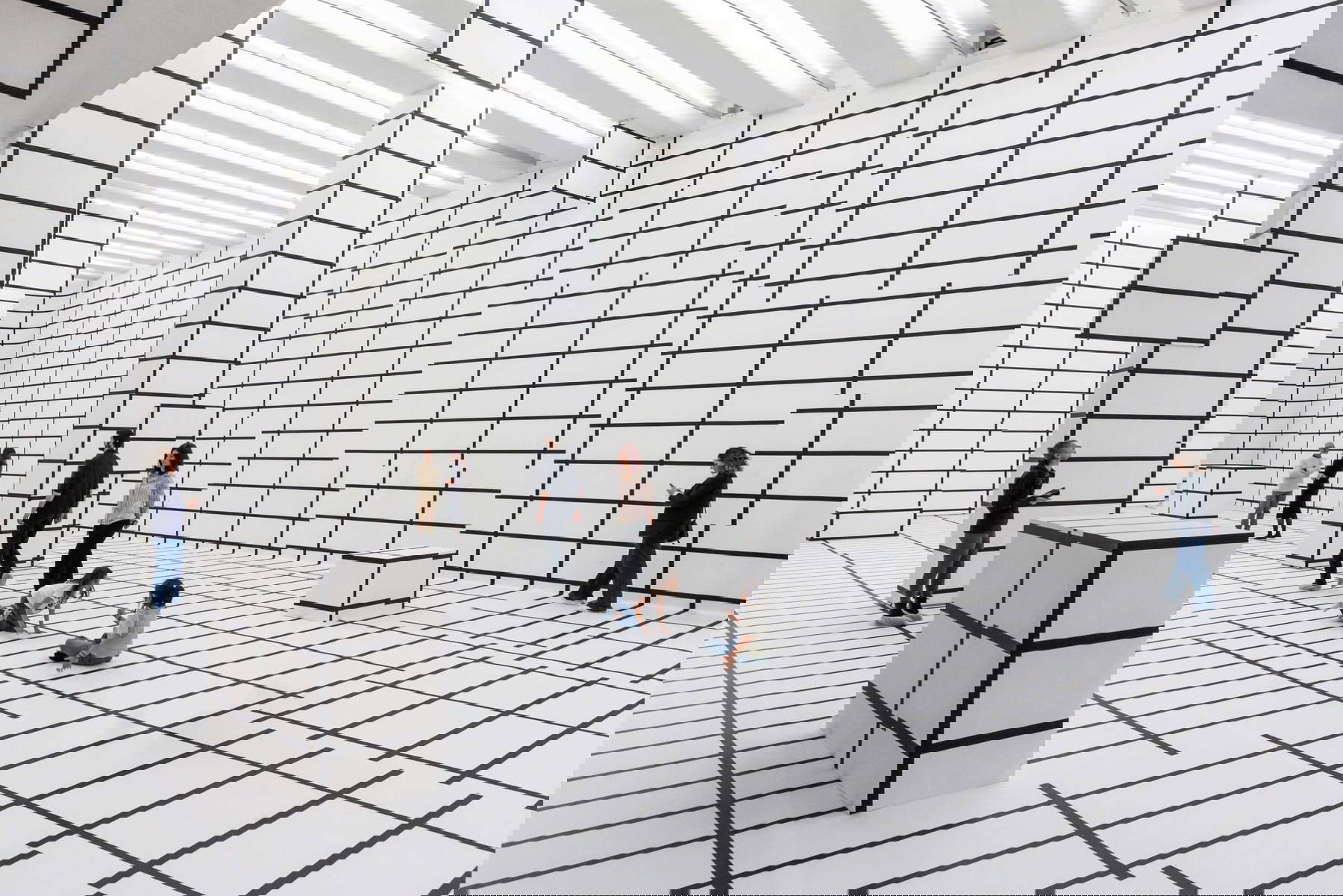
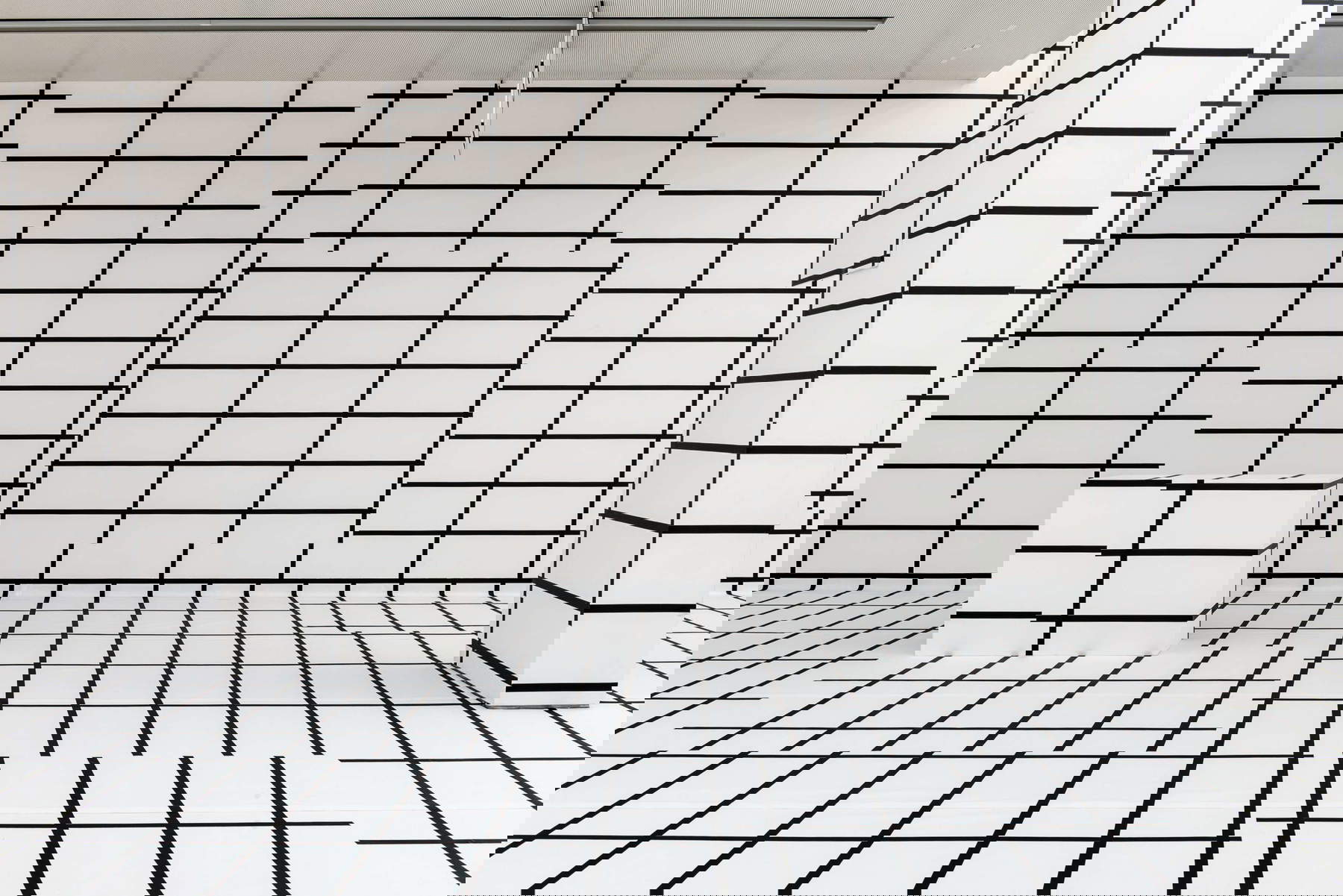
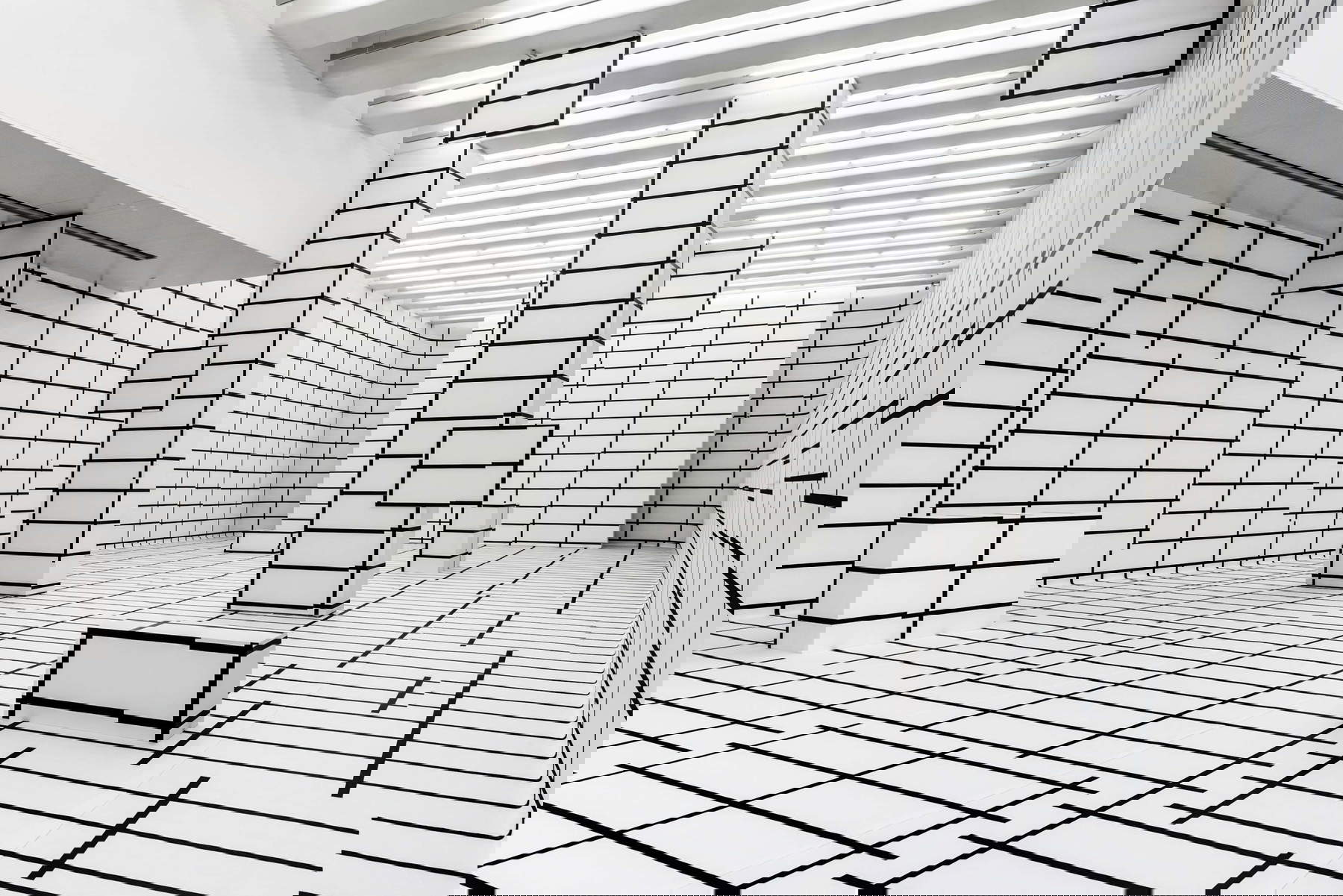
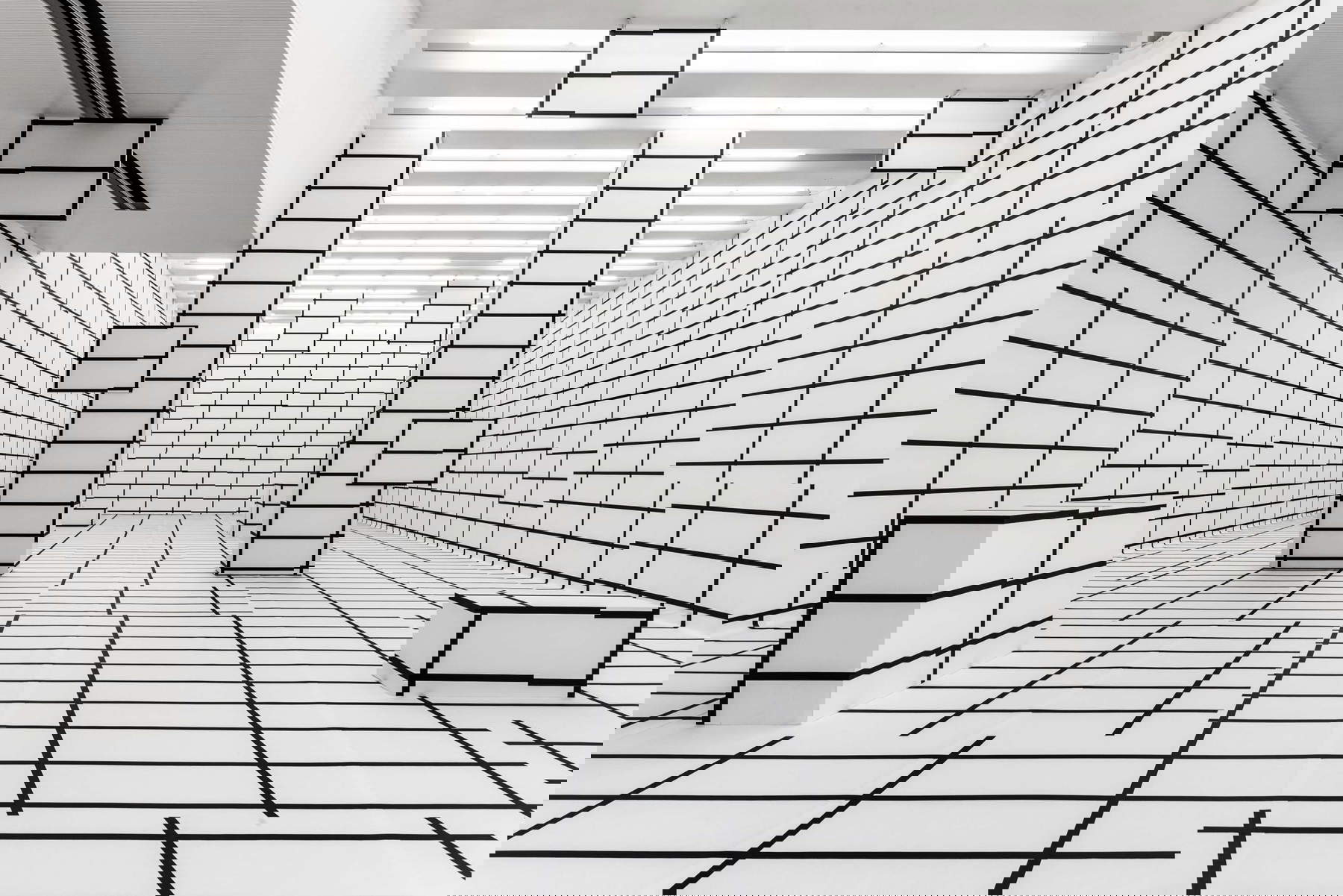
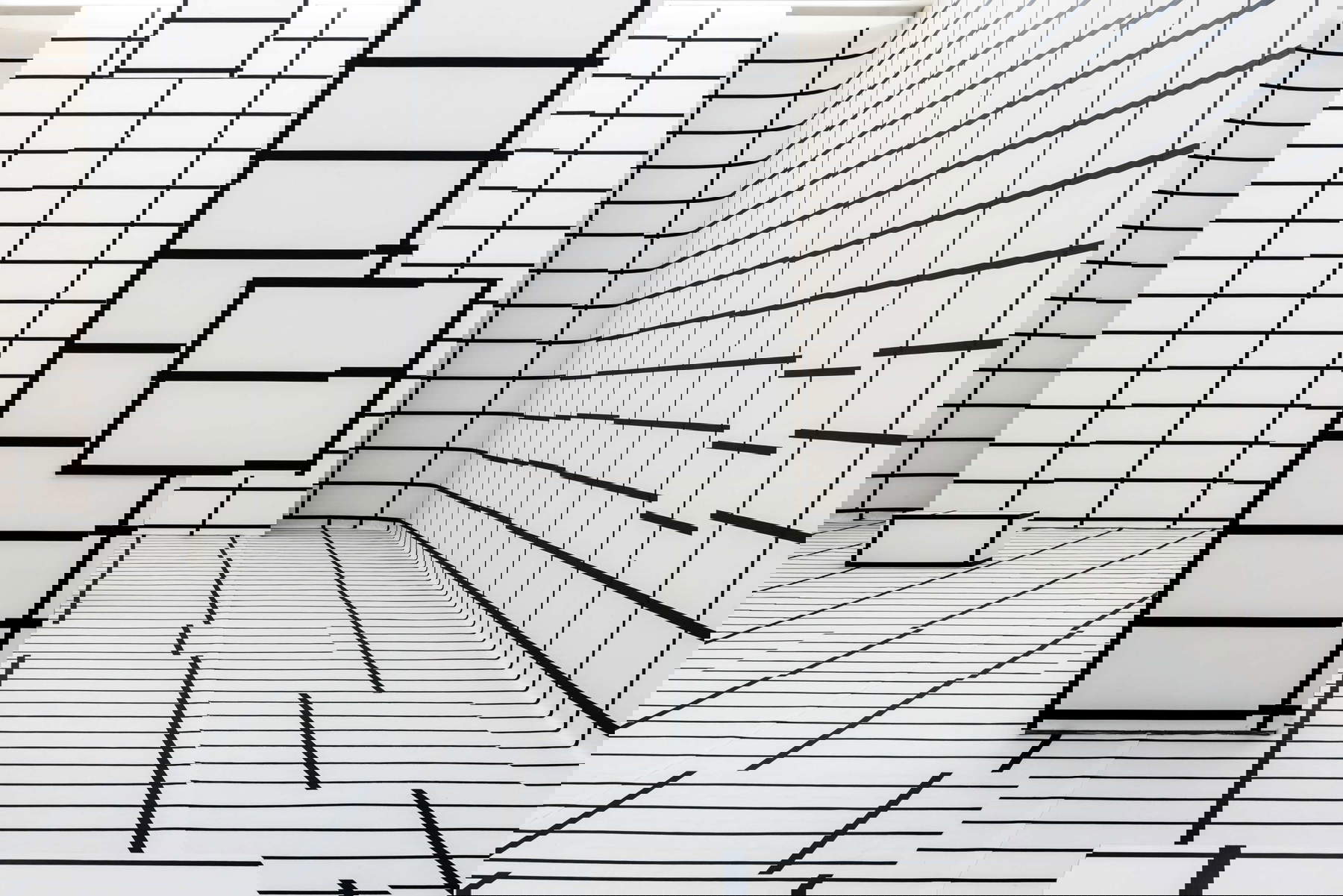
I am mainly interested in formal aesthetic things, in the relationships between various forms and a reduction: in my opinion the relationships can be seen best in the high contrast of black and white. It is a way to distinguish, to separate things, to better understand and then in fact approach them . Perhaps it is precisely the desire to get closer to one another, one thing to another that leads us to abstraction and reduction. A method of separating in order to get closer. With The World is Considered in the Shade, I quoted the title of a book by Domenica Papa, for an installation work at the exhibition currently being held at the Trento Civic Gallery. I think our considerations and reflections on relationships often belong to a world without color.
Does drawing have an importance in your work?
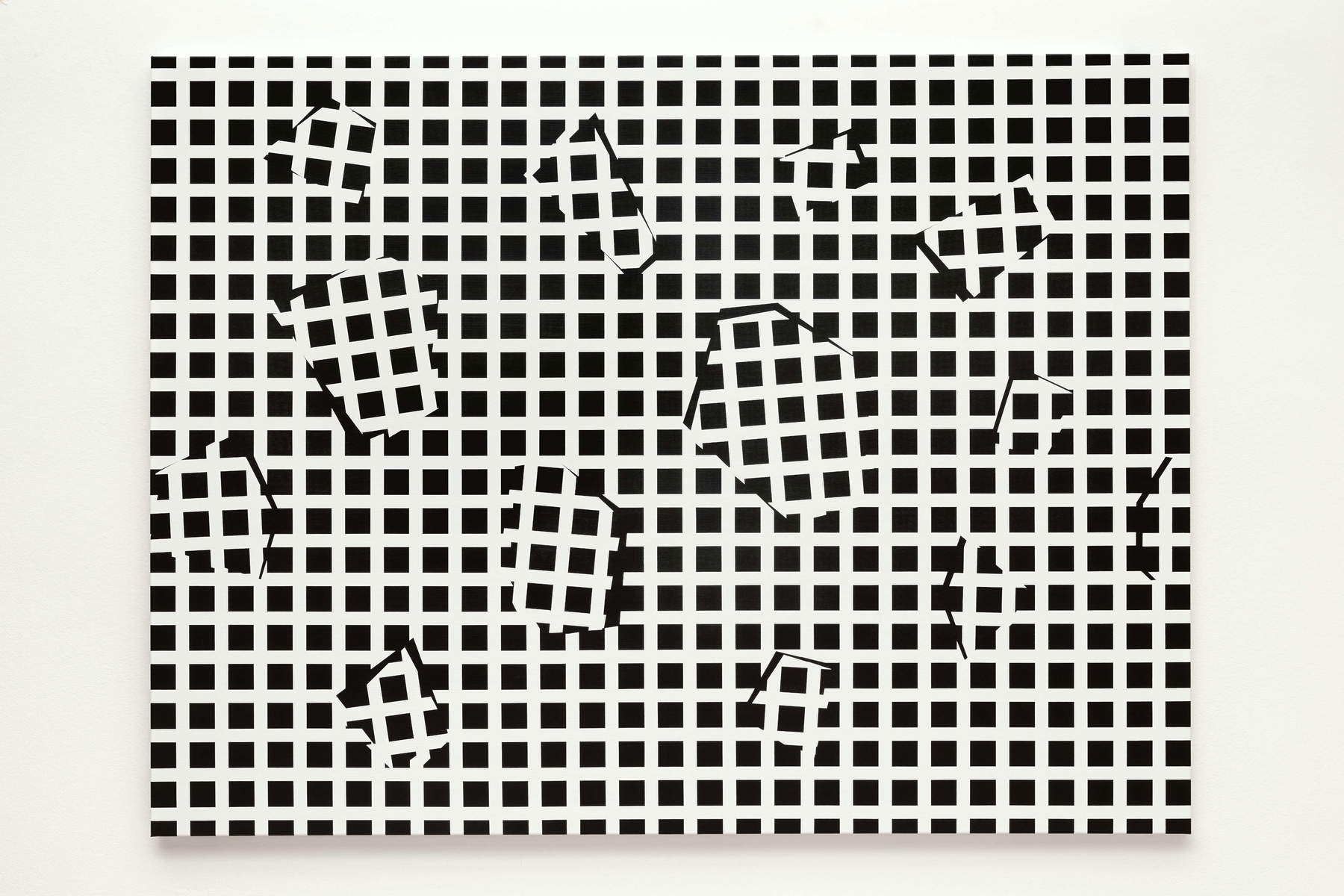
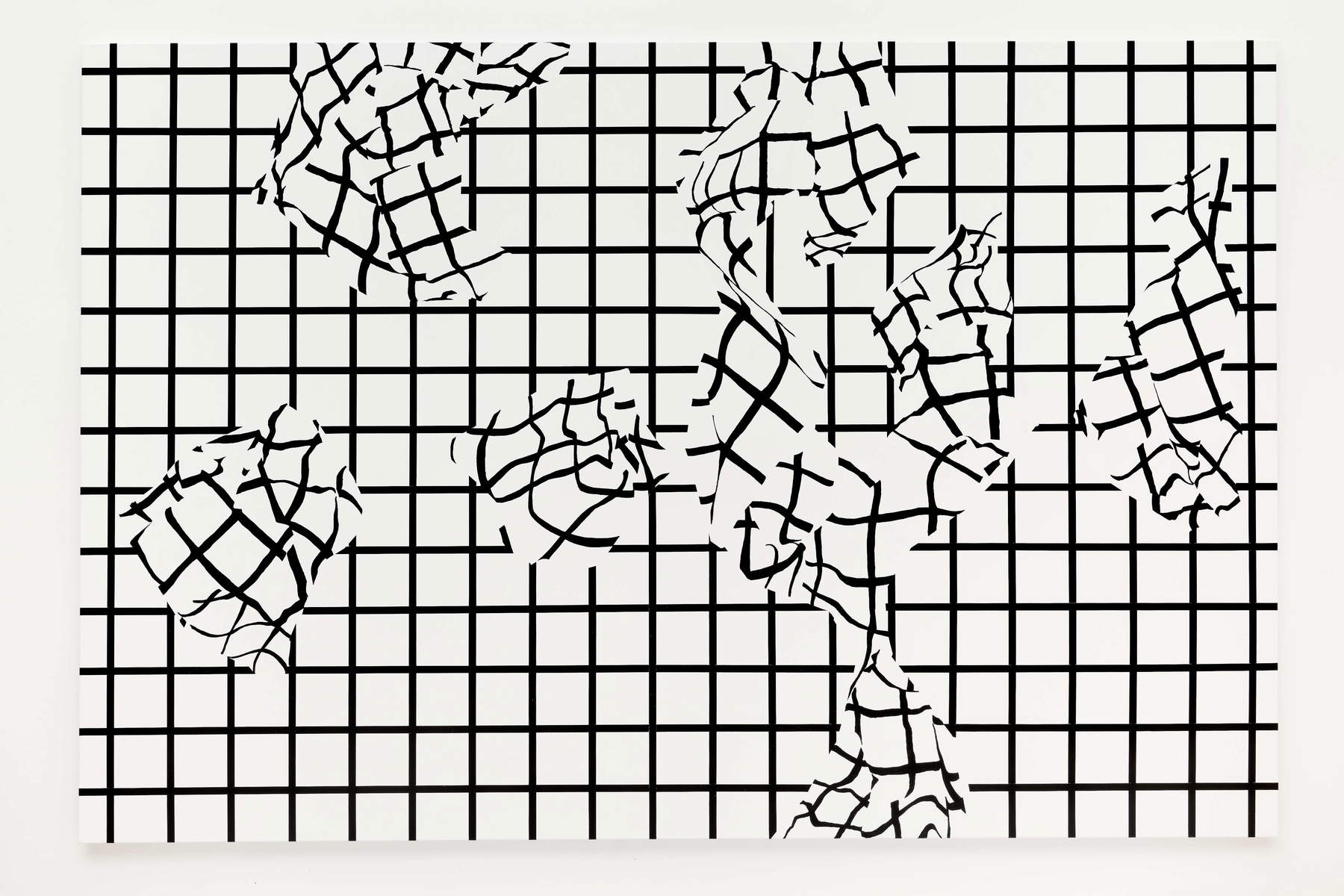
Absolutely it does. It is a tool for reflection, and also a mathematical tool. Drawing allows us to measure ourselves as points in space. I think in this way also of technical, architectural drawing: in the end they are coordination systems for our limited human dimension. Drawing can allow us to go beyond the force of gravity. We can experiment and think with drawing and walk with lines, which express as structures our ability to imagine. Drawing can calculate, visualize sometimes even paradoxes, as in the case of Maurits Cornelis Escher. I think there exists in abstract art the idea of measuring our emotions. Shaping different needs of our existence, functional relationships and incomprehensible relationships, observations but also visions and desires.
The square is perhaps the geometric shape that recurs most in your work: why is that?
In recent years yes, initially I didn’t like the square so much, it seemed too absolute a shape, with too much egocentric, self-referential formal logic: I preferred the rectangle to it. Then I discovered that the square can be seen in other ways, and that its absoluteness and closed logic can serve as a contrast for my search for open logic. In truth, the square can be seen as an exceptional variation of the rectangle. I also realized that it can show some fragility, some humor, which makes it very lovable. It is perhaps the formal vulnerability of the square that interests me.
What role and value do you place on geometry in what you do?
I just love geometry in a lot of ways and I often call my geometry “existential geometry.” I like to think as broadly as possible about geometry. Geometry for me is a way of seeing the world and interacting with it. I think logic and geometry are rightly connected to larger questions about our existence or the universe. And geometry remains a secret despite everything we think we know.
Can you explain more about this idea of “existential geometry”?
By existential geometry I mean that in our social interactions we need to be concerned with attention and space and their careful connection. This is the basic prerequisite for our life and survival. People’s loneliness and happiness are also geometric themes. When a small square hovers unsupported and slightly askew on a thick white surface, we immediately understand that it has no support and no sense of balance either. On the other hand, oblique shapes can appear bold or even liberating compared to a rigid sequence. In addition to reduction, I am also interested in how denser structures work, where the limits of our formal understanding reside. The extremely precise measurement between two people in space, but also within a group or community, has long fascinated me. These are everyday but also staged processes, they occur constantly, they are not always conscious or directly visible, but they are of the utmost importance. This space between people is, for me, a kind of fundamental geometry of existence, and sometimes it seems to me that this space, this geometry, is all we have.
Are you interested in the idea of working for specific spaces?
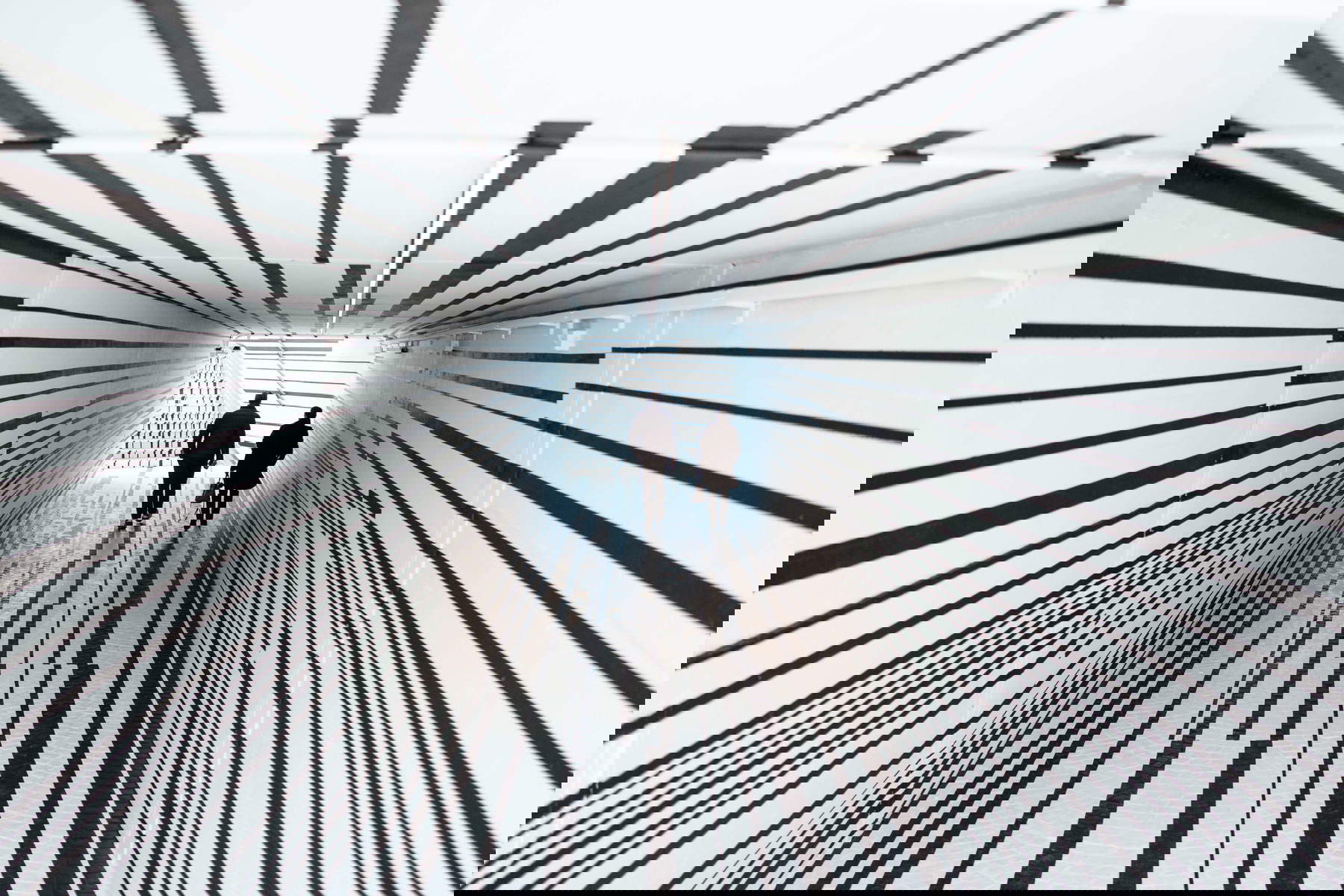
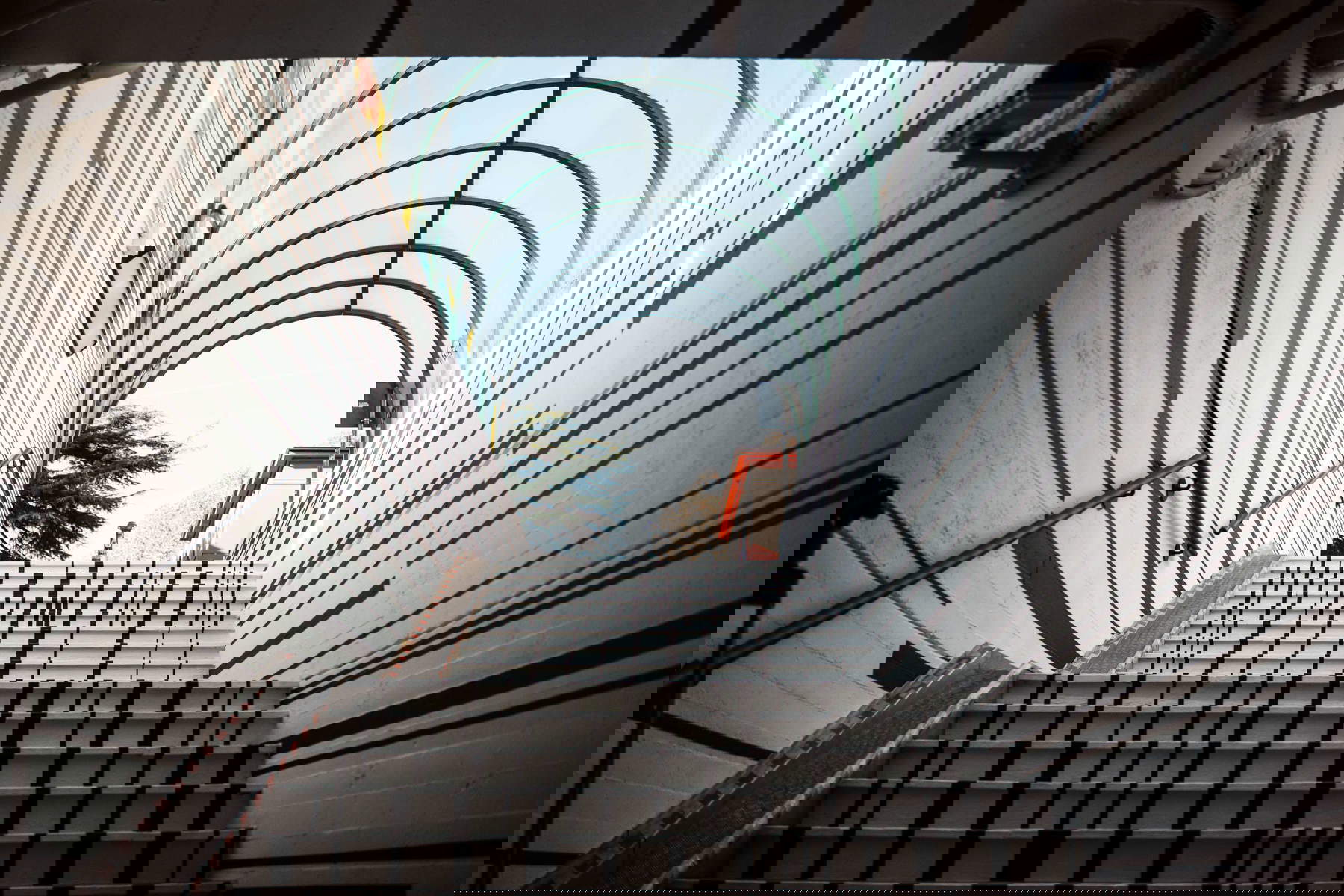
Yes of course, it interests me very much. Right now, after the work for the underpass in Trento and before that the subway station in Rome, I realize that especially transitional spaces are fundamental interesting to me. I also like the broad dialogue with the city. Between civilization and contemporary art there must be mutual involvement and dialogue. Aesthetic signs and expressions from all times are fundamental to creating this common history. In the history of abstract art, there are some important ideals: not to be propagandistic, not to tell people what to think or feel, but rather to believe in each individual’s capacity for interpretation and thus in the responsibility of each of us.
How do you proceed when you have to carry out an intervention in a space? Do you adapt established solutions or do you find different solutions from time to time?
I try to translate my observations derived mainly from painting and drawing into the space. I am very interested in transforming or altering a situation and literally making a ’formal idea accessible, often connecting to my idea of strengthening attention through the practice of reduction.
Are you interested in the idea of staging the work?
Yes of course, but it really depends on the occasion, the context. I really like the aspect of transforming a place, of creating a new situation with graphic signs, which can sometimes seem like a parallel reality to the existing one. This is related to my confidence in the potential of our imagination. I have a lot of faith in lines and shapes-I think they are effective tools that can take us into desired worlds.
How important is the relational dimension in your work? What kind of relationship do you try to establish with those who enjoy your work?
It seems to me that art should offer an individual, intimate and at the same time also shared relationship. In the end, sharing, reasoning and integration of different opinions are the fabric of civilization. A valuable observation can lead us to realize that we are always creating this world, these feelings together. That ultimately the work of art exists in each individual’s experience and lives only if it is shared.
Are you interested in the social dimension of art?
Yes of course, and I think art only makes sense if it is thought of in this way. Not in an overly educational way in my opinion, but in a way that allows for a poetic, aesthetic dimension, a meeting place. These meeting places should not only be thought of as psychic places, but also as mental places, where forms thoughts and ways of thinking can lead us to beauty.
What do you think beauty is?
For me, beauty is related to truth, and also to the desire for life, to live, to express oneself. Also to take some risks, to make oneself vulnerable. Renzo Piano, talking about beauty, said that it is like a deep idea that belongs to us humanistically, linking this concept to living together. And I agree with him. For me, beauty can only develop and breathe if it is linked to the freedom to express oneself and to love and also to a certain way of experiencing that allows truth to reach an extraordinary state of life. For me, all human emotions can be beautiful, but sometimes they need to be transformed to serve our collective happiness.
Warning: the translation into English of the original Italian article was created using automatic tools. We undertake to review all articles, but we do not guarantee the total absence of inaccuracies in the translation due to the program. You can find the original by clicking on the ITA button. If you find any mistake,please contact us.