




On March 5, the renovated Ancient Egypt Gallery reopens to the public at the Castello Sforzesco: a particularly long-awaited return that gives back to the city of Milan one of the most striking collections of the civic heritage. The new layout, expanded and conceived in a contemporary key, presents some 330 works, including sarcophagi, amulets, papyri, bronzes, canopic jars and stelae, to offer a journey through Egypt’s millennial history, from the fourth millennium B.C. to the fifth century A.D.
The hall, designed by architect Markus Scherer, ideally recalls the structure of the hypostyle hall of Egyptian temples: large full-height display cases are transformed into true display columns, creating a solemn and immersive atmosphere. The use of Brera stone, dark surfaces, extra-clear glass and carefully calibrated lighting, designed by Ferrara Palladino Lightscape studio, creates an enveloping penumbra that enhances every detail of the exhibits, symbolically returning them to their original context.
The path is enriched by thematic panels, educational supports and interactive devices designed to make the visit accessible and engaging. Innovations include the PERVIVAL app, developed by the Department of Mechanics of the Milan Polytechnic with the support of Fondazione Cariplo, which accompanies the public to discover Egyptian funerary rituals through an immersive digital experience.
The reopening is also accompanied by enhanced educational offerings, with new guided tours and workshops aimed at schools, families and adults. Special meetings are scheduled for March 14 and 15 during which museum mediators will guide visitors through a participatory experience of stories, questions and activities designed to create a dialogue between ancient Egypt and the present.
“We are proud to return to offer the Milanese, Italian and international public a valuable and fascinating exhibition itinerary such as the one proposed by the renovated Ancient Egypt Gallery at Castello Sforzesco,” commented Milan Mayor Giuseppe Sala. “Thanks to the new layout, which is the result of research, study and innovation, a quality project has been developed and implemented that will allow Milan to offer a journey into the civilization, culture and history of the Egyptian people. We are confident that exhibits and masterpieces on display will ignite the curiosity and involvement of visitors of all ages.”
“We are returning to the city a completely new Gallery, capable of telling the thousand-year history of Ancient Egypt, daily life and the afterlife, the world of men and that of the gods,” said Culture Councillor Tommaso Sacchi. “An exhibit renewed in its narrative, light and educational tools, enhancing a collection of more than 3,000 artifacts, built over time through excavations, donations and acquisitions, and today returned to the public in all its richness and beauty.”
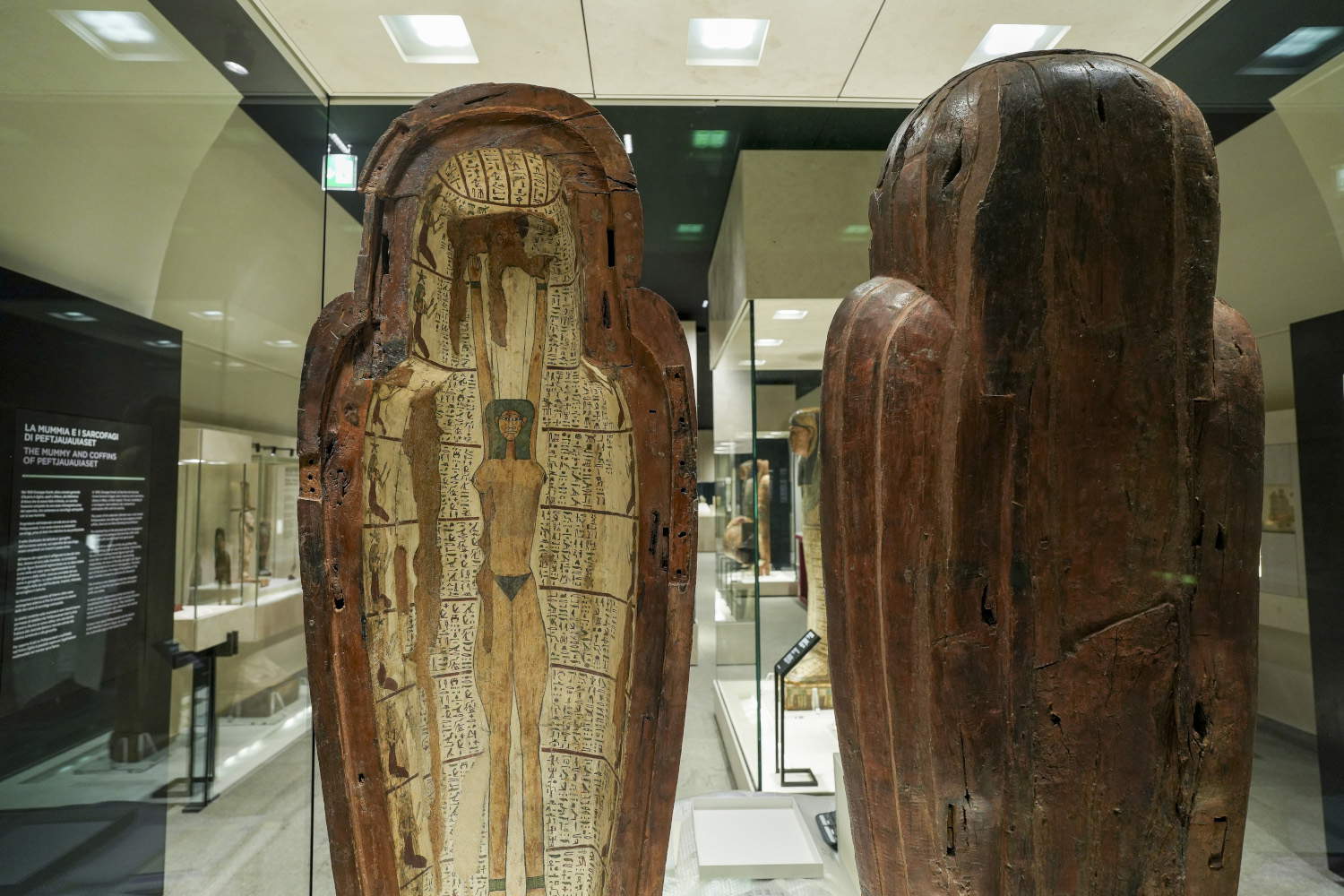
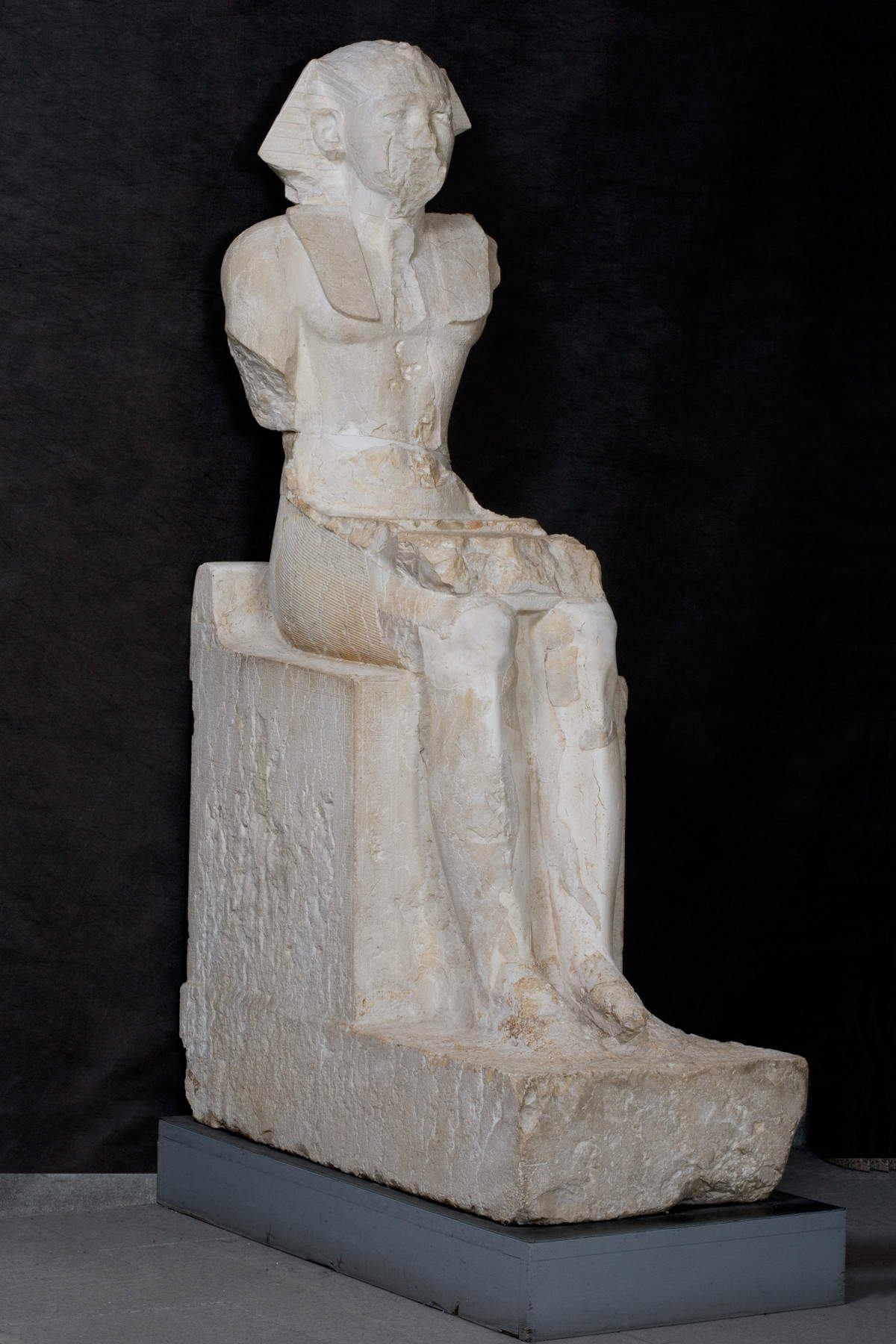
The origins of Milan’s Egyptian collection date back to the first decades of the nineteenth century, in the climate of Egyptomania that swept through Europe. In those years, the first artifacts arrived in the city, including sarcophagi and papyrus fragments, initially kept at the Numismatic Cabinet and the Brera Library, and later joined the civic collections. The collection expanded over time thanks to targeted purchases, donations and especially to excavations conducted in the 1930s in Fayum by Achille Vogliano. In 1935, at Medinet Madi, the scholar unearthed a vast temple complex with two intact statues of pharaohs: prominent among them is that of Amenemhat III, now among the most valuable pieces in the collection.
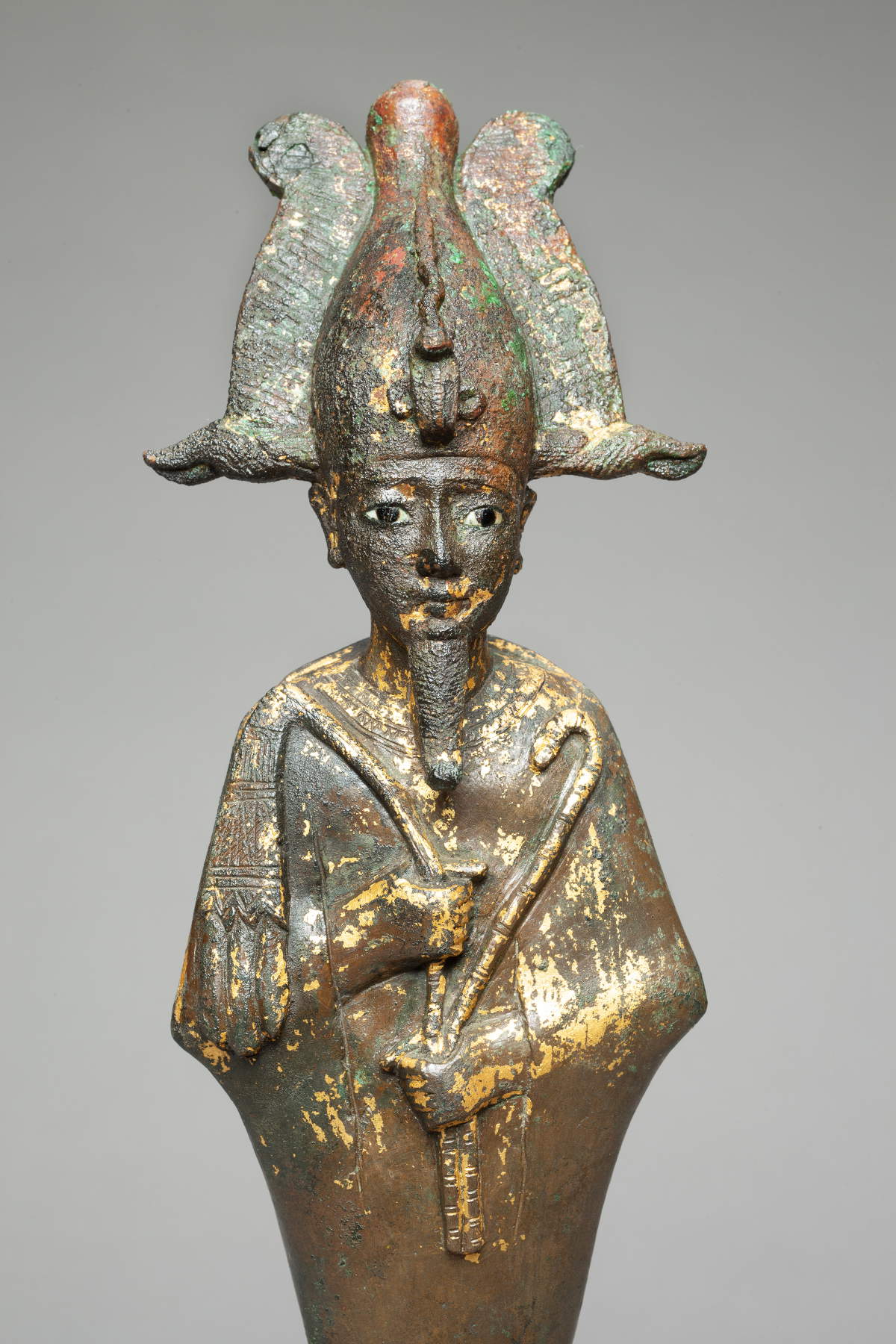
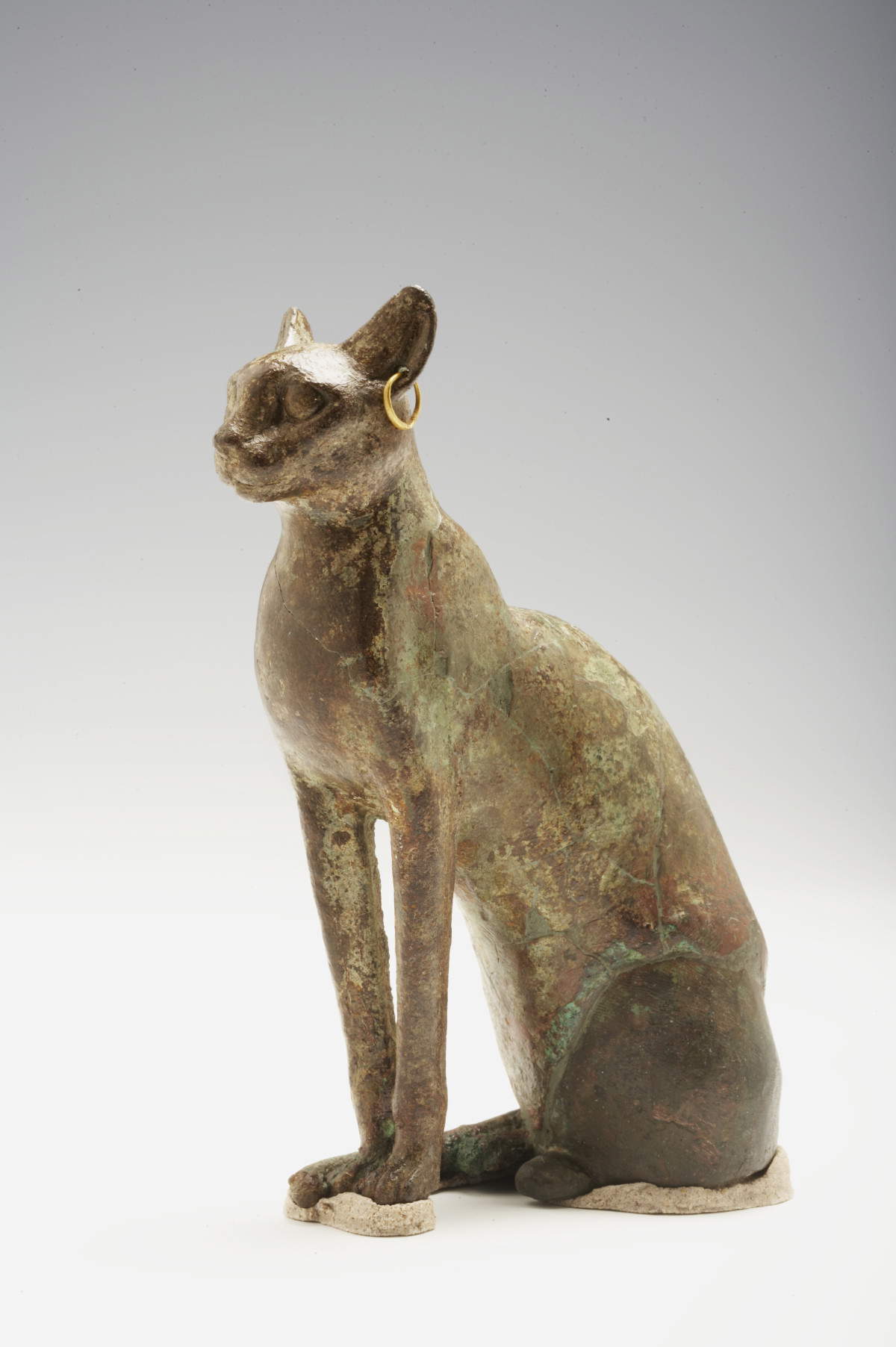
In more recent years, the acquisition of nuclei from the Bresciani and Ruffini collections, including a bronze statuette of Osiris dating to the seventh century B.C., donated in 2013, has further increased the value of the collection, which now includes about 3,000 artifacts.
The exhibition features a selection of 330 works, with a predominance of funerary materials dated between the New Kingdom (1550-1070 B.C.) and the Late Epoch (664-332 B.C.). During the museum’s closure, which began in June 2017, major conservation work was carried out on sarcophagi, mummies, papyri, stone artifacts and bronze objects, accompanied by extensive diagnostic investigations. The new exhibition, curated by Anna Provenzali and Egyptologist Sabrina Ceruti, aims to offer a clear and accessible reading of ancient Egyptian society, religion and funerary practices. Eighty of the exhibits presented are on display for the first time.
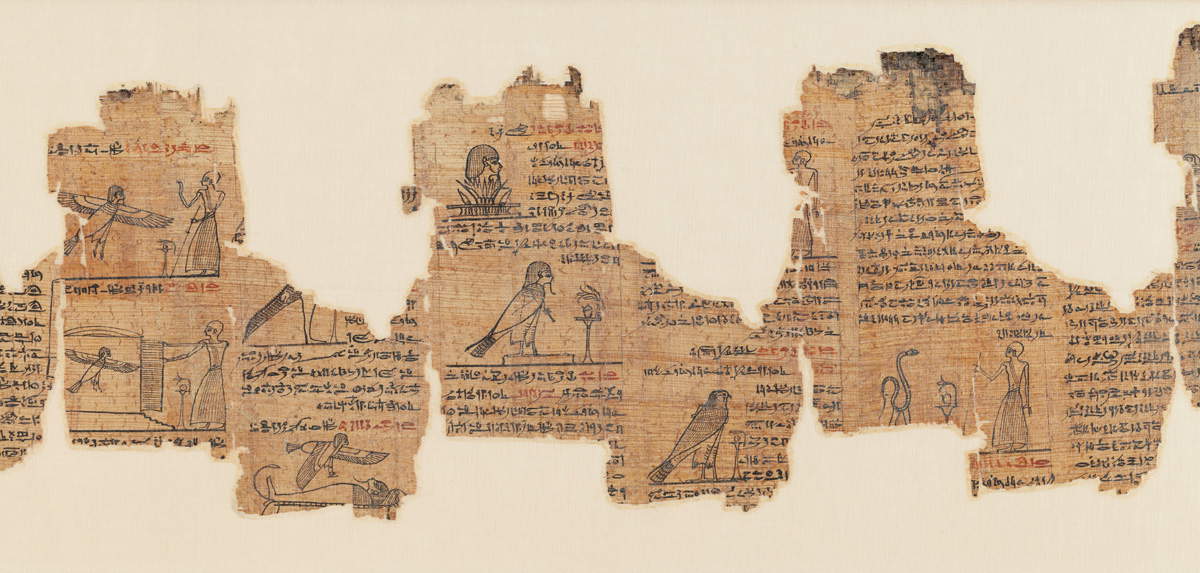
Among the highlights is the Busca Papyrus, recently restored and now placed in a nearly seven-meter-long display case with push-button lighting to preserve its preservation. Also of note is the reconstruction of the chapel of the goddess Renenutet, included in the section devoted to the Vogliano excavations.
The new exhibit is divided into six thematic sections, distinguished by specific colors and symbols:
Living in Ancient Egypt presents the central figures of pharaonic society (pharaoh, royal family, officials), the profession of the scribe, writing systems and the principles of Egyptian art, highlighting the fundamental role of the image and figurative canons;
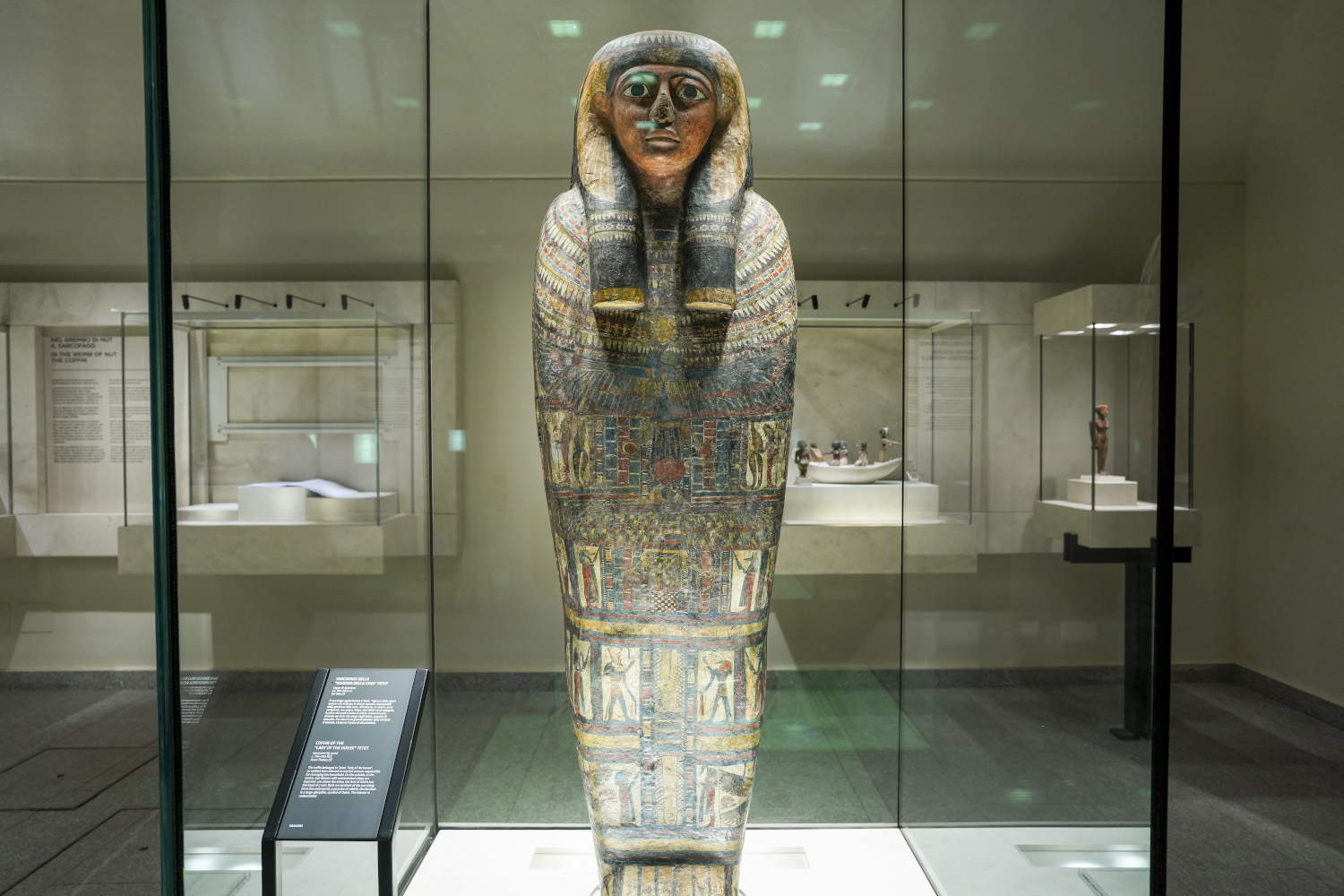
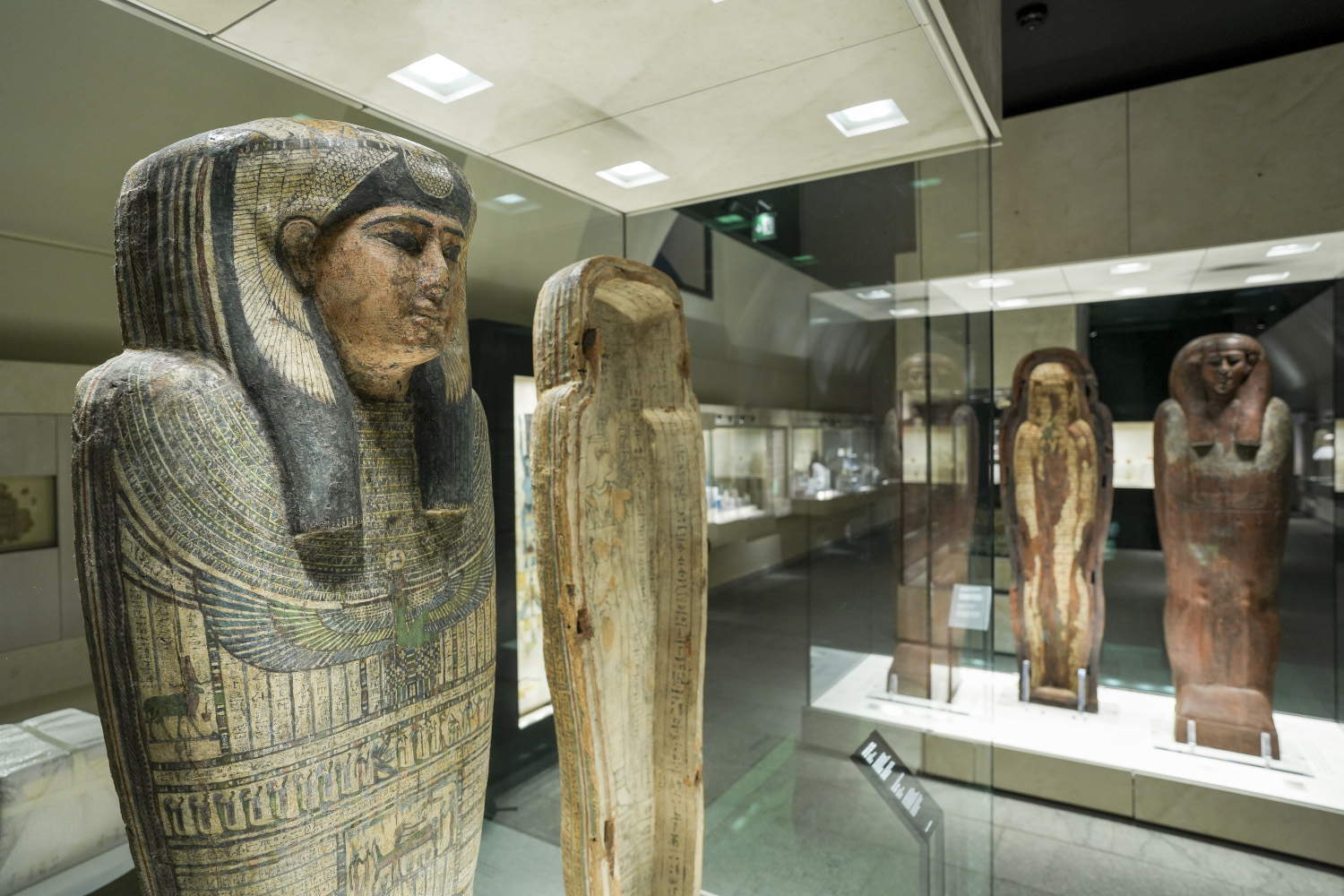
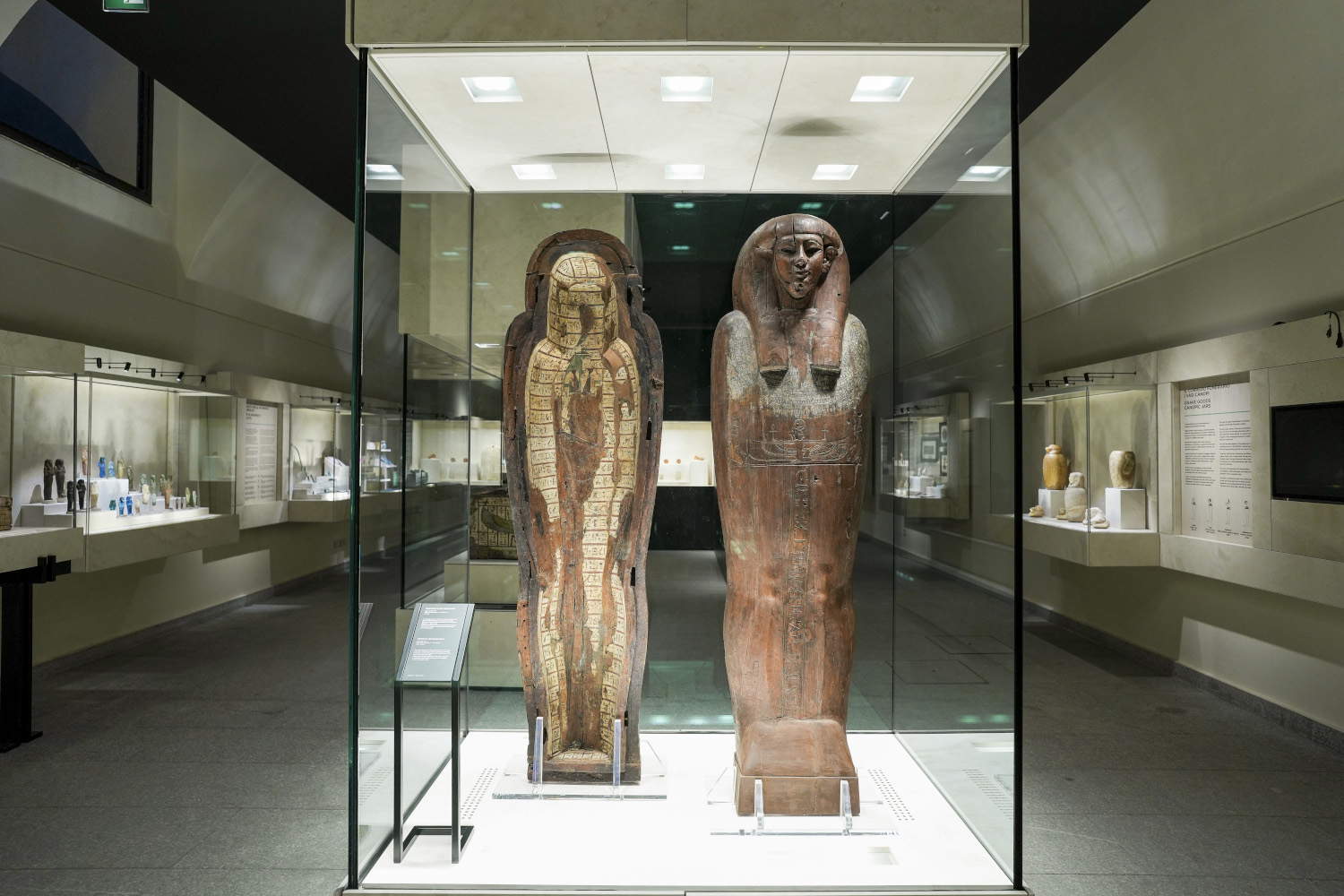
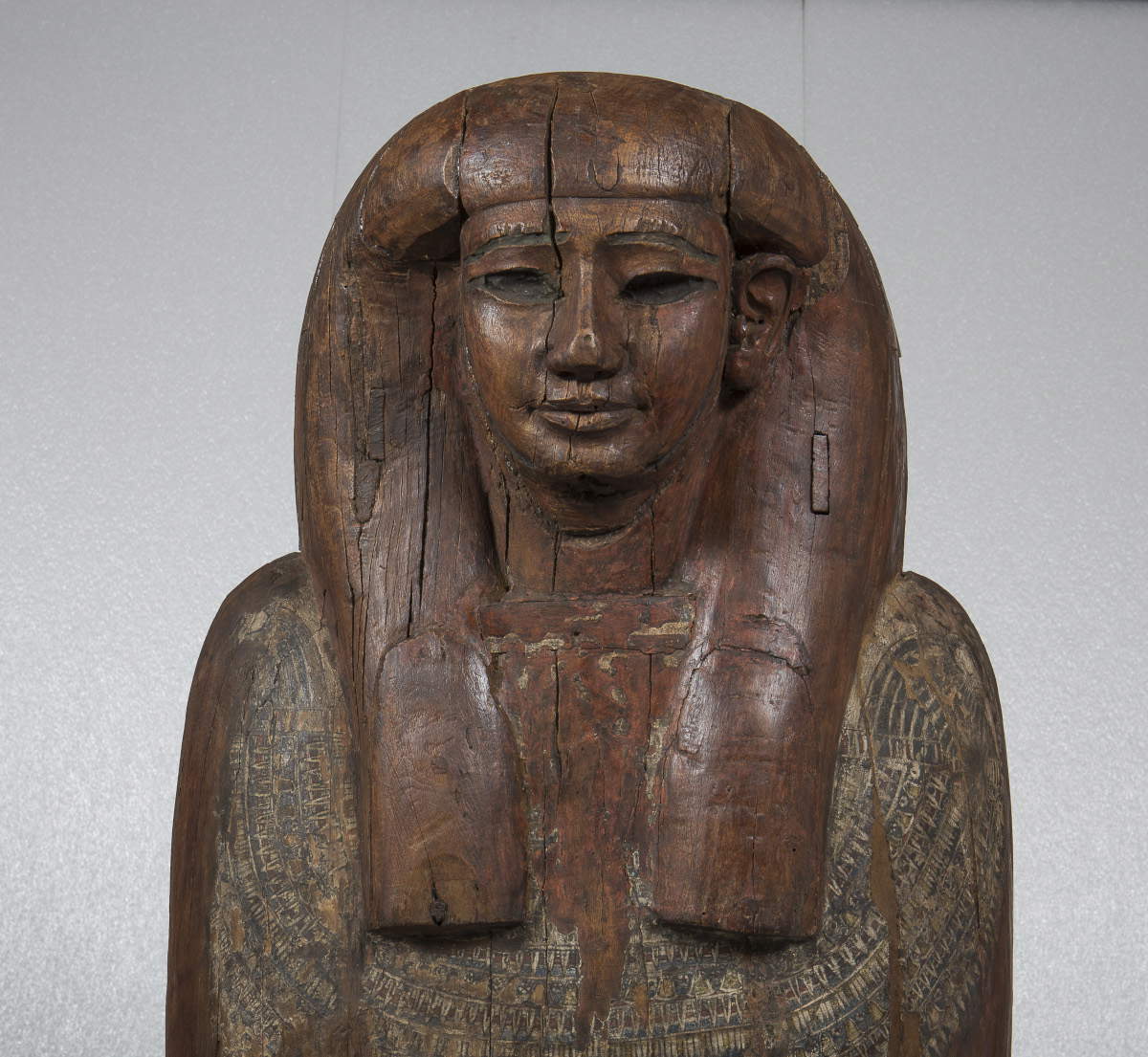
Living Forever is the largest section, devoted to funerary beliefs. It displays six fine sarcophagi and two papyri containing excerpts from the Book of the Dead, a collection of magical formulas intended to guide the deceased into the afterlife;
Living with the Gods delves into the votive and magical practices of the Egyptian people, described by the Greek historian Herodotus as the most religious of all;
Milan in Egypt is dedicated to the excavations in the Fayum conducted by Vogliano between 1934 and 1940, also funded by the City of Milan; some of the masterpieces in the collection are displayed here;
Greco-Roman Egypt presents objects of daily, votive and funerary use related to the period of coexistence with the Greeks and the subsequent integration into the Roman Empire, a phase characterized by profound religious and artistic transformations;
Coptic Egypt displays artifacts from the Coptic period (4th-7th centuries), testifying to changes in art and devotion related to the spread of Egyptian Christianity.
The reopening of the Ancient Egypt Gallery was made possible thanks to a grant from Fondazione Cariplo.
|
| Milan, renovated Ancient Egypt Gallery reopens at Sforza Castle |

Warning: the translation into English of the original Italian article was created using automatic tools. We undertake to review all articles, but we do not guarantee the total absence of inaccuracies in the translation due to the program. You can find the original by clicking on the ITA button. If you find any mistake,please contact us.















 IT
IT FR
FR DE
DE ES
ES CN
CN


