





New Year’s Eve in Amsterdam was marked by a dramatic event that deeply affected the city’s architectural heritage. Around 00:50 on January 1, 2026, a fire of vast proportions broke out at the Vondelkerk, the 19th-century neo-Gothic church located in the Amsterdam-West district. The flames, which quickly engulfed the structure, caused irreparable damage, leading to the collapse of the fifty-meter-high bell tower and a significant section of the nave. Despite the intensity of the fire and the collapse of much of the roof, local authorities and structural engineers on the scene confirmed that the building’s perimeter walls remained standing, ruling out the risk of further immediate structural collapse for the time being.
The situation appeared critical from the first moments, so much so that emergency services had to manage not only the extinguishing of the flames, but also a complex evacuation operation of residents in neighboring homes. The neighborhood’s population density and massive smoke emission, coupled with a dense shower of sparks pushing eastward, made it necessary to remove dozens of people from their homes to ensure their safety. To tame the fire, firefighters worked continuously throughout the night, drawing large quantities of water directly from the pond in the nearby Vondelpark to fuel the firefighting operations. Many evacuated citizens had to find temporary shelter, while about ninety homes on the Vondelstraat were without power for several hours due to safety precautions taken by technicians.
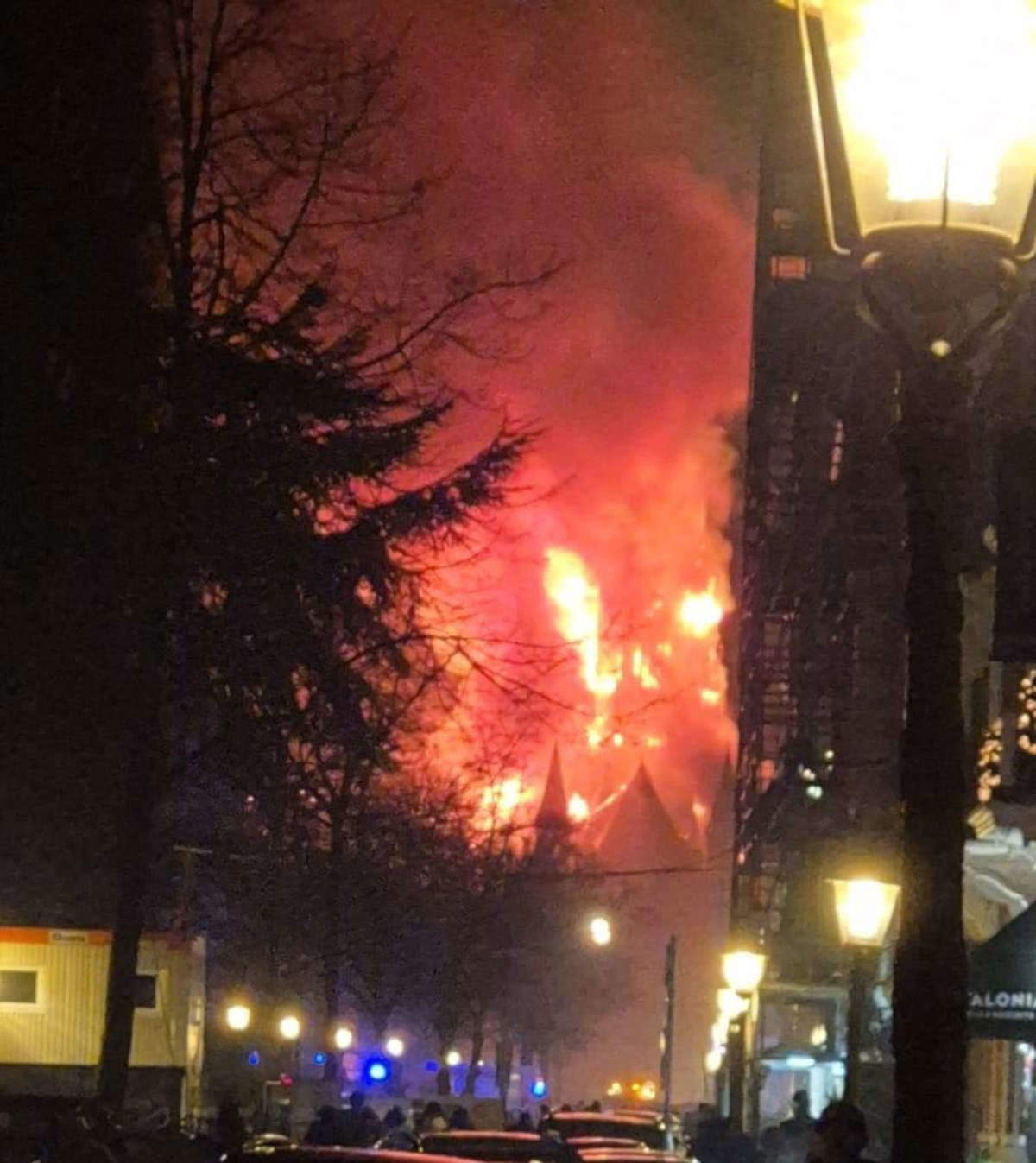
The mayor of Amsterdam, Femke Halsema, described the event as a terrible fire of extreme intensity, stressing that the city administration’s priority from the outset has been the well-being and safety of the residents involved. At the moment, no injuries directly related to the church fire have been reported, but the shock among local people is palpable. Many residents have expressed grief over the loss of a building they considered a key landmark for the neighborhood. The area has now been fenced off to prevent access to onlookers and residents until the structure is declared completely safe. City authorities have also planned special cleanup efforts to remove soot that has settled on gardens, windows and cars in the surrounding area.
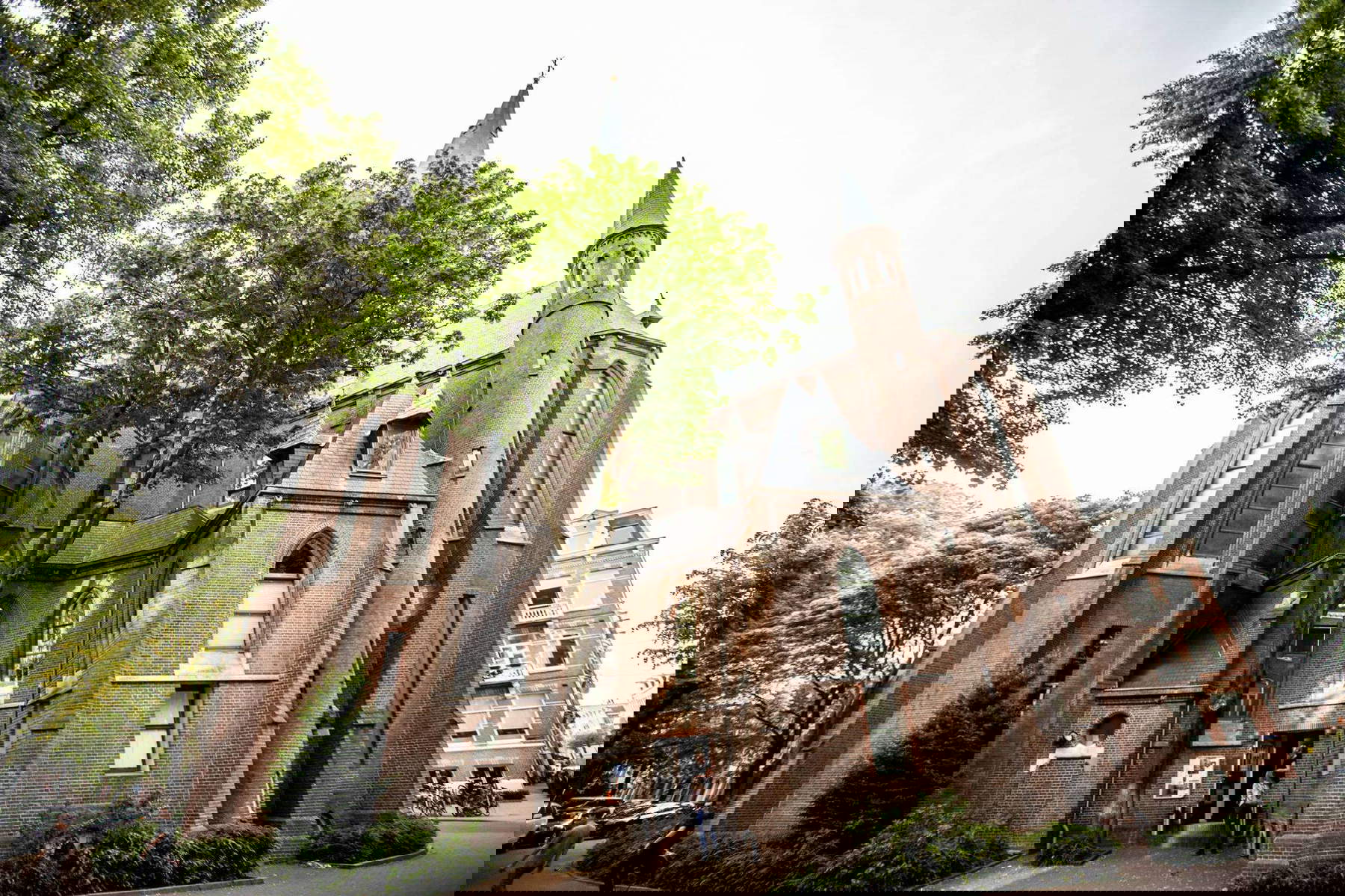
The Vondelkerk was not only a religious building, but a landmark of 19th-century Dutch architecture. Designed by renowned architect Pierre Cuypers, the same author of the Rijksmuseum, the church was conceived around 1870 and completed in 1880. Cuypers, who resided near the construction site, lavished special care on this neo-Gothic basilica, which was dedicated to the Sacred Heart of Jesus. Its construction was also made possible by a large national lottery attended by prominent figures of the time, including Queen Sophia of Württemberg and Pope Pius IX, who donated valuables to raise the funds needed to complete the work.
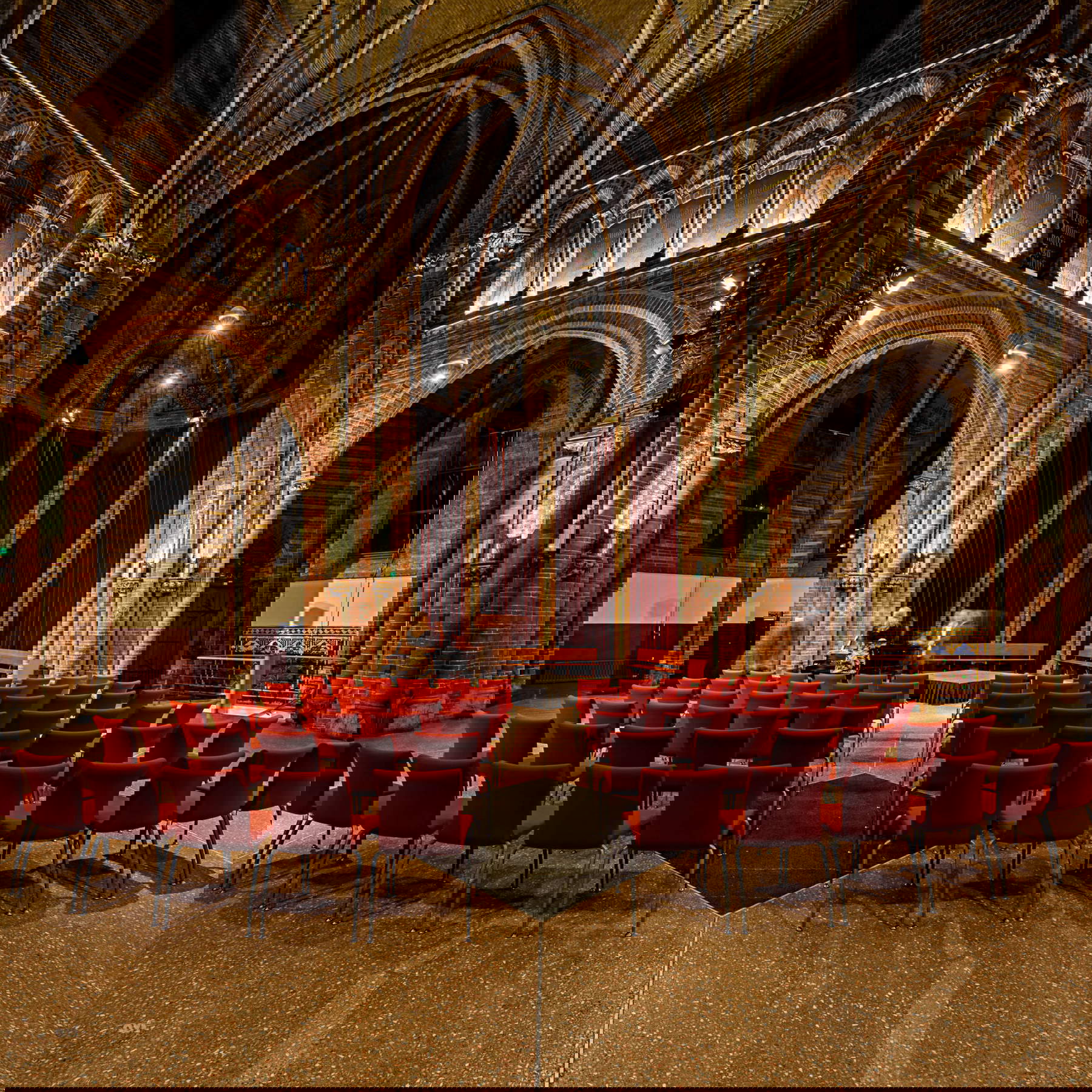
The building was notable for its masterful use of materials and technical innovations, such as the use of steel frames to support the tower, a modern choice for the period. Inside, the church displayed a unique chromatic richness, with red brick pillars and vaults decorated with yellow, green and white tones. Significant artistic elements included stained glass windows depicting the four evangelists and a central shield offering a symbolic representation of Jerusalem. Throughout its history, the Vondelkerk has gone through several phases: after being closed to worship in 1977 due to structural problems and threatened with demolition, it had been saved by a foundation in 1980 and subsequently restored under the leadership of architect André van Stigt. Since then, the building had become a multipurpose space used for offices, concerts and cultural events, run by the organization Stadsherstel Amsterdam.
Interestingly, the history of the Vondelkerk has been marked by fire before. In November 1904, another serious fire destroyed the original tower. On that occasion, the rest of the church was spared thanks to an ingenious steel ring that protected its supporting structure. The tower that collapsed on New Year’s Eve 2026 was thus a later reconstruction, designed by Joseph Cuypers, Pierre’s son, who had maintained the fifty-meter height desired by his father, who argued that a low tower was aesthetically unacceptable.
Although the official causes of the 2026 bonfire are still being investigated by police and firefighters, the public and several local media outlets are eyeing the use of fireworks during New Year’s Eve celebrations with suspicion. The night that just passed was described by Dutch law enforcement as marked by an unprecedented level of violence. Across the country, police faced direct attacks with firecrackers and fireworks.
The national toll of the celebrations is tragic: at least two people lost their lives as a result of firework-related incidents, a 17-year-old young man in Nijmegen and a 38-year-old man in Aalsmeer. Hospitals, particularly the eye hospital in Rotterdam, treated numerous patients for serious eye injuries, including many minors. In several cities such as Breda, law enforcement officers have been the target of petrol bombs, leading authorities to issue a rare nationwide cell phone alert urging citizens to contact emergency numbers only in case of life-threatening situations, given the overloaded lines. This escalation of incidents comes at a time when the Netherlands is preparing to introduce a nationwide ban on the sale of fireworks to individuals during 2026, a measure that has been demanded for years by doctors and police forces to reduce the economic and human damage that marks the start of the new year each year: in April, in fact, the Dutch House and Senate had voted on a law introducing this ban as of January 1, 2026, but the terms of the implementation are still unclear (what types of banned bangers will be banned, what can be sold instead, and whether and how dealers who sell bangers will be catered for).
As Amsterdam awakens in the ashes of one of its most cherished monuments, the issue of safety during public celebrations returns to the center of political and social debate. The destruction of the Vondelkerk represents not only the loss of a piece of architectural history, but also the symbol of a night when partying gave way to violence that institutions struggle to contain.
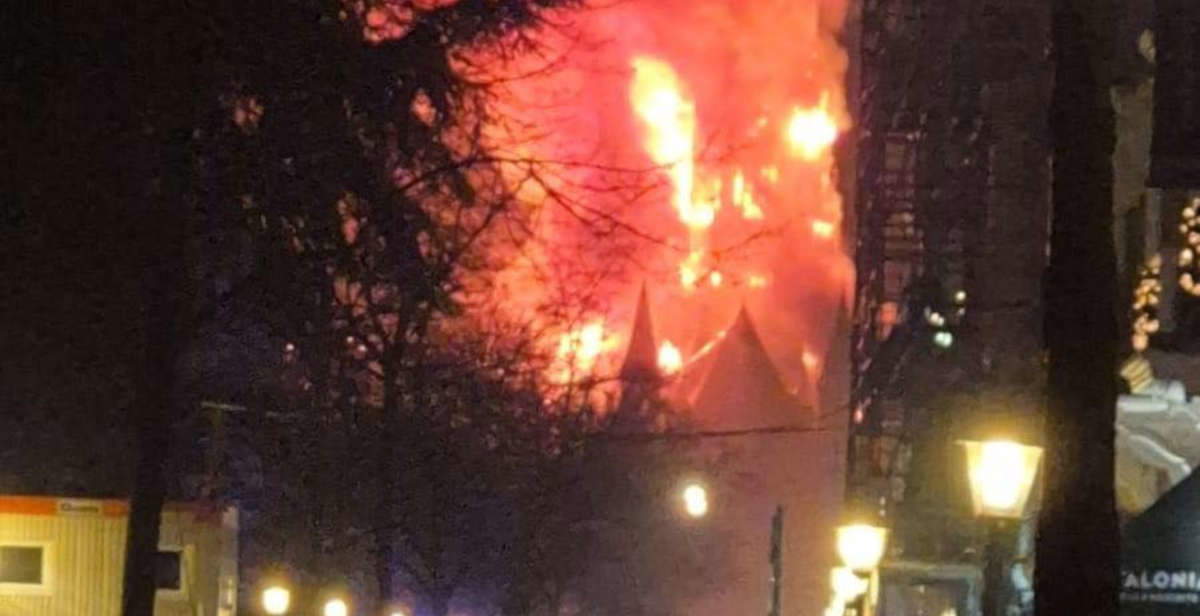 |
| Amsterdam, the Vondelkerk, an important neo-Gothic church, on fire: possibly a firework |
Warning: the translation into English of the original Italian article was created using automatic tools. We undertake to review all articles, but we do not guarantee the total absence of inaccuracies in the translation due to the program. You can find the original by clicking on the ITA button. If you find any mistake,please contact us.




























 IT
IT FR
FR DE
DE ES
ES CN
CN


