




by Redazione 15/01/2026



Categories: News / Disclaimer
Beginning Jan. 16, 2026, the Morgan Library & Museum hosts a focus devoted to Caravaggio's early masterpiece. On view, the exceptional loan from the Galleria Borghese is joined by works exploring the roots of Lombard naturalism and the painter's artistic legacy in Rome.


One of Caravaggio ’s masterpieces from the Galleria Borghese, The Young Man with a Basket of Fruit, is in New York , where starting tomorrow it is the focus of an exhibition-dossier at the Morgan Library & Museum, curated by John Marciari. The exhibition, which will be open to the public from Jan. 16 until April 19, 2026, is not intended to be limited to the mere display of the canvas, but to offer the public a critical itinerary composed of ten other works selected to contextualize Caravaggio’s production, examining both the models that influenced its formation and the disruptive impact exerted on his contemporaries and successors.

The Young Man with a Basket of Fruit, painted around 1595, is recognized as the turning point that initiated a truly radical transformation within Italian painting. Caravaggio arrived in Rome bringing with him a technical and conceptual background deeply rooted in the tradition of Lombard naturalism, whose assumptions dated back to the research conducted by Leonardo da Vinci during his Milanese period. However, Merisi was able to fuse this legacy with his own revolution, capable of breaking the traditional artistic illusion to openly exalt the artifice proper to studio work. “Caravaggio captures the imagination in a way that almost no other artist can,” says Colin B. Bailey, director of the Morgan Library & Museum. “We are exceptionally fortunate to be able to bring this masterpiece from the Galleria Borghese to share with New York visitors for the first time in the 21st century, accompanied by works that illuminate his impact on the field of painting.”


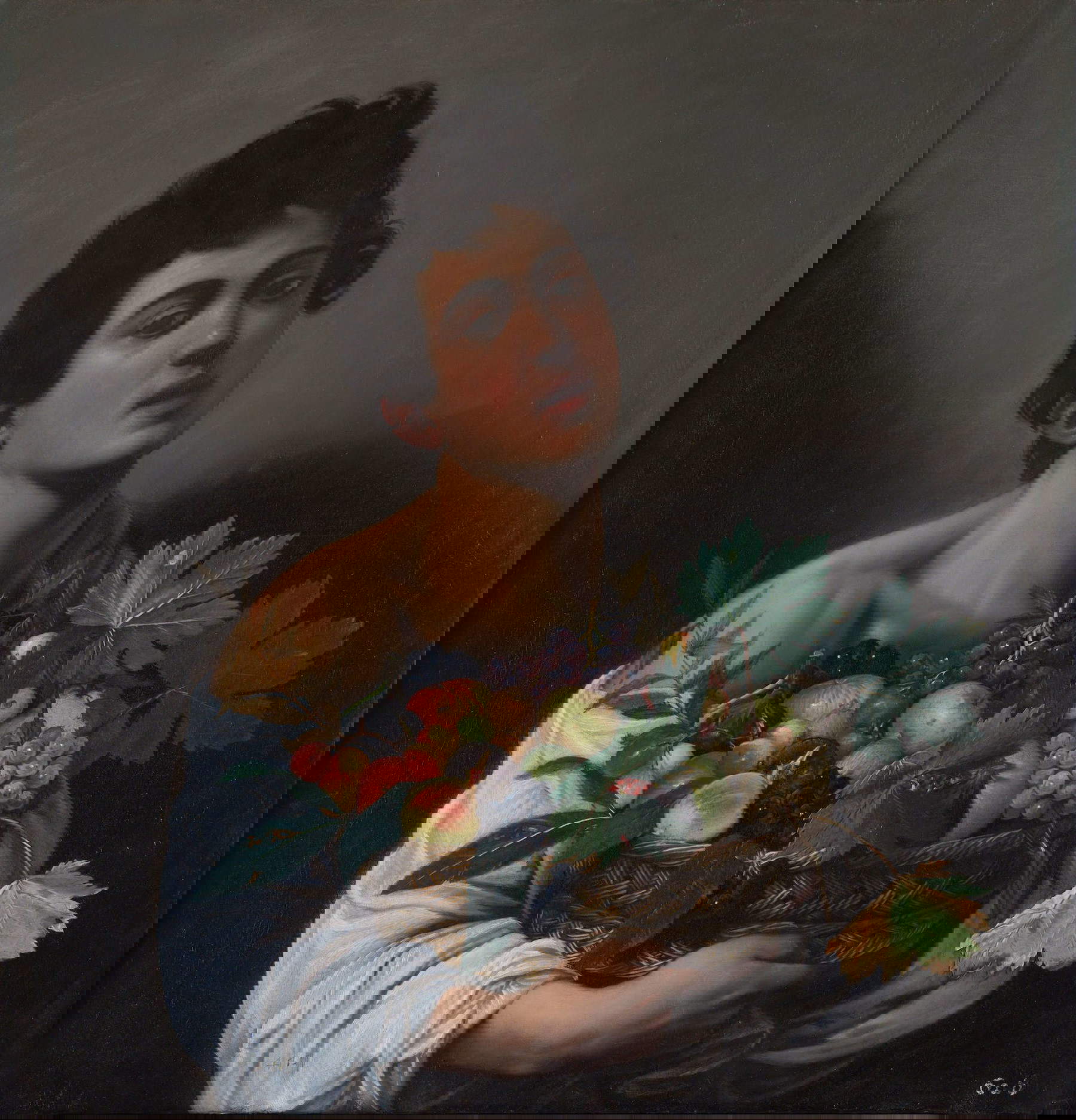
"The Young Man with a Basket of Fruit marks a turning point in Italian painting,“ Marciari explains. ”It is a fulcrum between the naturalism of Caravaggio’s sources and his radical interventions in exposing the artifice of painting. To see this painting in its context is to understand the revolution it represents."


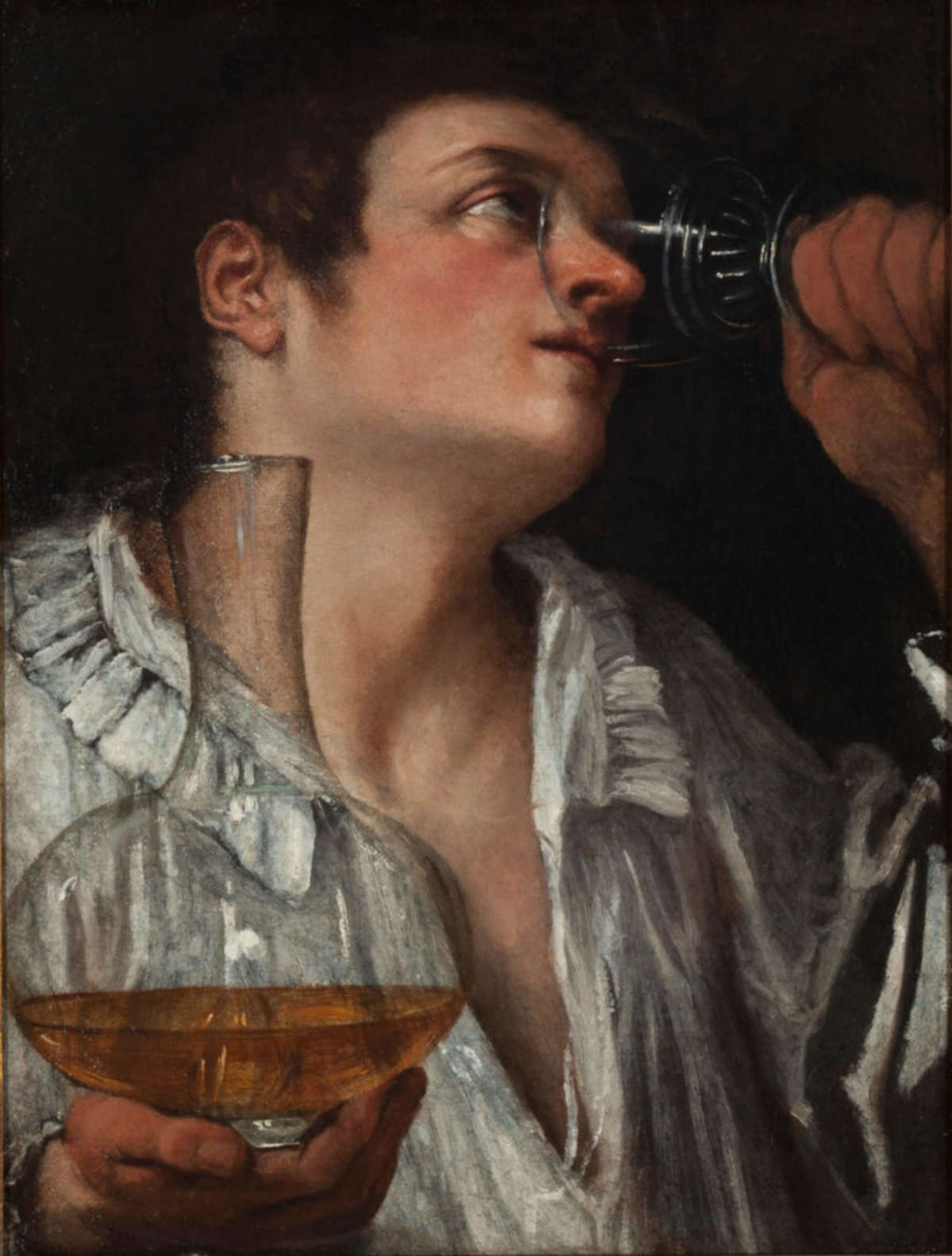
Visual analysis of the painting reveals a distinct departure from the idealized figures that characterized Roman painting of the time. The subject portrayed is a study model captured on canvas with extreme realism: one can observe the details of the half-closed lips, the redness of the ears, and the way the shirt slips over the shoulder. The young man seems to offer himself to the viewer’s scrutiny with the same immediacy with which he presents the fruit basket, making the human subject and the natural element parts of a single, intense inquiry into phenomenal reality. This approach is further explored in the exhibition through comparisons with earlier works that anticipated this naturalistic sensibility. These include Four Seasons in a Head by Giuseppe Arcimboldo, a work from around 1590 from the National Gallery of Art in Washington that exemplifies the Milanese roots of this tradition. Another element of great scholarly interest is the loan of a work by Annibale Carracci, the Ragazzo che bere, datable to around 1583. This painting, belonging to a private collection and never previously exhibited to the public, makes it possible to analyze the parallel research conducted by the great Bolognese artist on the representation of everyday gestures.
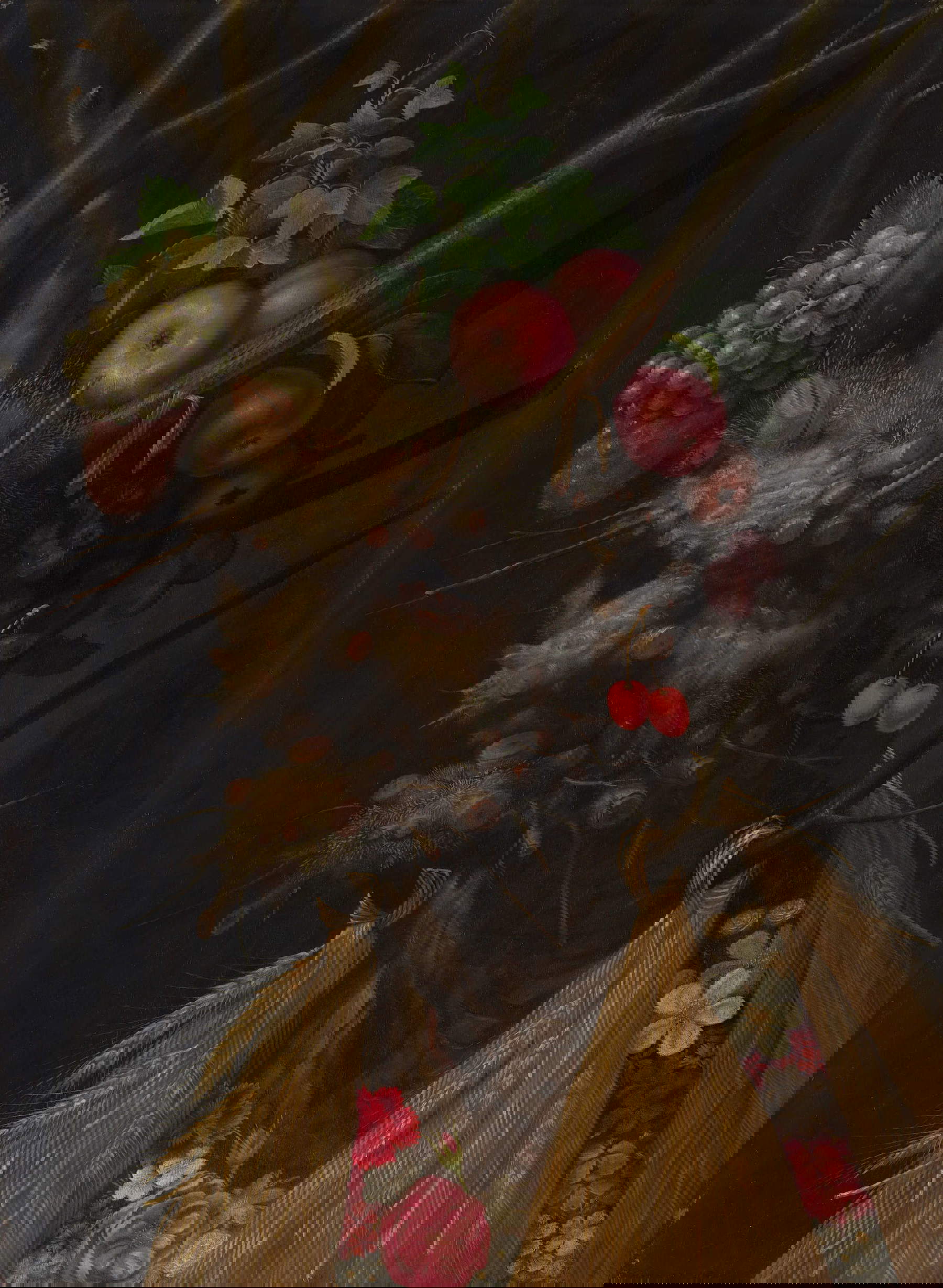

To fully understand the genesis of Merisi’s style, the exhibition also includes contributions from his early masters and professional referents. A drawing by Simone Peterzano, at whose studio Caravaggio completed his apprenticeship in Milan, is displayed, along with a study by Giuseppe Cesari, better known as the Cavalier d’Arpino, in whose Roman workshop the young painter worked soon after his arrival in the capital. Although Caravaggio would later abandon the practice of preparatory drawings in favor of painting directly on canvas, these works are crucial for reconstructing the formative context of his early years.
The influence of Caravaggio’s language is documented by a number of works that testify to the power of its impact on seventeenth-century Roman art. Painters such as Rutilio Manetti and Bartolomeo Cavarozzi continued on the path traced by the master, continuing to reveal the fictitious nature of art through the use of real models and an emphasis on the imperfections of matter. On display is a study from life by Manetti, depicting a monk asleep against a stack of books, made of red stone, and a still life by Cavarozzi that takes up the theme of the fruit basket, highlighting how the search for truth also passed through the representation of natural decay.
The exhibition concludes ideally with an important graphic portrait preserved in the Morgan’s collections: the drawing of Cardinal Scipione Borghese executed by Gianlorenzo Bernini. The figure of Borghese is central to the story of The Young Man with Basket of Fruit, as he was the collector who first acquired the painting, including it in the collection that would later become the current Galleria Borghese, where the work has resided permanently since 1607. The presence of this drawing underscores the historical link between elite seventeenth-century collecting and the preservation of the masterpieces we admire in international museums today.
The organization of the exhibition is the result of a collaboration between the Morgan Library & Museum and the Foundation for Italian Art & Culture (FIAC), with support from private donors such as Gilbert and Ildiko Butler. The project is part of the New York institution’s mission to offer up-close encounters with the great achievements of human genius, keeping alive the historical memory of civilization from 4,000 B.C. to the present day.
“The Foundation for Italian Art & Culture (FIAC),” say Daniele Bodini, Alain Elkann and Olivia D’Aponte, chairman of the Board, president and executive director, respectively, "is honored to have facilitated the loan of Caravaggio’s Young Man with a Basket of Fruit from the Galleria Borghese in Rome to the Morgan Library & Museum in New York, supporting both this exhibition and the accompanying publication. This project follows our sponsorship of Pontormo at the Morgan in 2018-19 and we are delighted to renew this valuable partnership. The Young Man with Basket of Fruit is among the most compelling examples of Caravaggio’s early works, revealing both his extraordinary mastery of naturalistic detail and his profound sensitivity to human presence. The figure, poised with a basket overflowing with ripe fruit, draws the viewer into a subtle interplay of light, shadow and expression, hallmarks of the artist’s emerging style. Thanks to the dedication of its distinguished Board of Directors, FIAC is privileged to support this exhibition, offering New York audiences a rare encounter with the genius of Caravaggio."
To enrich the visitor experience, Morgan has planned a calendar of side activities that will kick off on the day of the opening. On January 16, 2026, there will be a lecture given by John Marciari dedicated specifically to the sources and influences that shaped The Young Man with Fruit Basket. Other events will follow, including a Spanish-language guided tour scheduled for Feb. 14 and an April 11 screening of the film Caravaggio directed by Derek Jarman in 1986.
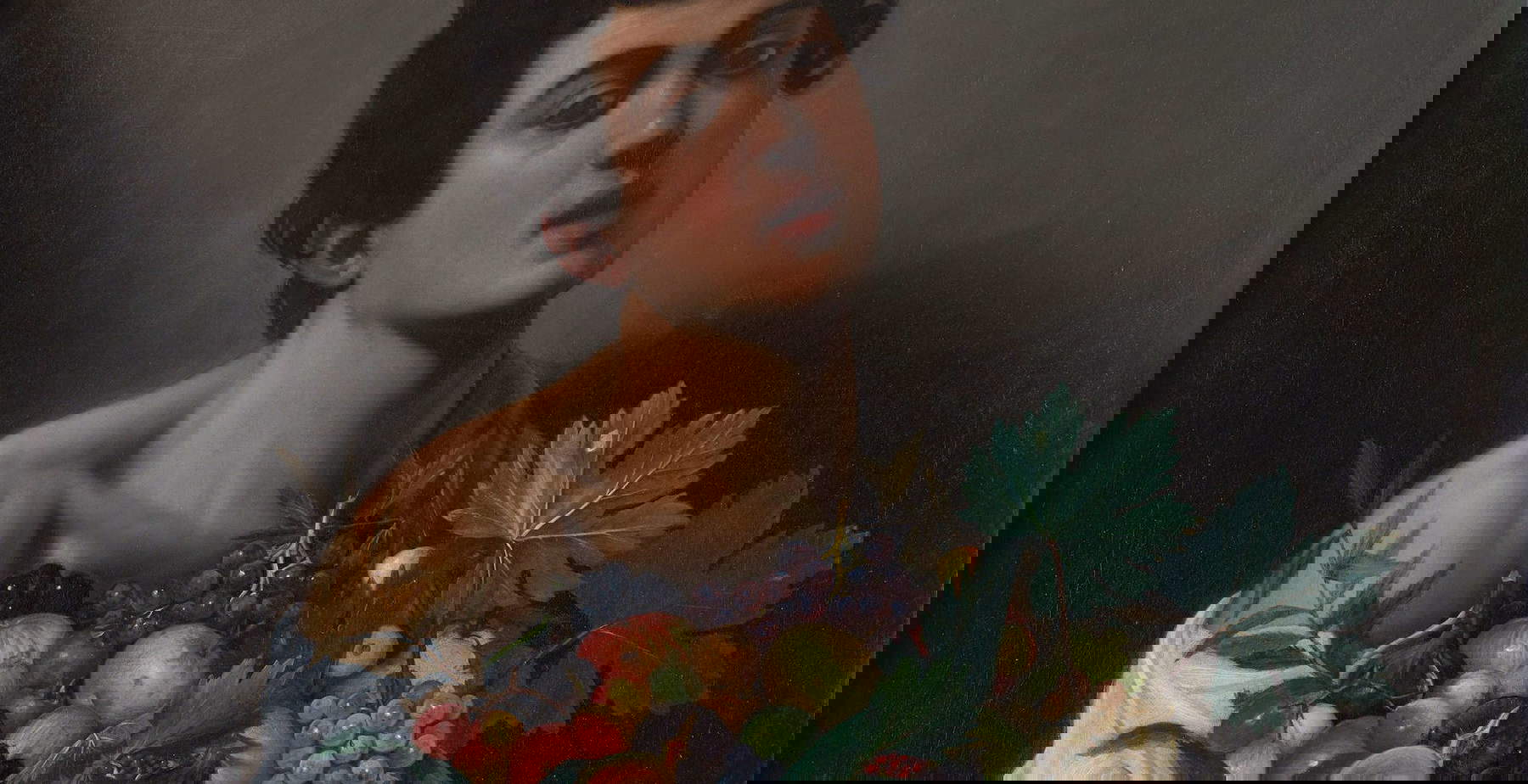 |
| Caravaggio's Young Man with a Basket of Fruit is in New York. |
Warning: the translation into English of the original Italian article was created using automatic tools. We undertake to review all articles, but we do not guarantee the total absence of inaccuracies in the translation due to the program. You can find the original by clicking on the ITA button. If you find any mistake,please contact us.