





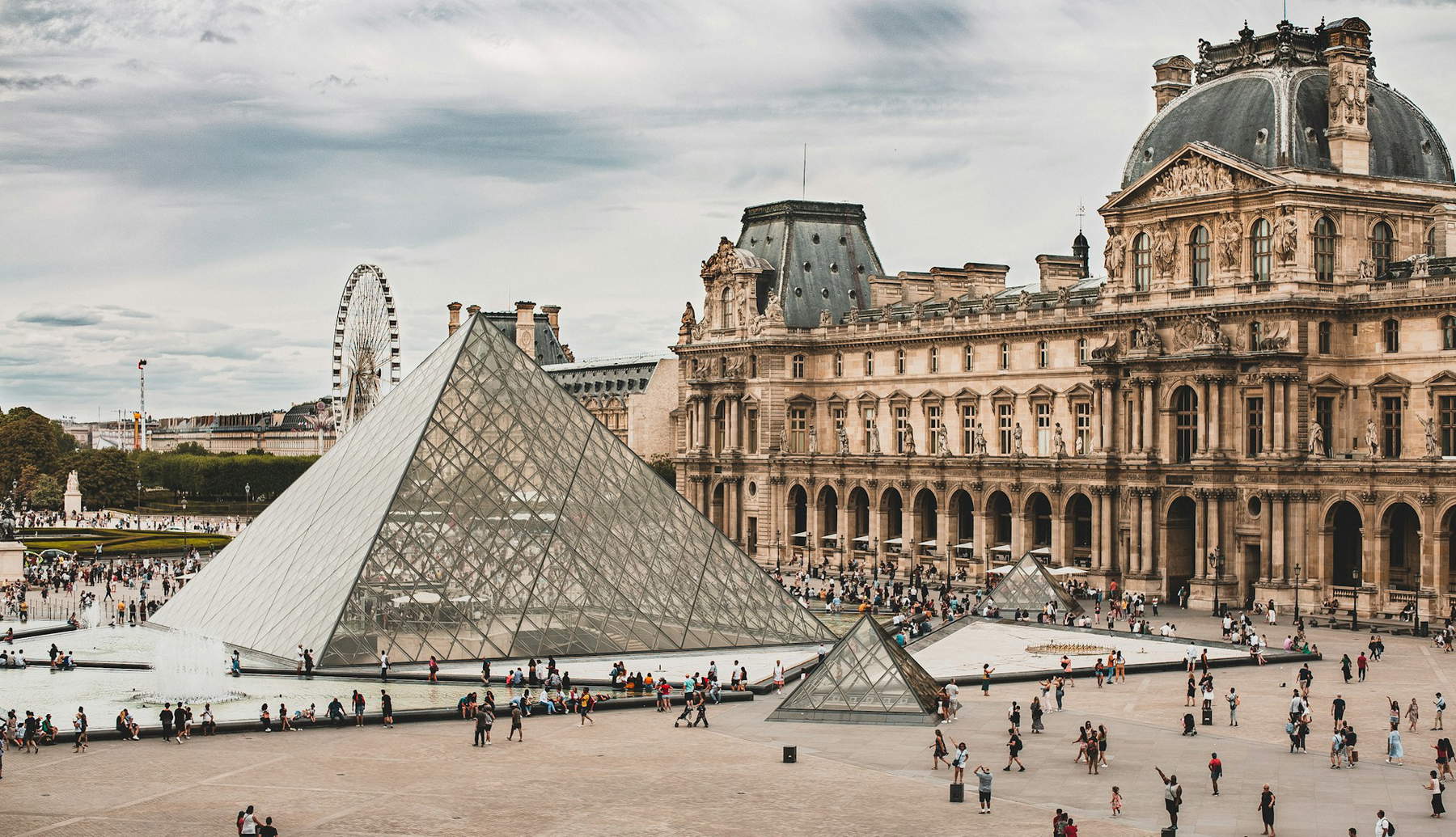
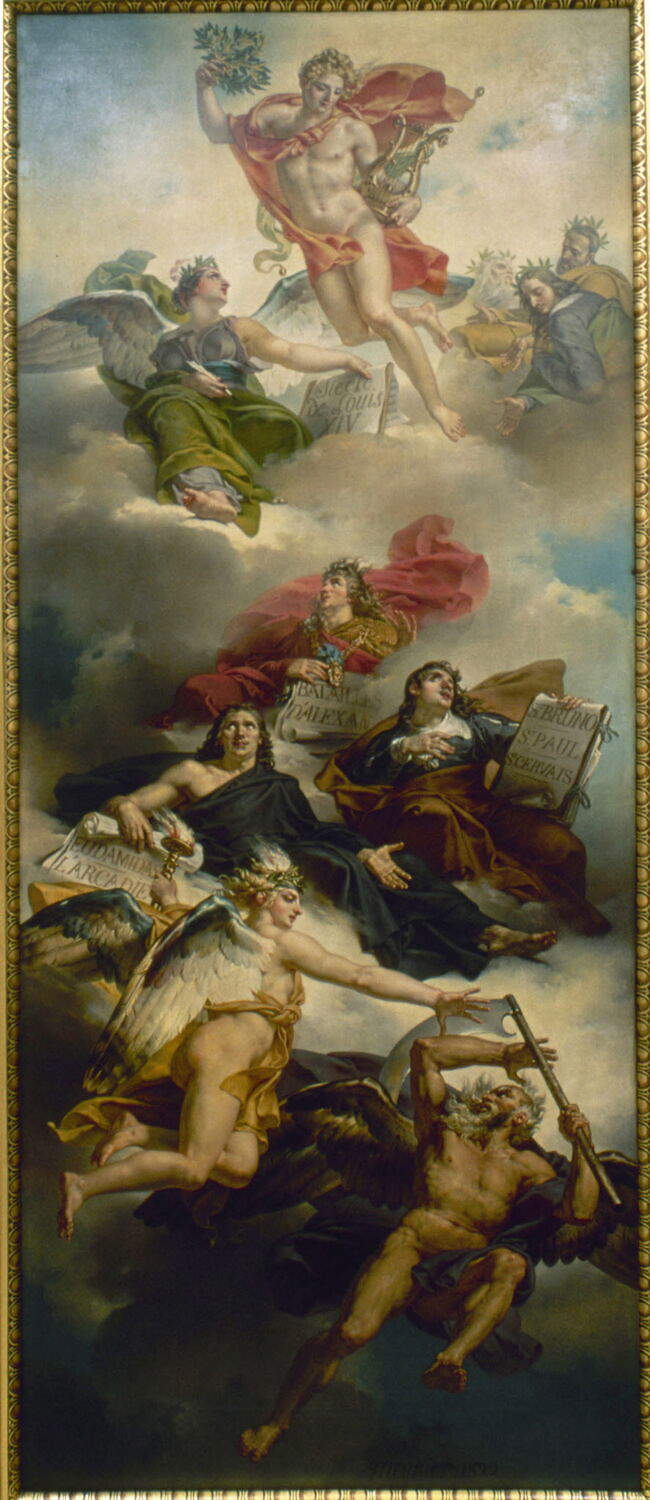
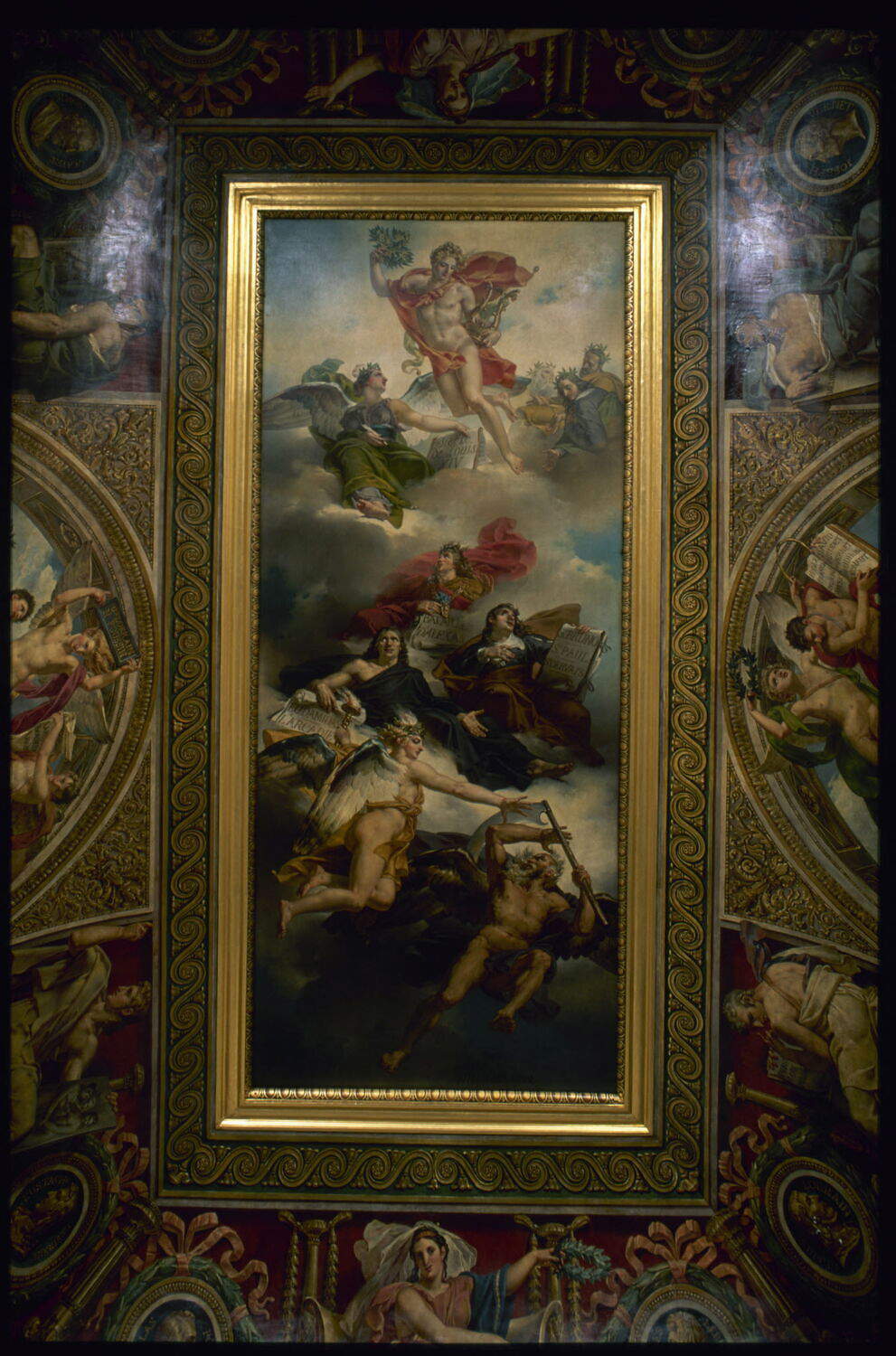
More trouble in Paris for the Louvre , which in the past few hours faced a new internal emergency following a water infiltration that affected the Denon wing during the night of Thursday, Feb. 12, to Friday, Feb. 13. The incident, which affected a key junction of the exhibition itinerary, resulted in damage to a work of significant historical and artistic value located right at the entrance to the department dedicated to paintings, namely the ceiling decoration executed in 1822 by Charles Meynier, a monumental composition depicting the Triumph of French Painting.
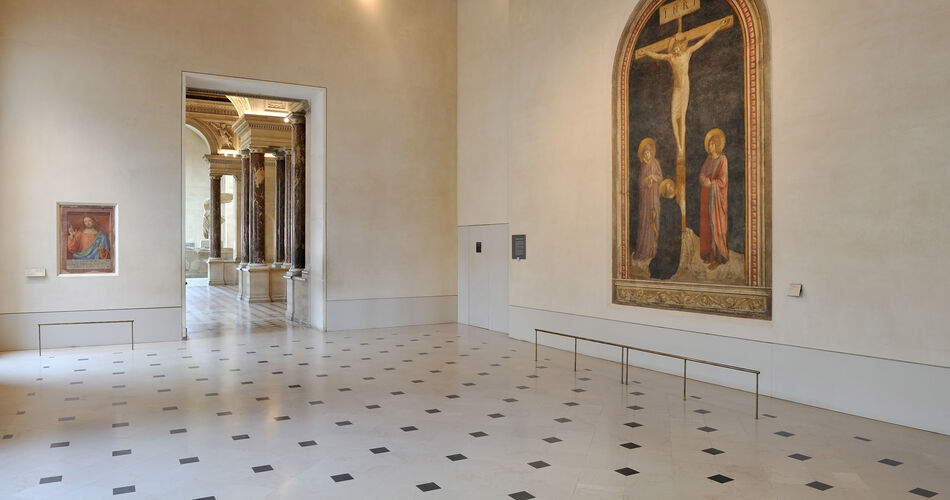
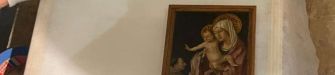
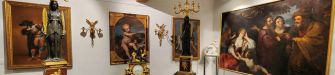
The cause of the accident was found to be the failure of a pipe belonging to the heating supply system, located inside a technical room above Room 707, also known as the “Duchâtel Room,” where a number of works by Bernardino Luini are kept in addition to Beato Angelico’s Calvary with St. Dominic at Prayer (these works, according to the Louvre’s own statement, were reportedly not damaged). It is the room that is located just after the room that follows the arrival of the staircase with the Nike of Samothrace and actually introduces the Grande Galerie where the masterpieces of Italian painting are kept. The flow of water released from the pipe directly affected the large canvas executed by Meynier. Despite the promptness of rescue efforts, with firefighters managing to stop the leak shortly after midnight, the prolonged contact with moisture caused visible alterations on the painting surface according to French press reports.
According to reports from museum management, an initial technical inspection was carried out on Friday morning by a specialized restorer flanked by the conservators in charge. Initial checks revealed two separate tears located in the same portion of the painting, caused by the mechanical and chemical action of water. In addition to the surface tears, the experts found widespread lifting of the color layer, affecting both the flat part of the canvas and the curved elements that connect the work to the walls. However, the chief architect of historical monuments, who intervened to assess the stability of the room, ruled out the presence of structural problems with the ceiling or surrounding masonry.
Although the management has announced a reopening of the affected hall within a few hours, monitoring procedures and diagnostic investigations on the work and wall surfaces will continue with more capillary analyses. However, the management of the incident has imposed immediate logistical measures, with the forced closure of the Salon Carré and two adjacent rooms. The area affected by the failure is one of the most frequented by visitors.
It is indeed not a good time for the Louvre: the damage to Meynier’s ceiling comes just three months after the sensational jewel theft that took place inside the Galerie d’Apollon, a still unsolved case whose loot has not been recovered by the authorities. Moreover, the museum had already had to order the closure of another gallery last November due to previous technical failures. Alongside this management instability are the social tensions affecting the Louvre since mid-December, with employees in a state of agitation to denounce worsening employment conditions. And then, in late November, there had been another water leak that caused damage to hundreds of volumes stored in the library of the Egyptian Antiquities department.
In addition to the physical and labor issues, the museum’s prestige is currently being shaken by a judicial investigation concerning a vast fraud network related to the sale of admission tickets. On Thursday, Feb. 13, law enforcement officials arrested nine people suspected of orchestrating an illicit ticket laundering scheme. Those arrested include two internal employees of the Louvre, as well as tour guides and an alleged organizer of the business. The investigation, coordinated by the Paris prosecutor’s office, led to the seizure of large sums: more than 957,000 euros in cash and about 486,000 euros deposited in various bank accounts. The fraudulent mechanism, first reported by the museum’s administration in December 2024, involved the repeated use of the same tickets for different groups of tourists, thus circumventing control systems.
As the Louvre seeks to return to full operations, attention remains focused on preserving the water-damaged heritage. Technical investigations will have to determine the timing and modalities of the restoration work needed to restore the integrity of the Meynier ceiling, amid the institution’s multi-pronged efforts, from internal security to the transparency of administrative processes.
|
| Louvre, water seepage damages 19th century painting in Beato Angelico room |

Warning: the translation into English of the original Italian article was created using automatic tools. We undertake to review all articles, but we do not guarantee the total absence of inaccuracies in the translation due to the program. You can find the original by clicking on the ITA button. If you find any mistake,please contact us.





















 IT
IT FR
FR DE
DE ES
ES CN
CN


