




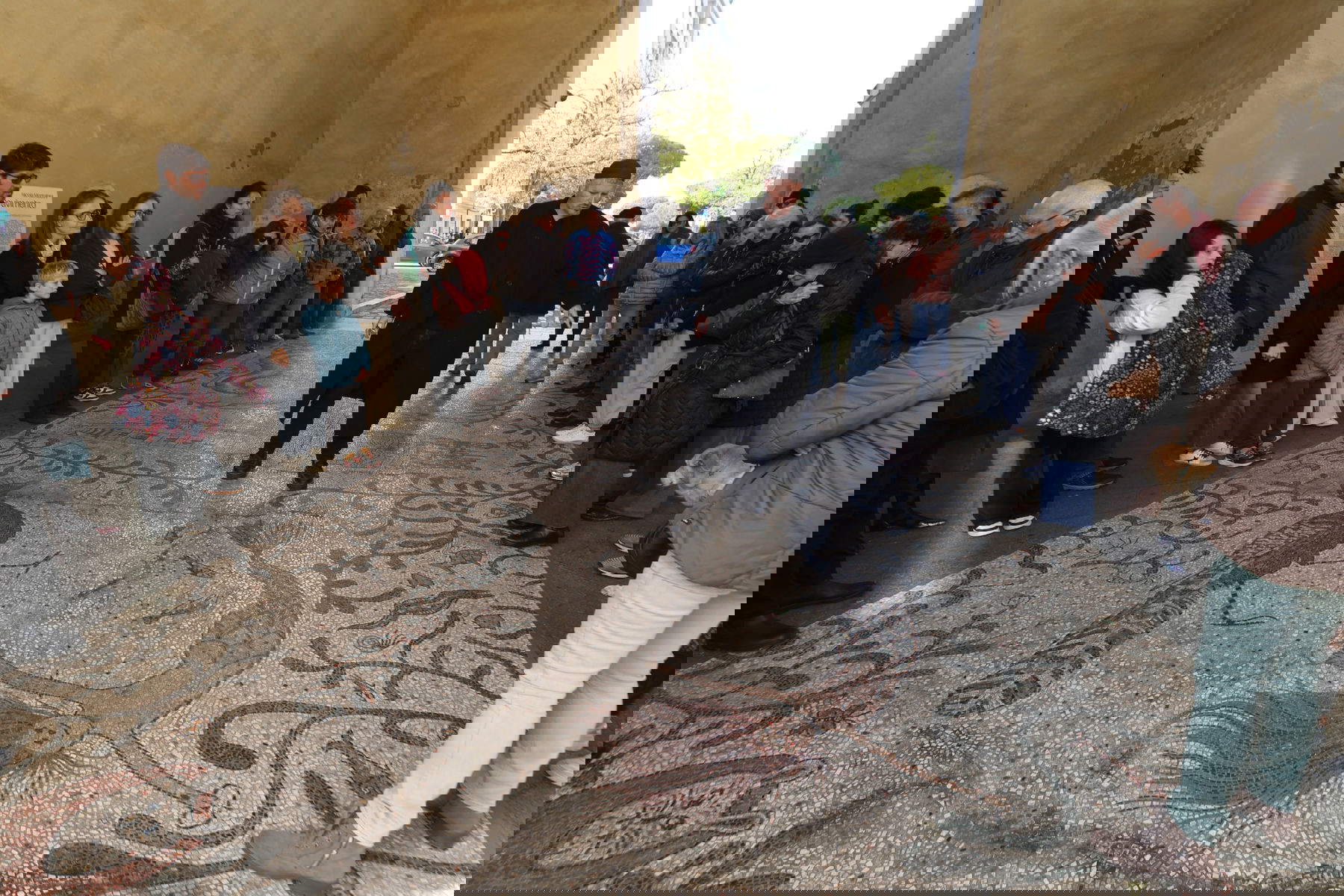
In Ravenna, a city historically associated with the great wall mosaic cycles of its basilicas, acontemporary work placed on the ground is catalyzing attention beyond the strictly artistic sphere. It is Il Pavimento, a mosaic designed by Nicola Montalbini (Ravenna, 1986) and installed inside Porta Adriana, one of the city’s historic gateways to the main pedestrian artery in the center, on the occasion of the Biennale di Mosaico Contemporaneo. Created as a temporary intervention, the work has become within a few weeks the subject of a public debate involving citizens, merchants, the city administration and the Soprintendenza Archeologia, Belle Arti e Paesaggio: in fact, there are many who would like to keep the work even beyond the end of the Biennial, which ends on January 18.
The mosaic was created by Montalbini in collaboration with Marco Santi ’s Gruppo Mosaicisti Ravenna and with the involvement of Fine Arts Academy students Roberta Casadei, Francesca Fantoni, Lorenzo Baruzzi, Chiara Cappucci, Yinzhuoran Cheng, Martina Di Mattia, Mattia Farinelli, Chiara Ferraresi, Xia Lingjie, Hernan Lombardo and Marica Zanga. The curatorship is by Daniele Torcellini and Eleonora Savorelli. The project, organized by the MarteAssociation, also received support from the City of Ravenna and sponsors Mapei and Profilpas. From an iconographic point of view, the work proposes a sequence of fantastic animals and creatures rooted in personal memories, readings, quotations from ancient mosaics and suggestions related to the future. The floor thus becomes a physical and symbolic passage, a crossing that invites a layered and non-immediate reading.
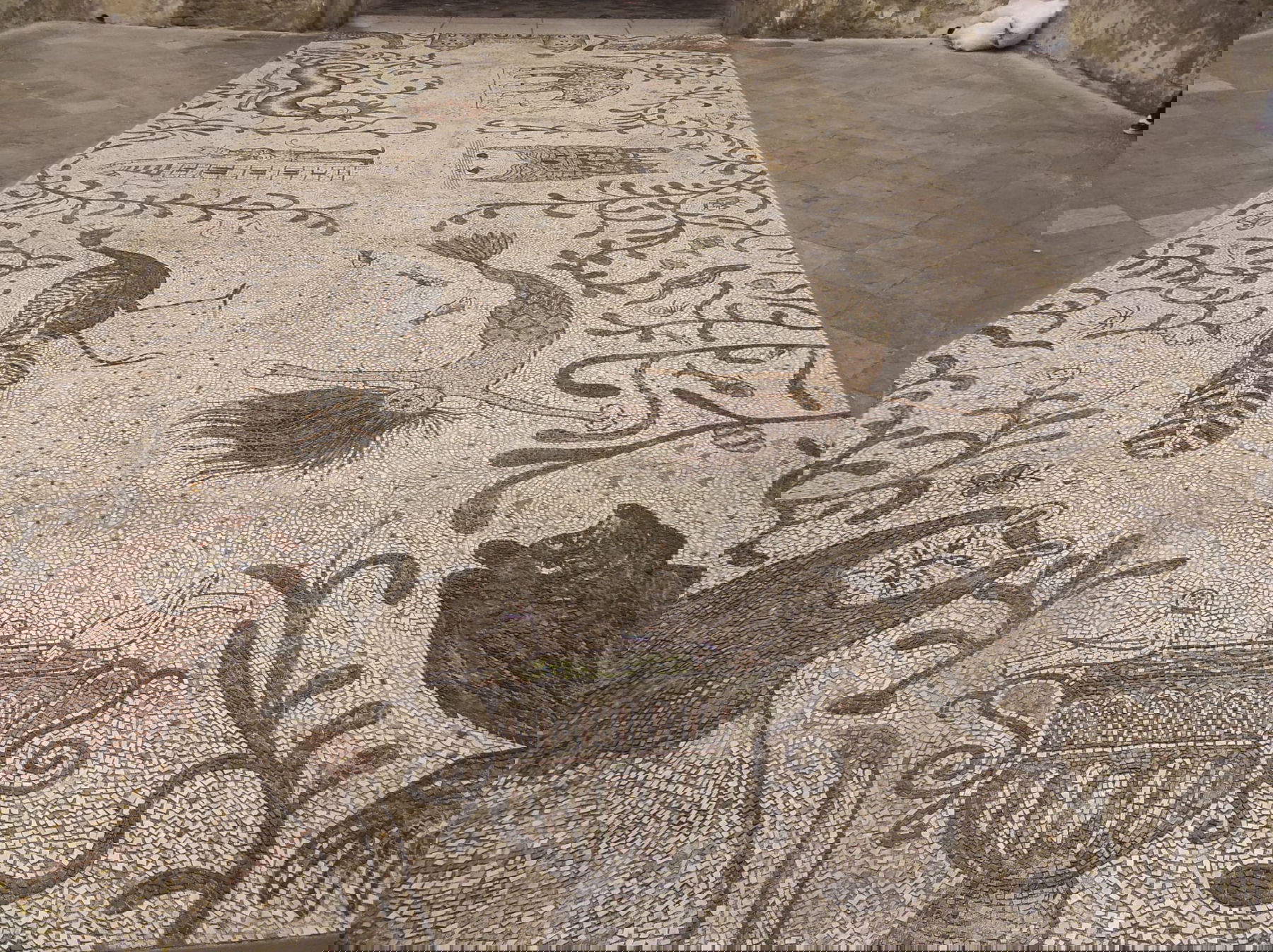
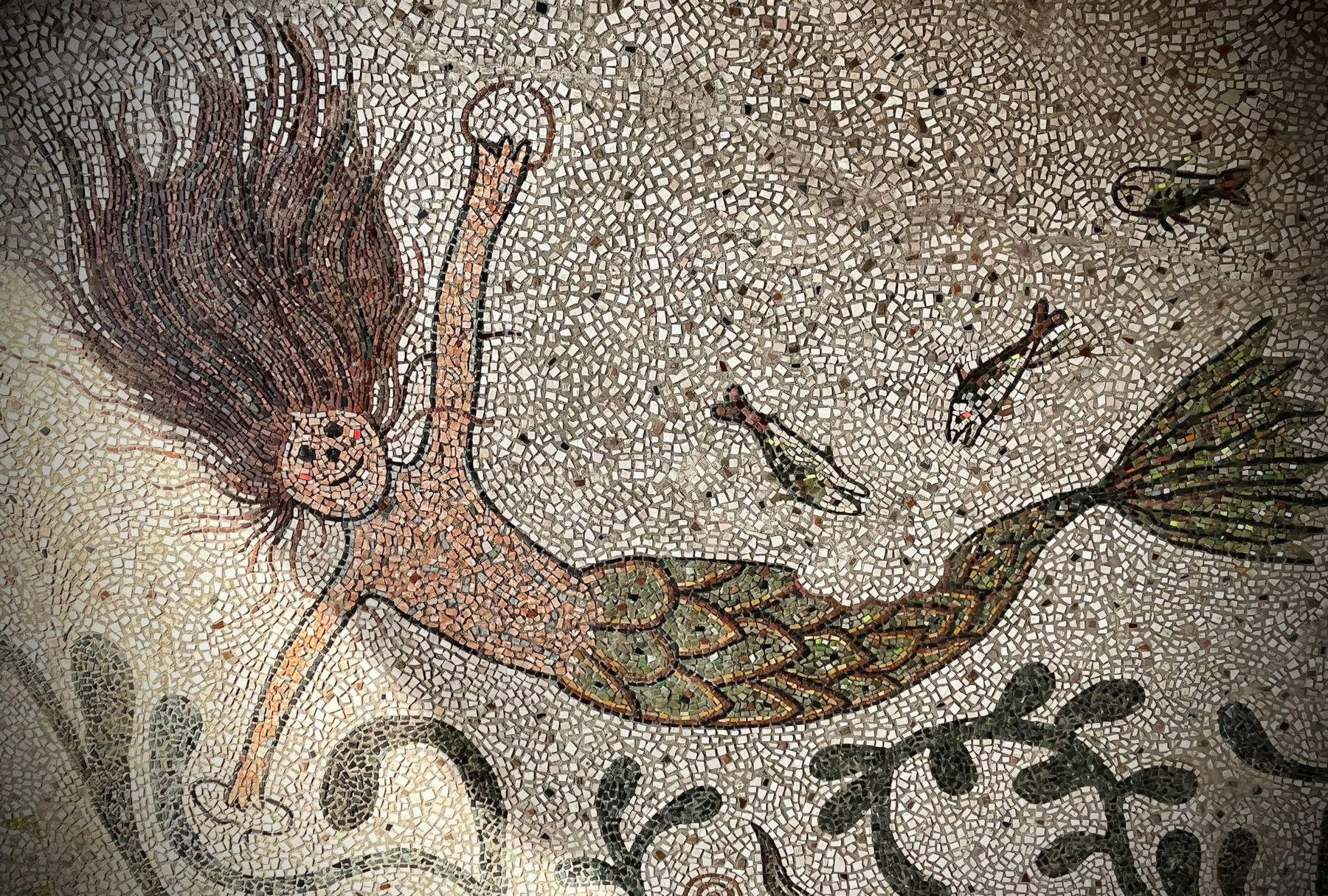
"Il Pavimento,“ says artist Nicola Montalbini, ”which was created as a temporary installation on the occasion of the 9th Biennial of Contemporary Mosaic, as well as a work was a journey, into the memories of a city that has lost many things along the way, first and foremost its natural element. But it was also a journey into the rooms of my childhood, when this city began to speak to me, a long time ago. Ravenna is famous for its ancient mosaics, which are mostly parietal and made with enamels and glass pastes. They are always objects of contemplation, vertical floating and enveloping images, closer to heaven than to earth. The Floor Mosaic was like opening a trapdoor and bringing out of the ground the great removed of this city, and all its abyss of creatures forgotten and buried by history; I also speak of the possibility that the mosaic could also be ground, basement, plane, habitable space and walkable. This large floor mosaic could not have come into being if not through a close collaboration with the Gruppo Mosaicisti di Marco Santi, a historic Ravenna company, which gave me the space and technical support to make it, the contribution of the Municipality of Ravenna, the curatorship of marte Associazione (Eleonora Savorelli) and Daniele Torcellini (Artistic Director of the Biennale), and the trainees of the State Academy of Fine Arts of Ravenna and the sponsors Mapei and Profilpas."
The decision to intervene on a walkable surface is therefore a relevant exception in the Ravenna context, which is best known for the wall mosaics preserved in monumental complexes. It was precisely this characteristic that contributed to making the work immediately visible and accessible, fostering a direct relationship with the urban space and with those who cross it on a daily basis. Nearly three months after its inauguration on October 17, 2025, among the Biennale’s flagship events, the mosaic carpet continues to attract the city’s attention. In-depth public meetings, guided tours, visiting schoolchildren testify to an involvement that has gradually expanded.
In the weeks since the inauguration, the mosaic therefore has been progressively inhabited by the city. Some repeatedly cycle through it, others linger to observe its details. On one occasion, a kindergarten class used the space as a place for educational activity, sitting on the ground with papers and paints to draw the figures imagined by the artist. The continuous flow of people fueled a gradual discovery of the work, made up of details that emerge over time: small animals, decorative elements, a columbine that seems to sustain the gaze of passersby, up to a portrait ofRavenna archaeologist Maria Grazia Maioli, a leading figure in the city’s archaeological history who recently passed away.
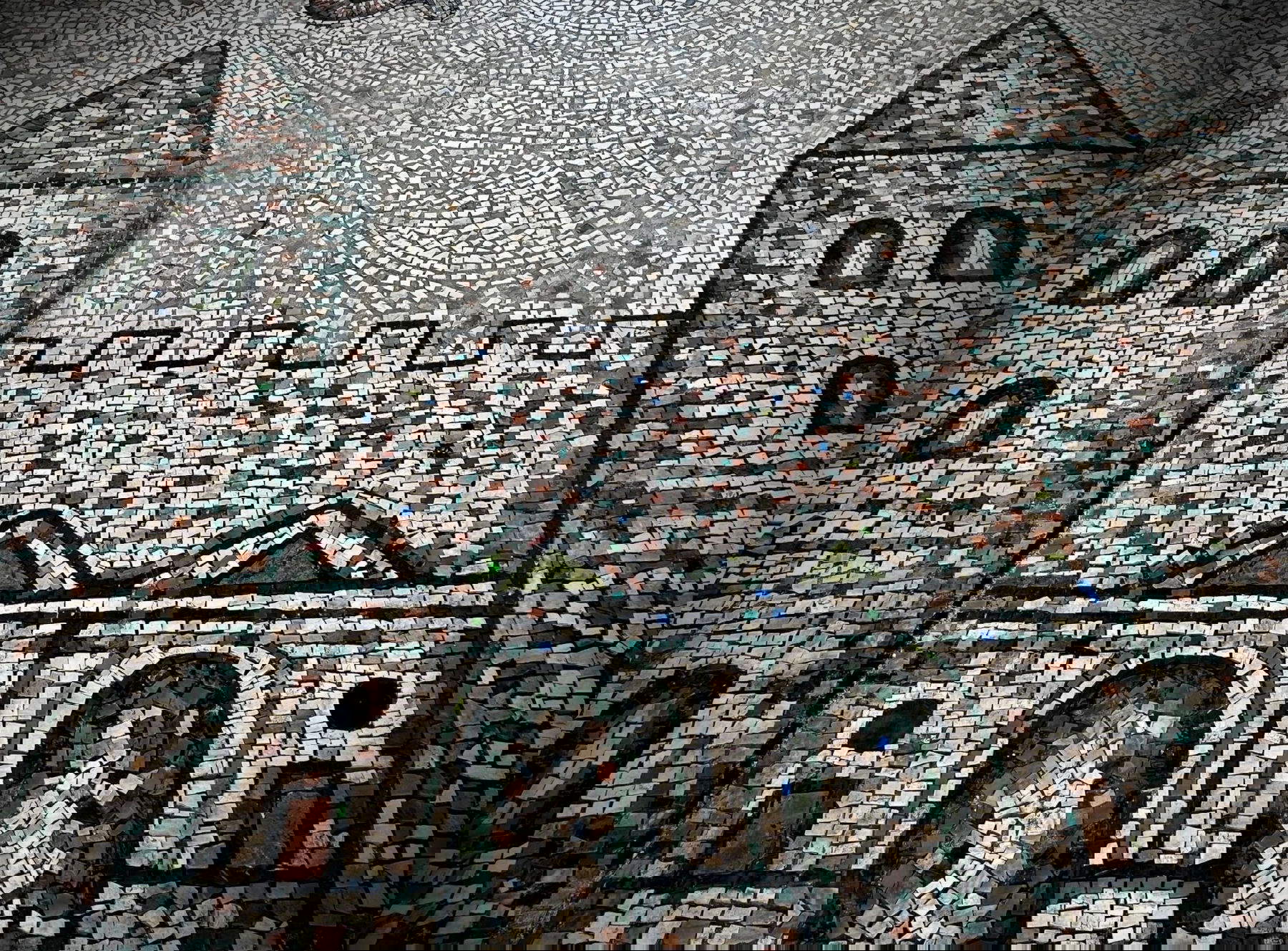
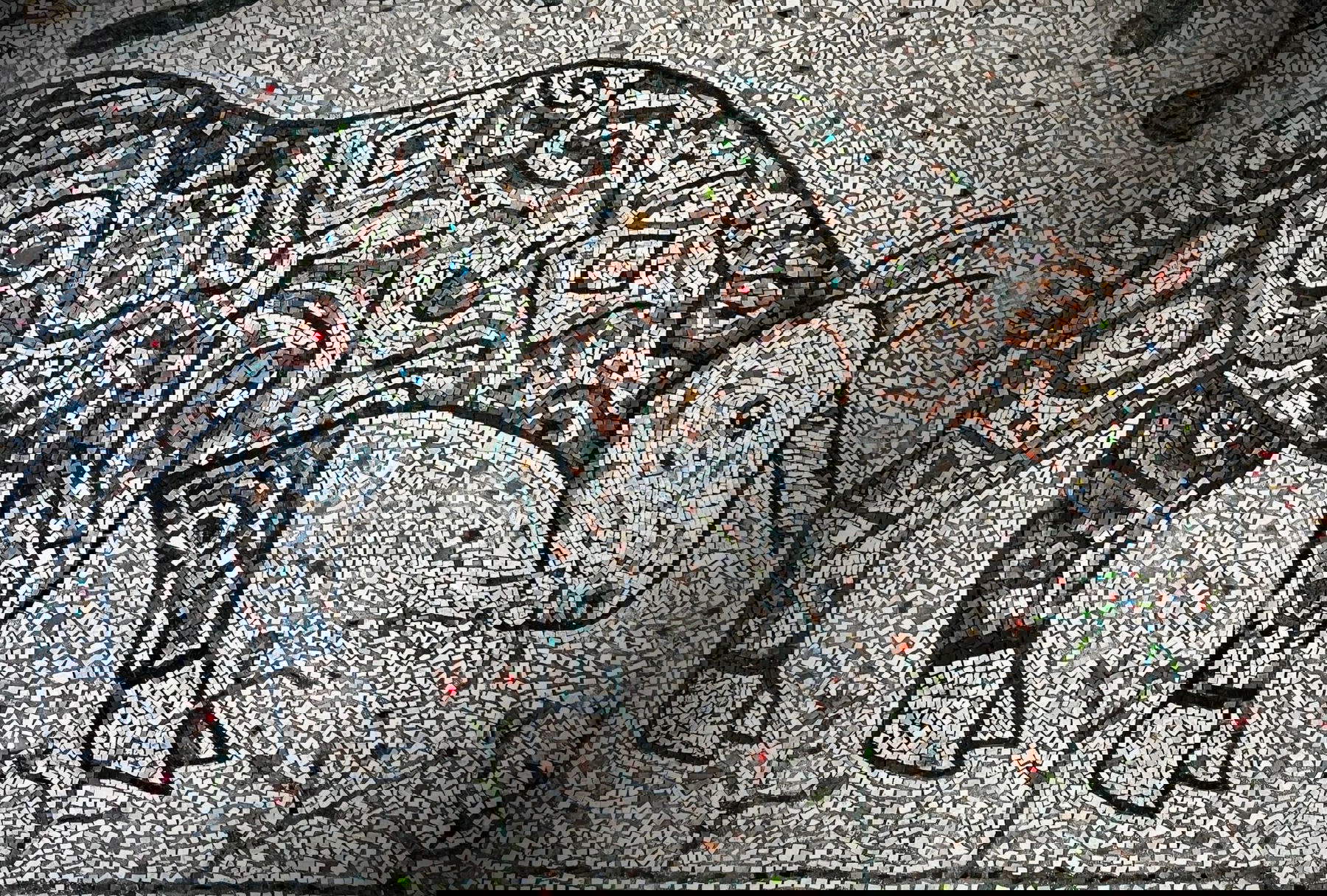
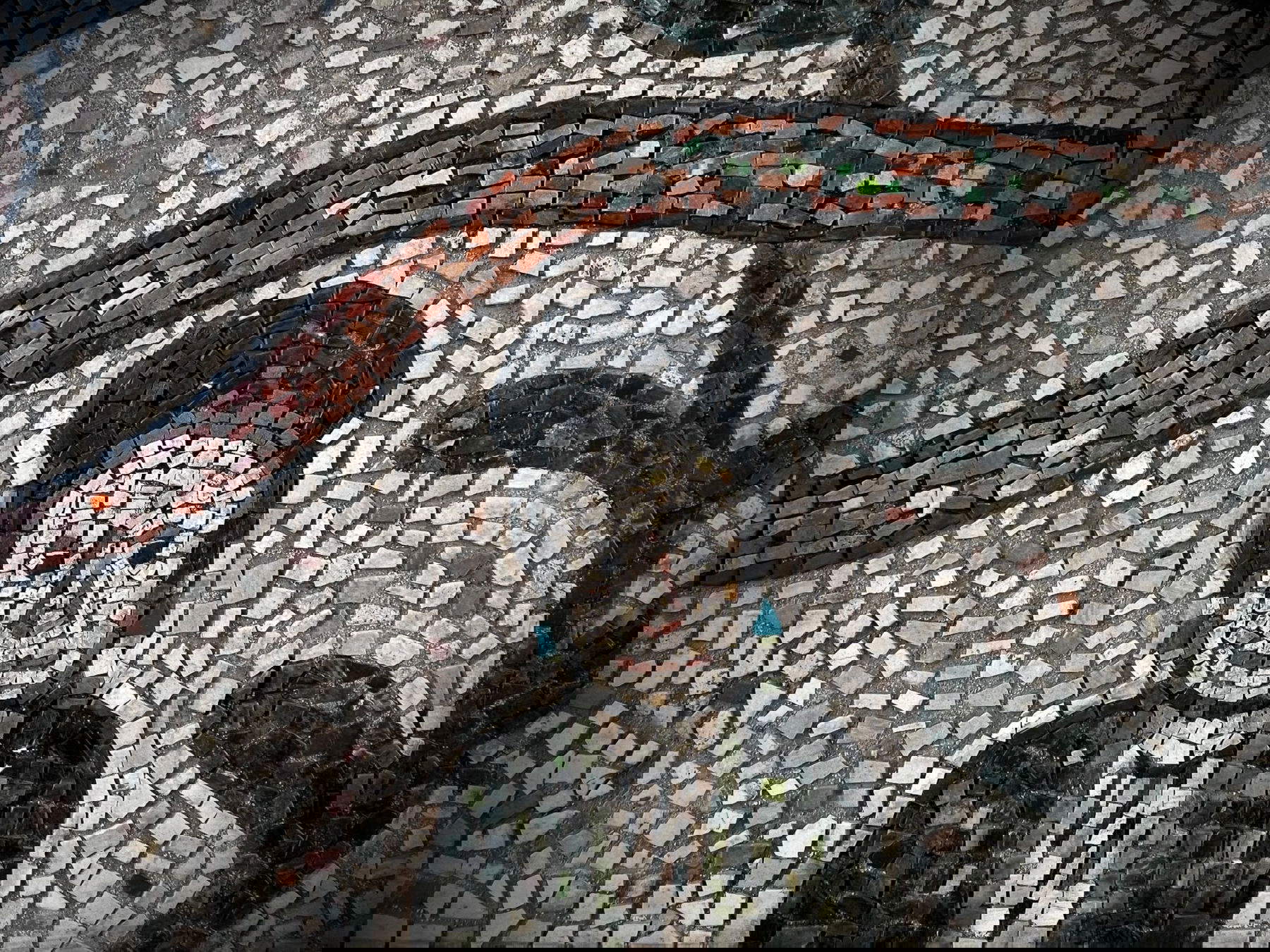
Despite the broad consensus recorded, the temporary nature of the intervention remains a central crux of the affair. According to the official program of the Contemporary Mosaic Biennial, Il Pavimento is scheduled to be removed on January 18, 2026 and moved to another location. According to the newspaper Il Resto del Carlino, since the first days after the presentation, however, numerous citizens have expressed their desire for the work to remain at Porta Adriana, believing it capable of enhancing the space and reactivating the relationship between the historic gate and the surrounding urban fabric. At the initiative of merchants in the area, in particular the owners of the Panna & Fragola ice cream shop, a collection of signatures in support of the mosaic’s permanence was therefore initiated. Hundreds of signatures are currently being collected.
The city administration has declared its readiness to positively evaluate this hypothesis, but the final decision is not within its exclusive competence. Porta Adriana is in fact subject to a constraint and any permanent intervention must be authorized by the Soprintendenza Archeologia, Belle Arti e Paesaggio, the territorial articulation of the Ministry of Culture. The issue also landed in the City Council, which in recent days voted unanimously on a formal request to the Superintendence so that Montalbini’s work can remain in its current location. Side issues also emerged in the debate, such as the request addressed to the Accademia della Crusca to verify the existence of the term “mostresse,” used in the work’s caption next to the word “monsters.” An episode that broadened the confrontation, introducing a reflection on language and terminological choices in the context of contemporary art. At the moment, Il Pavimento therefore remains installed at Porta Adriana until the end of the Biennale.
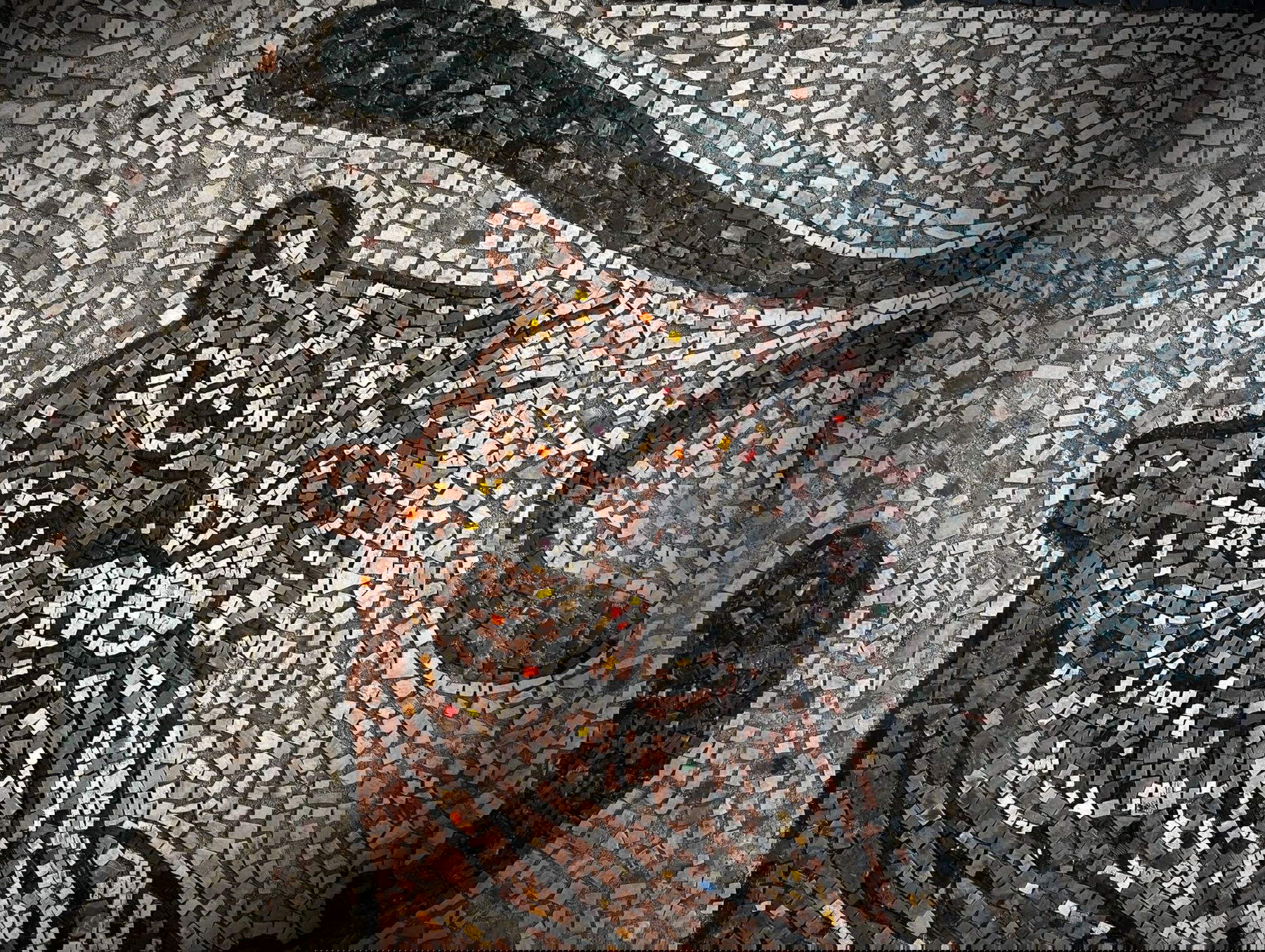
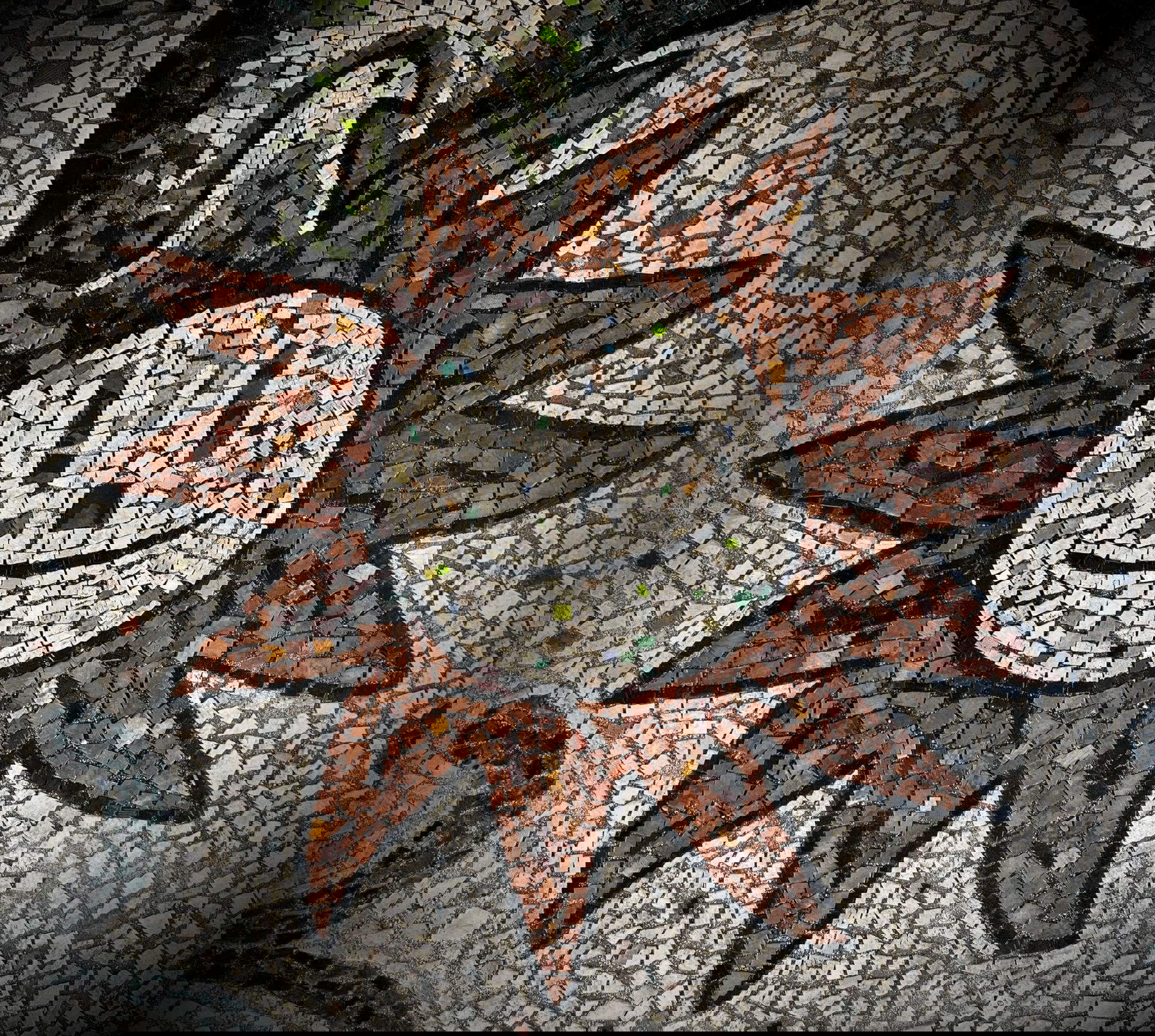
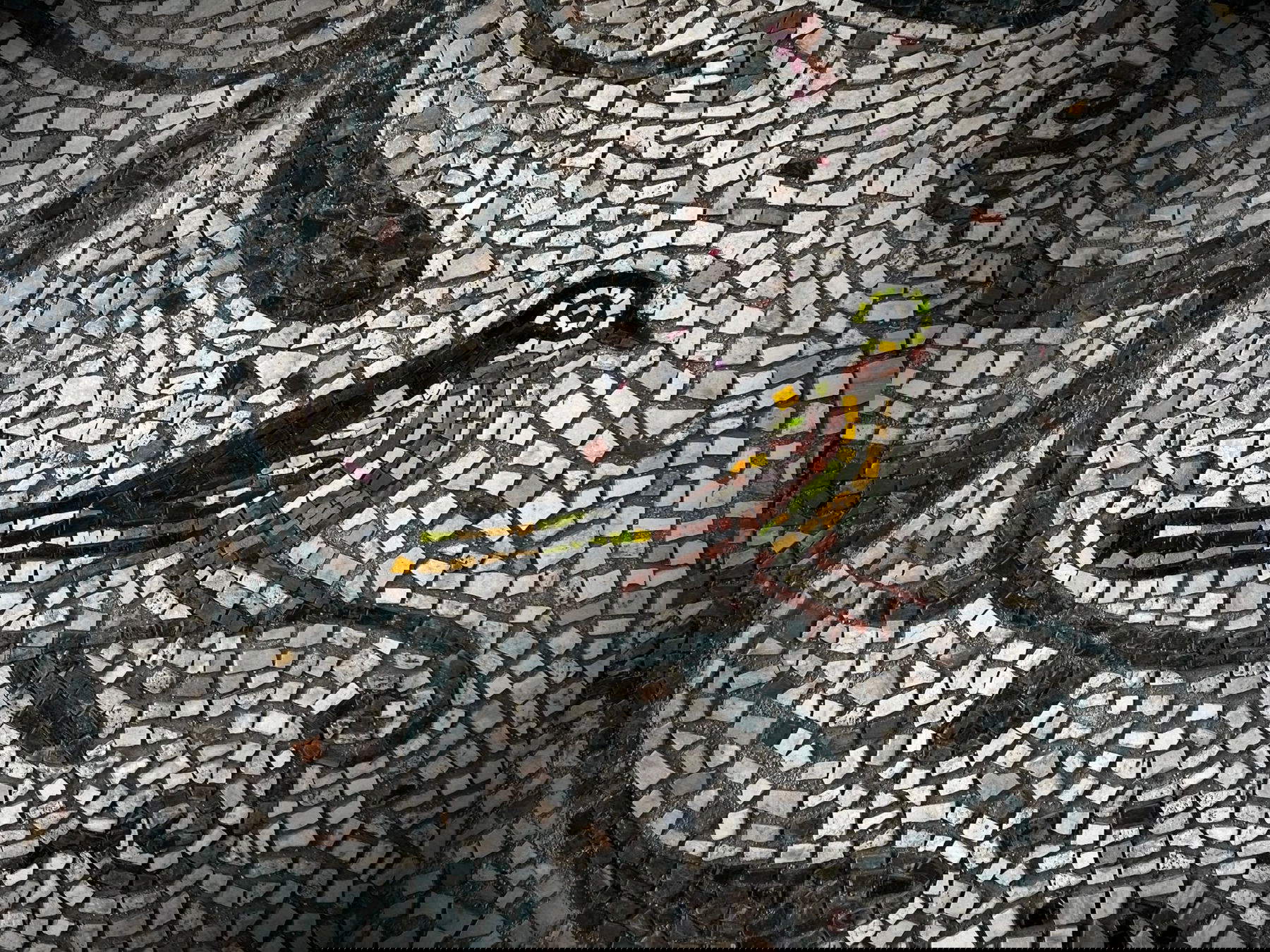
“In the last two months,” Montalbini continues, "many citizens have felt it, and immediately a popular push took shape so that The Floor can remain where it is and not be dismantled on January 18. Obviously, the citizenry has moved for The Floor to remain in place as the city’s mosaic heritage, there has been copious collection of signatures and a motion voted unanimously by the city council. If this has a positive outcome, I will be happy. But in the event that it cannot remain inside the Historic Gateway where it is currently located, I will agree to leave it to the city on the condition that it is not musealized and retains its public and walkable character."
The final word on whether it will remain, therefore, rests with Superintendent Gonzato, who is called upon to assess the compatibility of the work with the protected historical-architectural context. Pending the decision, the Ravenna case continues to raise questions about the role of public art in historic spaces, the limits between temporariness and permanent legacy, and forms of citizen participation in decision-making processes related to cultural heritage.
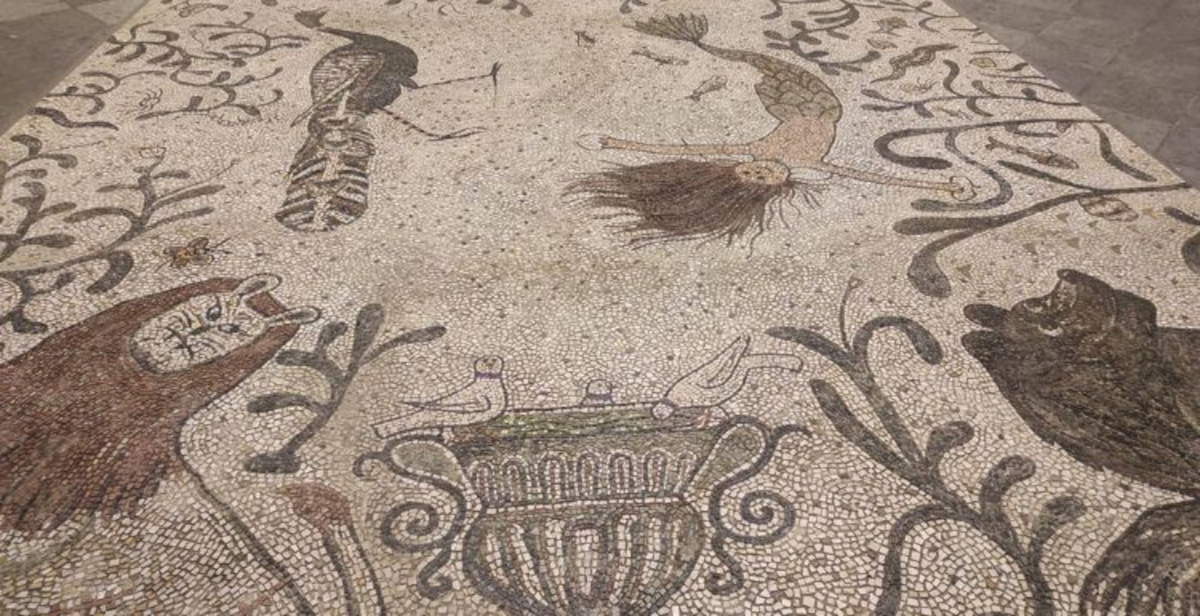 |
| Nicola Montalbini's mosaic in Ravenna becomes a case: it's temporary, but the city wants to keep it |


The author of this article: Noemi Capoccia
Originaria di Lecce, classe 1995, ha conseguito la laurea presso l'Accademia di Belle Arti di Carrara nel 2021. Le sue passioni sono l'arte antica e l'archeologia. Dal 2024 lavora in Finestre sull'Arte.Warning: the translation into English of the original Italian article was created using automatic tools. We undertake to review all articles, but we do not guarantee the total absence of inaccuracies in the translation due to the program. You can find the original by clicking on the ITA button. If you find any mistake,please contact us.




























 IT
IT FR
FR DE
DE ES
ES CN
CN


