



by Redazione 24/02/2026



Categories: News / Disclaimer
South African Culture Ministry cancels pavilion at 61st Venice Biennale after dispute with artist Gabrielle Goliath over Elegy project, which included references to Gaza. The artist's urgent appeal is rejected.

South Africa will not participate in the 61st Venice Art Biennale in 2026. The national pavilion will remain empty, breaking an uninterrupted presence that lasted since 2011. The decision, confirmed by South Africa’s Ministry of Culture to The Art Newspaper, comes at the end of a legal and political dispute involving artist Gabrielle Goliath and Culture Minister Gayton McKenzie.
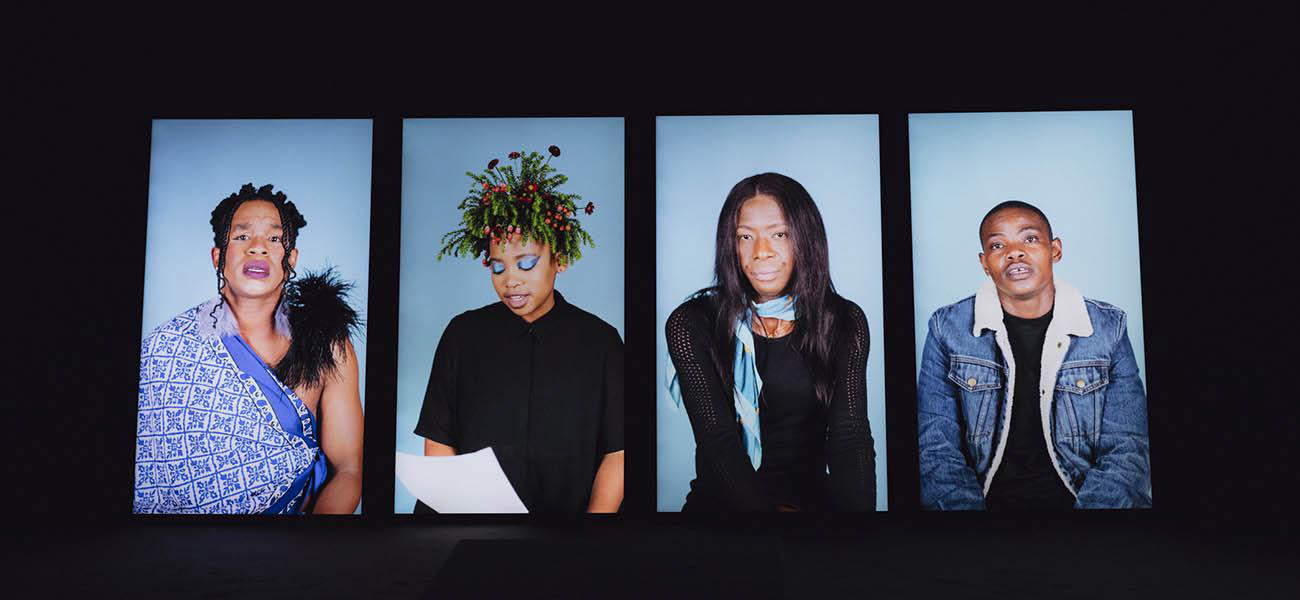
At the center of the affair is the project Elegy, a performance and video-sound research project that Goliath has been developing since 2015 that addresses the feminicides and murders of LGBTQI+ people in South Africa. The artist, along with curator Ingrid Masondo, had been selected in December as the official team to represent the country at the Biennale. The plan called for a new iteration of the work, with a thematic extension that would also include violence against women in Namibia and Gaza, and a tribute to Palestinian poet Hiba Abu Nada, who was killed in an Israeli airstrike in 2023.
It was this extension that triggered the institutional clash. In a letter dated Dec. 22, McKenzie called the Gaza-related part of the project “highly divisive” and demanded changes. Faced with the artist’s refusal to act on the layout of the work, the ministry withdrew its support in early January, effectively blocking South Africa’s official participation in the 2026 Art Biennale.


Goliath and Masondo had argued that the minister had overstepped his powers by intervening in a nomination and content selected by the nonprofit organization Art Periodic, which was charged with identifying the artist for the national pavilion. In the urgent appeal filed Jan. 22 in the North Gauteng High Court, the artist argued that McKenzie had no contractual right of veto and that his decision violated the constitutional right to freedom of expression.
On Feb. 11, a hearing was held in the South African Supreme Court to discuss Goliath’s application for reinstatement as the Biennale’s designated artist. Representing her, lawyer Adila Hassim reiterated that the minister did not have the authority to cancel the project. In contrast, the minister’s defense, by lawyer Zinzile Matabese, argued that the issue was not about freedom of expression but about contract law, claiming that the department had been “misled” about the nature of the proposal and that the cancellation stemmed from a breach of trust with Art Periodic.
Judge Mamoloko Kubushi dismissed the urgent application just hours before the deadline for official submission to the Biennial, without giving detailed reasons. She also ordered the artist to pay the respondents’ legal fees, including costs for a senior and a junior lawyer, a decision the Goliath team called punitive. In a statement, the artist said she was deeply disappointed with the ruling and announced her intention to appeal, arguing that the verdict sets a dangerous precedent for freedom of expression for artists, curators, and creatives in South Africa.
The ruling effectively closed any chance of a timely submission to the Biennale. According to South Africa’s Daily Maverick newspaper, McKenzie allegedly made secretive moves to delay the process until official deadlines had passed, creating a situation where it would be too late to organize an alternative. Last Feb. 9, the minister disputed the urgency of the legal action, calling it “self-induced” by the plaintiffs. In response, Goliath argued that the delay in the ministerial reply was deliberate and aimed at rendering the petition devoid of purpose.
The documents also show that the South African ambassador to Italy, Nosipho Jezile, had obtained an extension from the Biennale for the delivery of catalog materials, moving the deadline from Feb. 6 to Feb. 13. The artist and her team submitted the documentation on time. Despite this, the court’s decision and the ministry’s position sanctioned the suspension of official participation.
After the ruling, the Ministry of Culture announced that there will be no state-funded exhibition in the South African pavilion. Rumors had circulated in previous days about possible alternative solutions, including closed-door talks with the Beyond the Frames collective. However, a ministry spokesperson clarified that the department is not planning any exhibition in Venice for 2026.
The cancellation of the pavilion interrupts an ongoing participation that began in 2011 and leaves empty a space that South Africa occupies on a long-term lease in Venice. In addition to the symbolic damage, the relinquishment represents a setback in the international visibility of South African art, which in recent years had established a significant presence in the context of the Biennale. With the pavilion set to remain closed, the 61st Art Biennale 2026 will open without an official South African contribution. An absence that weighs not only on the exhibition calendar but on the global debate around the role of art in contemporary conflicts and the limits of dissent in national cultural systems.
|
| South Africa forgoes 2026 biennial after clash over Gaza |
Warning: the translation into English of the original Italian article was created using automatic tools. We undertake to review all articles, but we do not guarantee the total absence of inaccuracies in the translation due to the program. You can find the original by clicking on the ITA button. If you find any mistake,please contact us.