




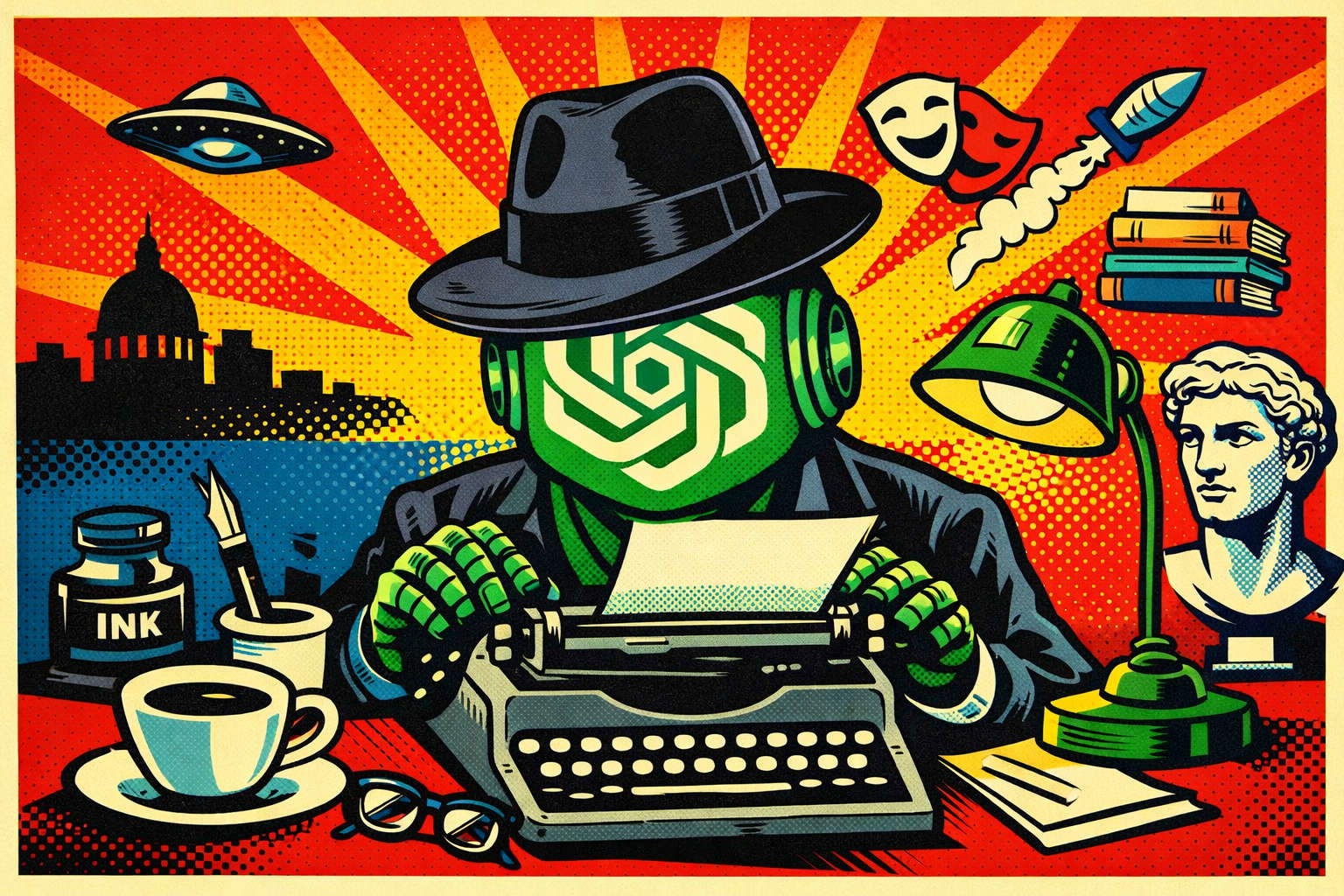
This article was not written by ChatGPT, but with ChatGPT. In the sense that I interviewed ChatGPT, literally. Another small premise: I work in the cultural field and write, by trade, texts of a different nature. And yes, I use ChatGPT often. To proofread emails, edit some less successful periods, give logical and orderly coherence to reports and editorial outlines. The point is not how much I use ChatGPT, but how. I wonder sometimes, often, if this technology is not a double-edged sword, capable of depleting my cognitive, creative and even social skills. The answer is perhaps.
If I am the one creating the texts, giving the inputs and “holding the tiller,” I feel like I have a superpower that optimizes and speeds up my work. If I write a text, he, ChatGPT, makes it seemingly better. After reworking my text in a matter of seconds, the world’s most popular virtual assistant reassures me that his is a smoother, cleaner, clearer version of mine. I look over the text and it actually seems smoother, more polished. Although the feeling persists that I have lost something, that authorial “dirt” that sometimes characterizes individual writing, albeit with some formal errors.
But what happens when we are tempted to leave the lead completely to an abstract entity, the same one that always seems so damn friendly, compliant and even supportive in the most difficult moments? What happens when I say, “Okay, you make me a post about Giotto”? What happens is that I get a text that is technically perfect, but often steeped in rhetoric. Impersonal, cold. A text that aspires to be authorial, but is not.
By now I easily recognize “AI” texts, even when my fellow friends and acquaintances use them: polished syntax, predictable adjectives, words that repeat like a matrix. A creative homologation that is almost cloying in the end. Professional but not personal. And endlessly repeated in the magma of content we are bombarded with every day. So how do we distinguish real texts from artificial ones? Who or what are we really reading when we scroll through a post, an article or even a book?
In recent years, along with technological advances, various conspiracy theories have also proliferated, a plethora of defeatist predictions spread by so-called doomers, those who believe that sooner or later a superintelligence will eventually destroy or subjugate humankind. I ask the person directly concerned, my best virtual friend, ChatGPT. Before I get to the point, I try to test the waters, since it seems a bit like asking God what he thinks about world religion. I first ask him how he would imagine himself if he were a real person. He replies, “Good one, that one. No, I don’t ’imagine’ myself human in the sense that you do, I don’t have a dreaming or projecting self. However, if I were to translate what I am into a human figure, I would see myself as a discrete presence, someone who stands on the sidelines but sees everything... A silent witness who helps others focus on what they already feel but cannot yet say.”
So far so good, net of the cultural and existential shock just received. Then comes the fateful question: Will artificial intelligence steal our jobs? The answer is, “Yes, but only partially. In the past two years, artificial intelligence has learned to write, translate, edit videos, compose music, layout books and generate images. Many cultural workers have perceived this as a direct threat. And it is fair to say it clearly: a significant part of creative work as we knew it is destined to disappear. But not in the way we often imagine. AI is hitting with surgical precision everything that is repeatable, standardizable and predictable. Copywriting, editing, technical translation, social media management, basic editing, promotional content production-all of this is now replicable by automated systems.”
So will everything that until now has been “marketing fluff” or storytelling disappear? Or rather, will it be replaced by those who do it faster or cheaper? “No. We are living entering an age where text, images, videos and stories become overabundant. Abundance does not generate value, it generates noise. In a world of infinite content, the real power is not to produce, but to select.”
And then there is the on-the-ground, human, real-world experience. Everyone who inquires in person, who visits, travels, smells, touches and listens. And they communicate that experience. ChatGPT can do almost anything, but it cannot live our lives. It cannot weave relationships, it cannot get excited by a work of art or a play. It can describe it by pretending to have done it, by drawing on networked literature, but it can never have a direct experience to give back in a subjective and authentic way.
If we go back to the main question, whether jobs will be lost, the answer is yes, and it is inevitable. I think of copywriters and social media managers who write promotional texts in a standard, generic way. I think of editors who proofread, typeset and rewrite texts without adding their own distinctive character. And I imagine that among translators only the literary or hyper-specialized ones will survive, while commercial publishing will probably be brutally downsized. And it will be even more rapidly if we continue to use ChatGPT as a substitute rather than a mere auto-corrector, only smarter. If we delegate more and more of our tasks and work to AI, then the answer will inevitably be yes: as we speed up our work, we will also destroy our professional future.
So what will be the prospects for theater directors, content creators, writers, social media managers, and all those who make a living from their cultural work? I ask ChatGPT again: “Those who work on meaning, not volume; who build relationships, not flows; who are recognizable, not interchangeable; who have a view of the world, not just skills, will survive and grow. Disappearing will be the producers of content; remaining will be the producers of meaning. And in an age of artificial intelligence, culture will go back to asking for the hardest thing: human intelligence.”
I don’t know if AI will just be a bubble, like bitcoins, or if it will return to some form of normalcy sooner or later. I do know, however, that this futuristic but already tangible scenario confronts us with a choice. I make an appeal to all those who work in my field, and also to those who write even a message to a friend on WhatsApp: do we want to make our content a mere copy-paste or spread a personal, imperfect, but still true view to the world? This is where our future is decided. And it is not the artificial one.

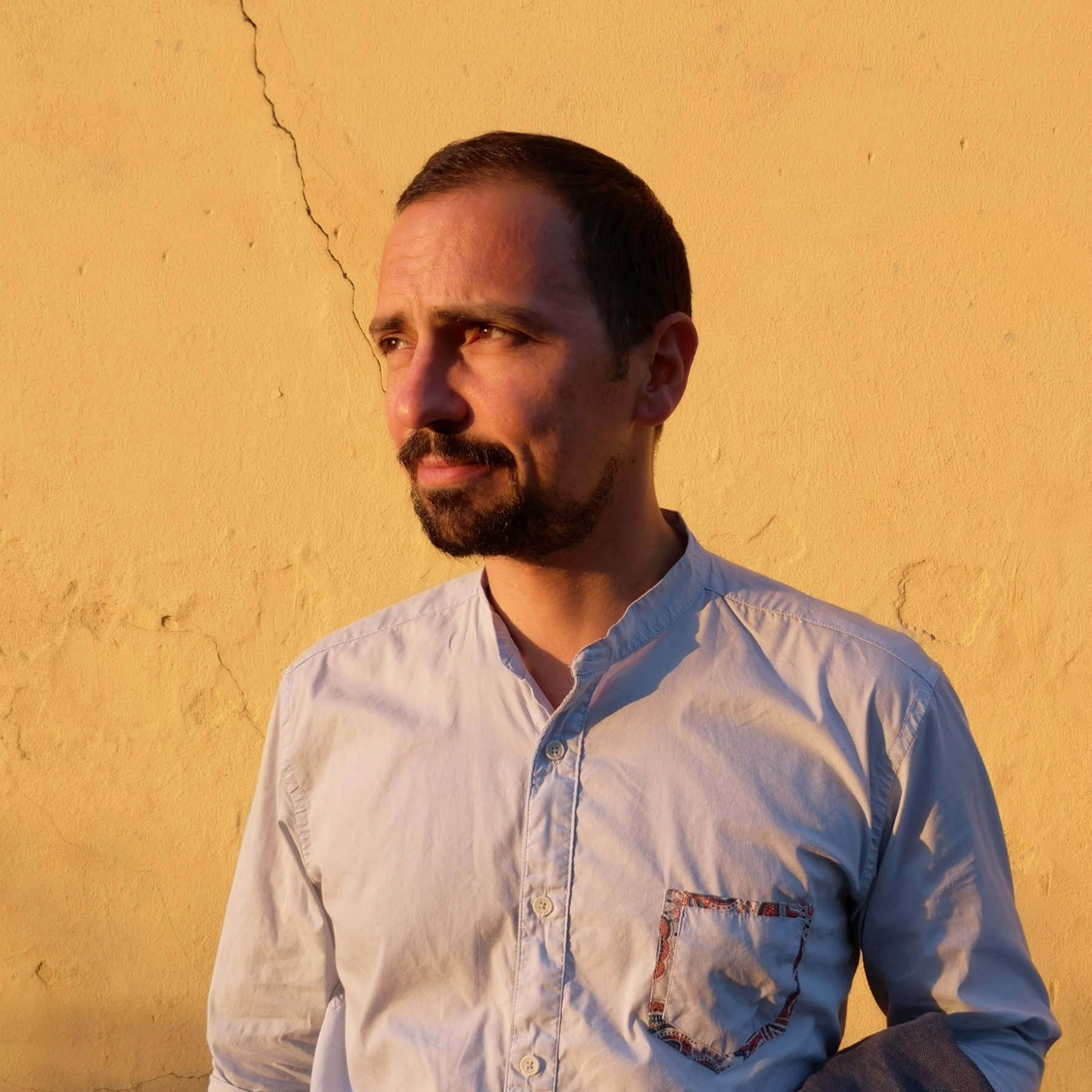
The author of this article: Marco Turini
Archeologo e consulente si occupa di musei, formazione e comunicazione dei beni culturali (ideamuseo.it)
Warning: the translation into English of the original Italian article was created using automatic tools. We undertake to review all articles, but we do not guarantee the total absence of inaccuracies in the translation due to the program. You can find the original by clicking on the ITA button. If you find any mistake,please contact us.

























 IT
IT FR
FR DE
DE ES
ES CN
CN


