



by Redazione 21/01/2026



Categories: Travel / Disclaimer
Established in 2019 to join the forces of four historic institutions, the MUVV - Musei Vercelli e Varallo network proposes an integrated cultural offering ranging from archaeology to contemporary art, linking the Vercelli plain to the peaks of Valsesia to offer cultural experiences accessible to all.
The cultural landscape of the Piedmont region has seen in recent years the consolidation of a strategic project called MUVV, an acronym that identifies the network of Vercelli and Varallo Museums. This initiative stems from the need to structure a museum system that is at the same time more competitive, integrated and easily identifiable by national and international audiences. The institutions involved encapsulate very different histories, often housed within historic residences that over the decades have been converted into exhibition spaces of artistic significance. The project winds geographically from the plains of Vercelli to the mountain ranges of Valsesia, setting as its primary goal the protection of heritage and the increase of the region’s tourist and cultural attractiveness. The protagonists of this union are the “Francesco Borgogna” Museum, the “Camillo Leone” Museum, the Museum of the Cathedral Treasury and the “Luigi Bruzza” Civic Archaeological Museum in Vercelli , and the two museums located in the Palace of Museums in Varallo (i.e., the Civic Art Gallery and the “Pietro Calderini” Museum of Natural History), which formalized their collaboration in front of the public on October 1, 2019. This milestone was the result of a journey that began as early as 2017, thanks to the support and impetus of the CRV Foundation and Compagnia di San Paolo, which facilitated the analysis of the needs and growth potential of the individual entities.
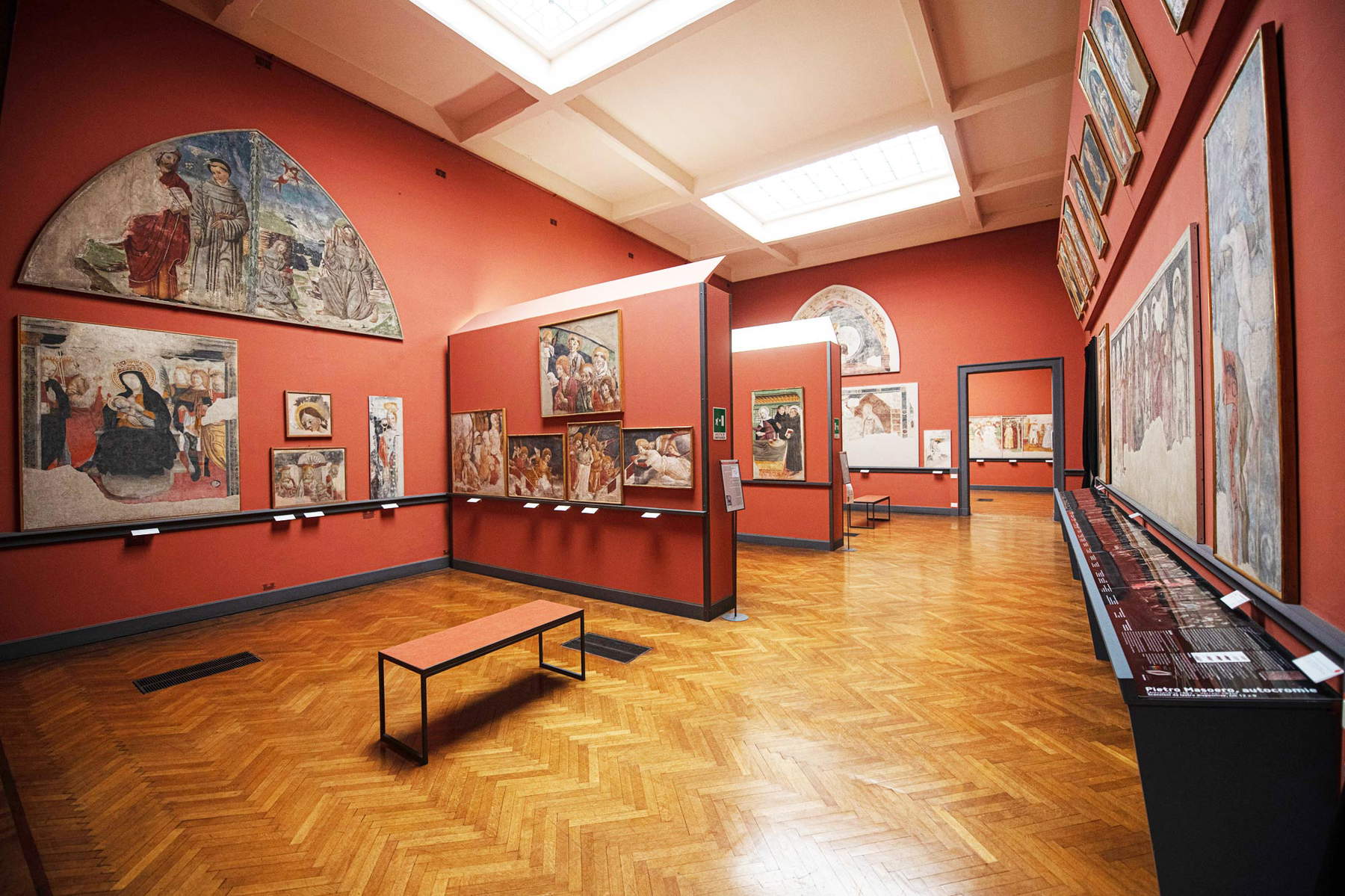
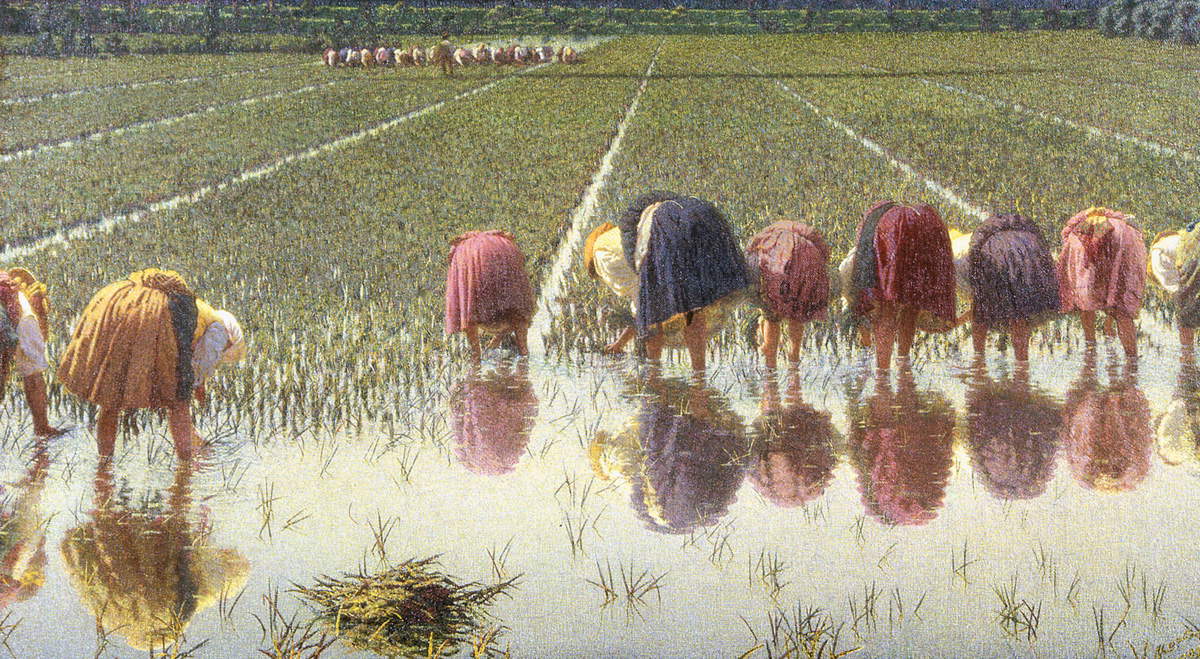
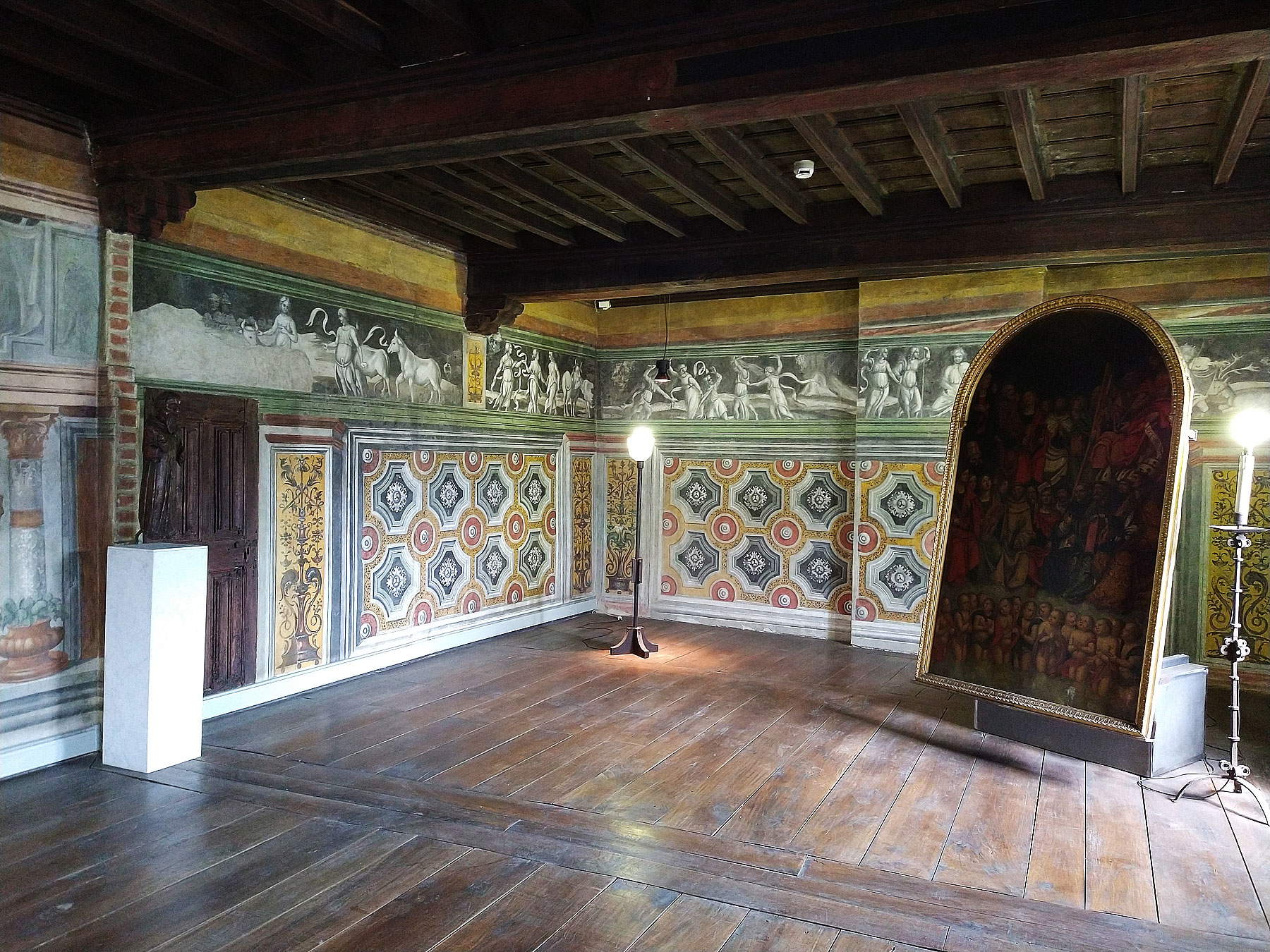
The idea of a formal network has found fertile ground in spontaneous collaborations already active in the past, especially in the area of education and the organization of special events among Vercelli institutions. Experimental projects such as the one dedicated to theatricalized visits had already demonstrated the effectiveness of working together, just as the natural artistic connections linked to the figure of Gaudenzio Ferrari had created cultural bridges between the city’s collections and those of Varallo. Within this system, the Francesco Borgogna Museum represents a milestone in the understanding of Italian and international art between the 15th and 21st centuries. The structure, which opened its doors in 1908 in a neoclassical building, houses dozens of works distributed on three levels. The exhibition itinerary takes the form of a historical narrative that traverses painting, sculpture and graphic arts, maintaining in some rooms the atmosphere of the original house-museum desired by founder Antonio Borgogna (the museum, by his testamentary will, is dedicated to his father Francesco). Antonio Borgogna, a lawyer and philanthropist who lived in the 19th century, devoted his life to collecting and traveling, bringing back aesthetic testimonies from Europe, the Middle East and North Africa with the intention of educating the citizenry about beauty. Prominent among the masterpieces preserved are Renaissance altarpieces, works by Divisionist Angelo Morbelli (including the celebrated For Eighty Cents!) and impressive canvases by Giuseppe Cominetti, including his masterpiece, The Conquerors of the Sun.


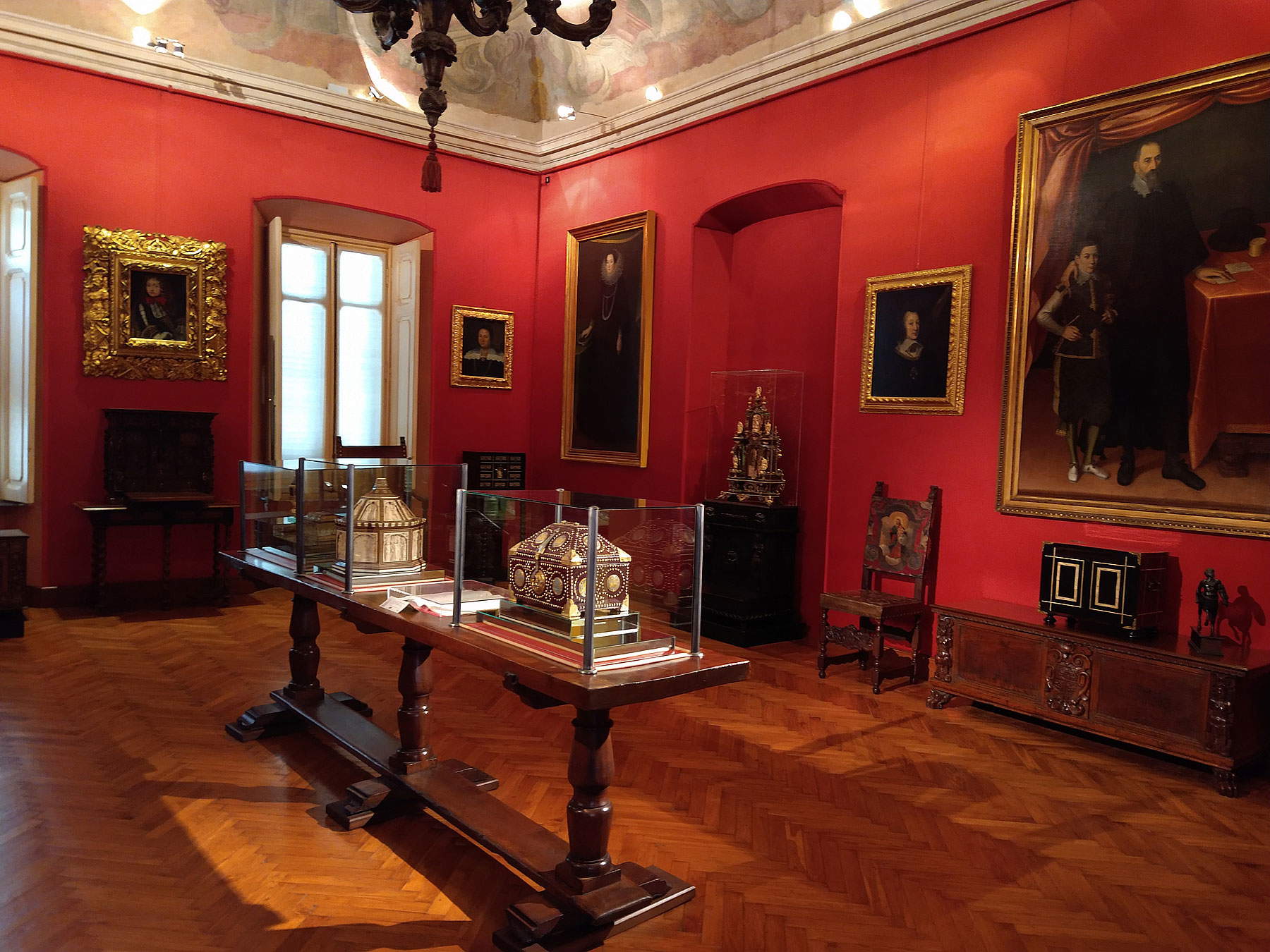
In parallel, the Camillo Leone Museum tells the story of Vercelli from its earliest roots to modern times. The institution originates from the bequest of notary Camillo Leone in the early twentieth century and is housed in two historic buildings: the sixteenth-century Casa Alciati and the eighteenth-century Palazzo Langosco. These architectural volumes are joined by a building body dating back to 1939, which houses the archaeological section with important Roman artifacts. The rooms of Palazzo Langosco, on the other hand, house heterogeneous collections ranging from majolica to glassware from the most famous Italian manufacturers, including fine furniture, period clothing and weapons covering a time span from the Middle Ages to the 19th century. Of particular note are the casket of Cardinal Guala Bicchieri and the book holdings of the ancient library, which boasts 20,000 volumes including illuminated manuscripts and incunabula. The itinerary concludes with a review dedicated to traditional goldsmithing in the Vercelli area.
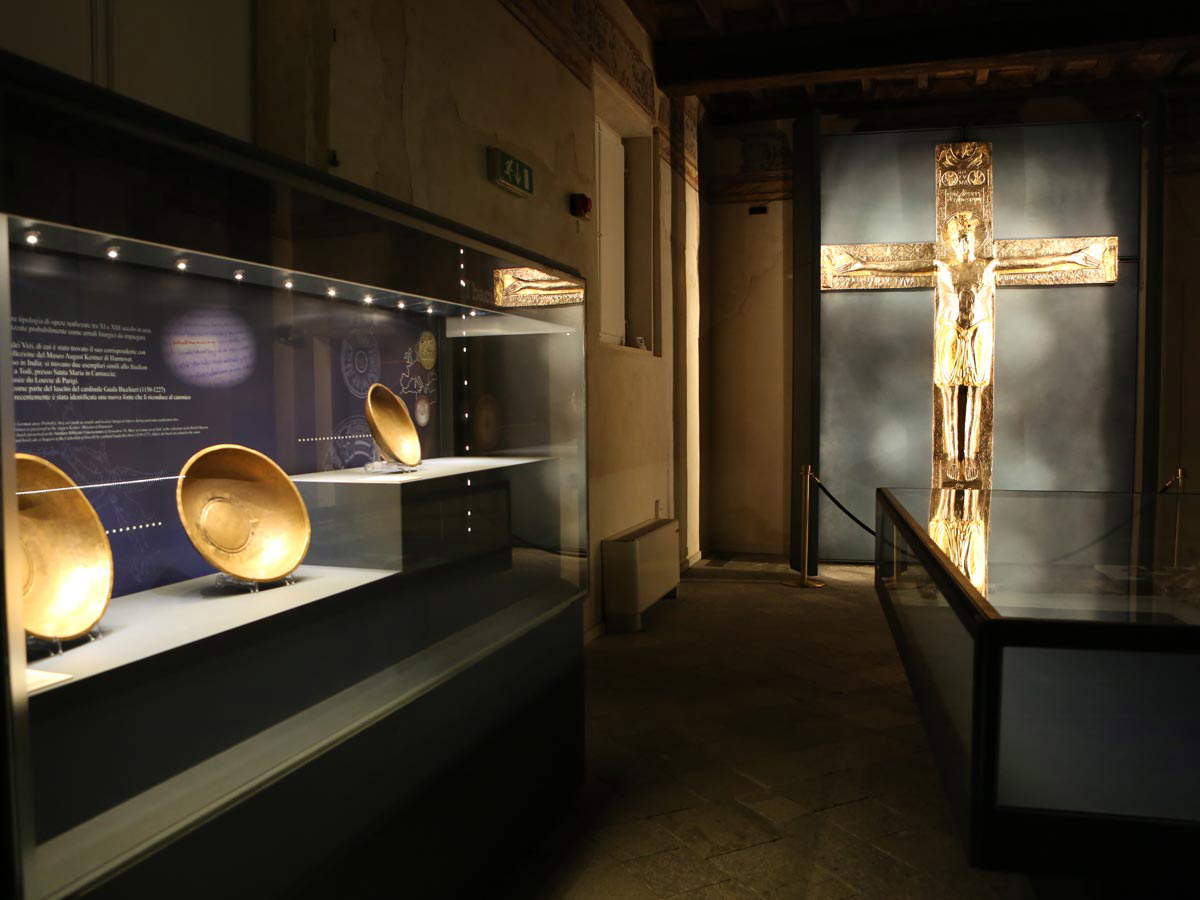
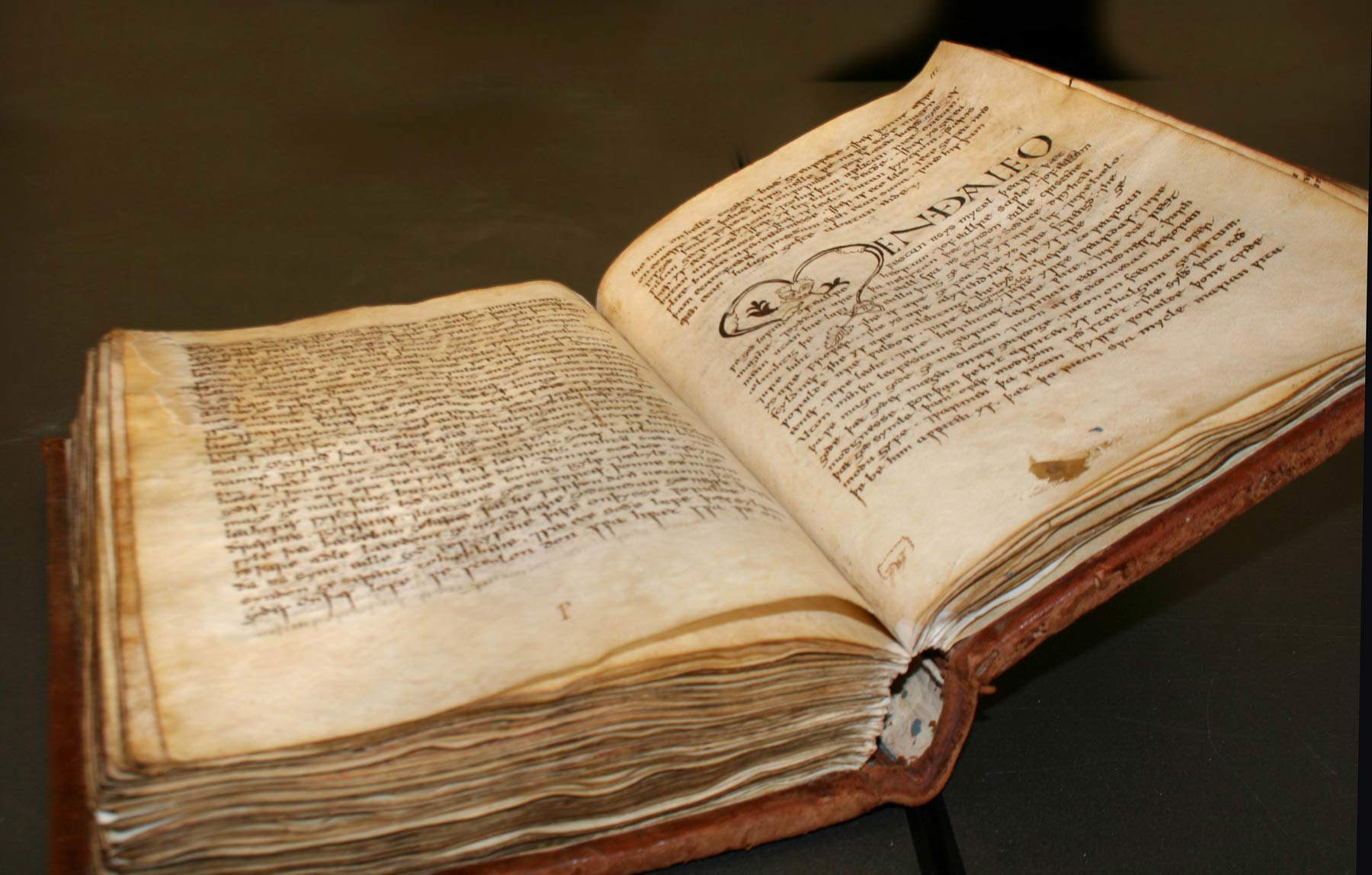
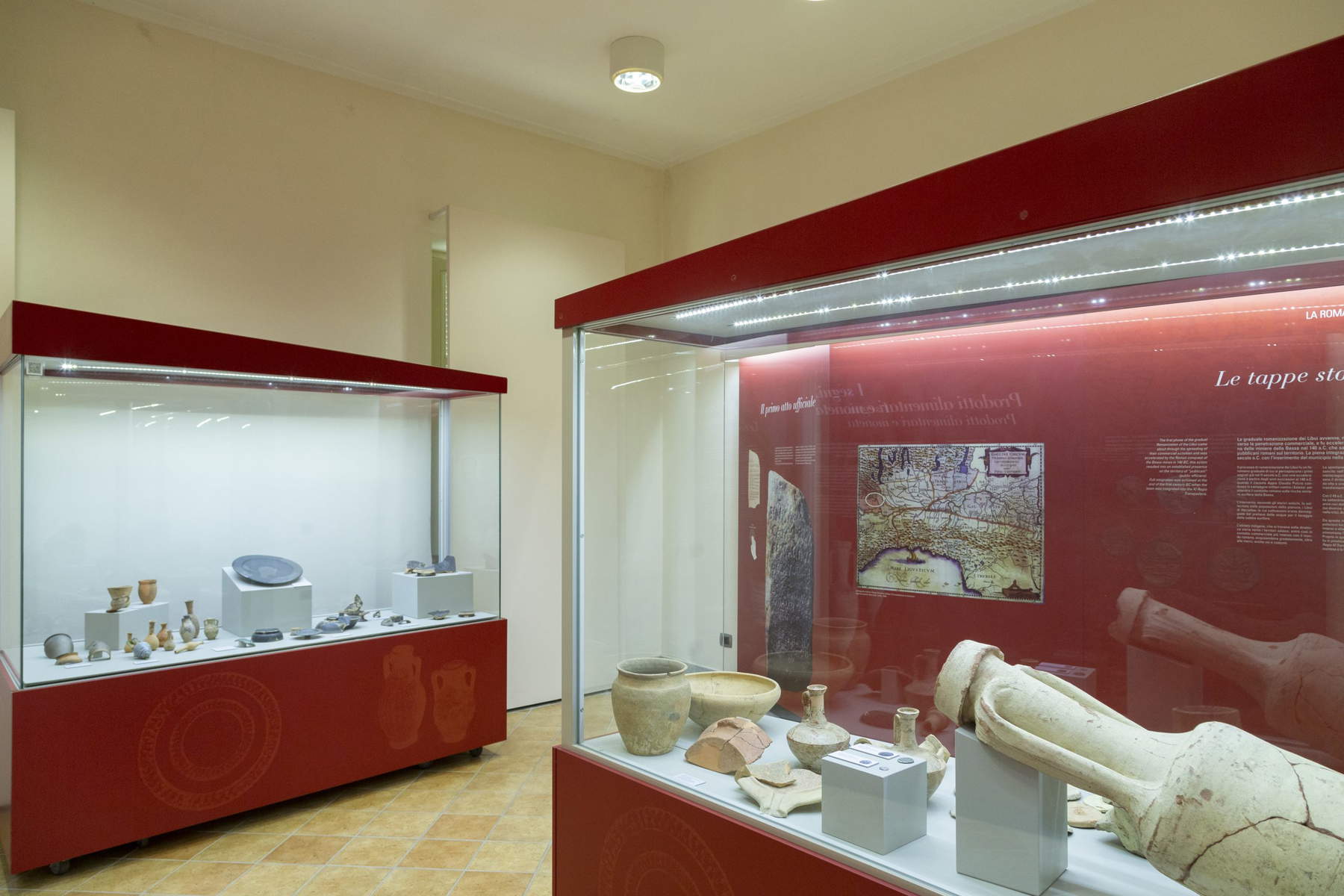
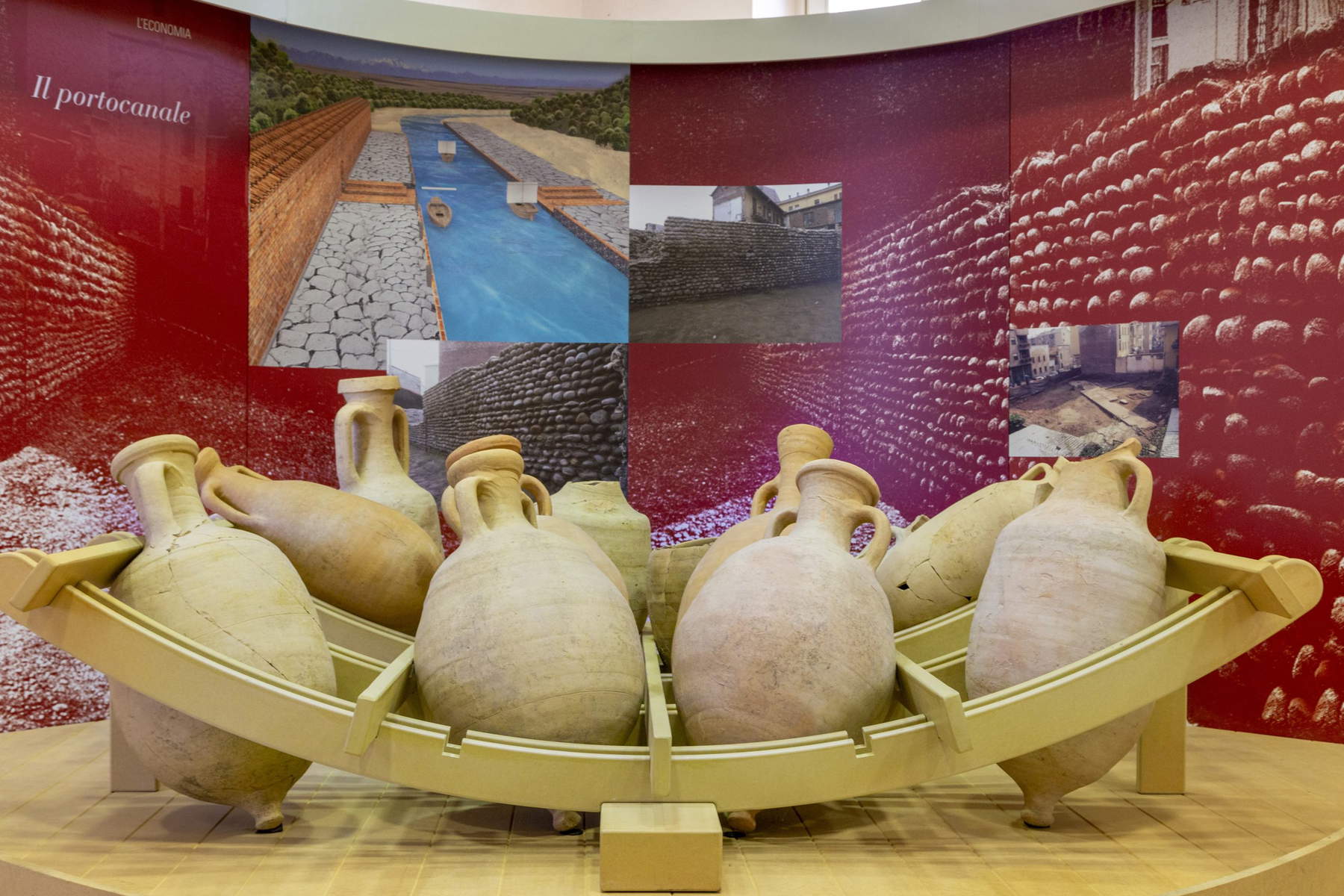
The network also includes the Museum of the Cathedral Treasury, located in the Archbishop’s Palace, which holds one of the most significant collections of sacred objects internationally. The exhibition allows visitors to delve into the history of evangelization in Piedmont through reliquaries, goldsmithing dating from the seventh to the seventeenth century, and precious liturgical textiles. An exceptionally important item is the anastatic copy of the Vercelli Book, an Anglo-Saxon language codex dating from the late 10th century, which testifies to the dense network of cultural exchanges at the time. The museum narrative also includes the remnants of the restoration of the Cathedral’s Ottonian Crucifix and the so-called Halls of the Pope, where furnishings and works related to the deep historical connection between the city and the papacy are preserved. Completing the picture of Vercelli institutions is the MAC, the Civic Archaeological Museum named after Luigi Bruzza. This facility collects more than six hundred artifacts from urban excavations over the past thirty years, offering a clear view of the evolution of the settlement. The itinerary starts from the evidence of the Libui, an original Celtic population, and then describes the integration with the Roman world, urban changes, funerary practices, and economic dynamics up to the Late Antique period.
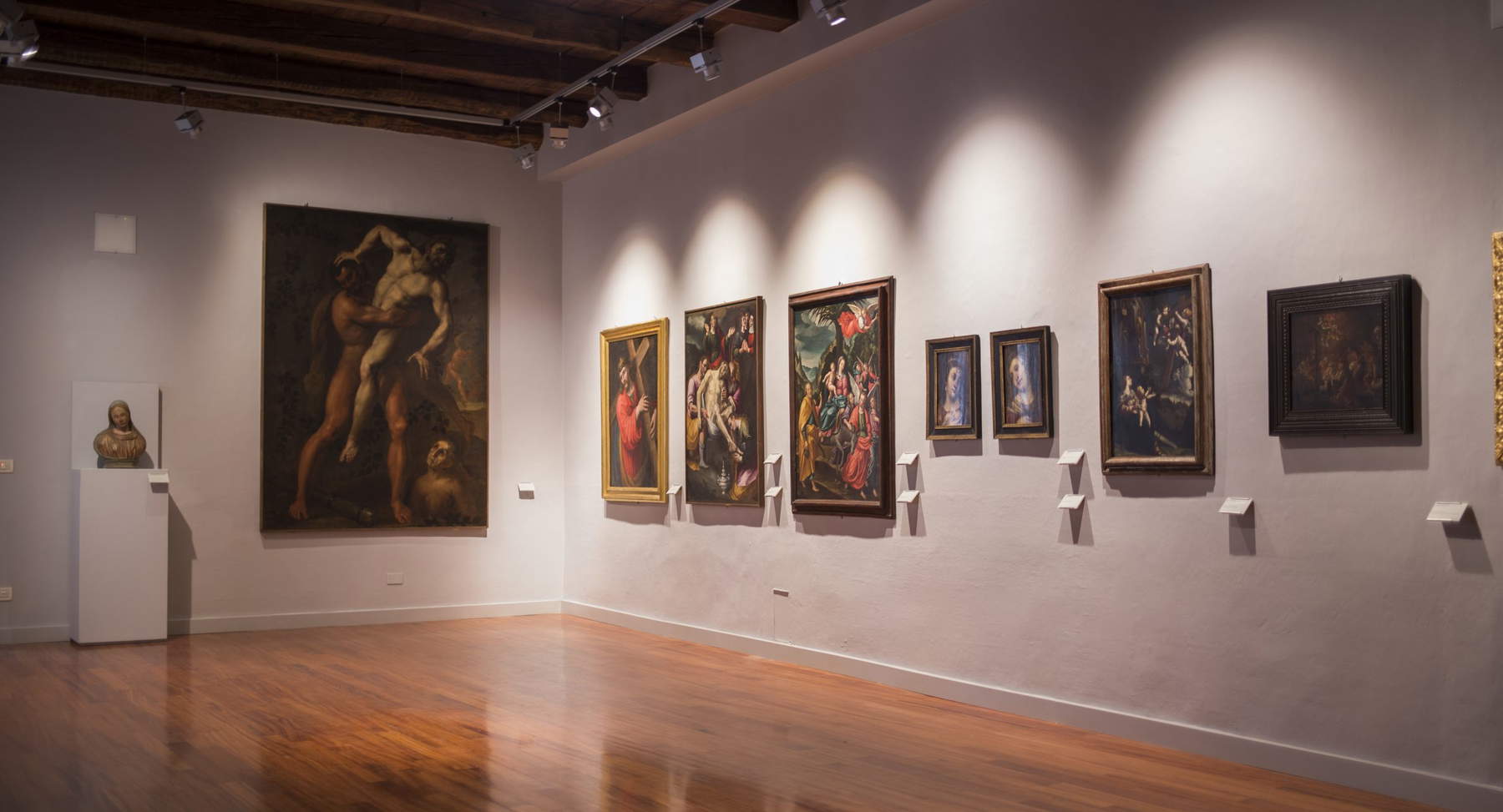
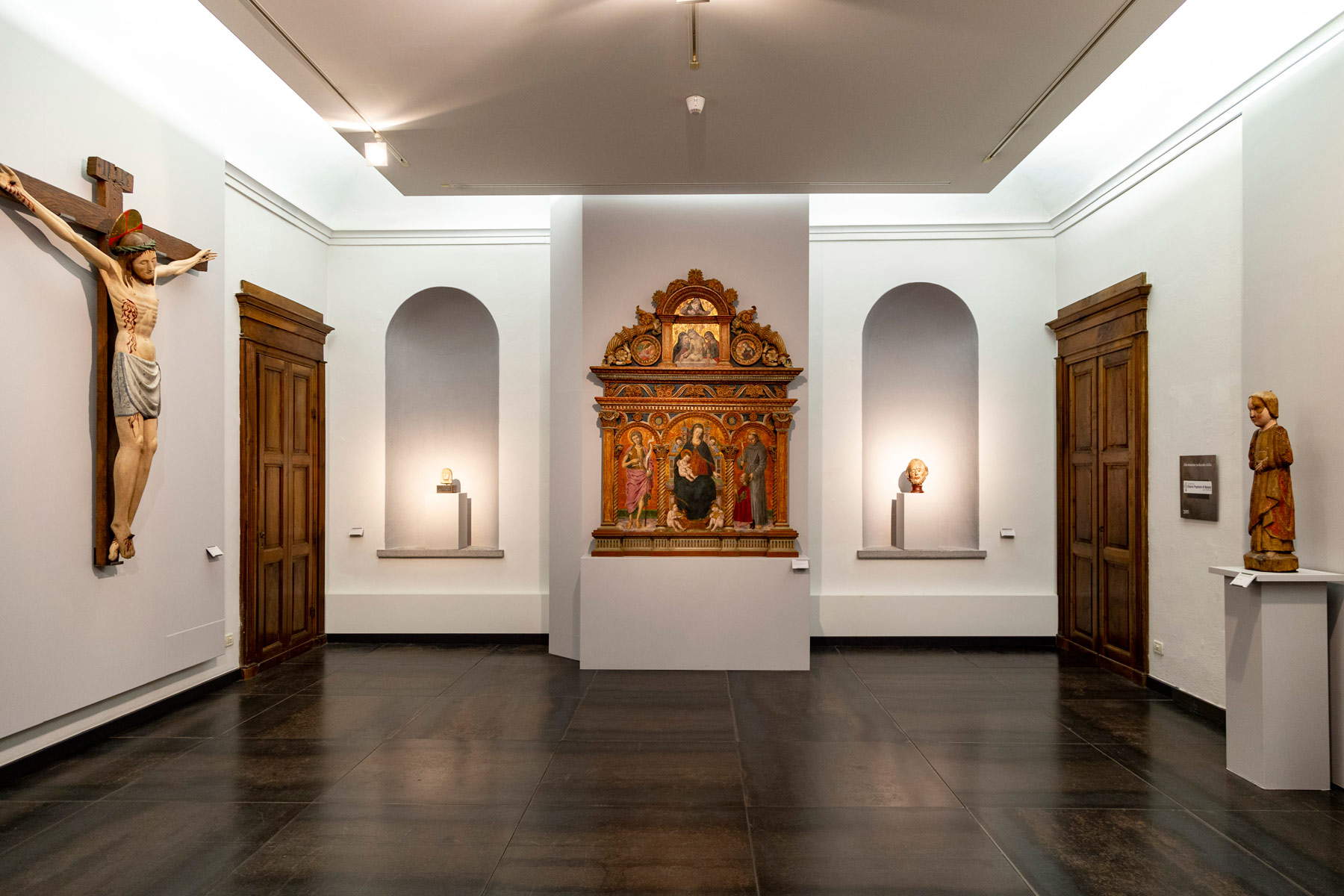
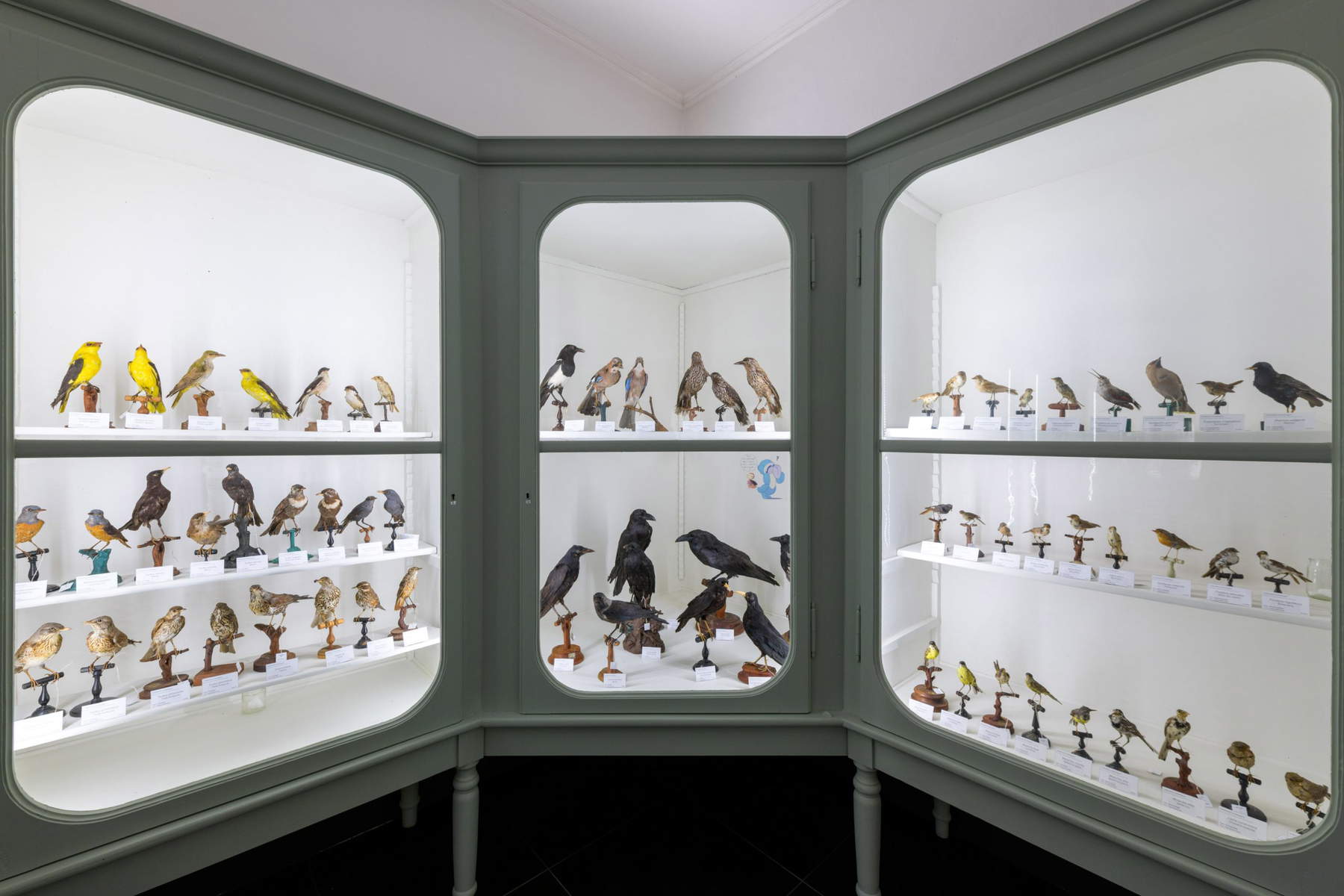
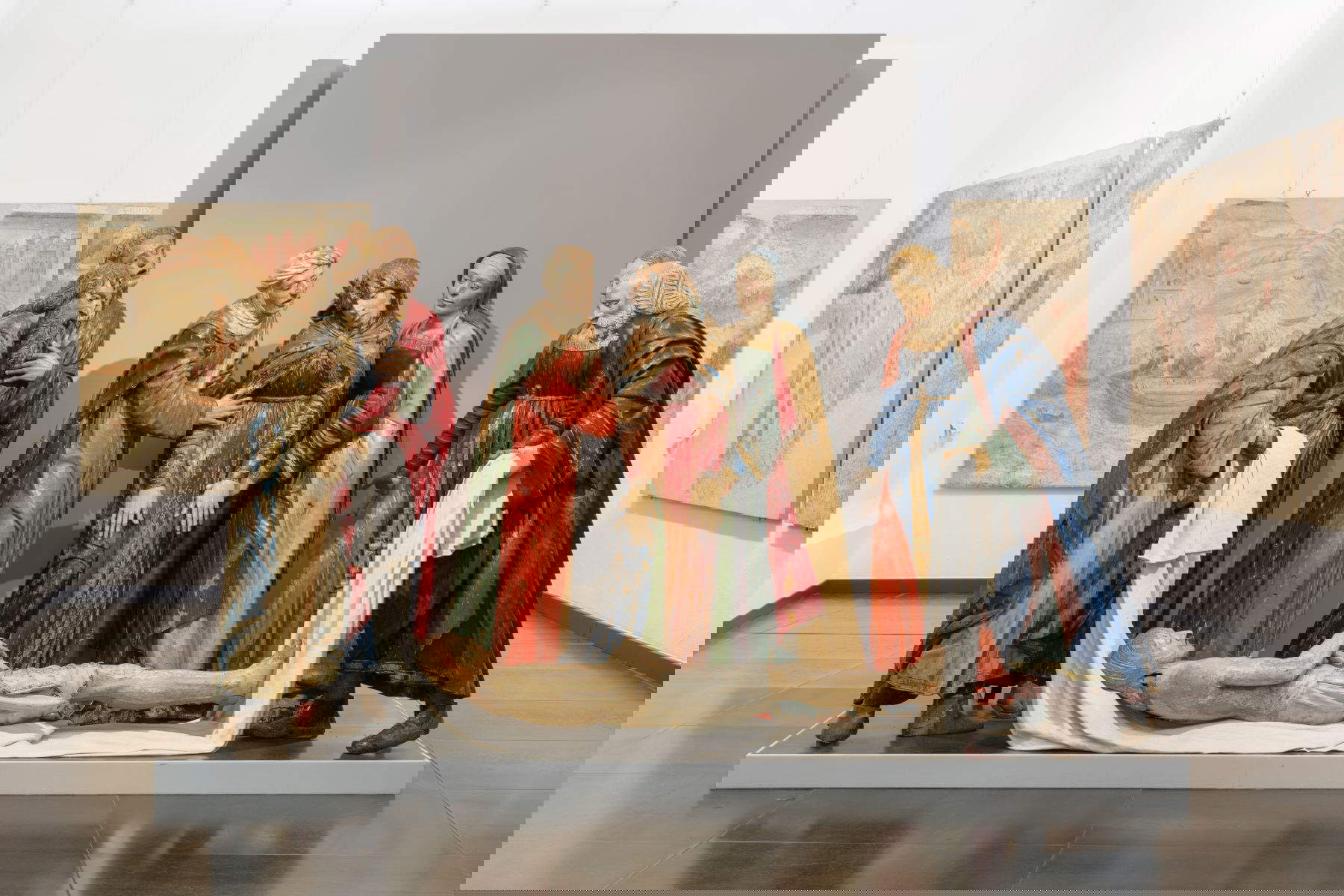
Moving toward Valsesia, the Palace of Museums in Varallo represents the artistic and scientific heart of the valley, where art and nature have coexisted since the mid-19th century. The Pinacoteca di Varallo, established in 1886, is closely linked to the aesthetic experience of Sacro Monte. Its rooms house sculptures from the monumental complex and paintings by masters such as Gaudenzio Ferrari, Bernardino Lanino and Tanzio da Varallo (including the two David i.e., his two masterpieces), covering a period from the 15th to the 19th century. The collection is enriched with a section devoted to Italian majolica and recent acquisitions such as the Remogna collection, which includes works by Camillo Procaccini, Tanzio da Varallo, and Guglielmo Caccia known as Moncalvo. In the same building is the Pietro Calderini Museum of Natural History, founded in 1867 for purely educational and scientific purposes. Its collections range from geology to zoology, including an important herbarium and an archaeological section with Egyptian and Etruscan artifacts. Recently refurbished, the museum maintains its 19th-century character while adopting modern paths aimed at new generations.
In addition to conservation and exhibition, the MUVV network is active in promoting accessible and inclusive culture. The network’s goals include breaking down all forms of barriers, whether physical, social or cultural, to counter contemporary phenomena of isolation. Continuing education is a key pillar, implemented through the organization of seminars, lectures, concerts and thematic exhibitions that aim to engage audiences of all age groups. For families, the museums in the network prepare specific activities such as creative workshops, animated readings and play routes coordinated by expert staff, with the intention of encouraging the sharing of quality time in an educational context. The school world also finds in MUVV a privileged interlocutor, thanks to the variety of collections that are adapted to the programs of all levels. Educational offerings can be customized and are accessible both in-person and through digital tools, and the museums serve as accredited venues for training internships and pathways for soft skills and orientation.
The network also attentively caters to the world of research, granting scholars and academics access to archives, libraries and materials stored in the repositories, subject to prior reservation. There are agreements with several universities for the development of dissertations and ongoing scientific collaborations. At the same time, MUVV offers its spaces for the organization of private events, corporate conventions and photographic campaigns, consistent with historic preservation requirements. Licensed guides are encouraged to operate within the network’s sites, which offers logistical support for managing groups and customizing itineraries in the area.
The future of the MUVV network is geared toward increasingly shared planning that sees museums as engines of development for the entire local community. The long-term vision aims to transform these institutions into centers of active involvement, capable of enhancing the link between the historical past and the challenges of the present. Through the support of funding bodies and ongoing collaboration among the different museum directorates, the network aims to consolidate its role as a cultural reference point serving the community. The synergy between lowland and mountain realities makes it possible to offer a comprehensive view of Vercelli and Valsesia’s heritage, making culture a central element of territorial identity. This systemic m approach aims to ensure not only better management of resources, but also a capacity for innovation that individual institutions could hardly achieve on their own. Every proposed activity, from large temporary exhibitions to small workshops for children, is placed within a framework of meaning that wants to continue to see the museum as a living place open to dialogue.
 |
| MUVV, the Vercelli and Varallo network to enhance a museum heritage of excellence |
Warning: the translation into English of the original Italian article was created using automatic tools. We undertake to review all articles, but we do not guarantee the total absence of inaccuracies in the translation due to the program. You can find the original by clicking on the ITA button. If you find any mistake,please contact us.