





A presentation was held in Florence yesterday on the completion of restoration work on the Corsini Chapel in the Basilica of Santa Maria del Carmine, one of the most significant examples of Baroque sculpture and decoration in the city. The event was held the day after the feast day of St. Andrew Corsini, bishop of Fiesole and a central figure of Florentine spirituality, celebrated on Jan. 6. The restoration of the Corsini Chapel is a milestone of great importance in the broader plan of interventions on the Florentine artistic heritage of churches belonging to the Fondo Edifici di Culto. In fact, the operation is part of the enhancement program supported by the National Recovery and Resilience Plan (PNRR), which has allocated significant resources to the protection and recovery of cultural heritage, with particular attention to buildings of worship of historical significance. The intervention restored legibility, balance and luminosity to the marble and decorative apparatuses conceived by Giovan Battista Foggini (Florence, 1652 - 1725), allowing the scenographic unity of the chapel to be appreciated once again.
The restoration project was made possible thanks to a complex institutional synergy involving several state agencies. The Ministry of the Interior, through the Fondo Edifici di Culto, acted as the contracting station and single person in charge of the procedure for awarding the work. The Ministry of Infrastructure and Transport oversaw the executive phase through the Interregional Superintendent of Public Works for Tuscany, Marche and Umbria, while the Ministry of Culture, through the Soprintendenza Archeologia, Belle Arti e Paesaggio for the metropolitan city of Florence and the province of Prato, oversaw the direction of the work, ensuring compliance with the criteria for protection and conservation.
The restoration of the Corsini Chapel is part of a larger project still underway, which includes the recovery of the stone and decorated surfaces of the transept chapels and the upgrading of the electrical, smoke detection and safety systems of the sacristy of the Carmine Basilica. The total amount of the work is 3,065,380 euros, with completion scheduled for June 2026. The property of the building is owned by the Ministry of the Interior through the Fondo Edifici di Culto, while the direction of the works is entrusted to architect Rosella Pascucci, with the support of restorer Alberto Felici, both from the ABAP Superintendence of Florence and Prato.
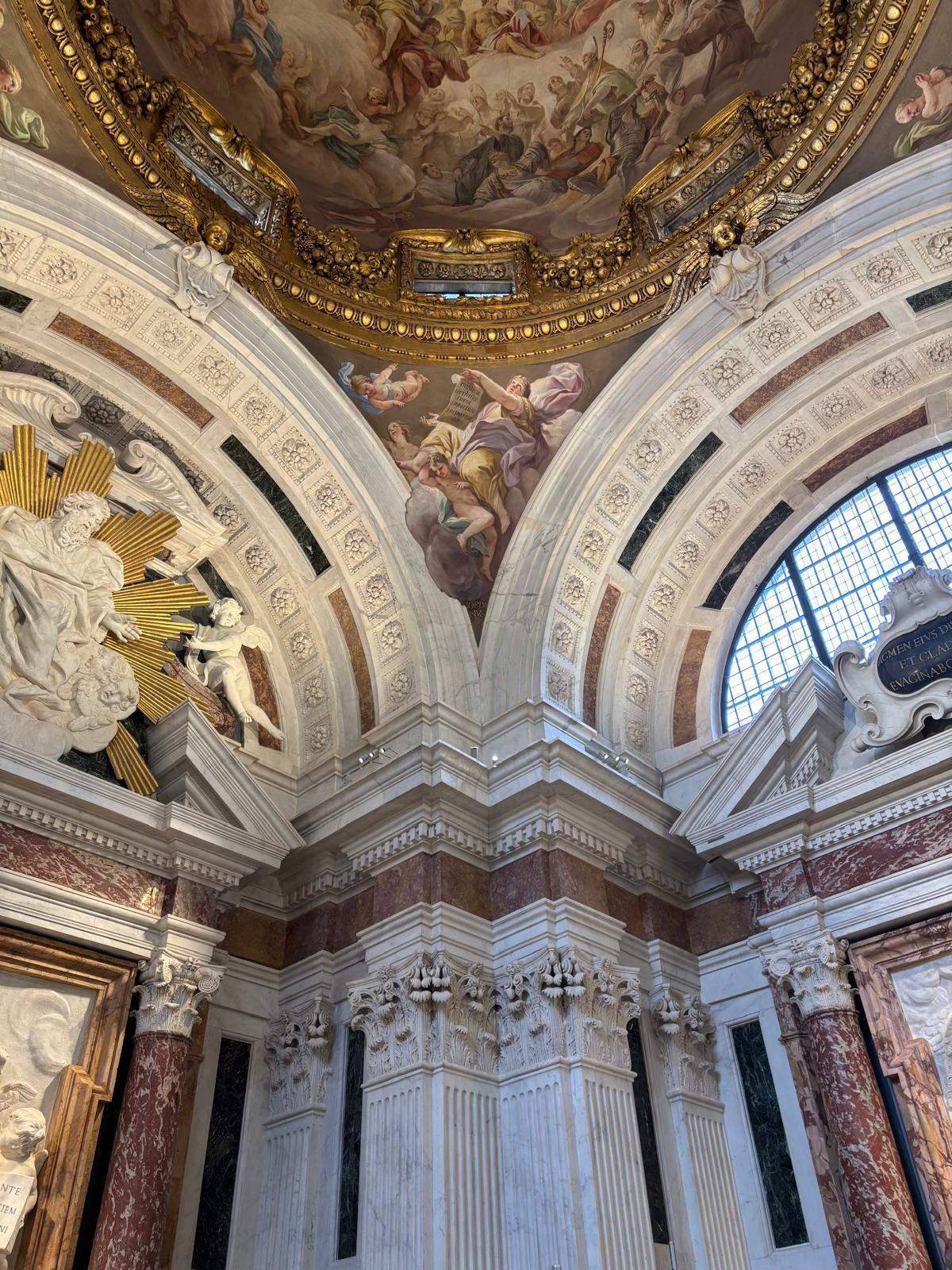
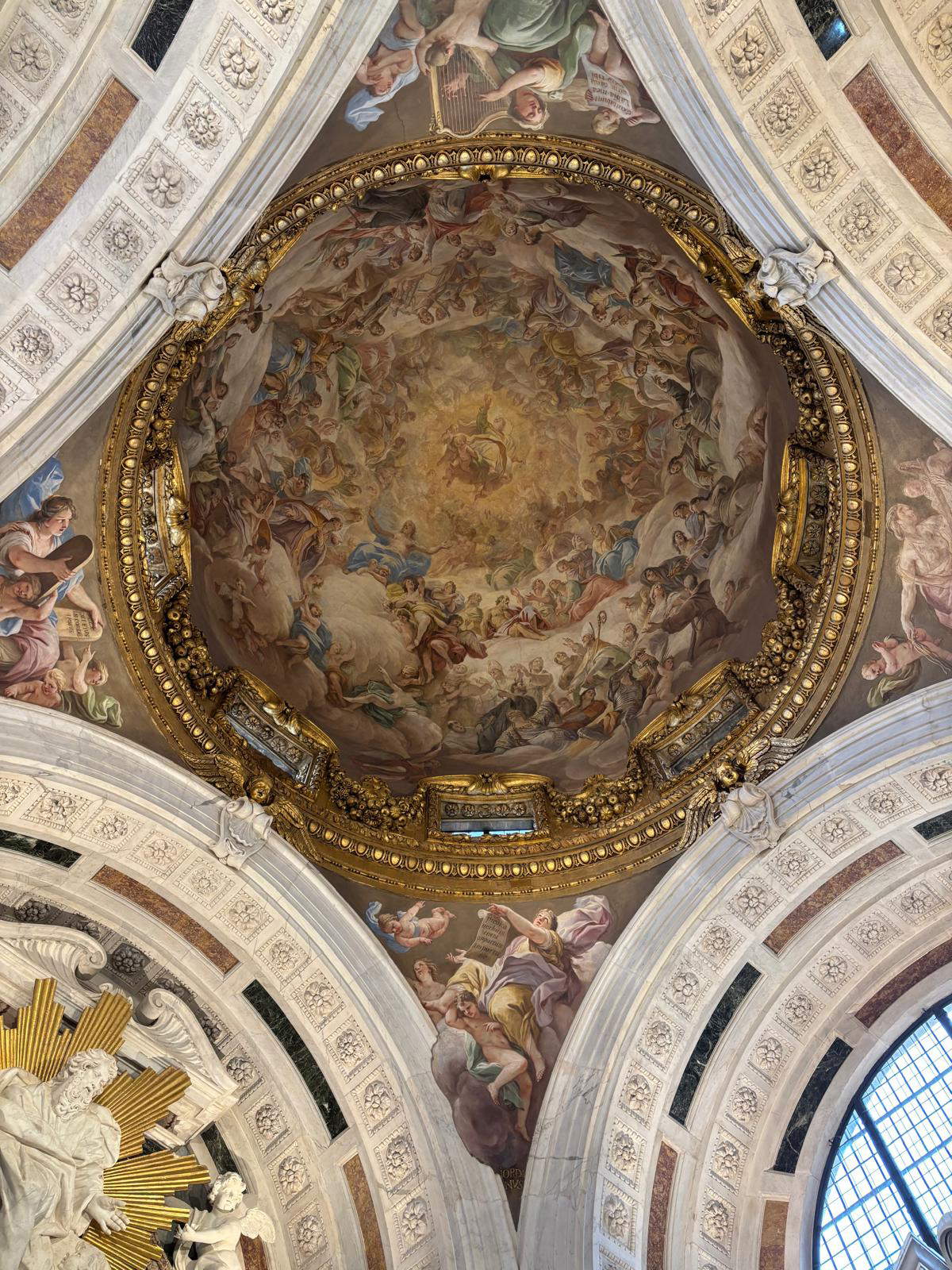
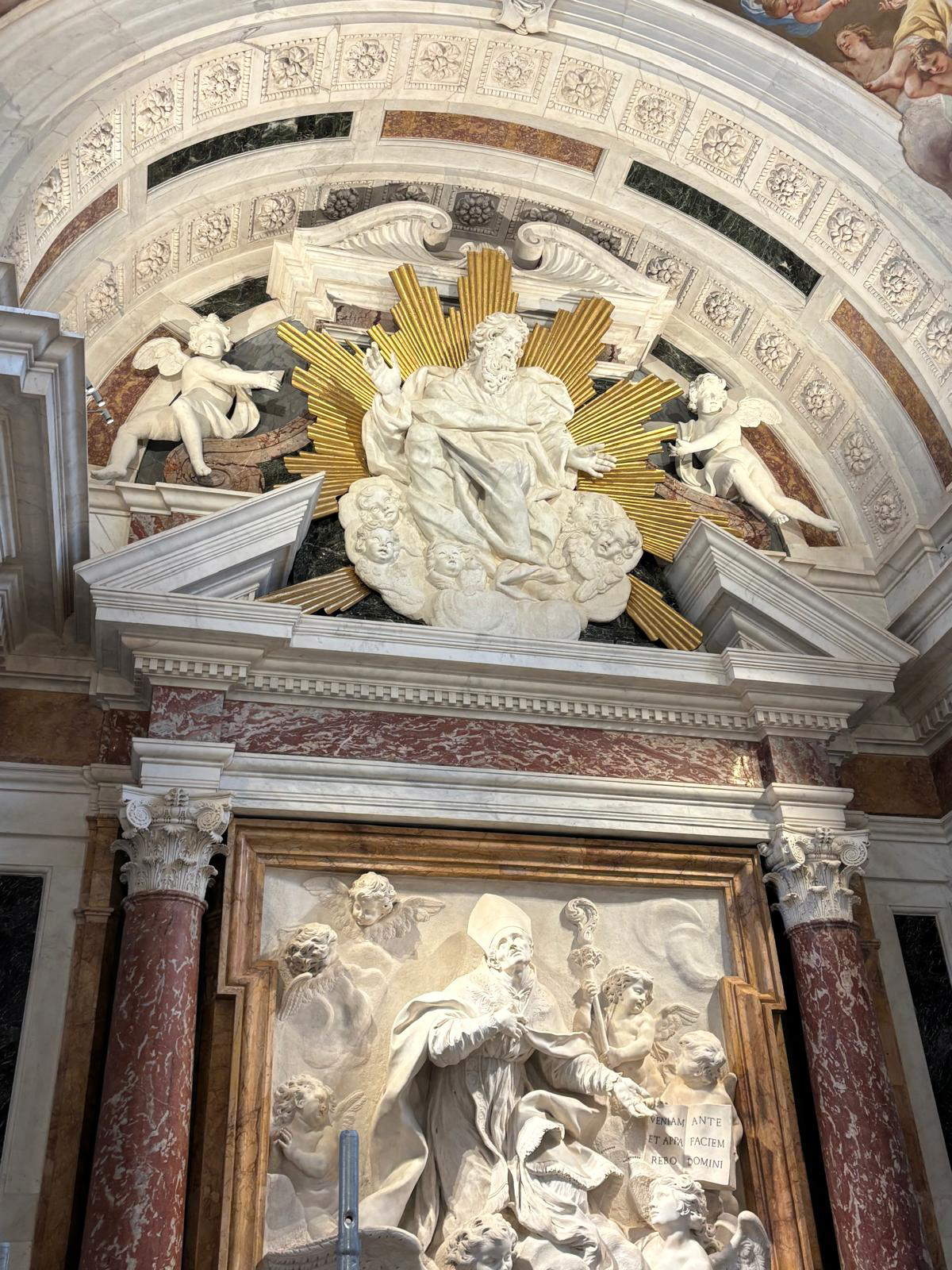
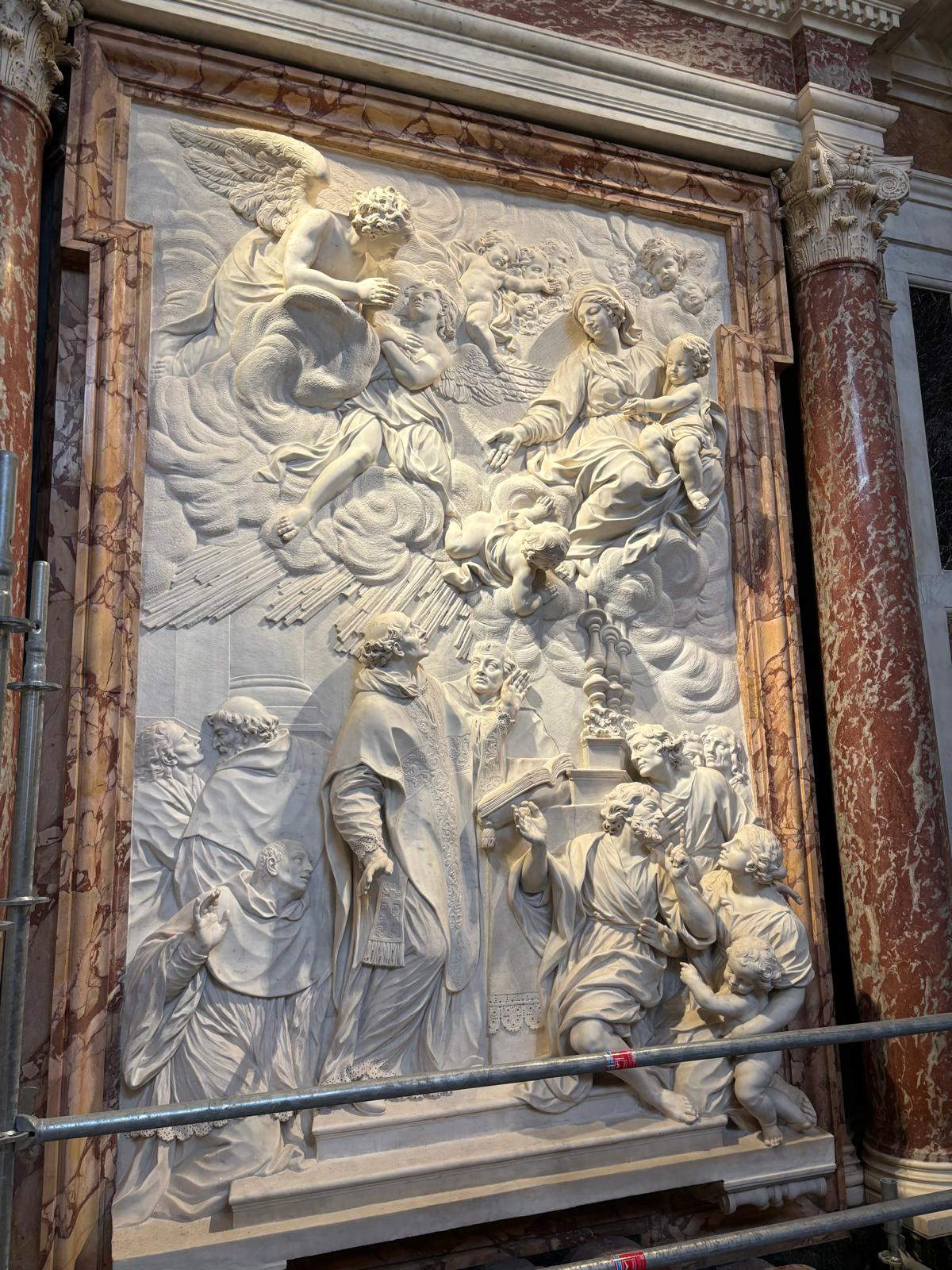
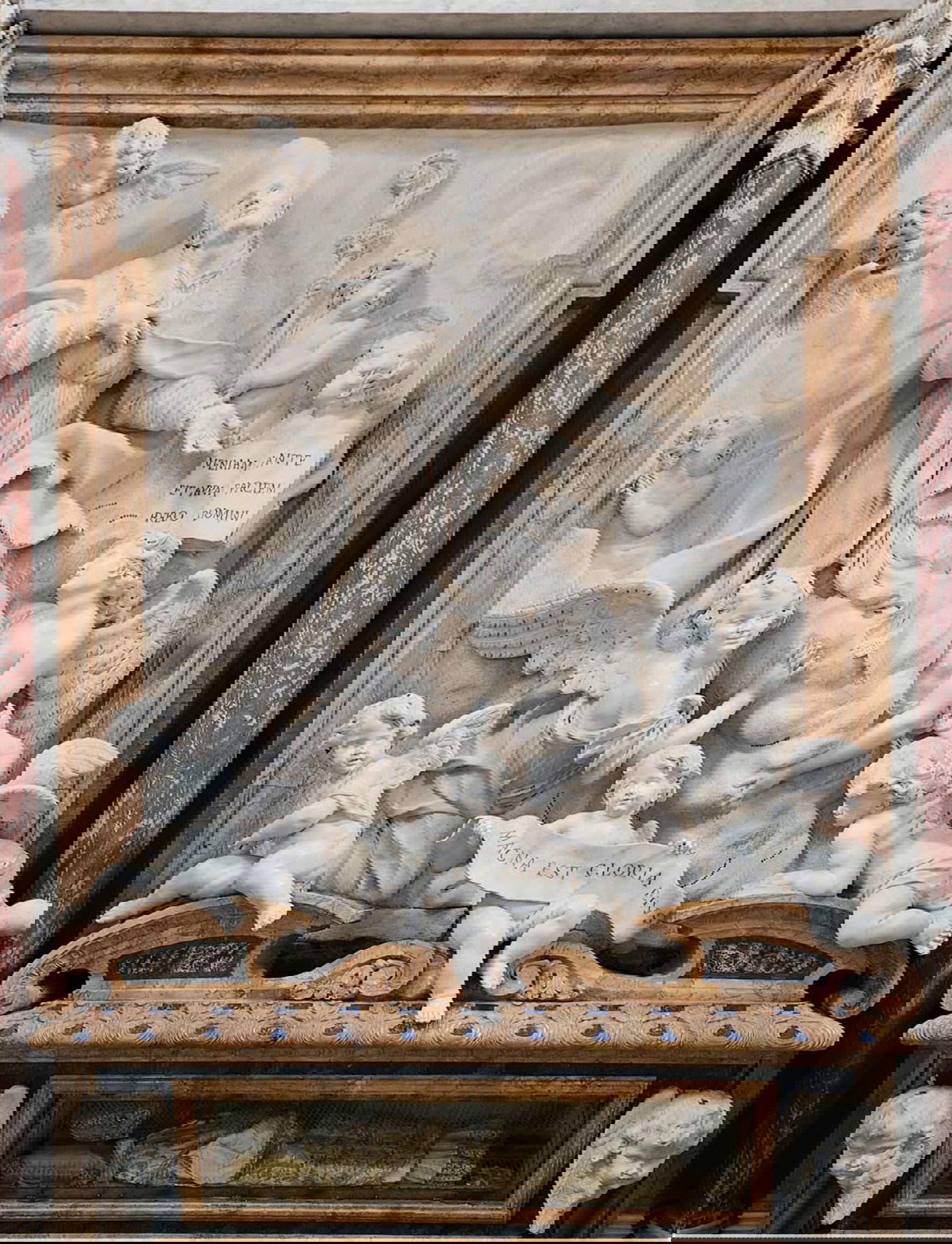
Within this framework, the specific restoration of the Corsini Chapel required an investment of about 600,000 euros, net of bidding discounts. The work, entrusted to the firm Fratelli Navarra, involved the chapel’s marble and decorative surfaces in a punctual and scientifically rigorous manner. A delicate cleaning of the stone surfaces was carried out using triammonium citrate solutions, which made it possible to remove deposits and alterations without compromising the original materials. Fractures and structural criticalities were consolidated through injections of epoxy-acrylic resins and marble powder grouting, restoring continuity and stability to the surfaces. At the same time, the lighting system was renewed, designed to enhance the reading of the works, and the leaded fixtures were restored, completing an intervention that combined conservation and enhancement.
The Corsini Chapel was conceived to honor the memory of Andrea Corsini, bishop of Fiesole from 1350. According to historical sources and tradition, the saint reportedly expressed a desire to be buried in the Church of the Carmine, but upon his death in 1374, he was initially buried in Fiesole. Legend has it that Carmelite religious, with the consent of his brother Neri, smuggled the body on the night of Feb. 2 and brought it back to Florence. After being placed in a more modest monument for centuries, in 1653 the Corsini family purchased the chapel located in the basilica’s left transept, initiating an ambitious celebratory project.
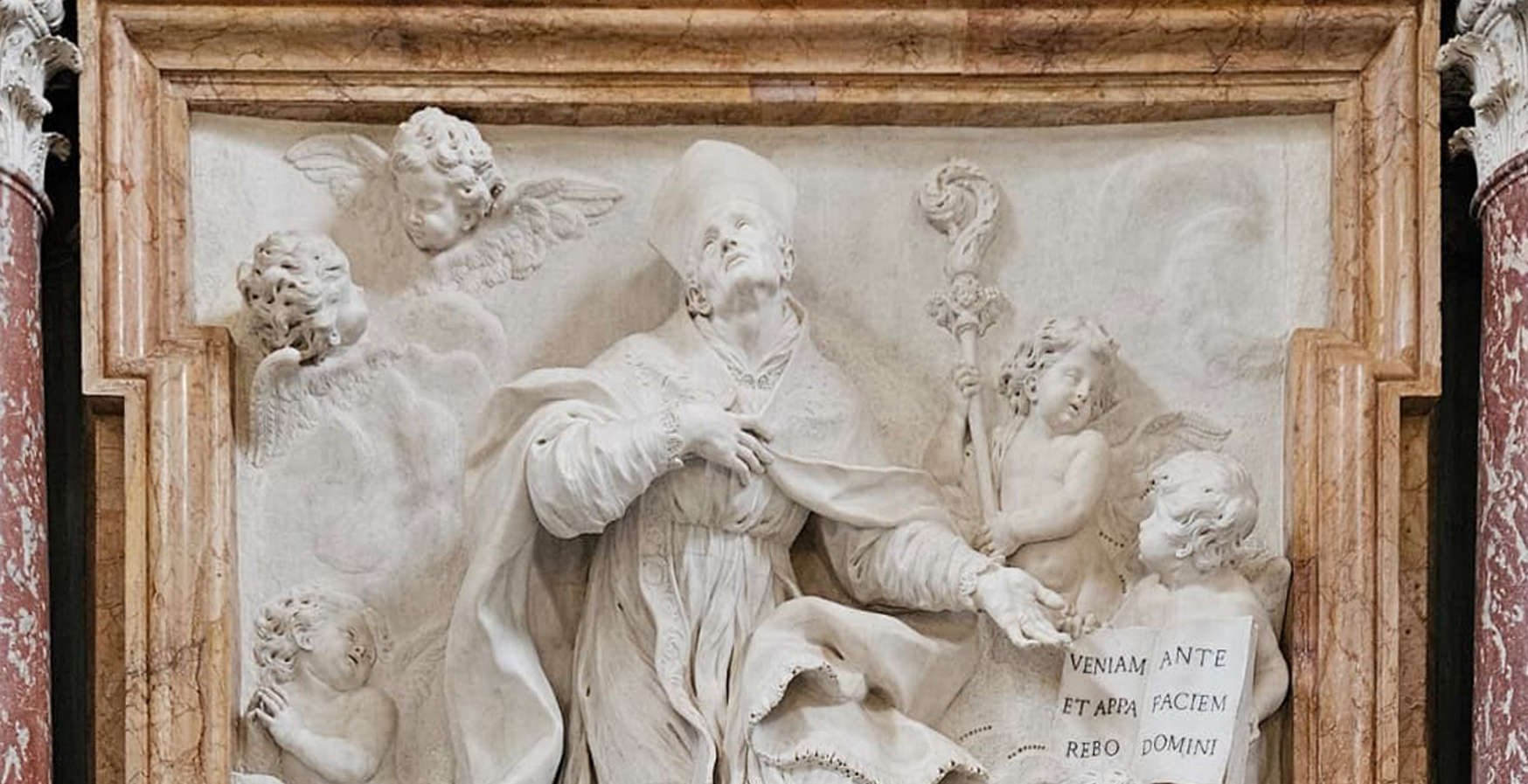
Architectural work was entrusted in 1675 to Pier Francesco Silvani (Florence, 1619 - Pisa, 1685) and was completed in 1683. The decoration of the chapel was then entrusted to Giovan Battista Foggini, an artist trained in Rome and a leading figure in the introduction in Florence of a dynamic and theatrical Baroque language, in clear discontinuity with traditional local sobriety. Foggini is responsible for the three famous marble high reliefs made between 1683 and 1687, depicting theApparition of the Madonna, Saint Andrew in Glory and Saint Andrew at the Battle of Anghiari, the latter considered his masterpiece. Thanks to the restoration, these reliefs are now fully legible again in their formal and narrative complexity.
Completing the chapel’s decorative program is the dome frescoed by Luca Giordano (Naples, 1634 - 1705) in 1682, with the vault and pendentives contributing to a striking scenic effect. Although the frescoes had already undergone restoration in the 1980s, the current intervention restored a renewed chromatic harmony between painting and sculpture, enhanced by the cleaning of the marbles and the new lighting system.
 |
| Florence, finishes the restoration of the Corsini Chapel in the Basilica del Carmine |

Warning: the translation into English of the original Italian article was created using automatic tools. We undertake to review all articles, but we do not guarantee the total absence of inaccuracies in the translation due to the program. You can find the original by clicking on the ITA button. If you find any mistake,please contact us.


























 IT
IT FR
FR DE
DE ES
ES CN
CN


