





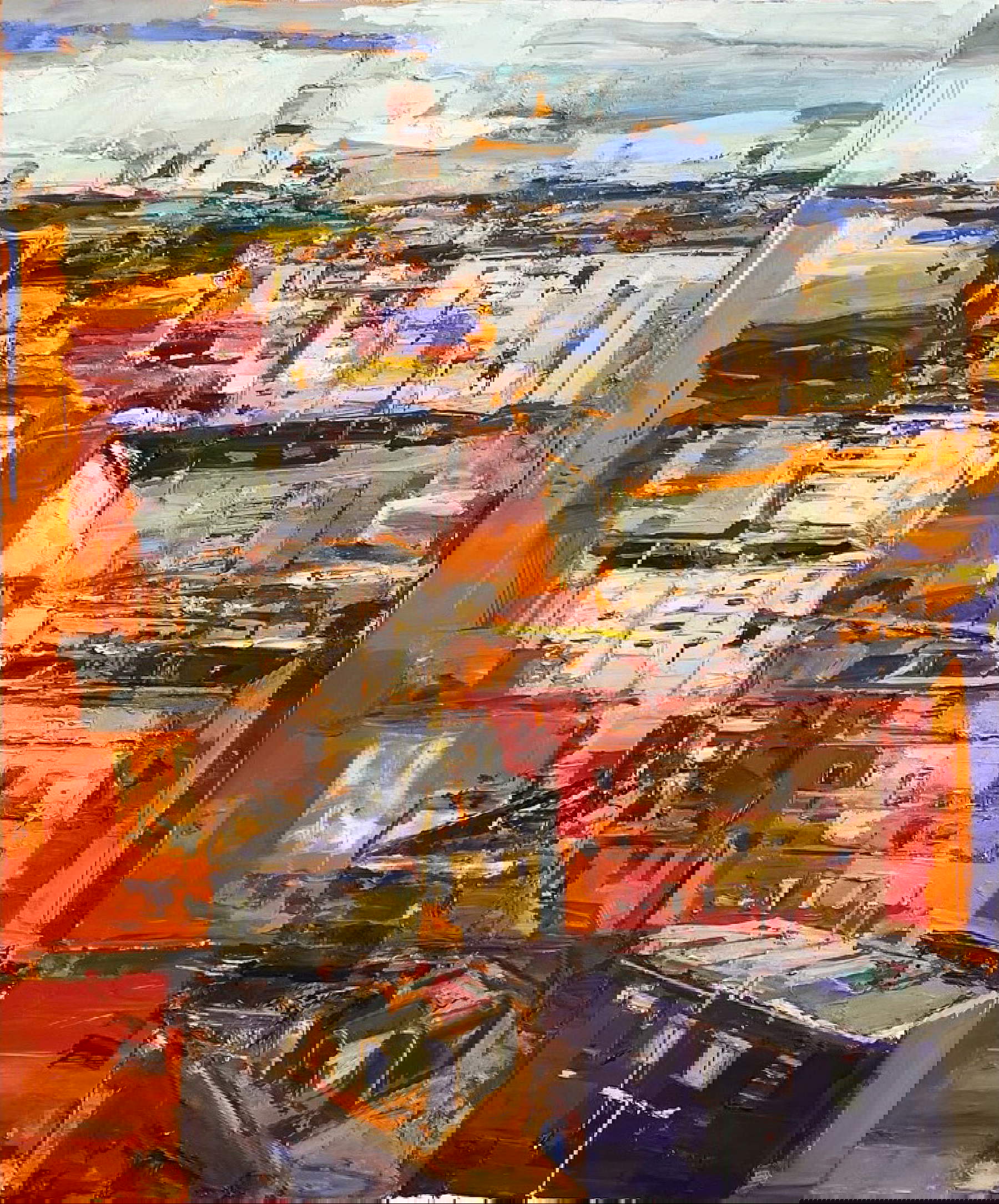
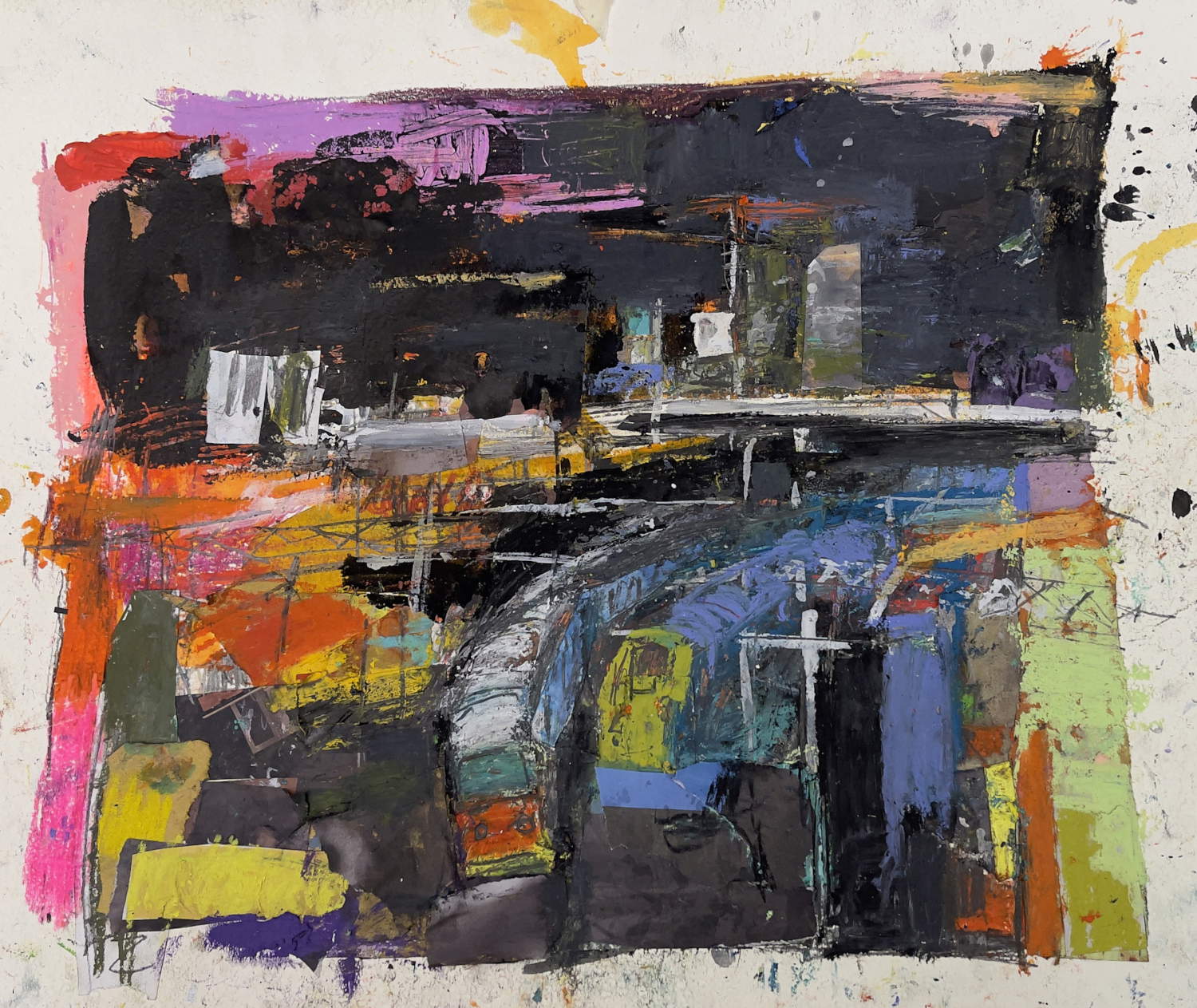
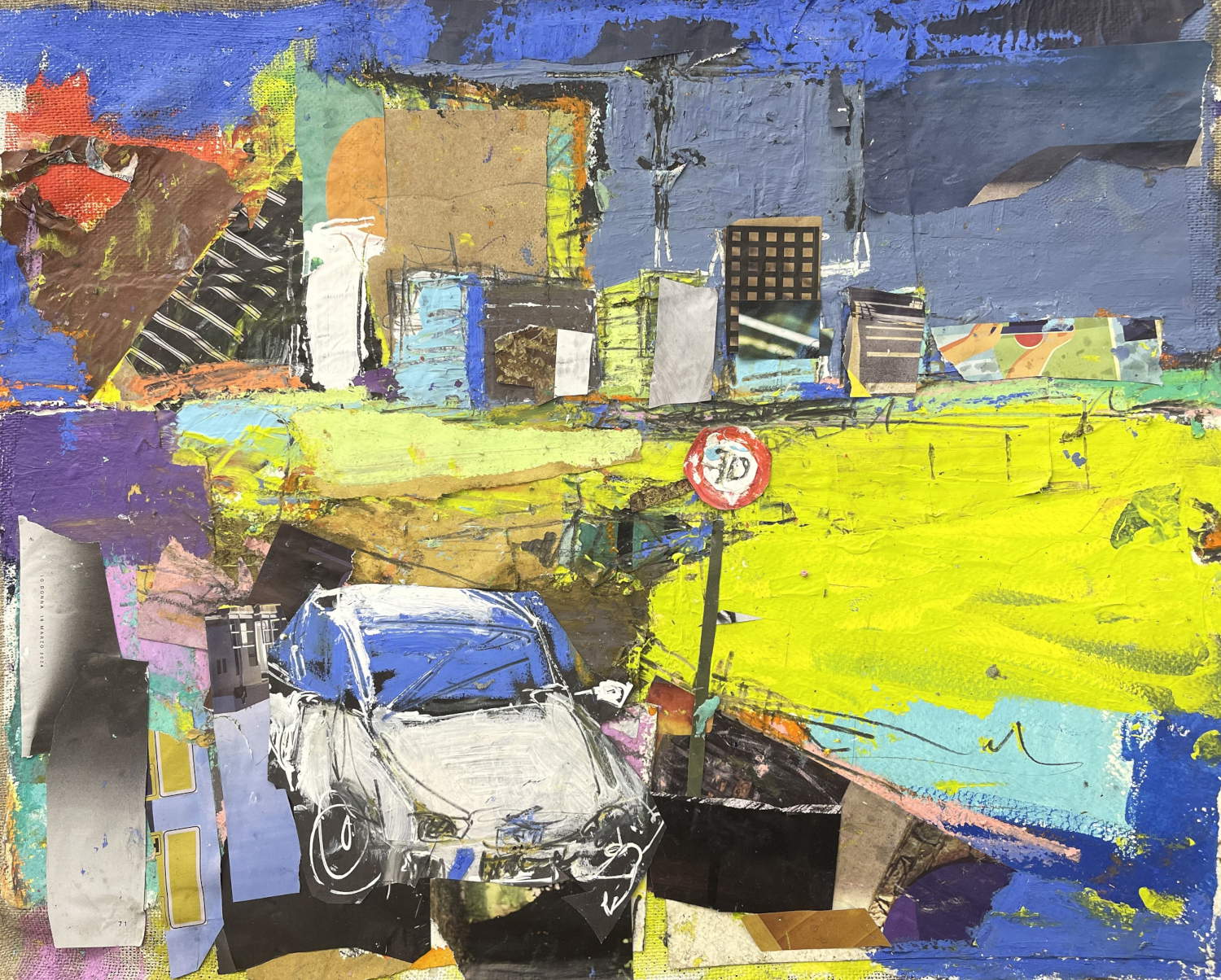
Silvana Editoriale publishing house has recently released the volume Marina Previtali, Milano messa in opera, edited by Lorenzo Valentino. The book collects eighty-six testimonies written by figures active in the most diverse productive (from entrepreneurship to volunteer work, from journalism to fashion, from architecture to commerce) and cultural spheres of the Milanese cultural and economic scene, such as architects, intellectuals, scholars, militant critics, art historians, gallery owners, journalists, poets, philosophers, designers, and musicians, who have Milan as their common thread. These voices, united by a gaze at once participatory and disenchanted on the city, introduce and ideally accompany the body of works by Milanese artist Marina Previtali, who, like a Benjaminian flâneur, traverses Milan, transforming walking into an act of reading and interpreting the city.
Through careful color choices, the artist returns restless urban visions, traversed by a hidden but perceptible energy in every brushstroke. His intent is to bring out meaning and beauty within a complexity that appears, only on the surface, chaotic. The result is an enchanted, astonished realism, made up of perceptions that oscillate between proximity and distance, emotional participation and estrangement. For Previtali, urban architectures become true texts to be deciphered: suspended between past and present, caught in their everyday dimension but already enveloped in an unactual, almost magical aura.
It is precisely in the feriality that beauty manifests itself: sometimes traversed by a melancholic note, linked to memory and the consciousness of loss, but more often projected with confidence into the future, foreshadowed in the vertical momentum of the skyscrapers of the new neighborhoods. In a similar vein, the authors of the essays also recount their personal experience of the city, reflecting the multiple references that urban space has imprinted on their lives and works, nurturing a gaze grateful to the past and open to the future.
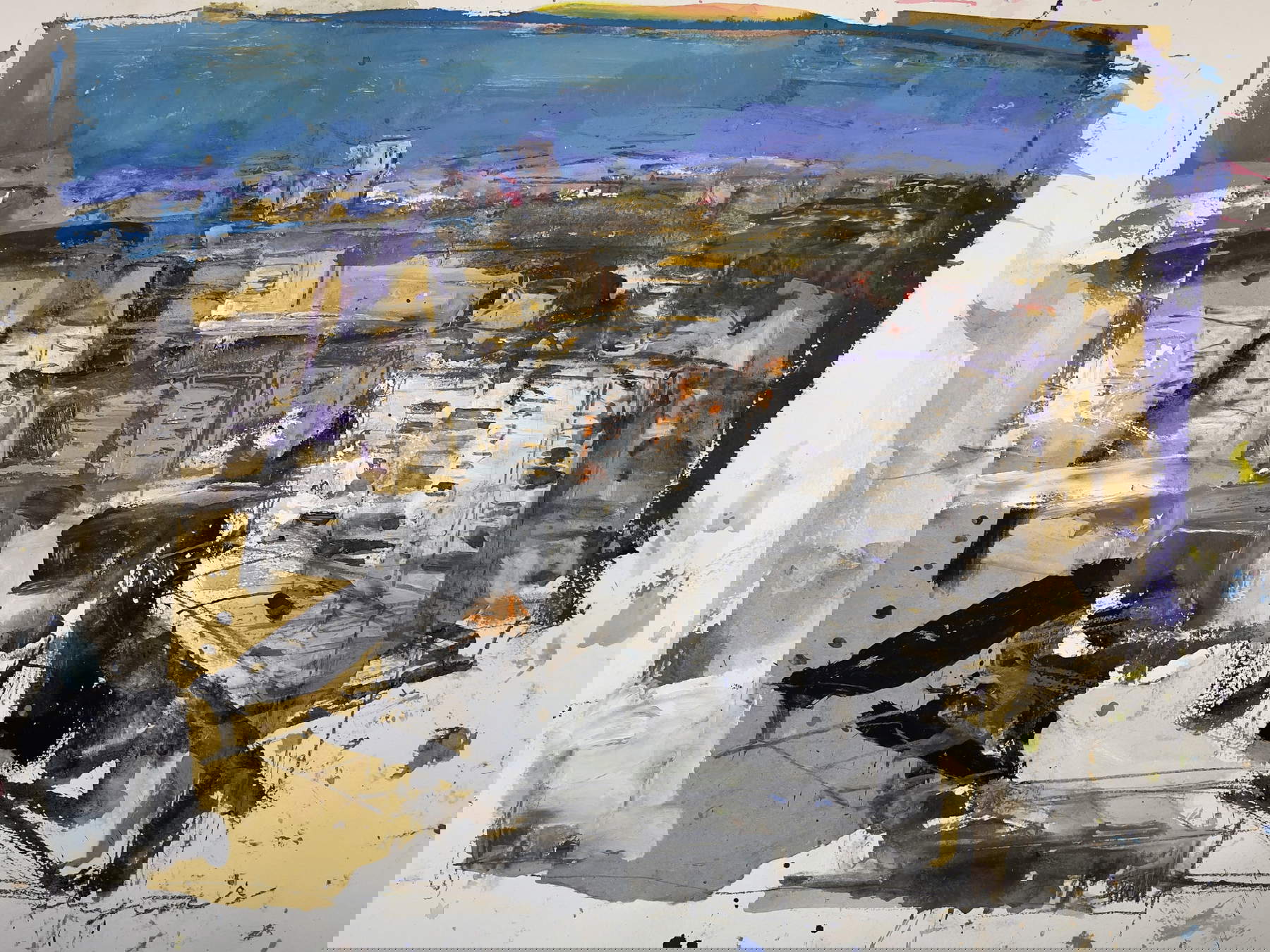
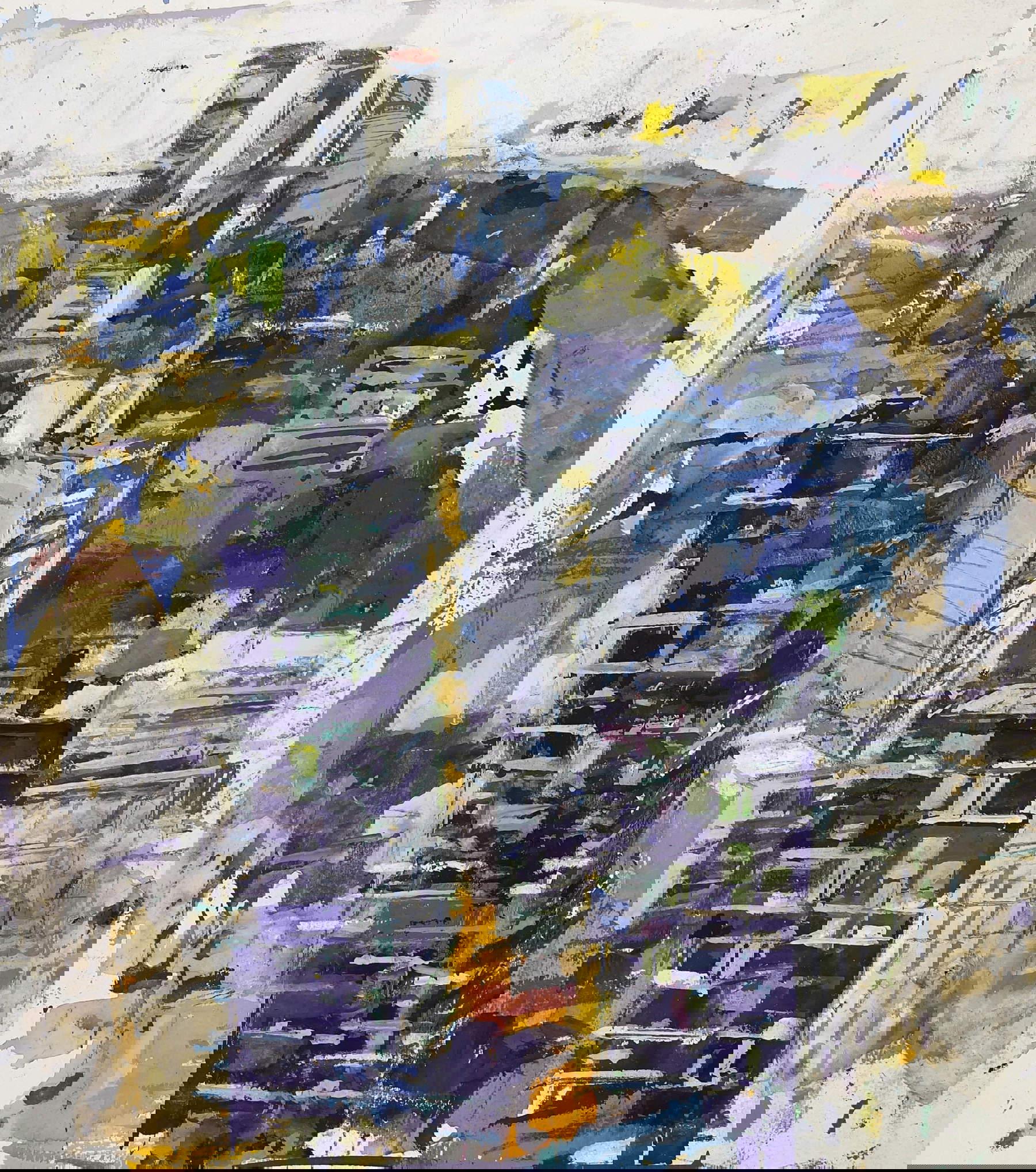
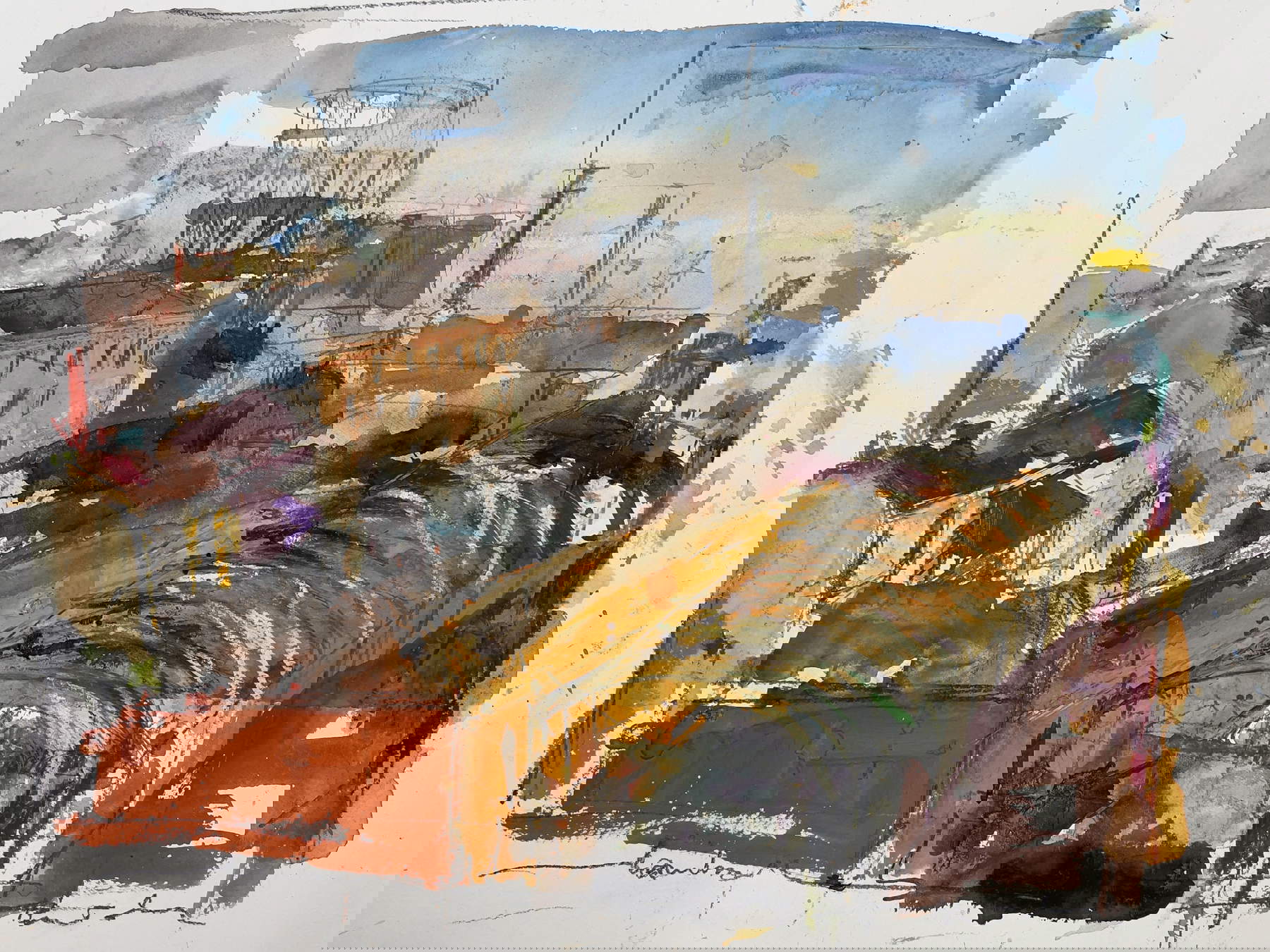
The volume is thus configured as a total immersion in the “multiple life and mobile grace” of the urban space, where economic activities, cultural ferment and artistic expressions attest to a vitality suspended between nostalgia and future expectations. The proposed visions solicit the reader, subtracting him or her from a generic and impersonal perception of the city in order to involve them emotionally, starting with the authors’ stories, returning a complex, living and unique image of the inhabited place.
Milan thus emerges as a space of experience, in constant balance between closure and openness, protection and welcome. Its symbolic figure is neither the perfectly closed circle nor the endless line, but the spiral, capable of combining recollection and hospitality. A city imagined as a familiar dwelling: not obsessively defensive and inhospitable, but neither completely borderless, anonymous and faceless. Laboriousness and festive dimension constitute its essence, according to that vocation of solidarity that has historically intertwined, in the Ambrosian sphere, Catholicism, liberalism and socialism.
Ultimately, Milan is evoked as a heavenly Jerusalem, “surrounded by a great and high wall” but open by “twelve doors,” reiterating the inseparable link between recollection and openness. A resilient yet resilient city, in which reality reflects the collective character of built space, the result of cooperation and sometimes conflict among its inhabitants. Taken as a whole, the volume presents itself as a rich and multifaceted fresco: each contribution is an experiential testimony that, juxtaposed with the others, broadens perspectives. A book that invites one to walk, to look, to linger. And above all to taste the city, aware that every glance is partial and provisional, but it is always a possible way of knowledge.
|
| A vivid and shared portrait of Milan in the new volume "Marina Previtali, Milan put to work" |

Warning: the translation into English of the original Italian article was created using automatic tools. We undertake to review all articles, but we do not guarantee the total absence of inaccuracies in the translation due to the program. You can find the original by clicking on the ITA button. If you find any mistake,please contact us.


















 IT
IT FR
FR DE
DE ES
ES CN
CN


