





The Museum of Fine Arts Ghent continues its commitment to highlighting women artists in 2026. After the exhibitions devoted to the Baroque and the theme Women in Art, the focus is now on Unforgettable (March 7 to May 31, 2026), a major retrospective that brings together forty women artists active in the historic Netherlands between 1600 and 1750, highlighting their decisive contribution to the visual culture and economy of the Golden Age. With a collective slant that goes beyond the traditional approach of monographs, which are often inclined to present women artists as isolated figures, the exhibition aims to show how these women were fully integrated into the creative circuits, professional networks and social contexts of their time. Numerous and diverse in backgrounds and paths, they shared common opportunities, limitations and aspirations.
The works of Judith Leyster, Clara Peeters, Rachel Ruysch, Maria Sibylla Merian and many others accompany the public in an immersive journey articulated in the different sections. The exhibition restores voice to female protagonists long marginalized for social, economic or gender reasons, highlighting the variety of their talents: from lace refinement to still lifes, from scientific studies to intimate portraiture.
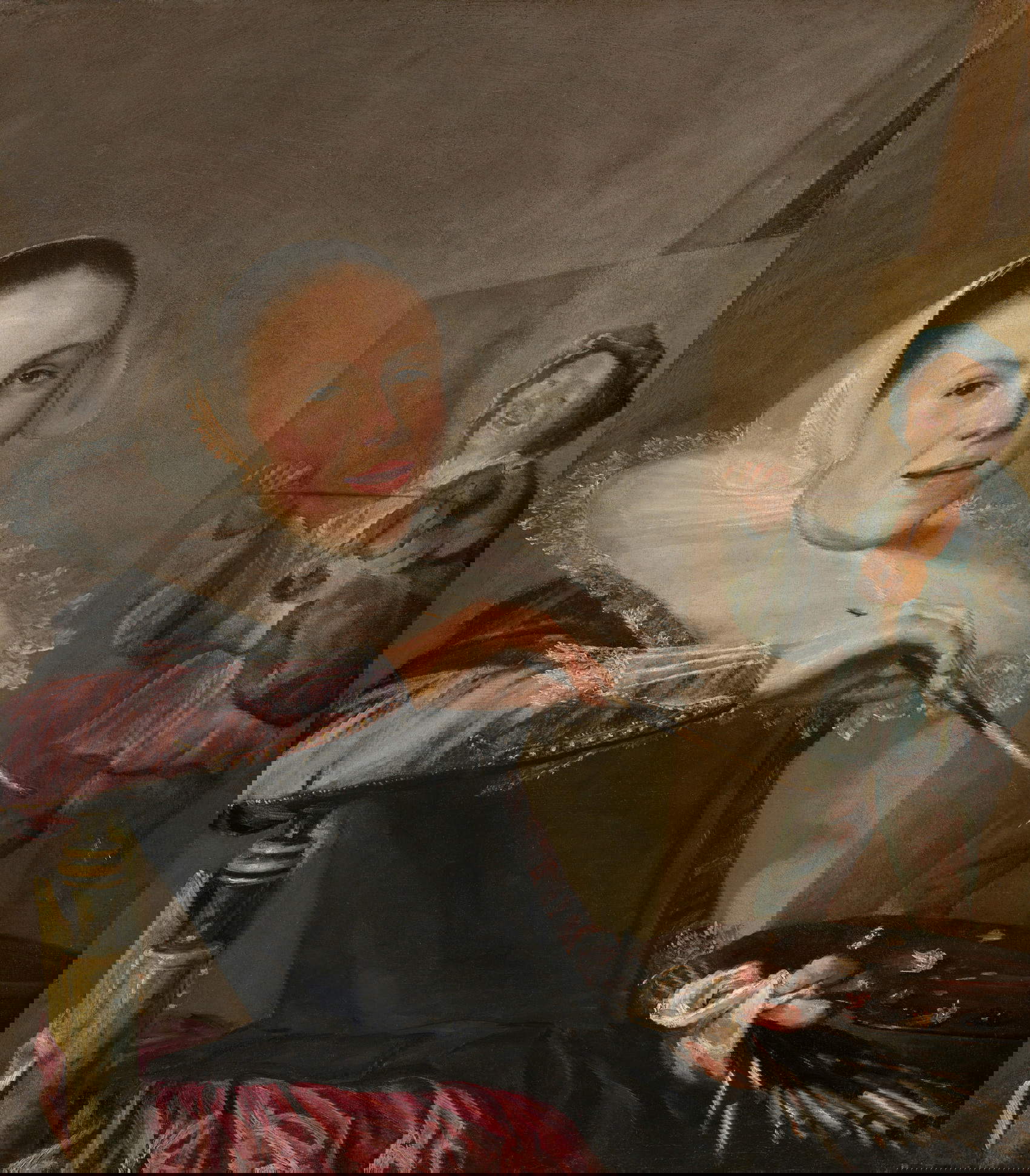
The first section focuses on self-representation. Portraits and self-portraits show how women artists constructed their public image. In Judith Leyster’s self-portrait, for example, the artist presents herself by asserting her own lively and recognizable style. Johanna Helena Herolt also plays with the theme of identity by placing a self-portrait concealed in a light reflection inside a flower vase-a gesture that combines apparent modesty and technical awareness.
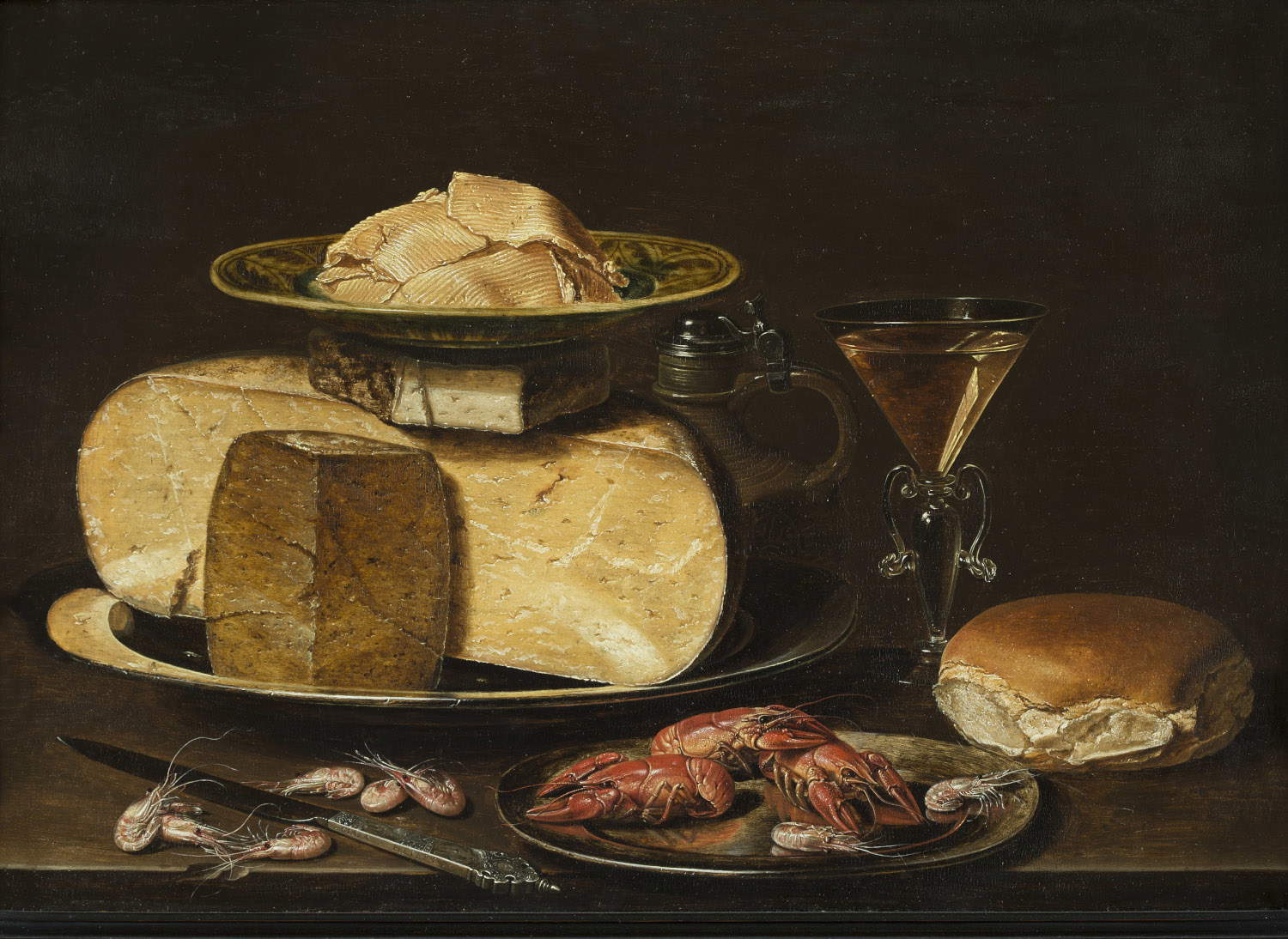
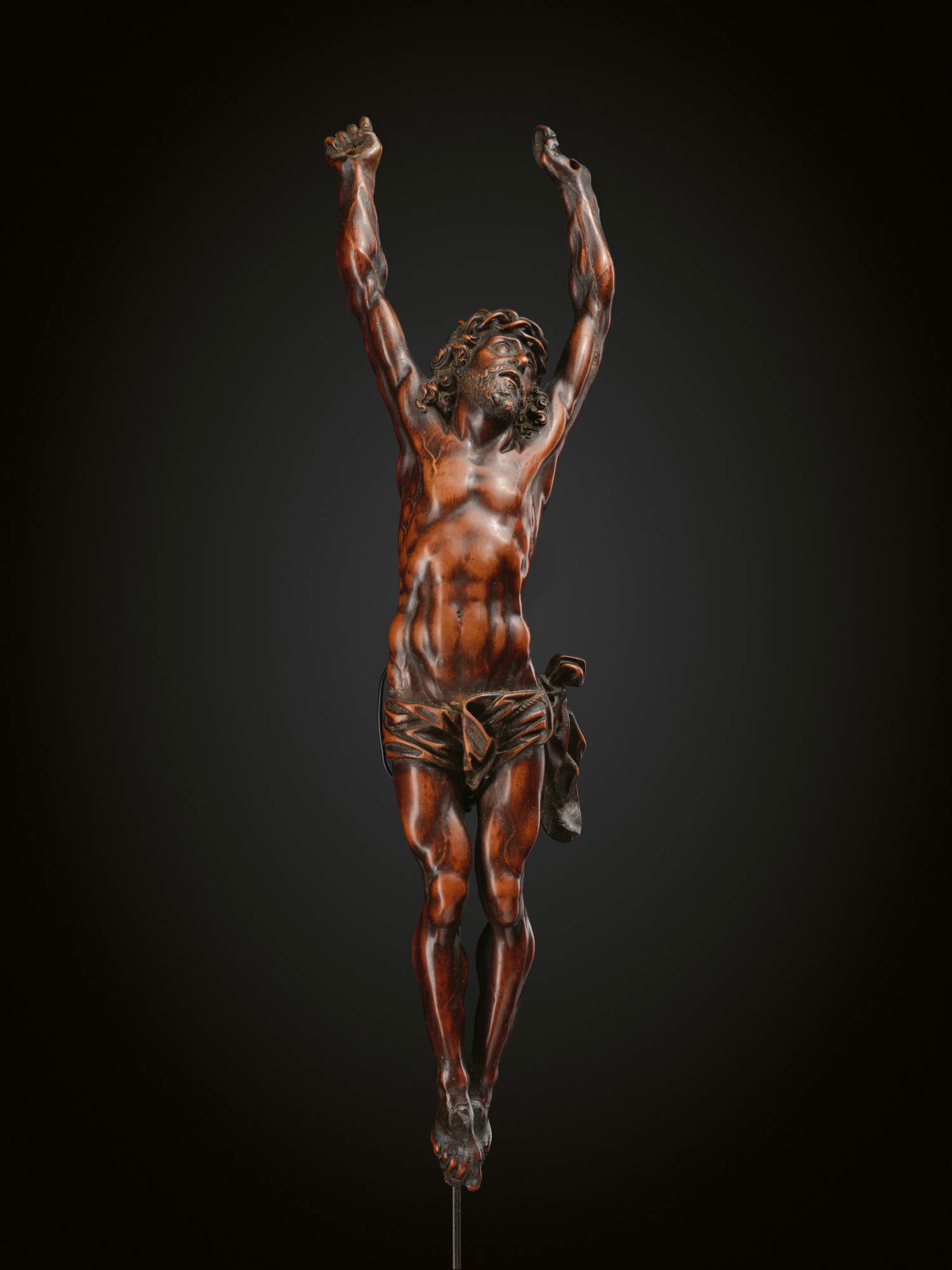
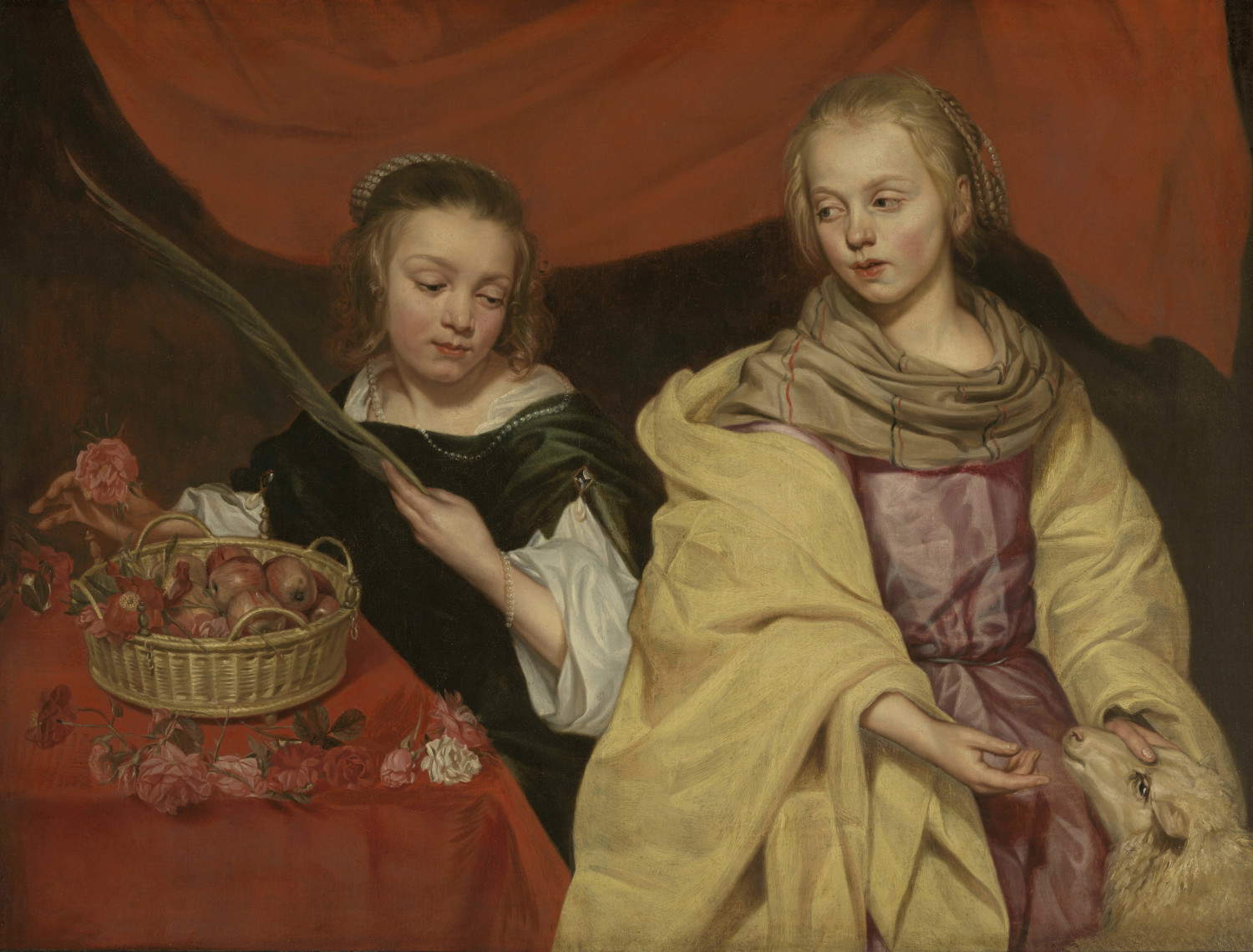
Spread over two rooms, this part refutes the notion that women devoted themselves exclusively to still life with flowers. The works of Clara Peeters and Maria Tassaert demonstrate technical mastery and market intelligence. If the floral genre was in demand, many women artists knew how to exploit it strategically, but they also did not give up trying their hand at history painting, considered the highest form of art. Paintings by Michaelina Wautier testify to this ambition, alongside sculptures, engravings and fine textile artifacts that reveal expertise and entrepreneurial spirit.
Access to education was highly dependent on social background. Elite women, such as Louise Hollandine van de Palts and Catharina Backer, received a comprehensive humanistic education and lessons from established masters. Middle-class women artists often grew up in family workshops, contributing to the continuity of the business, but signing works only after the passing of a male relative. For the humbler classes, such as anonymous lacemakers, visibility remained almost impossible, even though their work was essential to the textile economy.
Regardless of origin, many women had to confront the role of wives and mothers. Some, like Anna Francisca de Bruyns, alternated between artistic practice and family commitments. Others, like Rachel Ruysch, were able to continue their activity well into old age, thanks to favorable conditions. There were also alternatives: religious life, chosen by Louise Hollandine or Catharina II Ykens, or the conscious option of celibacy, advocated by the intellectual Anna Maria van Schurman.
The exhibition also highlights the role of women artists as entrepreneurs. Clara Peeters, for example, responded to market demand by introducing innovative motifs and replicating successful compositions. Similar strategies can be found in the lace samplers produced to optimize time and demand. In a system based on relationships, contacts were as crucial as technical skill.
The path then expands to the international dimension, placing the women artists in the context of the global economy of the early modern age. Colonial trade also influenced artistic production: exotic objects and precious materials appear in paintings, while some women artists worked explicitly for foreign markets. Maria Sibylla Merian’s scientific engravings, made after her trip to Suriname, testify to the link between art, science and colonialism.
The concluding section reflects on the reasons why many of these artists are little known today, despite the fame they enjoyed in their lifetime. Misattributions, works held in private collections or museum deposits, changes in taste and genre hierarchy, and the fragility of some materials have gradually obscured their memory.
With Unforgettable, the Gent Museum is actively participating in the process of rediscovering and revaluing women artists of the past, inviting the public to recognize their central role in the history of European art.
|
| A major retrospective in Ghent on 40 women artists active in the Netherlands between the seventeenth and eighteenth centuries |

Warning: the translation into English of the original Italian article was created using automatic tools. We undertake to review all articles, but we do not guarantee the total absence of inaccuracies in the translation due to the program. You can find the original by clicking on the ITA button. If you find any mistake,please contact us.




























 IT
IT FR
FR DE
DE ES
ES CN
CN


