




From January 31 to June 2, 2026, MIC Faenza - International Museum of Ceramics is hosting the exhibition Alchimia Ginori 1737-1896. Art and Technique in Manufacturing, an exhibition project that offers an articulated rereading of more than two centuries of the history of the Doccia factory, one of the most important experiences in Italian ceramic production between the 18th and 19th centuries. The initiative is organized by the MIC Faenza in collaboration with the Ginori Museum Foundation and was created with the aim of investigating the relationship between artistic conception, scientific progress and technical constraints, avoiding a celebratory narrative and focusing instead on the processes, experiments and difficulties that accompanied the manufacture’s development. Curated by Oliva Rucellai and Rita Balleri, the exhibition is based on a reasoned selection of works from the collections of Museo Ginori and MIC Faenza.
“Often, behind a certain impasto, the color of a background or a particular shape that seem obvious to us today,” says Oliva Rucellai, head curator at Museo Ginori, “there are discoveries, inventions, research and failures that we are not aware of. This exhibition is an invitation to read the history of Manifattura Ginori also through these achievements.”
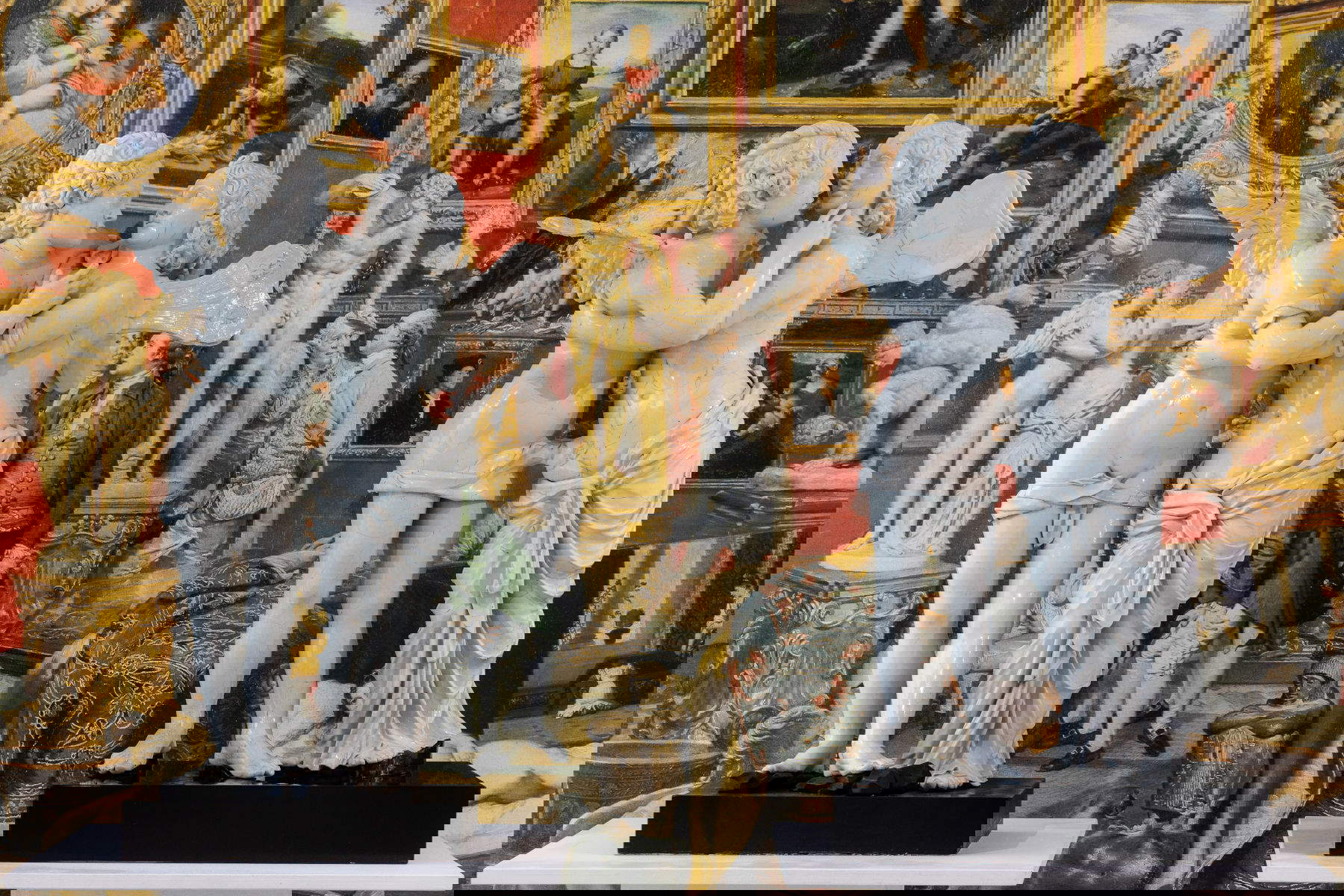
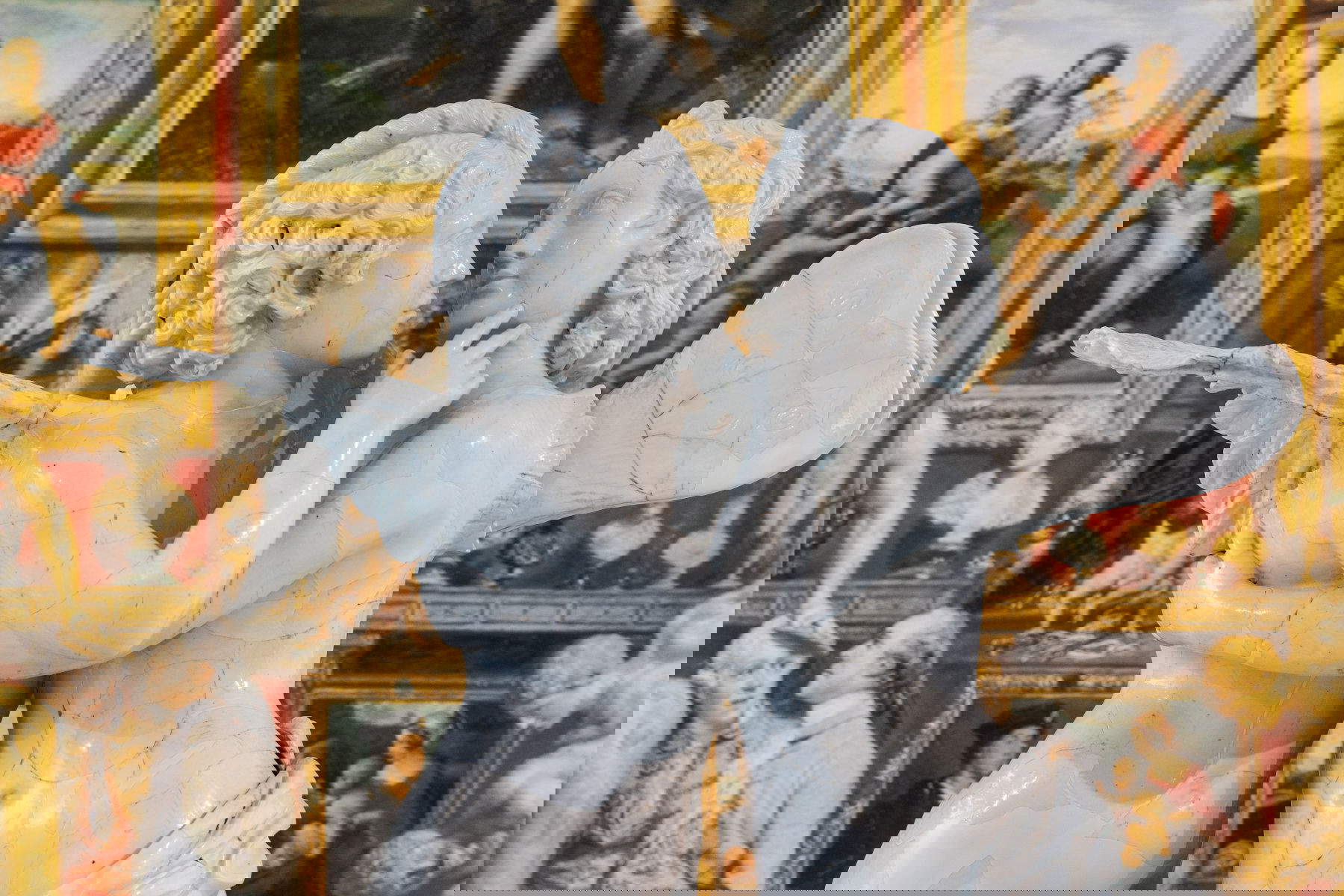
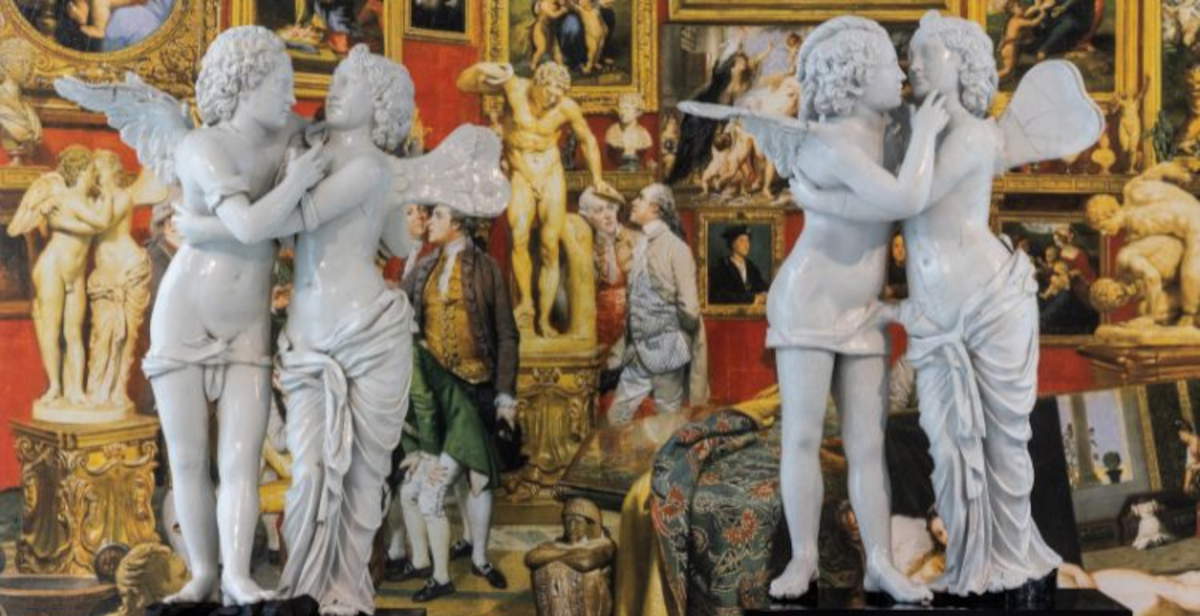
“This exhibition is part of a program of our museum to enhance the Italian manufactures that have made the history of Italian ceramics,” continues MIC Faenza director Claudia Casali. "Ginori is synonymous with elegance but also with research, technique and technology. This exhibition is an extraordinary opportunity to see brought together sculptural groups such as Amore and Psyche of exceptional importance in Ginori production, a unique event that is difficult to repeat."
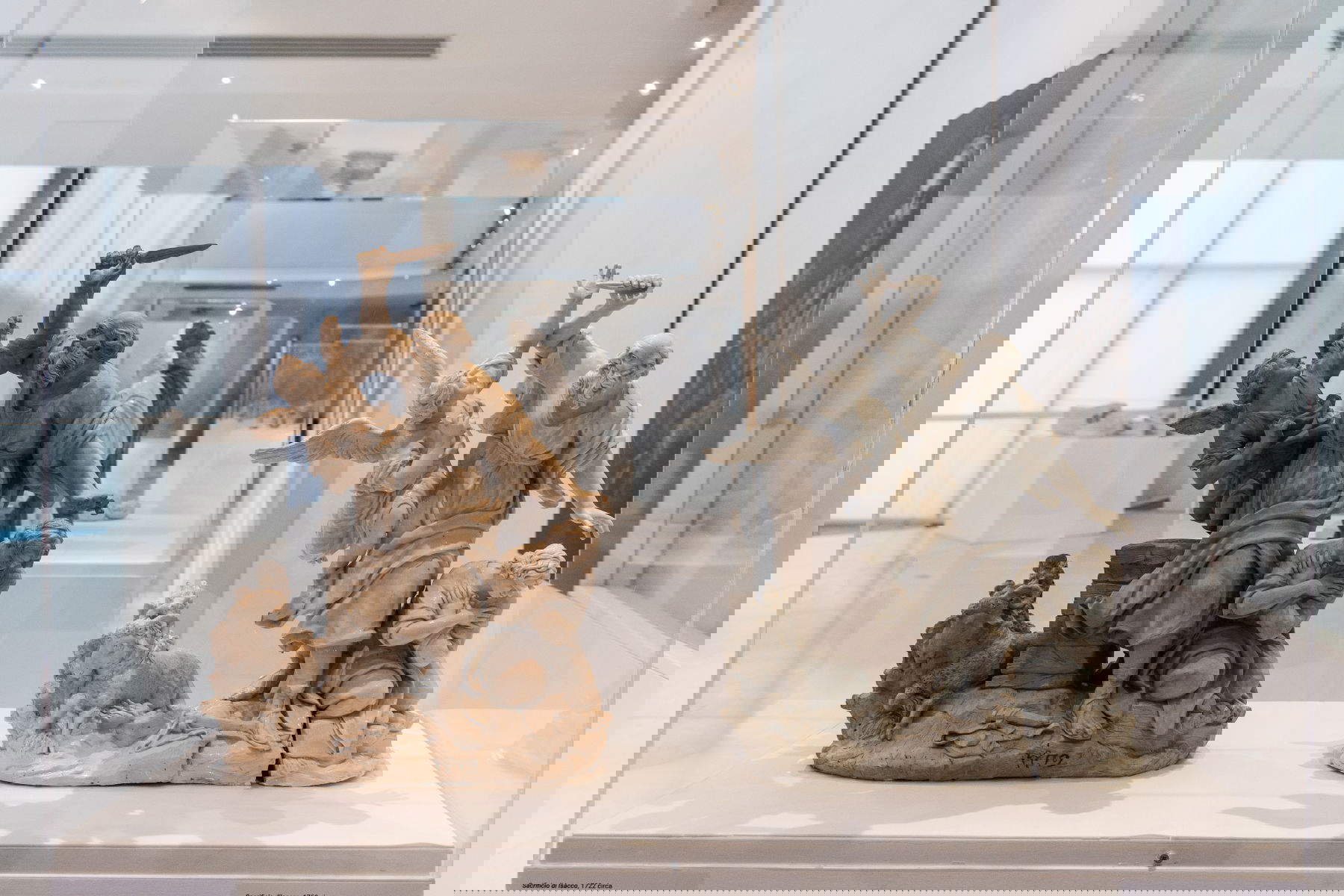
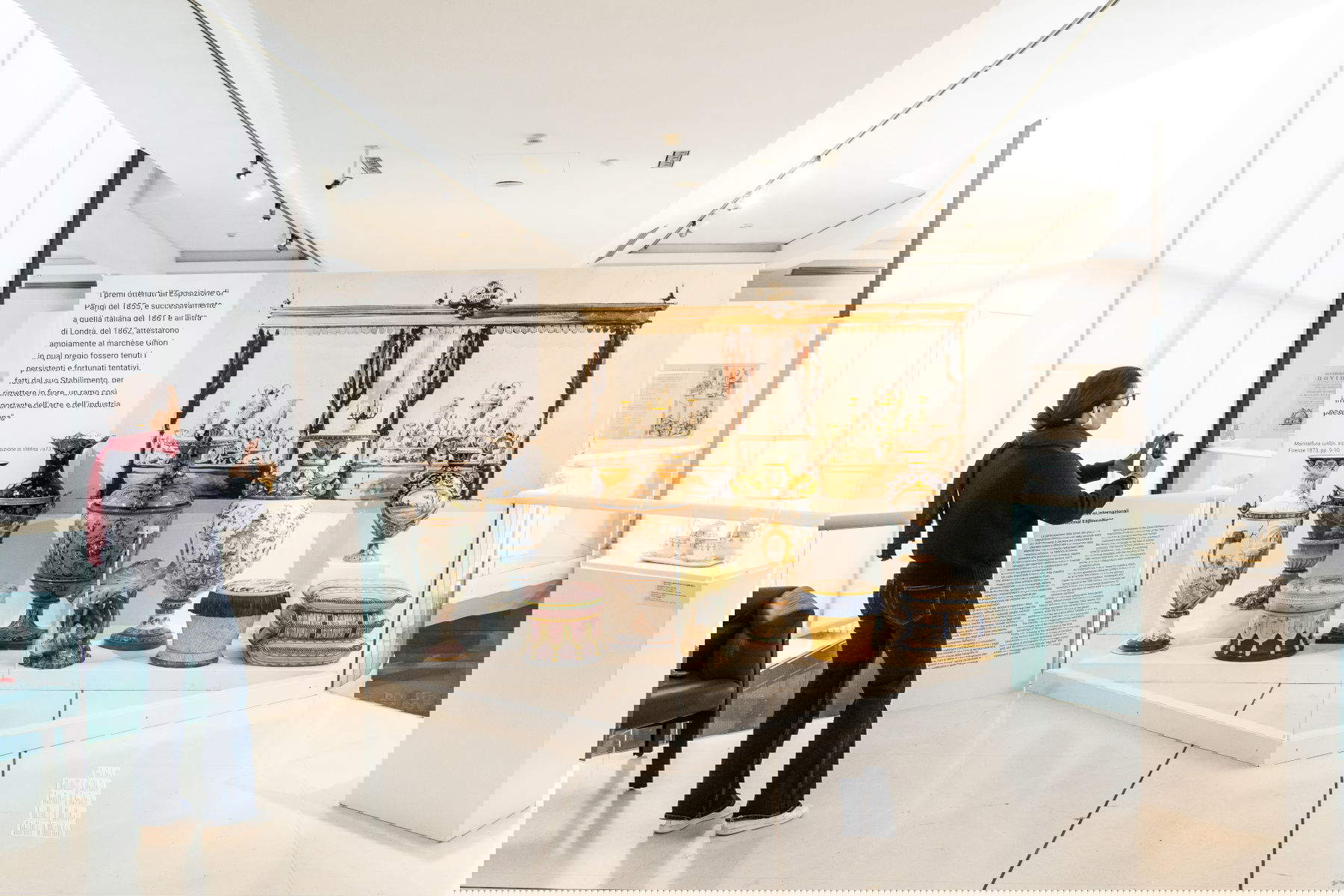
The exhibition itinerary is articulated as a long-running narrative that begins in the first half of the 18th century, when Carlo Ginori founded the eponymous manufactory, driven by a direct interest in chemistry and materials research. At this early stage, ceramic production was the result of an unstable balance between artistic aspirations and the limits imposed by the material, particularly in the fine-tuning of the porcelain mixture, to which Ginori himself devoted himself.
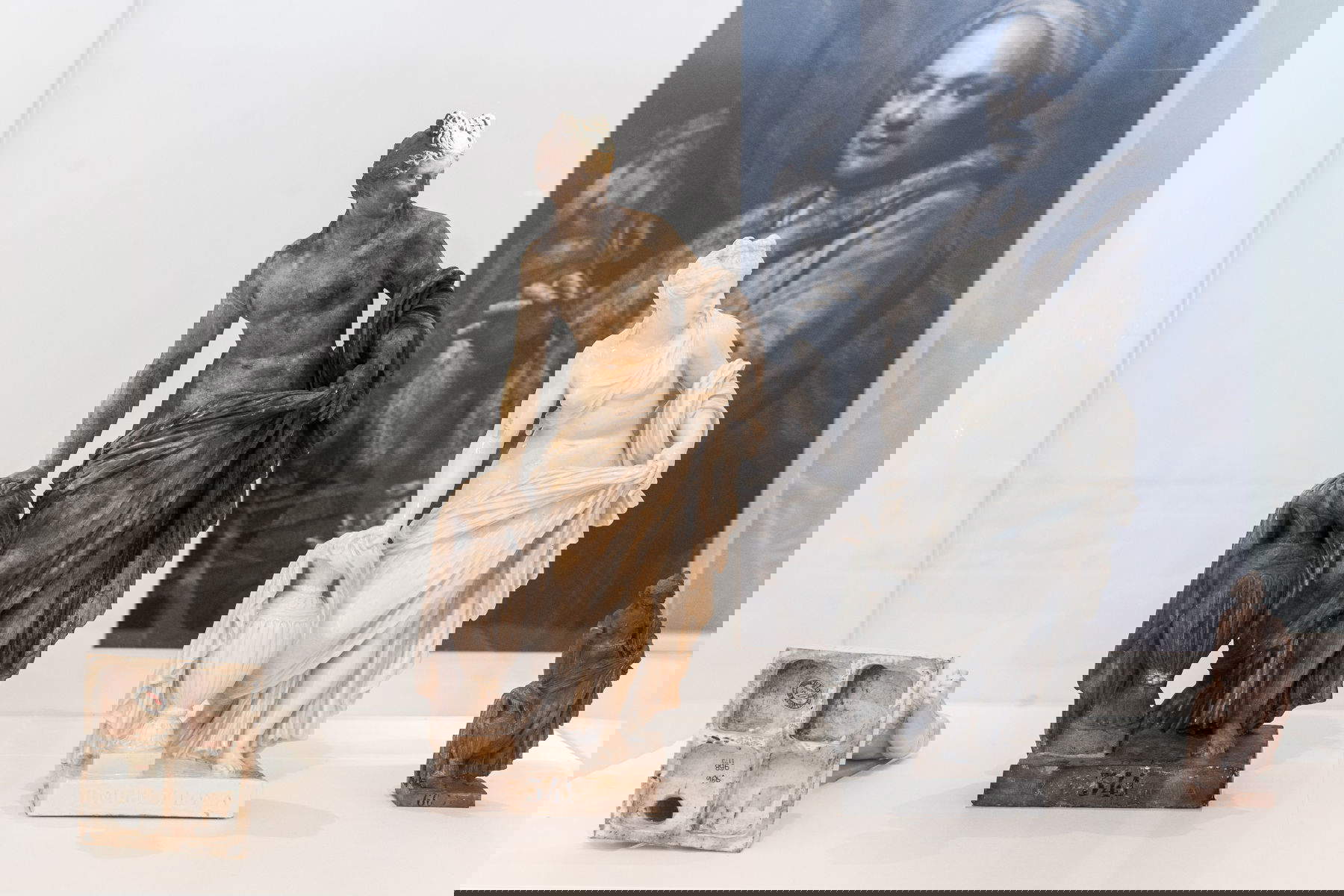
During the 18th century the manufactory was distinguished by a strong experimental vocation, which found one of its most obvious expressions in the production of large porcelain sculptures. The exhibition devotes ample space to this aspect through a comparison of two examples of the Amore e Psiche group, now preserved in the collections of MIC Faenza and Museo Ginori respectively and exhibited together for the first time. Made within a short temporal distance of each other, the two works allow us to observe the different solutions adopted by the chief modeler Gaspero Bruschi to deal with the complex problems involved in the firing of exceptionally large artifacts. Alongside the sculptures, the exhibition also presents the “tessellated” plaster forms derived from the marble archetype preserved at the Uffizi Galleries, which were used to translate the work into porcelain.
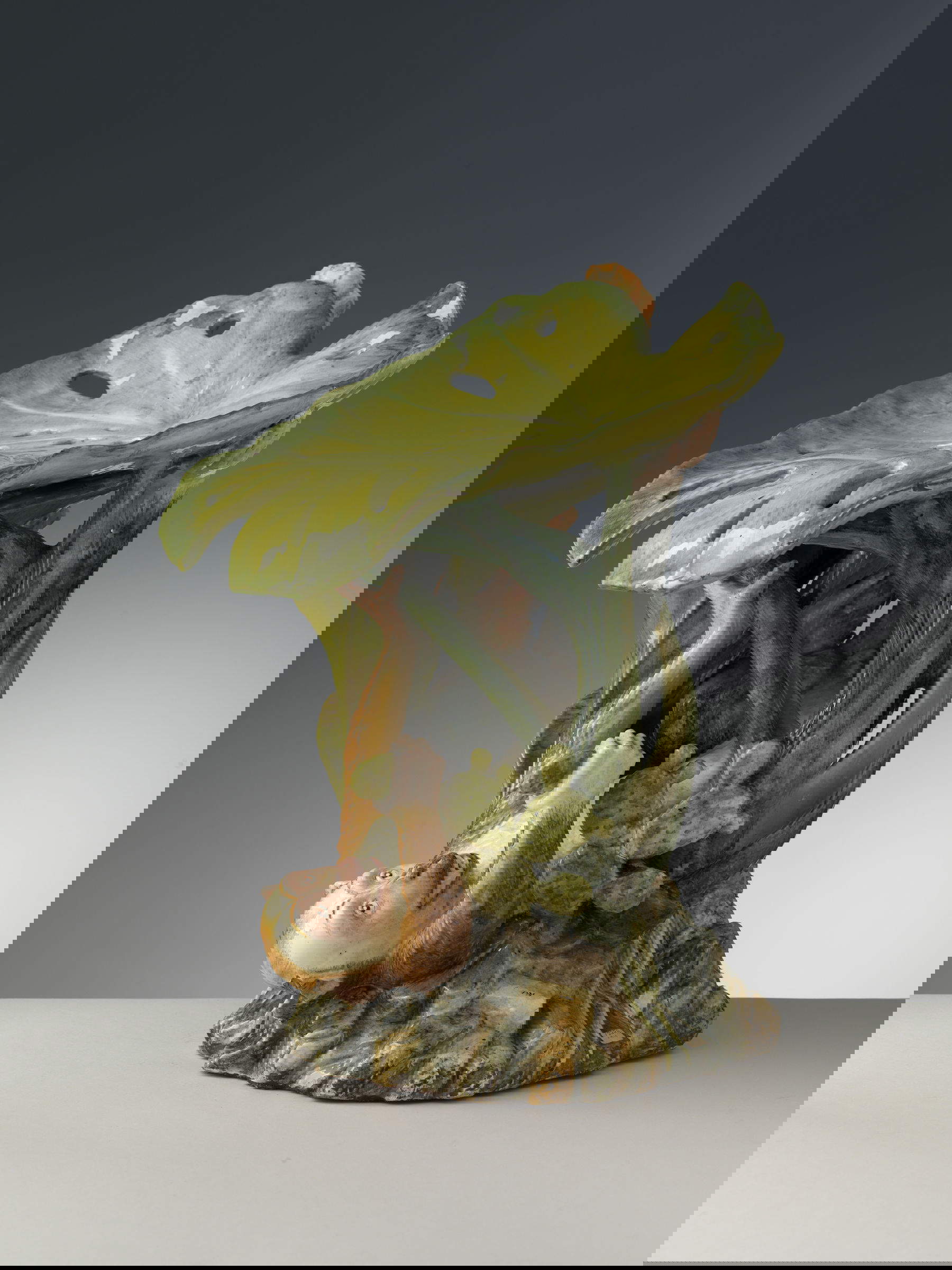
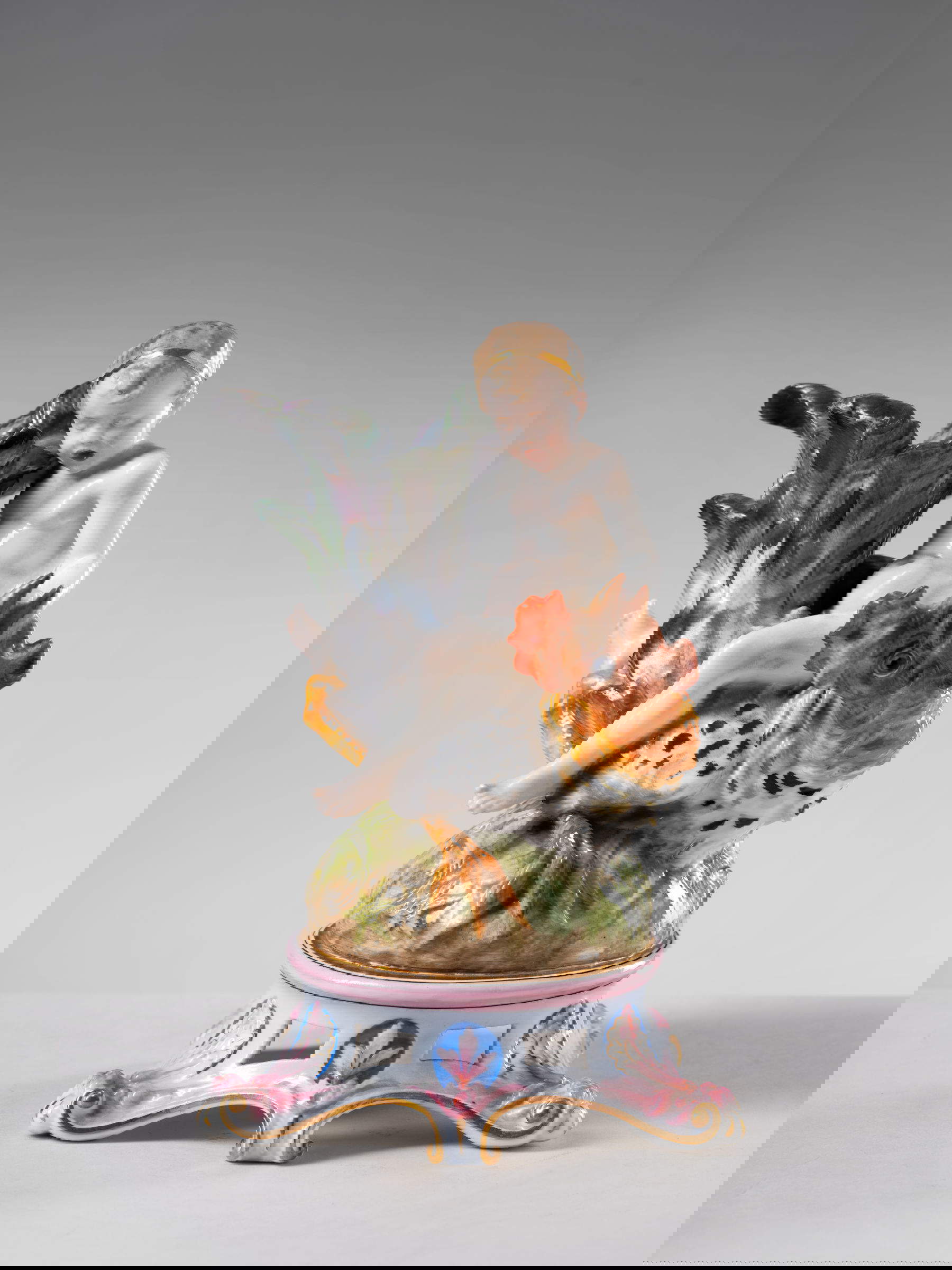
The itinerary continues by highlighting the progressive enrichment of pictorial decoration and color palette, following the evolution of patrons’ taste and the expansion of scientific knowledge. An example is offered by the service for Cardinal Aurelio Roverella, recently donated to the Museo Ginori, whose flowered bouquets allow us to appreciate the chromatic range of 18th-century porcelain. At the same time, the exhibition invites us to observe the subsequent expansion of the palette during the nineteenth century, made possible by advances in mineralogy and chemistry. The discovery of chromium introduced new shades of green, while the use of zinc enabled the so-called “d’anchina” or Nanking color, a particular shade of pinkish yellow inspired by a Chinese fabric popular at the time.
A relevant section is devoted to the technical innovations introduced during the 19th century. Among these, the four-story kiln invented in 1816 by Carlo Leopoldo Ginori Lisci occupies a central position. Largely used for the firing of everyday majolica, the kiln is linked to a production often considered marginal, but fundamental to understanding the economic operation of the manufactory. Kitchen and tableware, chamberware, apothecary vases, and inkwells were made both for the lower-middle market and for noble families and the grand ducal court, which was supplied for ordinary uses. The simple but hand-painted decorative motifs represent a synthesis of cost containment and visual effectiveness.
Another node addressed by the exhibition concerns the rediscovery of lustre, the glaze with iridescent metallic reflections that had made Gubbio and Deruta majolica famous in the Renaissance. The credit for this rediscovery belongs to Giusto Giusti, a chemist at the Ginori manufactory, who managed to recover a formula that had been lost, partly as a result of research stimulated by a forger merchant who was later unmasked. The result of these experiments led the manufactory to be awarded a prize at the 1855 Paris Exposition and marked the start of a line of artistic majolica in the Renaissance style, represented in the exhibition by numerous examples.
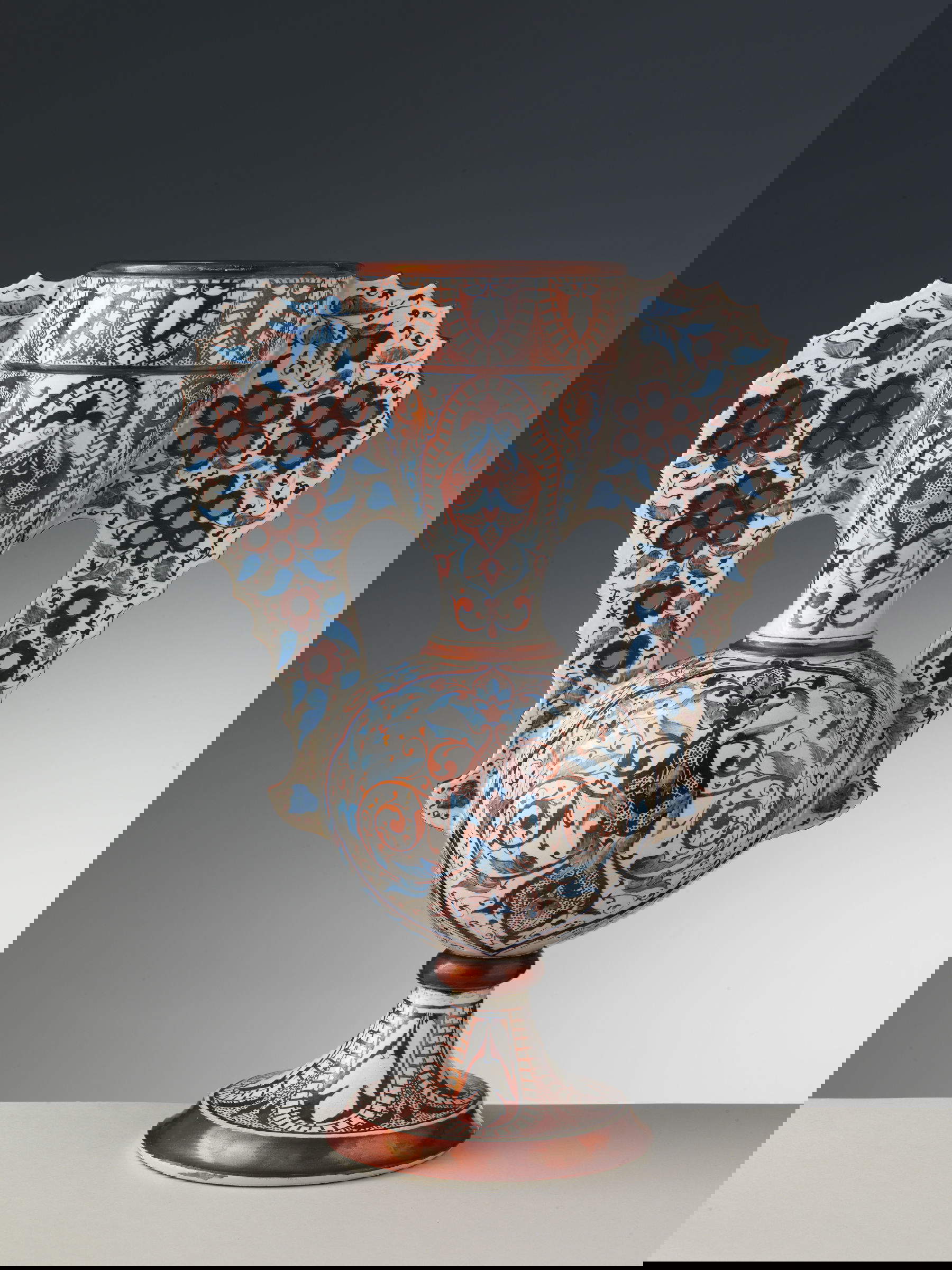
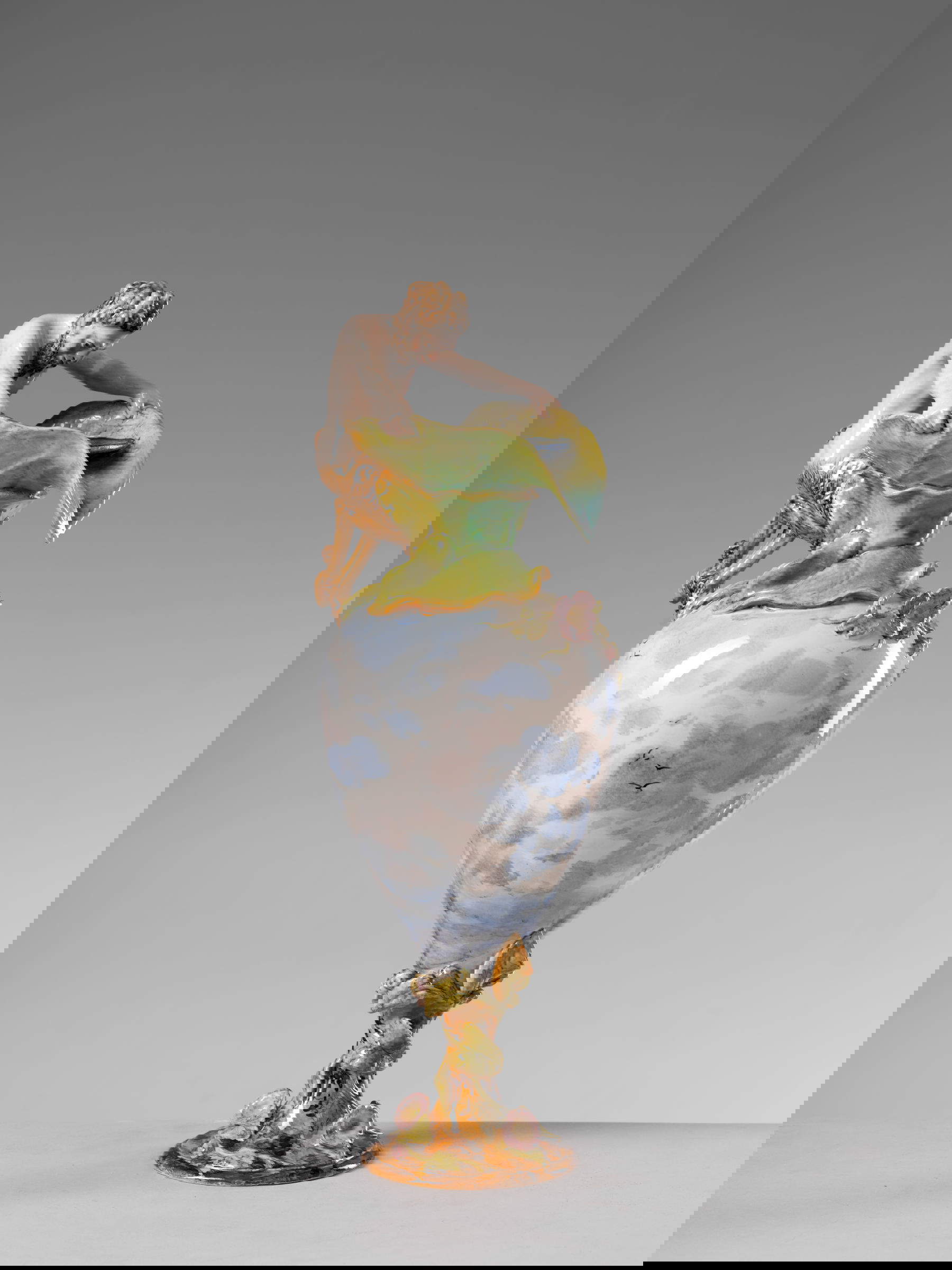
Comparison with international exhibitions also highlights the limitations of Ginori production in everyday products. At the International Exhibition in London in 1862, the success of the artistic line was accompanied by the realization that it was of inferior quality compared to manufactures beyond the Alps. From this realization comes a season of investment promoted by administrator Paolo Lorenzini, aimed at updating production methods, particularly in the area of serial decoration. Monochrome decals from engraved metal matrices and polychrome decorations obtained by chromolithography were introduced, thanks in part to the hiring of French workers.
The exhibition also explores the impact of photography on ceramic production. Photographic images expand the repertoire of hand-painted subjects and, through collaboration with the Alinari brothers, a technique is developed that allows photography to be transferred directly onto porcelain. This innovation finds application especially in the making of travel souvenirs and personalized objects with portraits.
The last part of the itinerary looks at Ginori’s transition to an industrial dimension and opening up to the 20th century. The invention of the telegraph and the development of electricity create new opportunities for porcelain, particularly in the field of electrotechnical insulators, to which the manufactory has been devoted since the 1850s. Initially characterized by rudimentary shapes, these objects were gradually perfected. The models designed by engineer Guido Semenza for Richard-Ginori in 1898 are distinguished by a strong plastic prominence, conferring dignity of industrial design on artifacts hitherto considered exclusively technical.
 |
| Alchimia Ginori: two centuries of art and science in Italian ceramics at Faenza MIC |

Warning: the translation into English of the original Italian article was created using automatic tools. We undertake to review all articles, but we do not guarantee the total absence of inaccuracies in the translation due to the program. You can find the original by clicking on the ITA button. If you find any mistake,please contact us.


























 IT
IT FR
FR DE
DE ES
ES CN
CN


