





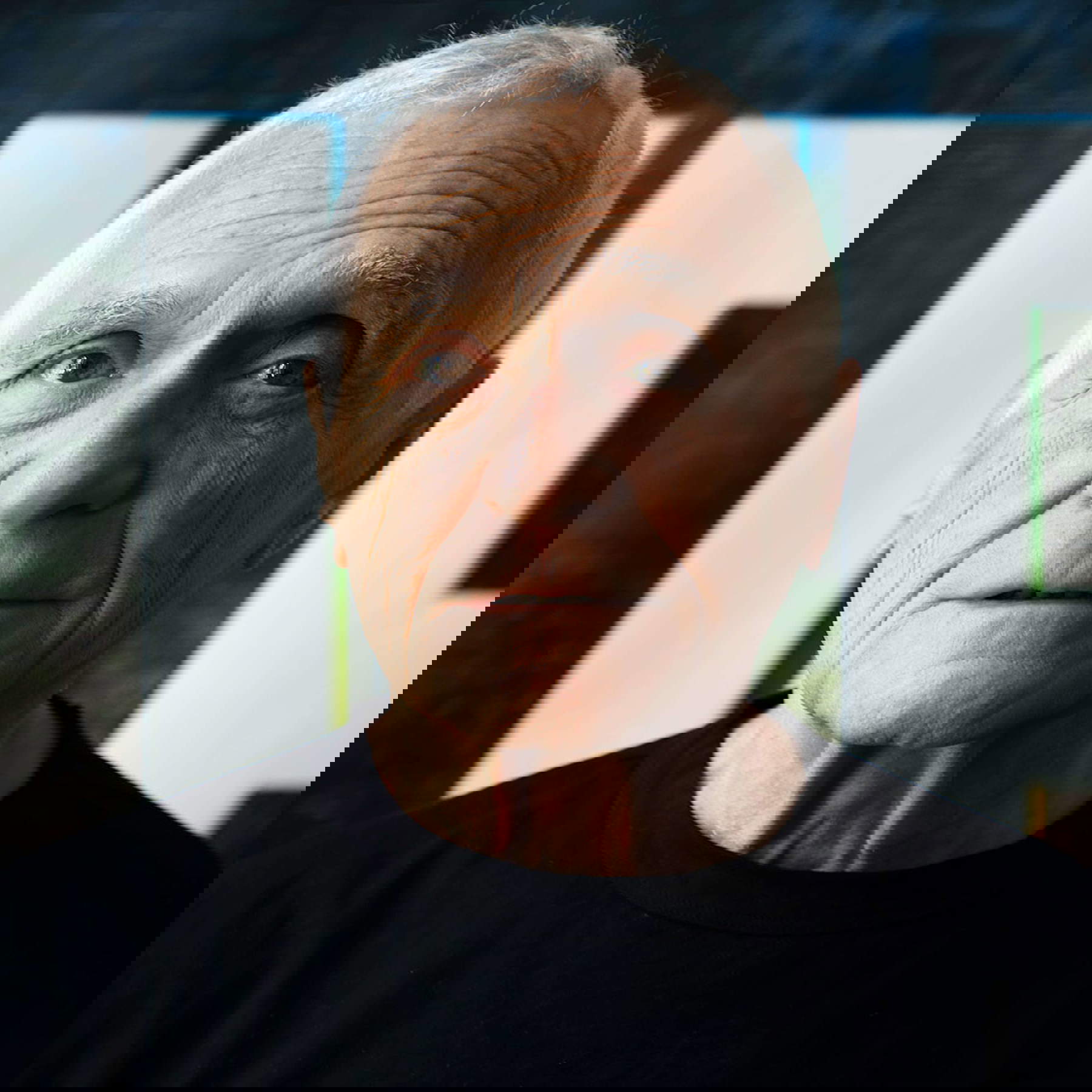
For the first time in Italy, MAMbo - Museo d’Arte Moderna di Bologna is dedicating a major retrospective exhibition to John Giorno (New York, 1936 - 2019), a central and transversal figure in contemporary culture. From February 5 to May 3, 2026, the Sala delle Ciminiere will host John Giorno: The Performative Word, an exhibition that spans more than sixty years of research, restoring the complexity of an artist who was able to transform words into experience, gesture, political action and visual form. The exhibition project is curated by Lorenzo Balbi and is promoted by the Civic Museums Sector of the Municipality of Bologna.
The exhibition is part of the institutional program of ART CITY Bologna 2026, the schedule of exhibitions and events promoted by the Municipality of Bologna with the support of BolognaFiere on the occasion of Arte Fiera, under the artistic direction of Balbi himself. The exhibition represents a central moment in the city’s cultural calendar, reaffirming MAMbo’s role as a place for research and reflection on contemporary art practices and their historical genealogy.
John Giorno, who was born in New York in 1936 and died in the same city in 2019, was a poet, performer, artist and activist. A pivotal figure of the New York avant-garde, he broke disciplinary boundaries by making poetry a living body, capable of inhabiting unexpected spaces and dialoguing with audiences in radically new forms. Her magnetic and direct stage presence helped redefine the relationship between word, voice and space, pushing poetry beyond the written page and transforming it into shared experience.

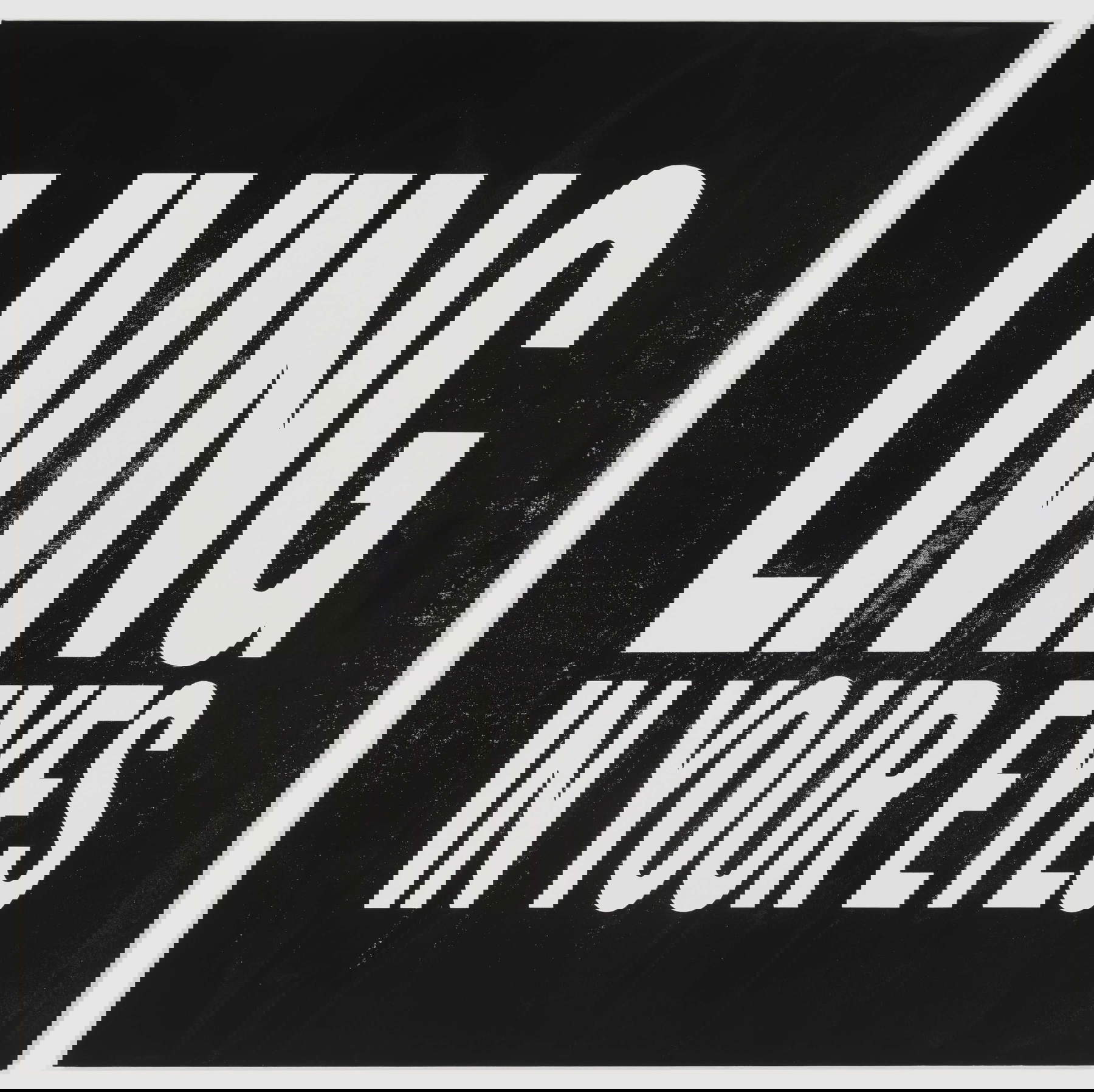
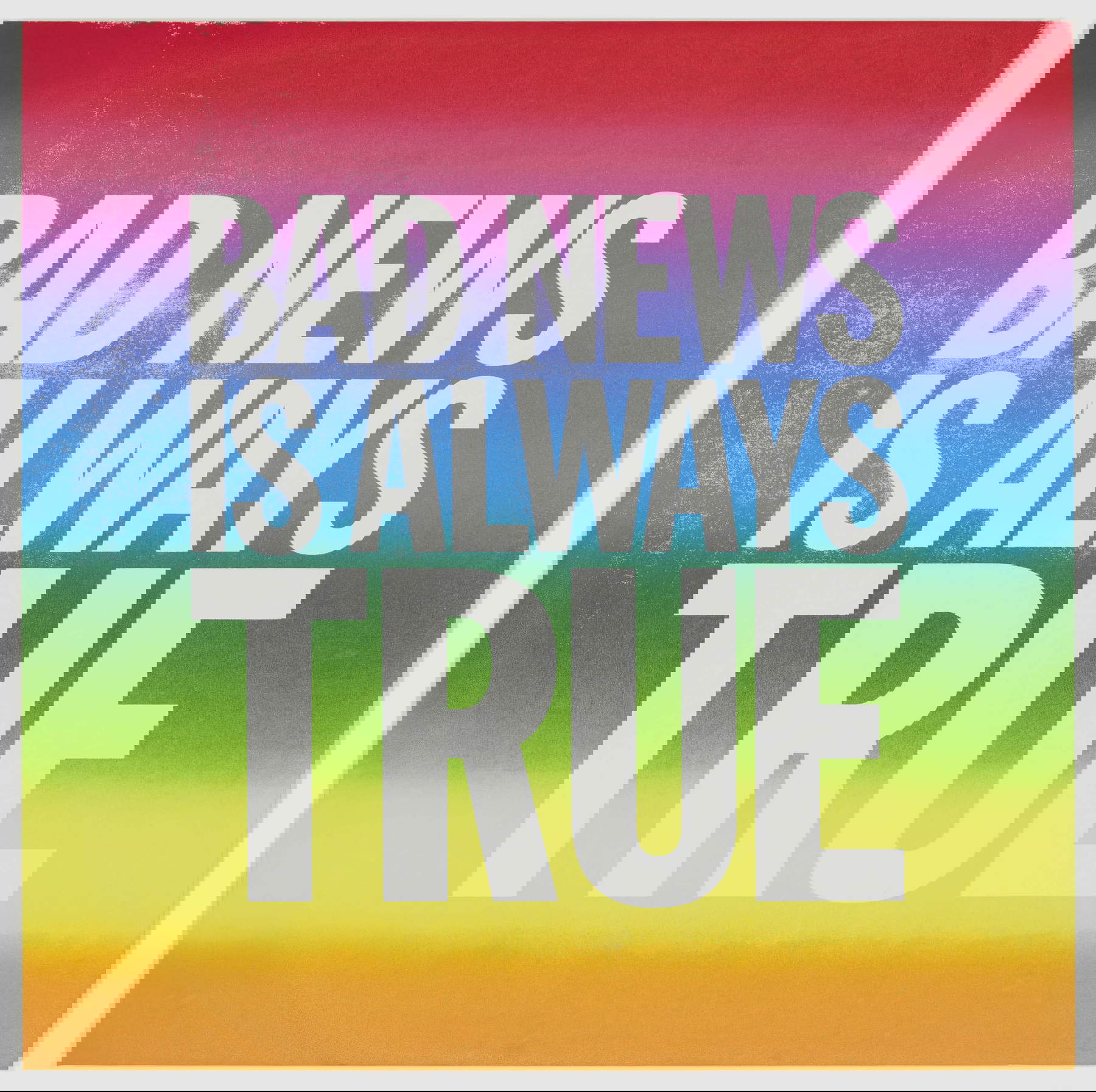
MAMbo’s exhibition traces Giorno’s multifaceted practice through different nuclei of works, highlighting the ways in which the artist has valorized poetic language in its plastic, relational and performative dimensions. The recurrent use of poetic excerpts, replicated on different media and accompanied by carefully selected colors and a font that has become iconic, restores the visual power of the word and its communicative potential. The exhibition highlights how Giorno pushed poetry into the territory of visual arts, performance and telecommunications networks, anticipating many of the reflections central to intermedial practices today.
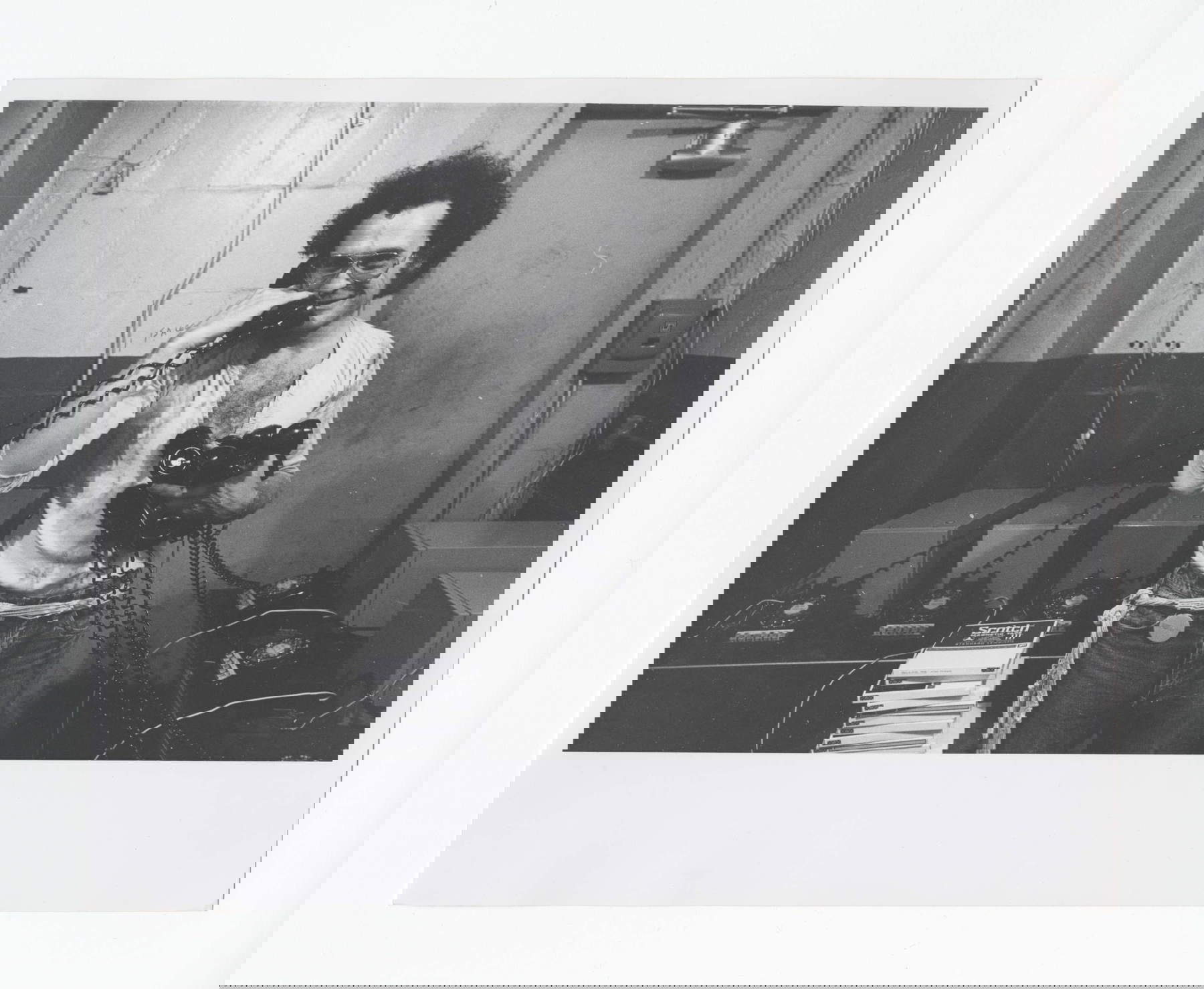
A key role in John Giorno’s trajectory was played by his relationships and collaborations with some of the most influential figures in the art and literary scene of the second half of the twentieth century. Andy Warhol, Robert Rauschenberg, William Burroughs, John Cage and Patti Smith are just some of the protagonists with whom Giorno shared experiences, projects and visions. Also emblematic, in this sense, is the founding in 1965 of Giorno Poetry Systems, a nonprofit platform that revolutionized the dissemination of poetry, interweaving it with music, visual arts, political engagement and community practices, helping to redefine the circuits of independent cultural production.
The conceptual and symbolic heart of the exhibition is Dial-A-Poem, theinteractive work with which Giorno transformed the telephone into a tool for large-scale poetic dissemination. Produced in 1969 and presented in 1970 in the Information exhibition at New York’s Museum of Modern Art, the project allowed the public to listen, by dialing a telephone number, to recordings of the voices of poets, artists, musicians and activists intent on reading their own compositions. Over time, Dial-A-Poem became one of the most emblematic works of participatory conceptual art, expanding to include 282 recordings by 132 authors, including Patti Smith, Allen Ginsberg and Amiri Baraka, and generating international editions in several countries.

On the occasion of the Bologna retrospective, Dial-A-Poem Italy was born, an Italian version of the work designed specifically for MAMbo. The project involved more than thirty contemporary Italian poets, selected by Caterina Molteni, the museum’s curator, who lent their voices to shape a sound experience inspired by Giorno’s original vision. Participants include Antonella Anedda, Domenico Brancale, Milo De Angelis, Valerio Magrelli and Patrizia Valduga, among others. As in the historical work, listening remains unpredictable and personal: a call, an unexpected voice, a poetic fragment that transforms the experience into a private performance. A new telephone number, +39 051 0304278, will be active free of charge twenty-four hours a day, seven days a week, for the duration of the exhibition.
The exhibition itinerary also includes a section dedicated to archival materials, curated by Nicola Ricciardi with the collaboration of Eleonora Molignani, and a layout designed by Studio EX. Posters, letters, books and contracts, in some cases never exhibited before, reconstruct Giorno’s trajectory between art and activism, relating his experience to that of other artists and restoring the historical and cultural context in which his research developed.
The exhibition also delves into the performative dimension of Giorno’s poetic practice, placing it within the broader history of artistic experimentation related to performance. From the earliest visual poems to language collages to the Electronic Sensory Poetry Environments of 1967, a poetics based on rhythm, breath and energy emerges, anticipating reflections central today on interdisciplinarity, the body as a vehicle of knowledge and the relational dimension of the work. Crucially intertwined with this tension are the artist’s political engagement, particularly within the LGBTQ+ community and during the AIDS emergency, and his adherence to Tibetan Buddhism, which introduces a profound meditative dimension into his work.

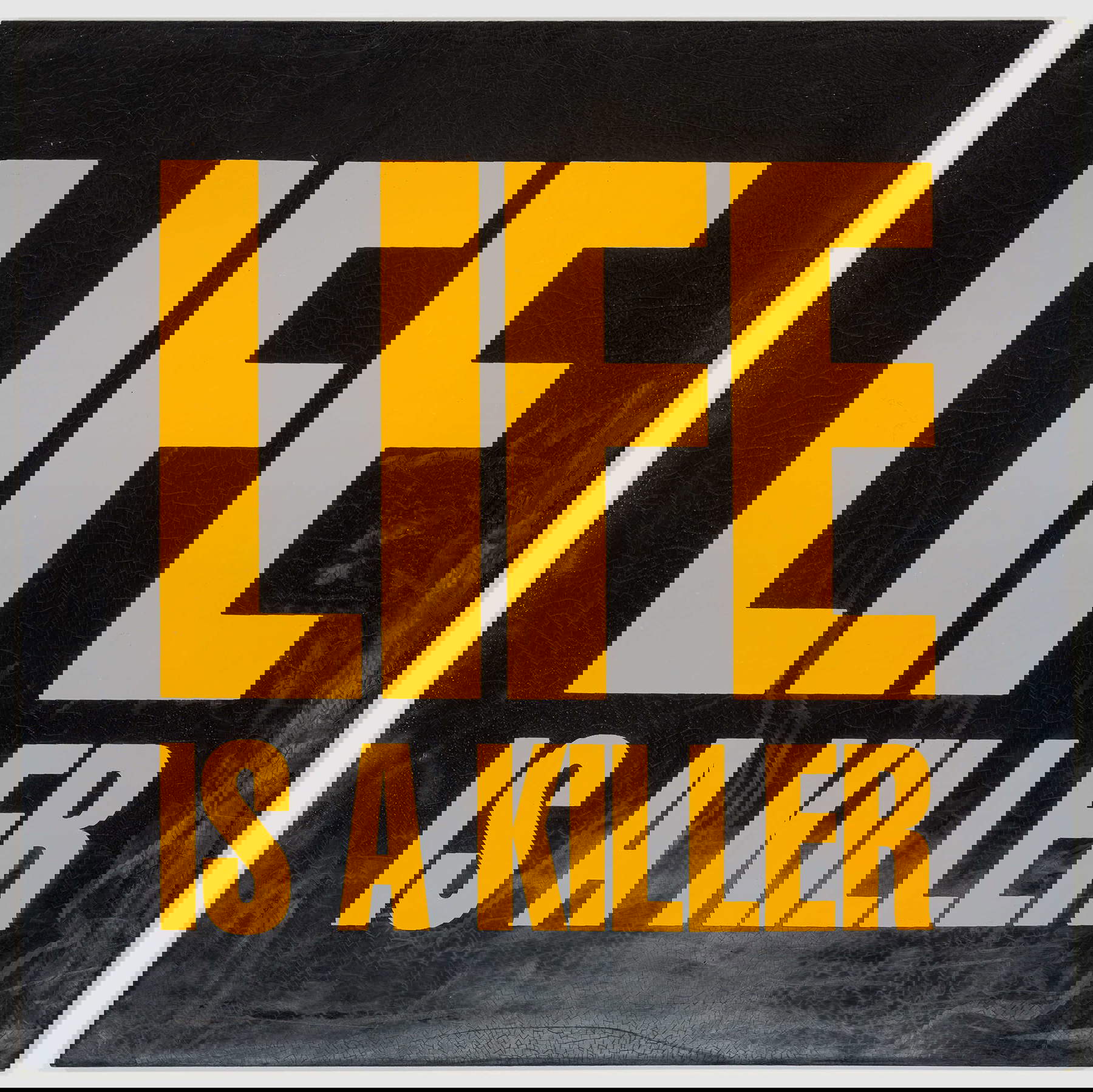

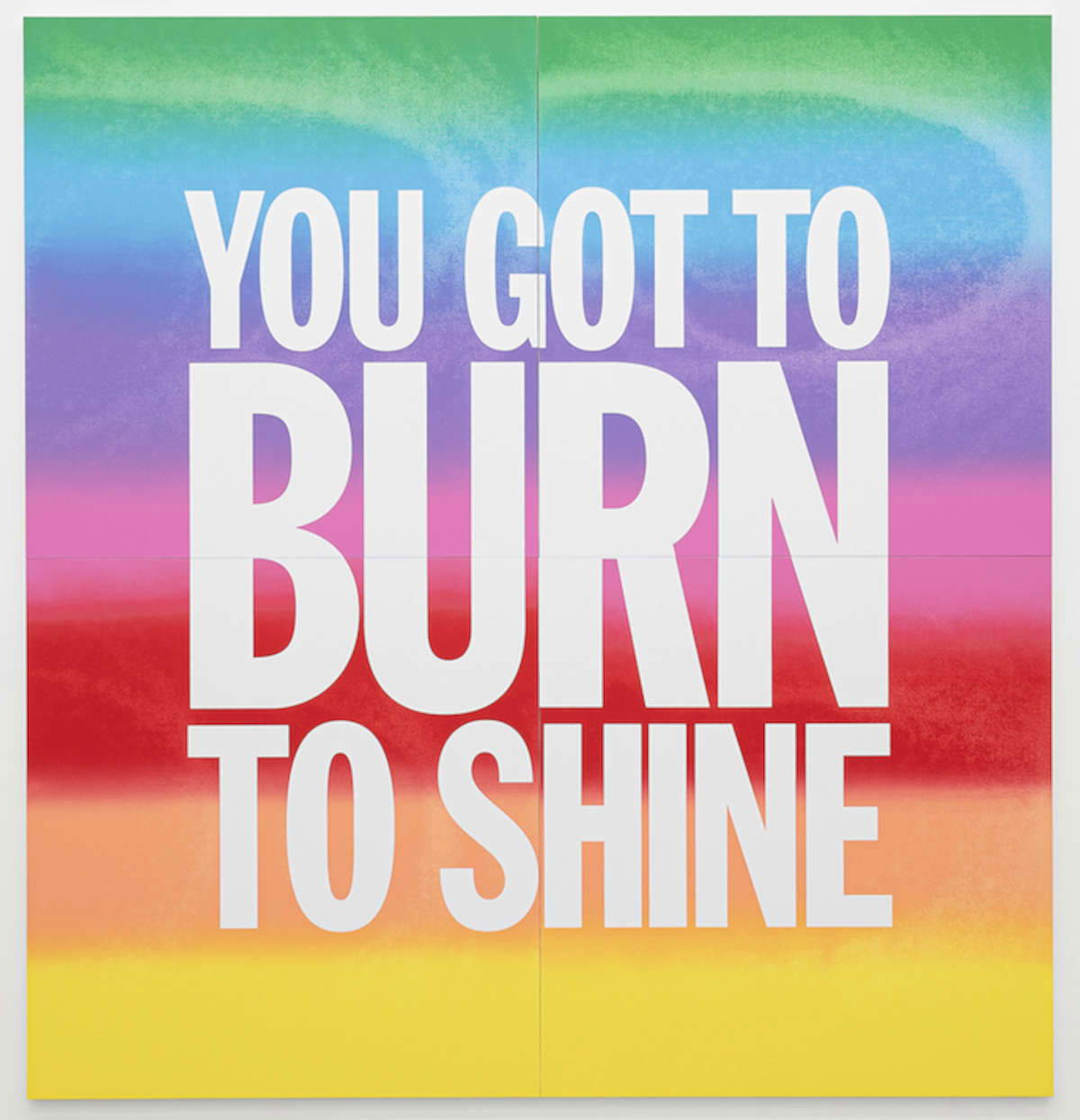
“The retrospective dedicated to John Giorno fits perfectly into the artistic context of Bologna,” says Daniele Del Pozzo, Councillor for Culture of the City of Bologna. “Giorno transformed speech into public art, extending the practice of performance beyond the page, into unconventional settings such as streets and telephone lines, perfectly matching the spirit of experimentation and openness to new art forms that Bologna has always cultivated. The fusion of word and action, of personal life and work, was the trigger for a new way of understanding artistic practice, seen as a way of intervening in public space to effect social change, as in the case of AIDS activism; a model that reflects Bologna’s vocation to recognize the value of differences and to provide spaces for an art that dialogues with the city and those who live there. The retrospective curated by MAMbo is a valuable experience that connects history, performance and poetry, and offers insights that are still relevant to our today.”
“John Giorno embodied, like few others, the possibility of poetry becoming an experience of the world, inhabiting the body, voice and space, opening up to the forms and languages of contemporary art,” explains Lorenzo Balbi, director of MAMbo and curator of the exhibition. “His work, now recognized as one of the most influential and transversal of the second half of the 20th century, stands at the crossroads of word and image, sound and gesture, spirituality and pop culture, constructing an aesthetic and performative universe that still resonates with surprising relevance.”
Accompanying the exhibition is a monograph published by Mousse Publishing, which includes archival materials and critical contributions by Lorenzo Balbi, Drew Sawyer, Kyle Dacuyan and Nicola Ricciardi, as well as an unpublished interview between Ugo Rondinone and Laura Hoptman. The exhibition is produced in collaboration with Giorno Poetry Systems, with support from Thomas Brambilla Gallery, and the publication is made possible by contributions from Shane Akeroyd, Almine Rech, kurimanzutto, and Galerie Eva Presenhuber.
With John Giorno: The Performative Word, MAMbo pays tribute to an artist who reinvented poetry as gesture, body and presence, constructing a language capable of uniting politics, spirituality and everyday life and bridging history and contemporaneity.
 |
| Bologna, at MAMbo the first major Italian exhibition on John Giorno |

Warning: the translation into English of the original Italian article was created using automatic tools. We undertake to review all articles, but we do not guarantee the total absence of inaccuracies in the translation due to the program. You can find the original by clicking on the ITA button. If you find any mistake,please contact us.






















 IT
IT FR
FR DE
DE ES
ES CN
CN


