





From February 20 to July 19, 2026, the Mercati di Traiano - Musei dei Fori Imperiali in Rome will host the exhibition Constantin Brâncuși. The Origins of Infinity, organized as part of the bilateral program of the Romania-Italy Cultural Year 2026. The initiative, elaborated and promoted by the Embassy of Romania in Italy with the support of the Romanian and Italian Ministries of Culture and Foreign Affairs, takes place under the High Patronage of the Presidents of the two countries and is part of the cultural relations between the two nations.
Curated by Erwin Kessler, director of the National Art Museum of Romania, the exhibition is dedicated to Constantin Brâncuși (Peștișani, 1876 - Paris, 1957), a central figure in the definition of 20th-century modernist sculpture, on the 150th anniversary of his birth. The exhibition is promoted by Roma Capitale, Assessorato alla Cultura e al Coordinamento delle iniziative ricondibili alla Giornata della Memoria, and the Sovrintendenza Capitolina ai Beni Culturali; at the national level, the Presidency of the Culture Commission of the Chamber of Deputies intervenes, in collaboration with Romanian ministerial authorities and under the patronage of the Italian Ministry of Culture. It is organized by the Sovrintendenza Capitolina with the Embassy of Romania in the Italian Republic and the National Art Museum of Romania, in partnership with the National Art Museum of Craiova and the Gorj District Museum “Alexandru Ștefulescu,” with technical support from Civita Mostre e Musei Spa and Zètema Progetto Cultura.
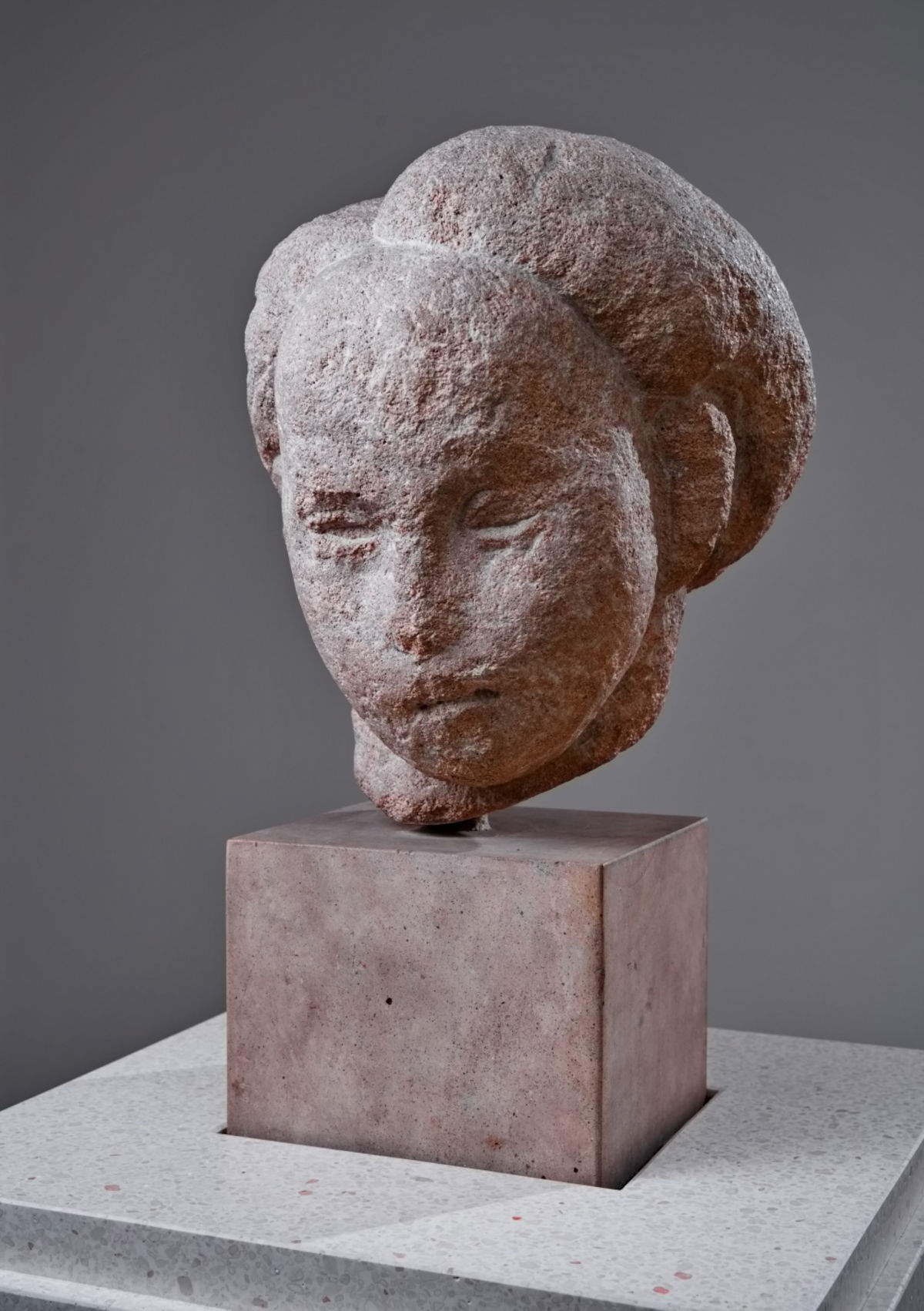
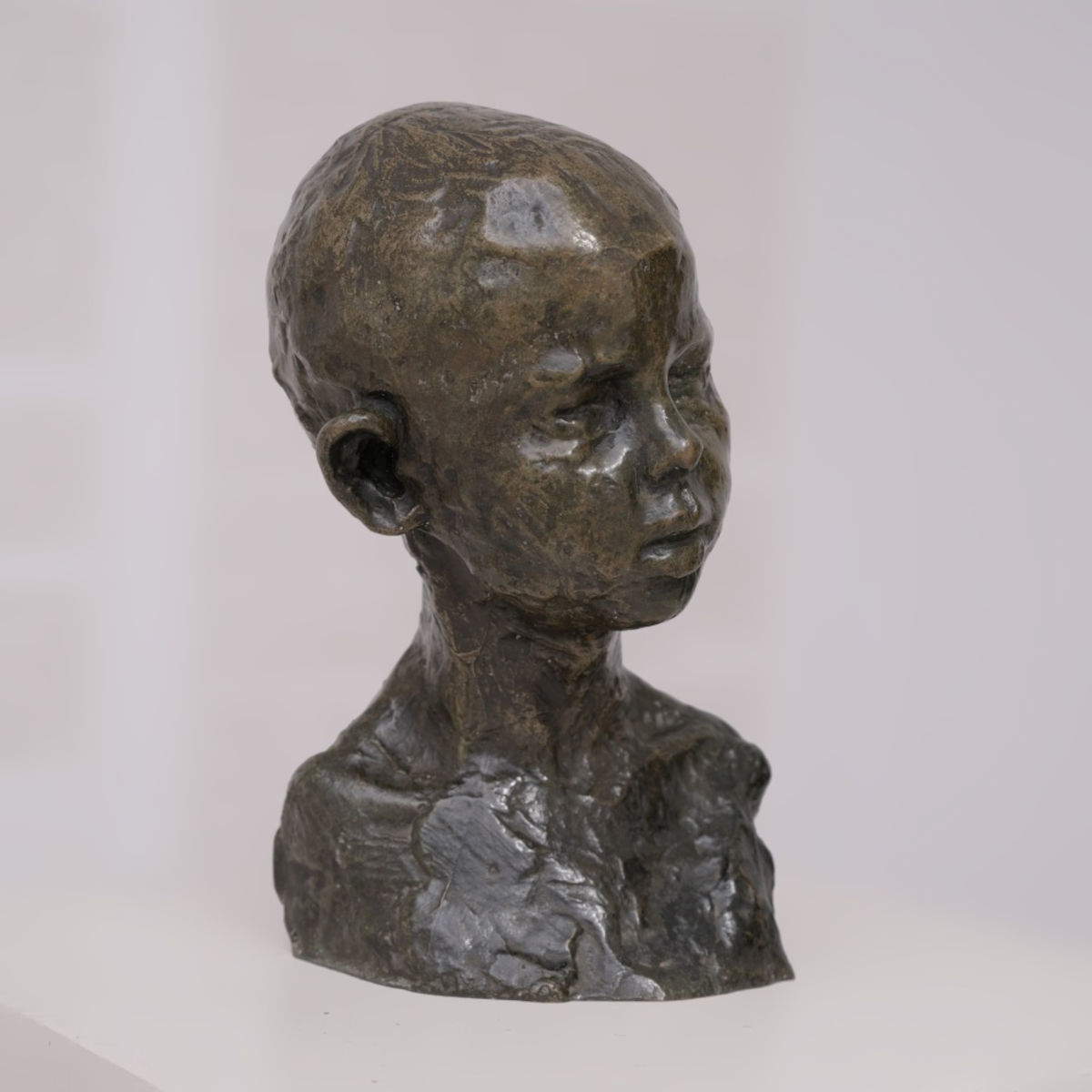
The exhibition project proposes a reinterpretation of Brâncuși’s work through a dual curatorial axis that highlights its cultural and formal roots. On the one hand, the influence of the artisanal and symbolic tradition of Oltenia, the artist’s native region, emerges with the use of direct carving and archaic wooden motifs; on the other hand, the comparison with ancient Roman sculpture, studied in his formative years as a model of formal perfection and as a starting point for a process of abstraction of the essence of forms, is developed. The path reconstructs the transition from symbolic and realist figuration to a modernist synthesis based on extreme simplification and abstract archetype. The interest in myth and the classical fragment is intertwined with a progressive tension toward pure forms, up to works such as Mademoiselle Pogany, Prometheus and the works connected to the monumental complex of Târgu-Jiu. The exhibition highlights the fusion of archaic Romanian tradition and classical Roman culture in a conception of sculpture that anticipates a modern vision of space, time, and form.
The origins of Brâncuși’s work are rooted in Oltenian techniques and decorative motifs. The practice of direct wood carving, widespread among local artisans, decisively affected the method of taille directe, based on the elaboration of form directly from the block of wood or stone through the physical intervention of the artist. The work retains the marks of labor, in contrast to nineteenth-century practice that distinguished between conception and execution. Brâncuși takes control of the entire process, from conception to execution, in continuity with the master craftsmen of Oltenia. This method and aesthetic vision were also transmitted to Amedeo Modigliani, with whom he shared a period of friendship and collaboration in Montmartre.
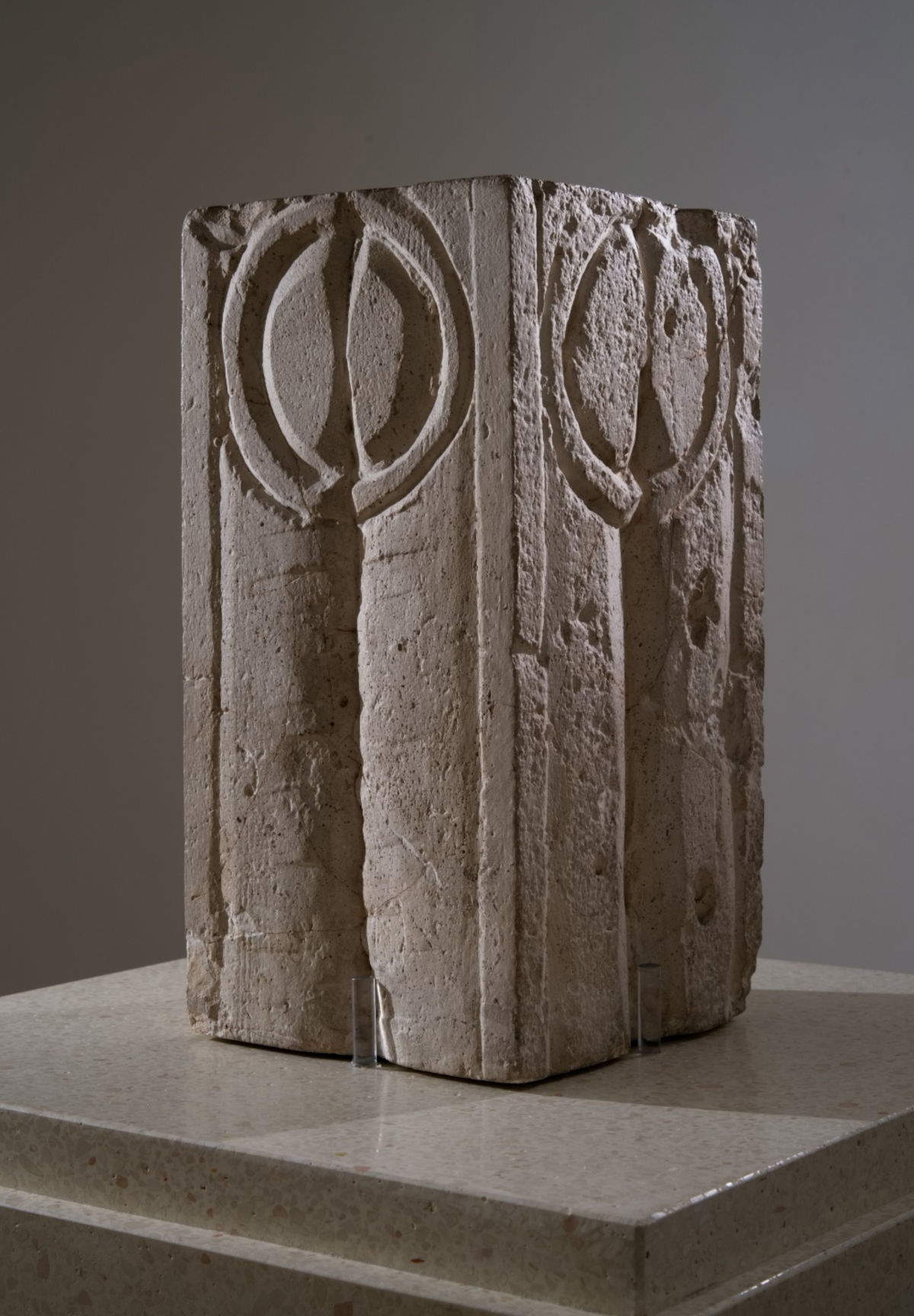
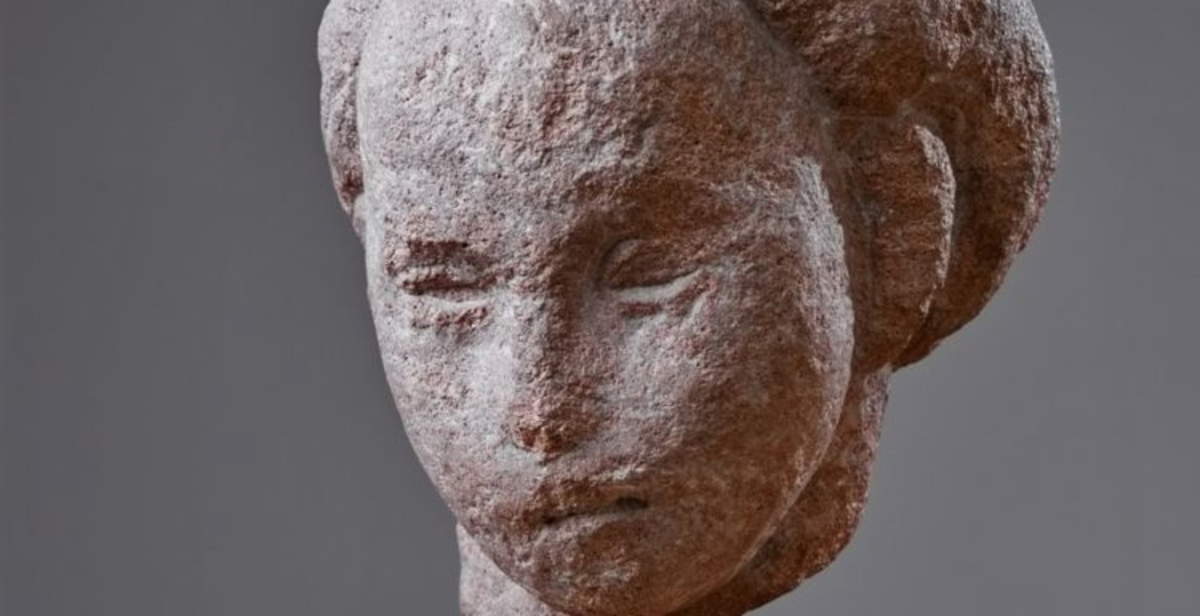
Direct sculpture or taille directe is joined by formal and symbolic references such as the torsa and modular wooden column, the torsade, developed in the Endless Column. Also appearing in the exhibition are historical examples of columns made by anonymous Oltenian peasant carvers from the collection of the Târgu-Jiu Museum and Art Center, presented as evidence of the continuity of a tradition and its formal and spiritual transformation in the artist’s work. The comparison with ancient Roman sculpture constitutes the second axis of the exhibition. Brâncuși studied classical models during his training, deriving from the analysis of the realistic figure a principle of extracting formal essence. The exhibition introduces this through works less known internationally but central to the artist’s career, such as Head of a Boy and Torso, inspired by Roman portrait galleries. The Torso, a marble half-thigh, is conceived as a fragment of an alleged ancient Venus, flanked by a deliberately rough or unfinished head of a Danaid.
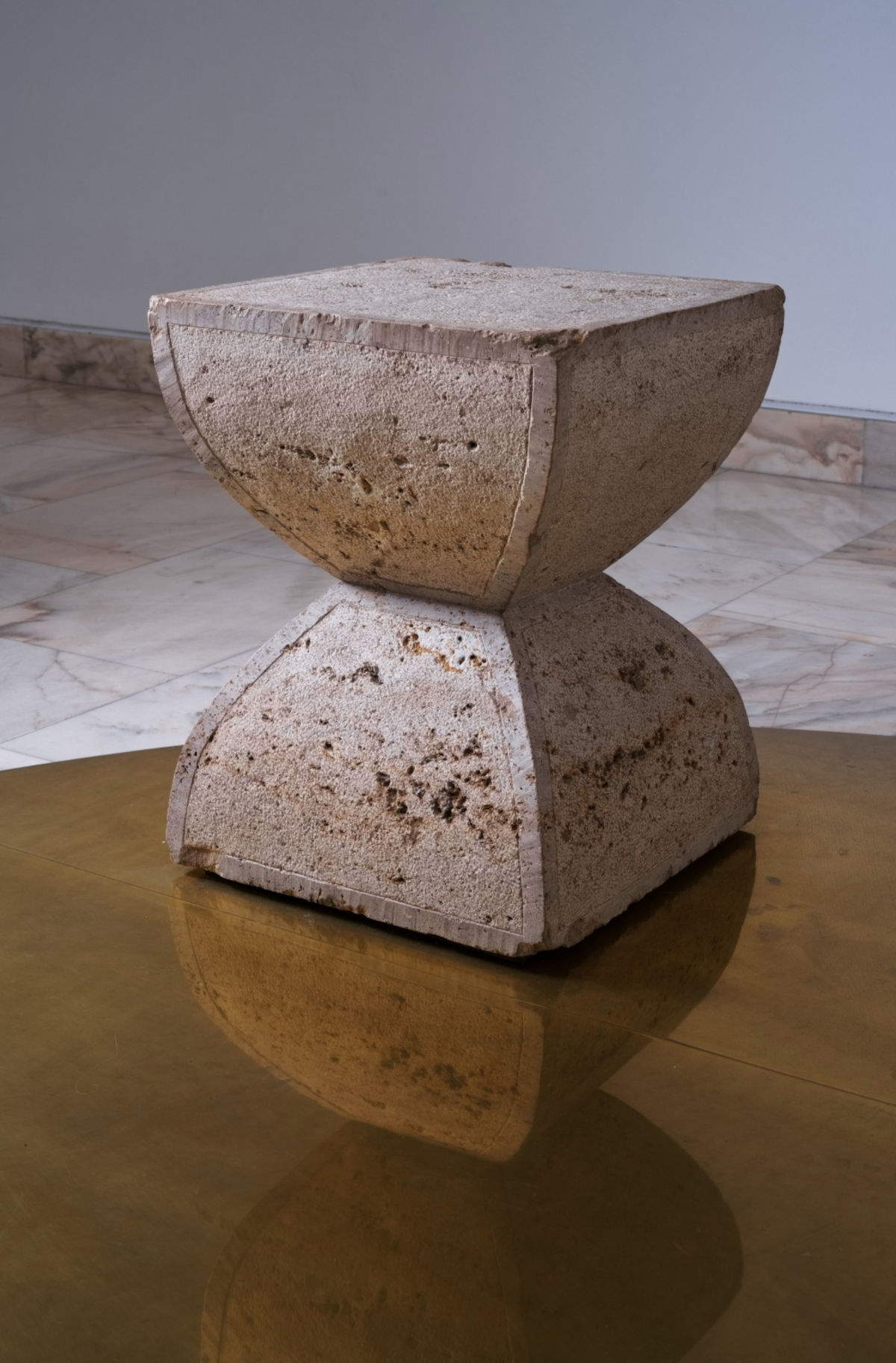
The dialogue with antiquity is accompanied by an abiding interest in mythology as a symbolic and philosophical framework. Brâncuși sometimes presented his works as if they were archaeological finds from contemporary excavations in Rome or other cities of the Empire. In this context is the monumental Prayer, presented as a point of connection between the first symbolic figuration and the later abstraction, between concrete representation and archetypal elaboration. After outlining the two original matrices, the path follows development toward a modernist synthesis in which the formal perfection of classicism is integrated with archaic symbolism. Works such as Mademoiselle Pogany, the quasi-abstract Prometheus, and the geometric Chair from the Table of Silence series, part of the Târgu-Jiu complex, mark an evolution that defines an original contribution to twentieth-century visual culture.
“Sculpting the absolute, freeing matter from the weight of contingency to deliver it to eternity: this is the legacy that Constantin Brâncuși entrusts to the history of world art and that we celebrate today with this extraordinary exhibition at the Mercati di Traiano,” declares the Honorable Federico Mollicone, chairman of the Culture Committee of the Chamber of Deputies. An aesthetic and spiritual journey that finds its natural home in the beating heart of Romanity. This exhibition represents an ideal bridge between Roman stone and the Romanian spirit, highlighting that centuries-old consanguinity between our peoples that Ambassador Gabriela Dancau promotes with tireless dedication. Through masterpieces such as the Prometheus, Brâncuși restores to us the lost sense of the sacred and the search for the metaphysical essence of the world, blending the archaic tradition of Oltenia with the perfection of Italic classicism. In an age of fragmentation, Brâncuși brings us back to the unity of pure forms, inviting us to look beyond the surface to rediscover that origin of the infinite kept in the heart of every man."
“The exhibition on Constantin Brâncuși hosted at the Mercati di Traiano - Museo dei Fori Imperiali, represents for Rome an event of extraordinary cultural and symbolic value,” says Roberto Gualtieri, Mayor of Roma Capitale. “On the 150th anniversary of the artist’s birth, our city welcomes one of the fathers of modern sculpture, celebrating his genius in a place that embodies the greatness of Roman classicism. This exhibition is part of the program of the Romania-Italy Cultural Year 2026, concrete evidence of the depth of ties between our countries. Rome thus becomes the meeting point between Brâncuși’s Romanian roots and the classical tradition that he studied and reworked with innovative vision. The exhibition enhances the heritage of our city, creating a fruitful confrontation between ancient and modern, tradition and avant-garde. It is an opportunity for citizens and visitors to rediscover, through art, the common roots of European identity. I thank the Italian and Romanian institutions that have made possible this prestigious exhibition with which Rome renews its commitment to promoting culture as a tool for dialogue, knowledge and shared future.”
“The year 2026, proclaimed as the Romania-Italy Cultural Year,” says Gabriela Dancău, Ambassador of Romania to the Italian Republic, “is dedicated to the celebration of our shared culture: an ambitious and symbolic initiative conceived and promoted by the Embassy of Romania in Italy, which takes place under the High Patronage of the President of Romania, H.E. Nicușor Dan, and the President of the Italian Republic, H.E. Sergio Mattarella, with the valuable support of the two Ministries of Culture and the two Ministries of Foreign Affairs. The program includes a vast calendar of events throughout the Peninsula, aimed at celebrating the deep historical, cultural and human ties that unite our two nations. The Cultural Year represents an investment in mutual knowledge, confidence building and the affirmation of a Europe of values, in which diversity does not divide but enriches. In this prestigious context, the exceptional presence in Rome of the work of Constantin Brâncuși, a key figure in Romanian and European sculpture, is an expression of an exceptional relational maturity between our countries, earmarked by a constant dialogue and a cultural affinity sedimented over time.”
 |
| Brâncuși in Rome: the archaic and classical roots of infinity |

Warning: the translation into English of the original Italian article was created using automatic tools. We undertake to review all articles, but we do not guarantee the total absence of inaccuracies in the translation due to the program. You can find the original by clicking on the ITA button. If you find any mistake,please contact us.




















 IT
IT FR
FR DE
DE ES
ES CN
CN


