




by Redazione 08/01/2026



Categories: Exhibitions / Disclaimer
From Jan. 30 to Aug. 30, 2026 Casa Cavazzini - Udine Museum of Modern and Contemporary Art hosts the exhibition "Impressionism and Modernity. Monet, Van Gogh, Picasso, Kandinsky, Magritte. Masterpieces from the Kunst Museum in Winterthur."
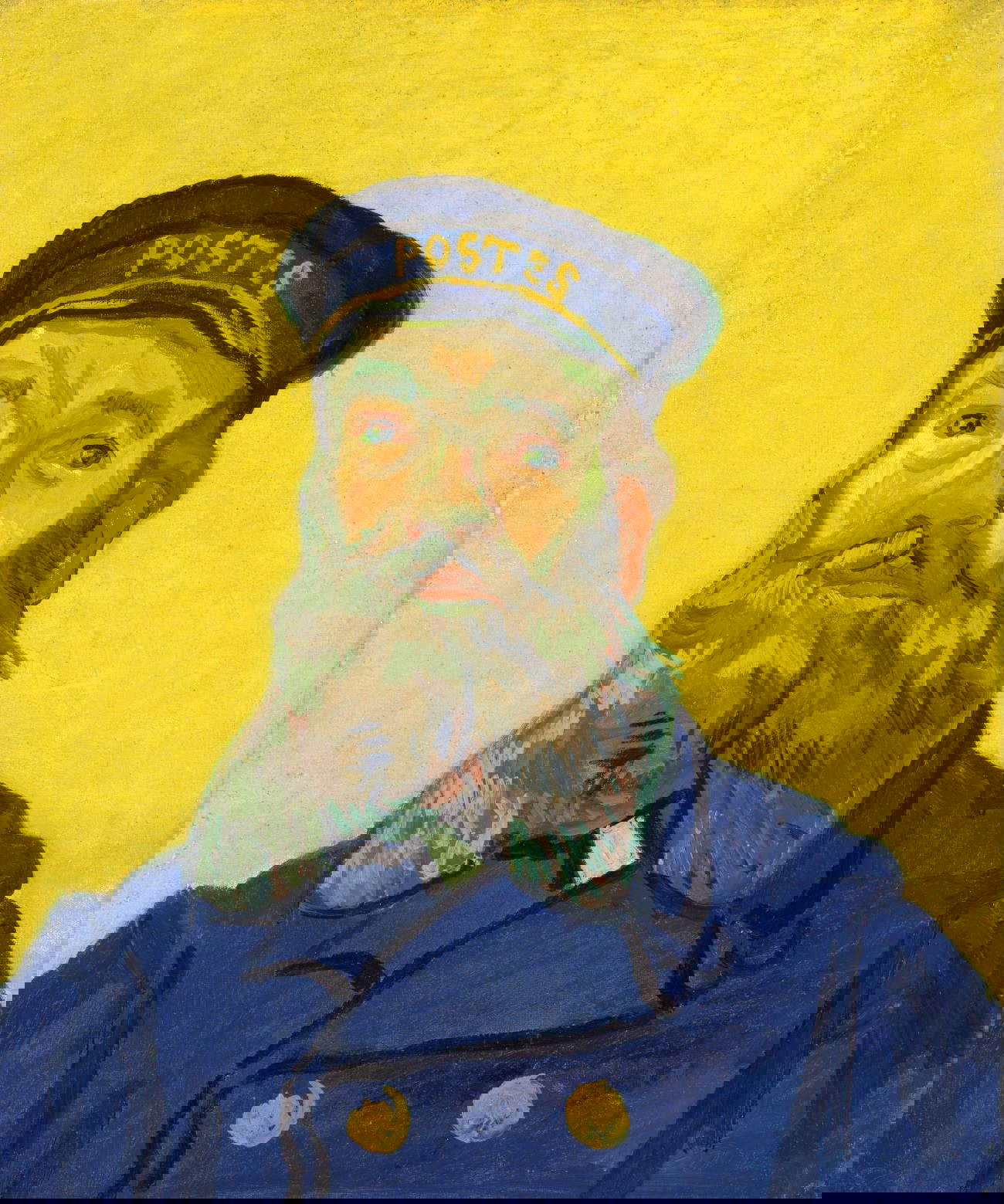
From Jan. 30 to Aug. 30, 2026 Casa Cavazzini - Museum of Modern and Contemporary Art in Udine hosts the exhibition Impressionism and Modernity. Monet, Van Gogh, Picasso, Kandinsky, Magritte. Masterpieces from the Kunst Museum in Winterthur, an exhibition that brings to Friuli Venezia Giulia 84 works by some of the absolute protagonists of art between the late 19th century and the first half of the 20th century. It spans more than 50 years of artistic research, bringing together masterpieces by Vincent van Gogh, Claude Monet, Camille Pissarro, Alfred Sisley, Pablo Picasso, Piet Mondrian, Vasilij Kandinsky, René Magritte, Max Ernst, Paul Klee and Giorgio de Chirico, among others.
Produced by PromoTurismoFVG, the City of Udine and MondoMostre, the exhibition is curated by David Schmidhauser, chief curator of the Kunst Museum in Winterthur, and Vania Gransinigh, director of Casa Cavazzini. The exhibition project revolves around one of the most relevant nuclei of the Kunstverein Winterthur’s collection, focusing on the evolution of art from Impressionism to classical modernity, up to the years of World War II. Alongside the celebrated paintings of Monet and Pissarro, the path is divided between Cubism, Surrealism and Purism, outlining the trajectories leading to abstraction, from the rigorous achievements of Piet Mondrian to the organic forms of Hans Arp.


The exhibition
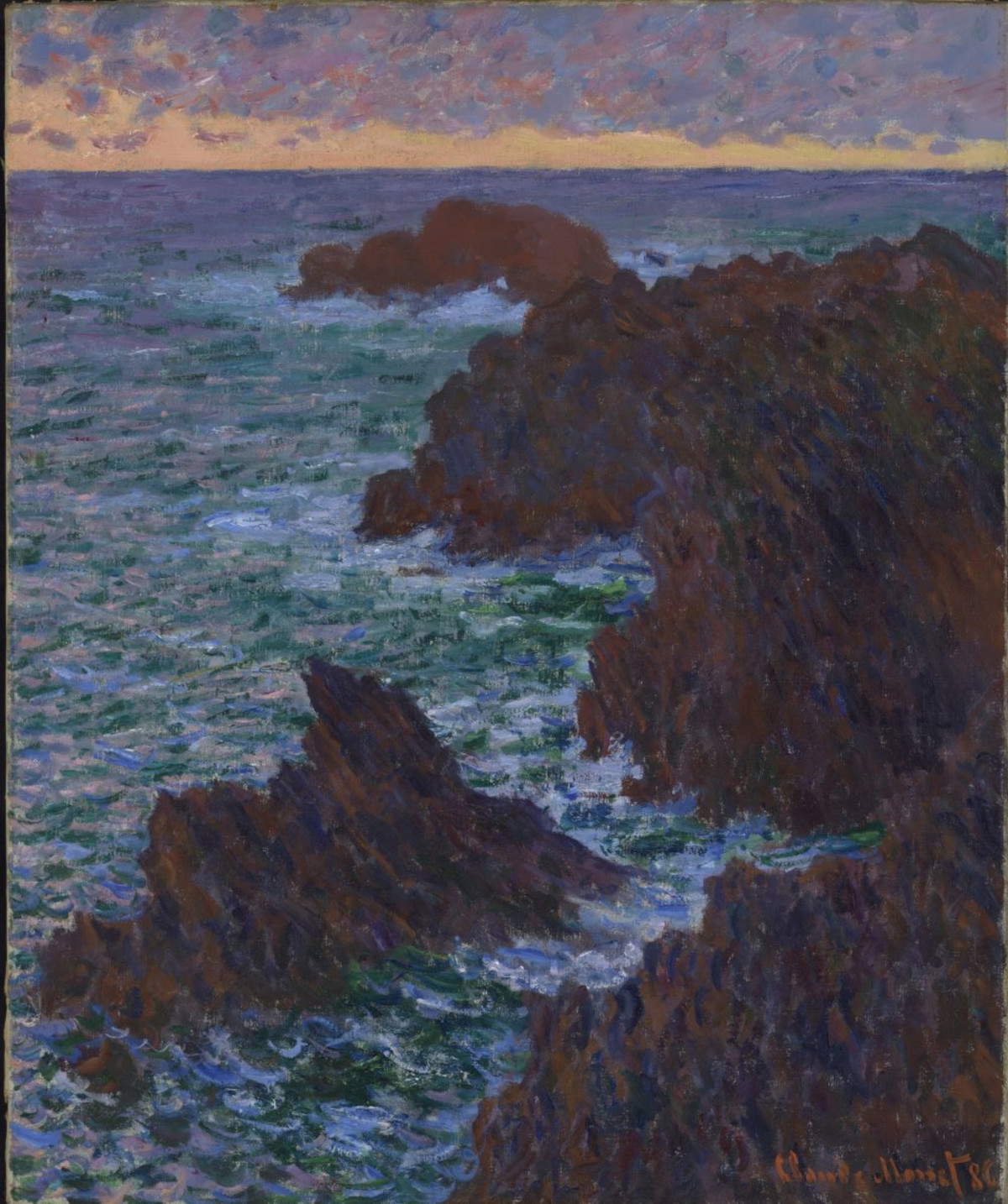
The rich exhibition itinerary aims to offer a broad account of the transformations that swept through European art between the late 19th century and the first half of the 20th century, highlighting the birth of artistic modernity through its main currents. The narrative starts withImpressionism, which marks a decisive break with the academic tradition: artists such as Claude Monet, Camille Pissarro and Alfred Sisley abandon historical subjects to focus on everyday life, landscape and instantaneous perception, making light, color and atmosphere the central elements of painting. Vincent van Gogh, whose intense and textural painting opens up new expressive possibilities, anticipating future developments, also fits into this direction.
From the outgrowth of Impressionism takes shape Post-Impressionism, represented by Pierre Bonnard, Édouard Vuillard and Maurice Denis, who conceive the painting as an autonomous surface in which color, line and composition acquire an expressive value independent of the mere representation of reality. Parallel to this was the development of Cubism, which, in the early years of the twentieth century, radically revolutionized figurative language: with Pablo Picasso and Georges Braque, joined by Juan Gris and Fernand Léger, reality was analyzed, broken down and recomposed into geometric structures, questioning traditional perspective and inaugurating a new conception of space.
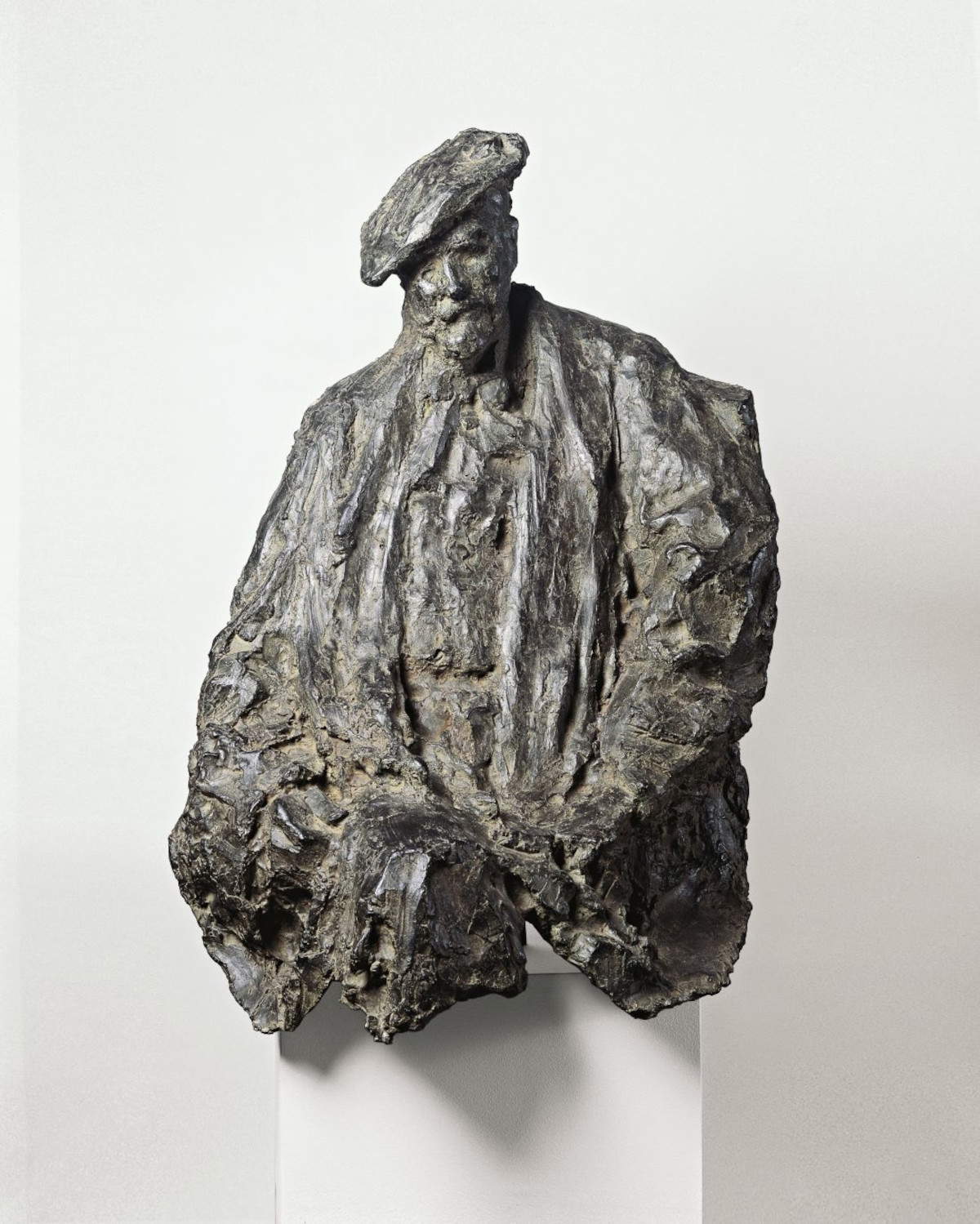
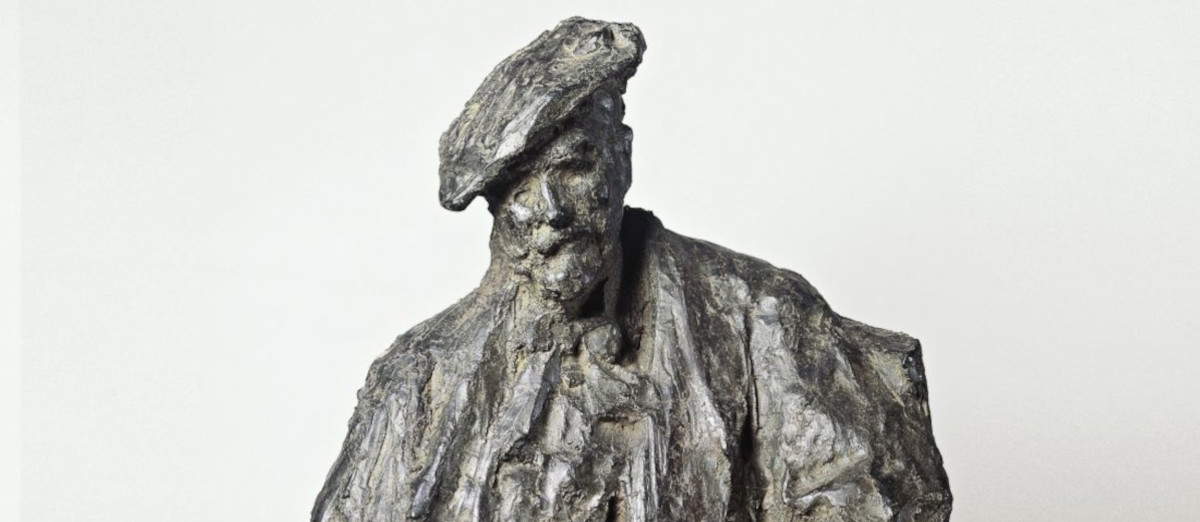
A large section of the exhibition is devoted to Surrealism, an expression of twentieth-century suggestions related to dreams, the unconscious and imagination. In the works of artists such as René Magritte, Max Ernst, Yves Tanguy and Giorgio de Chirico, reality is transformed and alienated: painting is constructed through unexpected and symbolic juxtapositions, opening art to enigmatic and visionary dimensions. The path ends withAbstractionism, declined in different directions. On the one hand, the geometric abstraction of Piet Mondrian and the De Stijl group emerges, oriented toward a painting based on balance, order and rhythm, in which line, color and surface become autonomous elements of a pure visual reality. On the other, a freer and more poetic abstraction takes shape, represented by artists such as Paul Klee, Vasilij Kandinsky and Sophie Taeuber-Arp, who develop personal languages inspired by the natural processes of growth and metamorphosis, giving rise to fluid and dynamic forms. Sculpture occupies a central role in the exhibition narrative, with works ranging from Auguste Rodin to Aristide Maillol, from Constantin Brancusi to Hans Arp, who closes the tour with his abstract sculptures and reliefs.
The exhibition also serves as an important educational opportunity for schools and adult audiences, thanks to guided tours designed as active discovery experiences based on observation, comparison and experimentation. Thematic itineraries are modulated according to age and level of understanding, with the aim of making modern art accessible, engaging and shared.
Kunst Museum Winterthur
In the late 19th century, when Impressionism was still struggling to gain recognition in major European museums, Winterthur was among the first cities to support this new painting. Works by artists such as Vincent van Gogh, Claude Monet, Camille Pissarro, Alfred Sisley, and Pierre Bonnard entered the collection, anticipating choices that many museums would make only years later.
With the beginning of the twentieth century came a decisive turning point: the Kunst Museum in Winterthur initiated, with great foresight, the acquisition of works by artists destined to redefine the language of art, from the Cubists Georges Braque, Juan Gris, and Fernand Léger to abstractionists such as Piet Mondrian and Theo van Doesburg, and the protagonists of Surrealism such as Max Ernst and René Magritte. The contribution of private collectors has also been crucial: many works come from donations from families and enthusiasts who have chosen to support the city’s cultural heritage. Thanks to this close collaboration between museum and community, Winterthur has established itself as one of the leading centers for modern art in Europe. The exhibition is therefore an opportunity for Italian audiences to engage with one of Switzerland’s most prestigious collections, that of the Kunst Museum Winterthur.
Hours: Tuesday through Thursday from 10 a.m. to 6 p.m.; Friday through Sunday from 10 a.m. to 7 p.m. Closed Mondays.
Special openings: Monday, Feb. 16; Easter and Easter Monday; May 1 and Monday, June 1, 2026
 |
| Coming to Udine more than 80 masterpieces from Winterthur's Kunst Museum |
Warning: the translation into English of the original Italian article was created using automatic tools. We undertake to review all articles, but we do not guarantee the total absence of inaccuracies in the translation due to the program. You can find the original by clicking on the ITA button. If you find any mistake,please contact us.