





From February 14 to May 10, 2026, the Biscozzi | Rimbaud ETS Foundation in Lecce is hosting the exhibition Filippo de Pisis e les Italiens de Paris, curated by Paolo Bolpagni and Maddalena Tibertelli de Pisis. The exhibition, organized in collaboration with theAssociation for Filippo de Pisis, addresses one of the most important and international chapters of Italian art between the late 1920s and the early 1930s, focusing on the experience of the Italiens de Paris.
It examines the activity of a nucleus of Italian artists active in the French capital, united by an openness to Europe and an autonomous position with respect to the dominant direction of the Italian Novecento. The core of the group was the Groupe des Sept, formed by Massimo Campigli, Giorgio de Chirico, Filippo de Pisis, René Paresce, Alberto Savinio, Gino Severini, and Mario Tozzi. Between 1928 and 1933 the group was the protagonist of a compact exhibition season, sustained by shared cultural references, common professional customs and a vision of classicism declined in a modern, Mediterranean and antidogmatic key. This orientation translated into a plurality of languages, a marked formal freedom and a constant dialogue with international culture.
“It was not only a casual meeting of painters residing more or less permanently in Paris, but also a fellowship connected by a certain commonality of ideal references and human and professional customs,” explains co-curator Paolo Bolpagni.
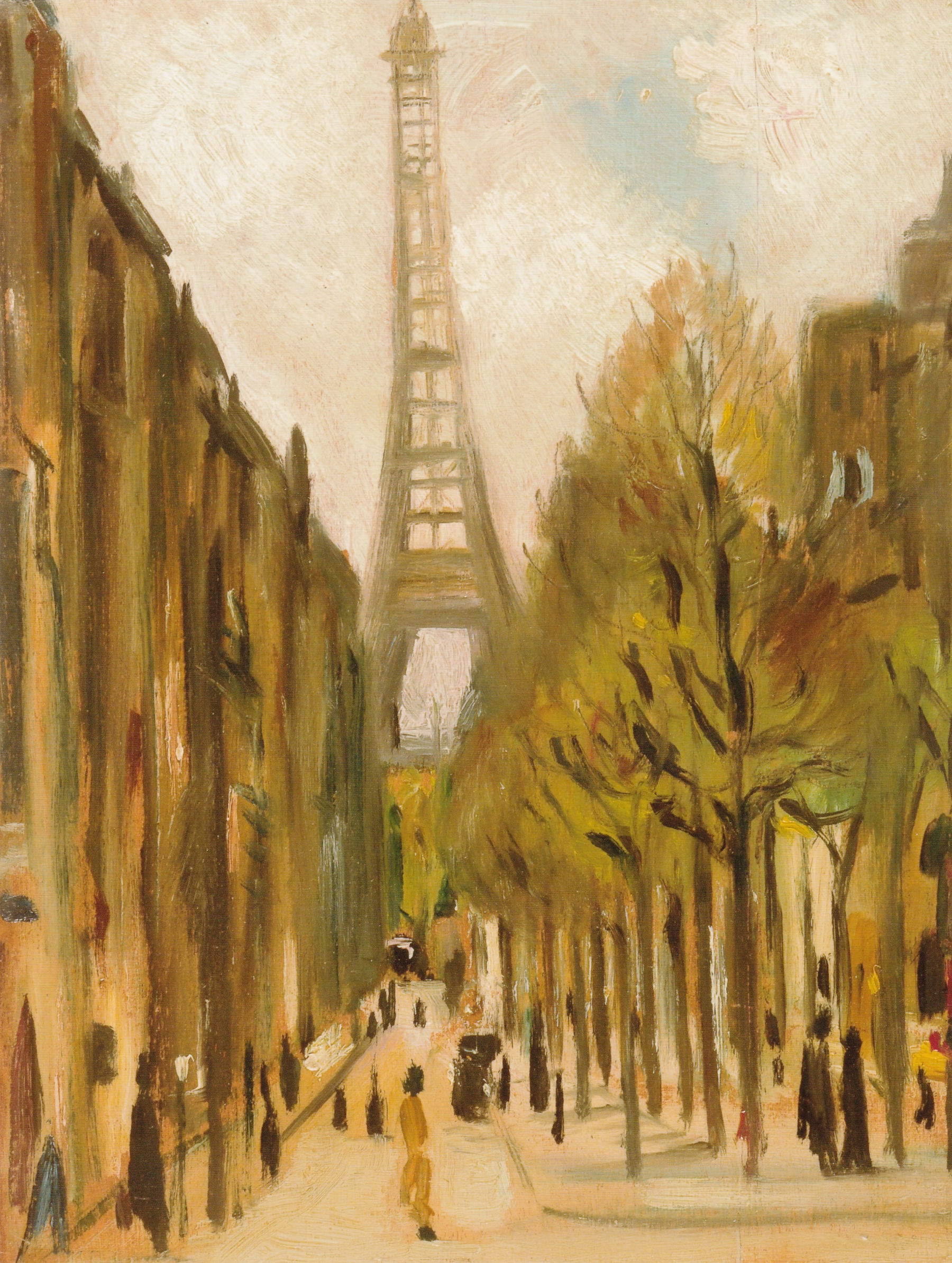
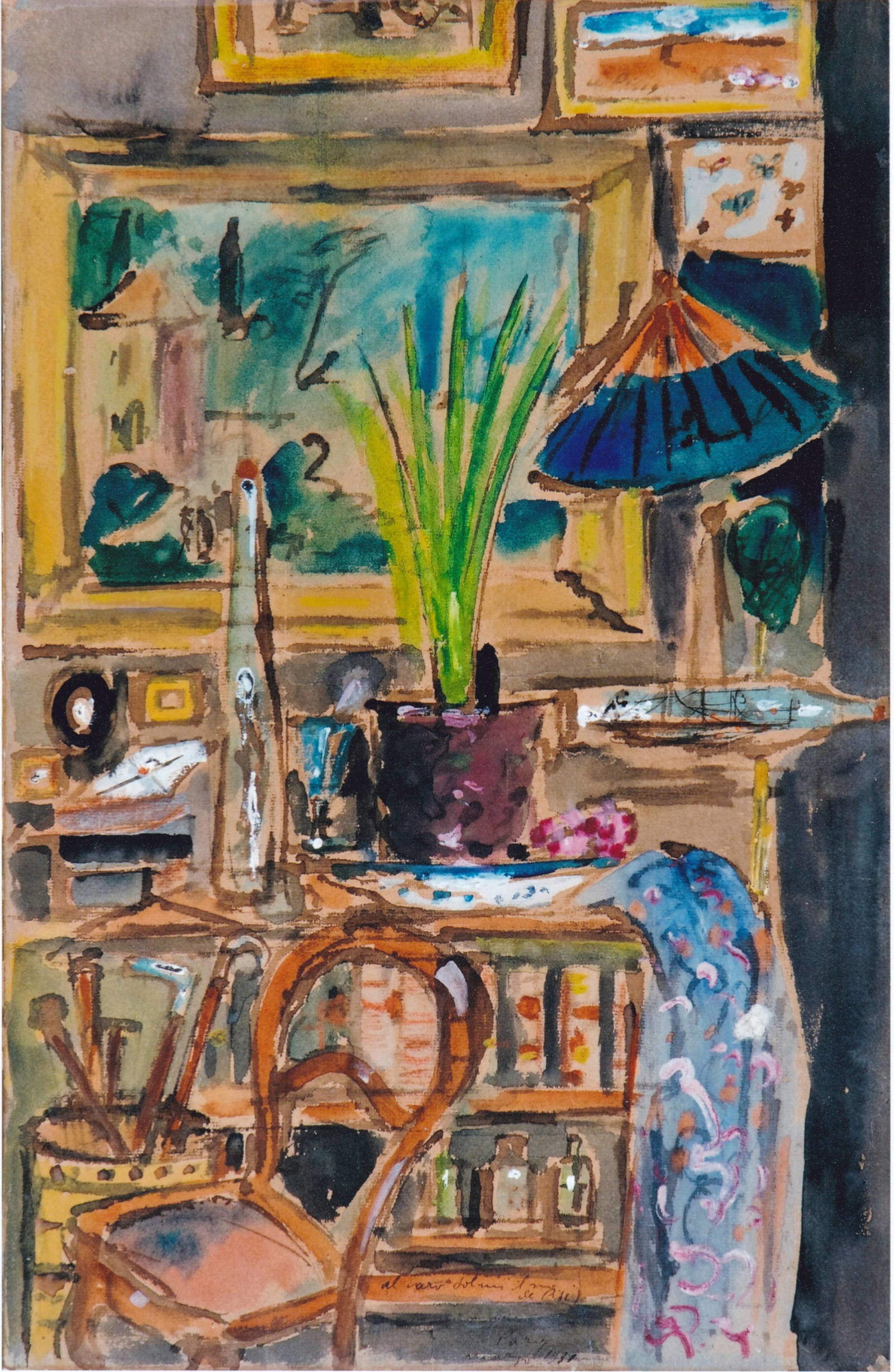
The exhibition focuses on the figure of Filippo de Pisis, who was born in Ferrara in 1896 and died in Brugherio, near Milan, in 1956. The installation starts with the 1932 painting Dalie, placed in the first room of the Lecce Foundation’s permanent exhibit. Around a nucleus of more than twenty works by the artist, created between the mid-1920s and the early 1930s, a direct comparison is developed with a selection of paintings by the other six members of the Groupe des Sept belonging to the same season. The exhibition reconstructs the distinctive features of each protagonist. Campigli, active in Paris since 1919, elaborated a style that can be placed between purism and archaism, with references to late Cubism. After the discovery of Etruscan art in 1928, he defined a personal language based on monumental and timeless female figures, characterized by chalky colors and an almost fresco-like effect. De Chirico, who returned to Paris in 1925, expanded his own concept of classicism through new iconographic cycles, flanking the series inspired by Greco-Roman antiquity with further references to the Baroque tradition.
De Pisis, who settled in Paris in 1925, refined a free and immediate pictorial language, influenced by Impressionism and the Fauves, recognizable by a rapid and nervous brushstroke, often referred to as “pictorial shorthand.” Paresce, who arrived in the French capital in 1912, moved from a heterodox Cubism to an archaizing style inspired by 15th-century Tuscan painting, while maintaining an autonomous and cultured stance. Savinio, who arrived in 1926, matured in Paris a painting close to Surrealism but rooted in metaphysical poetics, based on irony and a dimension defined as “spectral,” with frequent references to an estranged classicism. Severini, who had been present in Paris since 1906, theorized a Pythagorean-style classicism based on number and proportion, applied to a balanced and monumental painting, with references to the Commedia dell’Arte and ancient mosaics; between 1928 and 1933 he exhibited permanently with the Italiens de Paris. Tozzi finally played a mediating role between Italy and France, developing an “active classicism” based on monumental and metaphysical compositions, in which myth and reality merge in suspended spaces.
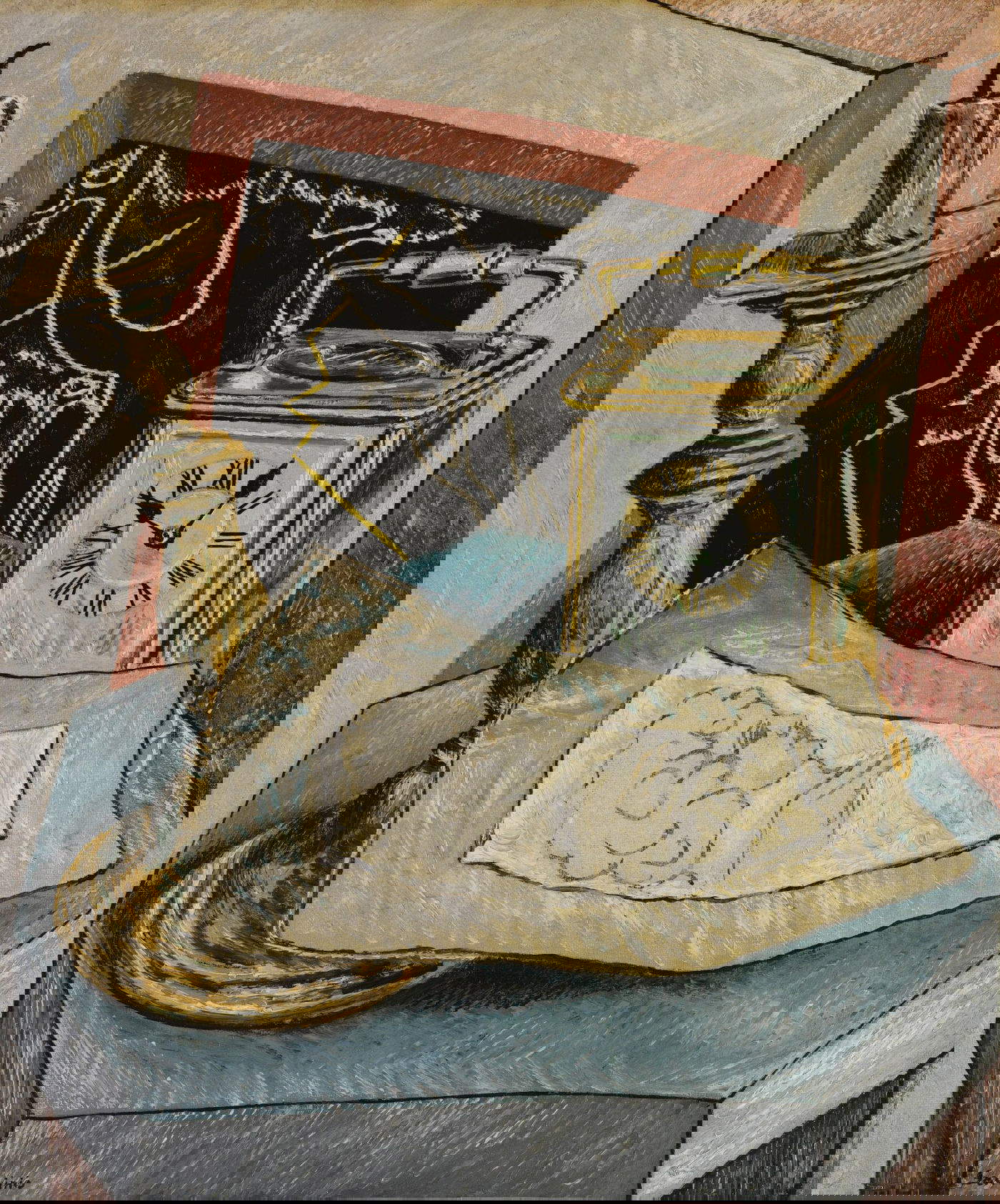
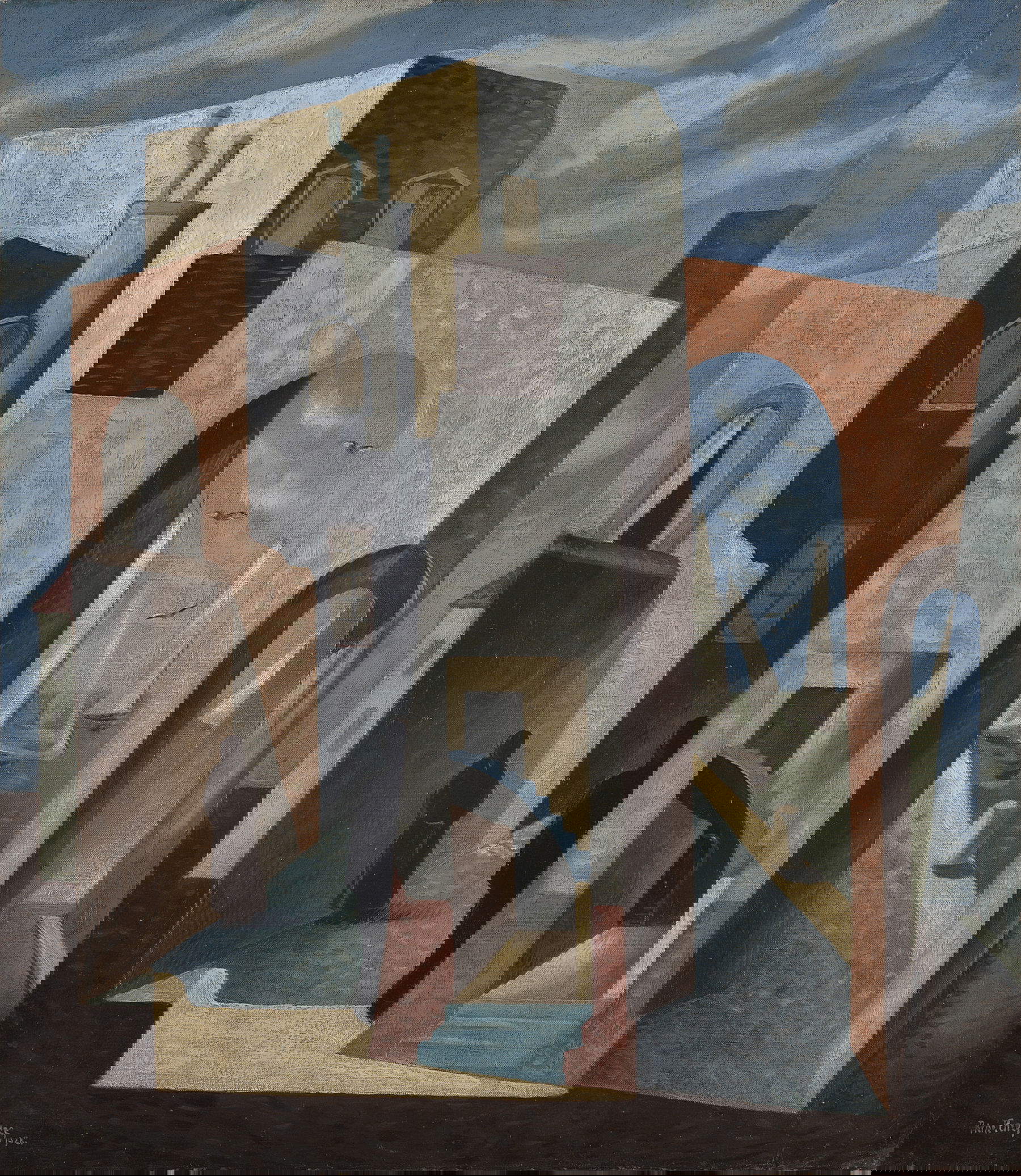
Accompanying the group was Polish-born critic Waldemar George, an advocate of a Mediterranean classicism and promoter of Italianism understood as a plastic art form. It was he who introduced them at the 1930 Venice Biennale in a dedicated room entitled Appels d’Italie. The artists were also followed by gallery owner Léonce Rosenberg and also participated in the Novecento Italiano exhibitions, while maintaining a distinct position with respect to Margherita Sarfatti’s theorizing and the progressive orientation of the Italian context toward monumentalism and “modern classicism.” The exhibition in Lecce also offers the opportunity to see three works never shown in Italy, which came from the Musée de Grenoble and entered the museum’s collections in 1933 thanks to the donation of Emanuele Sarmiento, an Italian patron who moved to France in 1912. They are I due pesci of 1927 and Il piede romano of 1927 by Filippo de Pisis and Natura morta (Katinka) of 1932 by Mario Tozzi.
The initiative is accompanied by a trilingual catalog in Italian, French and English, published by Dario Cimorelli Editore, which includes essays by the curators and color reproductions of all the works on display.
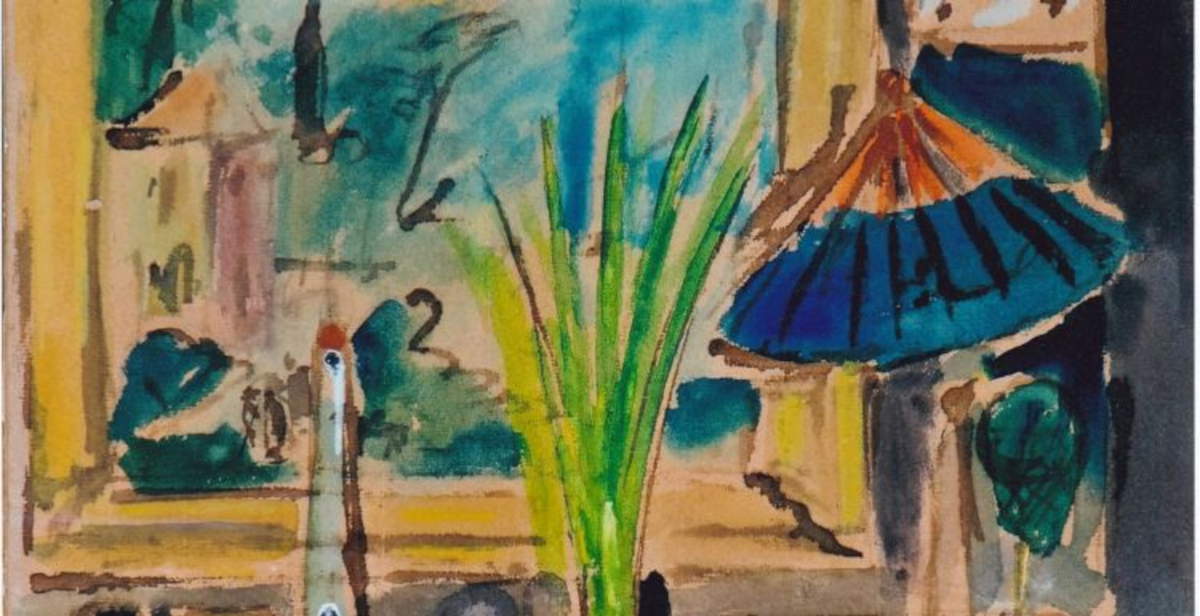 |
| In Lecce, the Biscozzi | Rimbaud ETS Foundation dedicates an exhibition to De Pisis and the Italiens de Paris |

Warning: the translation into English of the original Italian article was created using automatic tools. We undertake to review all articles, but we do not guarantee the total absence of inaccuracies in the translation due to the program. You can find the original by clicking on the ITA button. If you find any mistake,please contact us.





















 IT
IT FR
FR DE
DE ES
ES CN
CN


