





From June 23 to September 20, 2026, the Galleria Borghese in Rome will host the exhibition Metamorphosis. Ovid and the Arts, an exhibition project resulting from a collaboration with the Rijksmuseum in Amsterdam. The exhibition, curated by Francesca Cappelletti and Frits Scholten, arrives in Rome after its first Dutch presentation and is characterized by an autonomous and original configuration designed to enhance the dialogue between art and Ovid’s text. The path develops around Ovid’s Metamorphoses, a founding text of the Western imagination, and analyzes transformation as a universal principle capable of reinterpreting matter, the cosmos and the human condition.
The spaces of the Galleria Borghese offer a privileged context for this exhibition, as the very foundation of the villa is deeply affected by Ovidian symbolism. Cardinal Scipione Borghese conceived the Casino nobile as a cultural device capable of interweaving myth, art and self-representation, an approach that was reinforced in the 18th century by the restorations ordered by Marcantonio IV Borghese and entrusted to Antonio Asprucci. These interventions reorganized the spaces, placing the sculptures at the center of the rooms and integrating them into a decorative apparatus inspired by the Metamorphoses, creating a context in which the presence of Ovid is structural and pervasive.
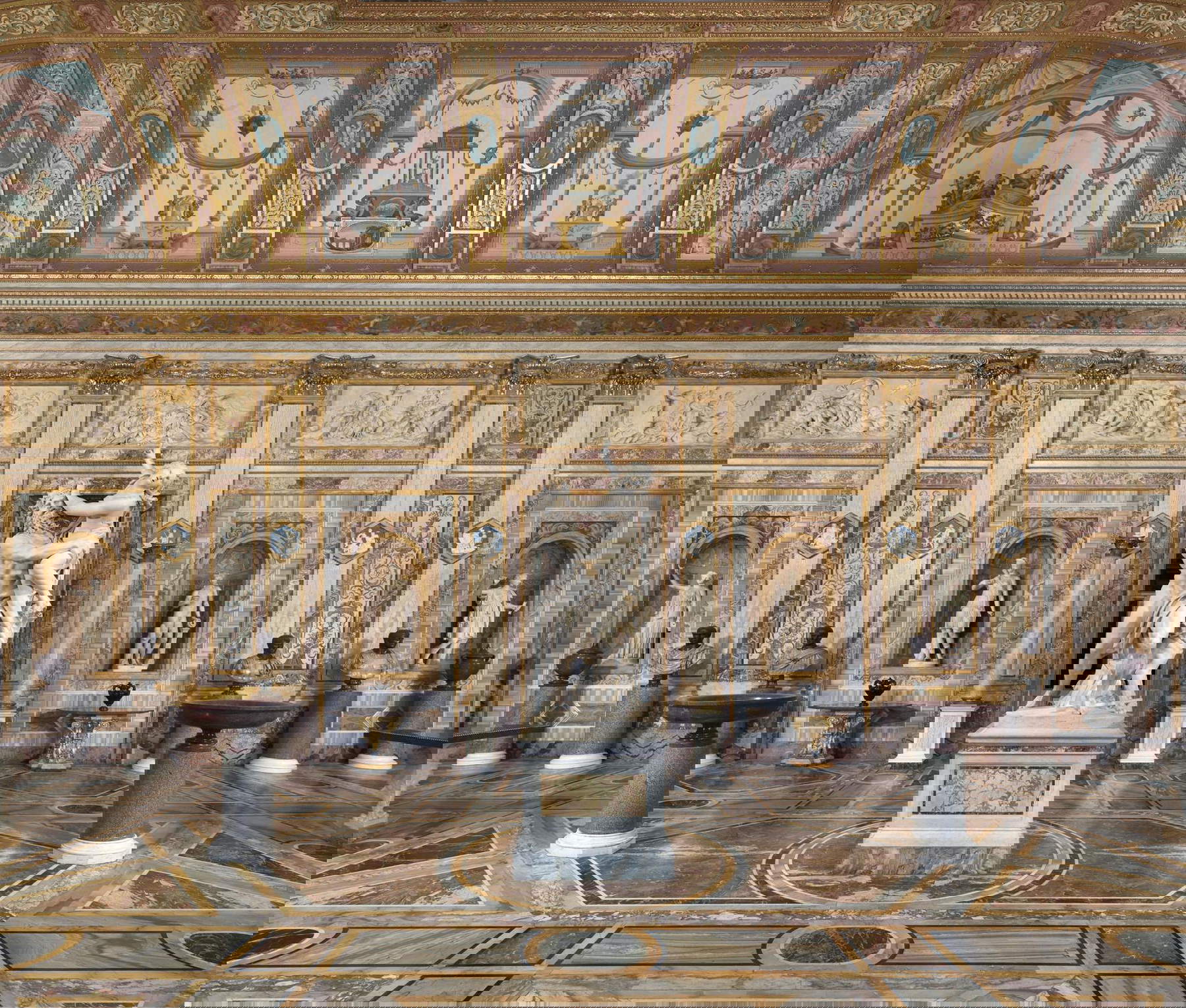
The focus of the exhibition is on metamorphosis as a generative principle, capable of traversing and redefining the cosmos, matter and the body. The famous, often tragic Ovidian myths have provided artists with an inexhaustible repertoire of images and conflicts, visually translating passions, desires, cunning, violence, deception and the possibility of redemption. The exhibition route returns a worldview in which deities, humans and nature share a destiny of continuous transformation. Alongside classical themes such as Love, the Afterlife and the creation of the world, the exhibition delves into the phenomenon of theOvide moralisé, the medieval rewriting of the work that profoundly influenced mythological representations in the Renaissance.
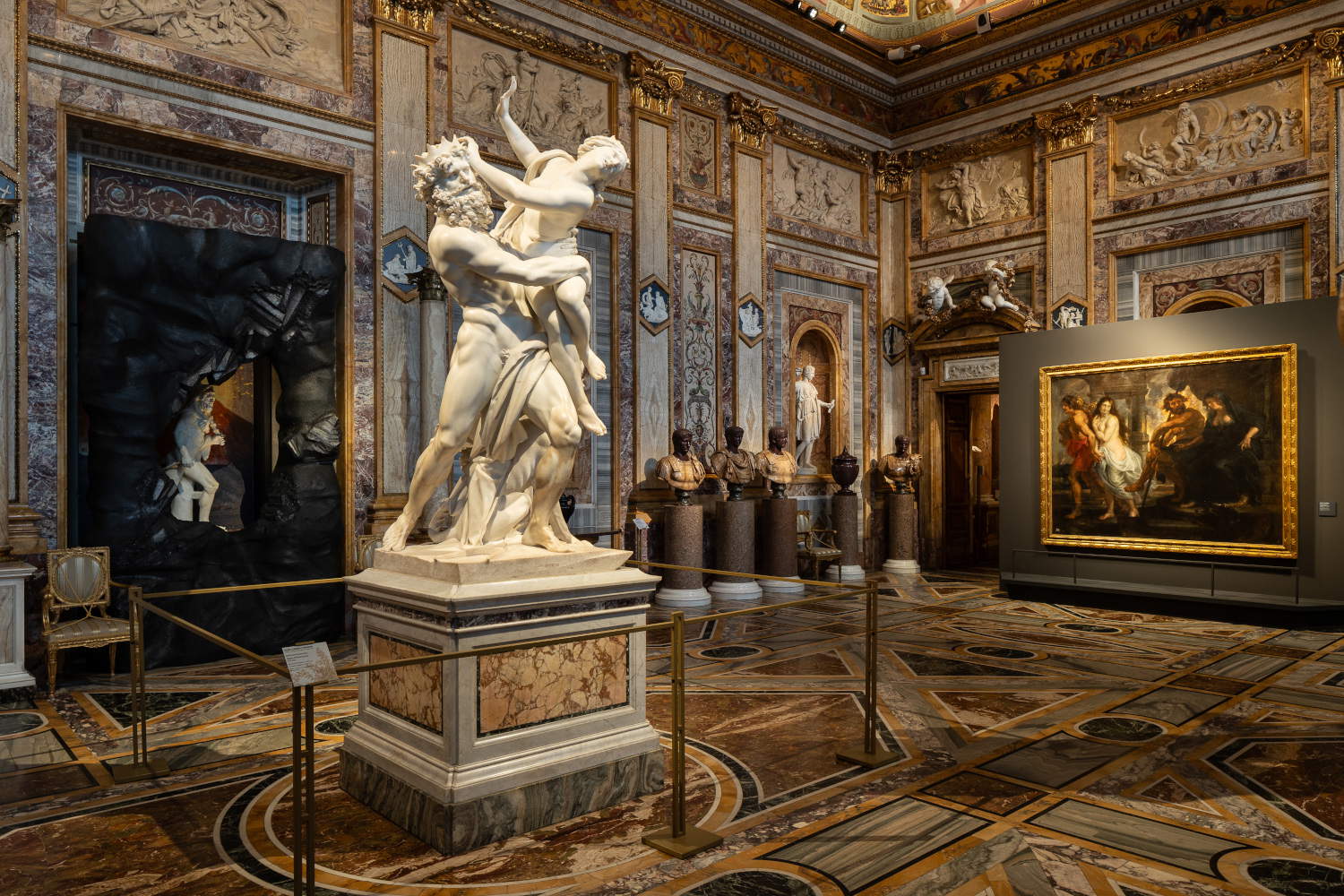
The works on display include masterpieces by Correggio, Michelangelo, Titian, Rubens, Poussin, Gerôme, Rodin and Brancusi, which dialogue with mythological masterpieces already in the Borghese Gallery, such as Apollo and Daphne and Pluto and Proserpine by Gian Lorenzo Bernini. The exhibition highlights the visual and conceptual power of Ovid’s tales and underscores the relevance of myth in constructing the European imagination. The path proposes a symbolic and sensory reinterpretation of change, showing the tension between order and transformation, the fluidity of identities and the dynamic relationship between body and nature. Metamorphosis thus becomes an aesthetic and ontological category, capable of interrogating the relationships between time, space, matter and form. The exhibition catalog, produced in collaboration with the Rijksmuseum and available in Italian, English and Dutch, documents all the works exhibited in the two venues and includes essays by Italian and Dutch scholars. The graphic design is curated by Irma Boom. Galleria Borghese reports the support of Intesa Sanpaolo - Gallerie d’Italia and Webuild S.p.A., partners in the initiative.
 |
| Ovid's Metamorphoses on display at the Borghese Gallery with more than 80 masterpieces |

Warning: the translation into English of the original Italian article was created using automatic tools. We undertake to review all articles, but we do not guarantee the total absence of inaccuracies in the translation due to the program. You can find the original by clicking on the ITA button. If you find any mistake,please contact us.
























 IT
IT FR
FR DE
DE ES
ES CN
CN


