




by Redazione 13/02/2026



Categories: Exhibitions / Disclaimer
From March 7 to June 28, 2026, the Orangery of the Villa Reale in Monza will host "Sandokan. The Tiger Roars Again," an immersive exhibition that weaves together literature, colonialism and never-before-exhibited ethnographic materials, including historical relics and televised memory.

From March 7 to June 28, 2026, theOrangery of the Villa Reale in Monza will hostSandokan. The Tiger Roars Again, an exhibition project conceived and produced by Vertigo Syndrome and curated by Francesco Aquilanti and Loretta Paderni. The initiative, sponsored by the City of Monza and realized in collaboration with the Consorzio Villa Reale e Parco di Monza, brings Emilio Salgari ’s Indo-Malay cycle back into the spotlight through a path that combines historical materials, ethnographic objects, documents, images and sound installations.
“The success of our previous exhibitions confirmed what we thought: if you are good enough to settle on it as something exciting and interesting, an exhibition can attract people who usually do not visit exhibitions because they associate them with boredom,” say Vertigo Syndrome founders Chiara Spinnato and Filippo Giunti.
The opening coincides with renewed attention to the character, who has recently returned to Italian homes thanks to a new television series. The exhibition is set in a context marked by nearly one hundred and fifty years of publishing fortunes. On October 16, 1883, The Tiger of Malaya began serialized publication in the New Arena of Verona, inaugurating a success that was destined to be consolidated over time and to span at least five generations of readers. Alongside those who came to know Sandokan through the 1970s TV script starring Kabir Bedi, now an adult and a parent, a new generation comes into contact with the Salgarian hero for the first time.


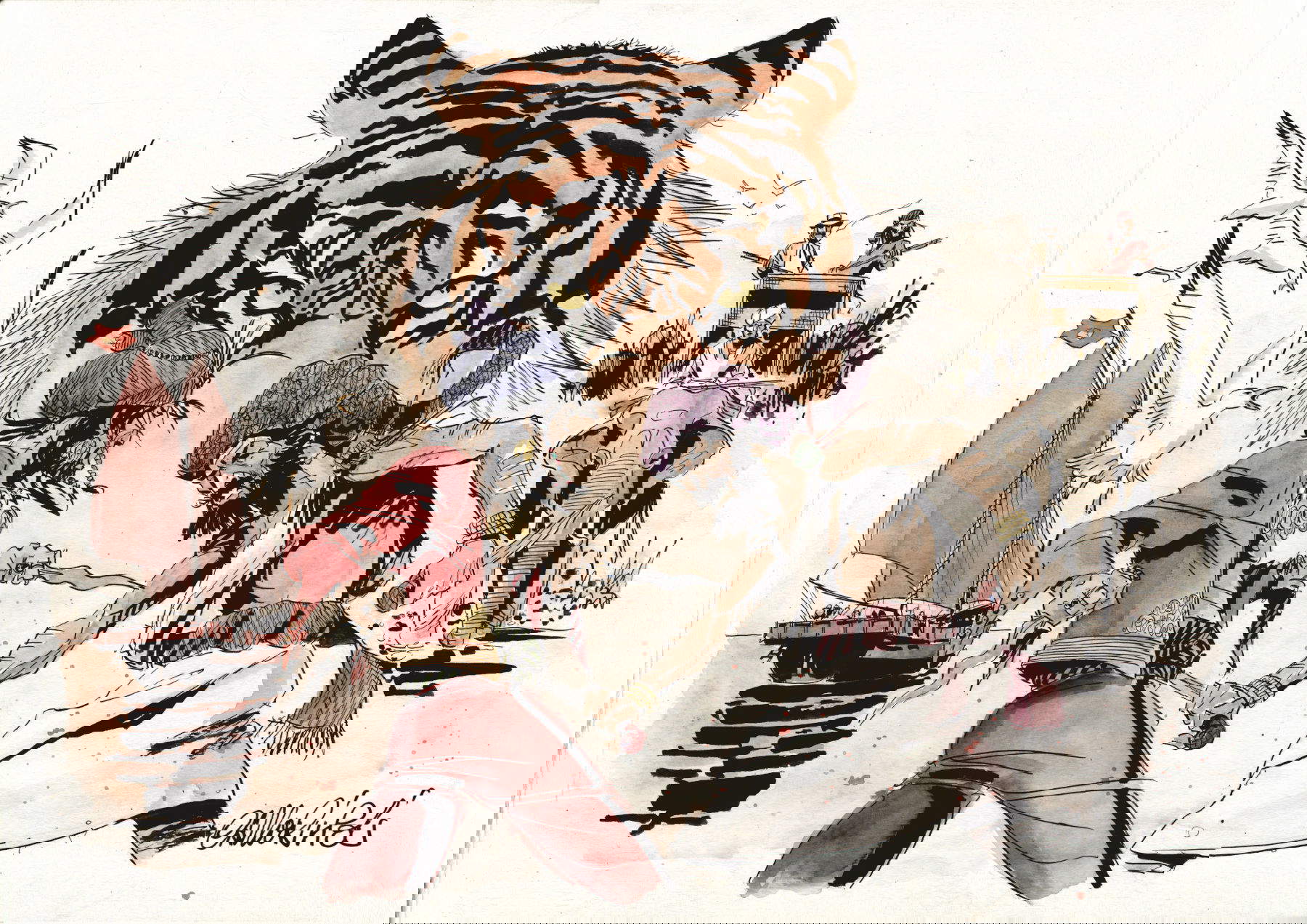
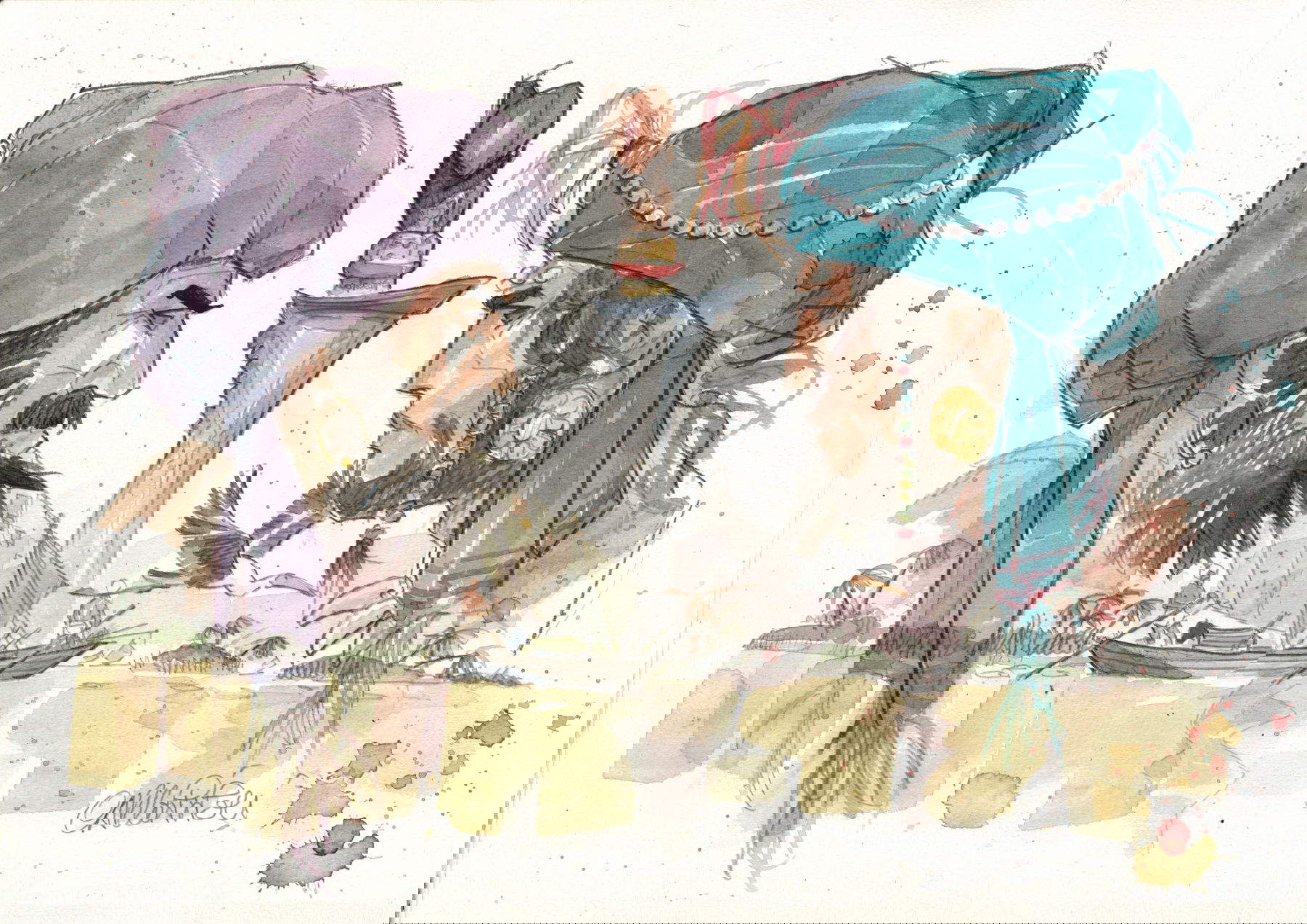
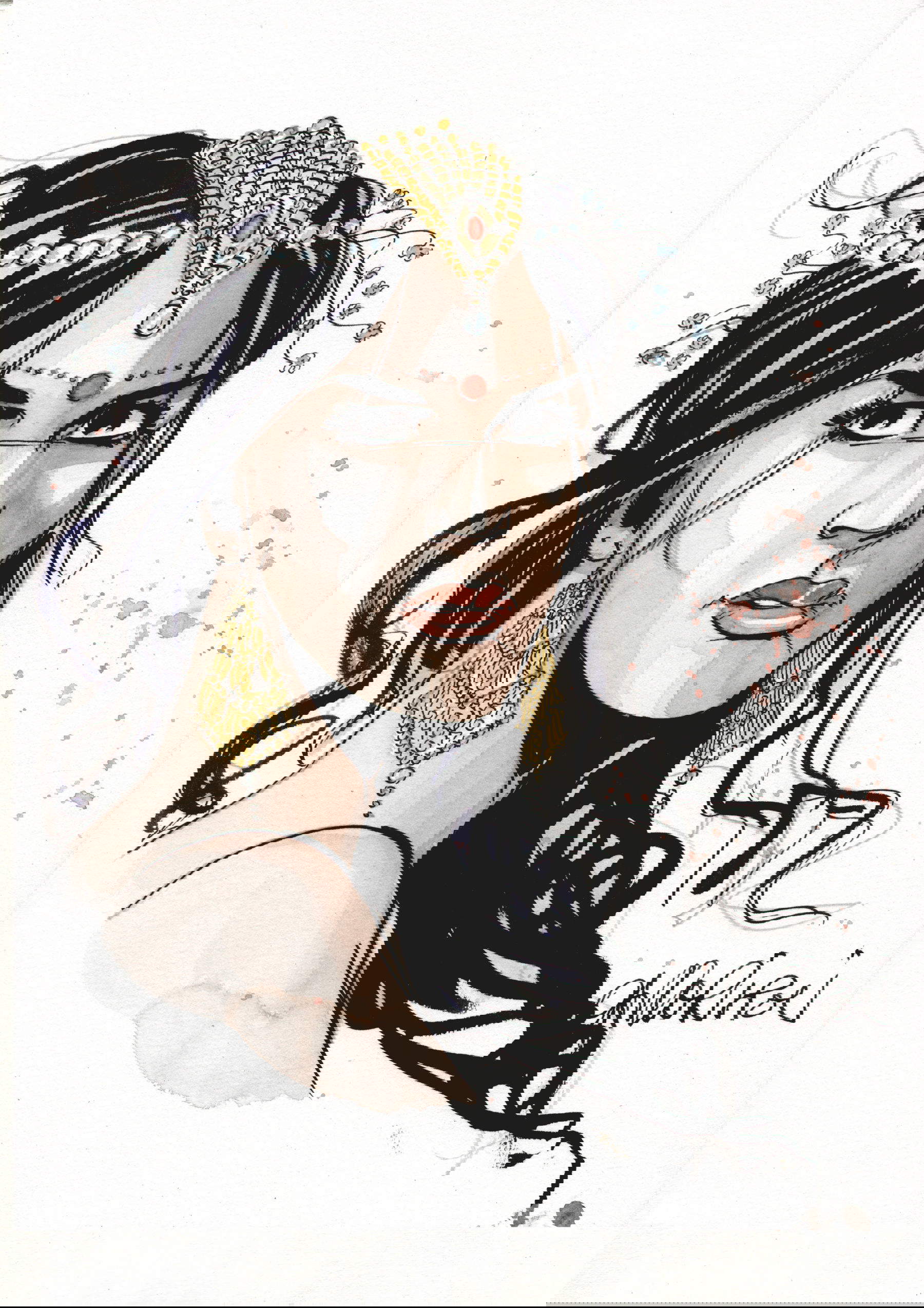
The exhibition is presented as an immersion in 19th-century Southeast Asia, including Borneo, Malaysia, India and Indonesia, as imagined by Salgari. Reconstructed environments, sound effects and scenic apparatus evoke the jungle, ramsinga, war drums, tiger cries and the din of naval battles. Ancient maps address the theme of Mompracem Island, between real geography and fictional invention, while vintage photographs, botanical plates and original illustrations restore the imagery of the plant chaos described in the novels.
One of the central elements of the exhibition is the display, for the first time, of the original ethnographic collection of the Dayaks donated to King Umberto I by Sir Charles Brooke, a descendant of James Brooke, the so-called White Rajah of Sarawak and historical and literary antagonist of Sandokan. These objects remained out of public view for more than a century and are now presented along with spears, Malay krisses, tribal shields and trophies belonging to peoples known as “head-cutters.” The materials also include ritual human skulls, placed in ceremonial wrappings and bindings that defined their symbolic meaning. The artifacts, which can be dated to the late 19th century, dialogue with costumes and prop weapons from 1970s television production, including dresses designed by two-time Oscar winner Nino Novarese and found in a historic Italian theater tailor shop.
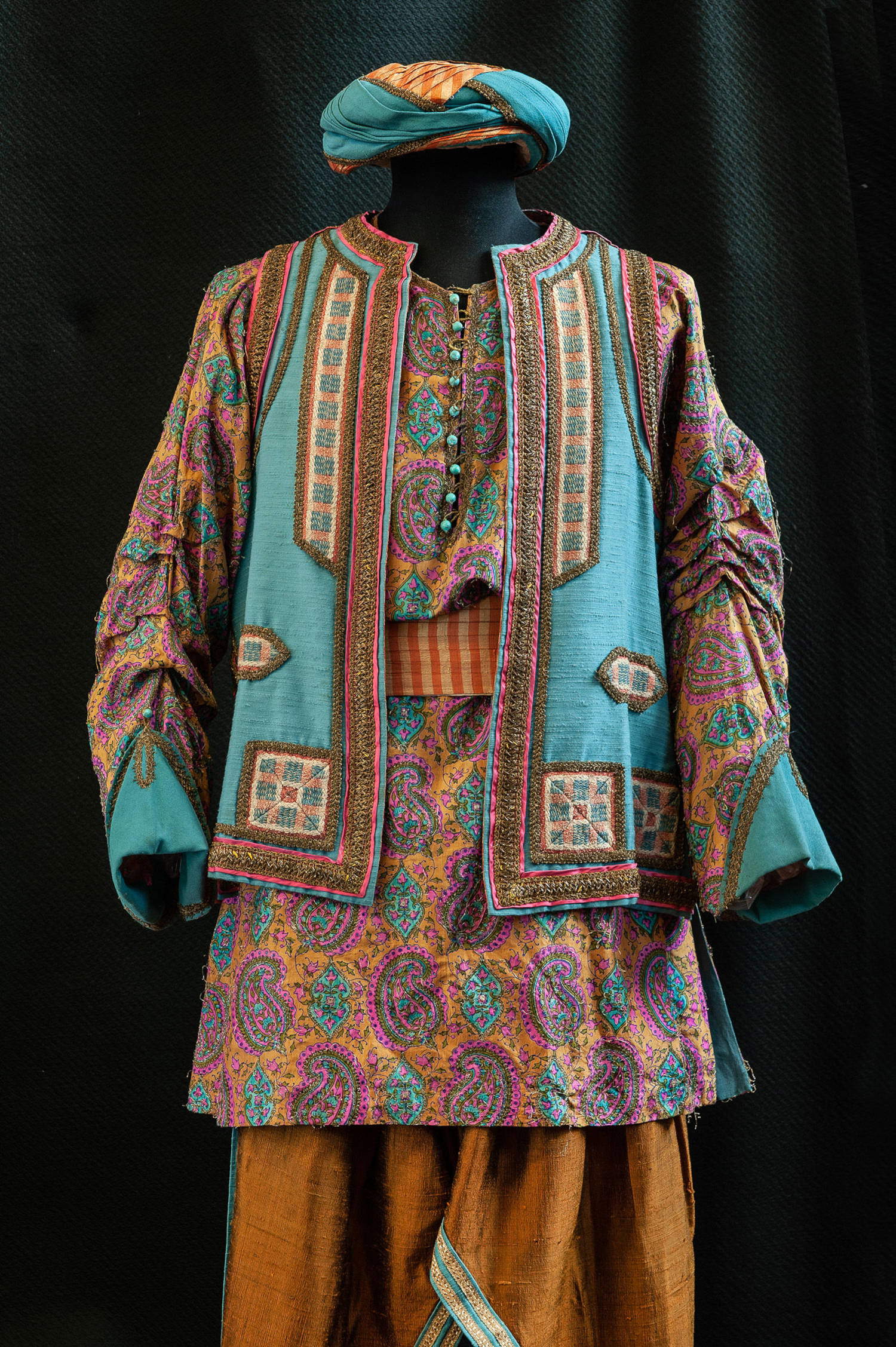
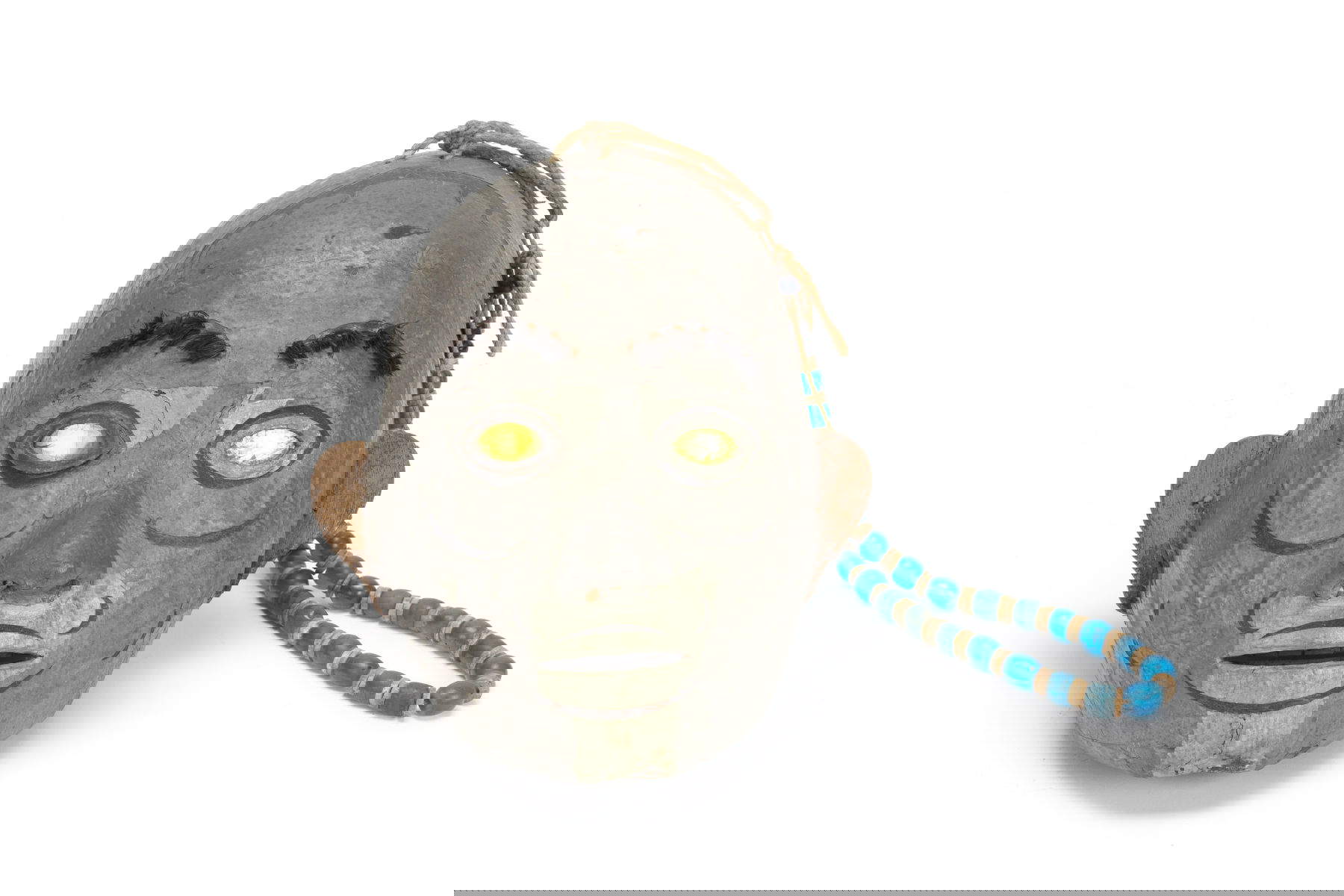
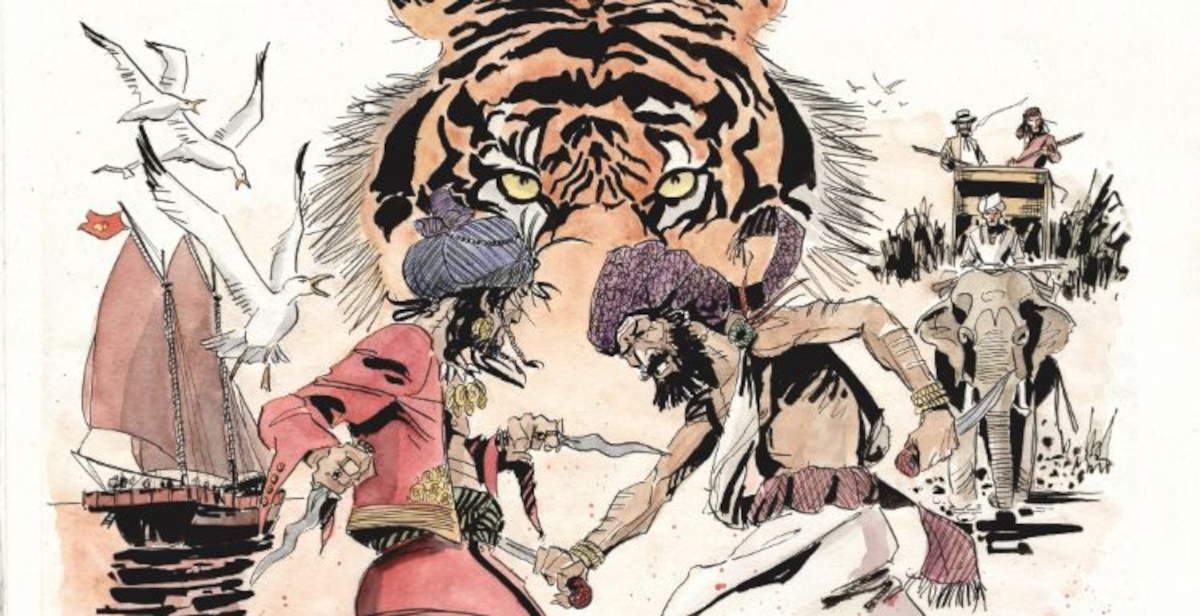
Public and private institutions and collections contributed to the project, including the Museum of Civilizations in Rome, the Tancredi di Barolo Foundation, the Matania/Della Valle heirs, Cong SA - Hugo Pratt properties, the Sarti Archives, the Stibbert Museum in Florence, RAI, the Cineteca Nazionale and the Istituto Luce. The audiovisual material flanks editorial documents and original plates by illustrators such as Alberto Della Valle and internationally prominent comic book authors such as Hugo Pratt. One section is devoted to the characters of the Indo-Malay cycle, from Yanez de Gomera to Marianne Guillonk to Tremal-Naik, Kammamuri and the Tigers, presented through illustrations, film and comic book images. Another core deals with the theme of colonialism and the figure of the White Rajahs, reconstructing the political and cultural context in which the saga is set, marked by the conflict between British rule and local resistance. The last rooms offer a portrait of Emilio Salgari, a hugely popular author but subjected to severe publishing conditions. The broken pen left on the table before his suicide in 1911 becomes the symbol of a story marked by debts, penalizing contracts and family difficulties. In 1897, Salgari had been made a Cavaliere dell’Ordine della Corona d’Italia (Knight of the Order of the Crown of Italy) for knowing how to educate by delighting, a recognition that coexists with the harshness of his working conditions.
The exhibition extends beyond the traditional exhibition dimension through a calendar of meetings, workshops and educational activities that expand its contents. Guided tours and routes are planned for schools of all levels. Games are organized for children along the route, with a final prize and a space dedicated to drawing and playful activities. Vertigo Syndrome, founded by Chiara Spinnato and Filippo Giunti, offers an exhibition model aimed at a nonspecialist audience, with scientific content conveyed in narrative form. The brand has published a manifesto against the elitism of art exhibitions and applies to all its productions the satisfied-or-refunded formula, which provides a full refund of the ticket for dissatisfied visitors.
 |
| Sandokan at Villa Reale in Monza: Dayak artifacts on display for the first time |
Warning: the translation into English of the original Italian article was created using automatic tools. We undertake to review all articles, but we do not guarantee the total absence of inaccuracies in the translation due to the program. You can find the original by clicking on the ITA button. If you find any mistake,please contact us.