





On the occasion of the Milan-Cortina 2026 Winter Olympics, the Etruscan Tomb of the Olympics in Tarquinia will be the protagonist of a digital enhancement project that expands the possibilities of its use and knowledge. The project was presented today at a press conference at the Chamber of Deputies and involves the creation of a virtual tour dedicated to one of the most relevant pictorial complexes of the Etruscan world.
The initiative is signed by Skylab Studios, a Unindustria-associated company specializing in interactive visual marketing, and was commissioned by the Honorable Mauro Rotelli, chairman of the Environment, Territory and Public Works Commission of Montecitorio. The goal is to tell the story of Etruscan archaeological heritage through advanced digital tools, exploiting the potential of artificial intelligence and virtual reality in a context of strong international visibility such as the Olympics.
“This special artificial intelligence,” says Leonardo Tosoni, artistic director of Skylab Studios, “was trained, throughout the months of work, to become for all intents and purposes an Etruscan artist who lived about 2,500 years ago, capable of repainting figures partially destroyed or lost over time. But at the same time he was also able to draw from scratch, with the supervision of human experts and technicians, all the parts of the tomb that are no longer visible today. Thanks to this incredible development, we are honored to be able to say that it will be possible, as of now, to bring back to life, not only the Tomb of the Olympians, but also the entire cultural heritage present in the Etruscan necropolis of Cerveteri and Tarquinia, already a UNESCO World Heritage Site, bringing it back to life thanks to the recovery of ancient beauty with the help of this extraordinary virtual time machine.”
“This project demonstrates in a tangible way how new technologies can be put at the service of the preservation, promotion and dissemination of our historical and cultural heritage,” explains Mauro Rotelli, chairman of the Environment, Territory and Public Works Committee of the Chamber of Deputies. “Bringing the Tomb of the Olympics to Milan-Cortina 2026 through virtual reality means giving voice to a narrative that links the millennial roots of Etruscan civilization to the universal principles of sport. It is an initiative that deserves the full support of the institutions, because it combines research, innovation and global vision, offering our nation a unique opportunity to enhance and tell its cultural identity to the whole world.”
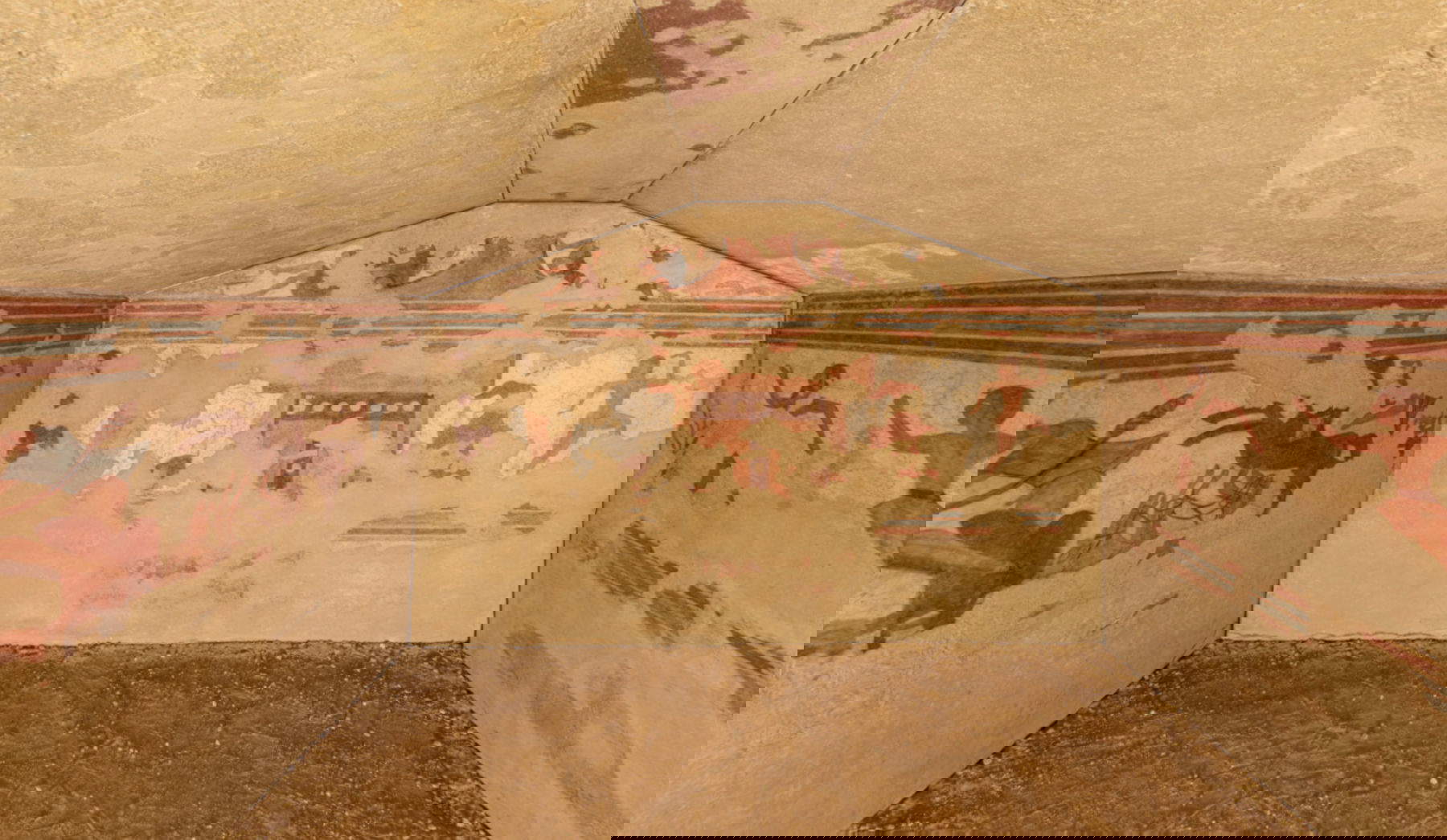
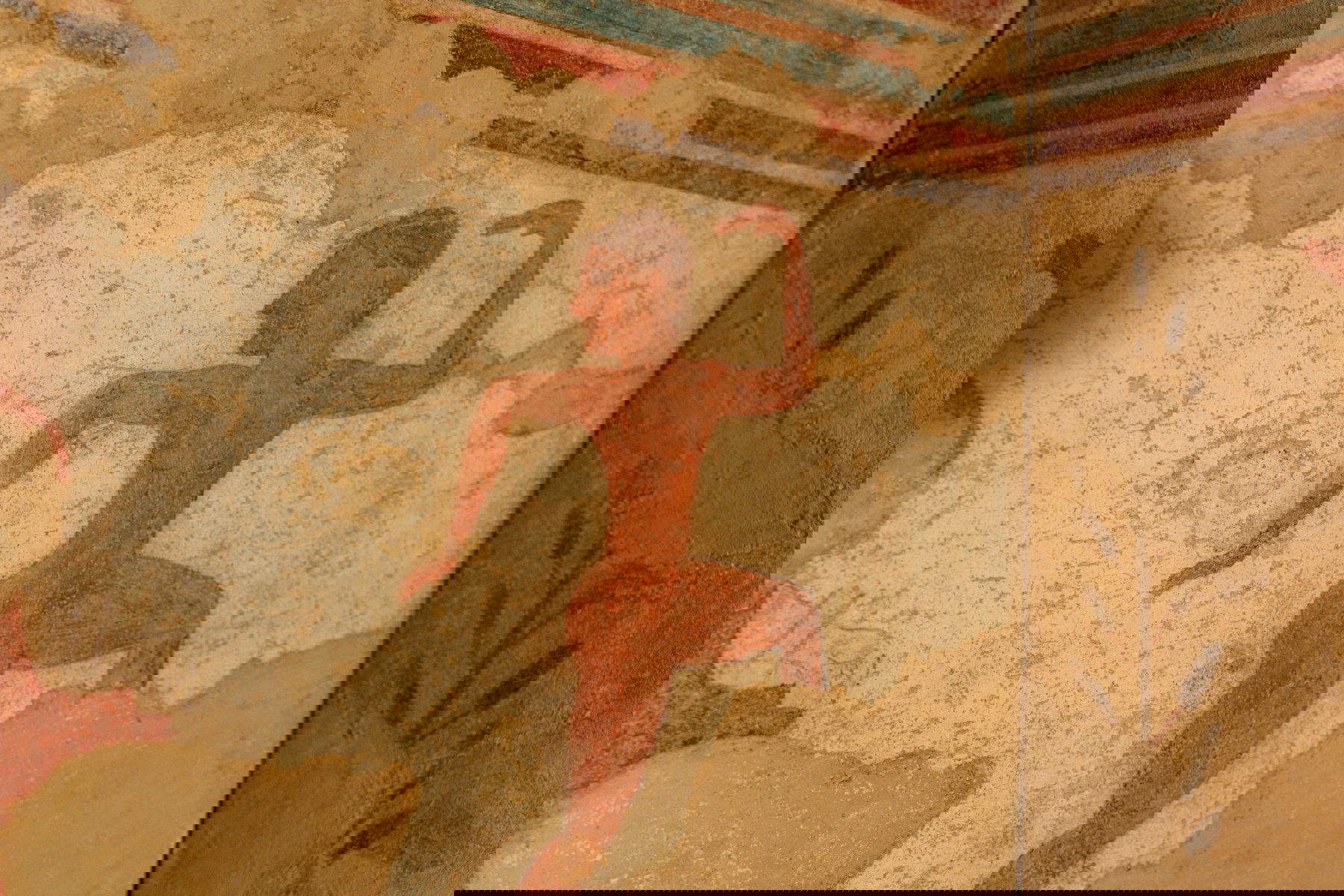
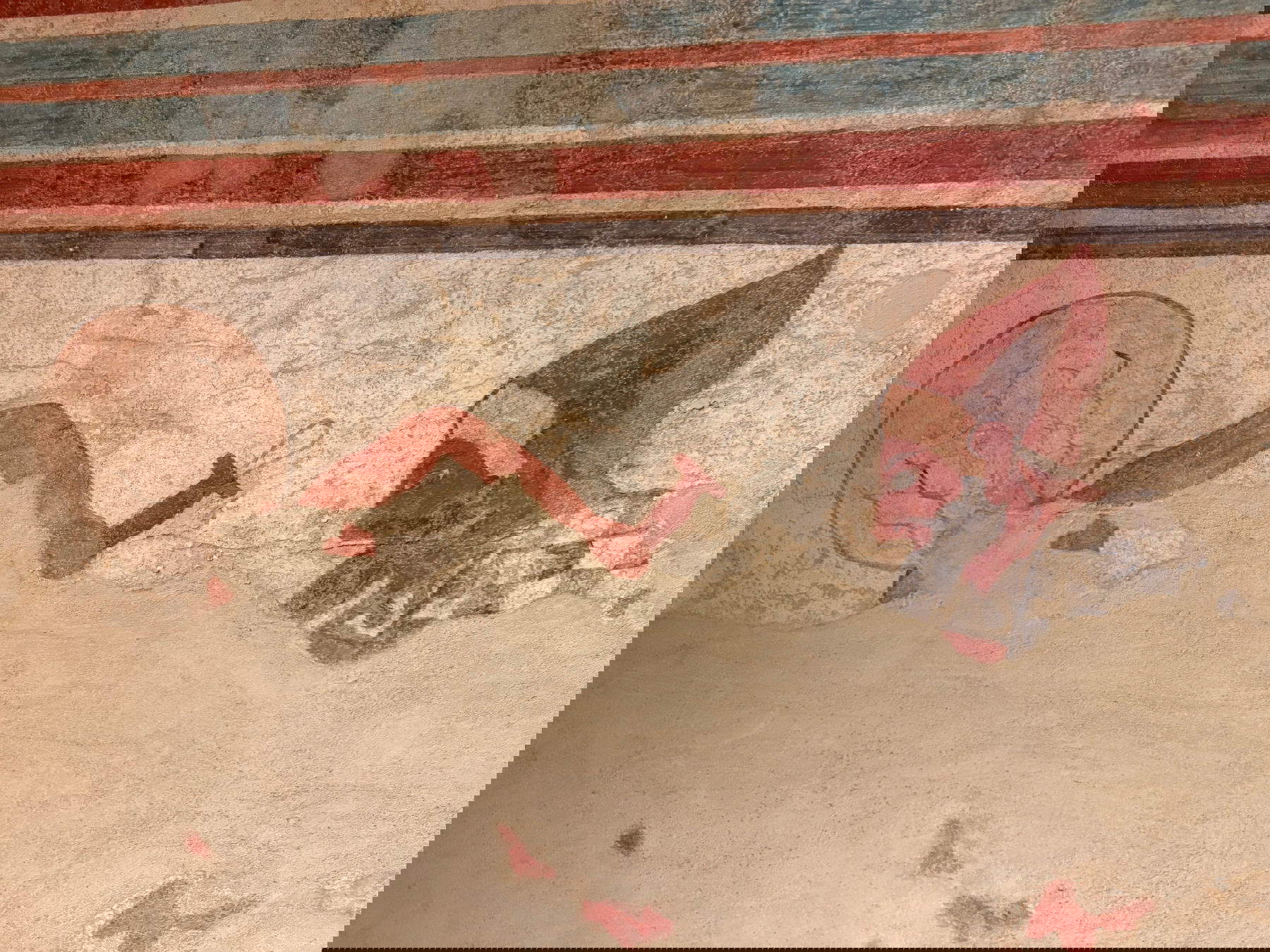
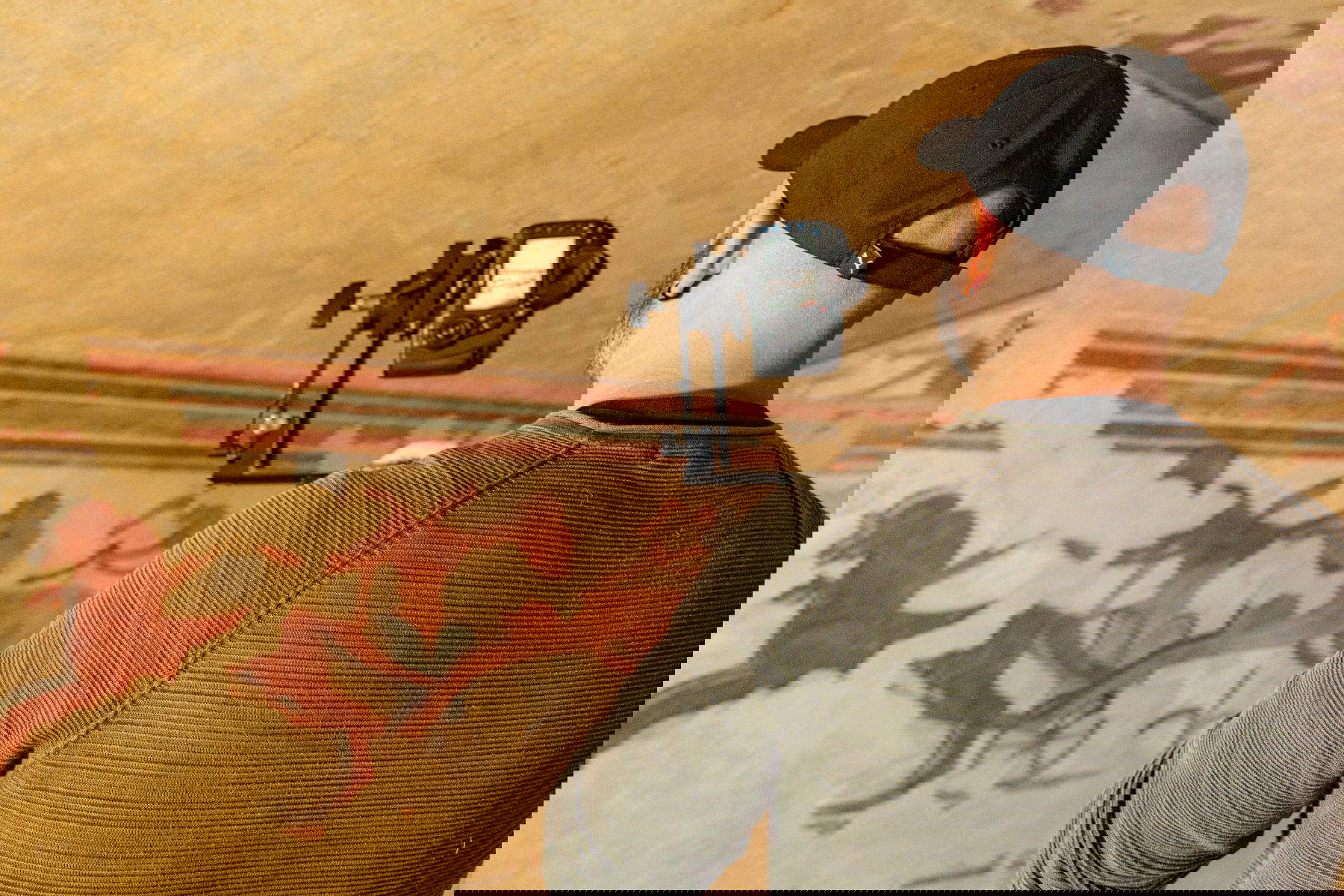
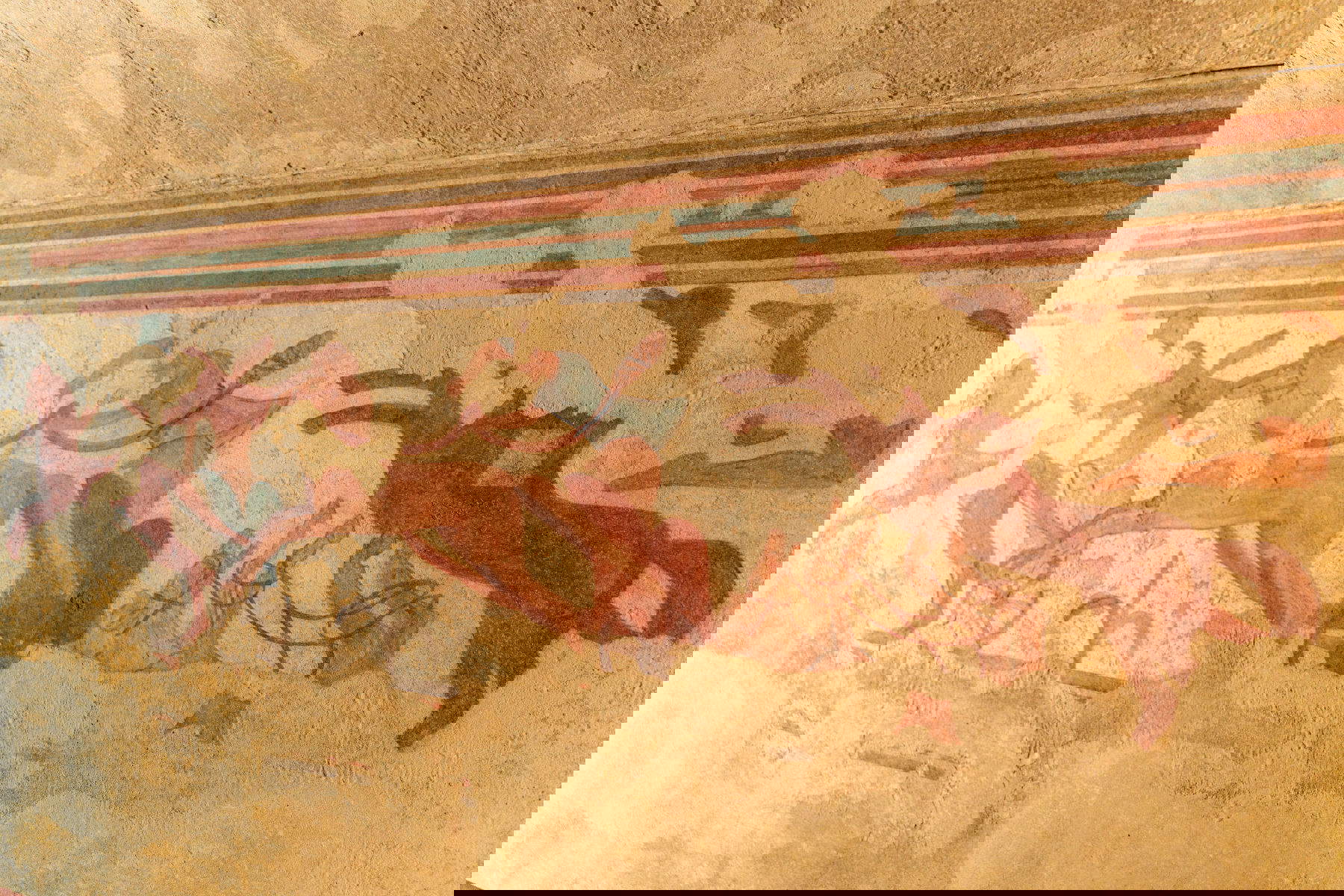
Starting Feb. 6 and for the duration of the Winter Games, the virtual version of the Tomb of the Olympics will be on view inside Casa Italia, set up at the Milan Triennale. A fixed station equipped with virtual reality viewers will allow visitors from around the world and supporters of the Olympic National Team to explore the interior of the tomb and get up close and personal with a vestige of Etruscan civilization dating back more than 2,500 years.
The Tomb of the Olympians, dated between 530 and 520 B.C., represents one of the most important figurative testimonies of Etruscan funerary art. Discovered in 1958, on the eve of the 1960 Olympic Games in Rome, it owes its name to the sports scenes painted on the interior walls, depicting athletic competitions and chariot races. The paintings offer a glimpse of the central role of games and equestrian competitions in Etruscan society, highlighting the symbolic and social value attributed to agonism and individual prestige. Currently under the jurisdiction of the Cerveteri and Tarquinia Archaeological Park, the tomb is preserved at the National Archaeological Museum in Tarquinia. It was recently exhibited for the first time outside its original location at the Luigi Rovati Museum in Milan, expanding the opportunities to learn about an asset usually not accessible to the public in direct form.
The virtual tour was created from a 360-degree stereoscopic photographic campaign in very high definition, which allows a detailed reconstruction of the tomb’s interior, offering viewpoints and levels of observation not possible during a physical visit. The experience is enriched by interactive information hotspots, available in Italian and English, that delve into the history of the monument, its dating, and the iconography of the funerary context.
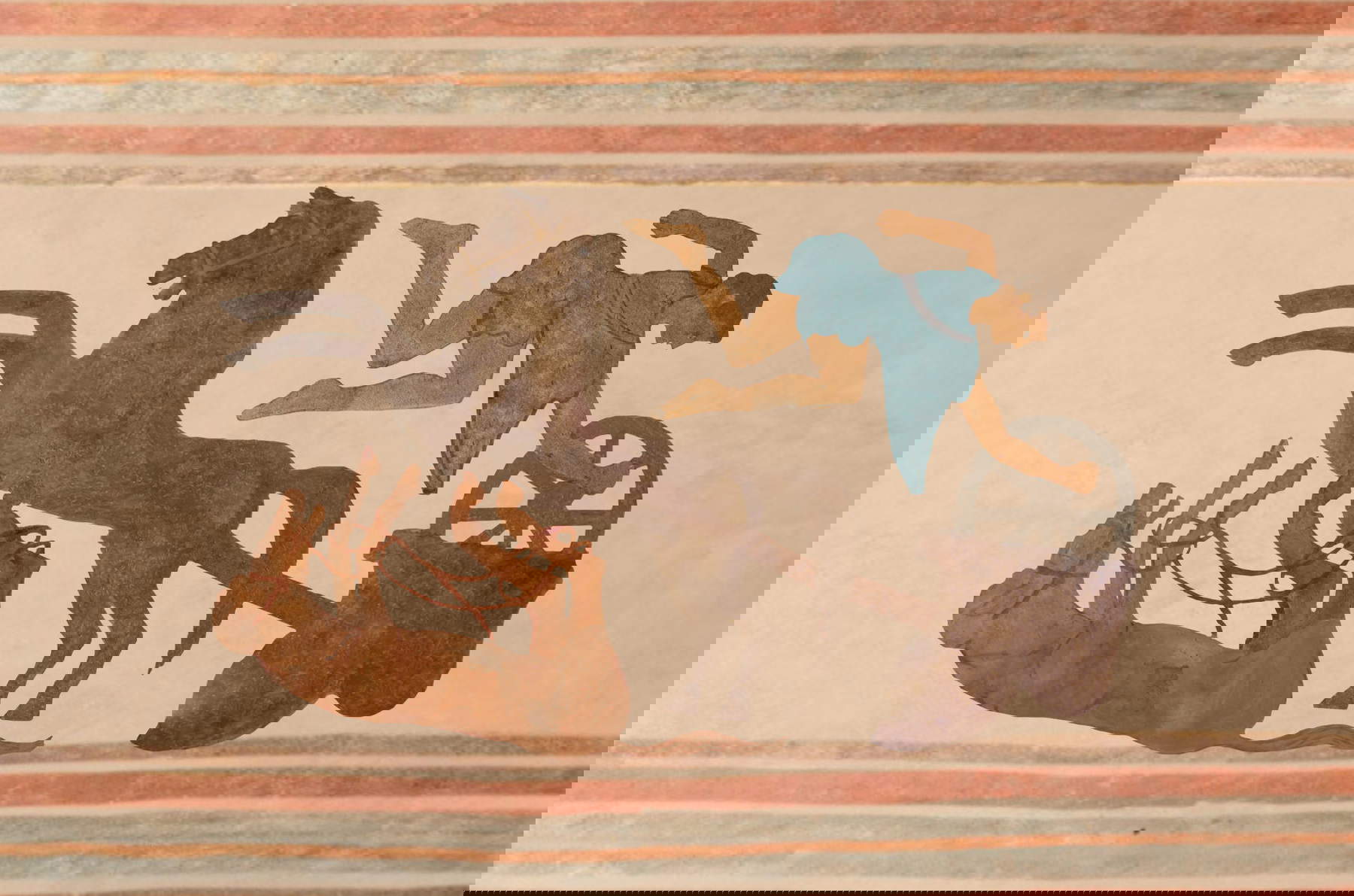
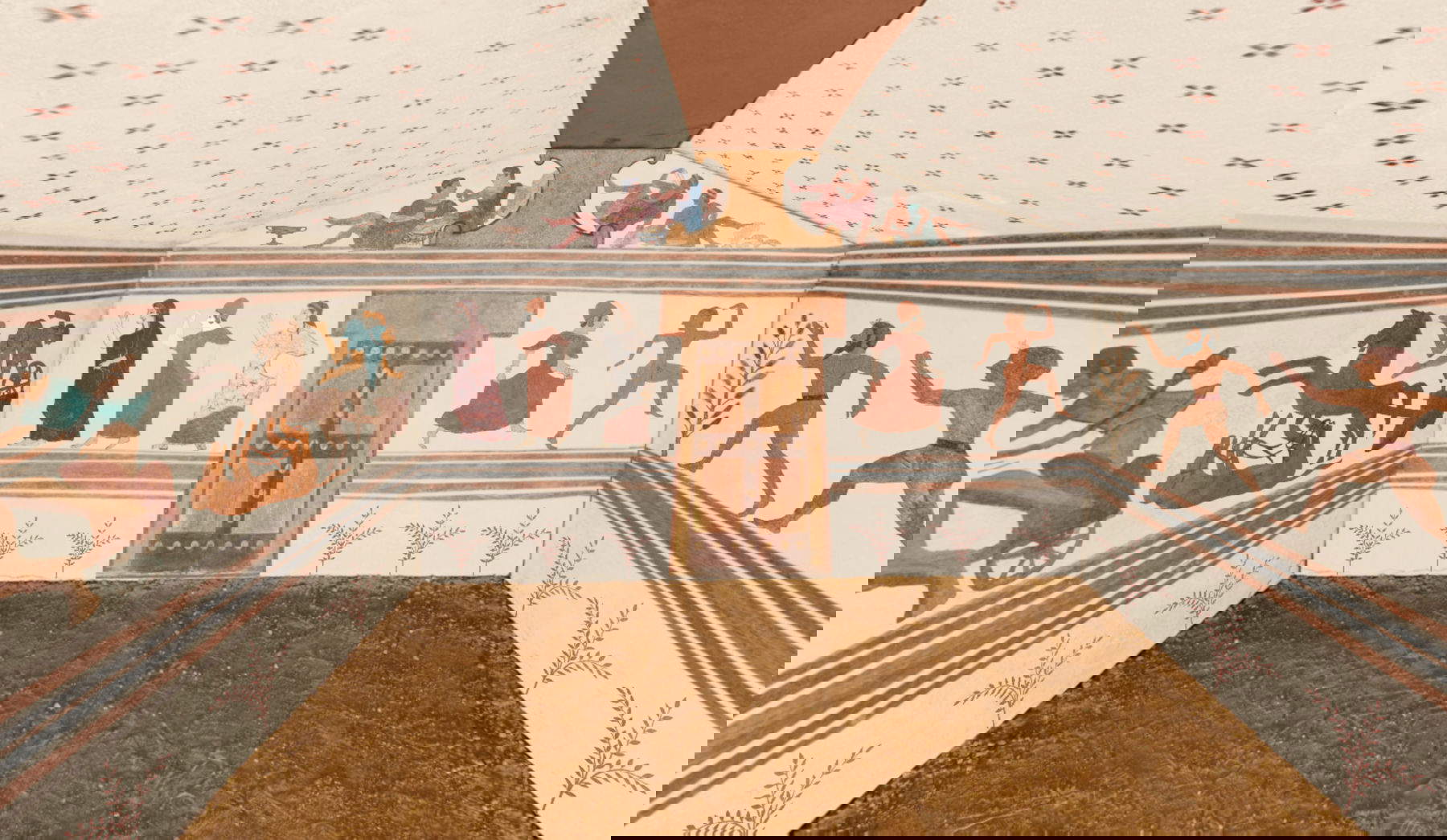
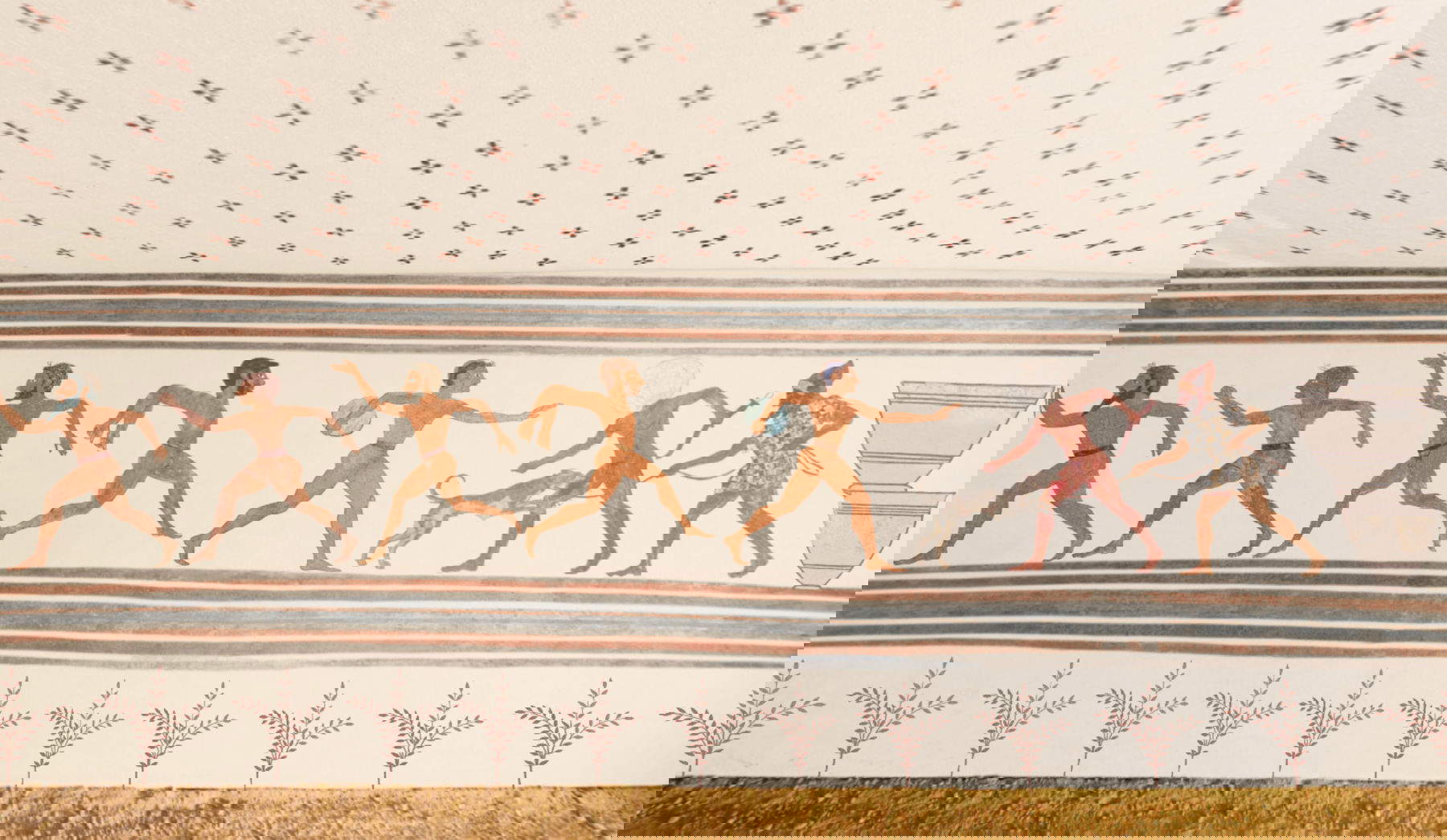
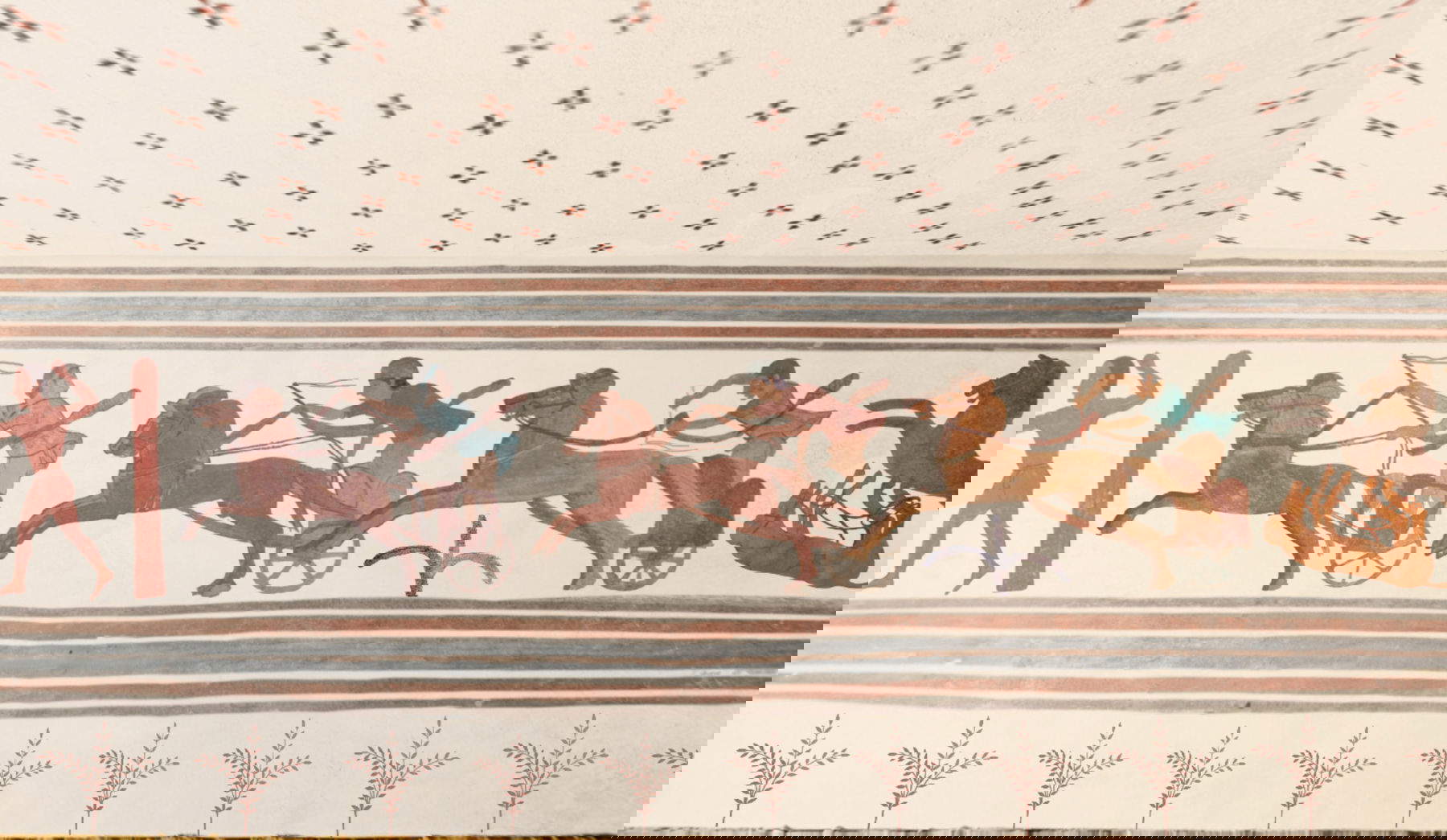
A central element of the project is the digital reconstruction of the frescoes, developed with the support of artificial intelligence and based on scientific studies and advice from experts at PACT - Archaeological Park of Cerveteri and Tarquinia. The work aims to restore as faithful a vision as possible of the original appearance of the paintings, now largely compromised by time, allowing a more complete reading of the figurative cycle.
The virtual tour is conceived as an evolving project. The characters depicted in the frescoes are progressively transformed into digital figures capable of narrating the Etruscan world and its values through a contemporary language. Inside the tomb there is also a digital avatar, reconstructed through regeneration in artificial intelligence and inspired by the figure of the charioteer, the protagonist of the famous chariot race scene painted on the tomb’s most iconic wall. The avatar plays the role of a narrative interlocutor and accompanies the visitor along the virtual path, offering a symbolic and cultural key to the images, gestures and rituals represented. The choice of thecharioteer, a central figure in Etruscan society and linked to concepts of prestige, competition and passage, creates a direct connection between the contemporary audience and the funerary dimension of the tomb.
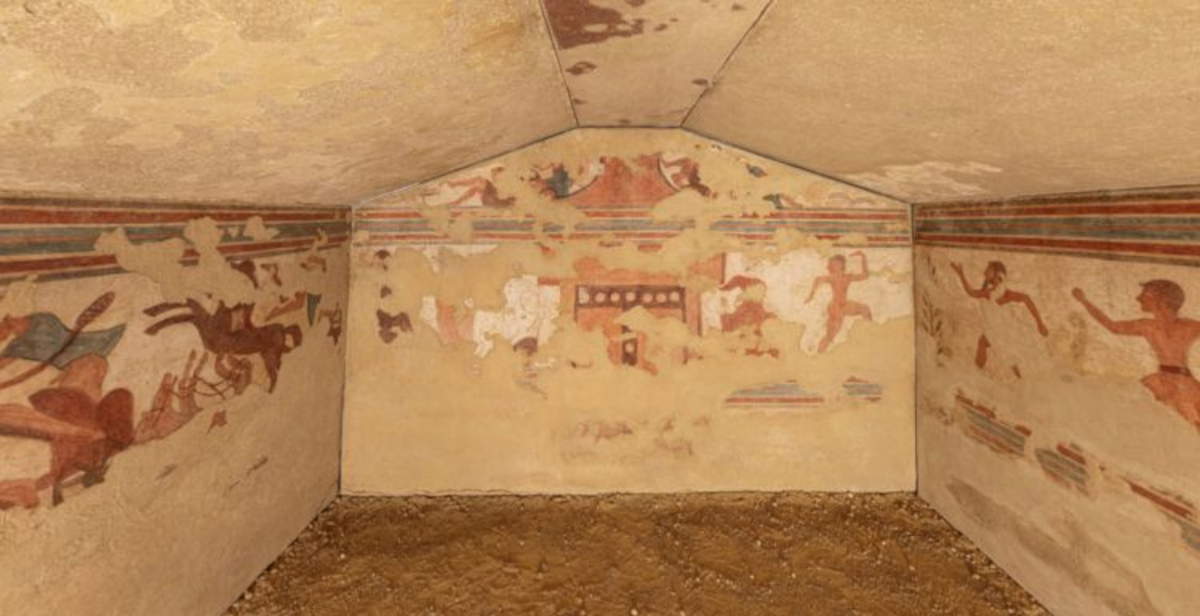 |
| Tarquinia Olympics Tomb digitally reconstructed for Milan-Cortina 2026 |


The author of this article: Noemi Capoccia
Originaria di Lecce, classe 1995, ha conseguito la laurea presso l'Accademia di Belle Arti di Carrara nel 2021. Le sue passioni sono l'arte antica e l'archeologia. Dal 2024 lavora in Finestre sull'Arte.Warning: the translation into English of the original Italian article was created using automatic tools. We undertake to review all articles, but we do not guarantee the total absence of inaccuracies in the translation due to the program. You can find the original by clicking on the ITA button. If you find any mistake,please contact us.
























 IT
IT FR
FR DE
DE ES
ES CN
CN


