





The Venetian spaces of the Pinault Collection will host four major solo exhibitions dedicated to leading artists of the contemporary scene, starting in spring 2026, set up between Palazzo Grassi and Punta della Dogana.
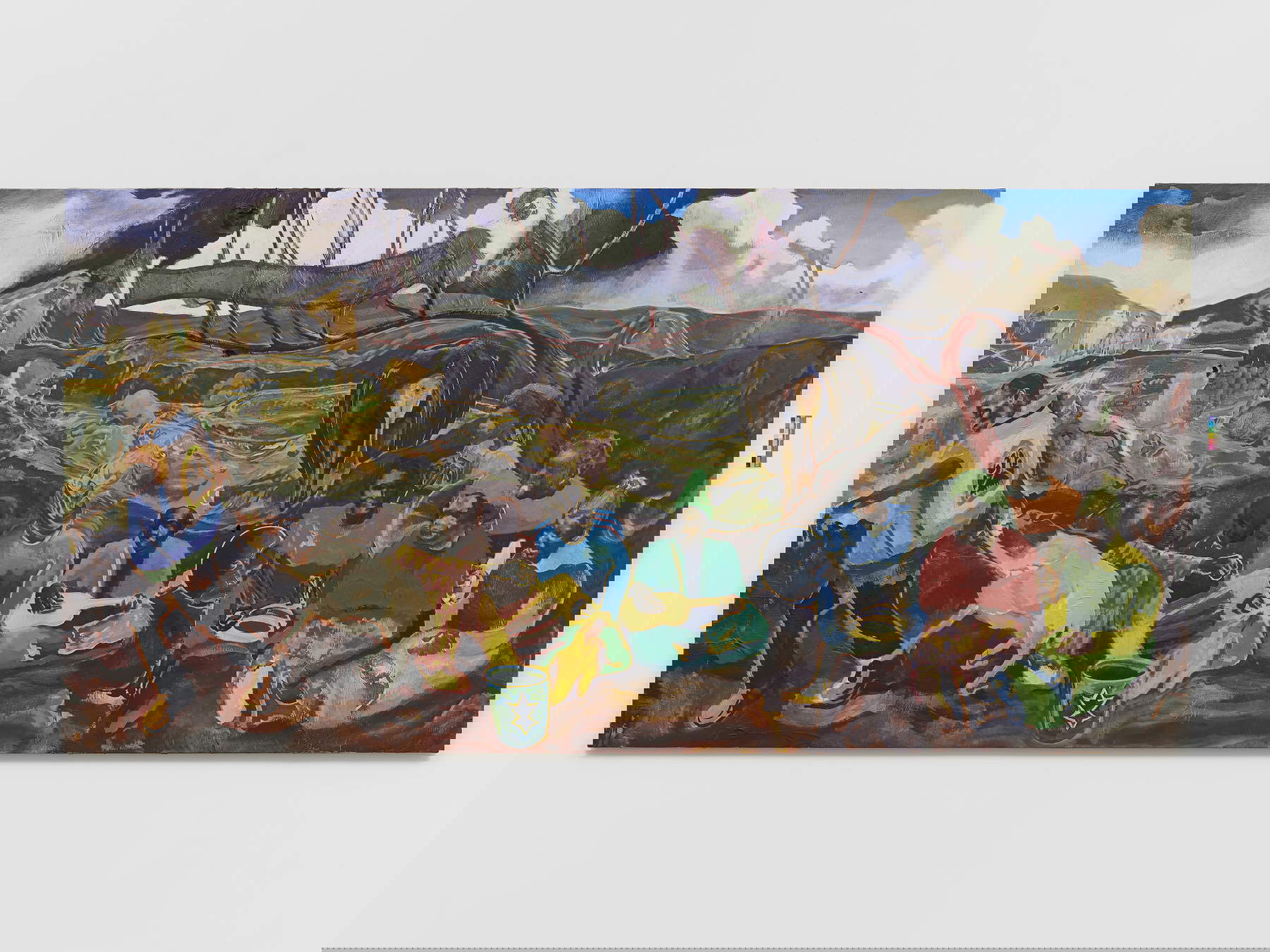
From March 29, 2026 to January 10, 2027, Palazzo Grassi presents Michael Armitage. The Promise of Change, a major exhibition dedicated to one of the most recognizable and singular voices in contemporary painting. The exhibition, curated by Jean-Marie Gallais for the Pinault Collection, was created in dialogue with Hans-Ulrich Obrist for the catalog, Caroline Bourgeois, and art historian Michelle Mlati. Oscillating between figuration and abstraction, documentary observation and suspended visions, Armitage’s work interweaves personal memories, cultural references and symbolic imagery, shaping intensely lyrical paintings that interrogate themes of identity, memory, spirituality and the sociopolitical tensions of the present. The Kenyan-British artist, born in 1984, presents at Palazzo Grassi more than one hundred and fifty works, including historical works and new productions, which reveal a complex and sensitive pictorial language, characterized by a strong chromatic intensity and the encounter of different aesthetic canons. The choice of subjects and the richness of interpretive allusions share the same expressive force, while the artist faces harsh and often violent themes without reticence, convinced that art must confront reality directly. Wars, corruption, political instability in equatorial regions, migration, abuses of power and the weight of others’ gaze form the backdrop of many particularly incisive works. Dividing his life between Kenya and Indonesia, Armitage draws on a plurality of sources ranging from history and current events to political manifestations, literature and film to local rituals, architecture and global art history. Central to his iconography are East Africa and Kenya, observed with a gaze that is at once critical, satirical and visionary. While some scenes are closely linked to precise historical contexts, others remain deliberately ambiguous and universal, paving the way for fluctuating territories of the imagination. The exhibition tour progressively takes the visitor through these inhabited landscapes, where images thicken or become opaque, leaving room for multiple interpretations. Reality and fiction, violence and delicacy, concreteness and hallucination coexist in visually powerful compositions. Real and imaginary figures, drawn from contemporary African literature or classical mythology, alternate with anonymous characters, as in the series dedicated to migration, which recounts the perilous journey across Africa and the sea to Europe. Influences ranging from the cinema of Sembène Ousmane to the fiction of Ngũgĩ wa Thiong’o to the painting of Goya, Velázquez, and African modernist artists are assimilated and transformed into a pictorial vocabulary that is entirely personal. The paintings, made in oil on a support made from tree bark in accordance with Ugandan and Indonesian traditions, break free of the conventional Western canvas; the irregularities of the material directly influence the compositions, which are constructed through a process of layering, scraping and successive applications of color. Finally, an extensive drawing section reveals the artist’s attention to composition, detail and the preparatory stage.
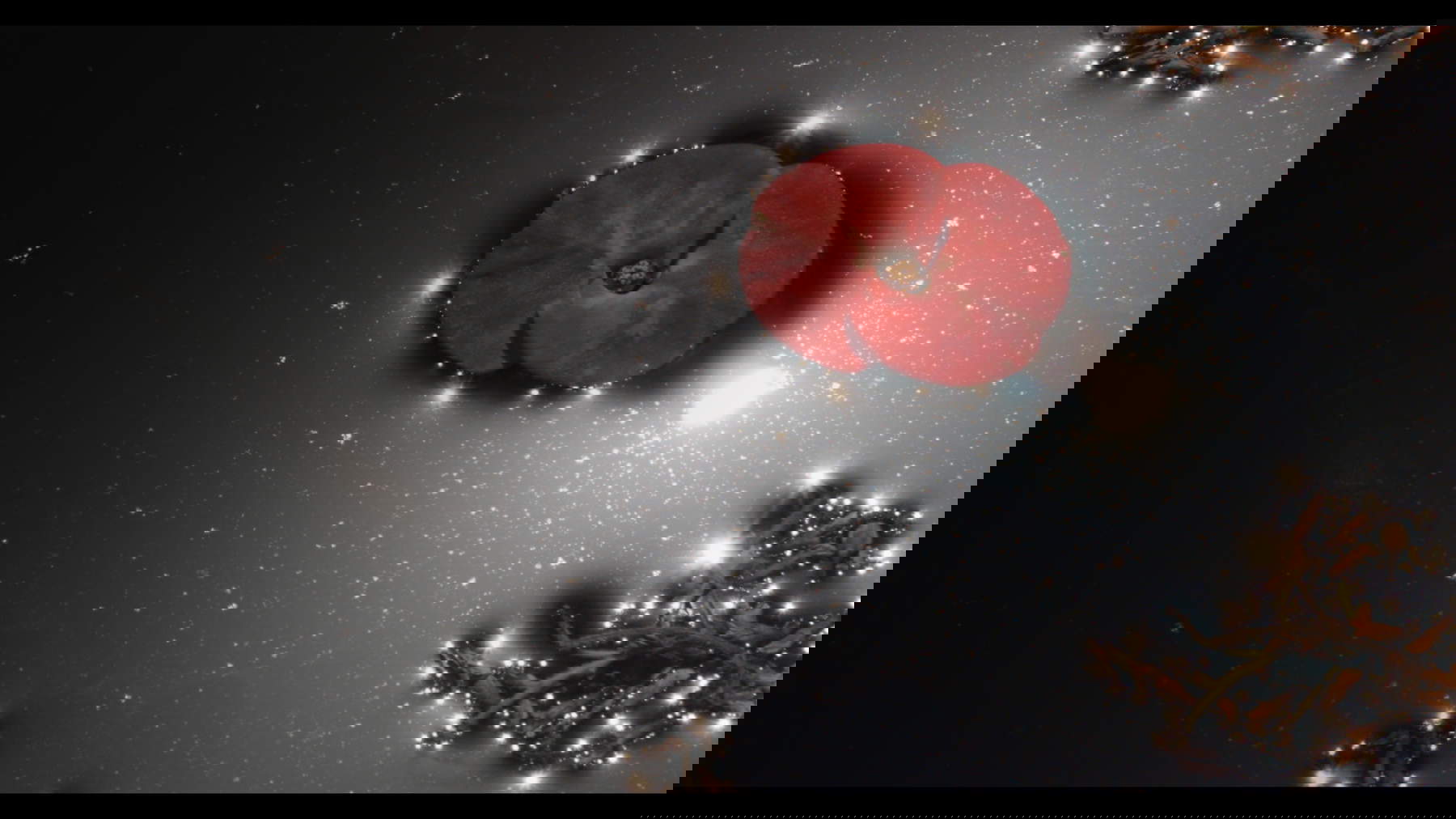
Also at Palazzo Grassi, from March 29, 2026 to January 10, 2027, the Pinault Collection presents Amar Kanwar. Co-travellers, an exhibition curated by Jean-Marie Gallais that brings together two major multimedia installations by the Indian artist. Kanwar’s work is distinguished by a poetic and philosophical approach to individual, social and political issues, creating a space of intersection between art, documentation and activism. Through complex visual and narrative devices, his installations invite a meditative experience that combines visual intensity, civic engagement and narrative depth. Born in 1964, Kanwar has made a name for himself since the 1990s for films and multimedia works that investigate the dynamics of power, violence and resistance, with a keen eye on contemporary South Asian history. Using archives, real accounts and poetic imagery, the artist constructs layered narratives that move beyond immediate judgment to open up to broader, more universal reflections. The installation The Torn First Pages (2004-2008), presented on the second floor of Palazzo Grassi, addresses the complexity of the struggle for democracy in Burma, reworking documents and archival materials and paying homage to a symbolic gesture of resistance against the propaganda of the military regime. Presented alongside this work is The Peacock’s Graveyard (2023), a contemporary reflection on death, impermanence and the cycle of life. Immersed in darkness, the installation uses a multifocal narrative composed of abstract images, text and music to create a hypnotic and contemplative experience. Through five short, metaphysical stories, Kanwar addresses themes of violence, power, memory and moral responsibility, offering a profound meditation on our time and its contradictions.
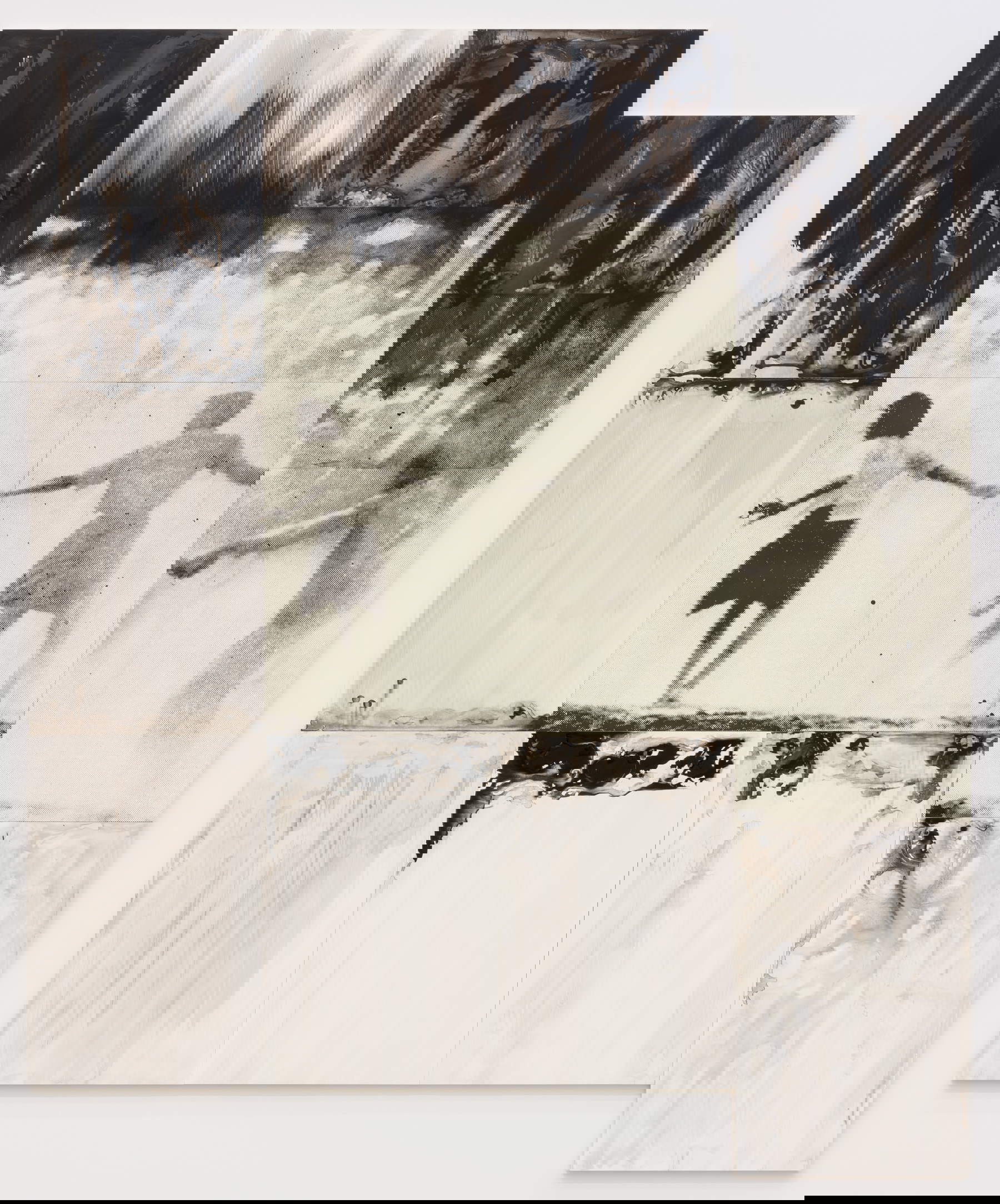
At Punta della Dogana, from March 29 to November 22, 2026, will be presented Lorna Simpson. Third Person, the first extensive European retrospective devoted to more than a decade of the U.S. artist’s painting practice. Curated by Emma Lavigne in close collaboration with Simpson and realized in partnership with the Metropolitan Museum of Art in New York, the exhibition brings together approximately fifty works including paintings, collages, sculptures, installations, and a film, from public and private collections and the artist’s studio, as well as previously unseen works made specifically for Punta della Dogana. The exhibition is designed in dialogue with the architecture of the space and builds a web of narratives that shape the imaginary universes evoked by Simpson’s work. Active since the 1980s in the field of conceptual photography, the artist has gradually expanded her research toward painting, delving into recurring themes such as memory, gaps in representation and the instability of historical narratives. The exhibition spans more than two decades of activity and is divided into three main nuclei: a first group of works marked by enigmatic figures and political tensions, a series of Arctic landscapes inspired by expedition archives, suspended between reality and abstraction, and finally a gallery of portraits and monumental female figures that interrogate the complexity of identity and its representation. An extensive installation devoted to collage highlights the central role of this practice in the artist’s creative process, revealing a layered visual language open to intuition, through which Simpson explores stereotypes, erasure and collective memory.
Also at Punta della Dogana, from March 29 to November 22, 2026, the Pinault Collection presents Paulo Nazareth. Algebra, a major solo exhibition curated by Fernanda Brenner. The project stems from the significant presence of the Brazilian artist’s works in the collection and includes a series of previously unseen works, offering an overview of more than two decades of artistic practice. The title, Algebra, recalls the Arabic etymology of the term al-jabr, evoking the idea of recomposing what has been broken. For Nazareth, this concept becomes a methodology for addressing the unresolved fractures in history through performance walks that traverse the Americas, the Caribbean and Africa, highlighting structural violence of racial and colonial origins. A line of rooms runs through the exhibition spaces, marking a symbolic threshold and gradually revealing the shape of a slave ship, a ghostly presence that runs through the entire exhibition. The exhibition does not follow a chronological or thematic order, but develops as a succession of stations within a continuum, in which works, performance and documentation are intertwined. At the center is Notícias de América, which restores the artist’s long journey from Brazil to New York, offering direct testimony of migration as a lived experience. Activating a dialogue between Venice and its Brazilian namesake, Nazareth relates distant geographies and shared histories, interrogating the systems of measurement, classification and erasure that have accompanied colonial history. In this memory-laden space, Algebra offers a profound reflection on what endures beyond official documents and the unresolved equations of our present.
![Paulo Nazareth, Untitled [Encruzihada] (2022; plastic and rubber from flipflop, 30 x 22 cm). Courtesy of the artist and Mendes Wood DM, São Paulo, Brussels, Paris, New York. Photo: Gui Gomes](https://cdn.finestresullarte.info/rivista/immagini/2025/fn/nazareth-encruzihada.jpg)
|
| Venice, Pinault Collection announces new exhibitions for 2026, between Palazzo Grassi and Punta della Dogana |

Warning: the translation into English of the original Italian article was created using automatic tools. We undertake to review all articles, but we do not guarantee the total absence of inaccuracies in the translation due to the program. You can find the original by clicking on the ITA button. If you find any mistake,please contact us.






















 IT
IT FR
FR DE
DE ES
ES CN
CN


