





The Philadelphia Museum of Art in Philadelphia, U.S., has announced that it has decided to return to its historic name, ending one of the most talked-about and controversial rebrands of recent years in the U.S. museum scene(we reported on it here). Just four months after announcing the name change to Philadelphia Art Museum, the institution announced that, as of Wednesday afternoon, it will officially resume its name Philadelphia Museum of Art, the name by which it has been known to generations of visitors, scholars, and citizens.
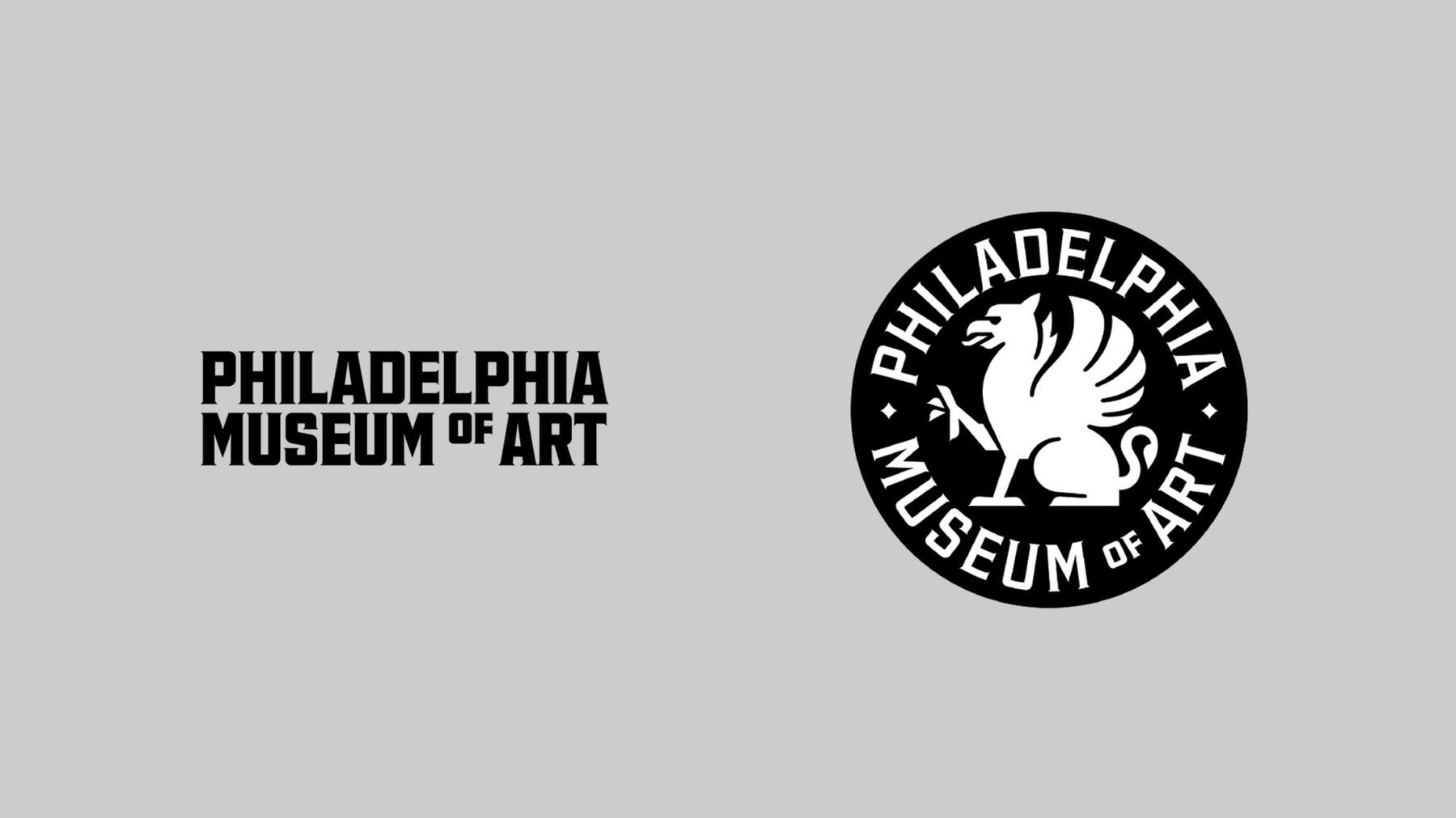
The decision does not involve a complete return to the past in terms of visual identity. In fact, the museum will retain the recently introduced griffin logo and graphic layout, which are considered effective and popular elements with the public. What will change, however, will be the institution’s name, which will return to its traditional one, permanently abandoning the PhAM acronym and the Philadelphia Art Museum name that had accompanied the rebrand launch last October.
According to a statement from the museum, the choice is the result of the work of an interdisciplinary task force of board and staff members. The group examined in detail the process and manner in which the rebrand had been conceived and launched, including commissioning a series of surveys of employees, trustees, museum members, and the public in the Philadelphia area. The recommendations that emerged from this analysis led the board to vote unanimously at a special meeting in favor of returning to the historic name.
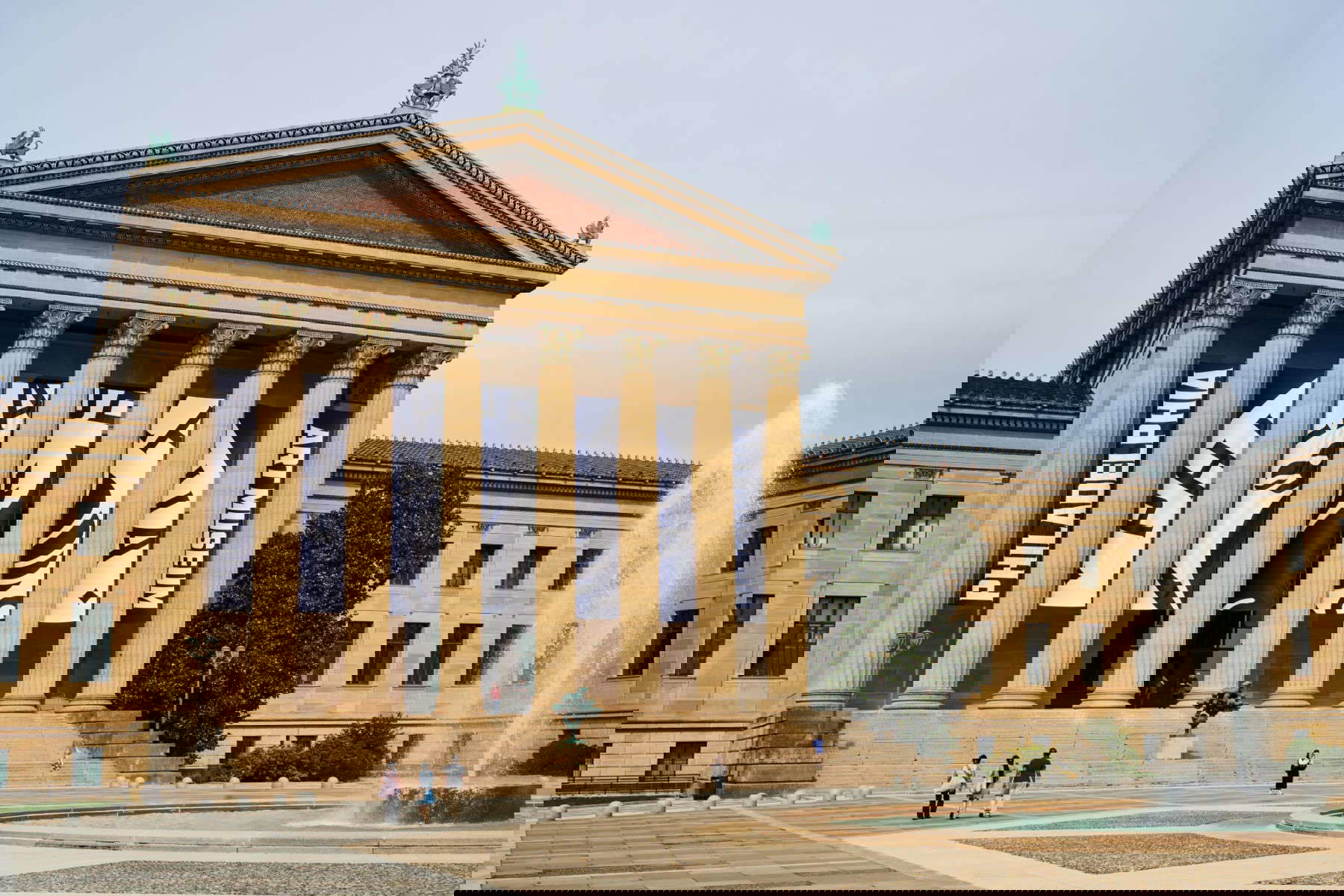
“An essential aspect of brand management is innovation and listening,” said Daniel Weiss, director and CEO of the Philadelphia Museum of Art. “The new logo, with the griffin, represents a bold yet historic approach, which we are happy to see enthusiastically embraced by the public. Returning to the name beloved by staff, trustees and members is an important gesture. We now have a system around which our entire community can rally, so we can dedicate ourselves to the important opportunities of our mission.”
Changes will be phased in over the next few weeks. The logo with the griffon will be updated to include the name Philadelphia Museum of Art once again. More practical aspects of digital communication will also be realigned to the historic name: the website, email addresses and social channels will return to using the identifier “philamuseum,” while the acronym PhAM will be dropped for good.
Results of surveys commissioned by the task force showed a clear preference, especially among staff and trustees, for a return to the original name. At the same time, a positive evaluation of the griffin logo emerged from the public, perceived as a strong symbol capable of stimulating engagement with the museum. This dual feedback helped outline a compromise solution, combining visual continuity and respect for institutional tradition.
Board Chair Ellen Caplan also expressed full support for the decision: “The board fully supports these updates and voted unanimously to accept the task force’s recommendations. Dan [Daniel Weiss] and the entire team have quickly and significantly found a way to enhance the museum’s heritage and provide a platform to expand our audience.”
The turnaround comes after months of strong criticism and public embarrassment. The rebrand announced in October had been short-lived and turbulent, quickly being referred to as one of the most unsuccessful launches in the recent history of museum institutions. In Philadelphia, the new name had not been at all welcome, so much so that the Philadelphia Inquirer reported as early as November on the discontent of several trustees, some of whom claimed that the rebrand had been launched without full final board approval.
The rebrand affair was intertwined with a period of severe instability at the museum’s top leadership. Shortly after the unveiling of the new identity, the museum fired then-director and CEO Sasha Suda for cause, without initially providing further public details. Suda subsequently filed a lawsuit against the museum for wrongful termination, unfair treatment, and abuse, alleging that some board members had falsely accused her of using museum funds for personal gain. The Philadelphia Museum of Art, on the other hand, alleged that Suda had approved salary increases for herself on multiple occasions without the board’s consent. According to the document, the museum set up a special committee of the board to investigate the matter. After reviewing the evidence and evaluating its fiduciary duties, the executive committee would conclude that the evidence overwhelmingly demonstrated a breach of contractual agreement by Suda, who was accused of embezzlement.
The return to the name Philadelphia Museum of Art thus represents not only a course correction in branding, but also an attempt to restore trust and stability after a period marked by controversy, internal tensions, and negative media exposure. With this decision, the museum seems to want to reaffirm its connection with its history and the local community, while at the same time trying to turn the page from a phase that challenged decision-making processes and governance of the institution.
|
| Philadelphia Museum of Art returns to historic name after disputed rebrand |

Warning: the translation into English of the original Italian article was created using automatic tools. We undertake to review all articles, but we do not guarantee the total absence of inaccuracies in the translation due to the program. You can find the original by clicking on the ITA button. If you find any mistake,please contact us.
























 IT
IT FR
FR DE
DE ES
ES CN
CN