





Passages: from hand to hand is the guiding theme of the 2026 programming of the Luigi Pecci Center for Contemporary Art in Prato, which presented this year’s exhibitions today. After Building Community in 2025 and Tuscany at the Center in 2024, therefore, a three-year journey continues that aims to interweave local identity and international vision. The title chosen for the new year builds a conceptual framework that aims to redefine the very idea of a cultural institution as a space of relationship, transmission and transformation, a place to gather, share and create cultures together. The inspiration comes from Adelaide Cioni’s work La grande mano (The Great Hand ), placed at the entrance of the Center: the gesture that welcomes those entering the museum is both a greeting and an invitation, but also a celebration of the history of textile manufactures that have marked Prato’s economy and society and that, through the commitment of the Founding Members, made possible the birth of the institution.
In a historical phase dominated by digital immateriality, hand recalls the importance of touch and contact, bringing the sensitive dimension of experience back to the center. From hand to hand is a formula that holds together the concreteness of exchanges and the circulation of ideas: the reuse of objects and materials that belonged to other people, donations and gifts, and the passages of knowledge between generations and between fields of knowledge, from research to manufacturing. Programming 2026 translates this vision into a program schedule that looks at Tuscany and Prato as laboratories of contemporary cultures, enriched by continuous crossings in complex and constantly changing territories.
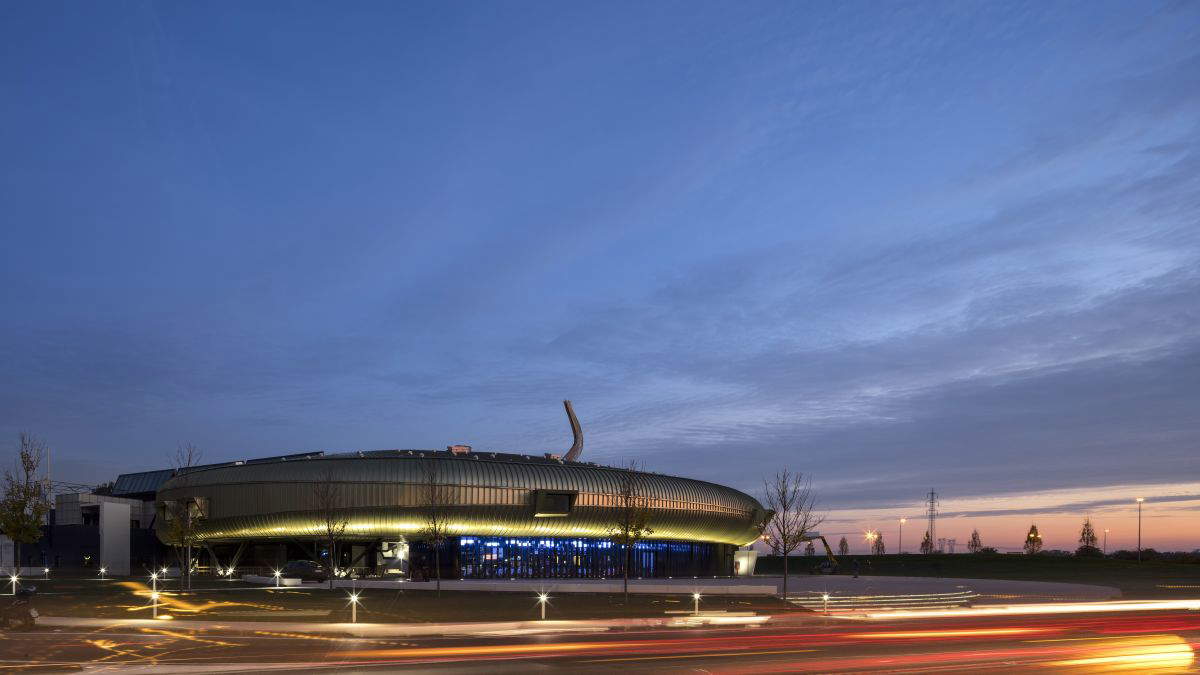
In this perspective, the Pecci Center is opening up to the 115 nationalities present in the city and is preparing to welcome twenty young female artists and curators who, thanks to an ESF call from the Region of Tuscany, will give life in 2026 to a widespread celebration of creativity in Prato and the other regional venues involved in the project. The theme also invests the architecture of the Center itself, conceived as an experience of continuous transitions between exhibitions, rooms, places and activities, in a movement that is never interrupted and constantly expanding. During 2026, moreover, the library and outdoor theater will reopen: there will thus be a further strengthening of the Center’s role as a public space for meeting and sharing.
The year also marks the start of the journey towards the celebrations of the 40th anniversary of the Pecci Center (in 2028), keeping alive the openness towards the city of Prato, called as of now to share in the preparation of the celebrations and to identify, together with the institution, the many roads and steps that lead, from the most diverse directions, to Viale della Repubblica. Exhibitions, collection and archives form the backbone of the museum’s activities, which in 2026 offers a multifaceted exhibition schedule.
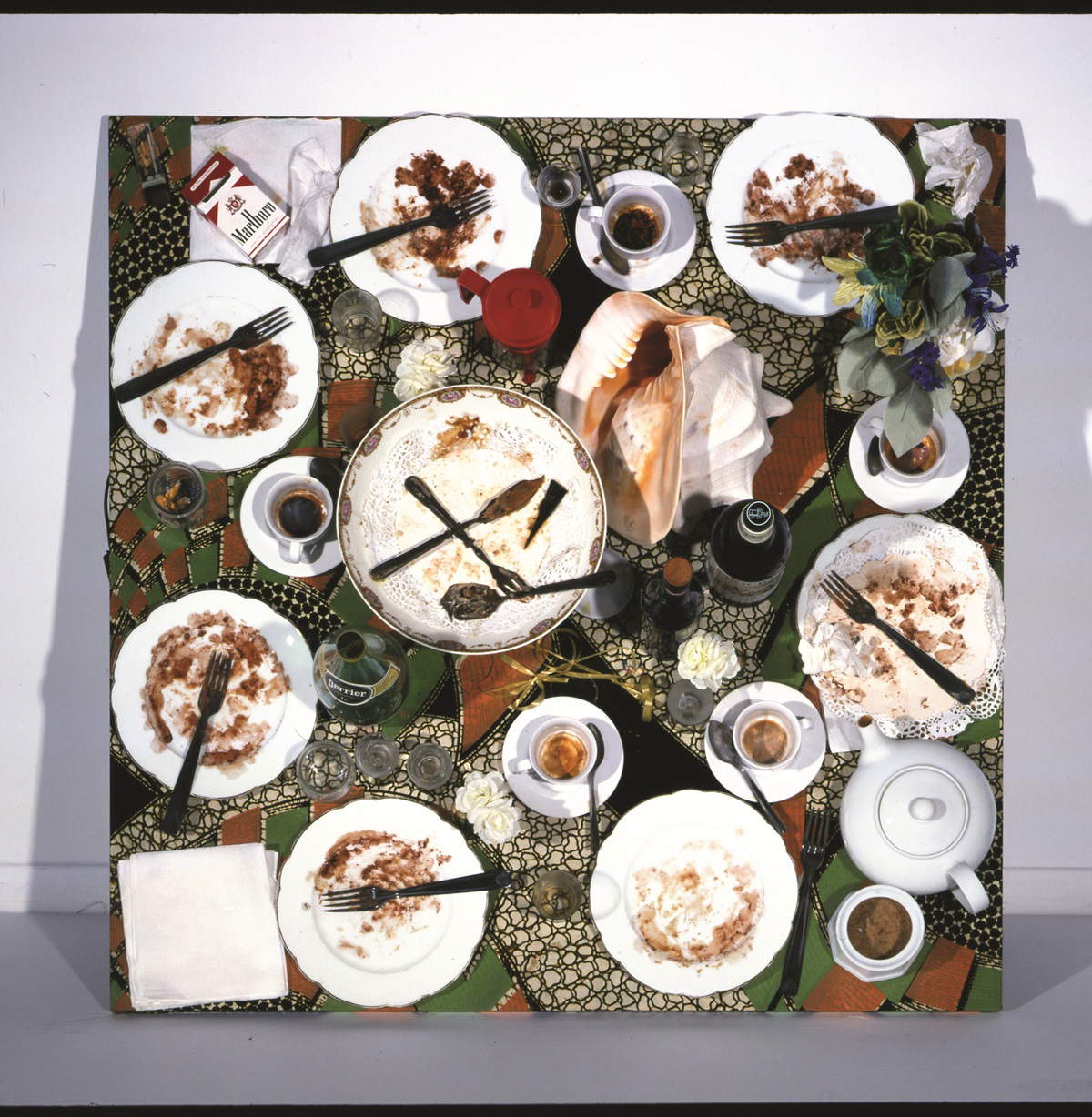
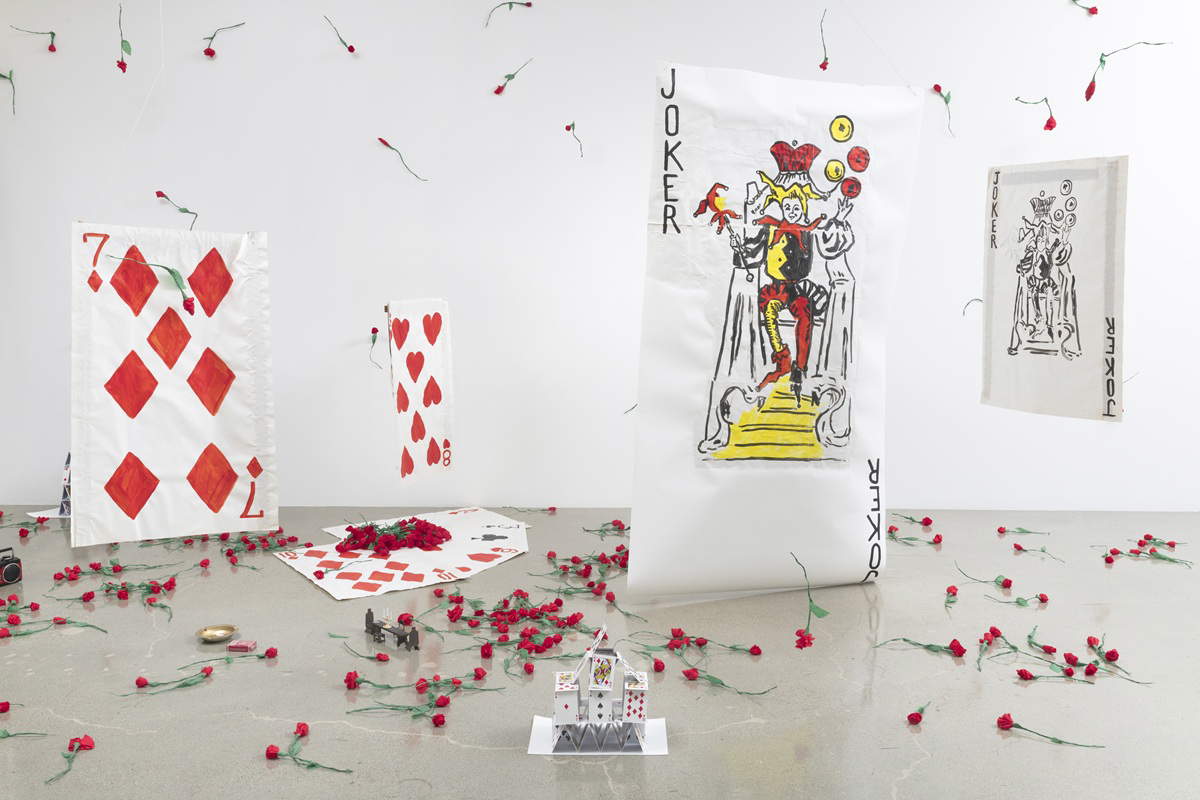
At the end of May opens the celebration of the donation of Carlo Palli, who decided to leave the Pecci Center and the city of Prato an important nucleus of his collection. Routes. Art of rupture from the Carlo Palli donation, curated by Stefano Pezzato with exhibition design by Ibrahim Kombarji, opens May 30 and remains open from May 31 to Nov. 1, 2026. The exhibition presents an itinerary selected from the hundreds of works donated in 2025, a donation that follows that of 2006 and represents one of the largest made by a private individual to an Italian contemporary art institution. The project testifies to Palli’s passion for contemporary art by tracing the collector’s favorite routes, dedicated to practices of rupture, against the tide and outside the rules. The path traverses the poetic revolution of the Group 70, the liveliness of Fluxus, the appropriations and reworkings of Nouveau Réalisme, the fascination with objects, the developments of practices such as writing and painting, the innovation of processual and conceptual forms, up to the affirmation of the feminine imaginary in the neo-avant-gardes.
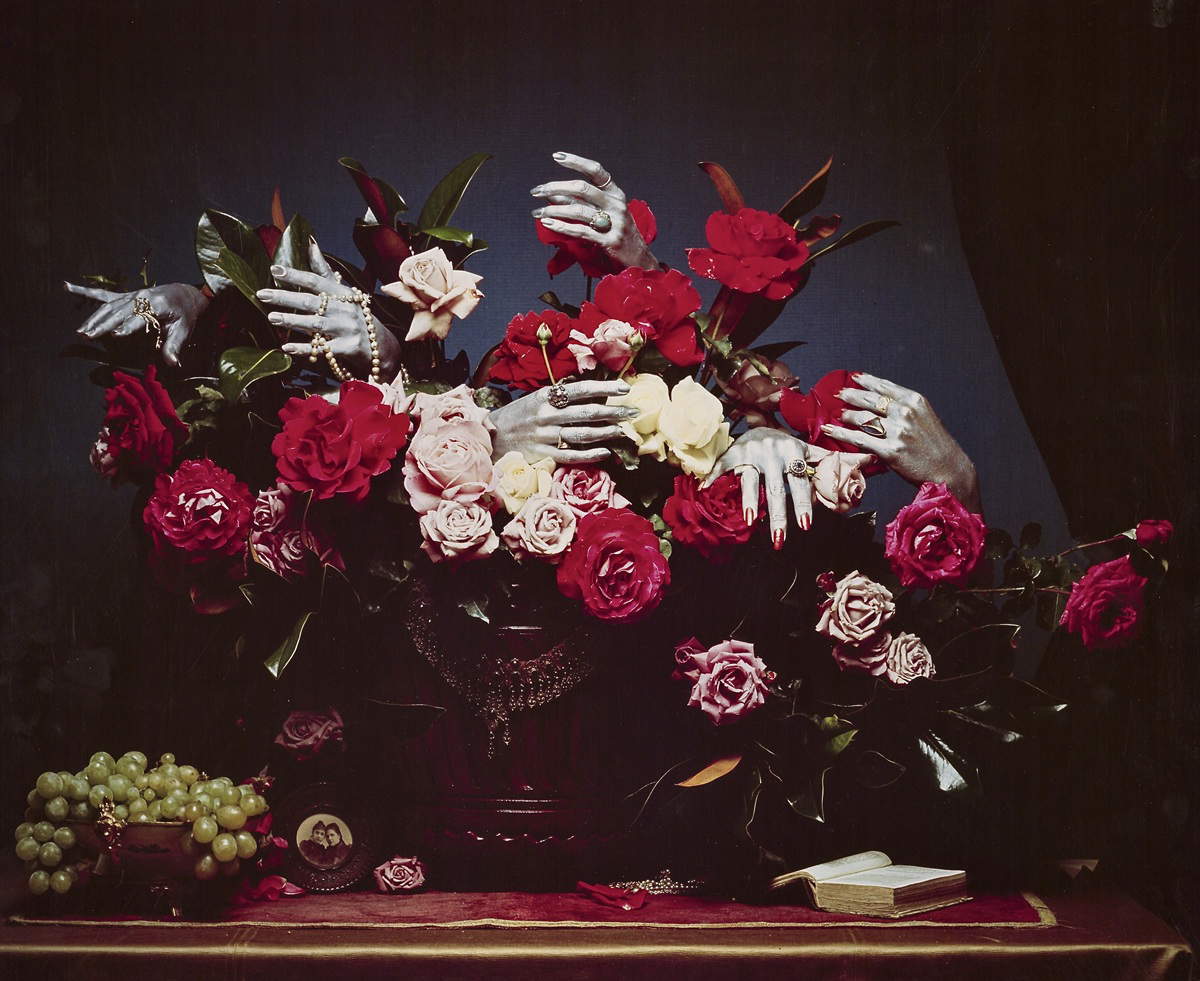
Concurrently, also from May 31 to August 30, 2026, is Verita Monselles. Carnale, curated by Alessandra Acocella, Michele Bertolino and Monica Gallai, with exhibition design by Giuseppe Ricupero, in collaboration with Archivio Fotografico Toscano - Comune di Prato. The exhibition constitutes a fundamental testimony to the career of Verita Monselles (Buenos Aires, 1929 - Florence, 2004), whose archive has been donated to the Tuscan Photographic Archive, kept by the City of Prato. The project, part of research conducted under the auspices of the Region of Tuscany, reconstructs the work of an artist who used photography as a tool for the reappropriation of self and female subjectivity, dismantling the stereotypical images of the woman-object produced by the dominant culture in the media and advertising. Subtly ironic and metaphorical, Monselles intervenes on the symbols of patriarchal and religious tradition, documents the performances of female colleagues such as Tomaso Binga and Marion D’Amburgo, collaborates with the theater company Il Carrozzone, later Magazzini Criminali, and carries out editorial projects for fashion rereading the role of women in contemporary society. Her language alternates between baroque, pop and glossy registers, rendering a political and desiring female body.
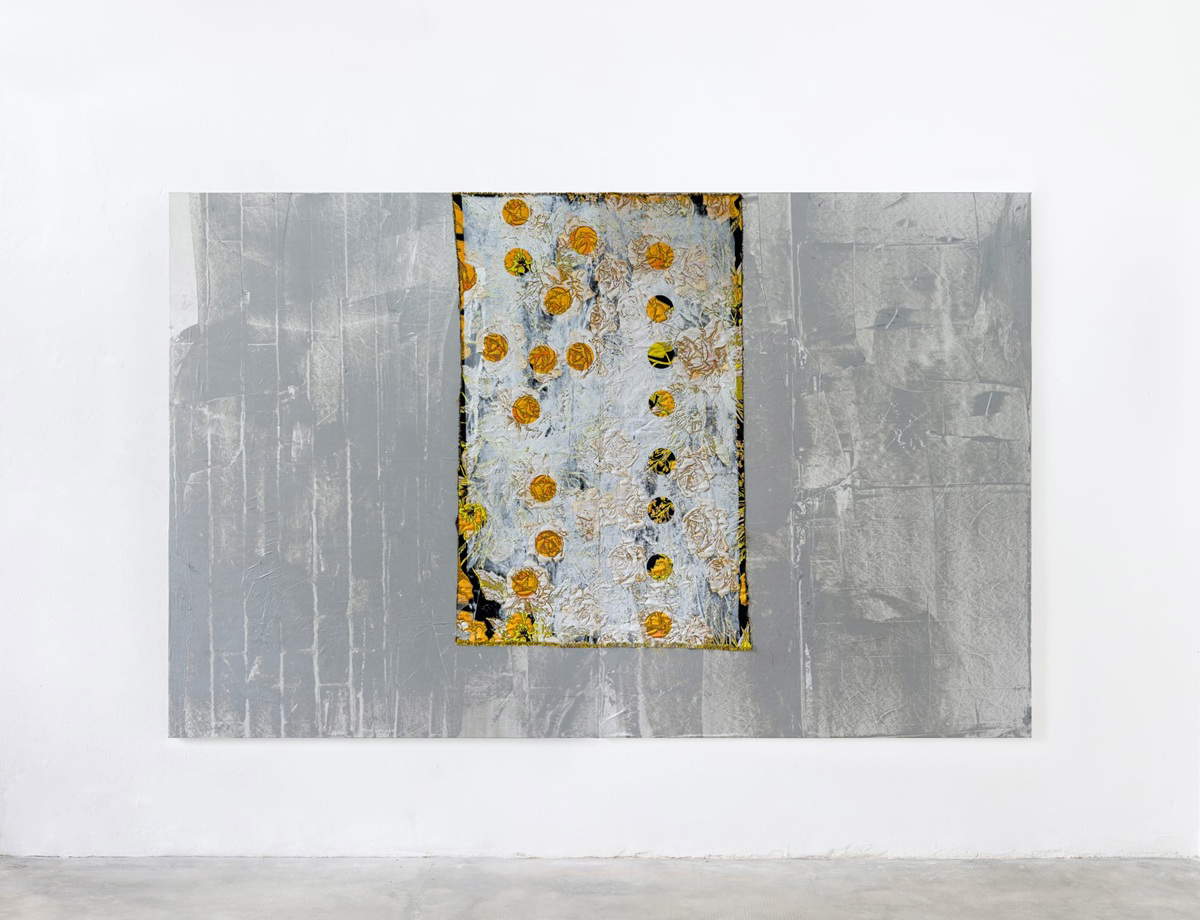
In September, from September 19, 2026 to January 10, 2027, Lorenza Longhi. Villa Delizia, curated by Michele Bertolino, marks the first solo exhibition in an Italian public institution by Lorenza Longhi (Lecco, Italy, 1991). The artist, born in Lecco and active in Zurich, investigates the role of ordinary objects and communication languages in the construction of desire in Western society. She observes consumer goods, designer furnishings and fashion textiles, unmasking the strategies by which objects are displayed and consumed. His practice resorts to do-it-yourself and imperfect techniques, with silkscreens made without a matrix and replications of design elements such as USM Haller’s modulars or the camellias typical of Chanel’s dresses through makeshift materials. In Villa Delizia, presented in the Nio wing, Longhi transforms the space by intervening on circular windows and museum apparatus, making ten large canvases with natural and synthetic fabrics in synergy with local manufactures.
Fall closes with two solo shows from Nov. 21, 2026 to March 29, 2027. The first is dedicated to Alex Ayed (Strasbourg, 1989), curated by Stefano Collicelli Cagol, in his first solo show in an Italian institution. Ayed weaves intimate and social themes through precious materials juxtaposed with salvaged elements. For the Centro Pecci, he produces site-specific works inspired by a solo voyage from Sweden to Tunis, passing along the coasts of Spain, France and Italy. The Mediterranean, with its lights, presences and organic and inorganic materials, becomes the reference context of an exhibition ecosystem that alternates high-impact works and minimal interventions, also questioning the ancient traditions of production of goods such as color.
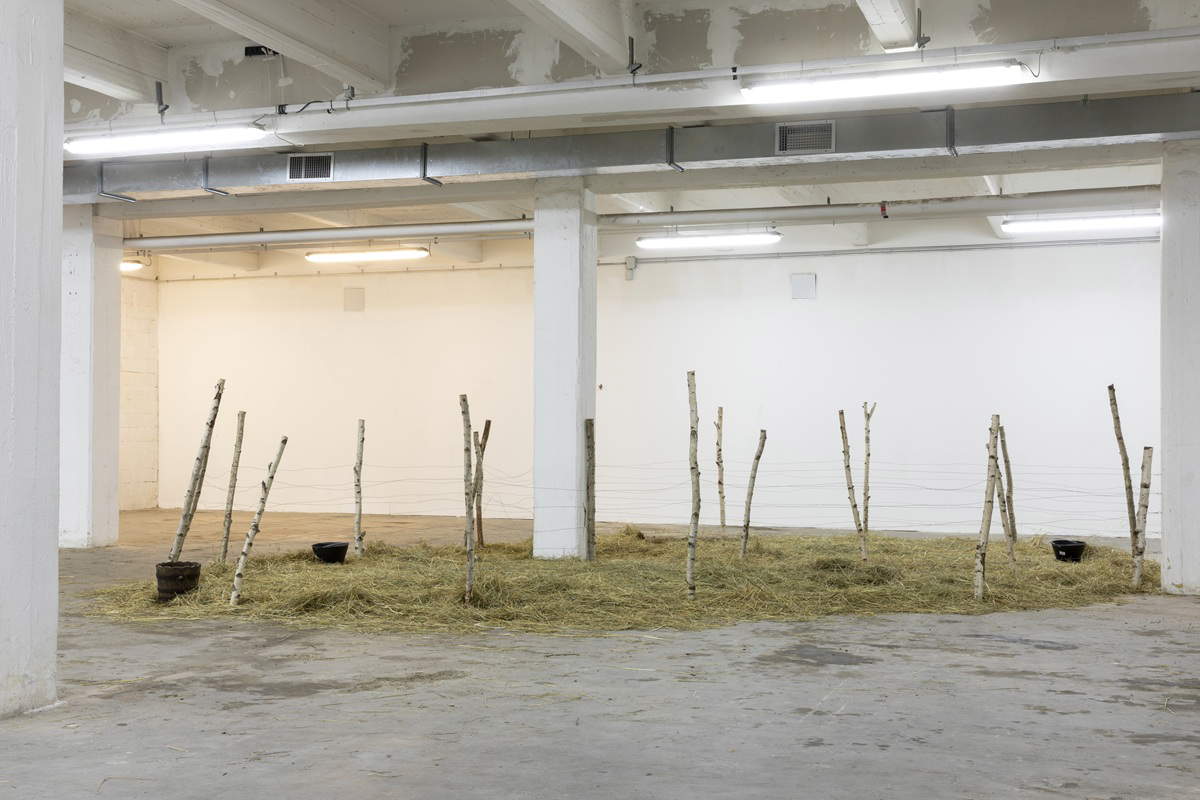
In parallel, Karen Kilimnik. Cadabra, curated by Stefano Collicelli Cagol and Michele Bertolino, traces from the 1980s to more recent productions the work of American painter Karen Kilimnik (Philadelphia, 1955). Her practice spans painting, photography, writing and assemblage, interweaving art history and popular culture, fashion and literature. Cadabra focuses on magic as the alphabet and tool of her language: an aesthetic and narrative device capable of producing autonomous and enchanted realities, in which word and image act as incantations, destabilizing visual hierarchies and interrogating the ways in which identity and desire are constructed.
The activities of Centro Pecci Night, Centro Pecci School, Centro Pecci Cinema and the Art and Wellness projects organized by the educational department also continue, confirming an institution that intends to fully inhabit the public dimension. From hand to hand it thus becomes a program that goes through exhibitions, archives, donations and reopenings, linking past and future, manufacturing and research, local communities and international horizons, in a shared path that accompanies the Pecci Center toward its 40th anniversary.
|
| Prato's Pecci Center unveils 2026 programming: here are the exhibitions |

Warning: the translation into English of the original Italian article was created using automatic tools. We undertake to review all articles, but we do not guarantee the total absence of inaccuracies in the translation due to the program. You can find the original by clicking on the ITA button. If you find any mistake,please contact us.
















 IT
IT FR
FR DE
DE ES
ES CN
CN


