





If there are different prices in the art market evidently there will be different “values.” Value is different from price, but it contributes to it along with other elements. But why doesn’t anyone talk about it? Around the market and art fairs there is an atmosphere of omertà and awe in which asking certain questions seems uncomfortable, inconvenient and embarrassing: if a work of art has no value for our lives we can do without it. As is the case with the Michelin guide in international dining, in 2022 I thought of presenting the Michelin Guide-or which, in addition to the restaurant guide of the same name, refers to one of the historic entrances of the Bologna Fair, the “Michelino” entrance. This guide, now inits 2026 edition, carries with it the hope that it will be only the first of many entries that together will be able to stimulate greater critical discussion and orient the public and collectors. In the last 30 years, contemporary art has moved out of museums and lives among us; if we do not take care of contemporary art, the worst contemporary art will take over our lives, and there will be trouble.
The price of a work of art should depend on three elements that will go into a rating from 1 to 100:
1) 80% by the artistic value of the work, which can be arguable by placing the work in relation to art history and the present. The work bears witness to modes of value useful for reading and resisting our time.
2) At 20% from the artist’s curriculum vitae, that is, the artist’s own career. The works already made, exhibitions in “important” places that have been able to highlight the artist’s value (point one).
3) To 10% from the support of the system, which can be a “broken crutch” that can play a role but must be marginal, both so as not to create imbalance in prices and so that artists do not sit on their laurels. If the support is excessive we have “public relations doping” that in the long run will intoxicate the artist himself.
Today the first parameter is taken for granted based on the third parameter, where 2-3 people can influence the second parameter. So the third parameter counts almost 100% in determining the artist’s opportunities and (assumed) value. In the long run this indeterminacy disincentivizes the purchase of contemporary to the advantage of modern and 1990s artists with more defined parameters of value and price over many years.
We will now look at some national and international artists who will be given a Rating:, the Rating: together with the second and third rating index, will determine the price for an artist’s work in the standard 50×50 cm measurements. In addition, some artists will be given 1,2 or 3 Michelino stars as an additional recognition exactly as in the restaurant business. Every six months we are going to edit and update this list.
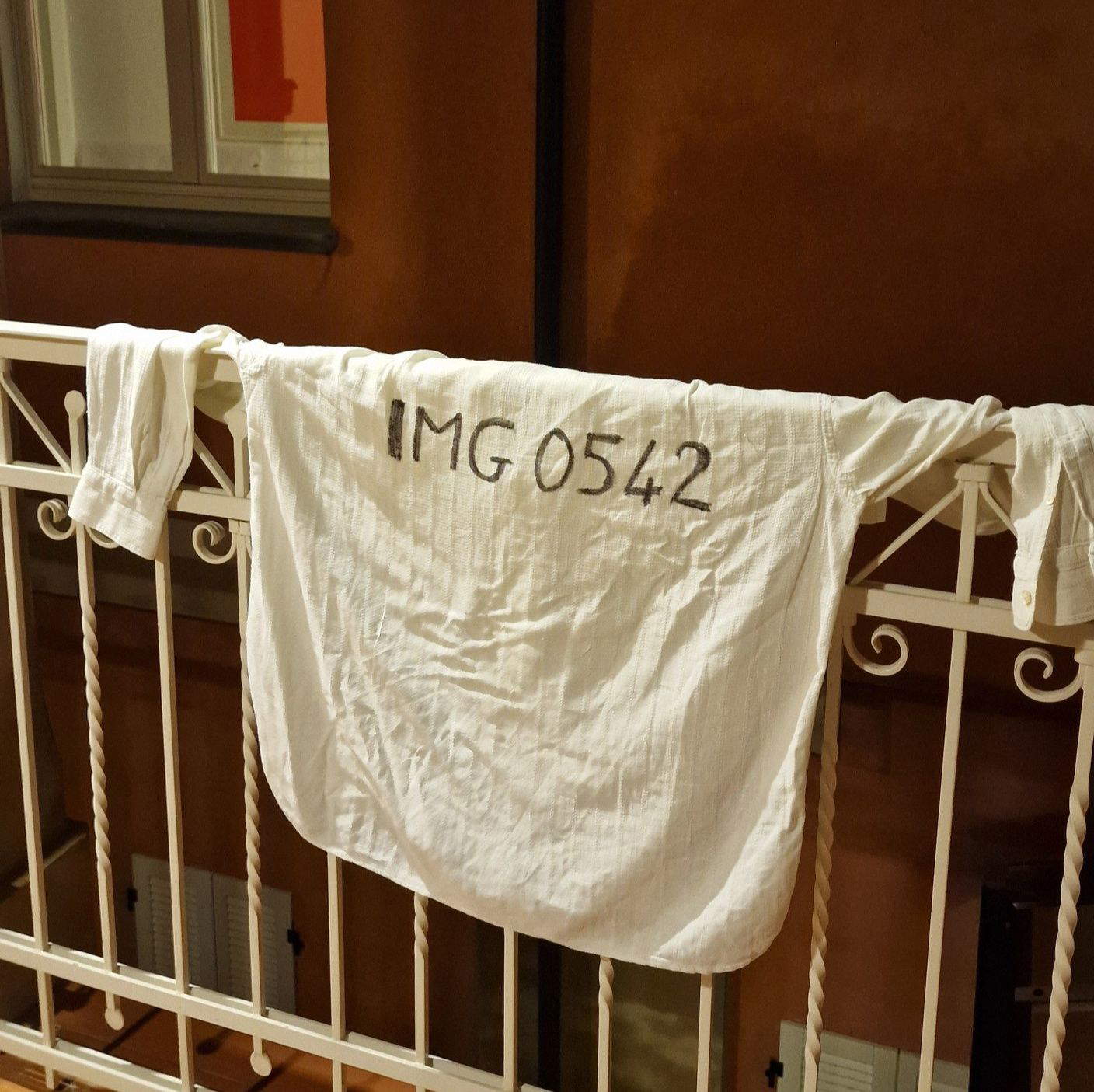
Lulua Alyahya. Still painting with a vintage and modernist flavor, Saudi but studied in London. If her name were Maria Ciccarelli we would struggle to find her in Bari’s latest gallery. Still third way, but here it seems that the exotic name compared to the Western scene practically makes the painting itself. Rating: 3.5.
Yuri Ancarani. In a few days and a few miles apart he does two solo shows, at MAMbo in Bologna and PAC in Milan. If we turn off the projectors, however, the two museums remain empty. Demonstrating the crisis of the artworks device that in Ancarani’s work finds narrative stratagems to save itself a little. Much supported by Cattelan himself a decade ago (Ancarani had become the videomaker of Cattelan’s enterprises), he manages to establish himself as an artist and director between cinema and contemporary art. The recent Atlantis (more than 100 minutes long) appears stale and slow, trying to do the “Sorrentino style” which already has quite a few problems. At other times it slips excessively into the documentary dimension, as in the film Leonardo. The help of Cattelan, who systematically proposed him in many spheres (Moma, Guggenheim, Gallery Zero, film production), certainly helped his research but it is not enough; the magic of Il Capo (2010) struggles to return. Rating: 4.5.
Giulio Alvigini. Memes and biting jokes about the art world, always on the borderline between satire and artwork. Too focused on making people laugh at problems instead of solving them, especially since only insiders laugh, often and through gritted teeth. Should develop more autonomous artwork outside institutional meme criticism. Rating: 5.5.
Giorgio Andreotta Calò. Super-supported artist in Italy who has yet to gain international recognition despite having excellent supports. He, too, suffers from the Young Indiana Jones Syndrome: cores from underground, informal works such as hourglasses eroded by water (the canvases made by Sartelli’s spiders in the 1950s), works that investigate the depths of the seas, Richard Long-like walks, and sea shells that look like archaeological finds. His Italy Pavilion is fine but still played on mournful atmospheres from digging in the depths. Rating: 4.
Francesco Arena. Young Indiana Jones syndrome referred to the academic reworking of arte povera. Perfect for an audience and market that already have the imagery of arte povera in their eyes. Too derivative. Rating: 3.5.
Ethan Assouline. Complex and poetic installations made from found objects and his own poetry, perhaps the best that can be done on the pedestal today. Some very interesting passages. Rating: 6.
Massimo Bartolini. Invited to the Italy 2024 Pavilion, too lost in Smart Relativism where anything and everything can go. Rated: 4.
Claudio Coltorti. Excellent third way. Rated: 7.
Jacopo Benassi. finds an authentic and personal temperature in photography, between Tillmans and Nan Goldin. Beautiful though repetitive and winking his superimpositions of works and photographs. He, too, totally folded into the archaeological fascination of the little market under the house. Too firm on this solution and some “faux punk” performances done inside the gallery or the pussy, bourgeois museum. Lately too repetitive with overlapping photos, in Quadriennale he goes so far as to completely hide the photo falling ruinously into the shallows of the twentieth century, with artists like Man Ray, Piero Manzoni and Christo. Rating: 5.
Riccardo Benassi. A good insight with the messages coming poetic in the visors that look like the ones on the bus.... But then more fragile and confusing projects. Should better optimize a certain attitude that could become very effective. Not good recently at Maxxi Prize with robotic dogs, too much Robocop 2.0. Rating: 4.5.
Meriem Bennani. Explores the potential of storytelling by amplifying reality through the use of fantastic imagery and humor and the blending of languages typical of YouTube videos, reality TV, documentaries, animation, and the aesthetics of big productions. A kind of magic realism that eventually becomes a “random things,” good approach but firm to a scholastic and didactic contemplation of potential. Also of Moroccan origin. If you’re from central Viterbo you don’t count. Rating: 4.5.
Luca Bertolo. Educated and playful eclecticism. Each work seems to rip off a banal reading of painting. Excellent interpreter of painting that I consider today third way effectively. Lately at the Quadriennale very opaque. Rating: 5.
Monica Bonvicini. Artist among the 4-5 Italians who have international positioning, has been proposing for years rigorous work with respect to power relations, with belts, chains and minimal atmospheres. In the last few years less in focus and reaches the three-way final for the 2022 Italian Pavilion, then won by Tosatti-Viola. He evidently resubmits this project after a few months at the Neue Nationalgalerie directed by super curator Klaus Biesenbach, exponent of a generation of curator-stars, but with weak works it cannot work. Interesting when he asks the audience to stay in handcuffs for tot time in his exhibition (but then more focus on this Santiago Sierra). In recent years he has been living off his income and has not really developed his work effectively. Rating: 5.
Chiara Camoni. Perfect example of the Young Indiana Jones Syndrome, pleasing primitive atmospheres, fairies and clay crafts. Chosen by the Ministry for the Italy 2026 Pavilion, as if today the powers-that-be wanted to say “okay women but let them do nice little decorative jobs and don’t break the bank too much.” Rating: 4.
Ludovica Carbotta. Interesting in the beginning with works for a strange idea of the city, and then the rigorous, boxed-in interventions at a group show at MAMbo. Then nice project for the 2018 Maxxi Prize, though very loaded with stuff. But then, favored probably by Patrizia Sandretto, she does the 2019 Venice Biennale and gets lost in lots of sculptural boxes, all different, like exercises in style. She moves to Spain then recently to a solo project at OGR Turin, the same environment that had supported her, and with big blackboards and experts from every field talking. Blackboards and experts from every field give the feeling of wanting to find values and every cost, and then return everything in an open dynamic, too much, where you want to include everything and its opposite. Then again Lorenzo Balbi will invite her for a solo show at MAMbo through Italian Council funds in 2024. All well and good the support to the bitter end but first one must stop and have a defined and robust work, while Ludovica still seems to be in an acerbic and academic dynamic. All these opportunities without robust work become a boomerang that crystallizes still immature paths. Rating: 5.5.
Maurizio Cattelan. Great nineties, excellent attitude, crisis from 2001 to 2018 managed as a jigger, living off his income. Masterpiece with banana in 2019. May or may not like it but mode in focus: the self-aware clueless one who solves the situation with wit and bitter irony. Rating: 7. 2 Michelino Stars.
Giulia Cenci. left to an academic and acerbic dimension first in the informal reworking then in the decomposition of the body. She, too, archaeological aesthetics, whether in “Pompeii excavation” style or post-industrial imagery. Like Tosatti and Senatore, public relations drives her to endlessly repeat weak forms that risk crystallizing and becoming a problem. Even more depotentiated recently at Palazzo Strozzi, PR doping intoxicates and ages, as if she were already 90 years old. Rating: 4.5.
Gabriel Chaile. Artist much loved by cool international curators and invited with his large traditional kilns to Cecilia Alemani’s Biennale 2022. Young Indiana Jones syndrome, which, however, is saved by a strong authenticity and original formal rendering. We would like to see more, however. Rating: 6.
Ali Cherri. Winner of the Silver Lion at the Venice Biennale 2022 as best young artist. Guess what he does? Mud figurines that look just like they belong in some archaeological museum. Super Young Indiana Jones Syndrome, even with little formal exuberance. Rating: 3.5.
Roberto Cuoghi. Recently at the Friedicianum with a solo show that does not convince. Work with little focus, many things with little incident. Also of the Zuffi generation and lost, in recent years, in a kind of archaeology (often “marine”), and then we remember his Imitatio Christi at the Italian Pavilion 2017. He too Young Indiana Jones Syndrome with works meant to intrigue as “very strange” finds. Excellent support of Clan Cattelan until moving from Galleria De Carlo to the giant Hauser and Wirth, where anything thrown in the booth at the fair takes on value and still becomes interesting. Lately very good at the Pascali Prize. Rating: 6.
Binta Diaw. Good insights that do not fall into the “Africa” rhetoric, in the reiteration however there is a risk of becoming exotic jewelry for a new devious colonialism...almost to clean the consciences towards the migration drama. The problems of a critical system that is not viable and fair are seen especially in the long run: after many years we find that we are proceeding in a desert, apart from the “usual knowns” supported to the bitter end by the system we find no real alternatives. The system after drying up the wells jumps on new exoticisms that risk turning these women artists into “exotic jewelry” for a return colonialism. The works of female artists in which the reference to their culture of belonging is evident becomes like a beautiful print on a pair of pants that we can find at Rinascente or Zara in Milan. Not only that: appreciating artists like Binta Diaw (or like Monia Ben Hamouda) also means cleaning our consciences a bit with respect to the desperate conditions of many migrants from these artists’ countries of origin. If an artist from Viterbo, Palermo or Bolzano used the spices she sees used at home to throw on her sculptures, or her hair as textures to put on the floor, it would not affect us. If Tunisian or African artists do it, here is where everything immediately becomes “interesting” in the eyes of Western curators and collectors. We are a bit like Christopher Columbus arriving on the shores of the Indies and the Americas, not realizing that we accept the Other and the Different only to the extent that we find stereotyped, “already digested” and “acceptable” works of art, and not out of any real interest in encountering another culture. Women artists themselves are slowly dragged into winking at Western culture and our own art system in an attempt to avoid unsatisfactory and wearisome work. Rating: 5.
Patrizio Di Massimo. Clever, winking painting for an international audience, a bit like Fratino. Crisp but fizzes in the long run. Rated: 5.
Chiara Enzo. Intimate and hyper realist painting. Excellent development of derivative languages of the 1900s. Not enough. Rating: 5.5.
Haris Epaminonda. Winner of the Silver Lion at the 2019 Venice Biennale as best young artist. She too elaborates codes and friezes from ancient Greece. Pure Young Indiana Jones syndrome. They are all nuanced artists from one artist, interesting that the first to go down these paths were our own Flavio Favelli and Francesco Vezzoli in the early days. Rating: 4.
Roberto Fassone. Better than the beginnings, should focus and avoid getting lost. But good attitude often able to break out of preconstituted patterns and rigid, nostalgic postures. Confused recently at the Maxxi Prize. Rating: 5.
Matteo Fato. From a painting of Asian origin and made of signs, to a more frontal painting that wants to be authentic at all costs. But this too obvious obstinacy becomes a pose that sucks the artist into the derivative of the twentieth century: how can one not think of Ligabue? And so sometimes to survive he must find small installation crutches (the crate in the exhibition, the painter’s dirty rag), so these crutches ultimately testify to the weakness of painting itself. Rating: 4.
Flavio Favelli. For more than 20 years and since unsuspected times he has been obsessively and passionately elaborating on the antiques market. Lately too repetitive and redundant with an over-exposure in Italy (he is everywhere and in any fair context) that does not find equal international visibility where he is strongly absent, it would serve to find a way to acknowledge his research internationally without repeating it excessively in Italy. Rating: 6.
Irene Fenara. Good idea to stop “poetic” moments of surveillance cameras, but needs a more diverse and perhaps less contemplative body of work. Hers is ultimately painting, good third way. Rating: 6.
Claire Fontaine. While developing an interesting conceptual action, yet in danger of becoming Smart Relativism, they remain within an elitist cultural enclosure that manages to address some issues in a limited and symbolic way. They made the inscription on Chiara Ferragni’s Dior dress “Think Free” (quote not theirs... ). All well and good, but the risk is that of a simplification that does not consider some political and social resistances: a mother who suffers violence at home may not have the opportunity to “feel free” for economic, work and social reasons. Once again, art must do deeper and more complex cultural work if it is to address certain issues, beyond the spectacular and symbolic effect, which is perfectly fine anyway. Rating: 4.
Luis Fratino. Super cool young painter of international collecting who seems to console everyone with painting about the crisis of non-pictorial work. References to Picasso and LGBTQ culture. Not enough in my opinion. Rating: 3.5.
Cyprien Gaillard. Also a promise from the international scene, and in my opinion not fulfilled. Like Cuoghi confused work on different directives and need to process ancient and modern to score. Rating: 3.5.
Ryan Gander. British conceptual artist whom I follow with great interest. Even in great eclecticism he always manages to maintain a specific temperature. Some small slips but always to be followed with interest. Rating: 7. Two Michelin Stars.
Francesco Gennari. An artist who adds something to the Arte Povera tradition and the magician-poet artist à la Gino De Dominicis; very beautiful works where there is a physical or emotional loss of control, such as Parsifal’s degeneration with flour or the white marble work that looks like two snowfalls covering his emotionality. But even he forced to present new things are in gathering places be it the gallery or the fair. Rating: 7. Michelino star.
Aldo Giannotti. Another surprise choice from MAMbo. When simplicity of line and vignette becomes an effective weapon. In works ups and downs. Rated 6.
Massimo Grimaldi. Lately he has been processing strange portraits on iPads that seem to descend from a strange artificial intelligence. But by now these imaginaries are completely anesthetized by real artificial intelligence capable of any visual virtuosity. Long gone are the days when he donated exhibition money to an Emergency hospital or where he destabilized the nature of the artwork by presenting short texts on the wall. An artist who 10-15 years ago certainly had a certain inquisitive energy that, however, today seems stranded inside the iPad, as if the use of the iPad could save her regardless. Rating: 4.5.
Carlo and Fabio Ingrassia. Interesting attitude but too stranded, too, in the conceptual and formal dynamics of the twentieth century. They have to question everything. Rated: 4.
Xie Lei. Vaguely repetitive poetic painting, Chinese artist but living in Paris (needless to say), surreal situations between figure and abstract. Photograms that make us travel a bit. Still third way, the problem is that no one travels the first two. Rating: 5.5.
Iva Lulashi. Ambiguous and languid situations involving several references in rural settings. All well and good but the risk is that this line cannot sustain its repetitiveness, as Morandi, for example, could afford. Lately too stuck in the usual dimension and temperature. Rating: 4.5.
Mira Mann. A fresh sculptural and installation dimension, a kind of three-dimensional third way, they call them cross-media settings: the risk is to slip inexorably into random things. One should aim this attitude better. Rating: 5.5.
Diego Marcon. Very sustained, he relies on cinema to create works that can attempt to save themselves by narrative device. His Ludwig, in computer graphics, first at the 2018 Maxxi Prize, then recently in 2023 at the Trussardi Foundation, is saved by virtuosity and graphic special effect; but if Ludwig becomes, for example, sculpture (as happened at Galleria Zero and Sadie Coles) he loses so much and looks like a work by Elmgreen and Dragset from thirtyyears ago; even the video in the Biennale (invited by Cecilia Alemani wife of Trussardi curator Massimiliano Gioni), looks melancholy and unmeaningful, and even here the gimmick of puppet actors is the same as the idea of director Kaufman who in 2015, and thus long before Marcon’s work, makes the film Anomalisa. Brought to the New Museum in NY by Gioni and Patrizia Sandretto in 2026. Rating: 4.
MSCHF. American collective that reinterprets 1990s capitalism and art in a dystopian and challenging way. Lately stranded too much on selling sneakers. Let’s hope for the best. Rating: 6.
Nefeli Papadimouli. Use of textiles for installations and textile sculptures that can house the person and come to life. Very polished visual impact with overly modernist suggestions (the dress taking shape in the fabric tapestry). Overly decorative dimension, a kind of crazy fashion show. Rating: 5.
Paola Pivi. Also of the Zuffi generation, and her attitude from the early days blends in, for example with her colorful bears. Good support from the Cattelan clan, ups and downs; good for example her project for Fondazione Trussardi or the catwalk recently presented in Marseille. She needs to maintain her focus more effectively. Rating: 5.
Agnes Questionmark. Very young artist with an intriguing biography who looks like Matthew Barney’s daughter or granddaughter. Interesting is her performance where she stands motionless for hours, dressed as a strange sea creature, in a shrine in downtown Milan. A symbol of a new “ggiovane” pantheism that gives pause compared to the girls of her own generation who get muddy to protest pro-climate and against the use of fossil fuels. To avoid the drift on Barney’s derivative language he must surely exaggerate and make his works more and more real and less and less representative of an imaginary. If the works descend from attitudes we those attitudes can apply them every day, if the works descend from imagery we are faced with the gadgets for their own sake of Harry Potter or the latest Marvel movie. Rating: 4.
Luis Sal. Unconventional Italian artist who has emerged in the last 10 years. He starts from a consepavity of art history, which, however, is then declined in a totally personal way with respect to the dynamics of visibility and success on YouTube. He goes beyond the usual art world circles and quality juries. And it determines its own specific attitude that manages to communicate with everyone. Perhaps a bit repetitive lately, we are waiting for a quantum leap. Lately a bit lost. Rating: 7. One Michelin Star.
Archangel Pebble. Nice reflection on the endurance of materials, best when he overdoes it to avoid the informal dribs and drabs where Burri had already burned materials. Beware of the “Hardware Syndrome” mentioned by Francesco Bonami. Recently at the Quadriennale with scenic works where the “glass that won’t break” seems more like a circus trick than something substantial. Rating: 4.5.
Tino Sehgal. True promise of international contemporary art in the last two decades. Very good until 2012, then he enters a crisis by diluting his “live only” performances and making them slip very dangerously into a form of predictable and boring dance theater. Beautiful his work recently in the Palazzo Strozzi exhibition presenting the Sandretto collection. The best piece in the collection and completely intangible and undocumentable. Rating: 7.5 (on trust). Two Michelin Stars.
Marinella Senatore. An artist who declares participatory, political and feminist instances in works and projects that do not contain these instances, but are merely predictable and elementary forms of “pop art” such as colorful luminaries and colorful parties. She, too, relies on PR doping and storytelling, supported by curators and insiders, to give value to her works and not show us what they actually are. Rating: 3.5.
Ser Serpas. Artist born in 1995 in Los Angeles integrates painting with sculptures that rework the ready-made. A specific attitude emerges in both paintings and sculptures: a kind of brazen and sometimes brutal intimacy. Interesting. Rating: 5.
Michael E. Smith. Artist I didn’t appreciate much but have come to appreciate. The ready-made becomes complicated and takes on a strong environmental connotation, playing and dialoguing with space. This results in a specific attitude and temperature capable of training our gaze with small slips. Rating: 6.5. One Michelin Star.
Eugenio Tibaldi. Great work on the suburbs, formalized with good formal ability. Also lately bent on vintage and antique market processing. Could do more by removing that constant “vintage” reference and stepping out of a certain purely decorative comfort zone. Rating: 4.5.
Gian Maria Tosatti. After the intense post-Covid public relations doping he remains anchored to just Lia Rumma Gallery and curator Eugenio Viola. An overly folded attitude on vintage and poor art, too mannerist and derivative. Slips into easy set-pieces bloated with rhetoric. Rating: 4.
Patrick Tuttofuoco. Of the Zuffi generation, he loses over the years the energy and vitality with which we knew him in his early days, even with the big colored balls to push inside Massimiliano Gioni’s Zona in the “flying” Italian Pavilion in 2003. He used to live in Berlin, now back in Italy with good public relations support with which he won a series of bids where he put neon works of arms folded to recall infinity and hands moving. High risk street furniture and evolved Ikea for the more conventional works, now folded into easy colorful formalist elaboration. Rating: 4.
Nico Vascellari. An artist I have always been very critical of for his overexposure in Italy and for a language that seemed derivative of some John Bock-meets-provincial punk concertino atmospheres. Actually after his departure from the system he manages to define his own independent way (concerts in houses during Covid, pop up stores in Rome and Milan). Very good when he detects a man-animal tension, less good when he makes the revival of the early years too derivative compared to the 1990s. Today he seems to return to the system with works like Falena (presented at Maxxi and Triennale) and that leave something to be desired compared to the specific energy he gave us a glimpse of. Well the video in Florence where he flies anesthetized and well the performance Alessio. What is needed for him now is the international scene and not continuing to grind out opportunities in Italy and that can serve others. Rating: 6.
Francesco Vezzoli. For more than 20 years and since unsuspected times of obsessive and passionate elaboration of vintage glam and lately authentic archaeological finds. He is not “my cup of tea,” but I really appreciate his obsession, which manages to find links to the contemporary. His latest exhibition in Rome at Palazzo delle Esposizioni was very effective in this regard. Rating: 6. Michelin star.
Danh Vo. international progenitor of the Young Indiana Jones Syndrome, archaeological elaboration of his own experience with pieces of authentic archaeology and other good formal solutions. Rating: 6.
Jala Wahid. Slightly delusional interior design. A kind of crazy pop trash that however can’t get over the shoals of everything that climbs the pedestal today, still third way but looking for crutches out of the picture. Rating: 3.5.
Xiyadie. Self-taught artist living in Beijing’s gay subculture. Scraps traditional Chinese paper to create erotic fantasies. Hostage to the tastes of the Grandparents Parents Foundation veers toward Young Indiana Jones Syndrome, still third way. Rating: 4.
Italo Zuffi. Perhaps the most significant artist, along with Vezzoli, of his generation. Excellent idea of MAMbo for his recent solo show. He finds his own temperature that restores the eclecticism of the late 1990s. Rating: 6.5. Michelino Star.

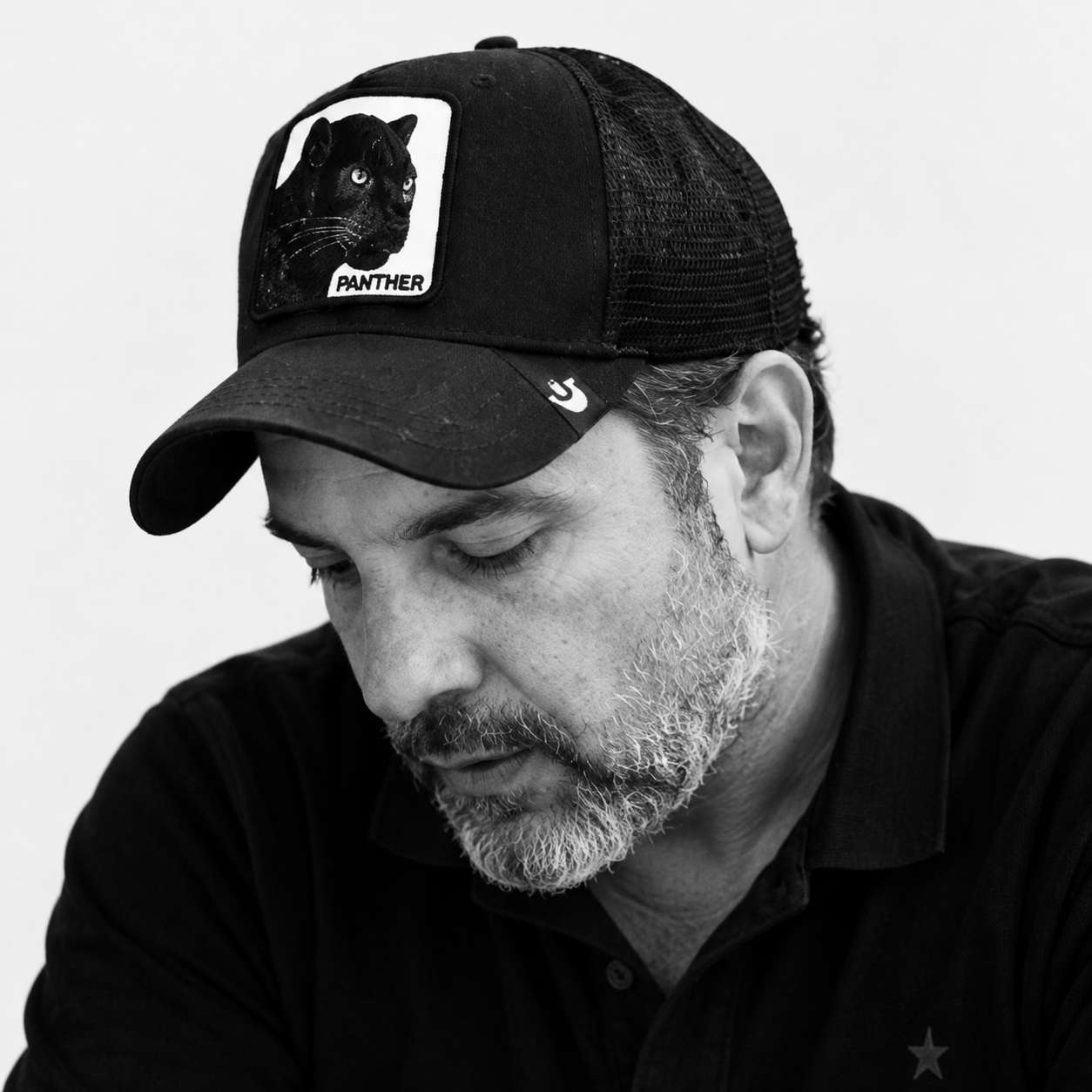
The author of this article: Luca Rossi
“Luca Rossi" è un nome di fantasia in cui idealmente convergono tutti i ruoli del sistema dell'arte: artista, critico, curatore, blogger e osservatore indipendente. È stato definito da Fabio Cavallucci “la personalità artistica più interessante d'Italia”. Dal 2009, “Luca Rossi”, collettivo aperto e figura controversa nel sistema artistico, cerca di stimolare quotidianamente un dibattito più critico nell'ambito dell'arte contemporanea, intesa come materia capace di rivestire un ruolo fondamentale nel nostro presente. Dalle sue riflessioni critiche, ampiamente diffuse, sue le definizioni di “Ikea evoluta”, “Sindrome del Giovane Indiana Jones” e “Nonni Genitori Foundation”, è nato un progetto artistico non convenzionale, che comprende anche attività di divulgazione e formazione, culminate nel 2016 con la creazione della Luca Rossi Art Academy & Coaching (documenta.live). Nel febbraio 2026, un Hidden Work di Luca Rossi è entrato nel nuovo percorso espositivo di Osteria Francescana di Massimo Bottura, segnando un ulteriore sviluppo del progetto e della ricerca intorno agli Hidden Works. Nel 2014 Giacinto Di Pietrantonio, in un’intervista, definì Luca Rossi la promessa futura dell'arte contemporanea, paragonandolo a ciò che Vanessa Beecroft avrebbe potuto essere negli anni Novanta. Alcuni “nodi critici” sviluppati nel corso degli anni da Luca Rossi sono entrati a far parte del linguaggio dell'arte italiana e hanno contribuito a cambiare la prospettiva e la visione di molte persone, dentro e fuori il settore. Nel 2014, la celebre critica d'arte Angela Vettese dichiarò che, dopo aver letto i testi di Luca Rossi, aveva deciso di non dedicarsi più alla pratica artistica, ma esclusivamente alla teoria.Warning: the translation into English of the original Italian article was created using automatic tools. We undertake to review all articles, but we do not guarantee the total absence of inaccuracies in the translation due to the program. You can find the original by clicking on the ITA button. If you find any mistake,please contact us.




















 IT
IT FR
FR DE
DE ES
ES CN
CN


