








The Uffizi Galleries is inaugurating the third edition of Cattedra Uffizi with a lecture series entrusted to medievalist historian Franco Cardini. The course, titled Florence, Tuscany, the Orient, will be held from Feb. 27 to May 29, 2026 in the Magliabechiana Library of the Florentine museum, with appointments every Friday from 4:45 to 5:45 p.m. Admission is free while places are available.
The project is part of a journey that began in 2024 with lectures by curator of classical antiquities Fabrizio Paolucci and continued last year with a cycle by philosopher Giorgio Agamben. With Cardini, the review takes on an art-historical slant that aims to investigate the role of Florence and Tuscany in the development and spread of Orientalist culture in Italy and beyond national borders, along an extended chronological span from the Middle Ages to the contemporary age. For the construction of the cycle, Cardini relied on the iconological advice of Maria Gloria Roselli. The course consists of twelve conversations that address the relationship between Florence and the East from a long-term perspective. The approach aims to overcome the rigid opposition between East and West, considered not as static and alternative blocks, but as dynamic, stratified and conventional cultural categories. The stated goal is to restore the complexity of a relationship marked by mutual exchanges, conflicts, mediations and symbolic projections, avoiding both exoticism and ideological simplification.
“We would like to thank historian Franco Cardini infinitely, who brings his great authority to the Uffizi Chair with this enlightening course on Florence’s centuries-old role as a crossroads of cultures in the hive of global history,” emphasizes Uffizi Galleries Director Simone Verde.
“Florence, Tuscany, the East: it looks like a triangle drawn by Destiny,” says historian Franco Cardini. “From the Pisan Daiberto, Latin patriarch of Jerusalem in the aftermath of the First Crusade, to the Florentine Dante Alighieri, who paid homage to Saladin, to the Lucchese Giacomo Puccini who rewrote the ancient Chinese fable of Princess Turandot. At the Uffizi and elsewhere in our Museums this link is richly witnessed: the Medici collections are proof of this.”
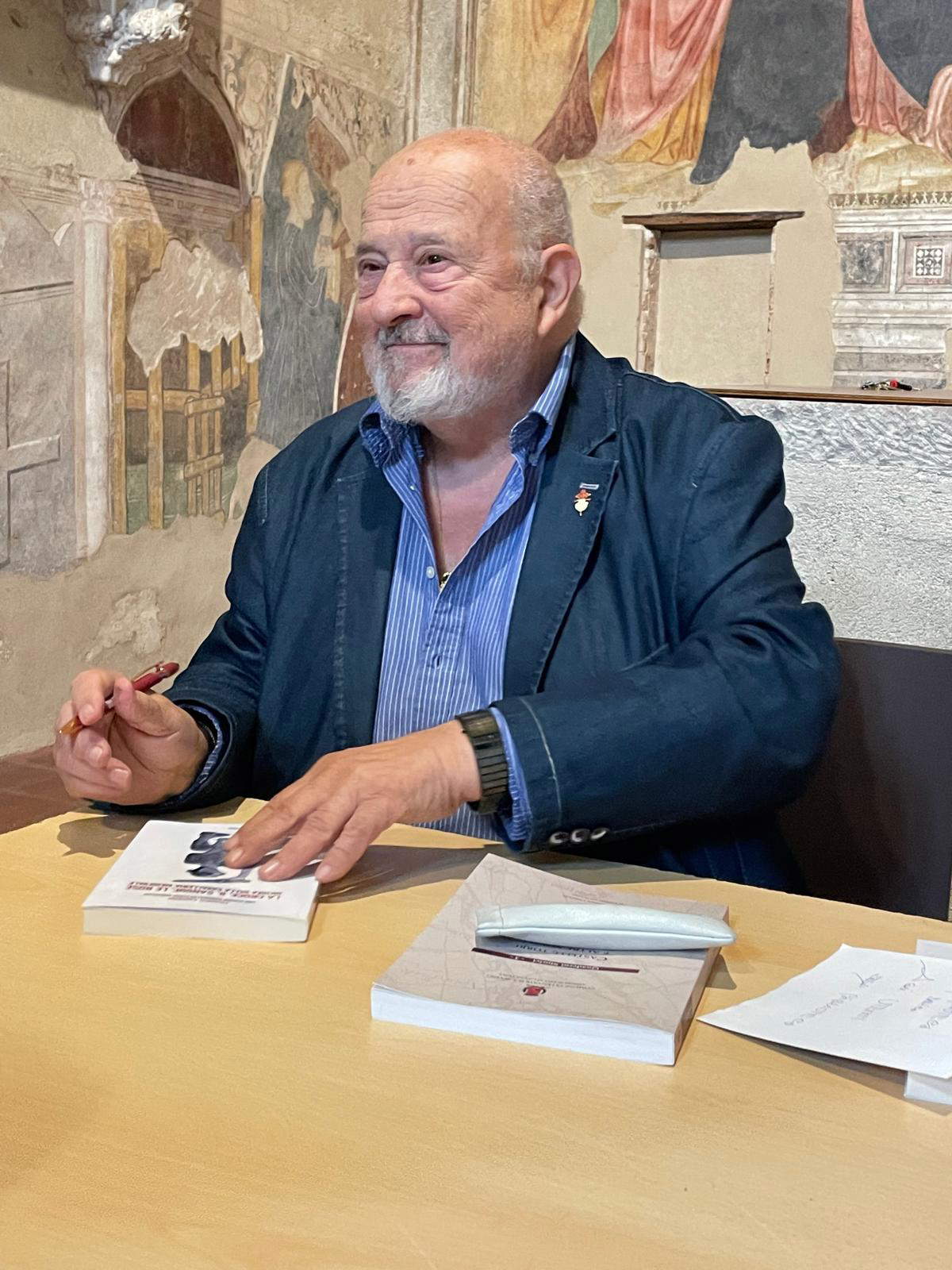
The itinerary opens with an invitation to view urban space and museum collections through an oriental and Orientalist lens. The first conversation, scheduled for Feb. 27, 2026, offers a reflection on the theme of the gaze and imagination, with a reference to the “dialogue between statues” in Piazza della Signoria and Tuscan museums. The focus is on the ways in which the city has constructed images of the Orient over time, integrating them into its own symbolic and material fabric. The second lecture, on March 6, is devoted to Pisa as the place where Tuscan Orientalism got its start, while on March 13 the theme shifts to medieval “Florentine myths.” On March 20, the analysis concerns Florence between the two and fourteenth centuries and its relations with Byzantium, Mamluk Egypt and the Mediterranean. Ties with the Eastern world through networks of merchants, missionaries and pilgrims, the subject of the fifth conversation on March 27, emerge at this stage, and narratives interweaving history, legend and civic memory are outlined.
The cycle continues on April 10 with a reflection on Florence as a “new seafaring power,” before addressing the role of the early Medici and the theme of the crusade on April 17. The transition to the Age of Discovery and the redefinition of geographical and cultural horizons are the focus of the eighth conversation on April 24. Ample space is given to the Renaissance as a season of collecting and systematization of knowledge. The ninth conversation, on May 8, analyzes the Medici collections and the construction of cultural canons that include objects and knowledge of Eastern origin. Eastern typography and the presence of visitors, ambassadors and cultural mediators in Florence are also included in this perspective.
The lectures on May 15 and 22 take a more concrete and analytical slant. The tenth talk offers examples related to textiles, carpets, ceramics, furnishings and clothing as tangible evidence of exchanges, appropriations and adaptations. The eleventh addresses the topic of weapons and metals “domaschina-style” and offers nods to collections held in Florentine museums, including the Museo Nazionale del Bargello and the Stibbert Museum, as well as other city collections. The last talk, scheduled for May 29, follows the transformations from the Medici age to the Habsburg-Lorraine, from the Savoy Kingdom to the Republic, dwelling on episodes in 19th-century and post-unification Florence and the consolidation of orientalism as a discipline and cultural practice.
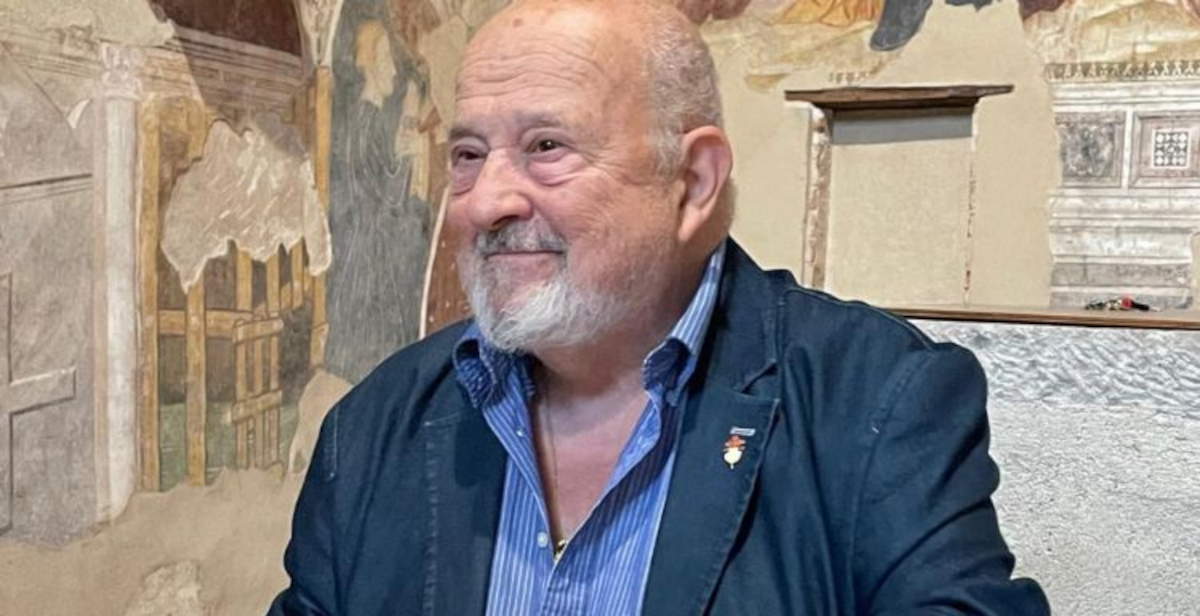 |
| Cardini at the Uffizi: twelve lectures on Florence between East and West |

Warning: the translation into English of the original Italian article was created using automatic tools. We undertake to review all articles, but we do not guarantee the total absence of inaccuracies in the translation due to the program. You can find the original by clicking on the ITA button. If you find any mistake,please contact us.




















 IT
IT FR
FR DE
DE ES
ES CN
CN