




by Noemi Capoccia 07/01/2026



Categories: Archaeology / Disclaimer
In the course of the third tranche of work begun in 2025 on the facades of the Hôtel-Dieu in Toulouse, a walled mullioned window, most likely dating back to the 12th century, has emerged, restoring architectural and wooden elements of rare preservation.

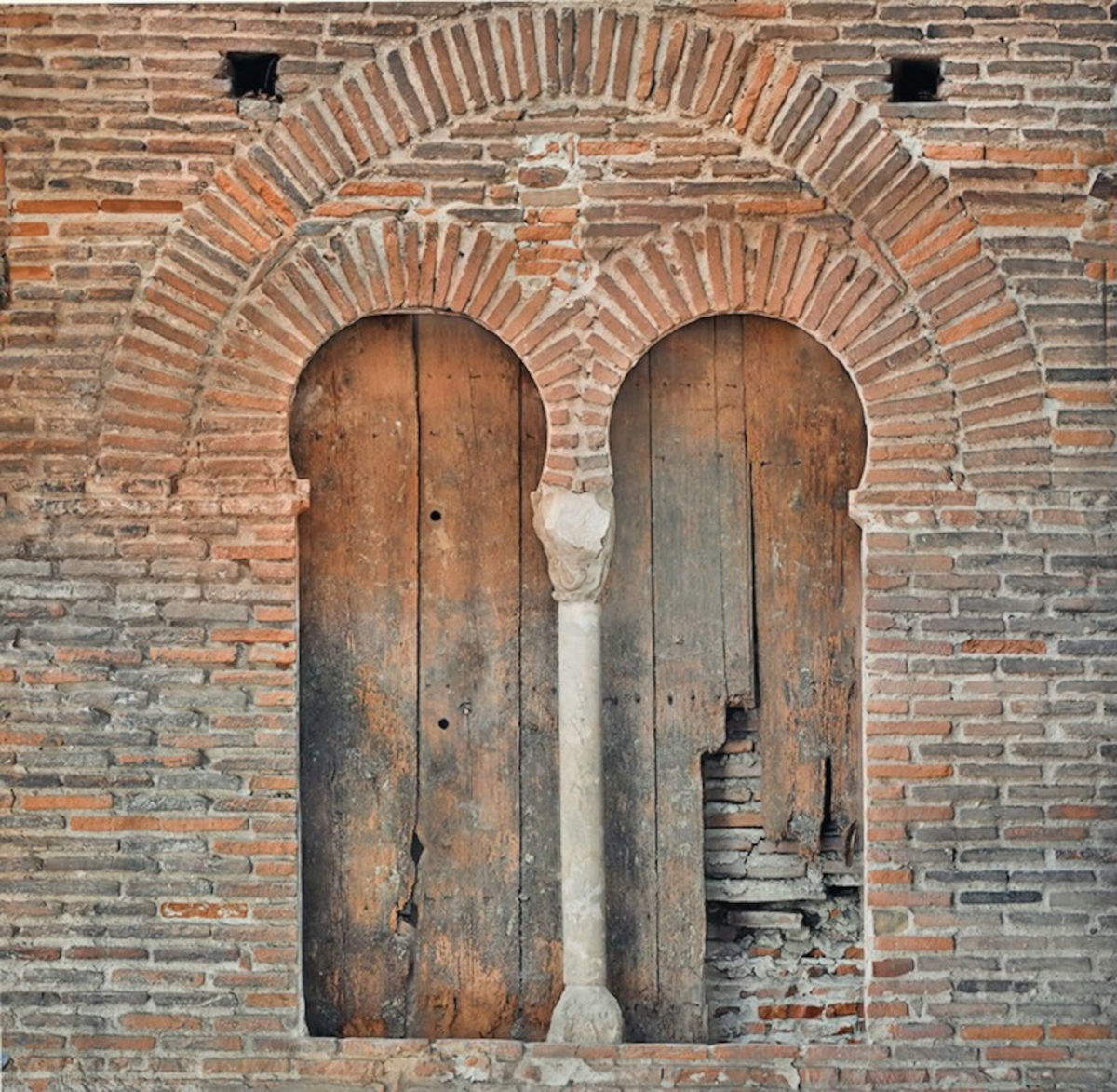
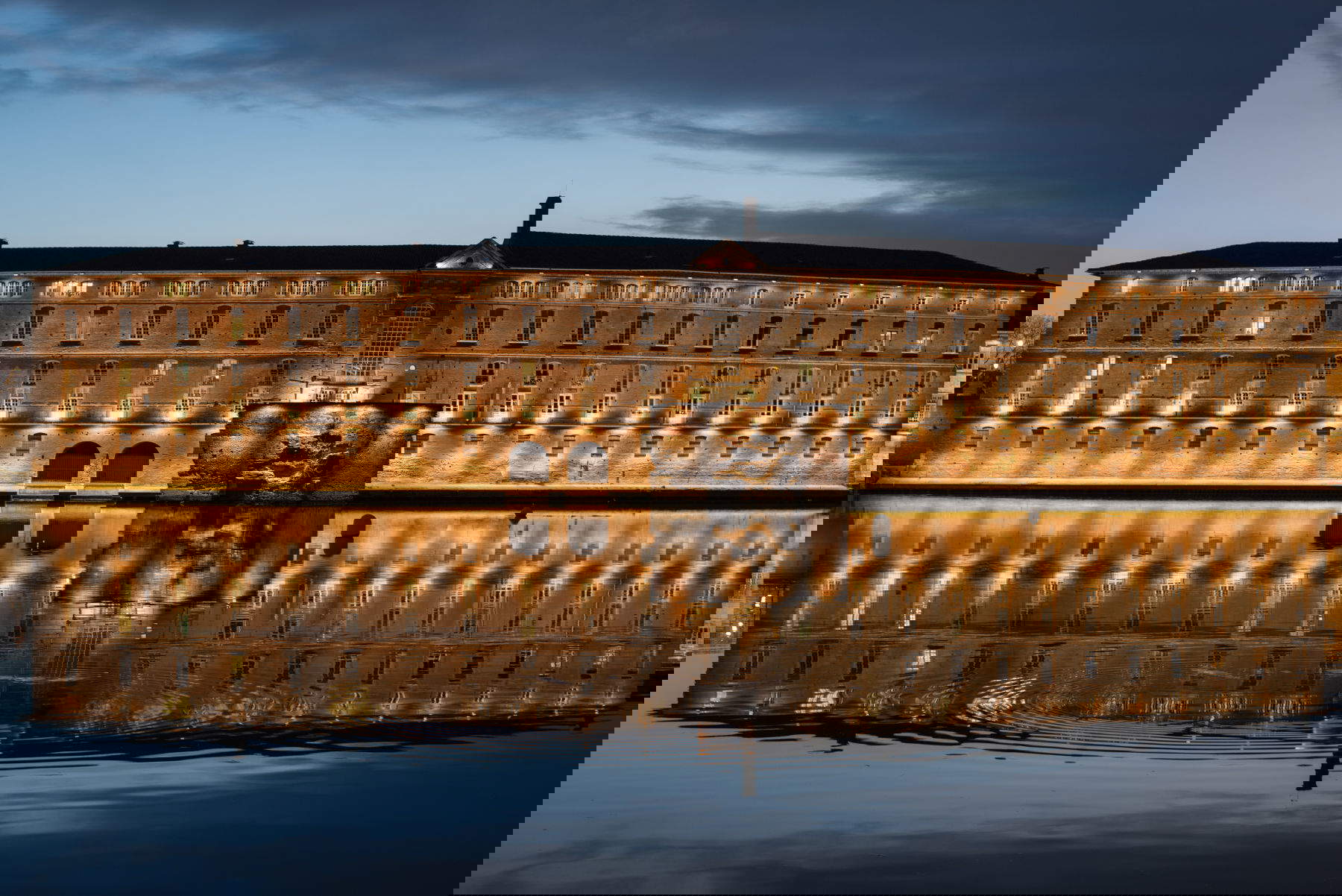
In the context of the restoration campaigns of the facades of theHôtel-Dieu in Toulouse , France, overlooking the Garonne River and started in 2023, the third tranche of the work, which began in 2025, revealed a remarkable archaeological discovery. The work involved one of the facades facing a small courtyard adjacent to the building’s court of honor, where a mullioned window ( a window composed of two separate openings) was identified, which can be traced back to the 12th century in terms of architectural type. As the website of theUniversity Hospital of Toulouse, Centre Hospitalier Universitaire (CHU), reports, the presence of the double window was already legible in the stratigraphy of the medieval facade of the Hôtel-Dieu, corresponding to the area originally occupied by the medieval chapel. According to the hypotheses put forward by scholars, the window would have been plugged during the construction of the perpendicular wing of the complex, which began in 1674, an intervention that considerably altered the layout of the building.
The operations to open the window uncovered a marble column complete with base and carved capital, an architectural element consistent with the function and chronology of the context. The greatest surprise, however, came from the discovery of two large woodenshutters, hitherto hidden, at least 2.20 meters high and about 90 centimeters wide, an unexpected find for an opening of this type and in a state of preservation that allows further study. The wooden shutters necessarily predate the 17th century and may date as far back as the 12th century.


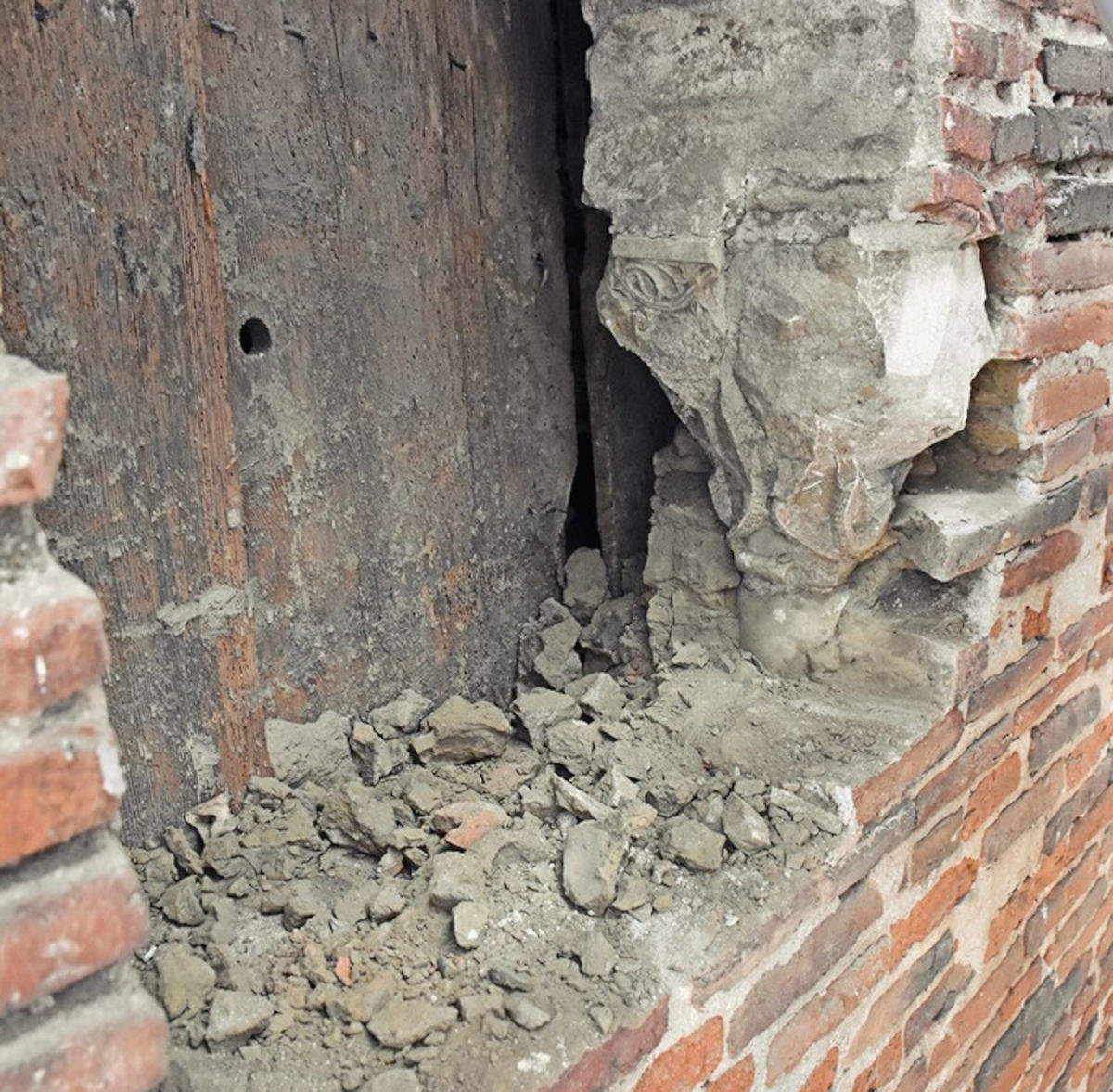
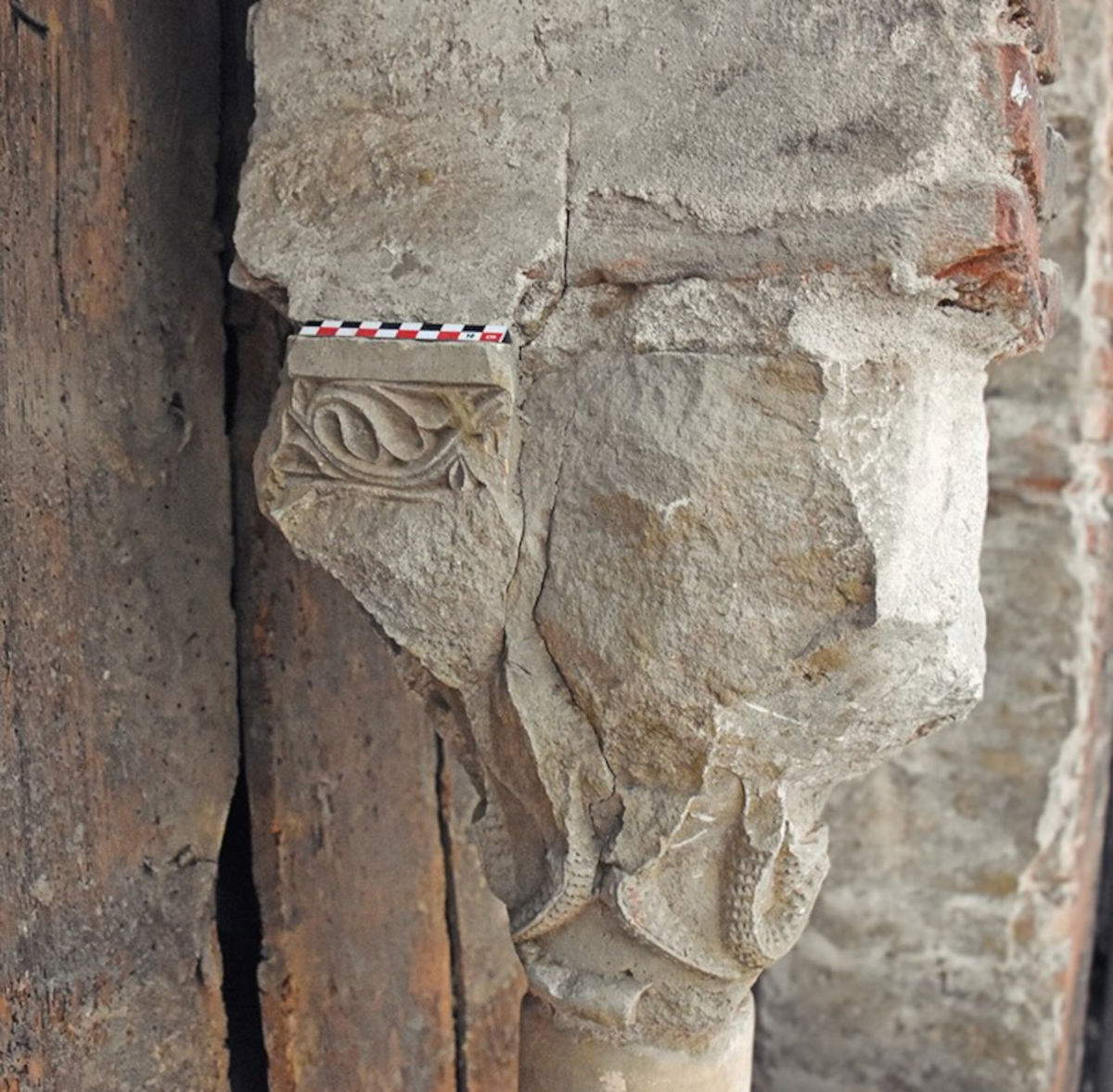
Should this dating be confirmed by ongoing scientific analysis, the discovery, already relevant from an archaeological and historical point of view, would take on an entirely exceptional character in the panorama of medieval architectural evidence preserved in situ. In order to clarify the chronology and characteristics of the materials, samples were taken from the wood of the shutters in order to determine its essence. The samples will undergo a radiocarbon study to establish their dating. The analyses were entrusted to an anthracologist from the Hadès Institute of Archaeological Investigations, who specializes in the study of wooden materials from archaeological contexts.
In parallel, brick and mortar samples were taken from different parts of the wall elevations. These samples were sent to the Archéosciences laboratory in Bordeaux, where they will be analyzed to understand the building’s construction phases and the transformations it underwent over the centuries, contributing to a more precise reading of the complex architectural history of the Hôtel-Dieu. Sudden exposure to light, temperature variations, and weathering could have accelerated the degradation of materials, particularly the wooden elements. The double window was therefore buffered using specific materials designed to ensure the stabilization and preservation of these fragile elements until further study or enhancement could be carried out. Behind the shutters, however, no secret rooms or hidden storage emerged. The twin window is also found to be bricked up on the interior side, an intervention carried out when the second chapel of the Hôtel-Dieu was built and entered in 1863, which the opening directly faces. However, the discovery contributes to a better understanding of the medieval phases of the complex and the architectural transformations that have marked its long history.
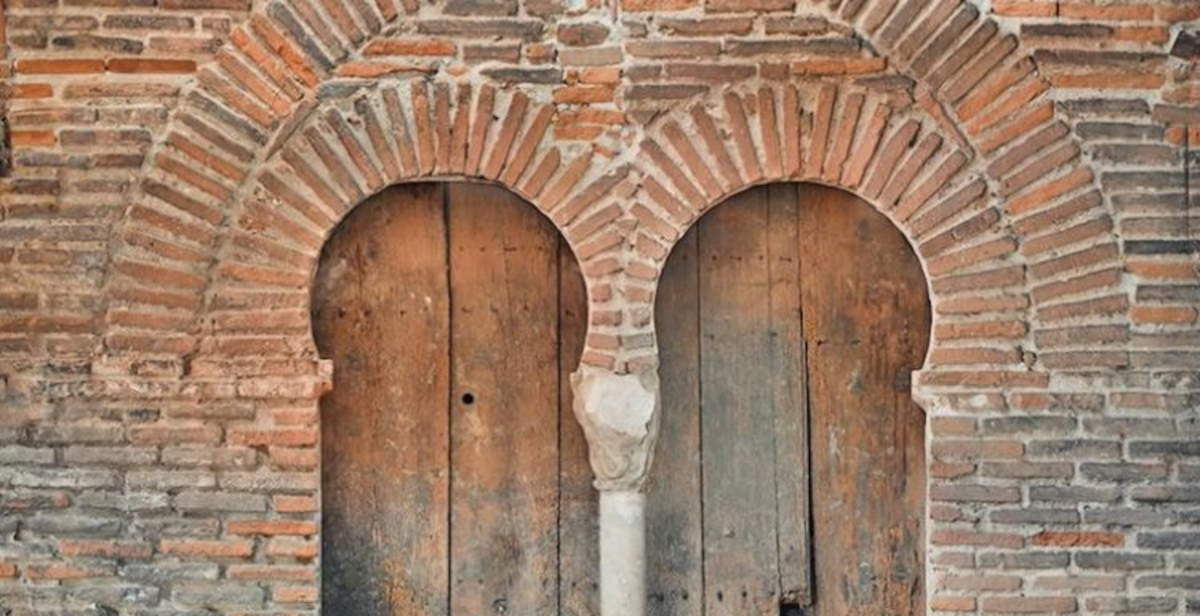 |
| Restorations at Hôtel-Dieu in Toulouse, France, unearth a walled medieval mullioned window |
Warning: the translation into English of the original Italian article was created using automatic tools. We undertake to review all articles, but we do not guarantee the total absence of inaccuracies in the translation due to the program. You can find the original by clicking on the ITA button. If you find any mistake,please contact us.