





In order to enter the ascetic universe of Bartolomeo Cesi it is necessary to abandon on the threshold any sort of prejudice connected with the times and places in which he painted, it is necessary to clear one’s mind of any preconception about the arts of the Counter-Reformation, at least as it has always always been hastily explained to us in school or by some listless guidebook, it is necessary to overcome the fixations with regard to a painting that, by its mere character of devout ornament, is wont to evoke ideas of dutiful, monotonous, repetitive observance. Ideas, however, that often clash with the force of images and end up succumbing: and Bartolomeo Cesi unquestionably figures among those painters capable of mortifying any obstinate preclusion. A discontinuous painter: sometimes, looking at some of his paired things, one almost seems to see two different artists. That is to say, on the one hand, a visionary capable of a mysticism solidly anchored to pieces of reality, and on the other, a craftsman who did not dare to unhinge those conventions that even when he was inspired, he knew how to break with supreme ease. However, he was not helped by his lack of constancy, despite the fact that he can hardly be called an unknown painter or one of little critical fortune. Highly esteemed during his lifetime, present in many art writings of the seventeenth century (Carlo Cesare Malvasia also dedicated a Life to him), cited by Luigi Lanzi as a painter endowed with a “manner that satisfies, pleases, and enamors.”, Cesi experienced a certain disinterest only between the late nineteenth and early twentieth centuries, when all Counter-Reformation painting was looked upon with a certain diffidence, if not open hostility. However, it cannot be said that there was disinterest in it. Alberto Graziani, the brilliant pupil of Roberto Longhi who died when he was only 27 years old and thus prematurely snatched from a surely successful career, had dedicated his graduation thesis to Bartolomeo Cesi, it was 1939, and had described him as an “original, unstable and conscientious” painter, three adjectives so sharp, so surgical that, without further additions, they would be sufficient to describe one of the most singular inventors of worlds of his time.
However, one should not be surprised to learn that no exhibition had ever been dedicated to him, and that it took the valuable initiative of the Museo Civico Medievale in Bologna to fill the gap, with a review, the first monographic exhibition on Bartolomeo Cesi, with a title of rare evocative power(Bartolomeo Cesi. Painting of Silence in the Age of the Carracci) and curated by Vera Fortunati, a student of Francesco Arcangeli and a very precise scholar of sixteenth-century Emilia. It is an exhibition with a solid scientific structure, with an animated scansion, of limited dimensions and yet capable of offering, strengthened also by detailed yet unobtrusive apparatuses, a very articulate analysis on Bartolomeo Cesi. Fortunati avoided the trap of a total exhibition and concentrated on the most prosperous fifteen years (more or less) of Cesi’s career, when the artist was between thirty and forty years old, in a state of grace, and engaged “in a solitary and courageous dialogue with theinnovative naturalistic experimentalism of Carracci’s contemporaries,” the curator explains, “and with a personal and highly original reworking” he was able to achieve “a painting that creates tangible realities through ascending to the highest degrees of mystical contemplation.” It is an art that germinated in the Bologna of Cardinal Gabriele Paleotti, who shortly before, in 1582, had published the Discorso intorno alle immagini sacre e profane, one of the most historiographically debated writings of the Counter-Reformation: a treatise, divided into five books (although only two were completed), which sought to translate into practical and theoretical principles the guidelines that the post-Tridentine Catholic Church had established for the use of images in sacred art. Cesi can be considered one of Paleotti’s artists, if one can say so, since he was immediately employed by the cardinal in his project to renew sacred images: and when we say “employed,” we mean the term in its literal sense, since Cesi was among the painters involved in the construction site of St. Peter’s Cathedral in Bologna promoted by Paleotti, where a decorative apparatus was also planned with an iconographic program conceived essentially as a visual catechesis, as a kind of translation in images of the Catholic Creed, with the individual parts of the church’s decoration that would explain an article of faith. Cesi’s fresco, to whom was entrusted the scene with St. Peter walking to meet Christ on the waters, has not been preserved, but the exhibition at the Museo Civico Medievale in Bologna restores with portentous clarity that cultural temperament in which artists found themselves painting not so much on the basis of norms, prohibitions and prescriptions, but rather on the basis of a “conversation,” as understood by Paolo Prodi who was the author of one of the most innovative interpretations of the Dialogue, with a cardinal who, while aware that art had by then become a weapon of mass communication (and therefore well aware of one of what would become the foundations of propaganda in the centuries to come: an artist will be all the more effective the more he feels involved), at the same time did not intend to provide prescriptions of a formal nature.
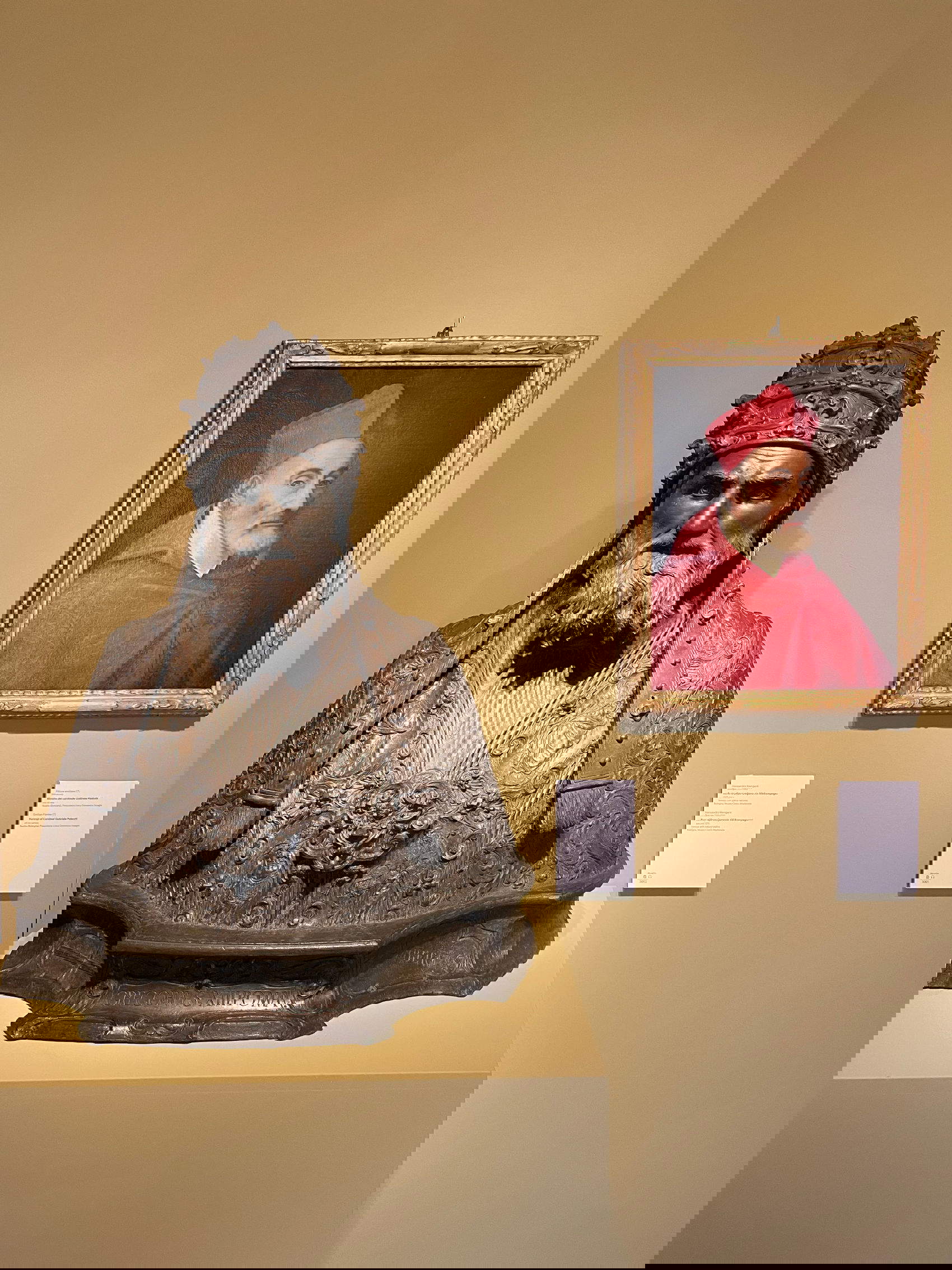
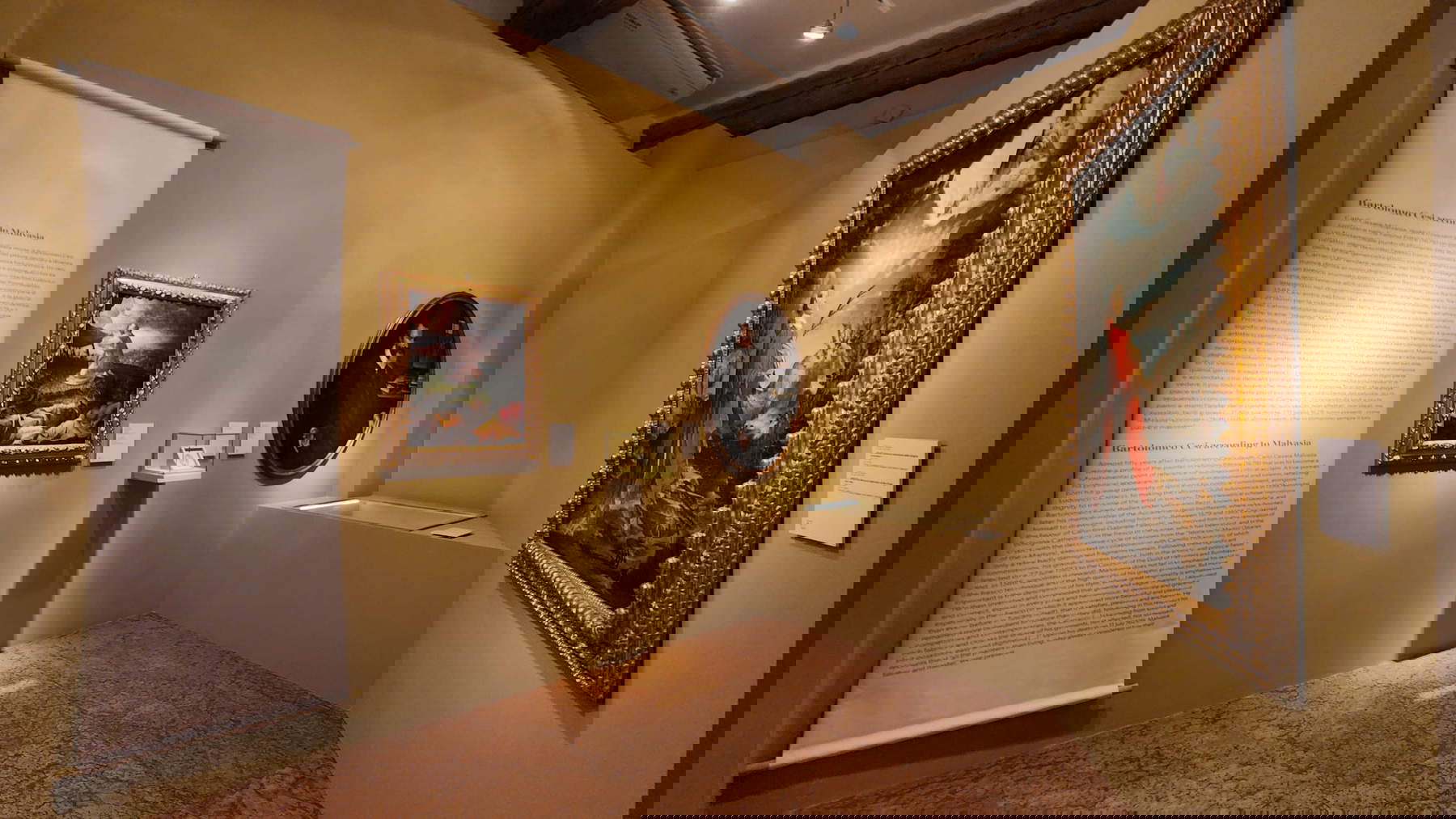
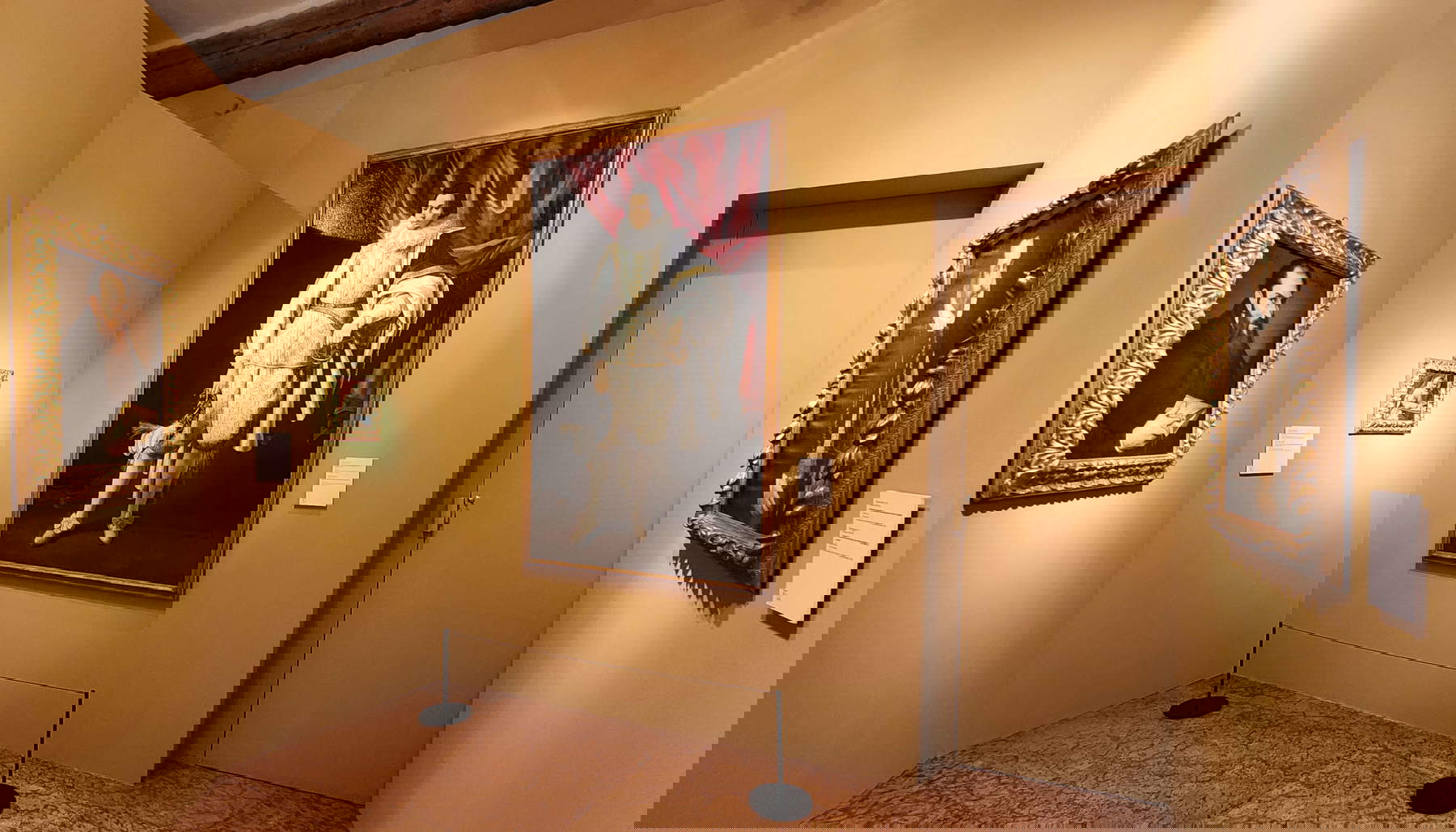
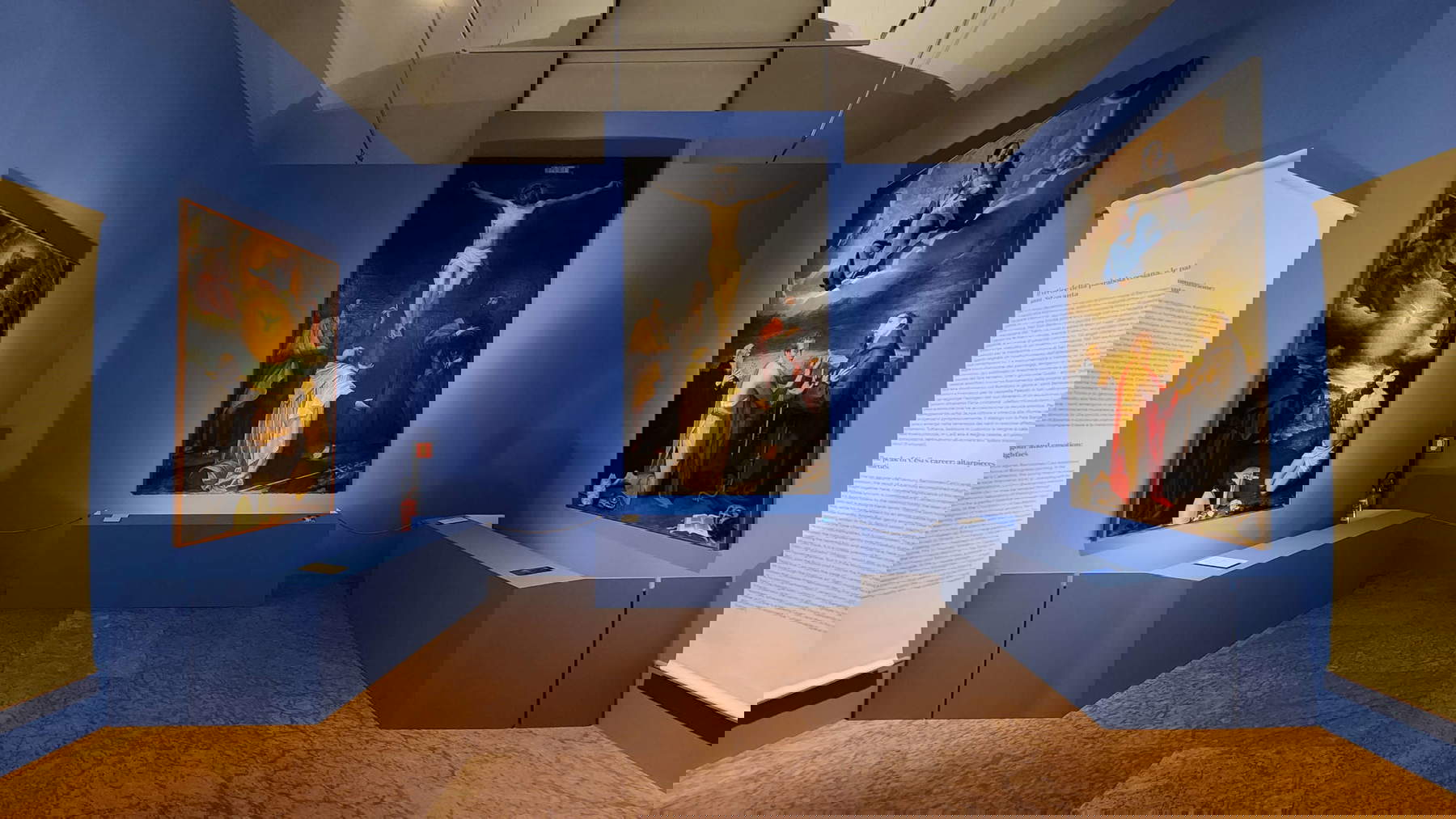
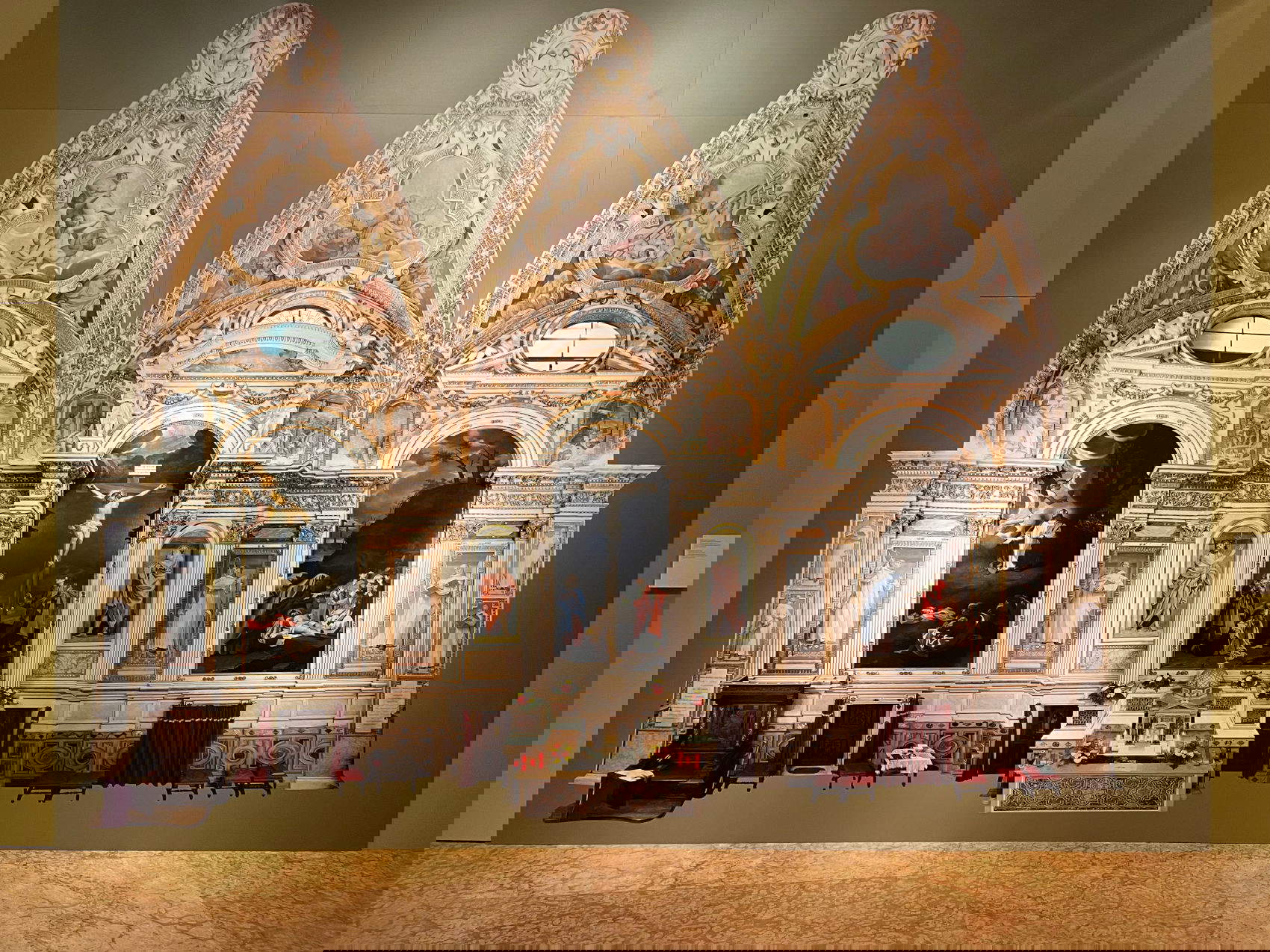
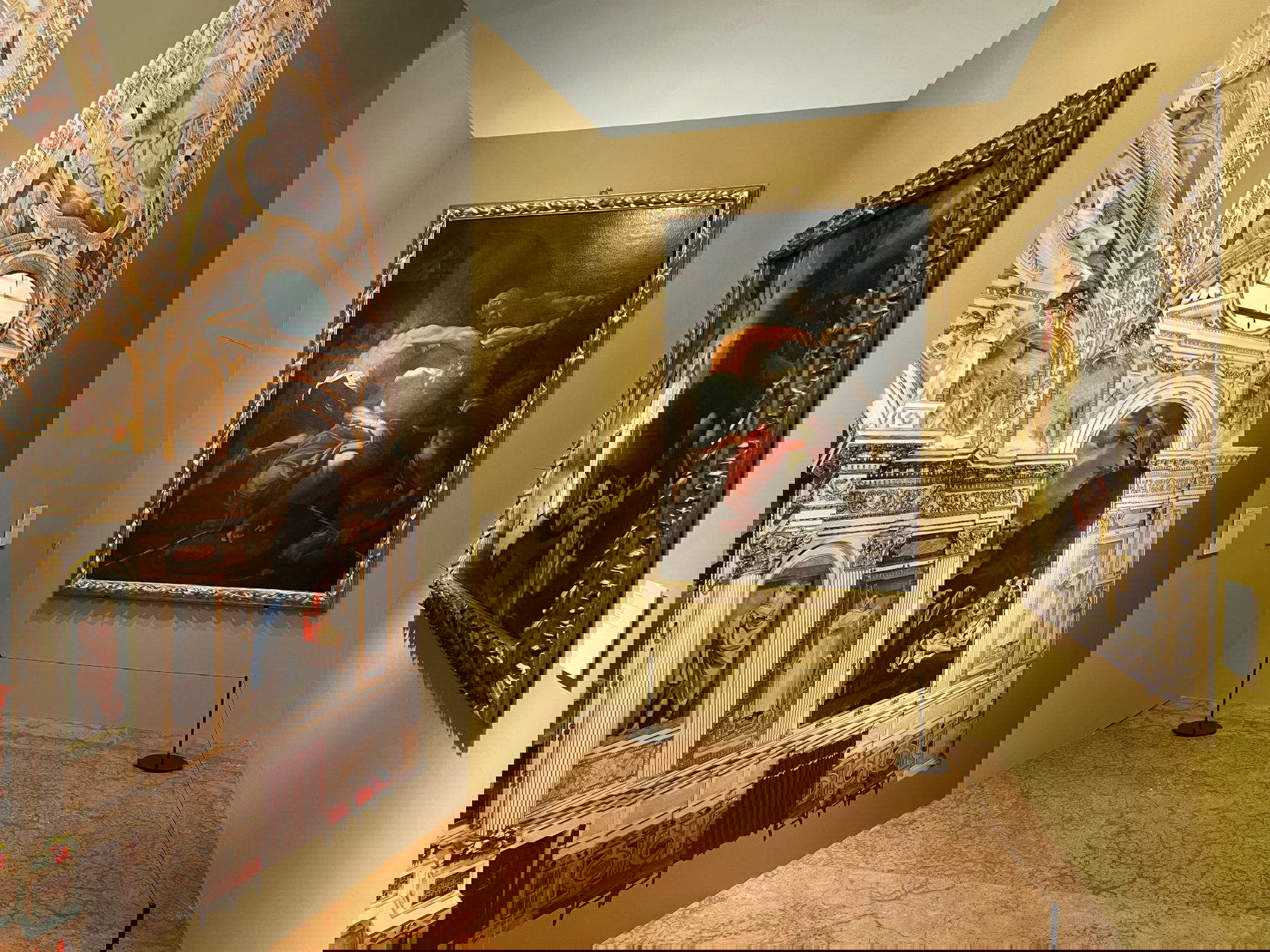
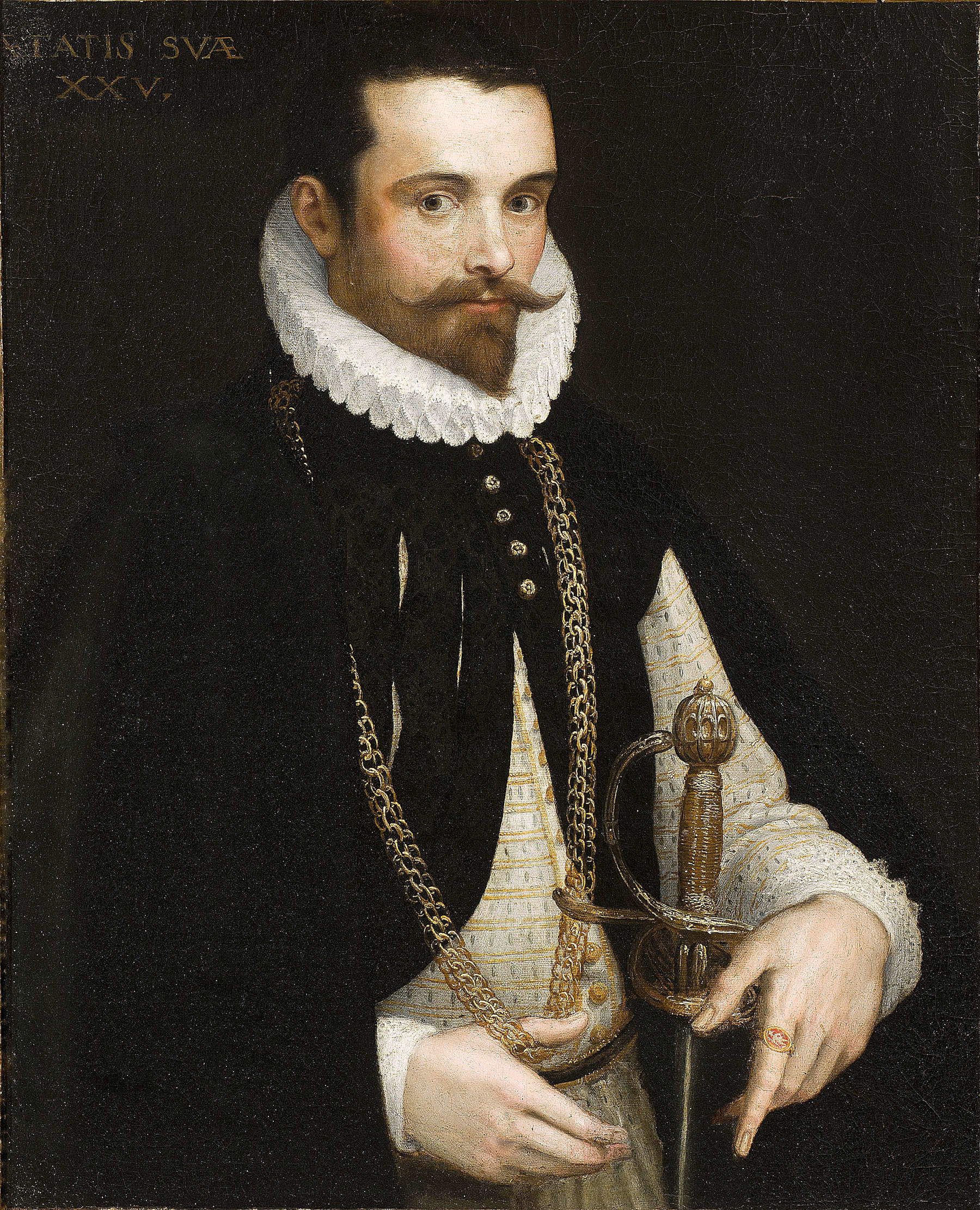
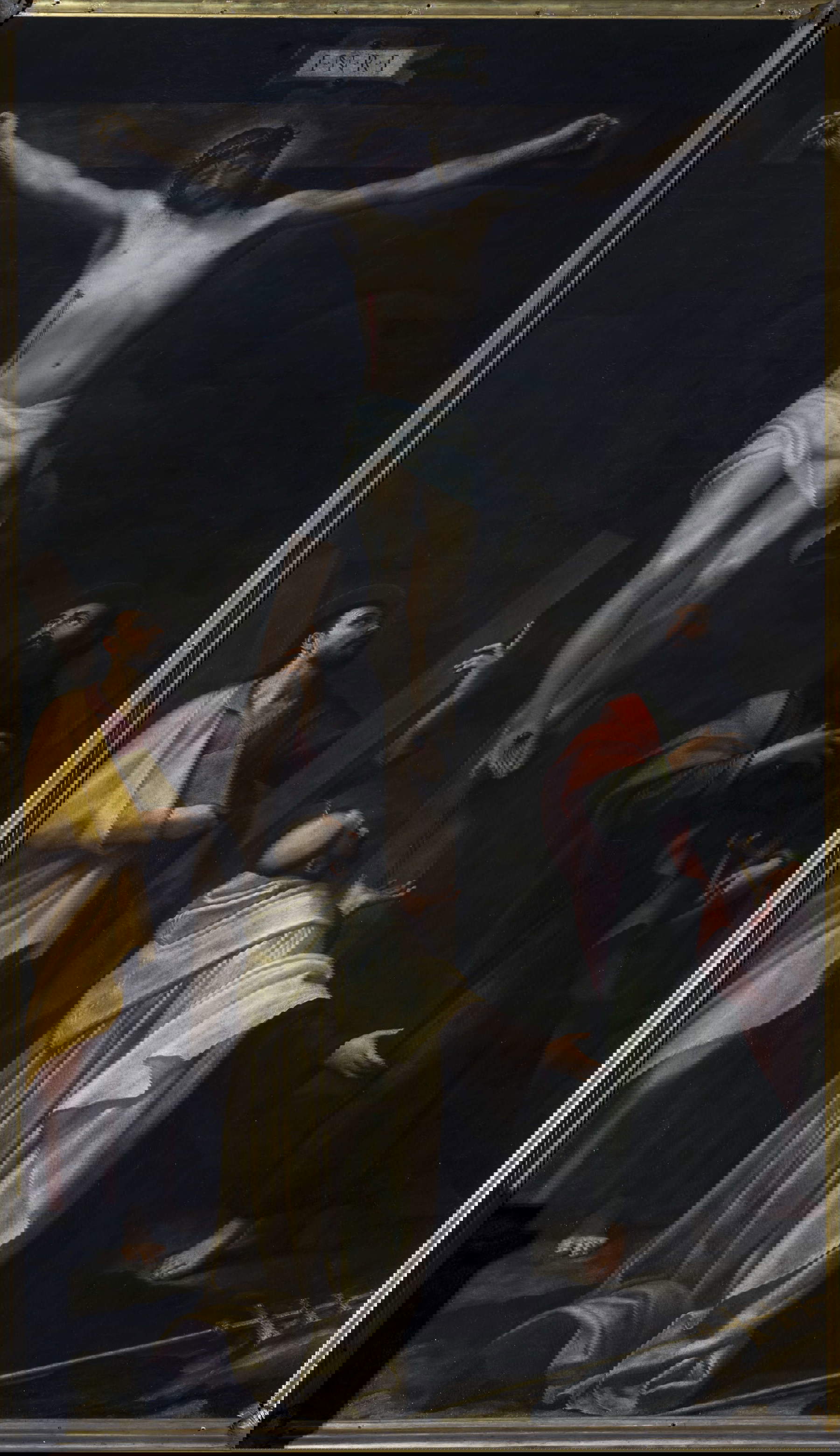
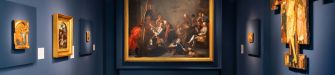
The exhibition is small in size and the most relevant part is all concentrated in a couple of sections, which occupy a single room. Some attention is paid to the introibo, which serves mainly to provide some insight into the context of Paleottian Bologna, and we scroll quickly through the chapter devoted to Cesi’s portraiture (honest, with some flare especially in the details, and yet, removed from rare highlights such as the Portrait of a Gentleman, far from irresistible: portraits were certainly not his specialty), we linger a little longer on the drawings, which are far more interesting and offer a solid demonstration of his freedom of invention, his attention to detail, the finesse of his hand, and we arrive at the room that houses the altarpieces of the 1980s, the most fascinating of the exhibition, not so much for the quantity of the material on display as for its density. There are just three works gathered here, out of some 30 works that the public can see in the exhibition: three altarpieces “suspended between rigor and emotion,” as the title of the section indicates them, three works that transport the visitor to the Bologna that was measured by Paleotti’s Discorso and at the same time by Carracci’s reform, that is, on the one hand by theneed for a painting that would be able to help devotion, and on the other hand with the openness to a more bodily, livelier art that would do away with all affectation and refinement and turn toward the natural. One immediately encounters the Crucifixion with Saints Andrew, Peter Toma and Paul of San Martino Maggiore, a work of 1584-1585 that compares at a distance with the counterpart painting that Annibale Carracci executed for the church of San Nicolò of San Felice in Bologna, a breakthrough work for the reasons just mentioned (in the exhibition, a screen has been placed next to Cesi’s painting, a useful and clever solution, that shows visitors Carracci’s work in its entirety and detail). Cesi shows that he welcomes the novelties of his peer with interest and witty vigilance: he repeats Carracci’s scheme, models his saints and the body of Christ with credible softness, sets his study of light and shadow on a guarded, careful resemblance to reality, yet at the same time trying not to overdo it with drama and theater but, on the contrary, building up that aura of mystical silence that is perhaps the most recognizable feature in the altarpieces in which Cesi gives essay of greater and more heartfelt inspiration.
It is this Crucifixion that is the authentic keystone of the exhibition. More traditional appears the Trinity adored by Saints Bernardine of Siena and Sebastian, in all probability begun shortly before the Crucifixion and still rather conventional: the double register, divine epiphany at the top complete with gilded deflagration of the Holy Spirit and saints in adoration at the bottom, is almost identical to that of the Madonna of Ponte Santo , which was commissioned from Lavinia Fontana in 1583 by the city council of Imola and is now preserved in the Pinacoteca Civica of the Romagna city, but some similarity, at least in the emotional temperature, can be glimpsed even with Prospero Fontana’sOration in the Garden inserted at the beginning of the exhibition. This formal solution with the double register enlivened by flashes of gold, aimed at effectively accounting for the dialogue between the earthly and the ultra-early, would characterize several of Cesi’s works of the 1990s, albeit with better outcomes: for example, at the Pinacoteca Nazionale, where the Carracci rooms are to be considered a kind of emanation of the exhibition (there is a dedicated itinerary, with captions that echo the graphics of the Museo Civico Medievale exhibition), one can dwell on theImmaculate Conception and Saint Anne or the even more intense Madonna and Child with Saints Hyacinth, Augustine and Filippo Benizzi. Compared to the Trinity, however, the Madonna and Child in Glory with Saints Benedict, John the Baptist and Francis from the church of San Giacomo Maggiore, a work painted for the Paleotti family chapel in the Felsine temple, is of a completely different texture, one of Cesi’s masterpieces, “enchanting painting” according to Graziani, and a painting that dialogues with Ludovico Carracci, notably with the Pala Bargellini kept today in the Pinacoteca Nazionale in Bologna, from which it is taken up the idea of the Virgin seated on a throne (which, in Cesi’s case, is made of clouds, exactly like that of Ludovico’s Madonna that opens the tour) and turned three-quarter turn, but also with Parmigianino, since the pose of Cesi’s John the Baptist would seem to be a literal quotation of that of St. Jerome in Mazzola’s soaring altarpiece now in the National Gallery. The recourse to a source from sixty years earlier is not, however, a form of nostalgia, not least because the contorted John the Baptist coexists perfectly with the verisimilitude-lit faces of mystical fervor of his companions, Benedict and Francis: it is, if anything, indicative of the freedom that Cesi would continue to practice unabated in the happiest period of his career.
A happy period that continues with the works of the 1990s: the highlight, here, is another painting imbued with Carraccian overtones, the monumental Saint Benedict Listening to Heavenly Harmony, praised by Malvasia, a synthesis of Carraccian novelties and the Counter-Reformation painting that was being practiced in Florence, so solemn with that frontal pose, almost like a Byzantine saint, yet so profoundly human with that rapt gaze, the half-closed mouth, the two-day-old beard, the left hand holding the Rule and the other opening as if to accompany with the movement of his fingers the two musician angels playing in the upper register of the composition. If the seated St. Benedict appears more hieratic, the same attitude of devout contemplation combined, however, with a profound study of the natural animates the St. Francis at Prayer, a work dated 1607 and which thus slips a few years from the period examined in the Museo Civico Medievale’s review: it has nevertheless been included to give an account of how even at a time when the tastes of the Bolognese milieu would have experienced a shift toward the terse and crystalline painting of Guido Reni, the quieter, somber, restrained and contemplative manners of Bartolomeo Cesi, who was not, however, entirely impervious to novelty, still enjoyed strong credence. And he would hardly have departed from such meditative painting of his, going so far as to paint, with the Saint Francis at Prayer, “an image that comes from the experience of a mental prayer that opens to the world of affections and tears” (so Vera Fortunati). Hence, therefore, also the felicitous definition of “conventual poet” that Fortunati herself coined for the artist, who moreover, a rare case for him, also affixes his signature on the St. Francis at Prayer, as if to mark the work as a spiritual and artistic testament, the curator suggests.
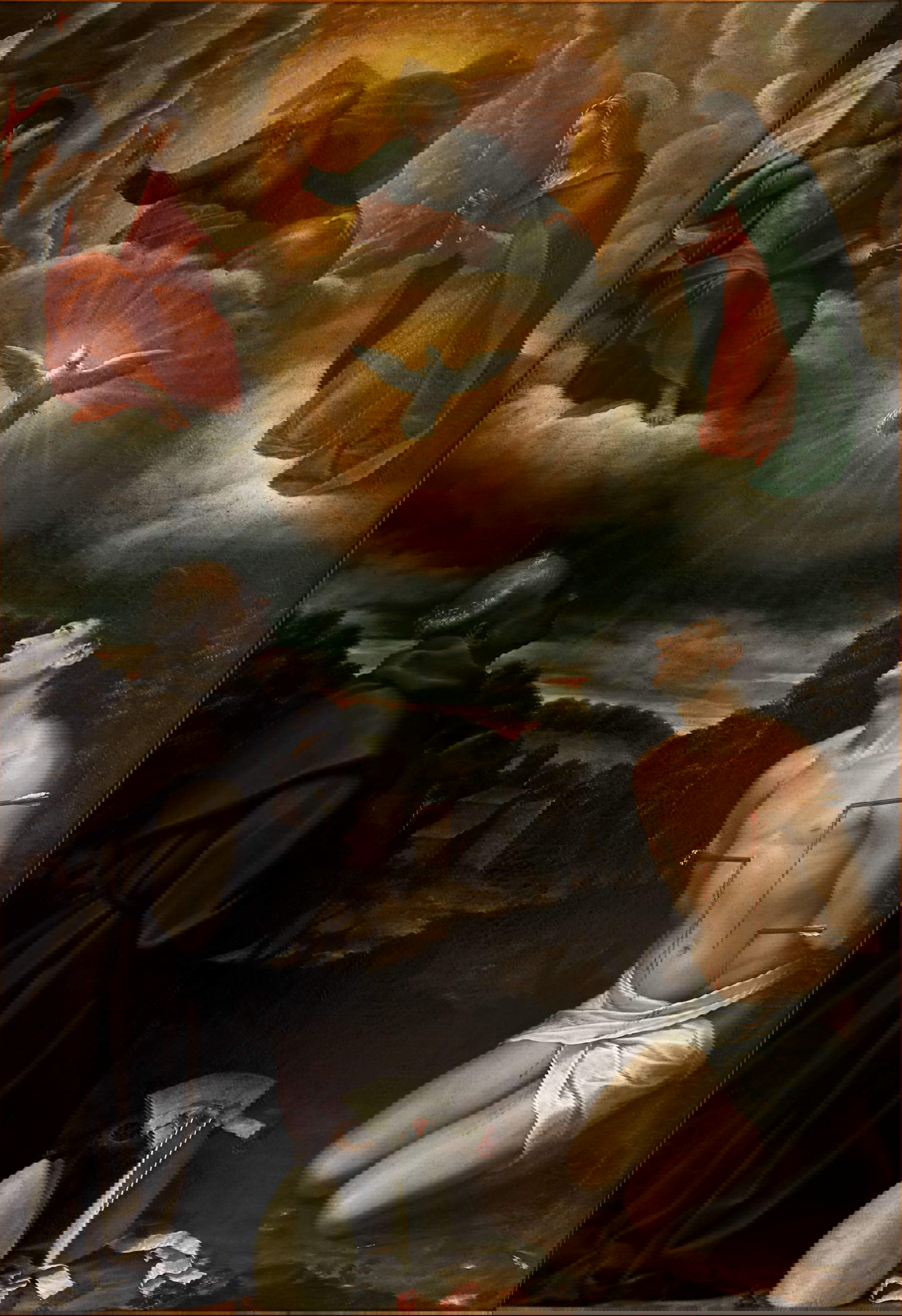
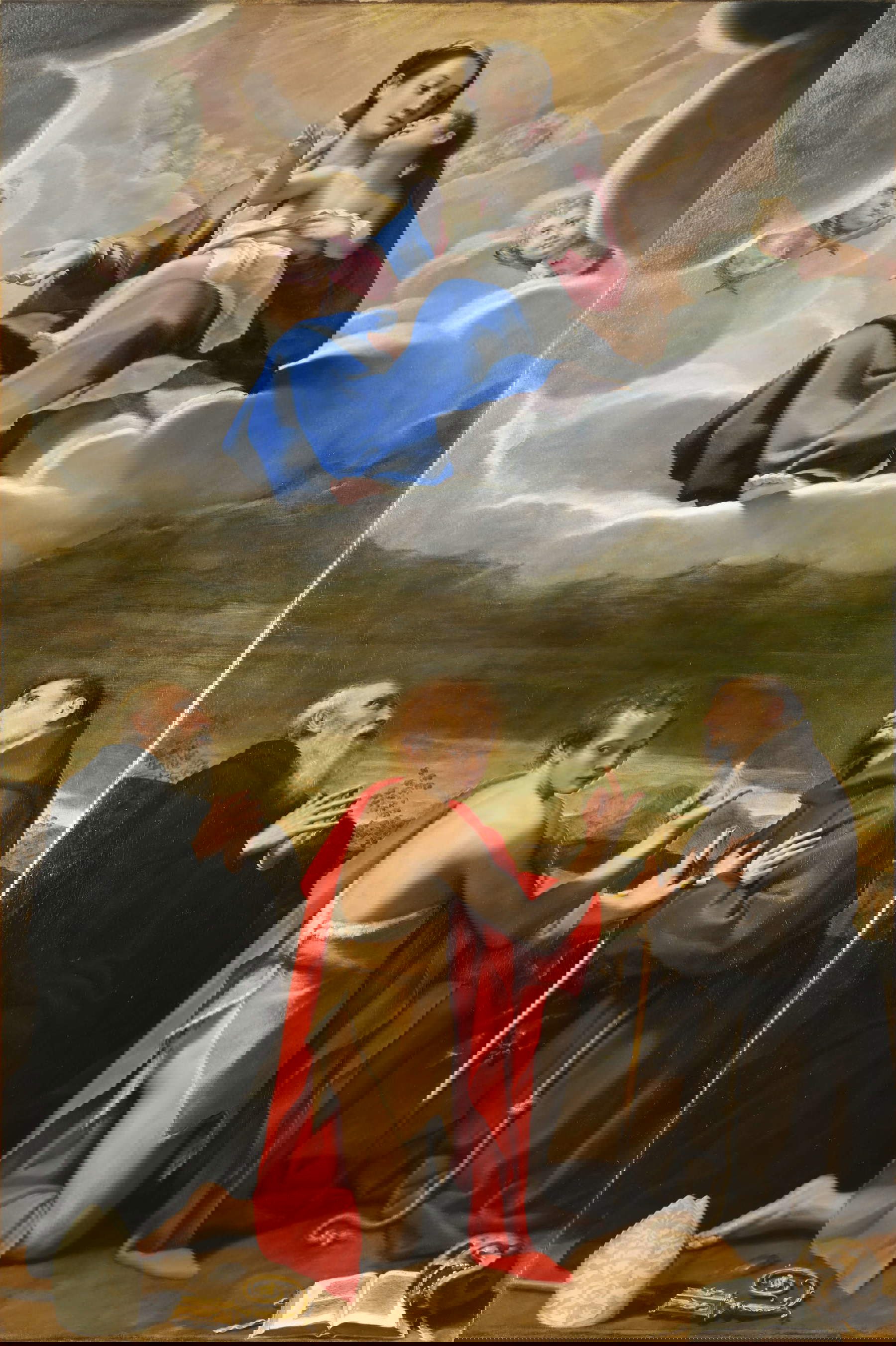
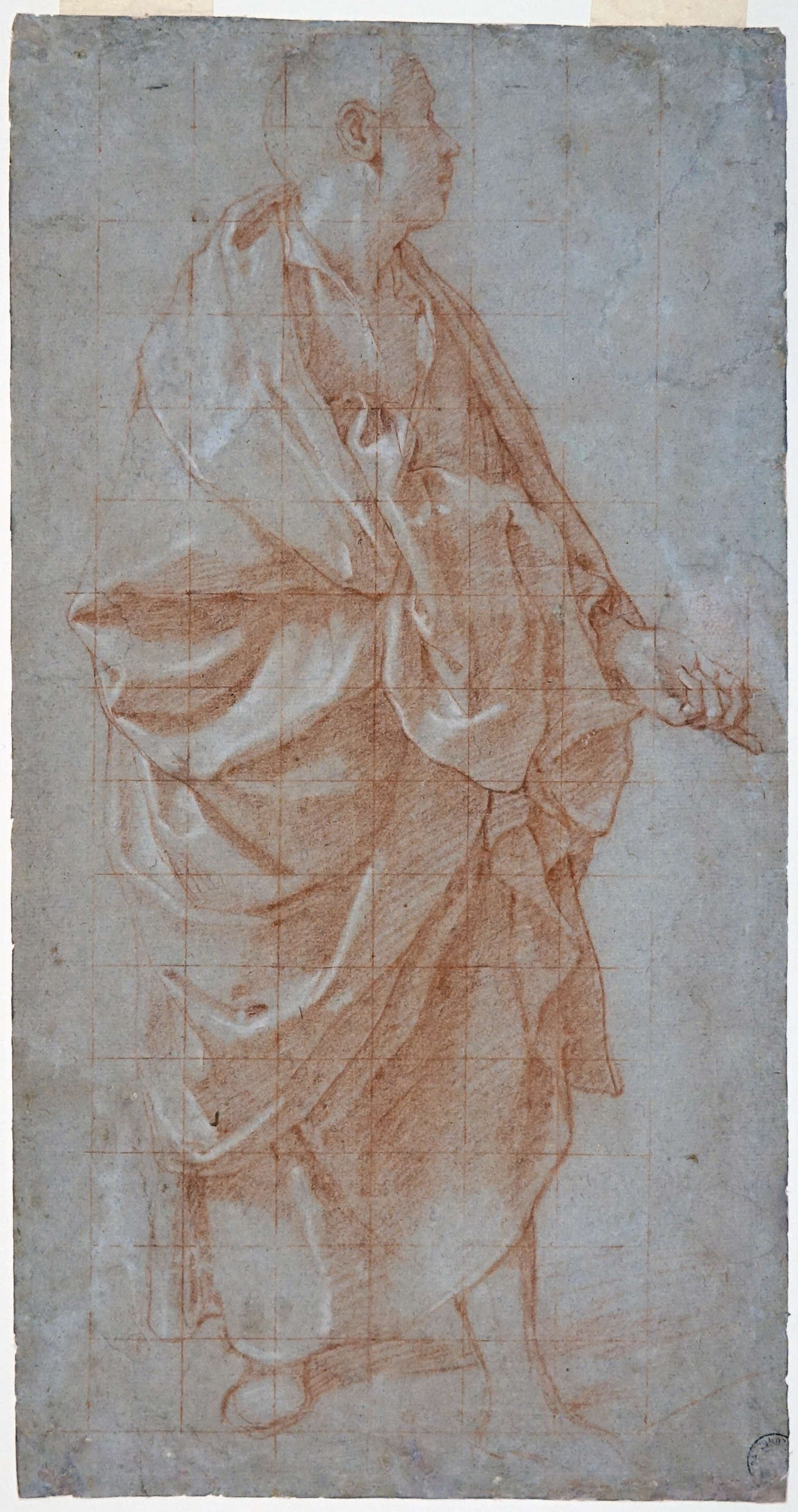
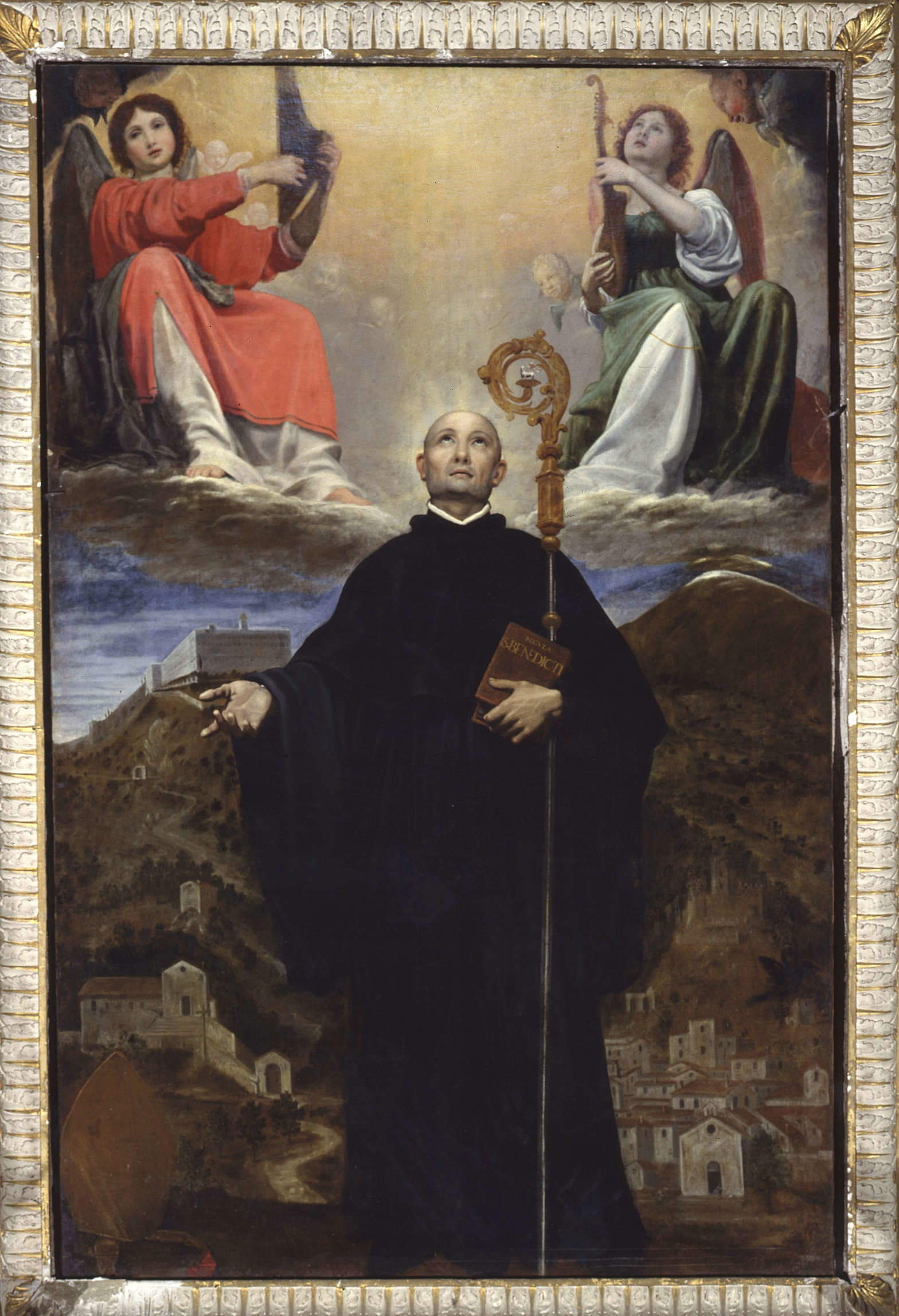
The closing of the exhibition is entrusted first to a selection of paintings of a more restrained cut, intended for private devotion, works in which Bartolomeo Cesi, without aspiring to the tones of the great altarpieces, concentrates on a more intimate, calm, at times even brighter and more ringing painting, and at the same time, however, more compassed, quieter, more conventional, and then to the cycle for the church of San Girolamo della Certosa, which is offered to the public with a large reproduction, along with two canvases by Ludovico Carracci for the opposite walls of the choir (the Flagellation and Christ Crowned with Thorns), as well as anOration in the Garden of Cesi that echoes the one executed for the Certosa. It can be said, then, that the exhibition culminates with an attestation of Cesi’s success, employed in one of the most important worksites of Paleottian Bologna because his painting was evidently perfect for the renewed demands of late-16th-century devotion: an art that was not rigid and severe, it was not prissy, but neither was it marked by an overly aggressive naturalism. It was conventual poetry, precisely. A poetry that nevertheless served its function. Not pictures made to be seen, if anything, pictures made to make the faithful kneel methodically. Even if they remain verses of a poet. A poet of silence.
Alberto Graziani, in one of the most enlightening passages of his thesis, had written that no young man could have approached Bartolomeo Cesi with sympathy and profit unless that young man was “endowed with great and good pictorial instincts, and therefore with a freedom of judgment and choice which, then as now, did not form the most sought-after endowments in an apprentice helper.” the barrier was Cesi’s originality, that originality of “quality, method and tendencies” that had made him an “unstable and conscientious” artist, and therefore difficult to approach, follow or imitate. Bartolomeo Cesi’s silence, that inspired silence, so mystical and yet so solid, a Siberian silence made of ice under which an unquenchable fire burned, was fundamentally a language for the few. And among those few would have included the young Guido Reni: in the exhibition catalog there is an essay by Flavia Cristalli (who for her doctoral thesis, moreover, compiled the entire catalog of Cesi’s production) in which the two are compared. Malvasia had written that Guido Reni, as a boy, was “whole hours contemplating” Cesi’s works. Works often made of soft light that saturates the air as if it were a mist, of silvery vibrations that caress the faces of the saints, of expressions of silent ecstasy, of robes that fall with studied folds, of epidermis as shiny as pearls: it will not sound like a jarring to see in Bartolomeo Cesi a sort of foreshadowing of Guido Reni’s painting.

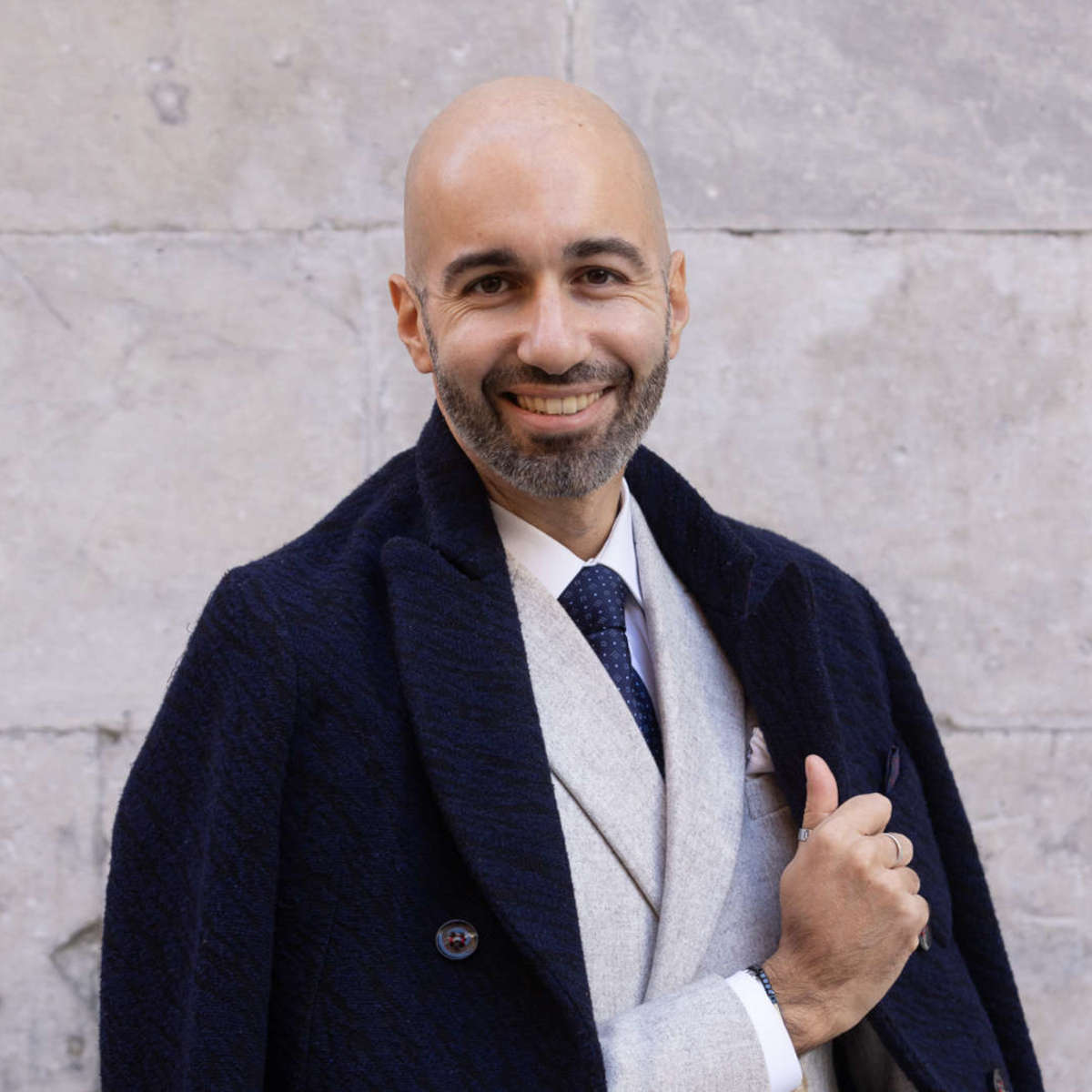
The author of this article: Federico Giannini
Nato a Massa nel 1986, si è laureato nel 2010 in Informatica Umanistica all’Università di Pisa. Nel 2009 ha iniziato a lavorare nel settore della comunicazione su web, con particolare riferimento alla comunicazione per i beni culturali. Nel 2017 ha fondato con Ilaria Baratta la rivista Finestre sull’Arte. Dalla fondazione è direttore responsabile della rivista. Ha scritto i libri Vero, Falso, Fake. Credenze, errori e falsità nel mondo dell'arte (Giunti editore, 2025) e Immagini del potere. Arte e propaganda da Augusto a Trump (Giunti editore, 2026). Collabora e ha collaborato con diverse riviste, tra cui Art e Dossier e Left, e per la televisione è stato autore del documentario Le mani dell’arte (Rai 5) ed è stato tra i presentatori del programma Dorian – L’arte non invecchia (Rai 5). Al suo attivo anche docenze in materia di giornalismo culturale all'Università di Genova e all'Ordine dei Giornalisti, inoltre partecipa regolarmente come relatore e moderatore su temi di arte e cultura a numerosi convegni (tra gli altri: Lu.Bec. Lucca Beni Culturali, Ro.Me Exhibition, Con-Vivere Festival, TTG Travel Experience).
Warning: the translation into English of the original Italian article was created using automatic tools. We undertake to review all articles, but we do not guarantee the total absence of inaccuracies in the translation due to the program. You can find the original by clicking on the ITA button. If you find any mistake,please contact us.






















 IT
IT FR
FR DE
DE ES
ES CN
CN


