




by Redazione 31/12/2025



Categories: Exhibitions / Disclaimer
The Museo e Real Bosco di Capodimonte in Naples welcomes until April 26, 2026 the exhibition "Bertozzi & Casoni. Metamorphosis," which brings together about twenty works including loans from private collections and unpublished works made especially for this occasion.
The Museo e Real Bosco di Capodimonte in Naples welcomes until April 26, 2026 the exhibition Bertozzi & Casoni. Metamorphosis, curated by Eike Schmidt and Diego Galizzi. The exhibition takes place in the rooms of the Royal Apartments on the second floor of the museum, extending from the Salottino Pompeiano to the Salone delle Feste.
Protagonists of contemporary sculpture, Bertozzi & Casoni (Giampaolo Bertozzi, 1957 - Stefano Dal Monte Casoni, 1961-2023) began their artistic journey by taking inspiration from the historic exhibition Civiltà del Settecento, set up in 1980 precisely at the Capodimonte Museum. More than forty years after that first decisive encounter with the masterpieces of 18th-century Neapolitan art, Bertozzi & Casoni’s art returns to Capodimonte with Metamorfosi, an exhibition that brings together about twenty works, including loans from private collections and unpublished works created especially for this occasion. Prominent among them are Rocco (2025), chosen as the guiding image of the exhibition and placed in the Salottino Pompeiano at the opening of the itinerary, and the Fenicottero degli stracci (2025), a polychrome ceramic reinterpretation of Michelangelo Pistoletto’s famous Venus.


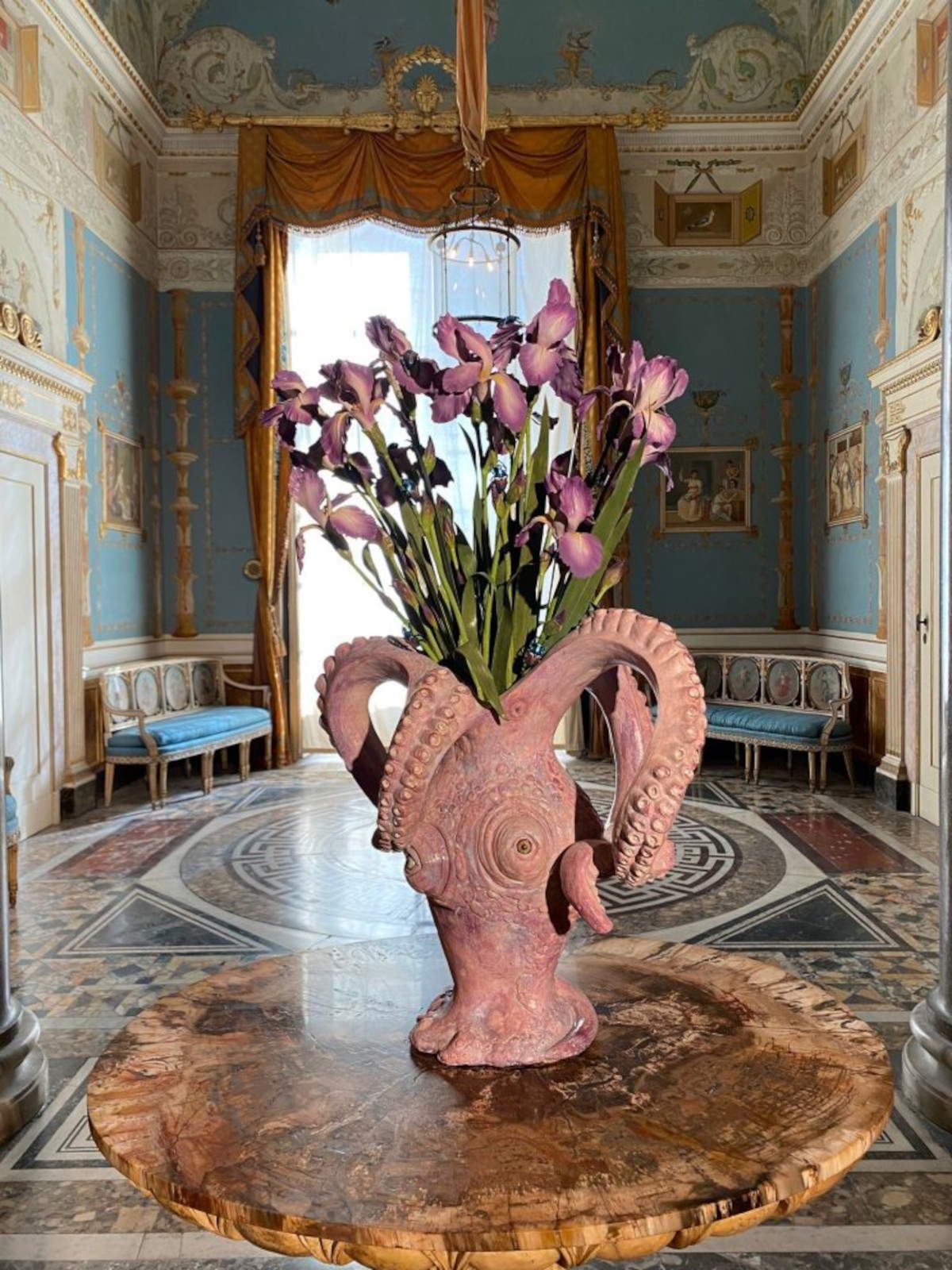
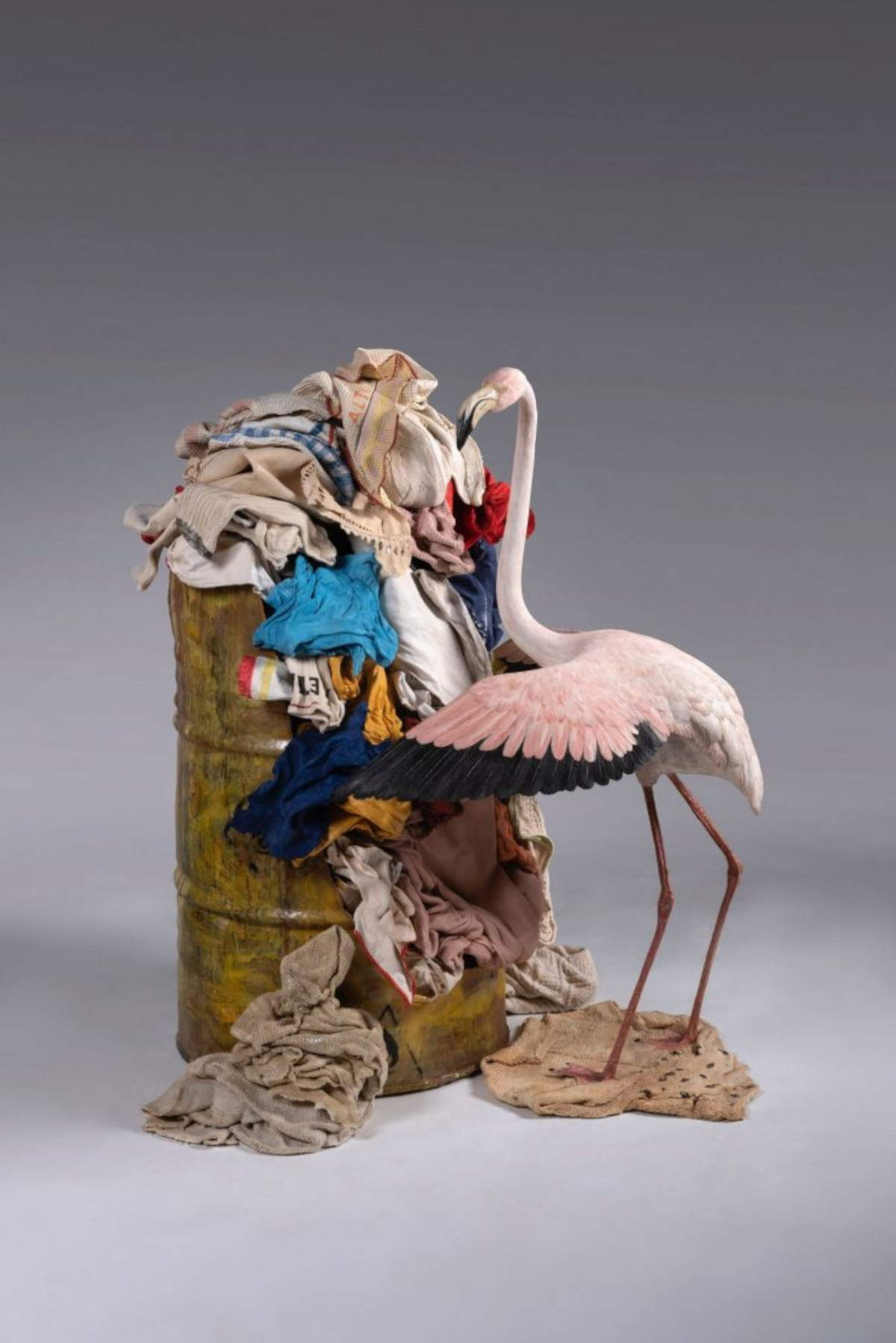
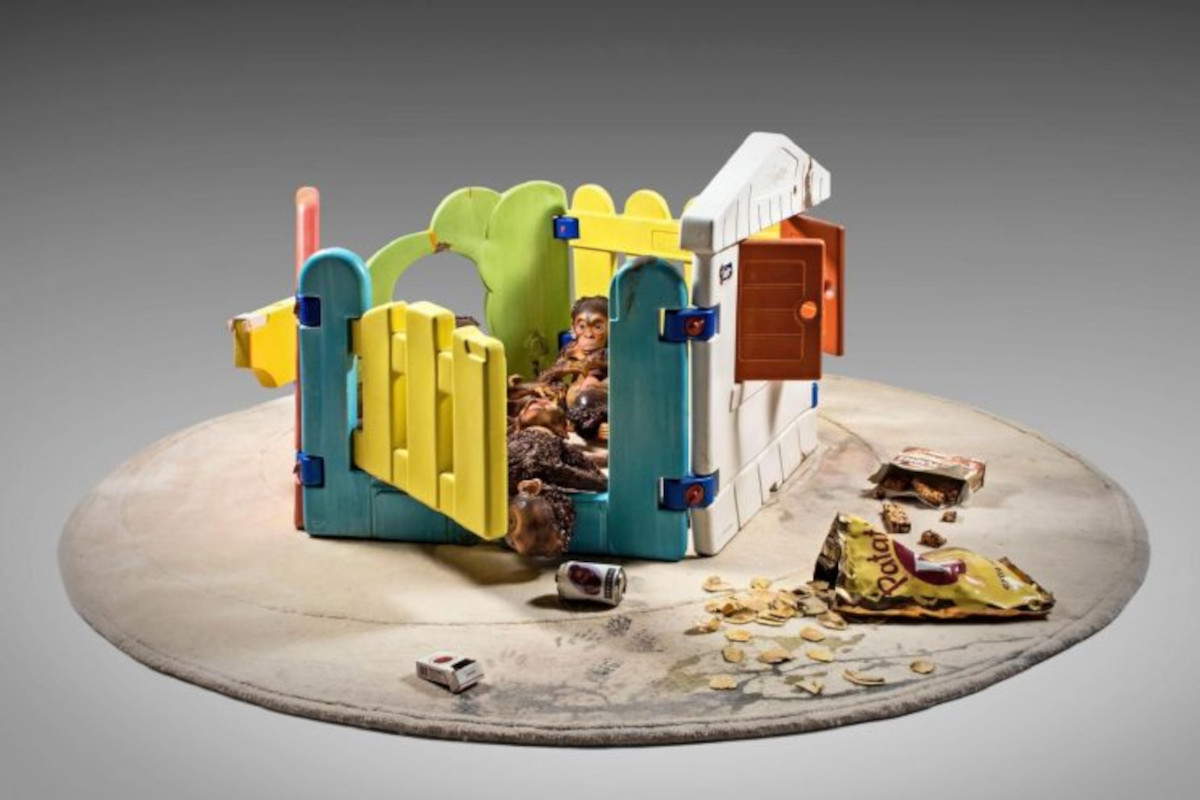
The exhibition project revolves around the concept of metamorphosis, understood both as an iconographic transformation of the subjects and as a physical change in the material that, subjected to high temperatures, goes through various stages of change, giving rise to surprising and destabilizing results. What emerges is an extraordinary hyperrealism, enriched by surreal suggestions and marked irony, evident, for example, in Chicco House (2005), placed in the center of the Cradle Room. Here a brightly colored toy house, populated by restless little monkeys and surrounded by leftover food and objects, including a pack of cigarettes, generates a visual contrast that interweaves childhood imagery with references to the adult world.
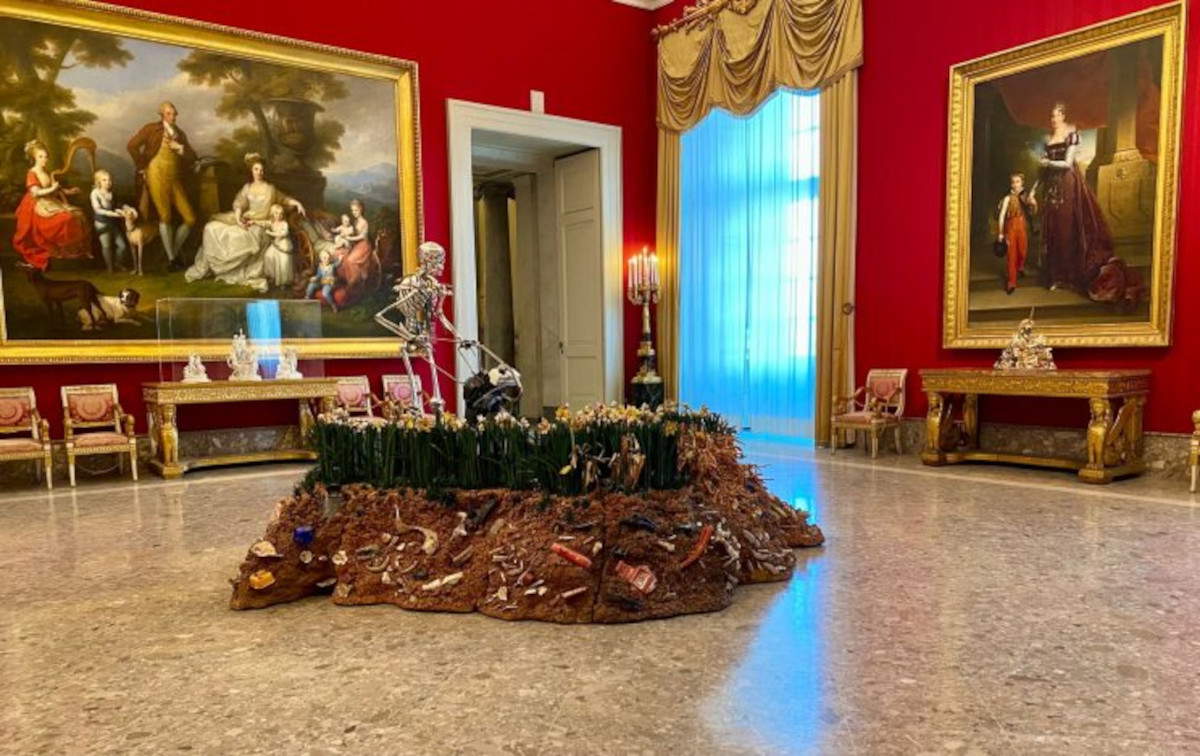
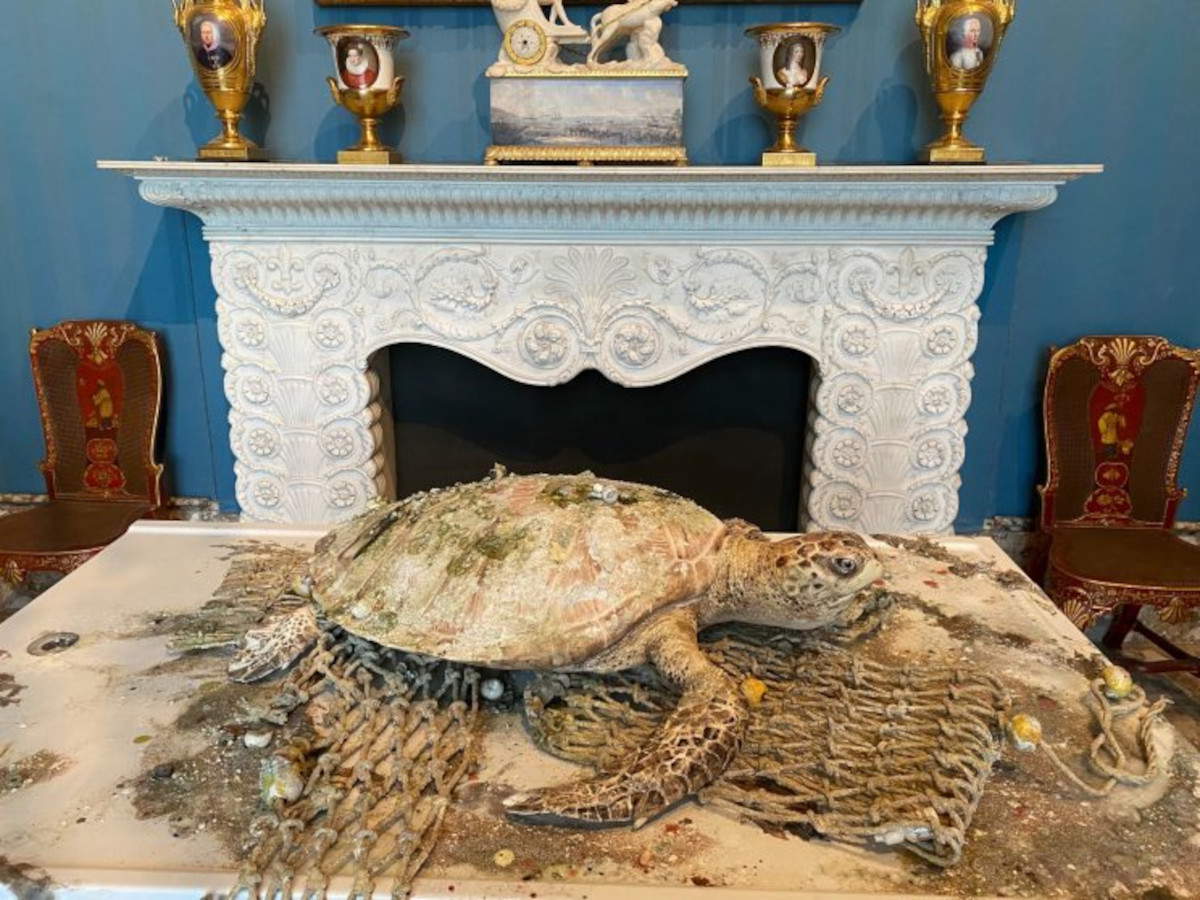
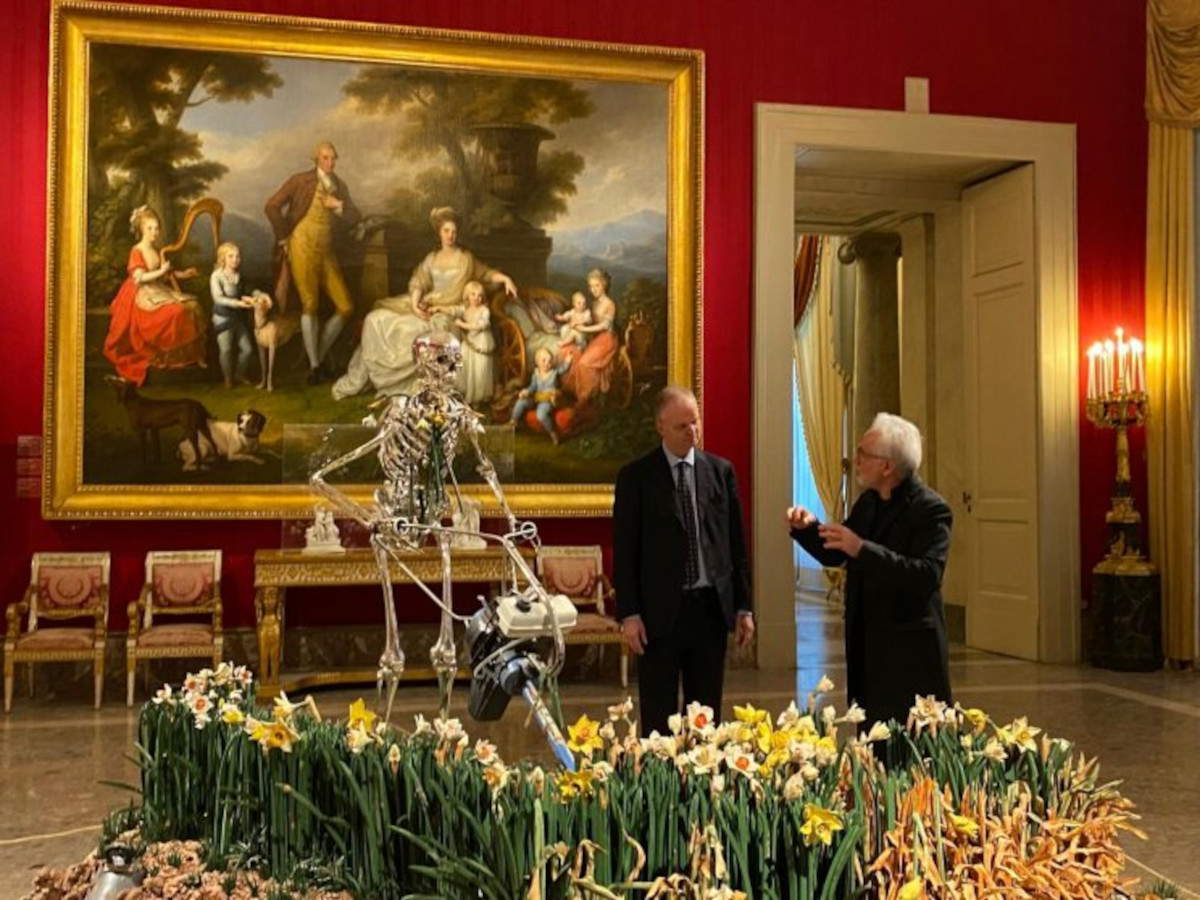
Within the exhibition, the duo’s works establish a complex dialogue with furnishings, objects and works in the Historic Apartment, creating unexpected juxtapositions and offering the public an opportunity to deepen a critical reflection on porcelain as a contemporary medium of expression.
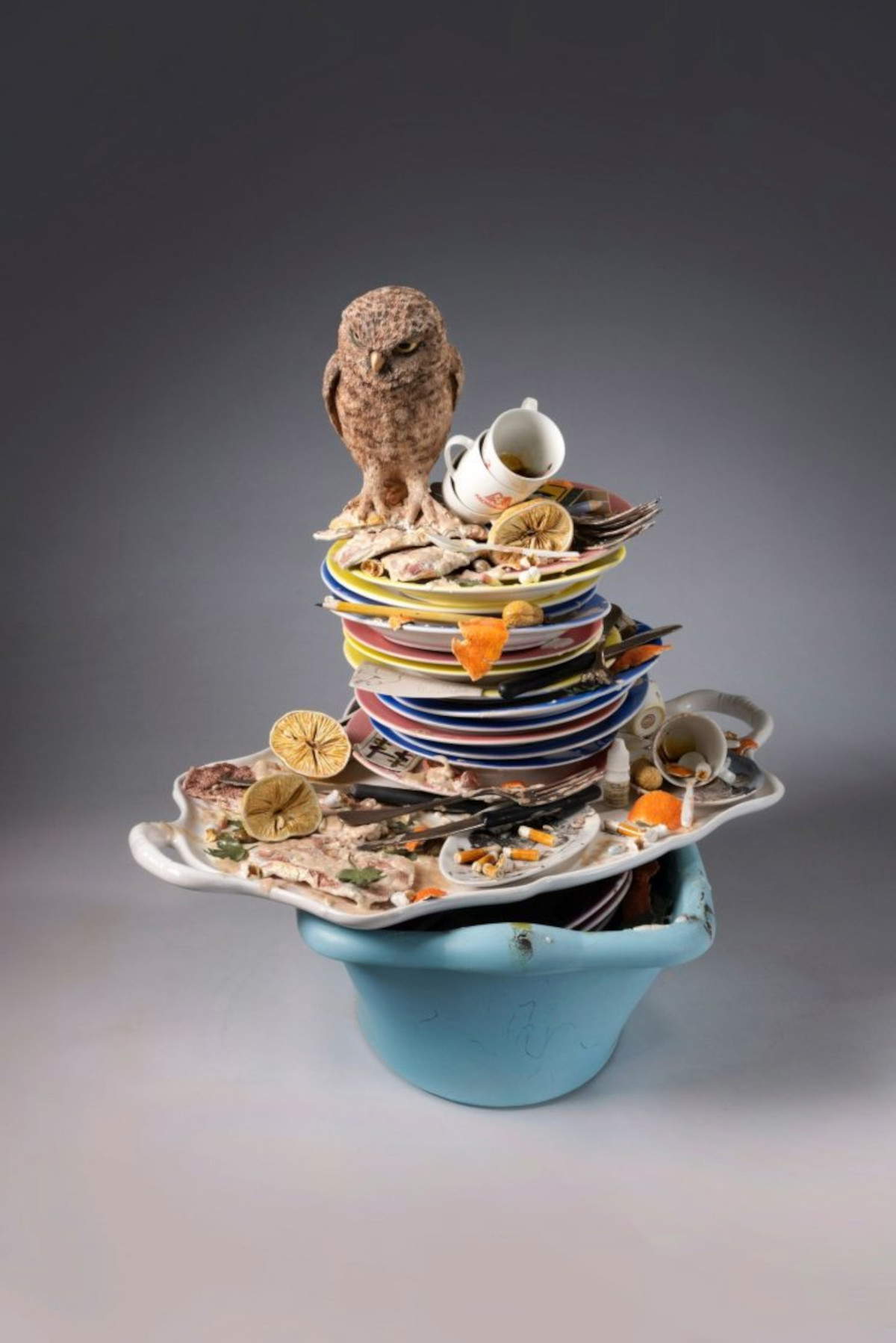
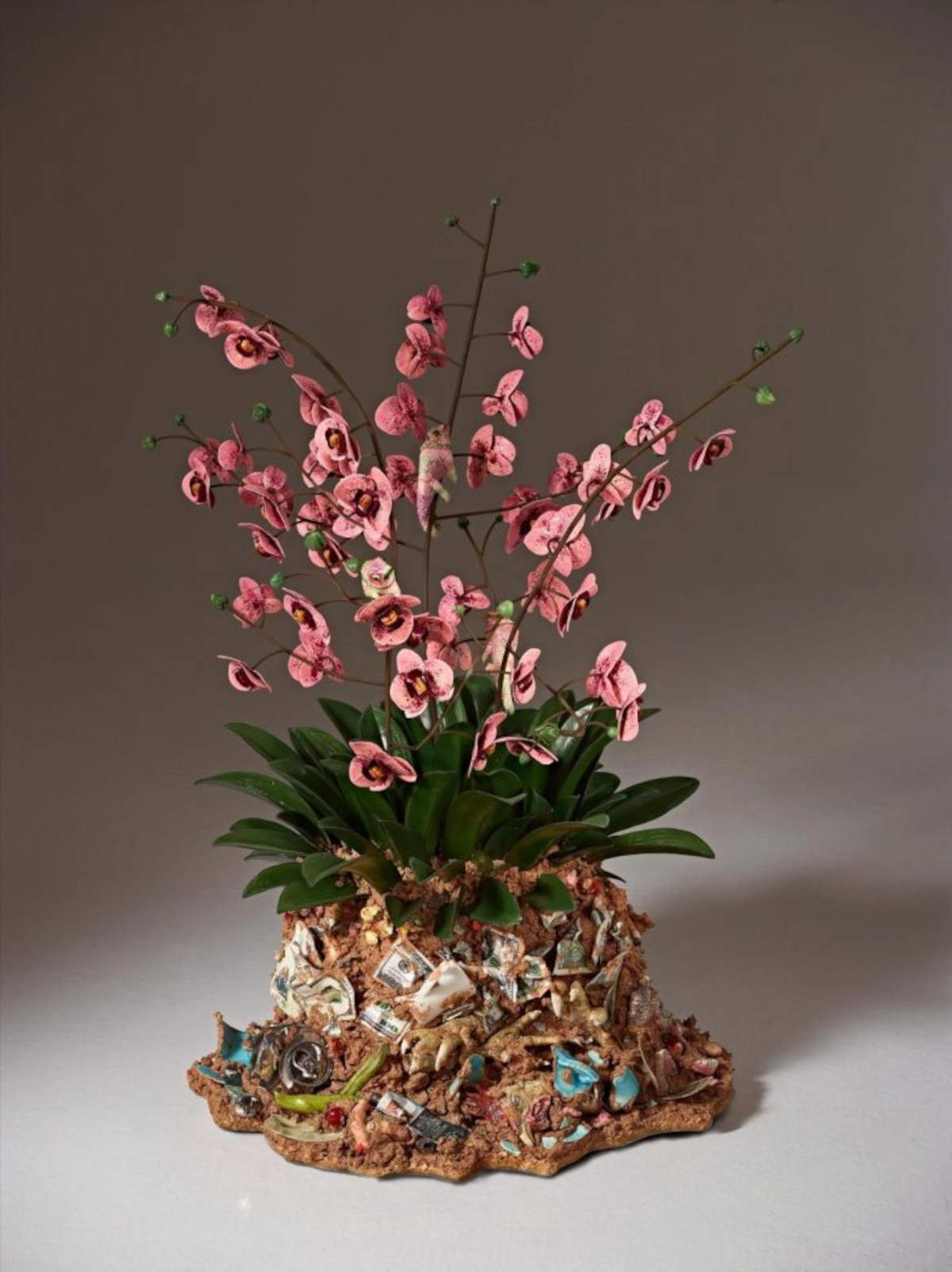
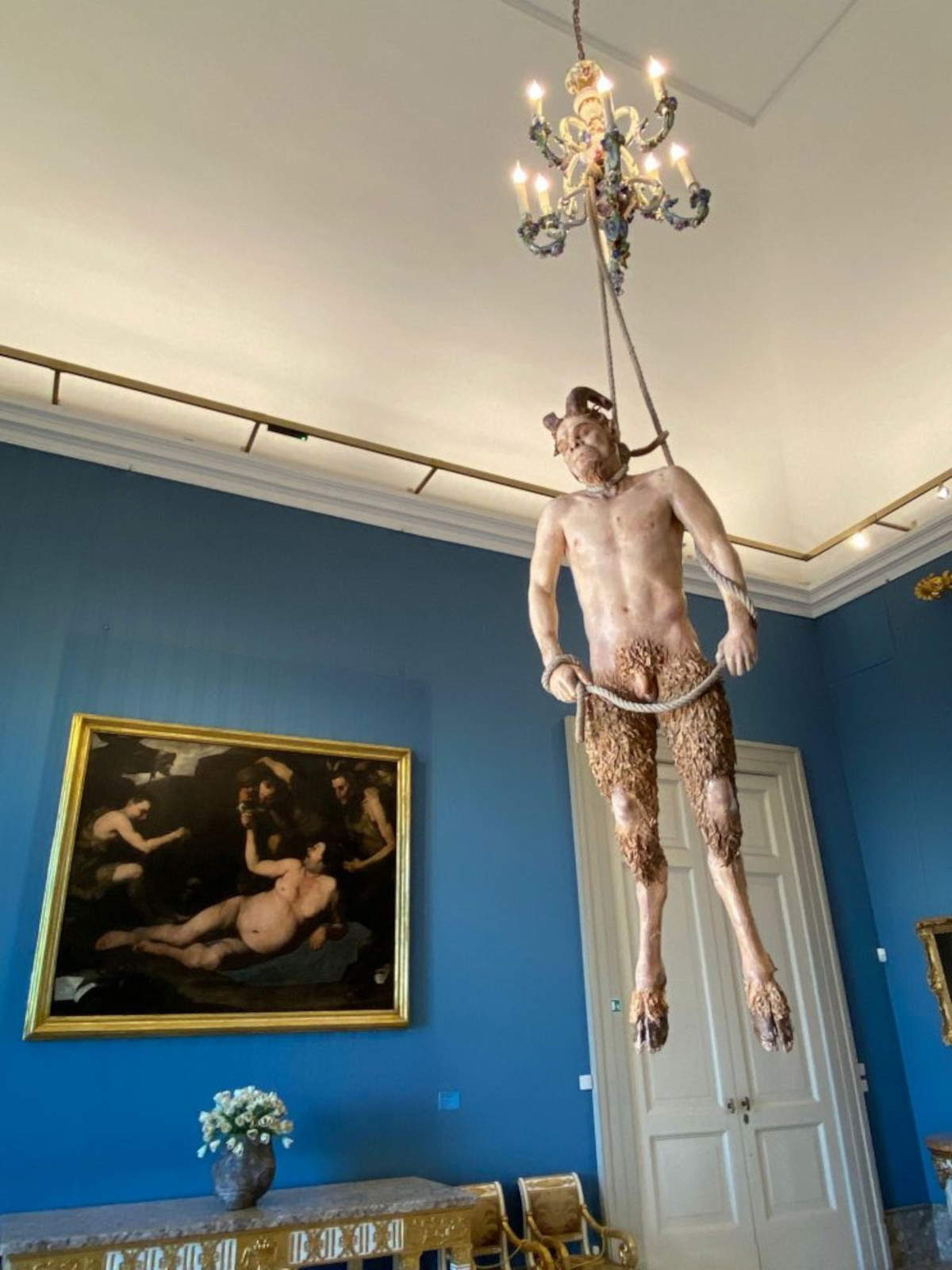
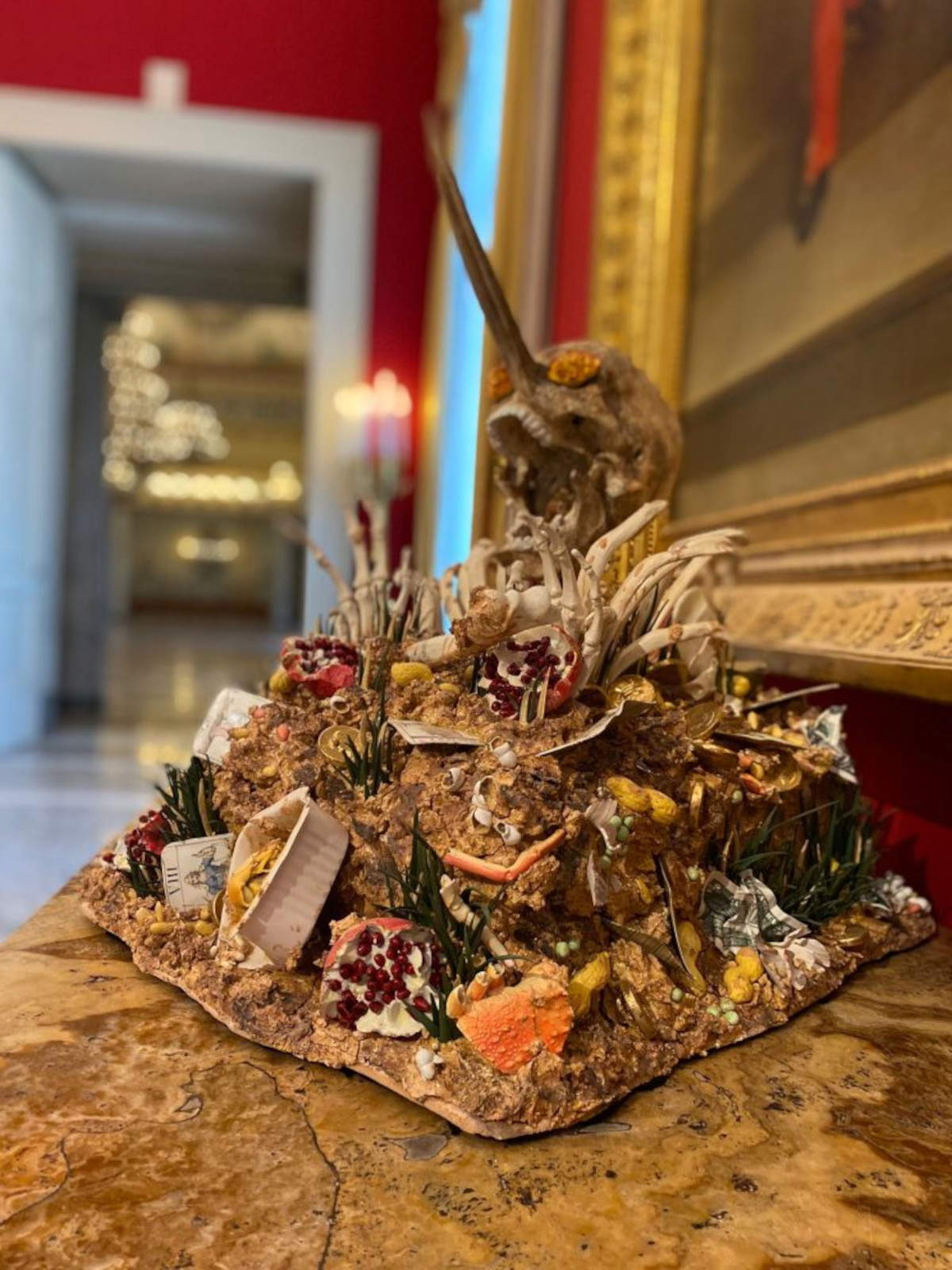
The unpredictable in Bertozzi & Casoni’s research emerges in works such as Sparecchiatura (2025), Grand Hotel (2025) and Vassoio (2005), characterized by the accumulation of heterogeneous materials, as well as in the clods of earth full of waste in Disgrazia con orchidea rosa (2012) and in the large installation Madonna scheletrita (2008), placed in the center of room 37. Room 34, on the other hand, presents The Death of Eros (2000-2023): a large faun suspended from the ceiling, a clear reference to the classical tradition widely represented in the Museum’s historical collections.
The exhibition tour continues on the second floor with Grottesca (2013), set up in Room 93 next to two outstanding examples of southern ceramics: the Testa decollata (second half of the 18th century), with natural hair and glass eyes, and the Figura femminile in decomposizione or Vanitas (last quarter of the 17th-early 18th century). In this visual universe, ceramics becomes a privileged space for experimentation, thinning the boundaries between precious and degraded, order and disorder, beauty and strangeness.
The exhibition is accompanied by a catalog, published by Silvana Editoriale.
"We celebrate with this highly original itinerary, which will accompany us in the royal apartments until April, Bertozzi & Casoni’s extraordinary bond with the Capodimonte Museum, at the roots of an artistic activity of international level inspired precisely in 1980 by a trip to Naples by two talented young men and a visit to the famous exhibition Civilization of the Eighteenth Century. And perhaps it could not have been otherwise because the two brilliant artists, trained in the famous school of Faenza, in more than 40 years of work appreciated all over the world, have accomplished a mission that Naples itself with the history of its porcelain had suggested to them: to bring ceramic sculpture back to the center of the contemporary art scene with its dignity and complexity, including technical complexity," said Capodimonte Museum Director Eike Schmidt. “Naples and its real Fabbrica di Capodimonte, Faenza city of ceramics, thus happily meet in this ’Metamorphosis,’ an exhibition that will amaze and stimulate the imagination of our visitors as only true works of art can do.”
|
| At the Capodimonte Museum, Bertozzi & Casoni's ceramics dialogue with the permanent collection |
Warning: the translation into English of the original Italian article was created using automatic tools. We undertake to review all articles, but we do not guarantee the total absence of inaccuracies in the translation due to the program. You can find the original by clicking on the ITA button. If you find any mistake,please contact us.