



by Redazione 22/02/2026



Categories: Exhibitions / Disclaimer
Dep Art Gallery in Milan presents "Dorme un canto in ogni cosa," an exhibition dedicated to Imi Knoebel and curated by Gianluca Ranzi. On display are works from 1983 to 2025 that trace more than forty years of abstract research, including historical cycles and recent works.
Opens on March 3, 2026 at Milan ’s Dep Art Gallery Dorme un canto in ogni cosa (Schläft ein Lied in allen Dingen), an exhibition dedicated to Imi Knoebel, among the protagonists ofEuropean abstraction in the second half of the 20th century. The exhibition, curated by Gianluca Ranzi, will remain open until May 30, 2026. The title takes a line from the Romantic poet Joseph von Eichendorff and recalls the idea of a silent music present in things, destined to emerge through an appropriate interpretive key. The exhibition project is based on a direct relationship with the works and solicits attention focused on rhythm, balance and intensity, elements that structure the artist’s research.
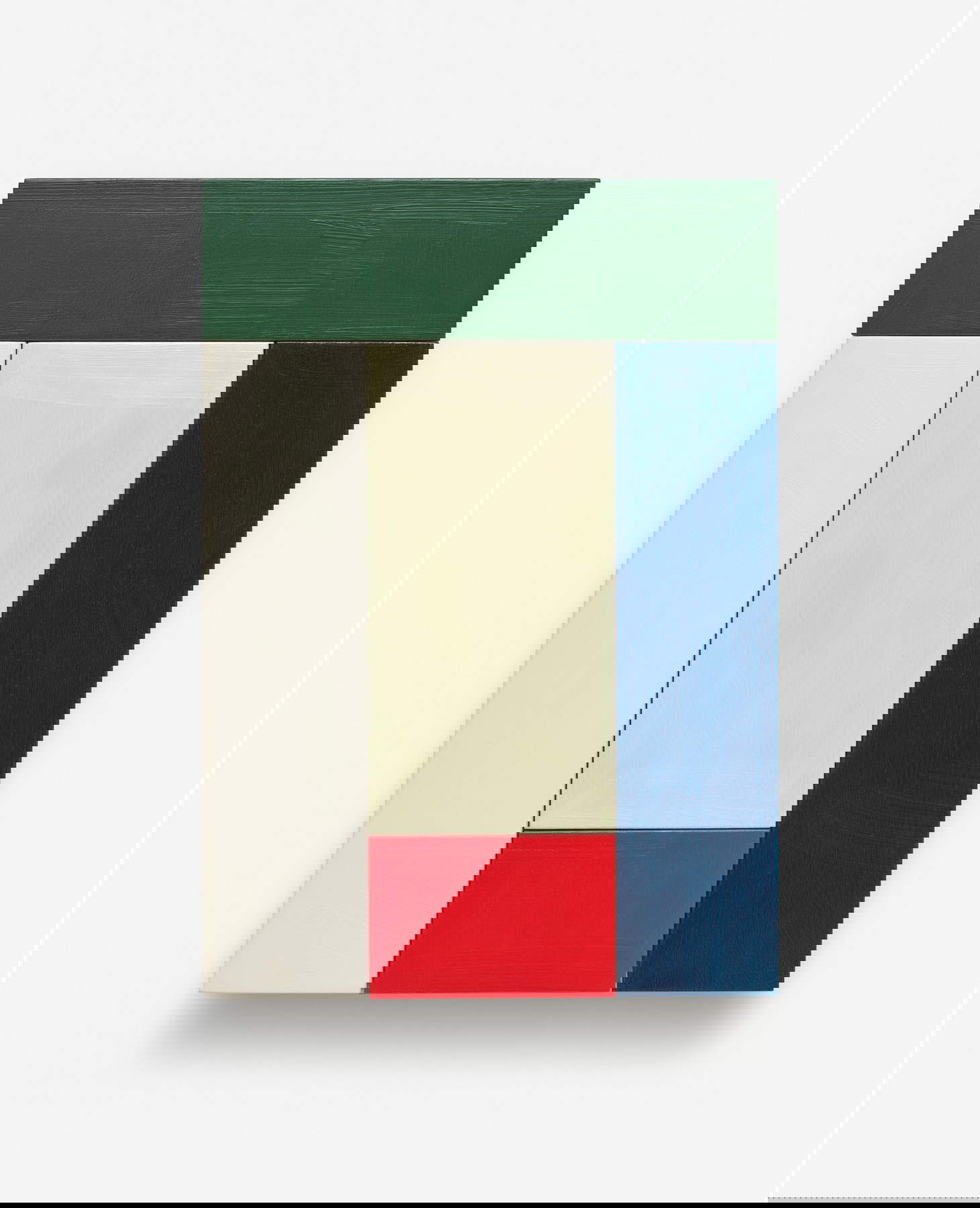
Active since the late 1960s, Knoebel has developed a perception-oriented abstract language based on color, line, space and materials. His method, multi-medial in nature, has over time crossed the boundaries between drawing, painting, sculpture, architecture, projection, photography and installation, according to an anti-hierarchical and unconventional approach. The exhibition itinerary begins with an Untitled from 1983 and extends to series made in 2025. The chronology highlights an open and composite method, based on recurring references and the reworking of previous cycles, which become prerequisites for later developments. The dialogue between works from different periods constitutes one of the cores of the exhibition.


The exhibition juxtaposes the Portrait series from 1991-92 with Düsseldorf-Paris from 2001 and Dusseldorf-Reykjavik IV from 2000, relating them to Tafel from 2016 and recent works such as Zeichen, Ligatur and Etcetera from 2025. From the ensemble emerges a formal vocabulary that traverses analytical rigor and gesture, Euclidean linearity and irregular contours, simultaneous contrast and fusion of forms, colors, and surfaces, to outcomes that verge on dematerialization. Working in groups or series is a constant in Knoebel’s practice. Autonomous works with their own identity take shape from studio experimentation. The Portraits articulate essential chromatic margins in individual configurations; the Zeichen present fluid and singular gaits; Ligatur recalls the structure of a visual grammar; the Etcetera surfaces introduce letters, numbers and signs that surface as elements of an open lexicon. The whole returns a reflection on perception and the relationships between compositional elements, without resorting to spiritual or metaphysical readings. Accompanying the exhibition is a bilingual catalog, in Italian and English, with a critical text by Gianluca Ranzi.
Notes on the artist
Born in Dessau in 1940 under the name Klaus Wolf Knoebel, the artist lives and works in Düsseldorf. His works are in international public collections such as the Musée National d’Art Moderne in Paris, the Dia Art Foundation and Dia:Beacon in New York, the Bonnefantenmuseum in Maastricht, MMK in Frankfurt, Museu Coleção Berardo in Lisbon, The Broad in Los Angeles, MoMA in New York, MOCA in Los Angeles, Museo Reina Sofia in Madrid, Hamburger Bahnhof in Berlin, Norton Museum in West Palm Beach, and Sammlung Goetz in Munich.
Solo exhibitions and venues include Dia:Beacon in New York in 2008 and 2021, Museum Haus Konstruktiv in Zurich in 2018, Skulpturenpark Waldfrieden in Wuppertal in 2017, Musée Fernand Léger in Biot in 2016, and Kunstmuseum Wolfsburg in 2014. In 2011 he made six stained glass windows for the Reims Cathedral and exhibited at the Museum der bildenden Künste in Leipzig; previously he has presented work at the Deutsche Guggenheim in Berlin, the Hamburger Kunsthalle, the Kestner Gesellschaft in Hannover, the Institut Valencià d’Art Modern in Valencia, the Kunstmuseum Luzern, the Haus der Kunst in Munich, the Stedelijk Museum in Amsterdam, the Deichtorhallen in Hamburg, the Staatliche Kunsthalle in Baden-Baden, the Kunstmuseum Bonn, the Dia Art Foundation in Cologne and the Städtische Kunsthalle Düsseldorf. He also participated in Documenta in Kassel in 1972, 1977, 1982 and 1987 and in the 18th Bienal de São Paulo.
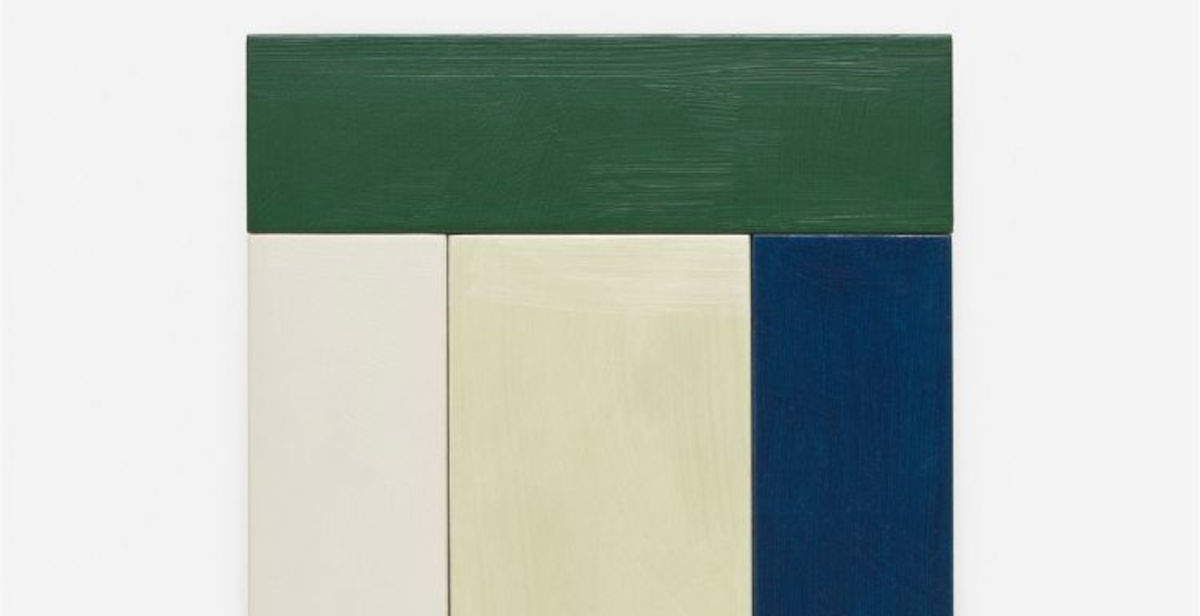 |
| Imi Knoebel at Milan's Dep Art Gallery: abstraction in dialogue between 1983 and 2025 |
Warning: the translation into English of the original Italian article was created using automatic tools. We undertake to review all articles, but we do not guarantee the total absence of inaccuracies in the translation due to the program. You can find the original by clicking on the ITA button. If you find any mistake,please contact us.