





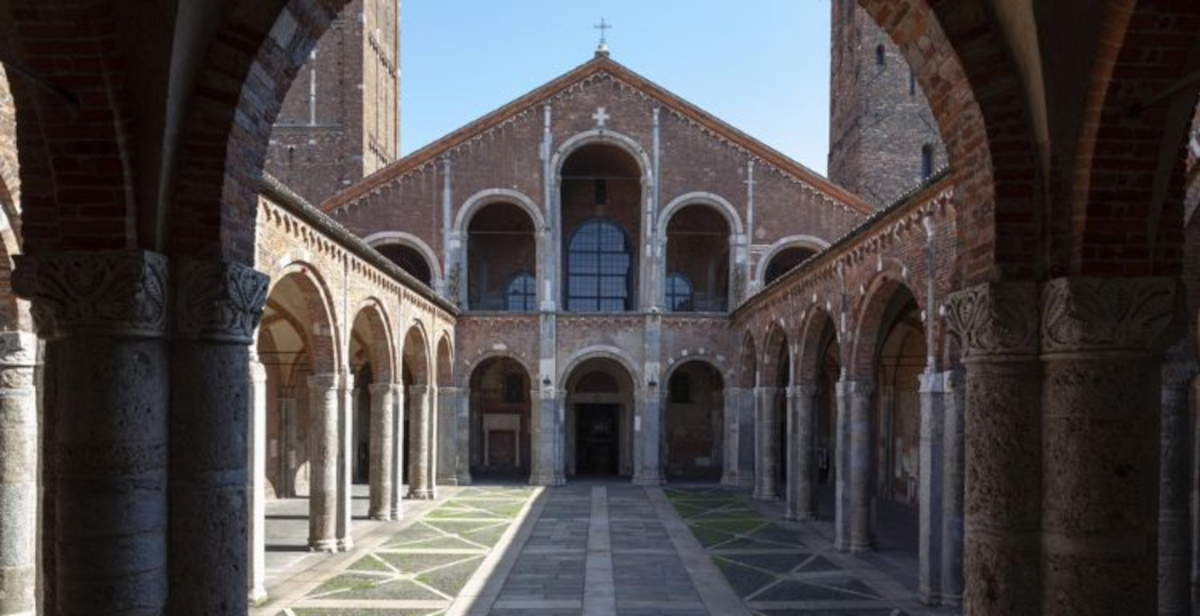
In the period of the celebrations dedicated to the patron saint of Milan, the Basilica of St. Ambrose presents to the public Ambrosius. The Treasure of the Basilica, a wide-ranging cultural and spiritual enhancement project that introduces a novel way of reading the monumental complex. The initiative concerns both the material and immaterial heritage linked to the figure of Ambrose and the structure of the Basilica itself, which has been the subject of scientific interventions, restorations and studies in recent years. The project was spurred by Monsignor Carlo Faccendini, abbot-parish priest of the Basilica, in collaboration with theCultural Heritage Office of the Diocese of Milan and the Superintendence. It has obtained the patronage of the Ministry of Culture, the Lombardy Region and the City of Milan, and is supported by the Cariplo Foundation.
“If you know how to listen they speak, if you know how to see they shed light, if you know how to think, imagine, study, the treasures of Sant’Ambrogio tell the story of the Basilica and the city,” continues Archbishop Mario Delpini, Archbishop of Milan. “Indeed, they tell of events of faith, of confessions, of wonder and mastery, of technique and economy. The treasures of the Basilica are not ’things’ but messages. The realization of this extraordinary path of cultural and spiritual enhancement that is now being inaugurated is therefore not the display, however carefully, of a heritage, but a real exercise in listening to a history and a tradition. My wish then is that the centuries will not remain mute and gratitude will not fail.”
“Cardinal Ratzinger said that the Faith is made evident through the witness of the Saints and also through the beauty that the Faith itself has produced over the centuries,” says Msgr. Carlo Faccendini, abbot-parish priest of the Basilica of St. Ambrose. “Our Basilica is a great story of holiness and, at the same time, a small treasure chest of extraordinary treasures. Ambrosius was born precisely from the deep connection between faith, art and civitas, the authentic foundation of Ambrosian heritage and the teaching of our patron saint, so contemporary even today. Preserving with love, over time, so much beauty - and offering it to the city and the faithful - is the secret so that this magnificent history of holiness will not be lost.”
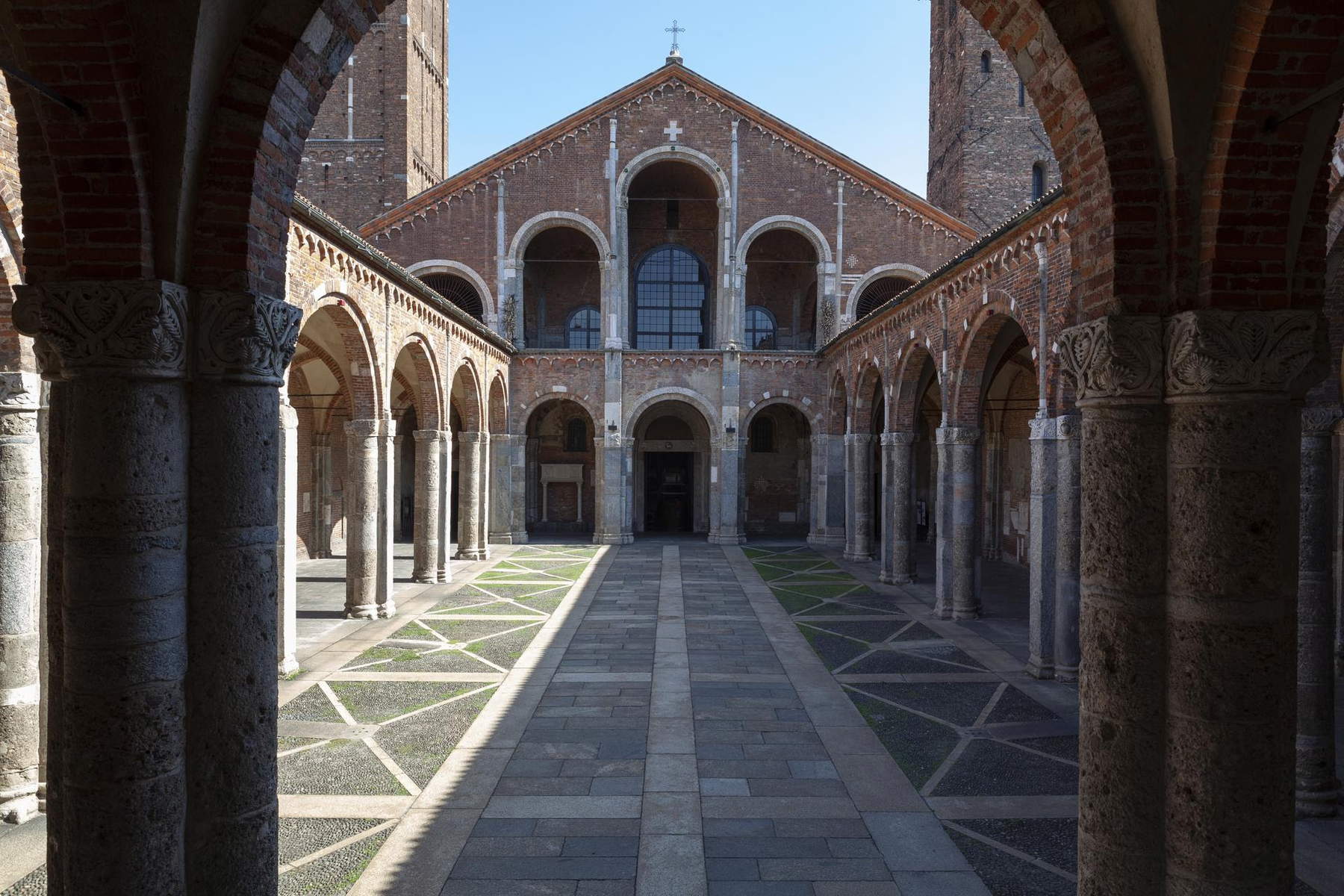
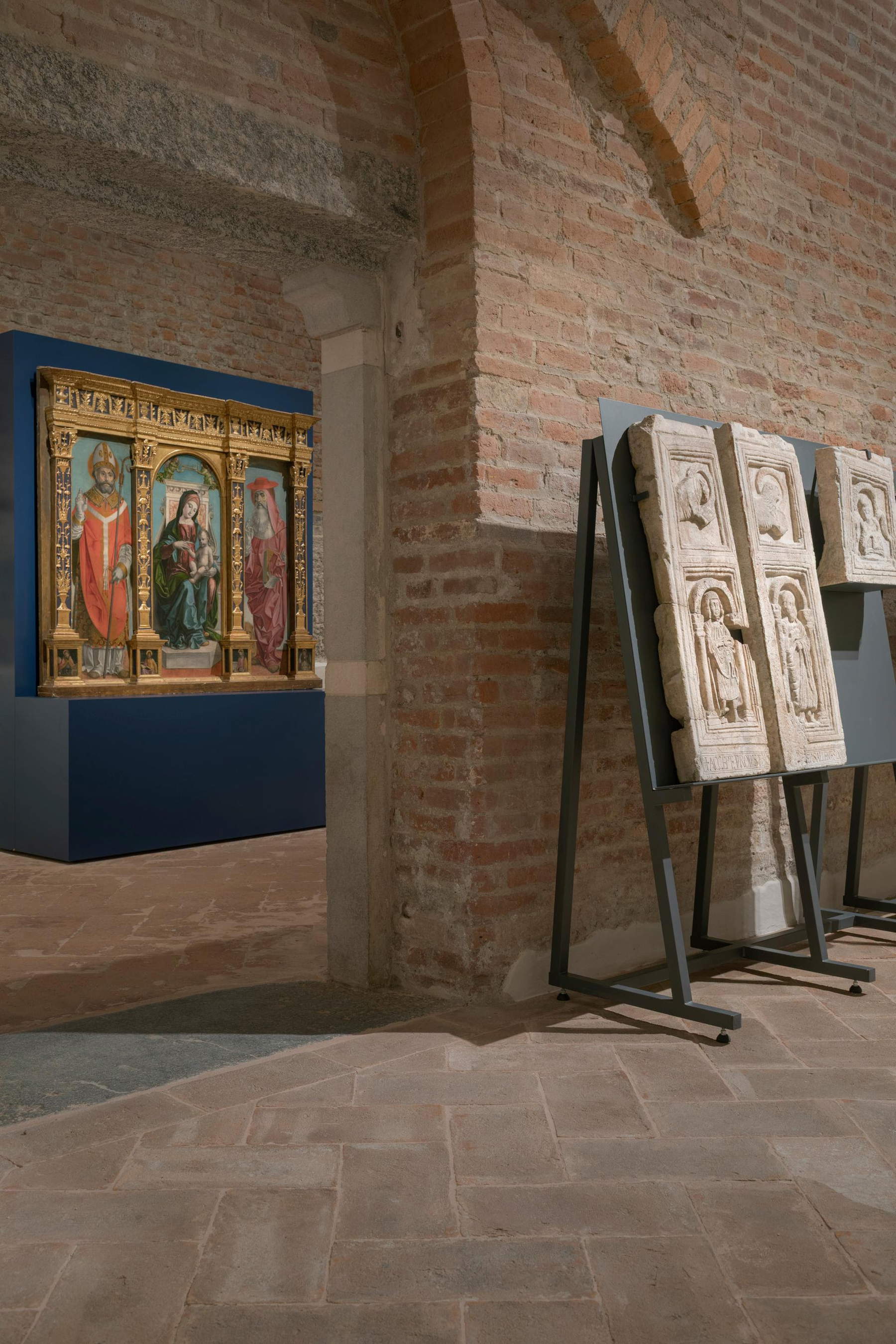
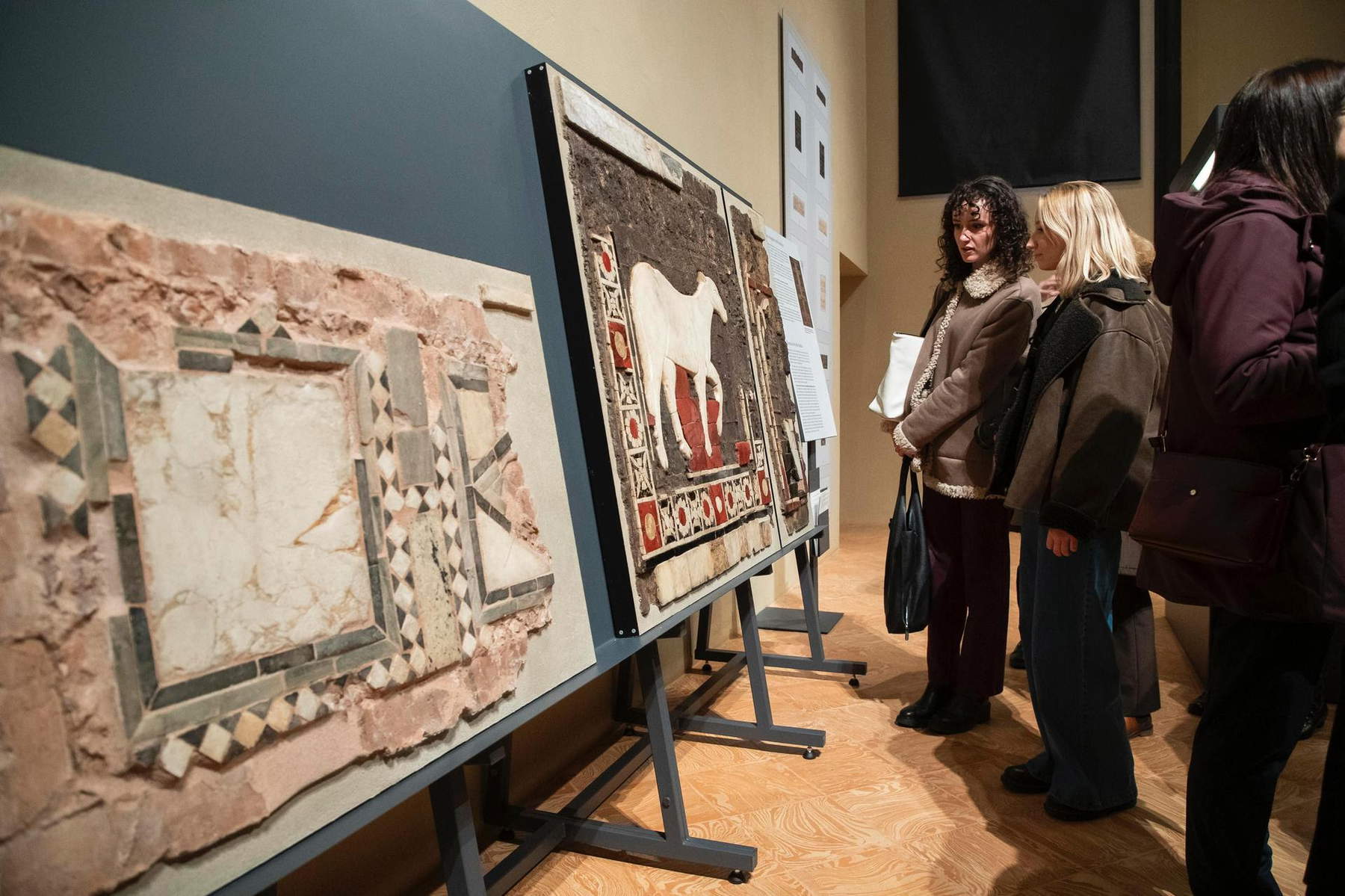
"With Ambrosius, the visit to the Basilica of St. Ambrose acquires even more charm and value," comments Milan Mayor Giuseppe Sala. “Thanks to the restoration work and the expansion of the museum complex’s exhibition spaces, including the opening of the ancient sacristy of the monks - the Aula Ambrosii - and two small monastic gardens, a new itinerary of discovery and visit is defined that enhances the figure of our patron saint, allowing us to reread and update his message also through multimedia contributions. The result is an interesting itinerary from every point of view: religious, spiritual, artistic, historical, scientific and educational. ’Ambrosius - The Treasure of the Basilica’ is a splendid way to pay homage to St. Ambrose, just a few days before December 7, and represents a further opportunity to make students, families, the faithful and the many visitors to Milan know and love such a significant place for the city, thinking also of the important flow of arrivals on the occasion of the Milan Cortina 2026 Winter Olympics and Paralympics. I would like to thank all the experts and workers who have worked on the creation of this extraordinary itinerary, which goes to enrich the cultural o erta of our city with quality.”
"The new museum itinerary Ambrosius," says Tommaso Sacchi, Councillor for Culture of the City of Milan, “the Treasure of the Basilica not only enhances one of the most identifiable places of our city, but also gives back to the Milanese - and to those who visit Milan - the depth of the relationship that unites Sant’Ambrogio to the collective history. This project, which combines research, care for places and accessibility, perfectly embodies the idea of culture as a shared good, capable of bringing memory and the future into dialogue. It is an intervention that reinforces Milan’s role as a city that guards its past with foresight and knows how to make it alive and meaningful for new generations. I invite the Milanese and the Milanese to discover this Treasure, which belongs to everyone.”
The official opening is scheduled for Friday, December 5, 2025, in the presence of the authorities only, in conjunction with the traditional Address to the City by Archbishop Mario Delpini. After the event, it will be possible to visit the new museum itinerary. Thereafter, from December 9 to 24, access will be free for the faithful and citizens, while from December 26 the Treasury will open permanently, with visiting methods and educational proposals available on the dedicated website. The Basilica will always remain accessible to the faithful for prayer and liturgical celebrations. Ambrosius introduces a unified vision of the complex, based on the interweaving of architecture, art and faith, reread through the figure of Ambrose. The project aims to restore to the present a fragment of the city’s spiritual and civic memory, recovering the thought of the bishop, considered one of the most influential interpreters of the city’s role as a place of dialogue between inner awareness and community responsibility. With this in mind, the decision to include a multimedia classroom open to public space also confirms the desire to make the cultural dimension of Ambrosian heritage accessible to all.
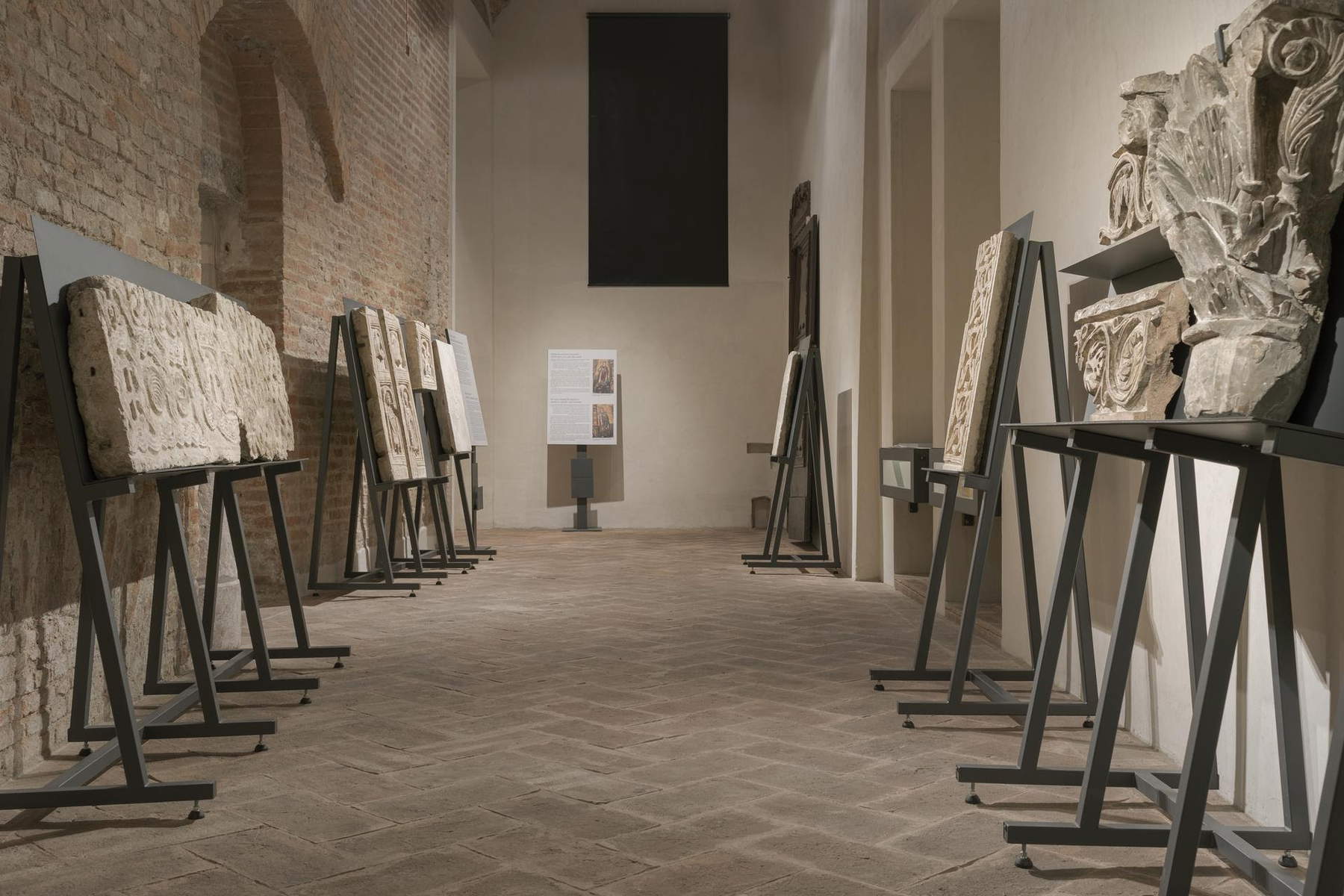
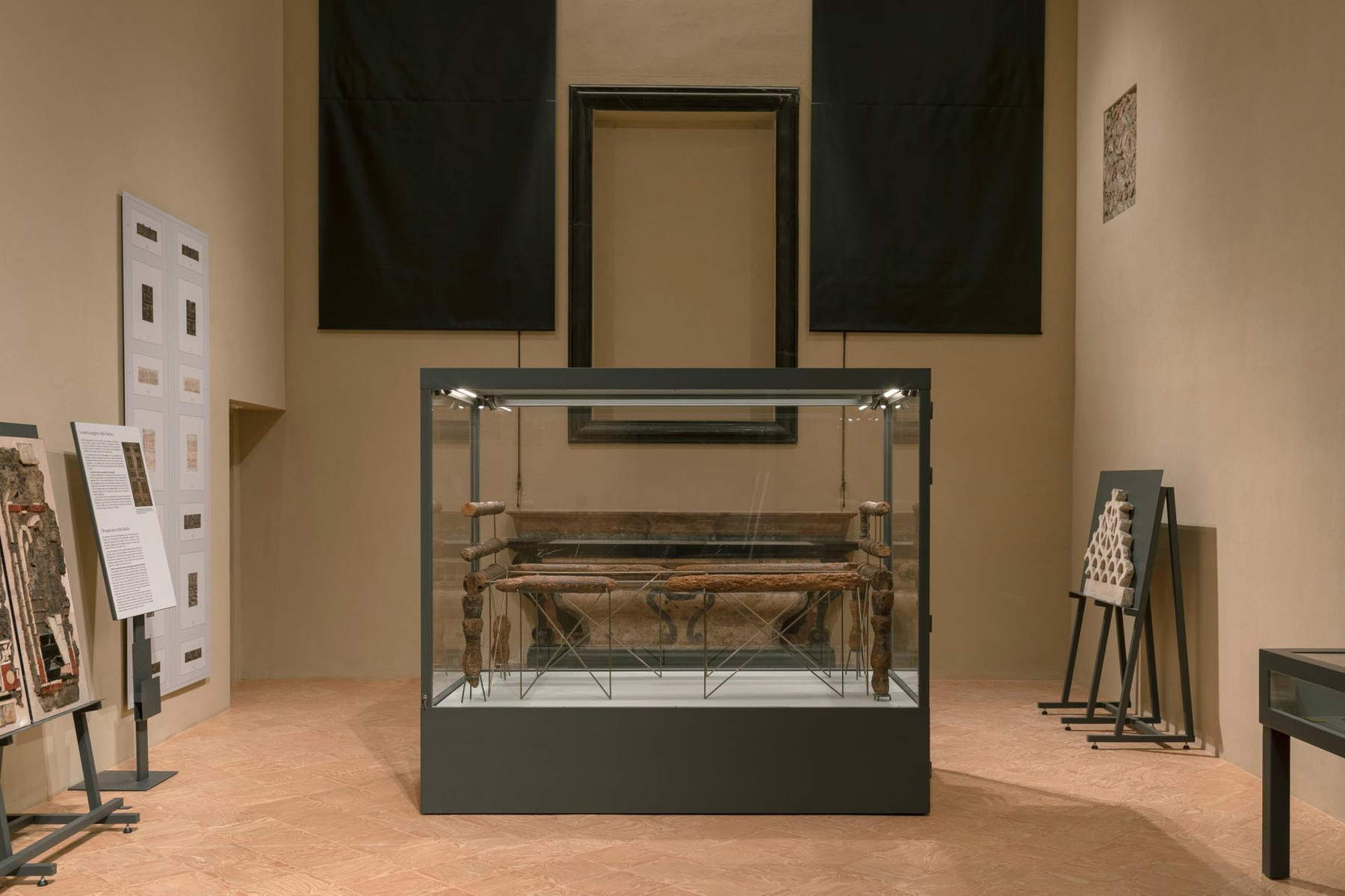
The new layout is divided into two macro-interventions: the museum itinerary of the Treasure and the redefinition of the spaces dedicated to reception and education, which also include the ancient Oratory of the Passion. Completing the project are two small monastic gardens, inspired by medieval gardens dedicated to medicinal and dyeing herbs, conceived as educational tools and integrated into a program of activities for families, adults and schools. The heart of the Treasury is developed through three locations: theAula Ambrosii, the Sacellum of San Vittore in Ciel d’Oro, and the Capitolino. The Aula Ambrosii, the ancient sacristy of the monks, is opened to the public for the first time and houses the bed of St. Ambrose, reassembled from seventeen wooden fragments found in the altar of San Vittore by architect Ferdinando Reggiori during postwar reconstruction. According to tradition, it would be the bishop’s funeral bed. The object is now the focus of a historical-archaeological and scientific study campaign conducted for the first time directly in the Basilica, after a long period of display in the Diocesan Museum. The sacellum of San Vittore in Ciel d’Oro houses the mosaic portrait of Ambrose with dalmatic, considered the oldest depiction of the saint. The Capitolino, formerly an exhibition venue, completes the itinerary. At the center of the museographic narrative are various artifacts linked to Ambrosian memory: the bowl attributed to the Saint, the Urn of the Innocents, wooden furnishings, sacred goldsmithing objects, the five Pleurantes and precious silk fragments. The goal is to restore legibility and historical depth to a heritage that spans the liturgical history of the city and preserves elements that are still little known.
The decision to define the new itinerary as a Treasury, and not a museum, underlines the continuity with the presence of the relics of the Saints and with the body of St. Ambrose kept in the crypt, considered the spiritual fulcrum of the Ambrosian community. Previous enhancement initiatives are also part of this framework: the reopening of the Archivio Capitolare, the restoration of the mosaics of the sacellum of San Vittore, the studies on the dalmatics and the scientific reconstruction of Ambrose’s face carried out by LABANOF of theUniversity of Milan, under the direction of Cristina Cattaneo and Davide Porta. The museographic project is signed by architect Andrea Perin, with work direction by architect Gaetano Arricobene, under the coordination of architect Carlo Capponi and scientific curator Miriam Rita Tessera. The Scientific Committee involves high-profile scholars and experts, active in different disciplinary fields, who contributed to the definition of the contents and narrative structure of the path. The plurality of expertise allowed a transversal reading of the history of the complex, integrating historical vision, archaeology, liturgy and art history.
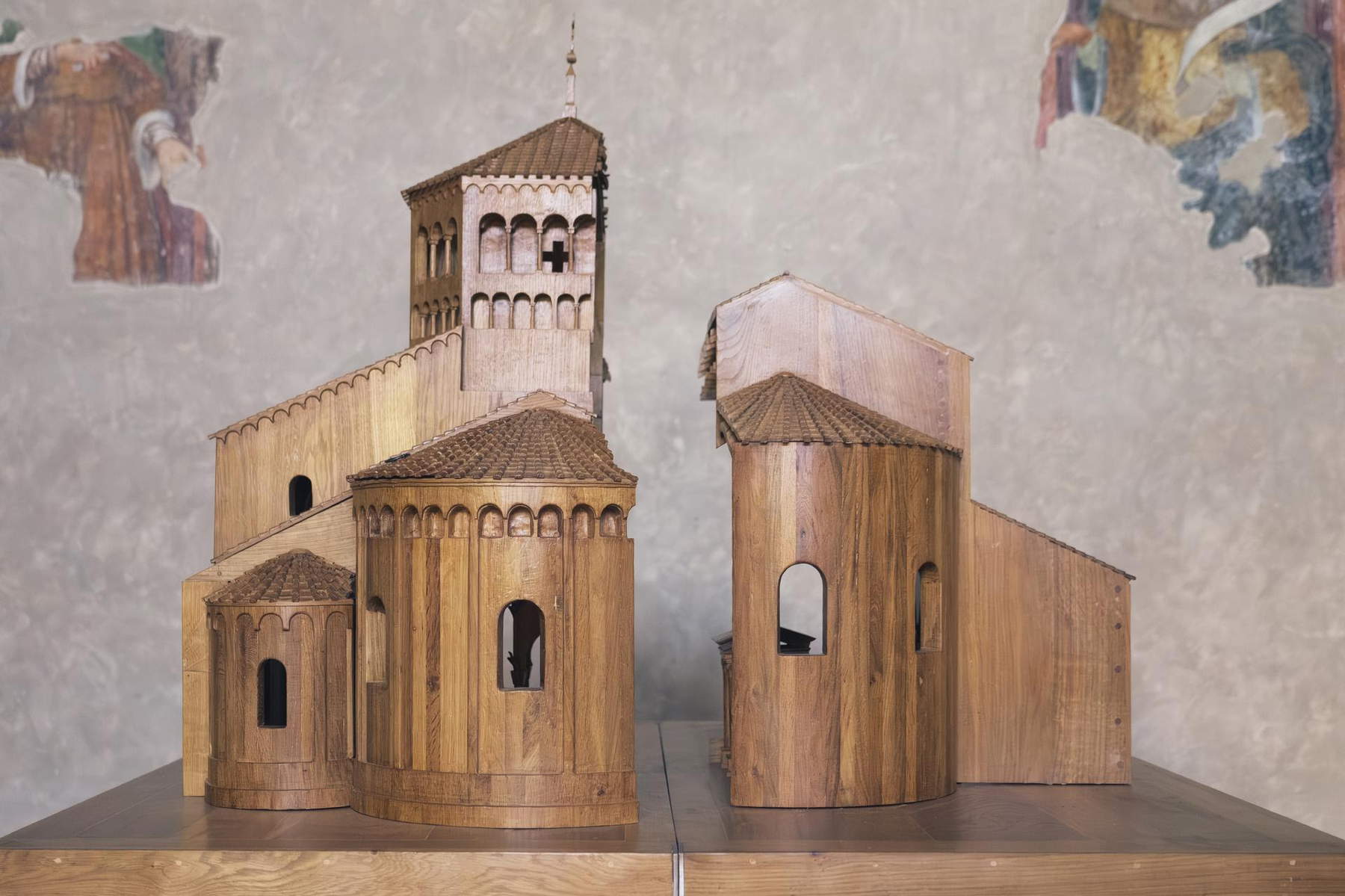
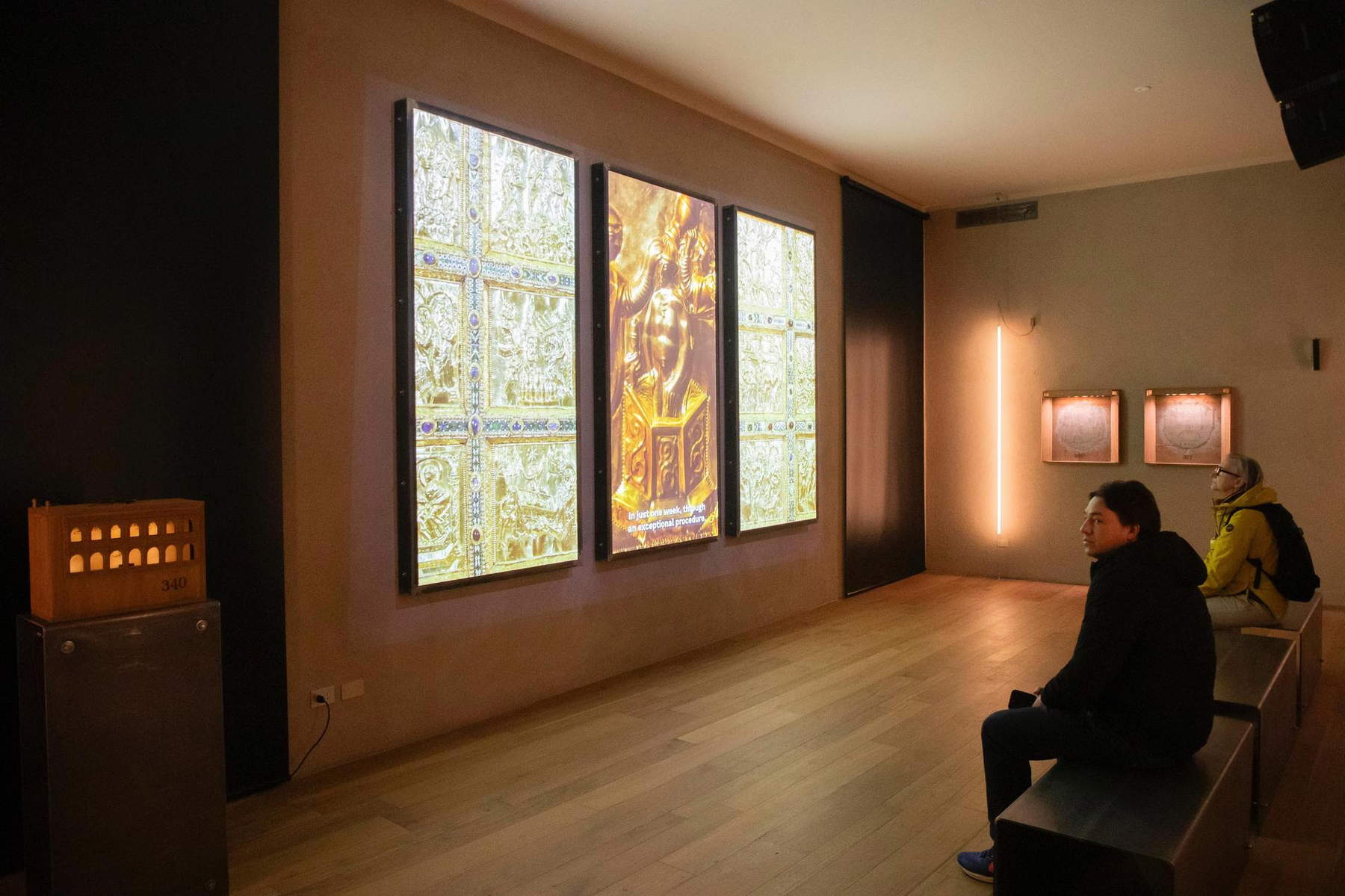
The environments dedicated to reception and education were designed by designer and artist Giuseppe Amato, in collaboration with architect Giorgio Ripa regarding architectural restoration. The choice of materials, wood, iron, lime and natural pigments, is oriented to create a visual continuity with the history of the place, while maintaining a contemporary approach. The layout includes a bookshop, a ticket office, a multimedia room and an educational room. The multimedia room shows a video dedicated to Ambrose’s life, made by 3D Productions and directed by Giovanni Piscaglia, flanked by the pictorial cycle of the Oculi della Memoria, seven tempera panels signed by Amato. The teaching room is designed as a space for workshops and laboratory activities, while the Oratory of the Passion, enriched by a cycle of frescoes, will be used for meetings and presentations. Also in preparation is a wooden model of the Basilica, created by Amato with input from the Scientific Committee, which reconstructs the architectural evolution of the complex on a scale of 1:30, from the early Christian core to the Romanesque configuration of the 12th century. The work is designed as an educational tool and an artistic interpretation of the monument’s history.
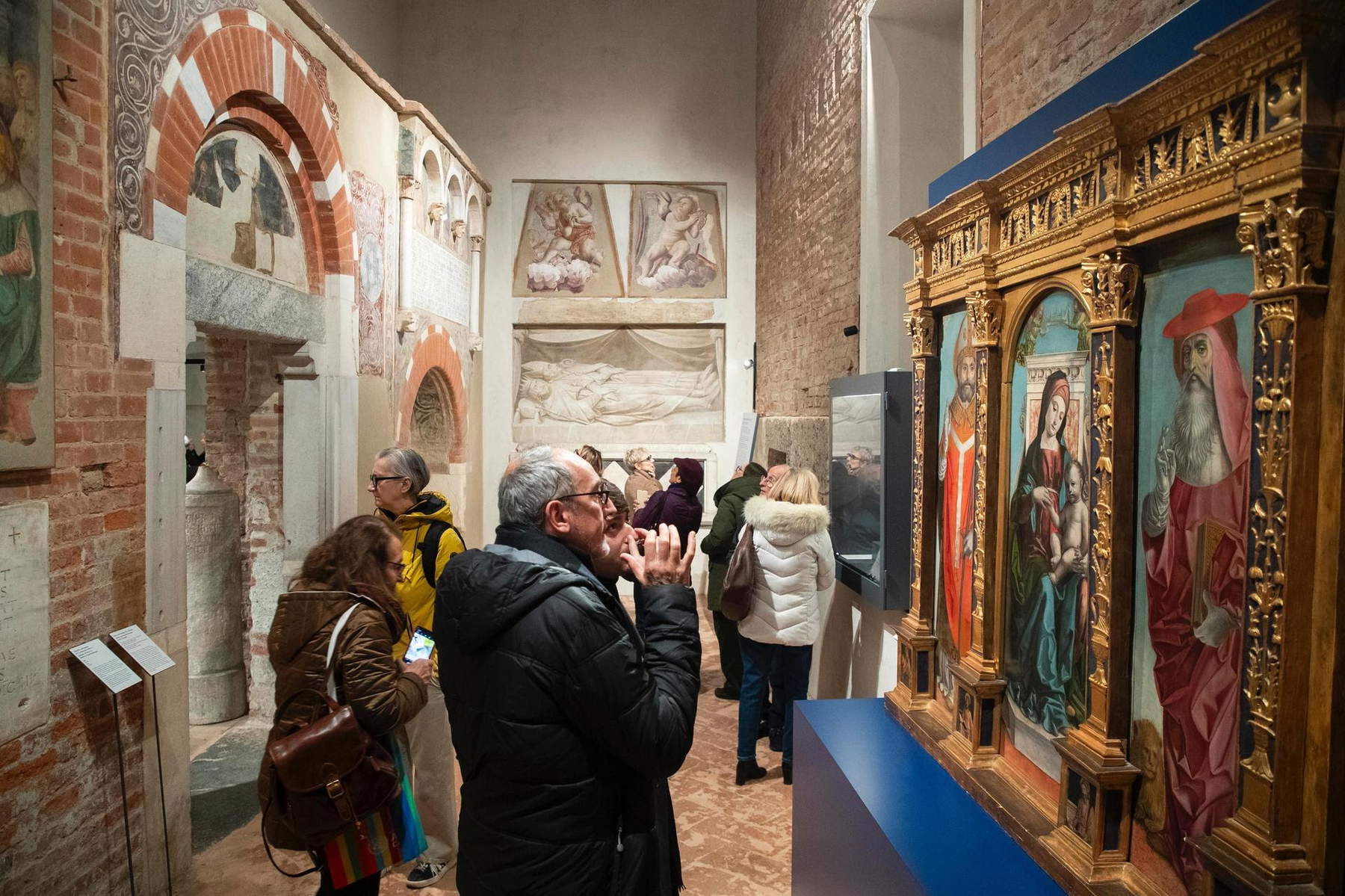
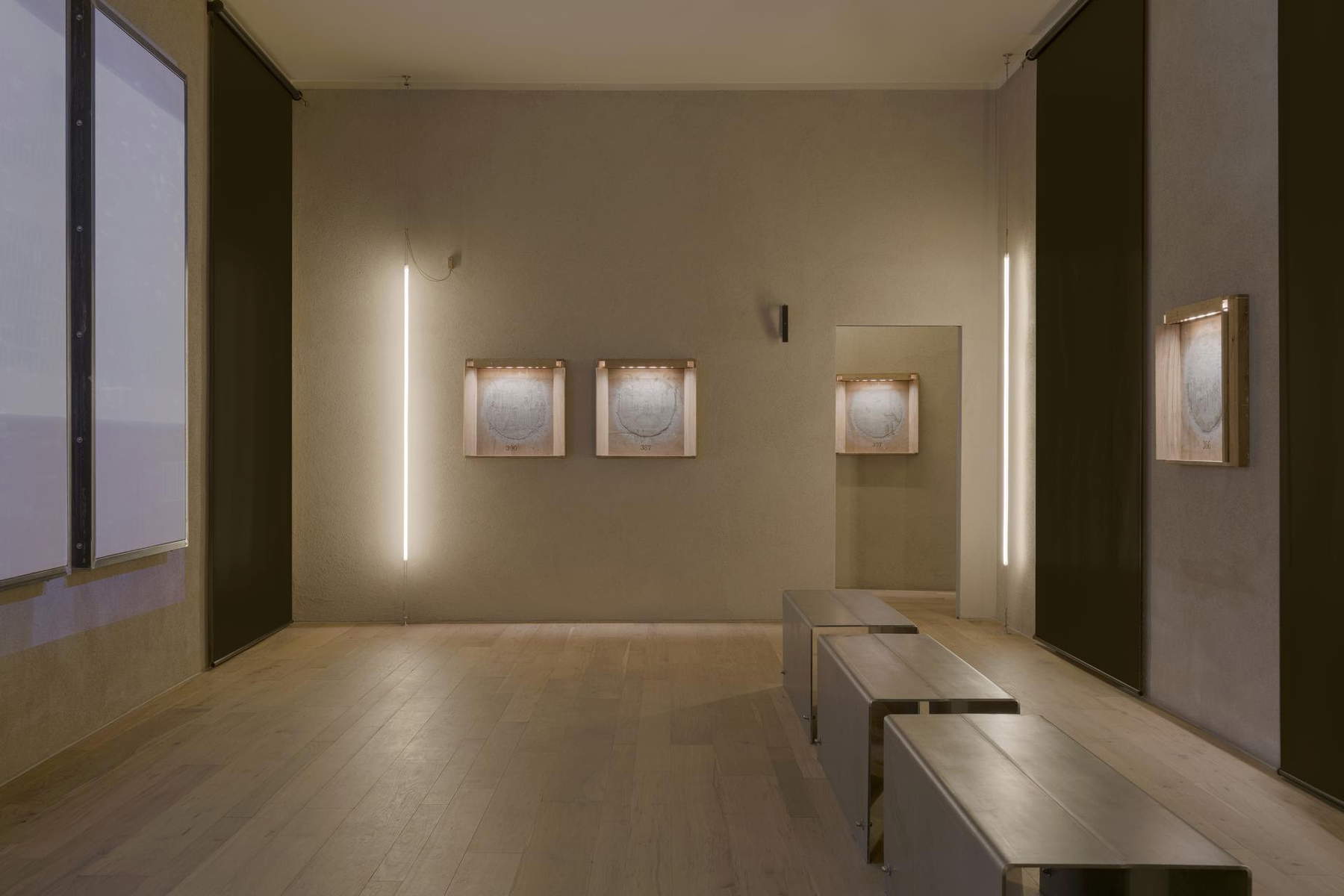
The Ambrosius educational program is developed in collaboration with Ad Artem, the Basilica’s official partner, and includes traditional tours, itineraries with workshop activities and routes dedicated to the artistic techniques present in the Basilica, with special attention to the school audience. The offer is expanded with activities related to the two new monastic gardens, a Hortus simplicium dedicated to medicinal herbs and a Hortus holerorum dedicated to dyeing plants.
The botanical project, curated by Elisabetta Cavigioli and Angela Ronchi, is developed in collaboration with the Network of Botanical Gardens of Lombardy. Ambrosius thus proposes an integrated model between museographic narrative and educational activities, with the aim of offering an inclusive and scientifically rigorous experience capable of rereading Ambrosian history in light of contemporary needs. The quote “Praeterita recordari, futura considerare,” attributed to St. Ambrose, ideally orients the path, which aims to unite historical memory and awareness of the present. The project also includes a new image, created by Studio Fond, and a dedicated website, which introduces an updated booking system. IGPDecaux is supporting Ambrosius with a citizen communication campaign, while law firm Bipart provided professional support in the design phases.
 |
| Milan, Ambrosius, the new route dedicated to the Treasure of St. Ambrose, opens to the public |

Warning: the translation into English of the original Italian article was created using automatic tools. We undertake to review all articles, but we do not guarantee the total absence of inaccuracies in the translation due to the program. You can find the original by clicking on the ITA button. If you find any mistake,please contact us.



























 IT
IT FR
FR DE
DE ES
ES CN
CN


