





Starting Feb. 18, 2026, the Louvre Museum will expand its visitor offerings with an augmented reality project developed in conjunction withSnap Inc.’s Paris-based AR Studio. The initiative, titled The Incredible Unknowns of the Louvre, introduces afree interactive experience that allows the public to delve into six works from the permanent collections through digital content accessible directly from smartphones.
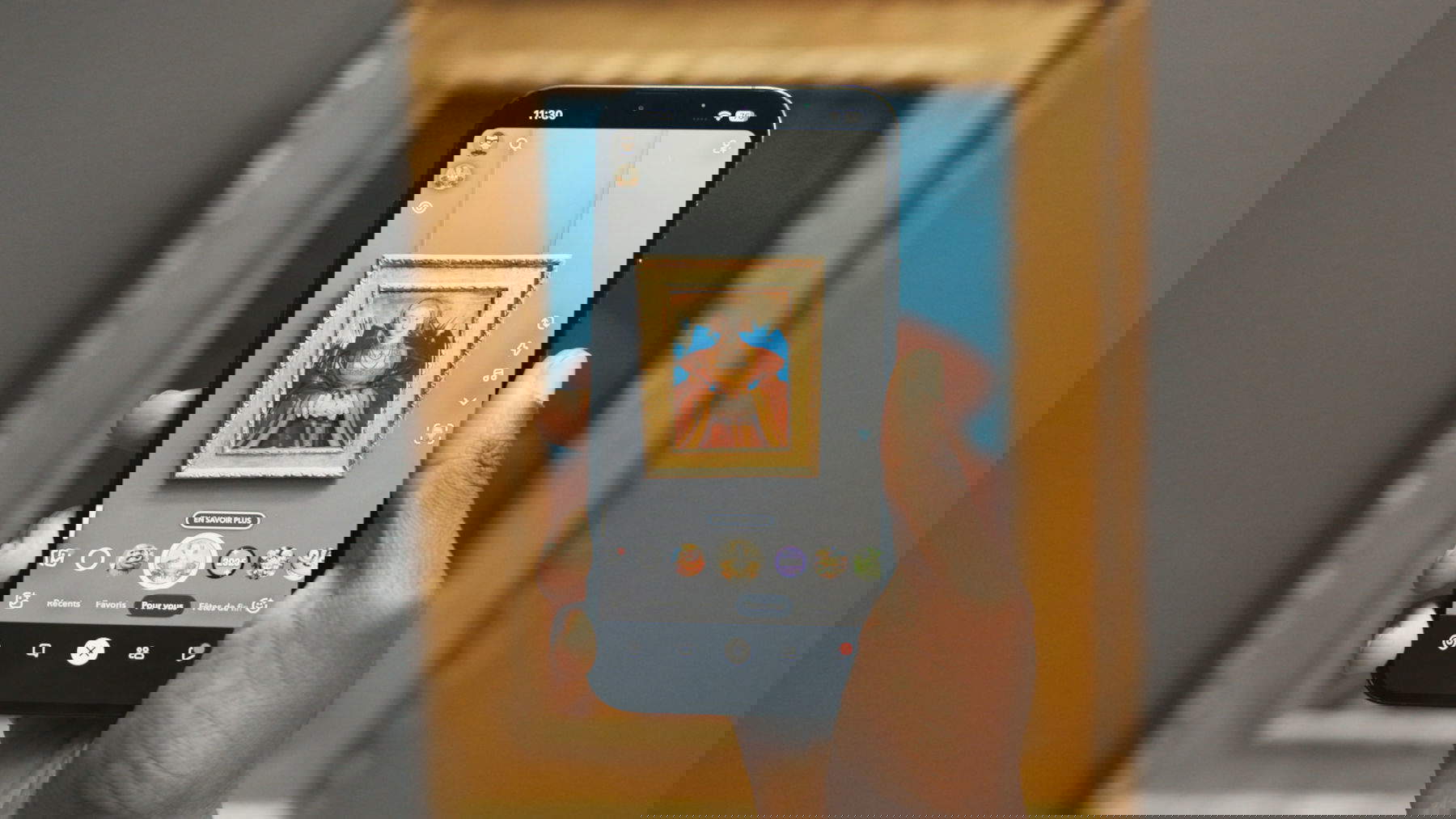
The project is an extension of a pilot program launched in 2023 and dedicated to works from Ancient Egypt. With the new phase, augmented reality is integrated more broadly into the museum itinerary, involving masterpieces belonging to different departments. The goal is to offer additional reading tools and foster a more nuanced understanding of works that, while present in one of the world’s most visited museums, may be less well-known to the general public. The experience is activated by scanning a QR code placed on the label of selected works. Once the Snapchat app is launched, visitors can view digital reconstructions, animations, and explanatory content that reveal formal details, original materials, and colors that have disappeared over the centuries, as well as provide keys to understanding artistic techniques and historical context.
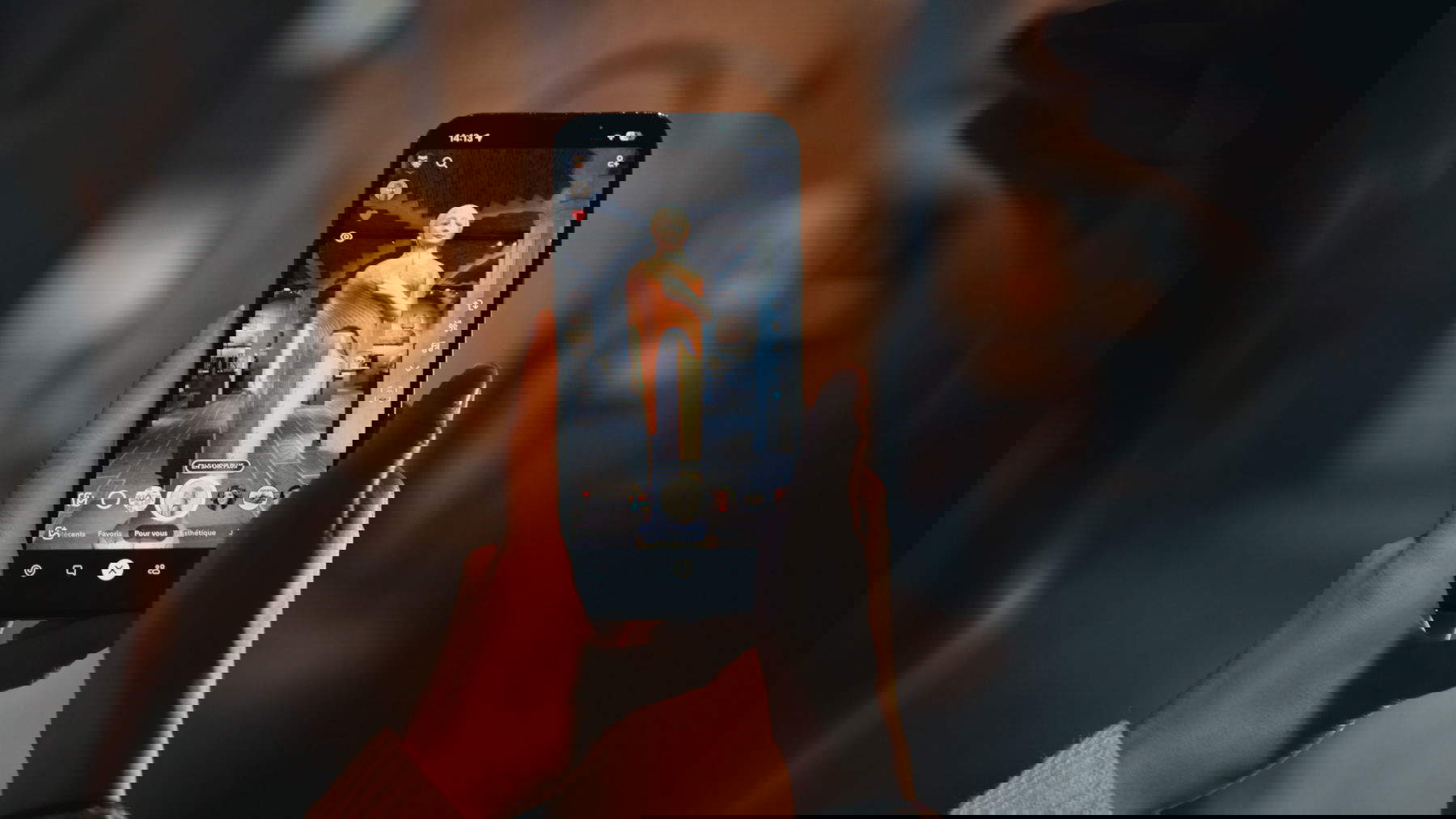
"With The Incredible Unknowns of the Louvre," says Antoine Gilbert, Snap’s Paris AR Studio Manager, “augmented reality becomes a mediation tool in its own right: it allows us to reveal what time has erased-colors, gestures, techniques-while respecting the scientific integrity of the works. At the AR Studio in Paris, our ambition is to support cultural institutions by inventing new forms of knowledge sharing, so that every visitor can connect in a sensitive and contemporary way with these masterpieces.”
“To make our shared heritage even more accessible,” says Gautier Verbeke, Director of Audience Development and Public Engagement at the Louvre Museum, “we need to know how to be visionary, and this collaboration with Snapchat fully reflects that ambition. Augmented reality offers us the opportunity to enhance works sometimes less known to visitors, facilitating their understanding through formats in line with contemporary digital uses. By linking millennia-old masterpieces with the most innovative technologies, the museum affirms a bold, responsible and immediate approach to cultural transmission.”
Among the works involved is the Codex of Hammurabi, a monument to the ancient Near East that collects nearly 280 judicial decisions promulgated by the Babylonian ruler. Through augmented reality, it is possible to explore and decode the legal text, also known for formulating the “eye for an eye” principle, with support to guide understanding of the cuneiform inscription. The tour also includes the Bust of Akhenaten, originally from the Temple of Karnak and depicting Amenhotep IV, known as Akhenaten. Digital reconstruction allows the sculpture to be restored to its original shapes and colors that are no longer visible today, offering a simulation of what the work may have looked like in antiquity. Another intervention involves the Portrait of Anne of Cleves by Hans Holbein the Younger, among the leading German painters of the Renaissance. The augmented reality experience makes it possible to analyze the painting technique and identify symbolic elements and iconographic details not immediately perceptible to the naked eye.
The Kore of Samos, a marble statue offered to the goddess Hera in the Greek island’s sanctuary, is the subject of a reconstruction that restores its original chromatic vibrancy. The work, now devoid of its ancient polychromy, is presented with a simulation showing what it looked like some 2,500 years ago. In the museum’s Cour Puget, Martin Desjardins ’ Four Prisoners in bronze are the focus of further exploration. The figures, which originally surrounded the pedestal of the statue of Louis XIV in the Place des Victoires in Paris, were spared during the French Revolution, when the statue of the Sun King was torn down and melted down. Augmented reality makes it possible to visualize the work in its original arrangement, reconstructing its monumental context. Closing the tour is the basin known as Figurine Rustiche, attributed to Bernard Palissy, a 16th-century French artist. The digital intervention animates snakes, lizards, turtles and frogs modeled on the surface, highlighting the naturalism that characterizes the author’s production.
All experiences were designed by Snap’s Paris-based AR Studio in collaboration with Louvre curators, based on archival materials and scientific references. The museum points out that additional in-depth content is available on the official website louvre.fr, so as to complement the in-person experience with resources that can be consulted online. The project also transcends the physical boundaries of the museum. The experience is also accessible to Snapchat users worldwide through the Lenses carousel or by scanning banners installed near the Louvre. In this expanded version, augmented reality features animated marble blocks and an interactive tour that allows the works to be revealed in three dimensions, with indications of their location in different departments. To access the content, it is necessary to download the Snapchat app.
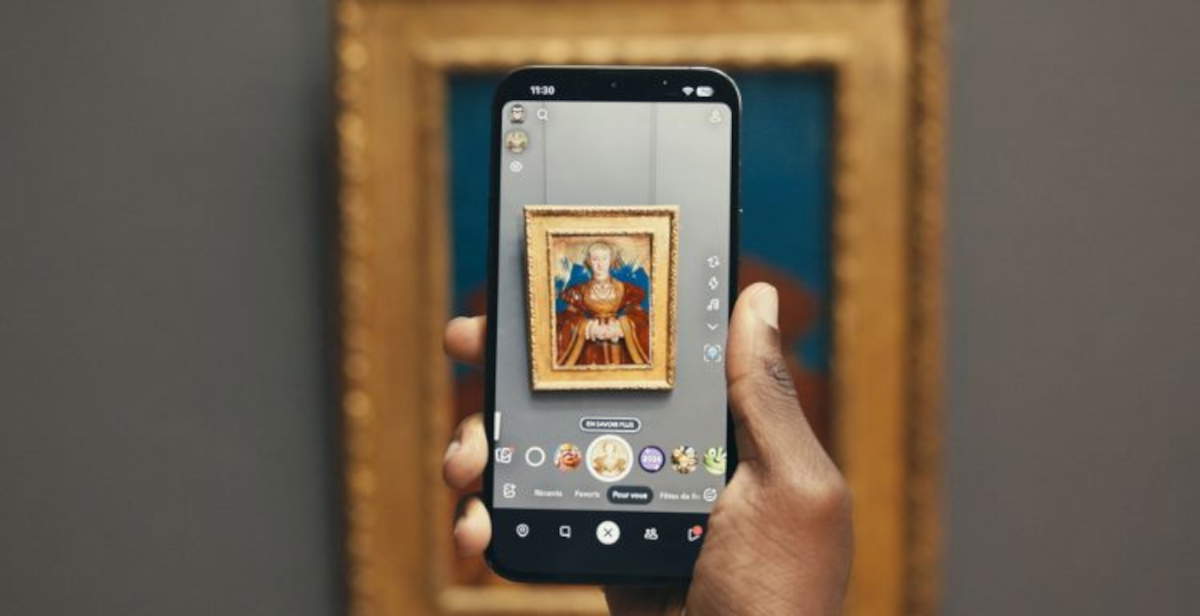 |
| Louvre and Snapchat: six masterpieces come alive in augmented reality |

Warning: the translation into English of the original Italian article was created using automatic tools. We undertake to review all articles, but we do not guarantee the total absence of inaccuracies in the translation due to the program. You can find the original by clicking on the ITA button. If you find any mistake,please contact us.


























 IT
IT FR
FR DE
DE ES
ES CN
CN


